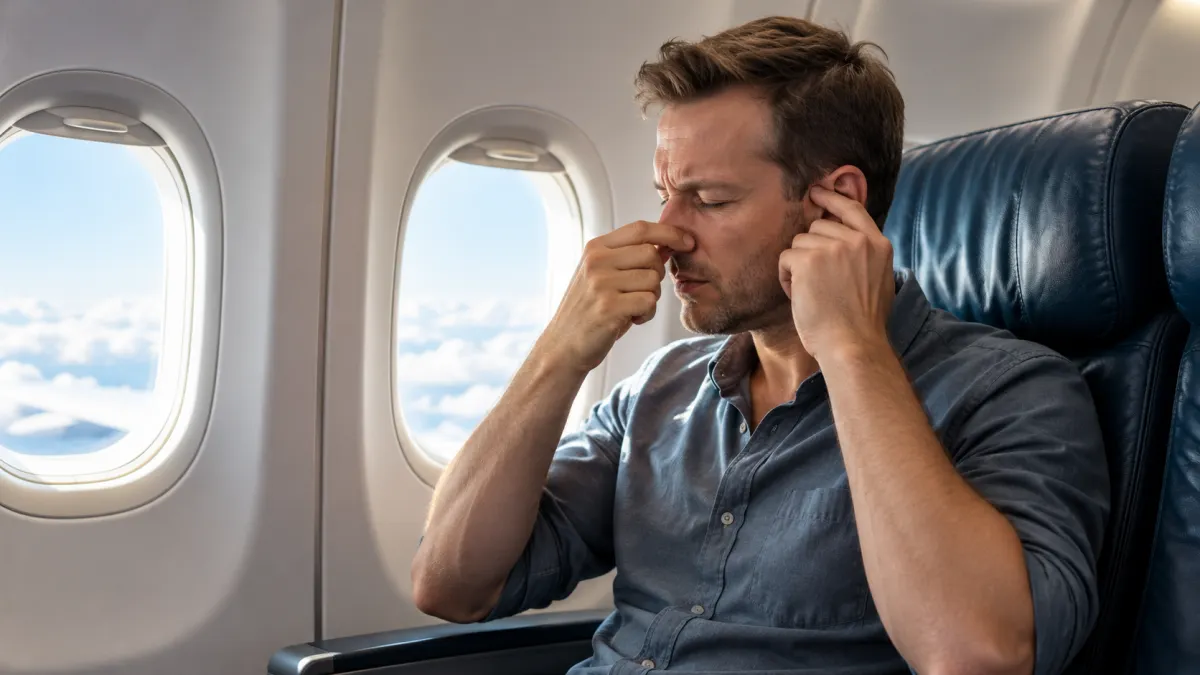

Have you ever noticed your ears suddenly feeling plugged while a plane is landing, you're driving along a mountain road, or you're traveling through areas with significant changes in elevation? You might hear sounds as if they're muffled, feel pressure inside your ears, or experience mild discomfort.
This sensation is usually harmless and often goes away with a few simple techniques. But behind this familiar experience is a precise mechanism involving changes in air pressure and the function of a small structure inside your ear.
The Woman Who Couldn’t Feel Fear: The Rare Brain Condition That Changed Neuroscience
Why Do Your Ears Feel Plugged During Travel?
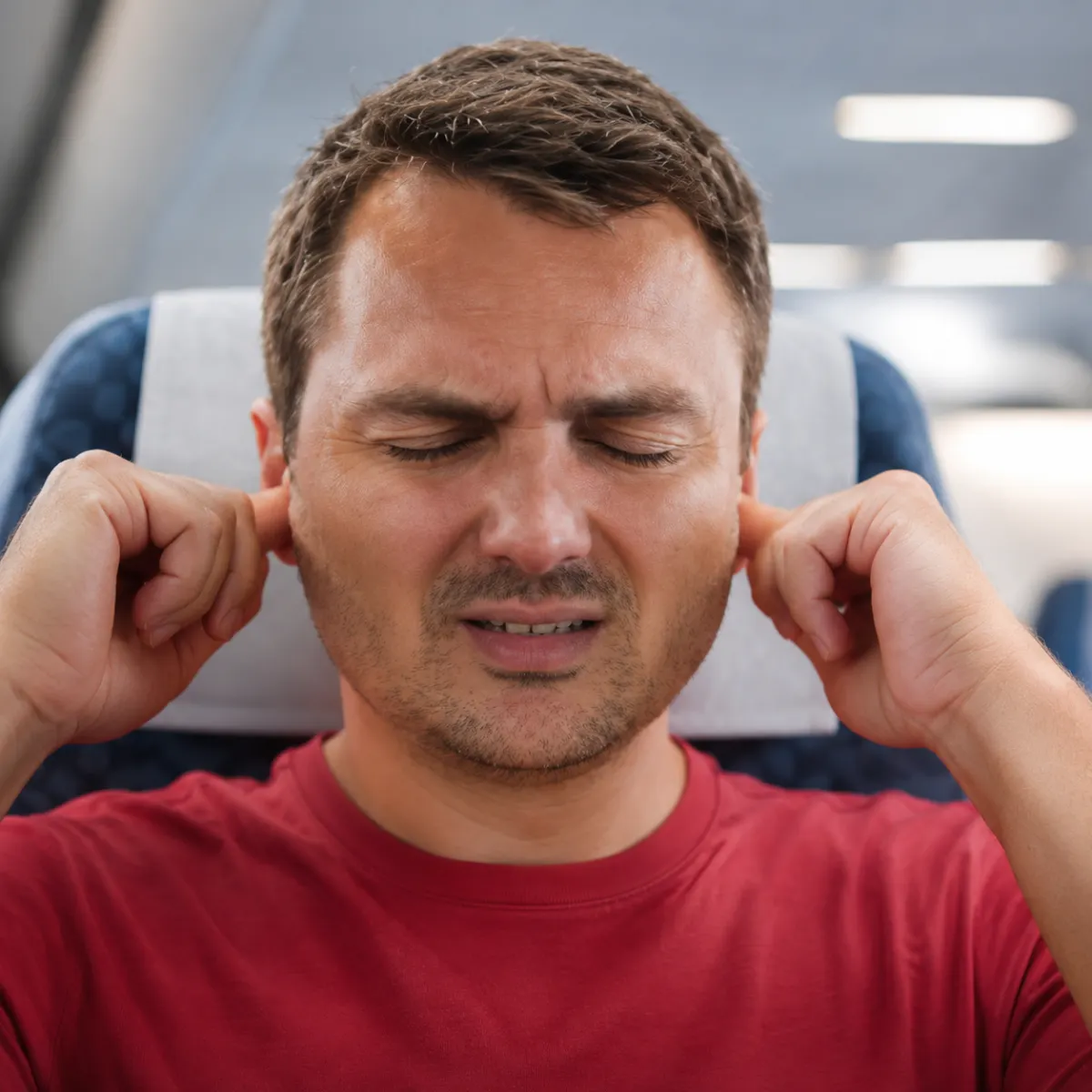
The main reason is a difference between the air pressure inside your middle ear and the pressure in the surrounding environment. In medical terms, ear barotrauma refers to pressure-related injury to the ear. However, a plugged-ear sensation does not always mean tissue damage; it can simply result from a temporary pressure imbalance.
When an airplane climbs or descends, the air pressure around you changes. Driving through mountain passes can cause similar effects as elevation changes.
Your middle ear is a small, air-filled space behind the eardrum. For the eardrum to vibrate properly and transmit sound effectively, the pressure on both sides needs to remain approximately balanced. When the surrounding pressure changes faster than the pressure inside the middle ear, the eardrum can become stretched, causing a feeling of fullness, muffled hearing, or ear pain.
What Is the Eustachian Tube, and Why Does It Matter?
The Eustachian tube is a narrow passage connecting the middle ear to the back of the nose and upper throat. One of its main functions is to help equalize air pressure on both sides of the eardrum.
Under normal conditions, the tube remains closed most of the time. It briefly opens when you swallow, yawn, or activate certain throat muscles. This allows air to move between the middle ear and the area behind the nose, helping balance the pressure.
If the surrounding pressure changes quickly or the Eustachian tube does not open properly, the pressure inside the middle ear may not adjust fast enough. That's when your ears can start to feel plugged.
Why Are Some People More Likely to Experience Ear Pressure?
Anyone can experience ear pressure during travel, but certain conditions can make it more likely.
- Colds and nasal congestion: Inflammation in the upper respiratory tract can make it harder for the Eustachian tube to open.
- Seasonal allergies: Allergy-related inflammation may interfere with normal Eustachian tube function.
- Middle ear infections: These can cause pain, pressure, and reduced hearing.
- Young age: Children's Eustachian tubes are smaller and function differently from those of adults, making pressure-related ear problems more common.
- Sleeping during takeoff or landing: When you're asleep, you may swallow and yawn less frequently, allowing pressure to build up before your ears adjust.
6 Simple Ways to Prevent Ear Pressure During Travel

1. Sip Water During Takeoff and Landing
Swallowing helps the Eustachian tube open briefly. Taking small sips of water during takeoff and, especially, during descent can help your ears adjust to changing pressure.
2. Chew Gum or Suck on Hard Candy
Chewing and sucking encourage frequent swallowing, which can help equalize ear pressure. These methods may be useful for adults and older children who can safely chew gum or suck on candy without a choking risk.
3. Try Yawning
Yawning activates the muscles involved in opening the Eustachian tube. If your ears begin to feel plugged, try yawning several times. You can also gently imitate a yawn if a natural one doesn't come.
4. Try the Valsalva Maneuver Gently
The Valsalva maneuver is a commonly recommended technique for helping equalize ear pressure.
Here's how to do it:
- Close your mouth.
- Gently pinch your nostrils shut.
- Try to exhale softly through your nose while keeping your nostrils closed.
Use very little pressure. Stop immediately if you feel pain, and never force air into your ears. If the pressure doesn't improve, don't keep repeating the maneuver forcefully. People with existing ear problems or those who have recently undergone ear surgery should consult a healthcare professional before trying it.
5. Plan Ahead if You Have a Cold
Nasal congestion caused by a cold or allergies can make it harder for your ears to equalize pressure. If you have severe symptoms or a history of ear problems, speak with a healthcare professional about whether it's appropriate to fly.
6. Stay Awake During Descent
If possible, remain awake while the airplane descends. This makes it easier to swallow regularly, yawn, and use other gentle techniques to equalize pressure.
This can be particularly helpful if your ears tend to feel plugged during landing.
Can Nasal Sprays or Medication Help?
For some people, decongestant medications may help relieve nasal congestion. However, they aren't suitable for everyone and shouldn't be used without considering individual health conditions.
Decongestant nasal sprays also have usage limits. Overusing certain types can cause rebound congestion, making a stuffy nose worse once the medication wears off.
If you're pregnant, have high blood pressure or heart disease, take other medications, or are considering medication for a child, consult a doctor or pharmacist before using a decongestant.
Medication should not replace simple techniques such as swallowing, yawning, and gently equalizing pressure. Antibiotics are generally not needed for ear pressure caused solely by changes in air pressure and should never be taken without appropriate medical advice.
What Should You Do if Your Ears Don't Unplug After Traveling?
In many cases, ear pressure gradually balances out, and the plugged sensation disappears. However, if ear fullness or reduced hearing persists for more than a few days, it's a good idea to have your ears examined by a healthcare professional.
Seek prompt medical evaluation if you experience any of the following:
- Sudden or significant hearing loss
- Severe dizziness or a spinning sensation
- Severe or worsening ear pain
- Blood or fluid draining from the ear
- Severe ringing in the ears, particularly when accompanied by hearing loss or dizziness
These symptoms may indicate a problem beyond a temporary pressure imbalance and shouldn't automatically be attributed to travel.
Can Your Ears Feel Plugged Outside an Airplane?
Yes. Any situation involving rapid changes in surrounding pressure can create a pressure imbalance in the middle ear.
Driving through mountain passes, scuba diving, and certain activities involving pressure changes can all trigger ear discomfort.
However, the risks and mechanisms of injury vary. Scuba diving, in particular, can involve faster and more substantial pressure changes. Divers should equalize pressure regularly and gently, without forcing the maneuver.