
When we hear the word plague, many of us think of the Middle Ages, the Black Death, and devastating epidemics that killed millions of people across Europe. But plague is not simply a disease from the history books. It still exists today in parts of the world, and when diagnosed and treated early, it can be effectively treated with antibiotics.
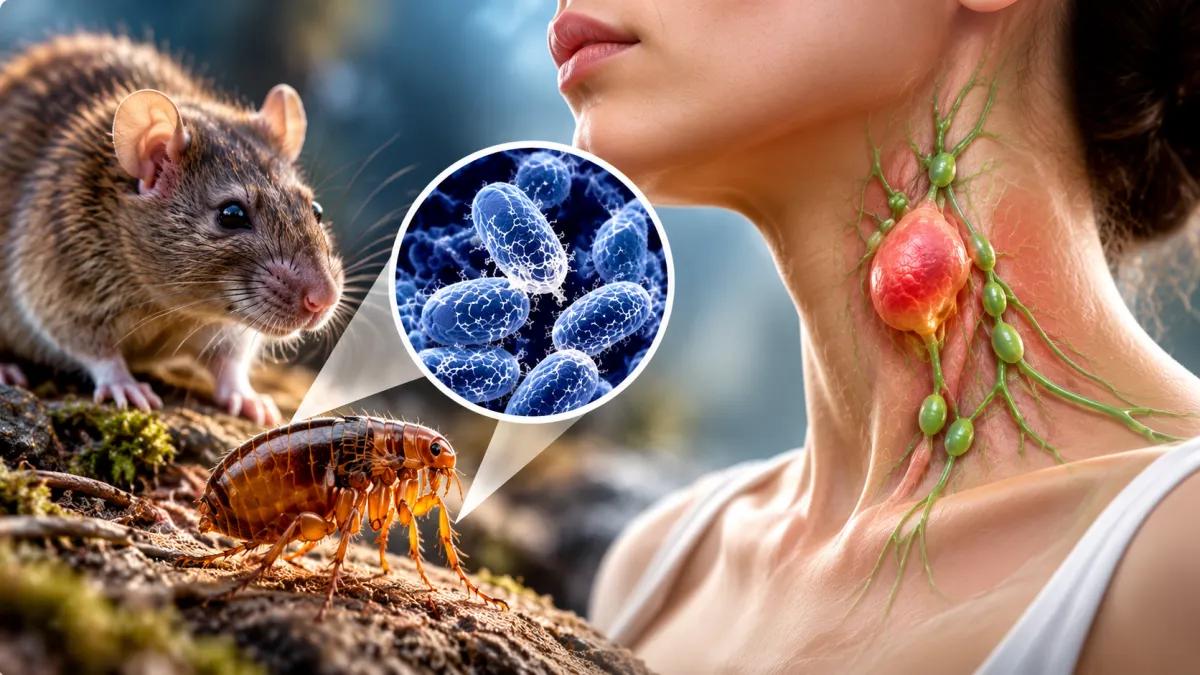
Plague is an infectious bacterial disease caused by Yersinia pestis. The bacterium normally circulates among certain wild rodents and the fleas that live on them. Humans can become infected when they come into contact with this natural cycle of transmission.
But how exactly does plague spread? How many types are there? Which form is the most dangerous? And should we still be worried about it today?
Plague Fears After Lab Worker Dies in Siberia: What Really Happened in Russia?
What Is Plague?
Plague is a zoonotic disease, meaning it can spread between animals and humans.
The disease is caused by Yersinia pestis, a bacterium that naturally occurs among certain populations of small mammals, particularly rodents, and the fleas that feed on them.
People most commonly become infected through the bite of an infected flea. Direct contact with the tissue or bodily fluids of an infected animal can also transmit the bacterium. In some circumstances, inhaling infectious respiratory droplets can lead to infection as well.
This means that the presence of plague in a particular region does not necessarily mean that there is a widespread outbreak among humans. The bacterium can remain in a natural cycle involving animals and fleas for long periods, with occasional transmission to people.
How Many Types of Plague Are There?
The World Health Organization recognizes three main clinical forms of plague:
- Bubonic plague
- Septicemic plague
- Pneumonic plague
These forms are distinguished by where the infection occurs and how the bacteria spread through the body.
Other less common forms, including plague meningitis and pharyngeal plague, have also been described in certain circumstances. However, bubonic, septicemic and pneumonic plague are considered the three primary clinical forms.
1. What Is Bubonic Plague?
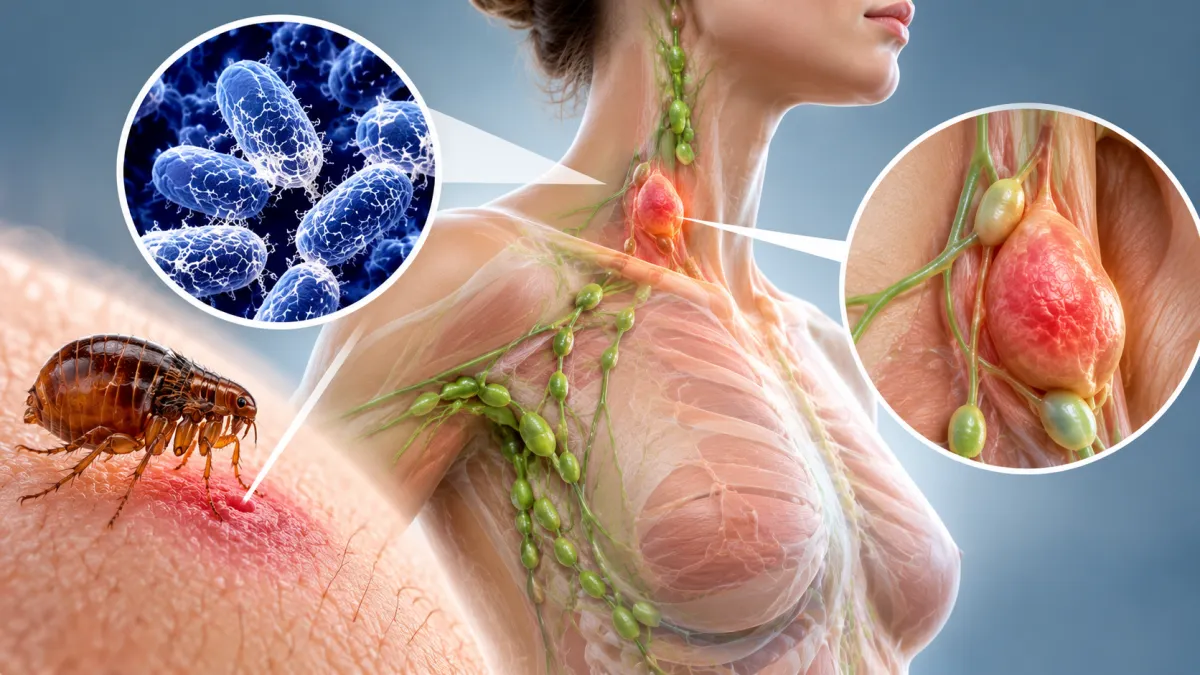
Bubonic plague is the most common form of plague.
It usually develops after a person is bitten by an infected flea. The bacterium enters the body at the site of the bite and travels through the lymphatic system to the nearest lymph node.
The lymph node can become swollen, inflamed and extremely painful. These characteristic swollen lymph nodes are known as buboes, which give bubonic plague its name.
Symptoms of Bubonic Plague
Symptoms can include:
- Sudden fever
- Chills
- Headache
- Severe weakness
- Muscle and body aches
- Nausea and vomiting
- Painful, swollen lymph nodes
If left untreated, the infection can spread from the lymphatic system into the bloodstream or lungs, potentially developing into a more severe form of plague.
An important point is that bubonic plague generally does not spread directly from person to person. Person-to-person transmission is primarily associated with pneumonic plague.
2. What Is Septicemic Plague?
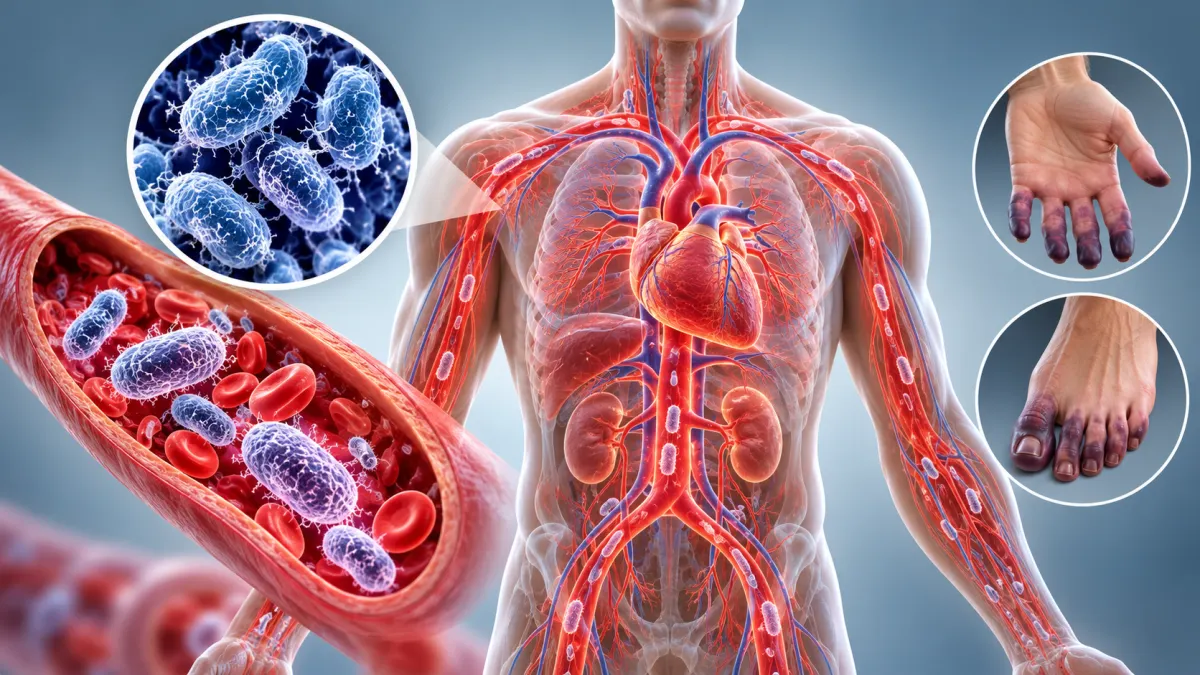
Septicemic plague occurs when Yersinia pestis enters the bloodstream and multiplies there.
It can develop as the initial form of the disease or occur when bubonic plague progresses and the bacteria spread into the bloodstream.
Symptoms may include:
- Fever and chills
- Extreme weakness
- Abdominal pain
- Shock
- Bleeding under the skin or in other tissues
- Tissue damage
- Organ failure
In severe cases, impaired blood circulation and tissue damage can cause parts of the body—particularly the fingers, toes or nose—to darken and eventually die.
Septicemic plague is a medical emergency and can be fatal without rapid treatment.
3. What Is Pneumonic Plague?
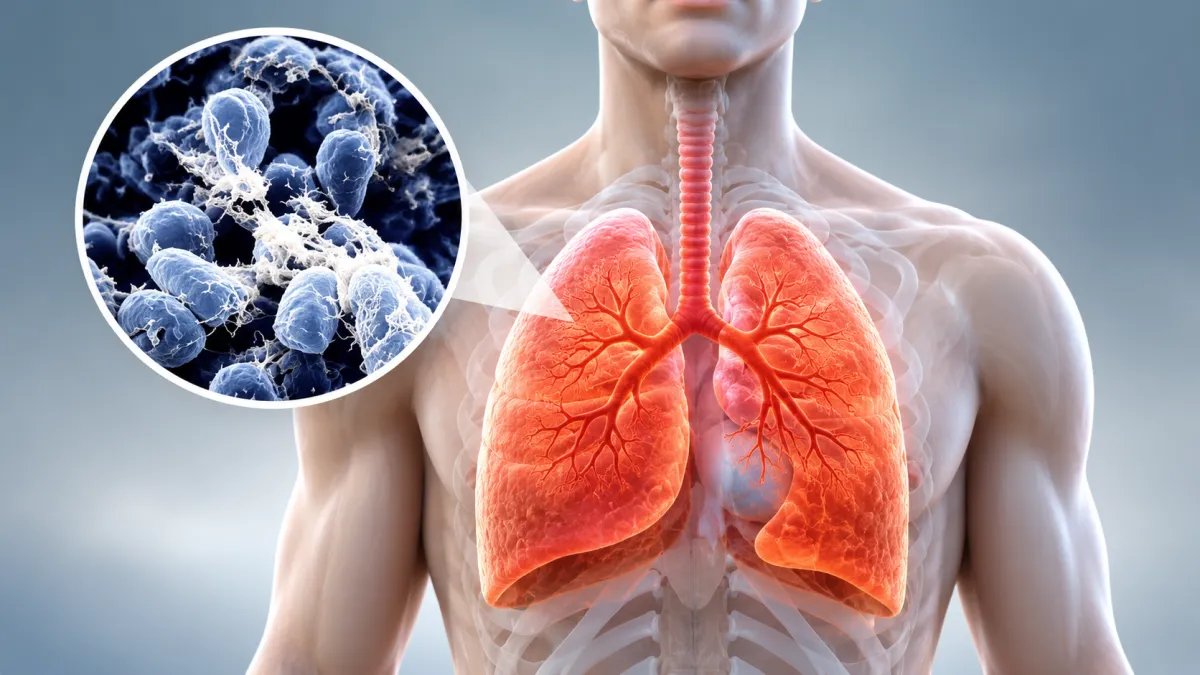
Pneumonic plague occurs when the bacteria infect the lungs.
It can develop when bubonic or septicemic plague spreads to the lungs. It can also occur when a person inhales infectious respiratory droplets containing Yersinia pestis.
Pneumonic plague is particularly important from a public-health perspective because it is the main form of plague that can spread directly from person to person.
Symptoms can appear rapidly and may include:
- Fever
- Headache
- Weakness
- Shortness of breath
- Chest pain
- Cough
- Watery or bloody sputum
Without prompt treatment, pneumonic plague can progress rapidly. This is why early diagnosis and immediate treatment are so important.
How Does Plague Spread?
The way plague spreads depends on the type of exposure.
Through Infected Fleas
One of the most common routes of transmission is the bite of a flea that has previously fed on an infected animal.
Through Contact With an Infected Animal
Direct contact with the tissue or bodily fluids of an infected animal can also transmit the bacterium. This is particularly relevant for people who handle wild animals or animal carcasses.
Through Respiratory Droplets
In pneumonic plague, an infected person can release bacteria-containing respiratory droplets when coughing. Someone in close contact with that person may become infected by inhaling those droplets.
So, contrary to a common misconception, not all forms of plague are equally contagious.
Is Plague the Same as the Black Death?
Yes and no.
The Black Death refers to one of the most devastating plague pandemics in history, particularly the pandemic that swept through Europe during the 14th century.
The disease was caused by the same bacterium, Yersinia pestis. However, the medical circumstances surrounding plague today are very different from those of the Middle Ages.
The World Health Organization estimates that the Black Death killed more than 50 million people in Europe.
Today, however, plague is a treatable bacterial infection, and early diagnosis followed by appropriate antibiotic treatment can save lives.
Does Plague Still Exist Today?
Yes.
Although plague is no longer a widespread disease like it was during the Middle Ages, Yersinia pestis still exists in natural animal reservoirs in parts of the world.
According to the World Health Organization, in recent years most reported human cases have occurred in the Democratic Republic of the Congo and Madagascar. Plague also occurs naturally in certain areas of Africa, Asia and the Americas.
Rare cases are also reported in parts of the western United States.
Can Plague Be Treated?
Yes.
This is perhaps the biggest difference between modern plague and the disease that devastated populations centuries ago.
Plague can be treated with antibiotics, but treatment needs to begin as quickly as possible. This is especially important for pneumonic and septicemic plague, which can progress rapidly.
When doctors strongly suspect plague, they may begin treatment before final laboratory confirmation is available because delaying treatment can increase the risk of severe complications and death.
How Is Plague Diagnosed?
A definitive diagnosis requires laboratory testing.
Depending on the form of the disease, doctors may collect samples such as:
- Blood
- Sputum
- Fluid from swollen lymph nodes
These samples can then be tested for Yersinia pestis.
This is important because having a fever, swollen lymph nodes or respiratory symptoms does not automatically mean that someone has plague. Many other infections can cause similar symptoms.
Is Plague Highly Contagious?
It depends on the type.
Bubonic plague, the most common form, generally does not spread directly from person to person.
Pneumonic plague is different. An infected person can spread the bacteria through respiratory droplets, particularly during close contact with another person.
Therefore, a suspected case of plague does not automatically mean that a large outbreak has begun. However, if pneumonic plague is confirmed, quickly identifying patients and monitoring people who have been in close contact with them becomes extremely important.
Should We Still Be Afraid of Plague?
Plague remains a serious and potentially fatal disease, but modern medicine has changed the situation dramatically compared with the Middle Ages.
Three major factors make today's situation very different:
Laboratory diagnosis, antibiotics, and modern disease-control systems.
The World Health Organization emphasizes that early antibiotic treatment can be highly effective. At the same time, untreated plague—particularly pneumonic and septicemic plague—can become life-threatening very quickly.
The right way to think about plague today is therefore neither as an “extinct disease” nor as an infection where every suspected case means a new pandemic is beginning.
The reality lies somewhere in between:
Plague still exists, but today it is a disease that can be diagnosed and treated.