
The Convergence of Biology and Machines
For decades, science fiction stories imagined microscopic robots swimming through human blood vessels to clean arteries or destroy tumors. In real engineering laboratories, however, building machines that small ran into an immovable physical wall: batteries. Traditional chemical batteries are far too bulky, stiff, and toxic to shrink down to the width of a human hair. Now, bioengineers at the Massachusetts Institute of Technology have solved this fundamental power puzzle by throwing away traditional silicon electronics entirely and replacing them with living animal muscle cells.
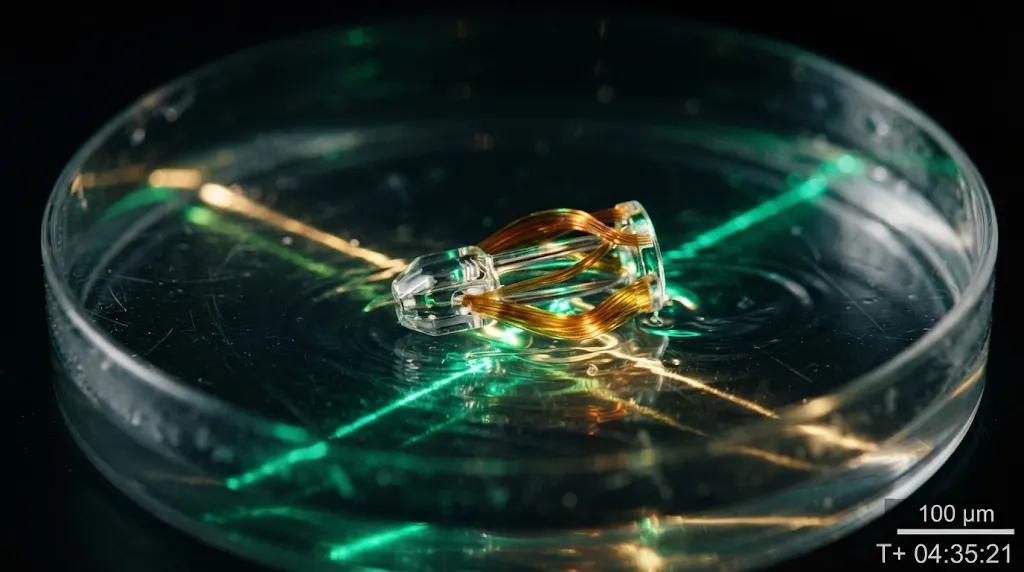
The resulting creation is known in robotics research as a bio-hybrid microrobot. It is neither a natural biological creature nor a cold mechanical robot. Measuring less than a millimeter in length, each device is built around a flexible, 3D-printed skeletal frame made from biocompatible synthetic resins. Wrapped tightly around this flexible skeleton are living strips of lab-grown skeletal muscle fibers that contract and relax in perfect rhythmic synchronization, pushing the tiny robot smoothly through liquid environments.
Key Scientific Milestones in Bio-Hybrid Robotics:
- Living Muscle Actuation: Muscle fibers achieve energy efficiency ratings over eighty percent, dwarfing the performance of miniature electric motors.
- Self-Powered Propulsion: The robots feed directly on glucose and natural nutrients dissolved in the surrounding fluid, requiring zero wires or onboard batteries.
- Optogenetic Light Control: Scientists steer the swimming direction using gentle pulses of blue light that activate photosensitive neural proteins within the muscle tissue.
- Complete Biodegradability: Once their medical task is finished, the biological chassis naturally dissolves and is metabolized safely by the body.
How Lab-Grown Muscle Powers Autonomous Movement
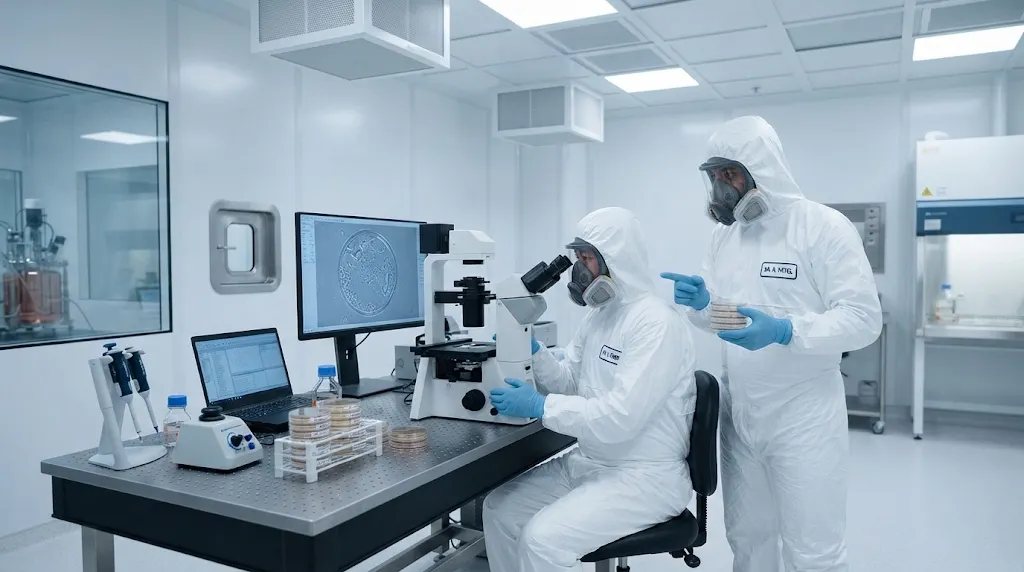
To construct these micro-swimmers, MIT researchers begin by printing intricate microscopic skeletons using high-resolution laser stereolithography. These synthetic skeletons feature delicate, spring-loaded tail fins and flexible joints engineered to mimic the swimming mechanics of ocean stingrays. Once the skeleton is placed inside a sterile nutrient bath, technicians seed the framework with specialized muscle precursor cells known as myoblasts. Over several days of careful incubation, these single cells fuse together into dense, aligned muscle fibers that anchor themselves directly to the synthetic frame.
What makes muscle tissue so vastly superior to synthetic motors at this micro-scale is its incredible power density. Muscle fibers convert chemical energy stored in glucose into mechanical movement with near-zero heat loss. While micro-motors heat up and burn out quickly when fighting against viscous fluid drag, living muscle fibers thrive in fluid environments. They flex and pulse smoothly, generating enough kinetic thrust to propel the bio-hybrid robot several body lengths forward every single second.
Bio-Hybrid Robotics vs Traditional Micro-Mechanical Robots
The differences between conventional electronic microrobots and these newly developed bio-hybrid systems represent a massive technological leap forward. Understanding these engineering differences reveals why global medical institutions are investing heavily in cellular robotics:
| Engineering Metric | Traditional Micro-Electronic Robots | MIT Bio-Hybrid Muscle Robots | Clinical & Medical Significance |
|---|---|---|---|
| Power Source | Miniaturized toxic lithium batteries or external magnetic coils | Glucose and biological sugars dissolved in blood or tissue fluid | Zero risk of toxic heavy metal leaks inside sensitive organs |
| Steering Mechanism | Complex micro-servos and silicon switches prone to jamming | Optogenetic light pulses triggering natural cellular contraction | Near-instant response to harmless external LED light beams |
| Flexibility & Softness | Rigid metals and silicon wafers that scratch internal tissue walls | Soft, elastic hydrogels and supple living muscle fibers | Seamless navigation through fragile capillaries and soft brain tissue |
| Post-Mission Disposal | Requires surgical removal or magnetic retrieval catheters | Naturally dissolves and is absorbed as harmless amino acids | Completely eliminates secondary recovery procedures for patients |
By engineering robots that mimic the softness and compliance of natural biological tissues, scientists eliminate the dangerous mechanical friction associated with conventional medical implants. When a rigid metallic device navigates delicate vascular corridors, it risks tearing microscopic cell linings or creating localized blood clots. Because these bio-hybrid robots share the exact same mechanical stiffness as natural muscle, they glide harmlessly through human tissues without triggering painful defensive reactions.
Future Medical Applications: From Targeted Drug Delivery to Deep Tissue Repair
The immediate clinical goal for these microscopic swimmers is high-precision targeted medicine. In current chemotherapy and pharmaceutical treatments, patients must ingest heavy chemical dosages that travel throughout their entire circulatory system, causing harsh side effects and damaging healthy organs. In the near future, doctors envision injecting a targeted swarm of bio-hybrid robots loaded with concentrated therapeutic payloads directly near a diseased tissue cluster.
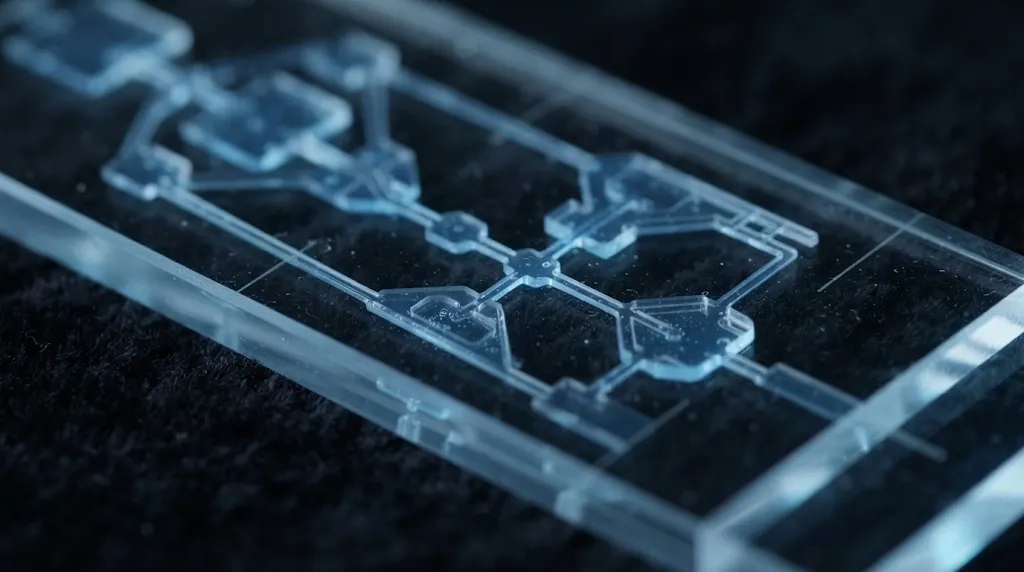
- Phase 1: Localized Vascular Navigation (Current Testing): Guiding microrobotic swarms through artificial blood vessels using optical light beams and thermal cues.
- Phase 2: Tumor Infiltration & Payload Release: Cellular robots latching onto malignant cancer cells and releasing concentrated chemotherapy directly into the tumor core.
- Phase 3: Autonomous Microscopic Tissue Suturing: Deploying muscle-powered robots capable of stitching together torn vascular walls and damaged neural pathways from the inside out.
As cellular biology and precision engineering continue to merge, the traditional boundary between living organisms and manufactured tools is quietly dissolving. These remarkable bio-hybrid robots demonstrate that the most sophisticated mechanical engineering solutions are not always forged in heavy steel foundries or fabricated in semiconductor cleanrooms. Sometimes, the most powerful engine on earth is the humble muscle cell, perfected by millions of years of natural evolution.
Overcoming the Ethical and Manufacturing Challenges
Whenever researchers introduce living biological components into engineered robotic devices, questions naturally arise regarding ethics and practical mass production. Fortunately, because these microrobots utilize purified muscle cells rather than complex neural tissue or brain cells, they possess zero consciousness, sensory perception, or capacity to experience pain. They function purely as microscopic biological actuators, converting biological fuels into kinetic movement in the exact same mechanical manner as a tiny hydraulic piston.
The primary manufacturing bottleneck today is shelf life and storage conditions. Unlike traditional microchips that can sit in warehouse bins for years, living muscle tissue requires stable temperature control and sterile nutrient solutions to stay alive. MIT researchers are currently experimenting with advanced cellular desiccation techniques, similar to how microscopic water bears enter harmless suspended animation. If successful, medical teams could store dried bio-hybrid robots in sterile clinical vials at room temperature and revive them with saline solution right before patient treatment.