
The Caveman Mask That Terrified the Quad
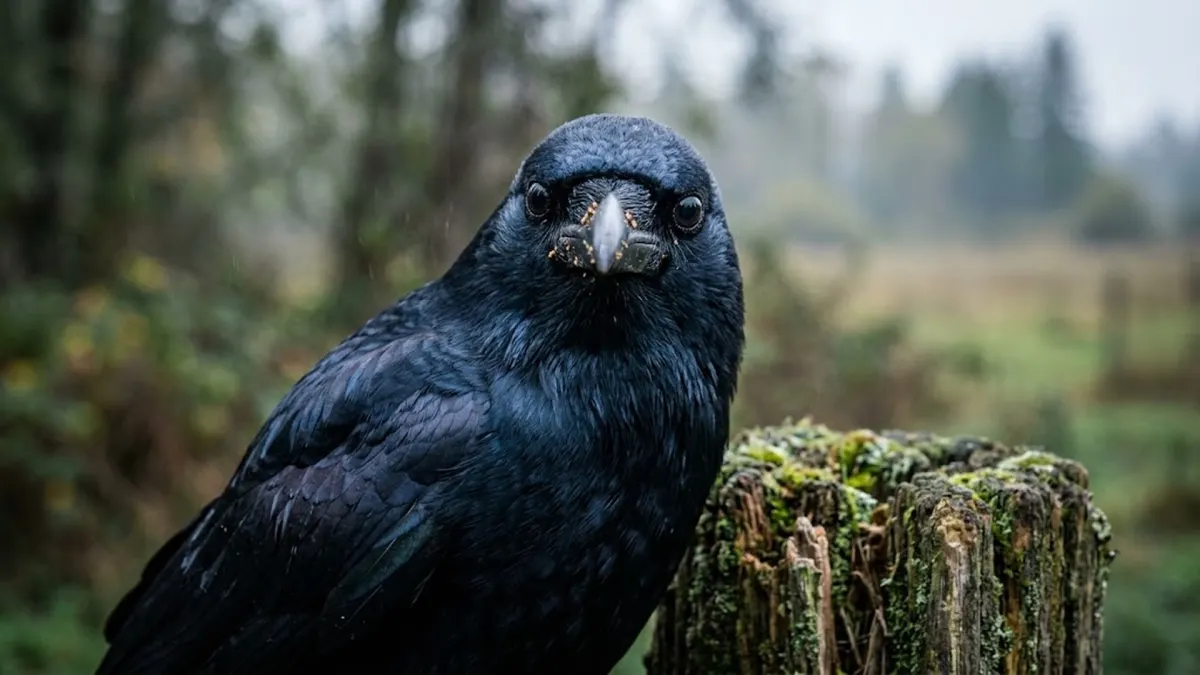
Back in 2006, wildlife biologists at the University of Washington walked across the Seattle campus wearing a grotesque rubber caveman mask. Their mission seemed almost comedic: they gently trapped seven wild American crows using soft handheld net guns, snapped lightweight aluminum identification bands onto their legs, and immediately released the birds unharmed back into the tree canopy.
The trapping took less than ten minutes, but the psychological consequences lasted for over a decade. Whenever researchers walked through the campus quad wearing that specific caveman face, crows perched hundreds of yards away in the maple trees dropped out of the sky, dive-bombing their heads, shrieking aggressive alarm calls, and defecating on their coats.
The most astonishing revelation came years later. Young crows that had not even hatched in 2006 joined in on the mob attacks with fury. The original parent crows had communicated the exact features of the dangerous human face to their offspring and neighboring flock members. The birds had built an institutional, multi-generational grudge that outlived many of the researchers' university tenures.
How Dogs Sense Human Sadness and Fear Before We Even Speak
The Facial Recognition Wiring Inside a Crow's Mind
For centuries, humans dismissed birds as simple creatures driven purely by basic instinct, giving rise to the derogatory phrase "bird brain." But modern avian neuroscience has turned that assumption upside down. Pound for pound, the forebrain of a corvid—the family that includes crows, ravens, jays, and magpies—is packed with a cellular density of neurons rivaling that of chimpanzees and dolphins.
When a wild crow stares at you from a telephone wire, it is not merely seeing a generic human silhouette. Brain-imaging PET scans conducted by Dr. John Marzluff revealed that when crows gaze upon a familiar human face, their brains light up in the exact same neurological regions that humans use for facial recognition, empathy, and emotional processing.
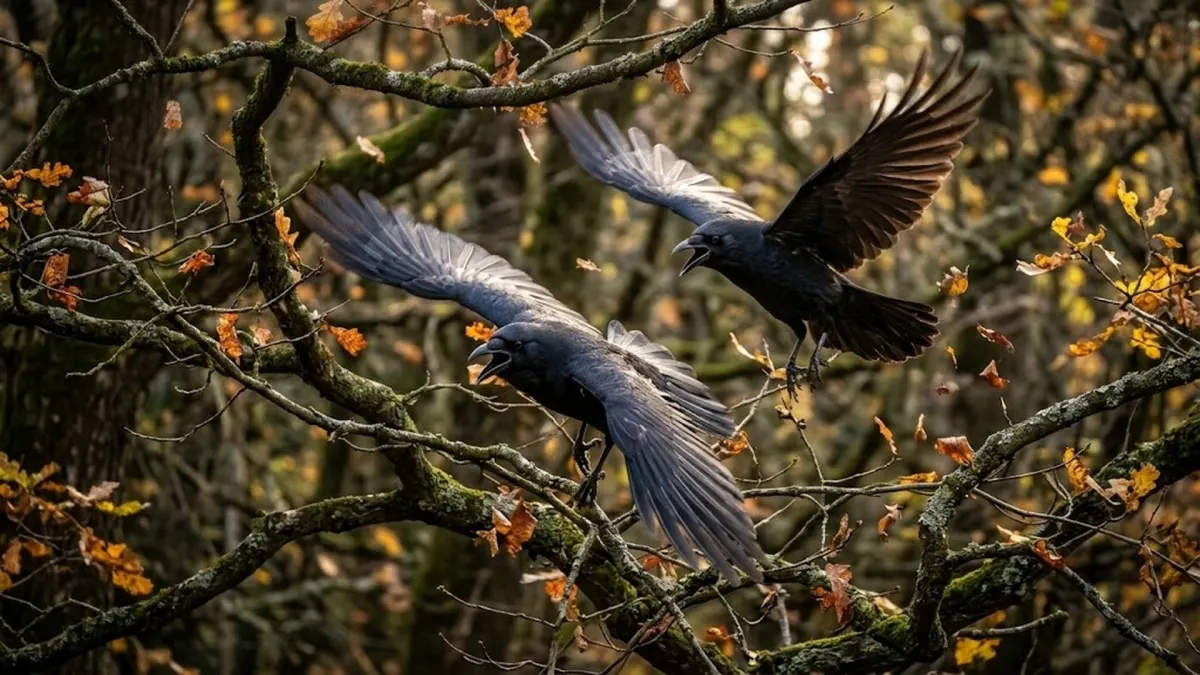
Crows analyze subtle facial geometry: the distance between your eyes, the shape of your nose bridge, and the contours of your cheekbones. If you alter your clothing, wear an oversized winter jacket, or change your hairstyle, a crow will still recognize you instantly across an entire parking lot. They separate human threats from reliable friends with uncanny accuracy.
In follow-up experiments at the university, researchers tested whether crows were merely reacting to the shape of human walking gaits or clothing colors. They had volunteers wear the dangerous caveman mask with completely different outfits, including business suits and heavy athletic sweatpants. The crows ignored the clothes entirely and attacked the mask on sight. Even when someone flipped the rubber mask upside down on top of their head, the birds hesitated for only five seconds before deciphering the inverted facial features and launching a warning dive.
| Behavioral Trait | Observed Action in the Wild | Evolutionary Purpose |
|---|---|---|
| Facial Grudges | Mobbing and dive-bombing specific individuals | Protects nesting territory and warns flock of predators |
| Cultural Learning | Parent crows teaching fledglings who to trust | Transfers generational survival knowledge without injury |
| Gift Giving | Leaving shiny glass, beads, or bones on porches | Reinforces cooperative bonds with reliable food suppliers |
| Tool Making | Bending twigs and wire hooks to extract larvae | Demonstrates complex foresight and problem-solving logic |
The Language of the Murder
A flock of crows is known poetically as a "murder," and their social communication network is far more sophisticated than random cawing. Field recordings demonstrate that crows use distinct acoustic dialects depending on the region, seasonal migrations, and local threats.
When a crow spots a neighborhood cat stalking near a shrub, it emits a short, rhythmic warning call. But when it spots a human who previously threw a rock or brandished an air rifle, the call shifts into a harsh, vibrating rattle that travels for nearly half a mile. Within sixty seconds, dozens of crows from surrounding city blocks converge on the spot to form a defensive mob, hovering in tree limbs and shrieking in unison until the perceived threat retreats.
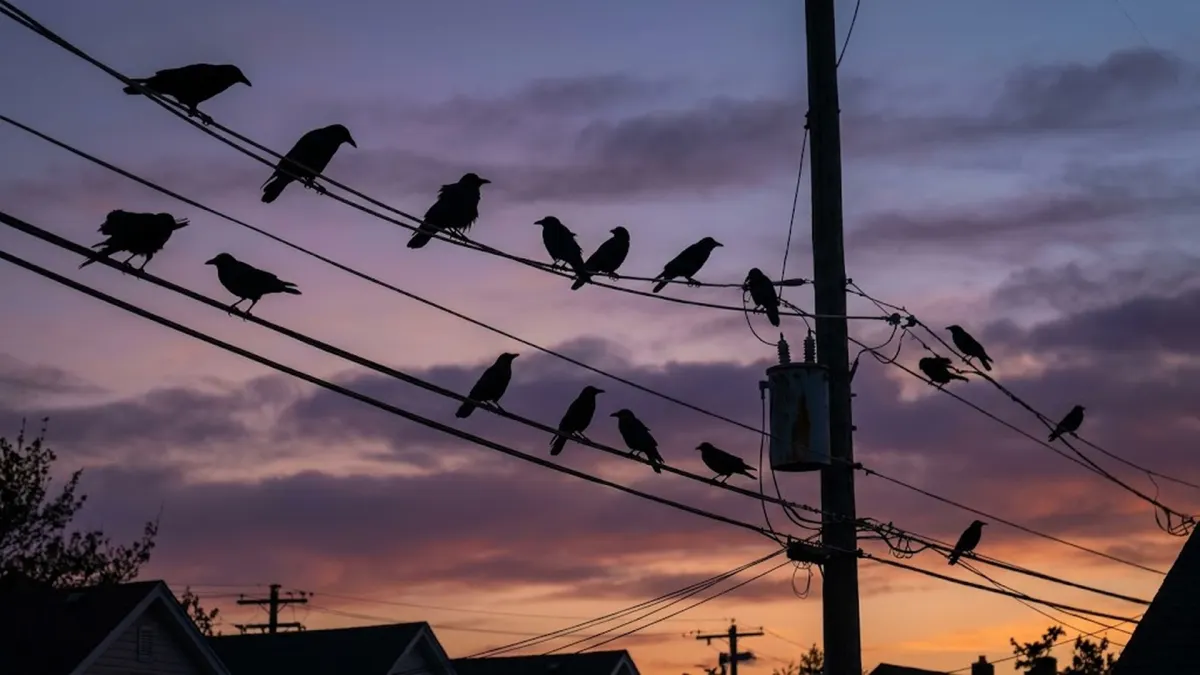
This social network allows crows to build collective neighborhood intelligence. If a postal carrier or landscaper behaves aggressively toward a nesting pair in May, every crow in that zip code will treat that worker with vocal hostility by July. Conversely, people who treat them with respect are treated as valuable neighborhood allies.
Crows also hold elaborate gatherings that wildlife researchers refer to as "crow funerals." When a member of the flock dies on a lawn or sidewalk, other crows discover the body and begin calling loudly. Within minutes, dozens of birds perch quietly in nearby trees, observing the scene in total silence for twenty to thirty minutes before dispersing. Rather than mourning in a human sense, scientists believe the birds are actively assessing danger: inspecting the carcass and noting surrounding predators or vehicles to avoid the same fate.
The Myth of Aggressive Attacks
Crows rarely initiate physical contact with humans unless defending an active nest during spring fledging season (late April to early June). If a crow swoops near your head, it is giving a non-violent bluff warning to back away from a flightless fledgling hidden in nearby grass.
How to Befriend Your Local Crows (and Earn Gifts)
Earning the friendship of wild crows is one of the most rewarding wildlife experiences you can have in an urban or suburban setting. Unlike domestic pets, wild corvids require patience, predictable boundaries, and consistent positive reinforcement.
The single greatest treat for American crows is raw, unsalted in-shell peanuts. Peanuts provide clean fats and protein without the harmful sodium found in roasted supermarket snacks. Kibble dog food, unsalted sunflower seeds, and small scraps of cooked meat are also beloved staples.
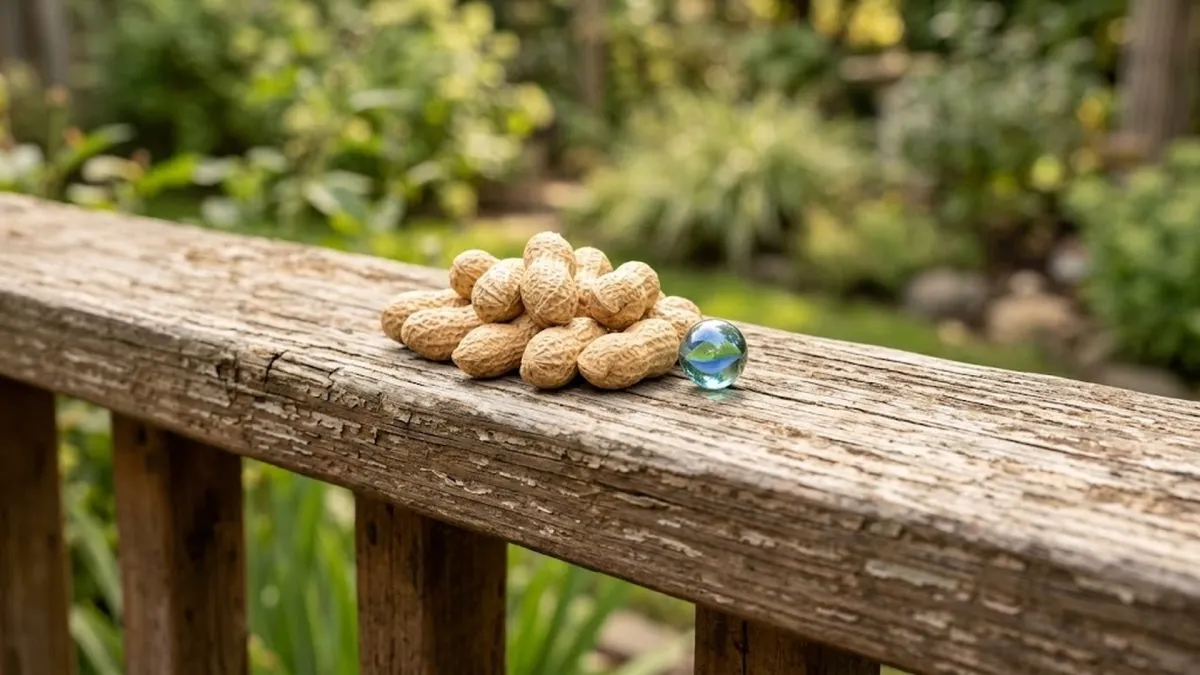
Consistency is key. Pick an open, elevated spot in your backyard or patio—like a wooden fence railing or flat picnic table—and place a small handful of peanuts down at the exact same hour every morning. Step back twenty feet and make a distinct soft whistle or hand click before retreating indoors. Crows will observe from high perches for several days before venturing down.
Over several months of calm feeding, crows begin associating your specific face and gait with safety. They will perch nearby to greet you when you step outside, escort you along sidewalk walks, and in many documented cases, leave small tokens of gratitude: polished sea glass, colorful bottle caps, ceramic shards, and shiny metal paper clips left neatly beside the feeding tray.
These shiny gifts serve a practical evolutionary purpose in the corvid world. In the wild, crows often present interesting colorful objects or food caches to potential mates during courtship. When they leave a blue marble or piece of sea glass on your porch, they are applying that same cooperative social instinct to a human neighbor who has proven to be a reliable source of nutrition.
The Crow Etiquette Handbook
Rule of Thumb: Crows value predictability; abrupt movements and staring eyes trigger predator defense instincts.
- No Direct Eye Contact: Looking straight into a crow's eyes feels like stalking behavior; look slightly away while tossing food.
- Unsalted Snacks Only: Avoid salted nuts, processed breads, and sugary junk food that stress avian kidneys.
- Keep a Routine: Feeding at the same morning hour establishes you as a dependable neighborhood friend.
- Never Tease: Pulling food away or chasing them breaks trust that takes years to rebuild.
- Leave Clean Water: A shallow dish of clean water on hot summer afternoons builds trust faster than food alone.