
 20 November 2026
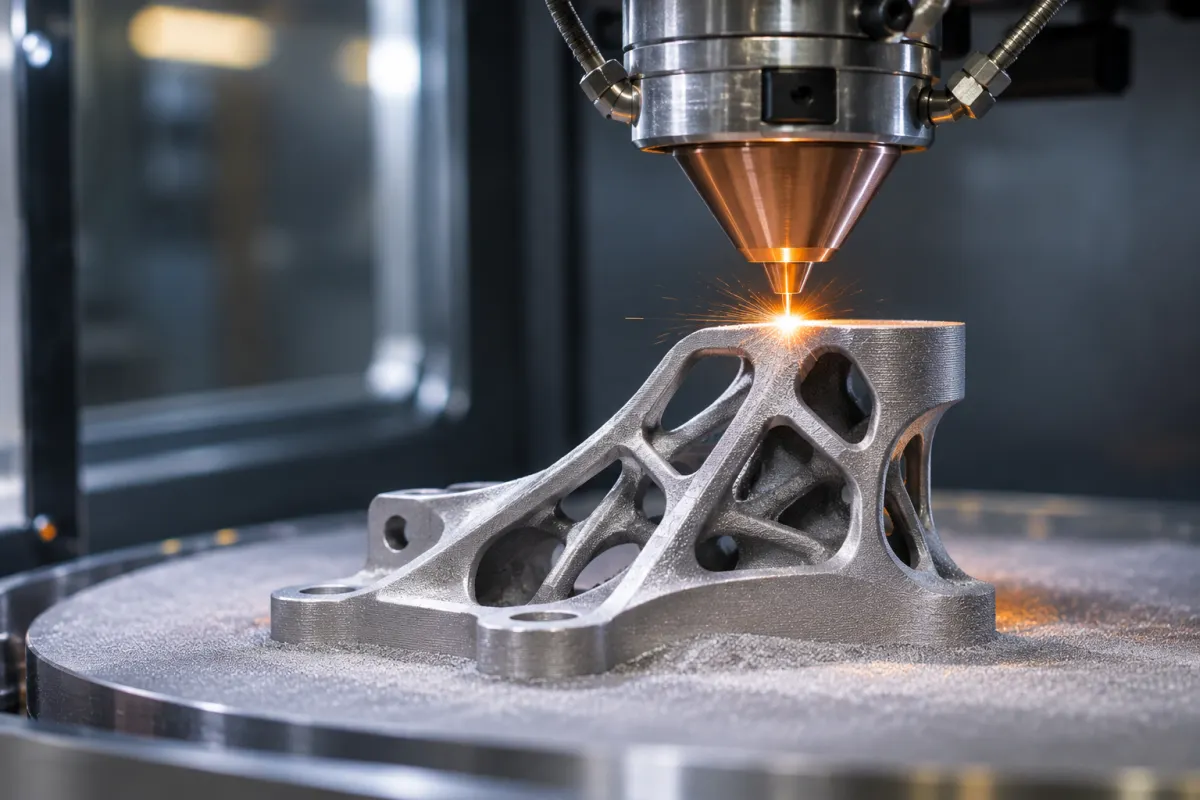
Metal 3D printing is transforming modern manufacturing by enabling the production of complex metal components directly from digital designs.
From aerospace parts to industrial equipment, this technology offers new ways to improve product development, reduce tooling requirements, and manufacture specialized components.
12 Key Things to Know About Metal 3D Printing
Why Governments Are Ripping Down Giant Metal Power Towers
 Inside the List
13 Items
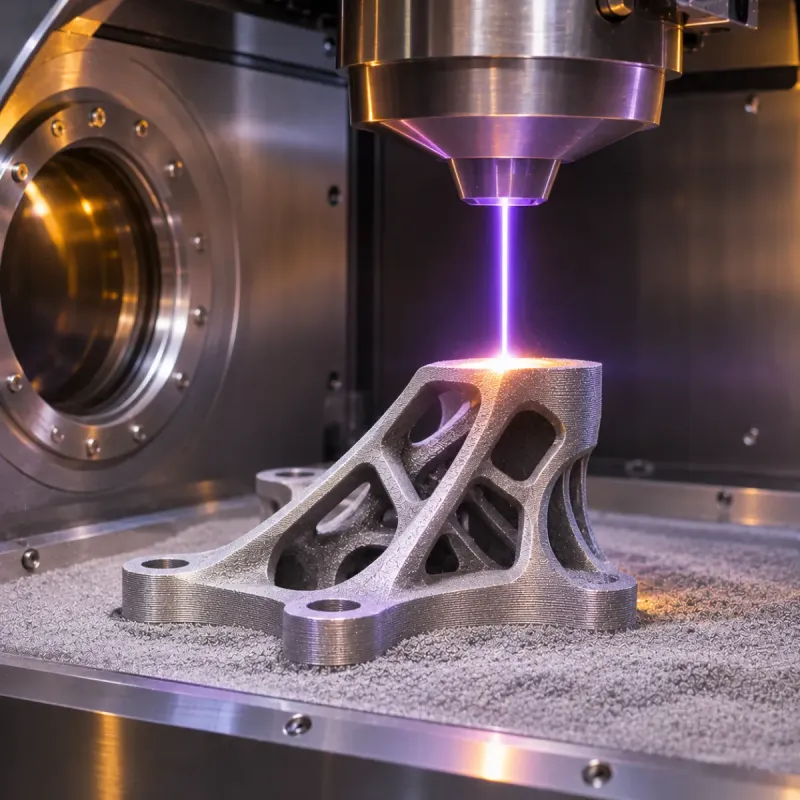
Electron Beam Melting Uses Electron Energy (copy)
Main Purpose: Metal component production
Electron beam melting uses an electron beam as its energy source to fuse metal powder in a controlled build environment. It is another powder bed fusion approach for producing metal components.
- Uses electron energy
- Fuses metal powder
- Builds layer by layer
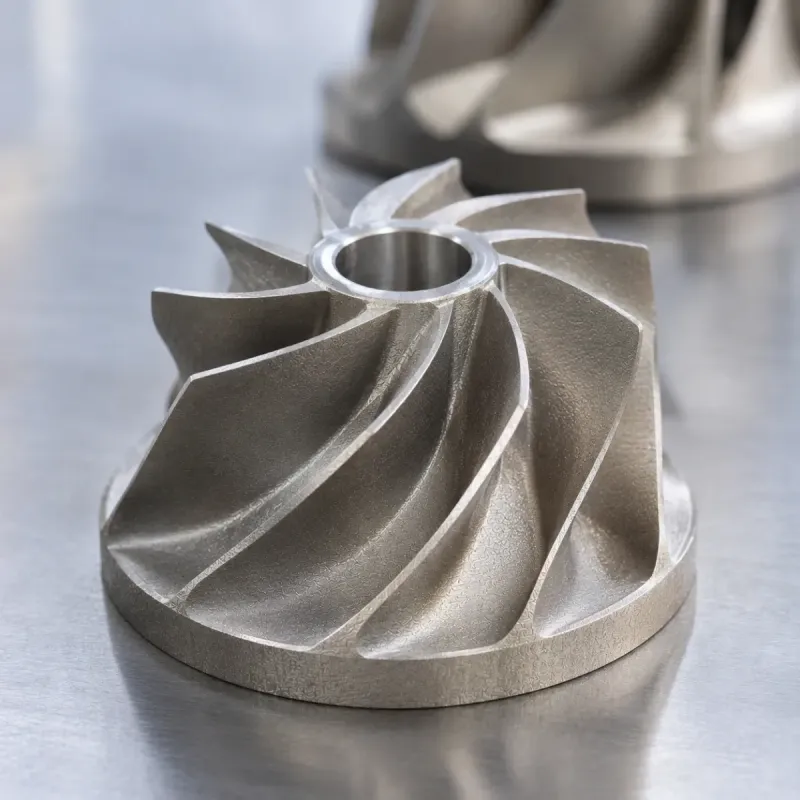
Nickel-Based Superalloys Handle Demanding Conditions
Main Purpose: Specialized components
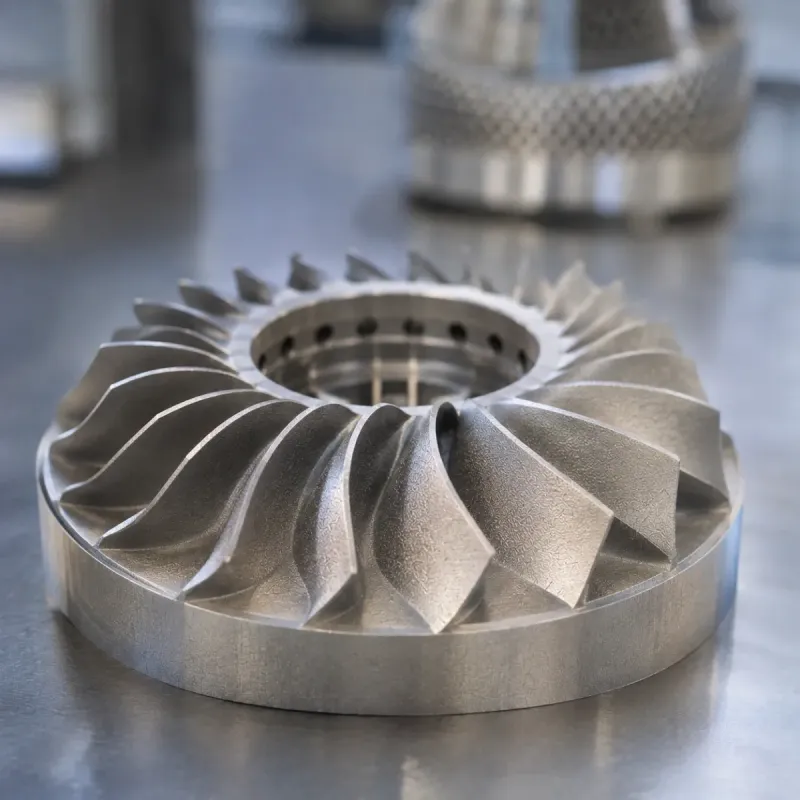
Nickel-based superalloys such as Inconel are used for components exposed to demanding conditions. Metal printing can create complex geometries from these production-grade materials.
- Resists high temperatures
- Enables complex geometries
- Improves industrial performance
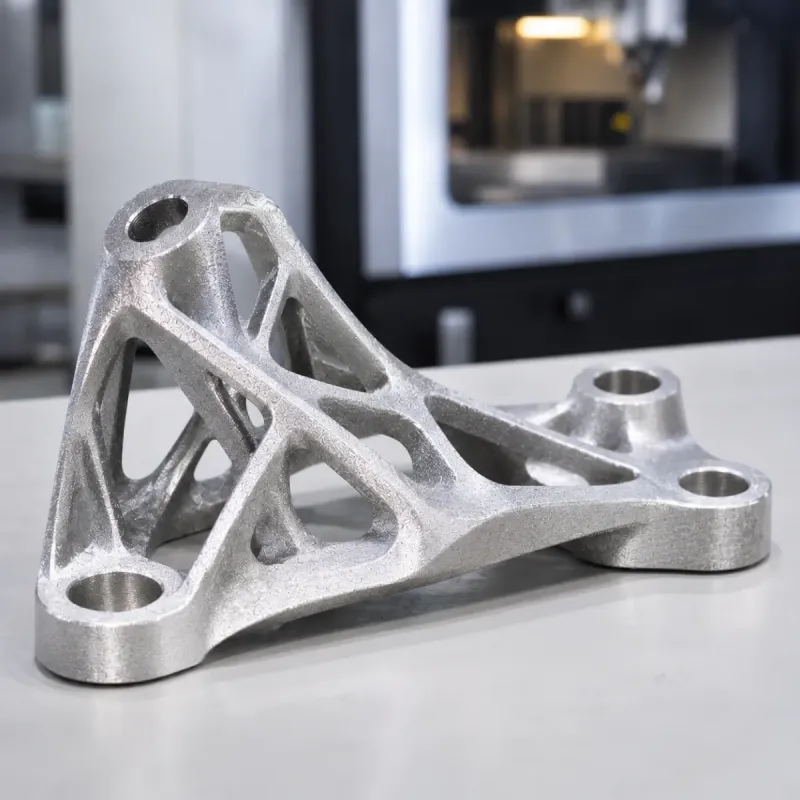
Titanium Supports High-Performance Manufacturing
Main Purpose: High-performance components
Titanium alloys are used in metal additive manufacturing when strength and low weight matter. They are used to produce demanding, high-performance industrial components.
- Provides high strength
- Reduces weight
- Supports advanced applications
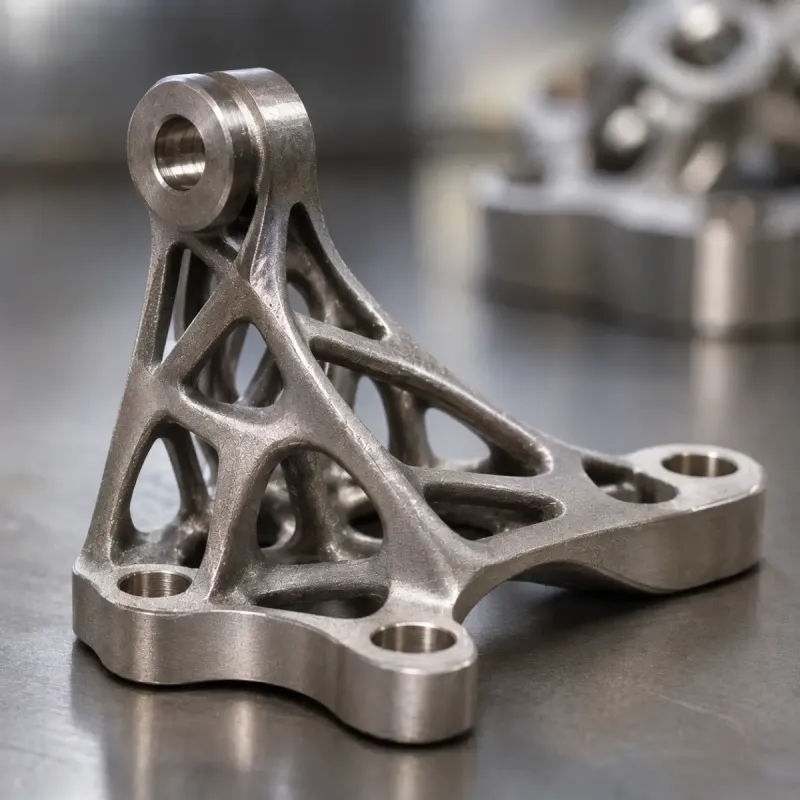
Aluminum Enables Lightweight Metal Components
Main Purpose: Lightweight components
Aluminum alloys produce lightweight, 3D-printed metal parts. They are useful in applications where reducing component weight matters, including select aerospace and automotive designs.
- Reduces weight
- Enables complex structures
- Supports industrial applications
Stainless Steel Supports Functional Applications
Main Purpose: Functional components
Stainless steel is widely used in metal additive manufacturing. Different grades provide varying combinations of strength, corrosion resistance, and ductility for functional industrial components.
- Resists corrosion
- Provides mechanical strength
- Offers multiple grades
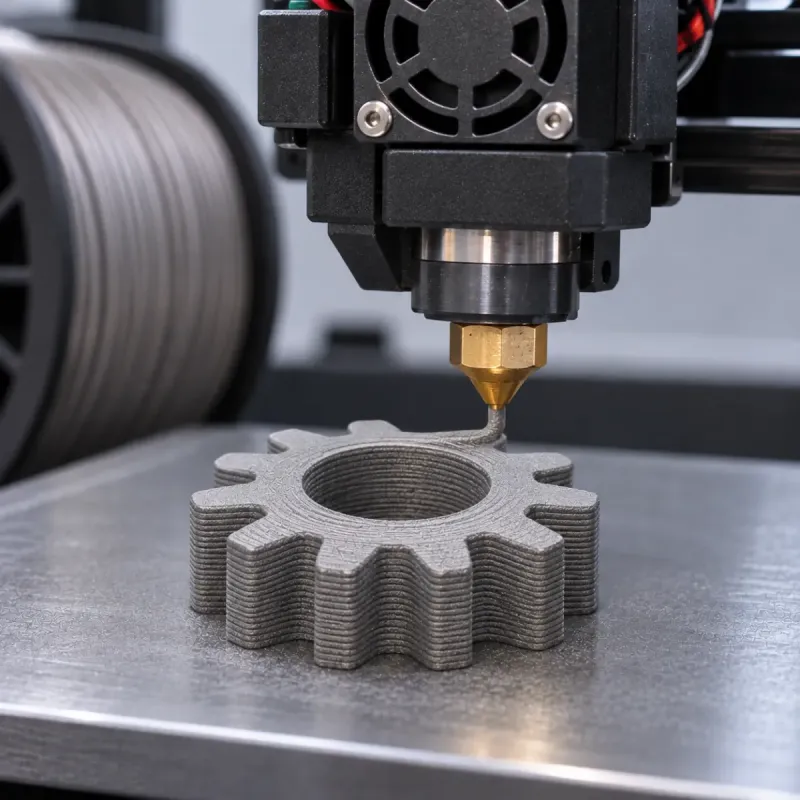
Bound Powder Extrusion Uses Metal-Filled Filaments
Main Purpose: Metal component fabrication
Bound powder extrusion pushes a filament containing metal powder and a binder through a nozzle, building the shape layer by layer. Debinding and sintering then make the metal part.
- Extrudes filament
- Uses powder materials
- Requires post-processing
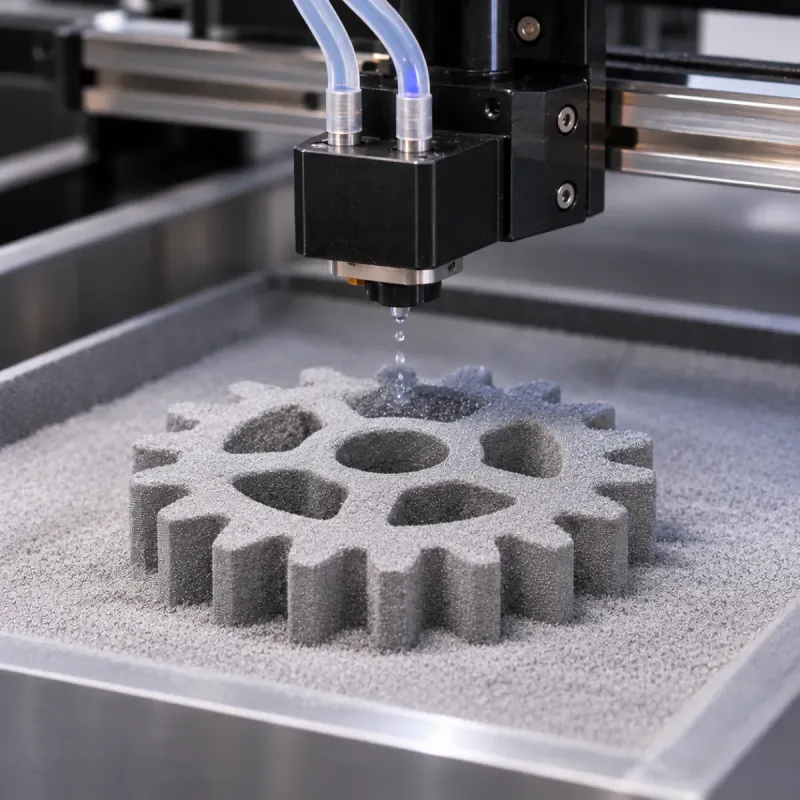
Binder Jetting Uses a Liquid Binding Agent
Main Purpose: Metal part production
Binder jetting deposits a liquid binding agent onto layers of metal powder to form a preliminary component. The printed part then needs debinding and sintering to create a solid metal piece.
- Bonds powder particles
- Uses liquid binders
- Applies thermal sintering
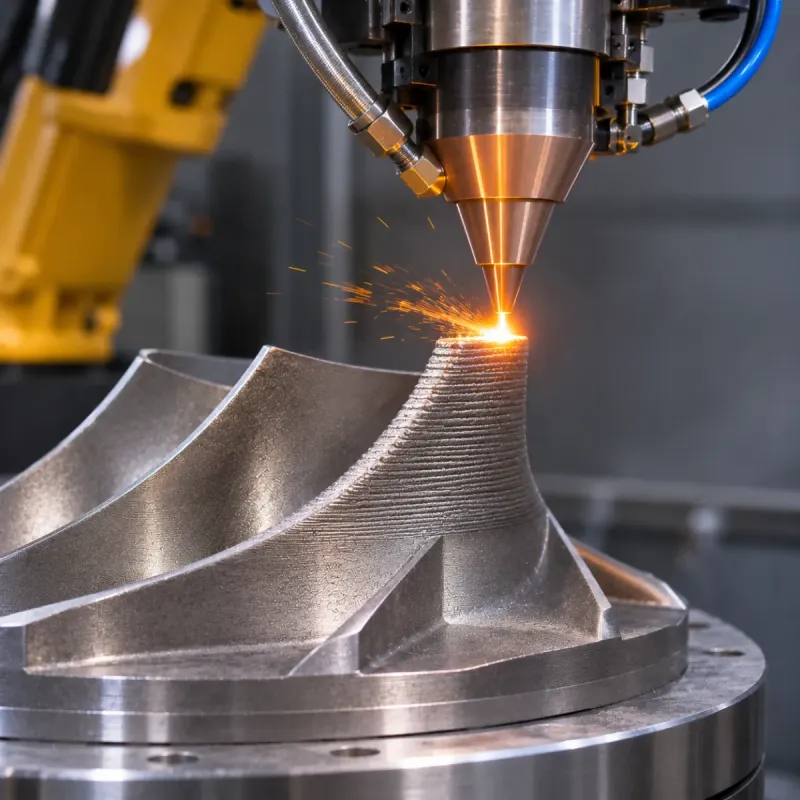
Directed Energy Deposition Supports Large Parts and Repairs
Main Purpose: Part building and repair
Directed energy deposition feeds metal powder or wire through a nozzle while a focused energy source melts it onto a surface. It can build larger forms and add material to repair existing parts.
- Deposits material
- Repairs components
- Builds large structures
Electron Beam Melting Uses Electron Energy
Metal component production
Electron beam melting uses an electron beam as its energy source to fuse metal powder in a controlled build environment. It is another powder bed fusion approach for producing metal components.
- Uses electron energy
- Fuses metal powder
- Builds layer by layer
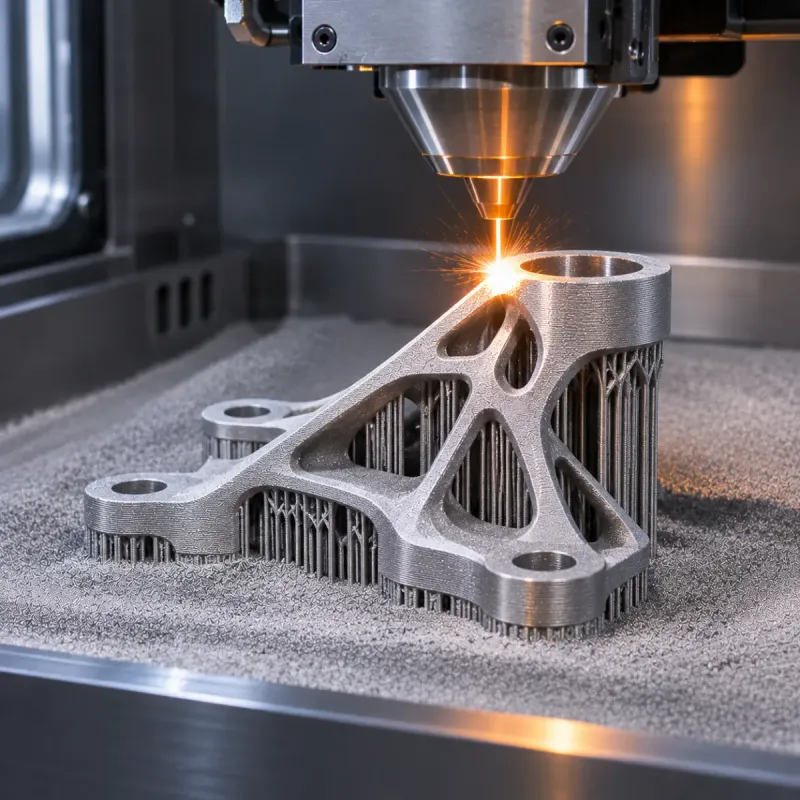
Selective Laser Melting Creates Dense Components
Main Purpose: Dense components
Selective laser melting is a powder bed fusion method that melts selected regions of metal powder. It produces precise components, although support removal and post-processing are often needed.
- Ensures complete melting
- Delivers high precision
- Uses support structures
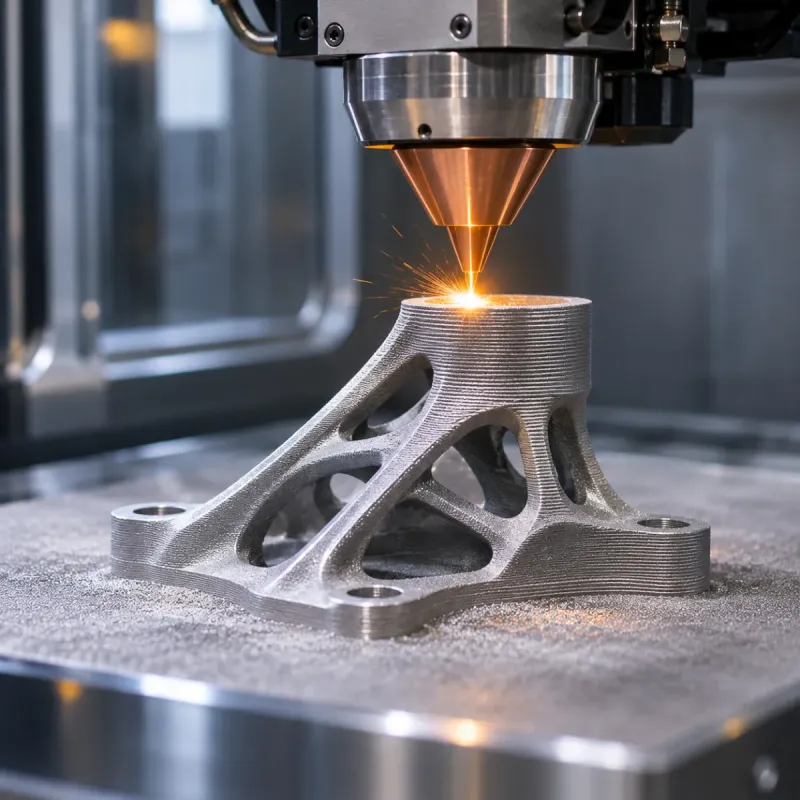
Metal 3D Printing Builds Parts Layer by Layer
Main Purpose: Component fabrication
Metal 3D printing builds components by adding material layer by layer from a digital design. Unlike subtractive machining, it forms the part without cutting away a solid block of metal.
- Uses layered construction
- Applies digital design
- Improves material efficiency
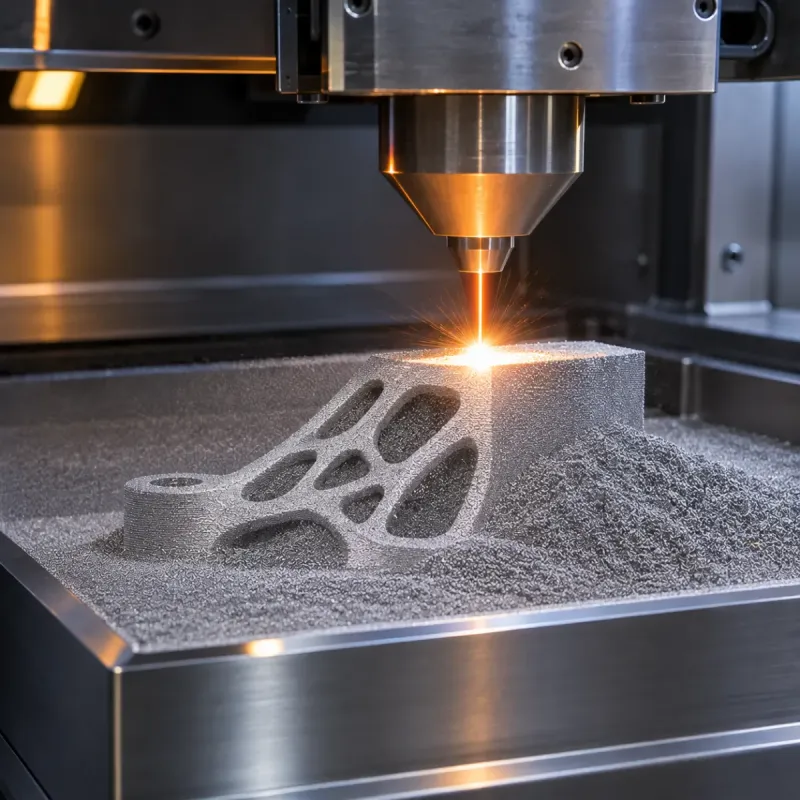
Powder Bed Fusion Uses Lasers or Electron Beams
Main Purpose: Precision manufacturing
Powder bed fusion spreads fine metal powder across a build platform, then uses a laser or electron beam to fuse selected areas. Repeating this process creates detailed, complex parts.
- Uses laser processing
- Applies electron beams
- Creates complex geometries
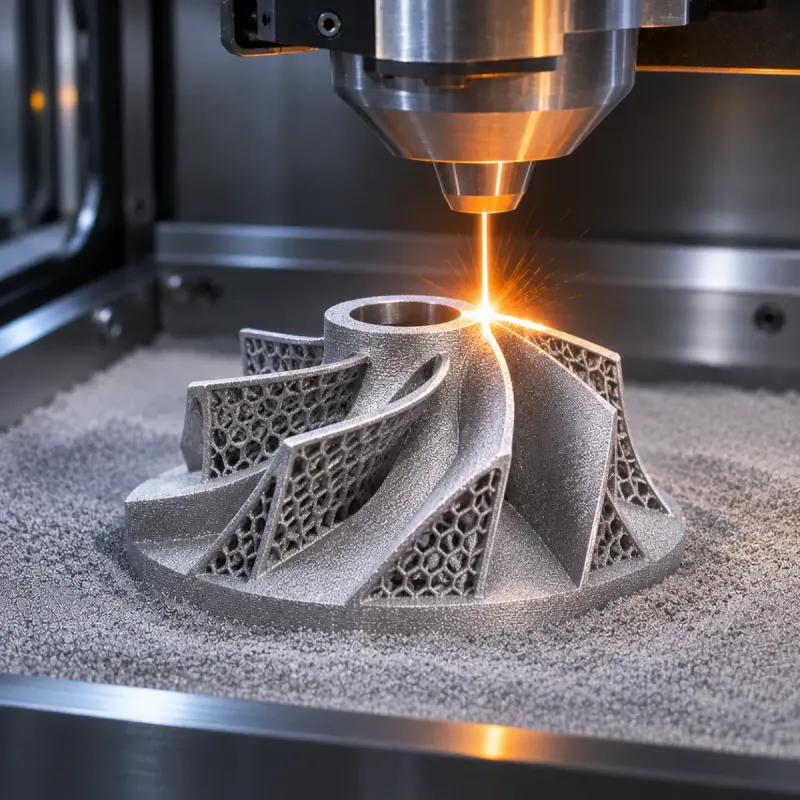
Direct Metal Laser Sintering Produces Functional Parts
Main Purpose: Functional components
Direct metal laser sintering uses a laser to fuse successive layers of atomized metal powder. It can produce functional prototypes and end-use components with intricate internal features.
- Uses laser fusion
- Creates internal channels
- Produces metal prototypes