
 12 November 2026
Modern agriculture is changing rapidly, with advanced machines taking over tasks that once required large teams of workers. From autonomous tractors and massive combine harvesters to AI-powered robots and agricultural drones, these technologies are making farming faster, more efficient, and more precise. Here are 19 modern agricultural machines transforming the way farms operate around the world.
How Modern Machinery Is Transforming Agriculture
Detailed Reviews
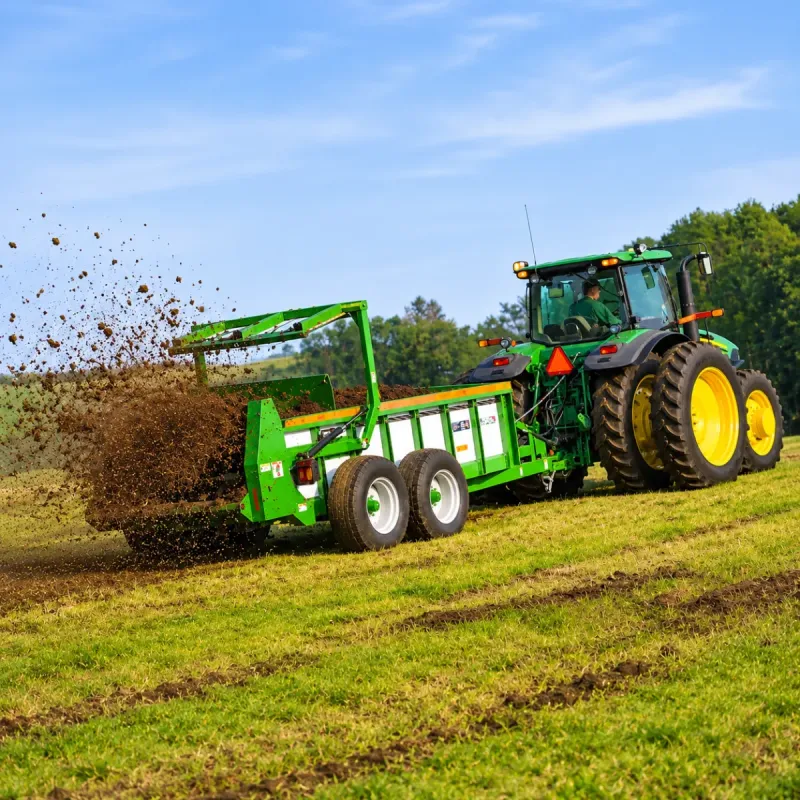
Modern Manure Spreader
Best for: Large-Scale Organic Fertilizer Distribution
A modern manure spreader distributes solid manure and organic fertilizer across agricultural fields using mechanical spreading systems. Advanced models can provide more consistent coverage and help farms manage large volumes of organic nutrients.
- Large Capacity Hopper
- Spreading Mechanism
- Adjustable Application Rate
- Tractor-Powered Operation
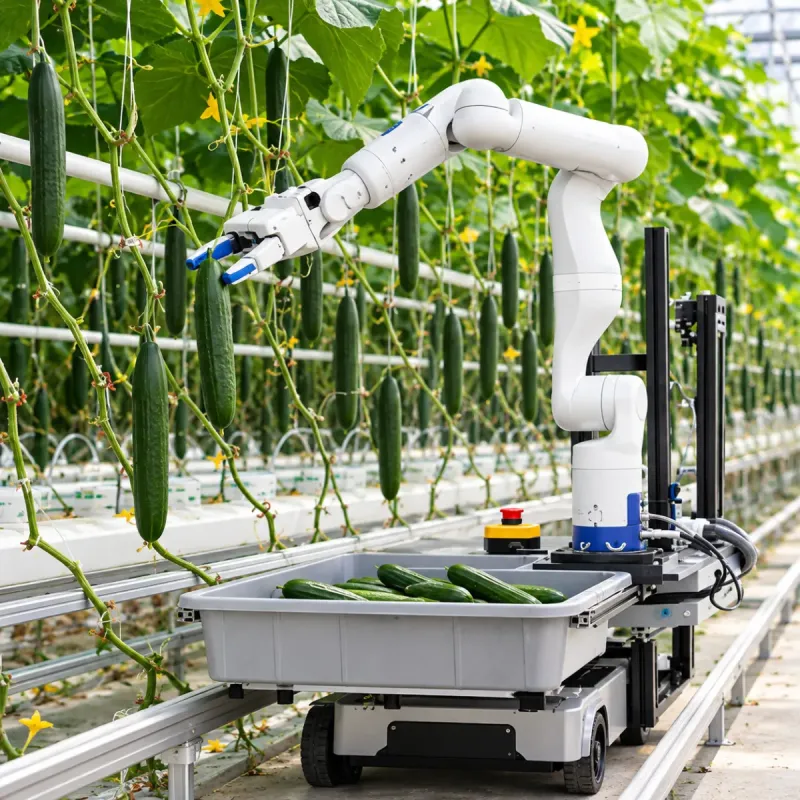
Robotic Greenhouse Harvester
Best for: Automated Fruit and Vegetable Picking
A greenhouse harvesting robot uses cameras and artificial intelligence to identify ripe produce, locate individual fruits, and pick them with specialized robotic arms. These systems are being developed for crops such as tomatoes, strawberries, and cucumbers.
- AI Ripeness Detection
- Robotic Picking Arm
- Machine Vision
- Automated Crop Handling
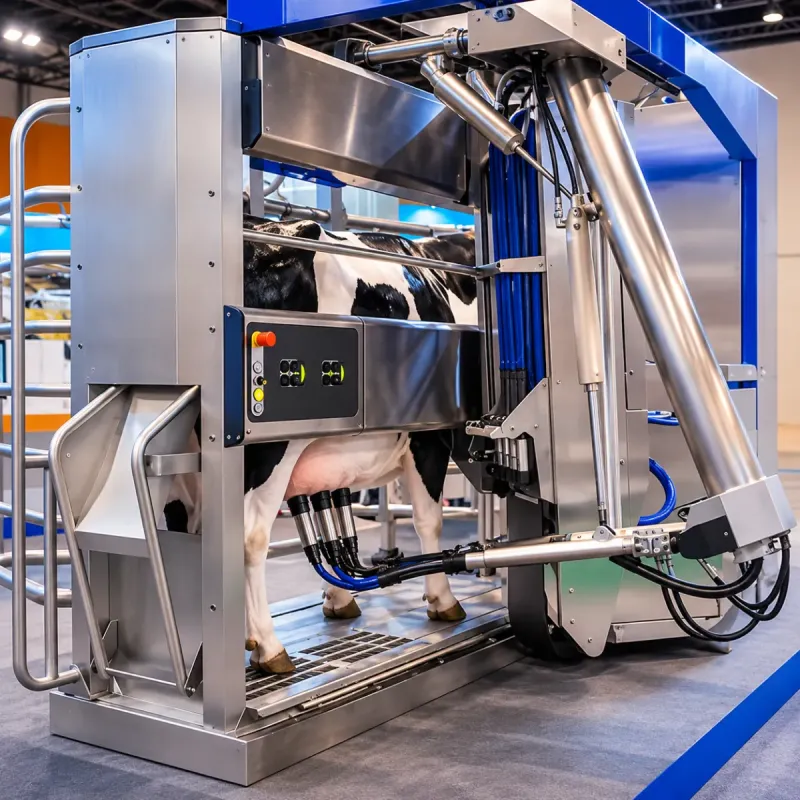
Robotic Milking System
Best for: Automated Dairy Farm Operations
A robotic milking system allows dairy cows to enter a milking station voluntarily, where sensors identify the animal and automated equipment attaches milking cups. The system monitors milk production and supports continuous dairy farm operations.
- Automatic Teat Attachment
- Cow Identification
- Milk Monitoring
- Digital Farm Records
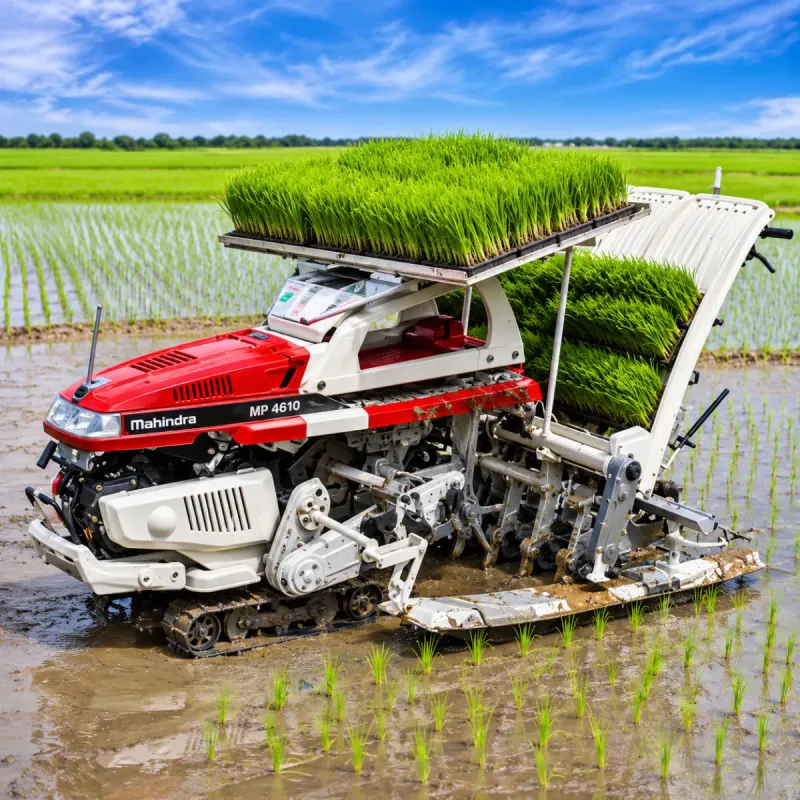
Modern Rice Transplanter
Best for: Large-Scale Rice Field Planting
A rice transplanter places young rice seedlings into flooded or prepared paddy fields in evenly spaced rows. Self-propelled models can plant several rows simultaneously, greatly reducing the time and physical effort required for manual transplanting.
- Multi-Row Planting
- Seedling Trays
- Adjustable Planting Depth
- Self-Propelled Operation
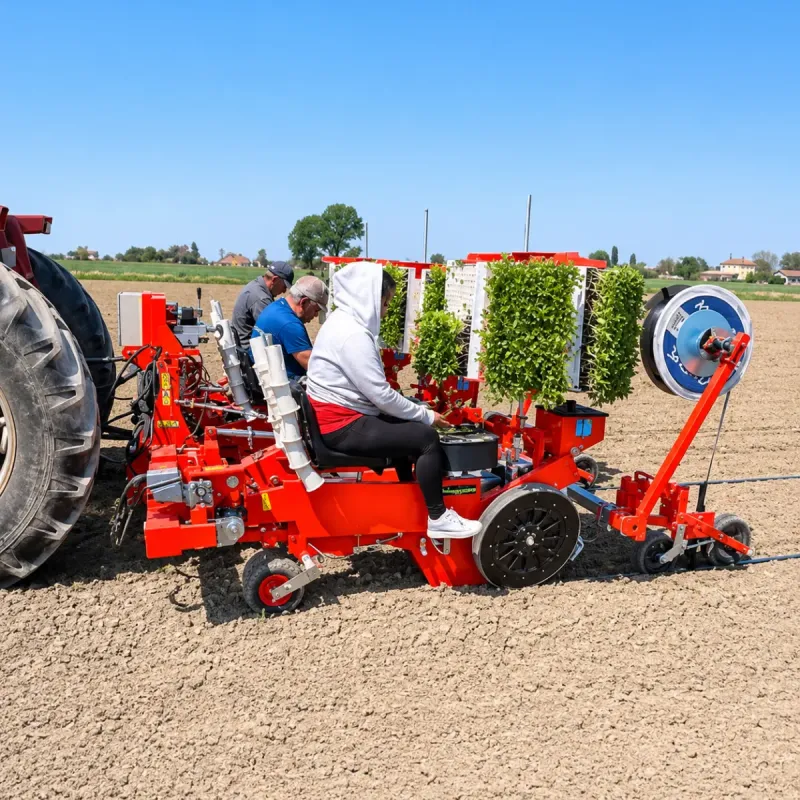
Mechanical Vegetable Transplanter
Best for: Rapid Seedling Planting
A mechanical transplanter places young vegetable seedlings into prepared soil at consistent intervals and depths. Depending on its design, it can plant multiple rows while workers or automated systems supply seedlings to the planting mechanism.
- Seedling Feeding System
- Planting Discs
- Adjustable Row Spacing
- Soil Pressing Wheels
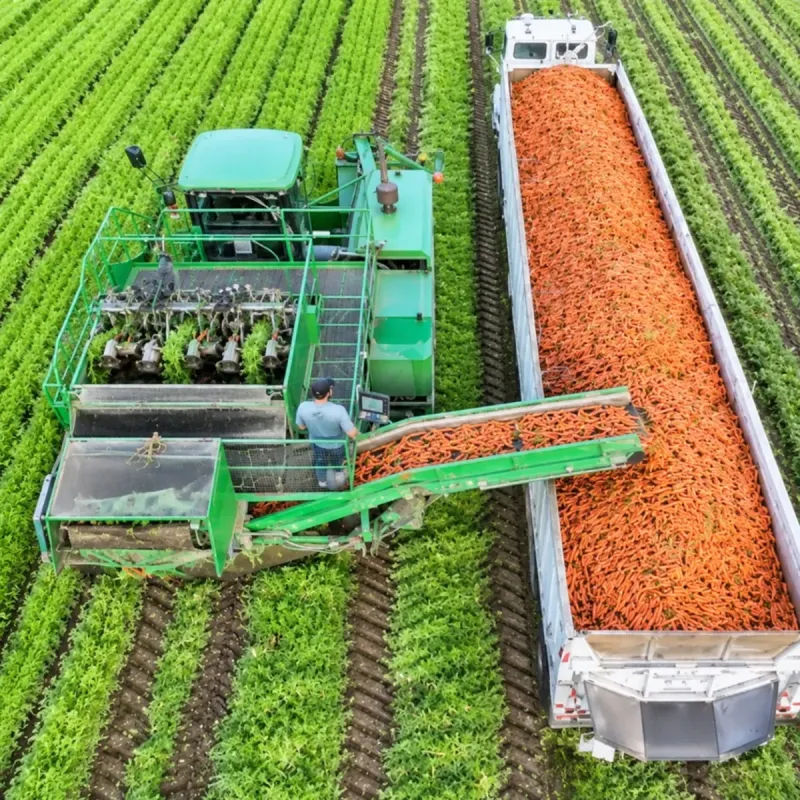
Carrot Harvester
Best for: Large-Scale Root Vegetable Harvesting
A modern carrot harvester lifts carrots from the soil, removes excess foliage, and transfers the roots through cleaning and sorting systems. Some machines harvest multiple rows at once, replacing much of the manual lifting and collection work.
- Root Lifting System
- Foliage Cutting
- Soil Cleaning
- Conveyor Collection
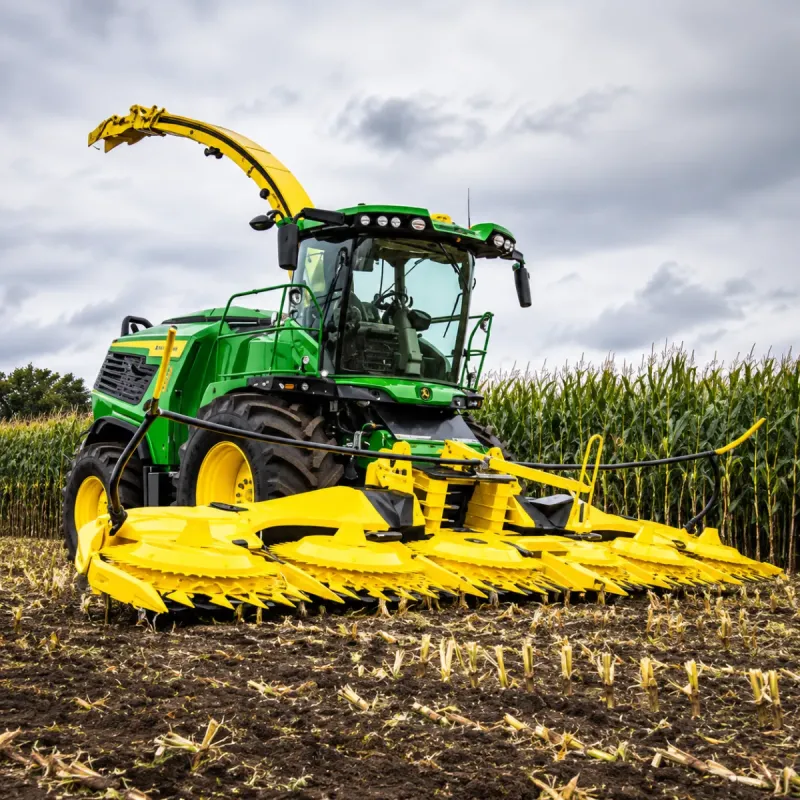
Forage Harvester
Best for: Processing Animal Feed Crops
A forage harvester cuts crops such as corn and grass, chops the plant material into small pieces, and blows it into a trailer for transport. It helps farms prepare large quantities of animal feed efficiently.
- Crop Cutting Header
- Chopping Drum
- Blower System
- Trailer Loading
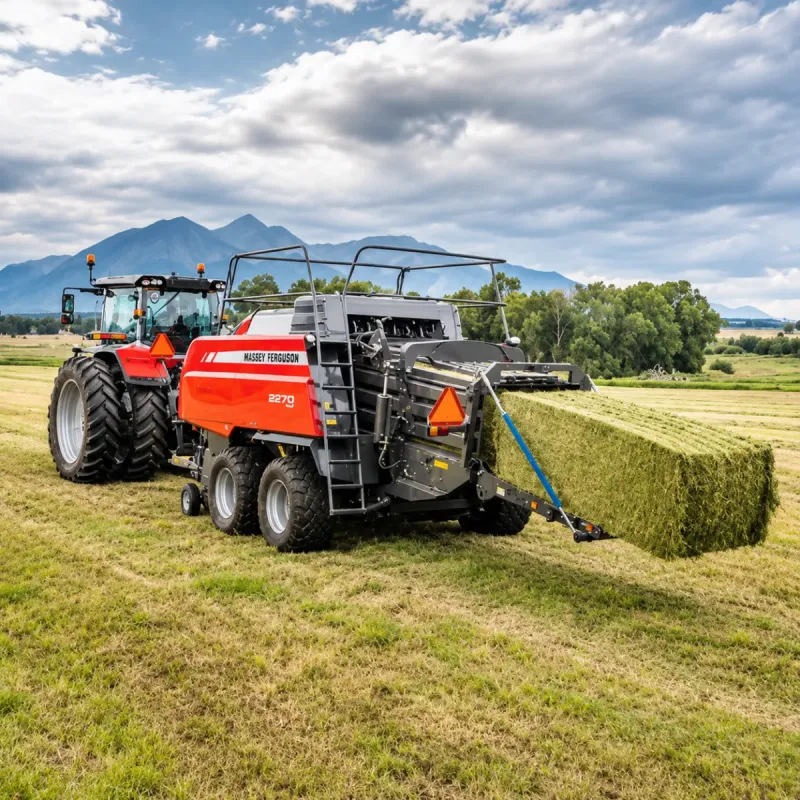
Large Square Baler
Best for: Producing Compressed Hay Bales
A large square baler collects loose hay, straw, or other forage material and compresses it into dense rectangular bales. Its automated feeding, compression, and tying systems reduce the labor required for handling harvested crops.
- Pickup Reel
- Compression Chamber
- Automatic Bale Tying
- High-Density Bales
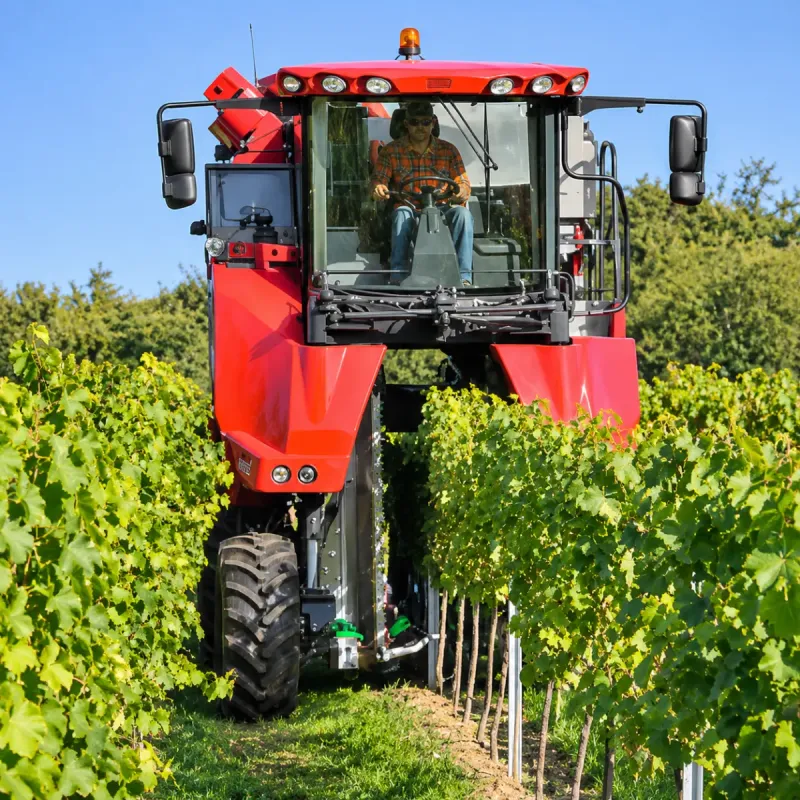
Grape Harvester
Best for: Mechanized Vineyard Harvesting
A mechanical grape harvester moves along vineyard rows and uses controlled shaking mechanisms to detach ripe grapes from vines. Collection systems then gather the fruit, reducing the need for large manual harvesting teams.
- Shaking Mechanism
- Fruit Collection System
- Adjustable Harvest Settings
- Vineyard Row Navigation
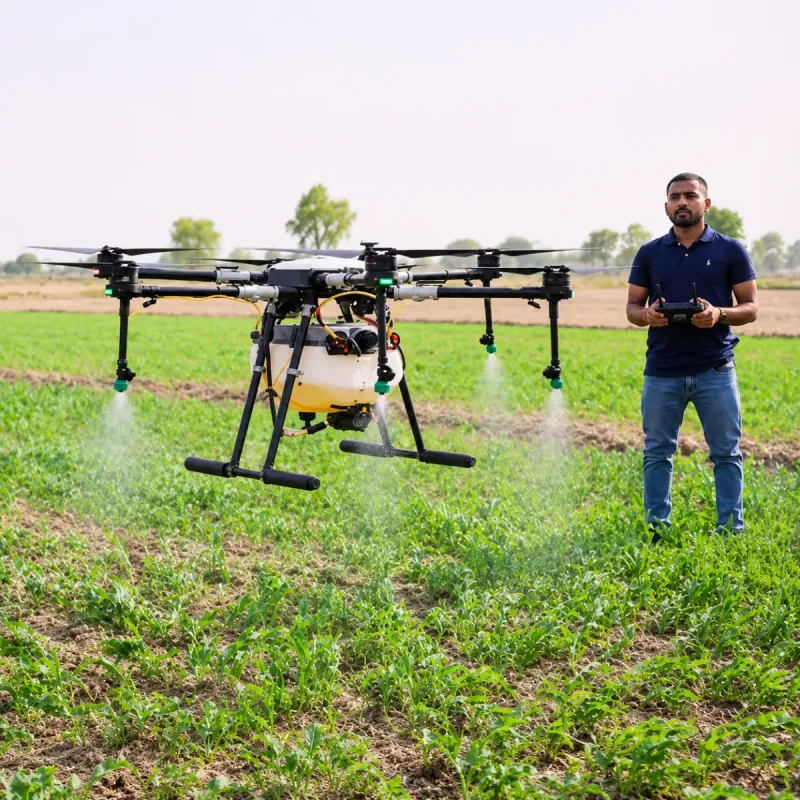
Autonomous Agricultural Drone
Best for: Aerial Crop Monitoring
Agricultural drones use aerial cameras and sensors to monitor crop health, map fields, identify irrigation problems, and detect potential pest or disease issues. Specialized models can also apply fertilizers or crop protection products.
- Aerial Imaging
- Multispectral Sensors
- GPS Mapping
- Precision Spraying Options
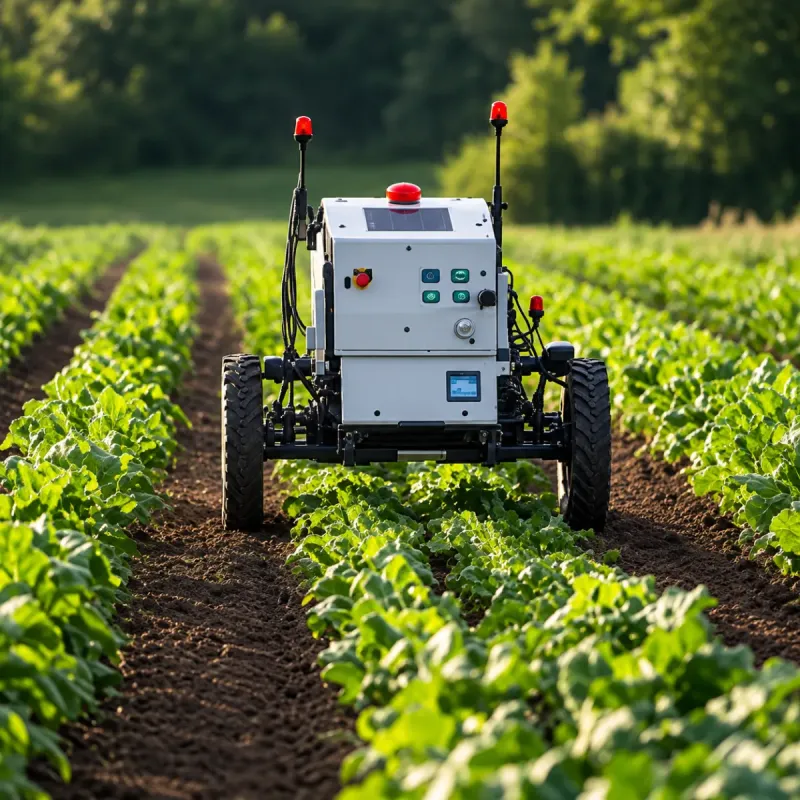
Robotic Weeder
Best for: Automated Weed Removal
A robotic weeder uses cameras, sensors, and artificial intelligence to identify weeds among crops and remove them mechanically or with targeted treatments. It can work continuously across crop rows with limited human intervention.
- Computer Vision
- Weed Recognition
- Mechanical or Targeted Removal
- Autonomous Navigation
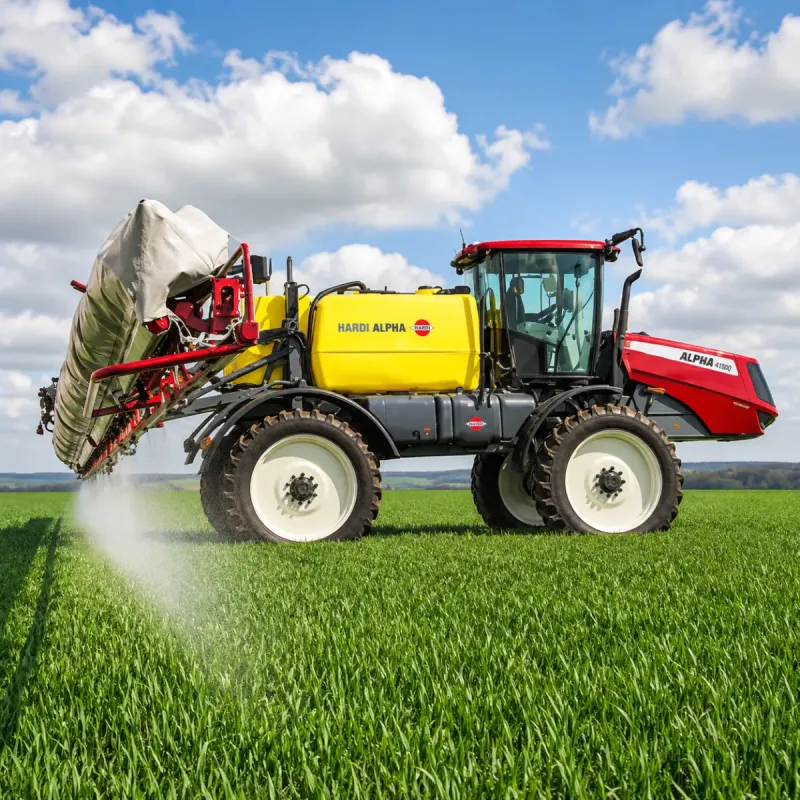
Self-Propelled Agricultural Sprayer
Best for: Covering Extensive Crop Fields
A self-propelled agricultural sprayer uses long boom arms and precision nozzles to distribute crop protection products across large fields. Modern models can control application rates and reduce unnecessary chemical use.
- Wide Spray Boom
- Precision Nozzles
- Adjustable Application Rate
- GPS Guidance
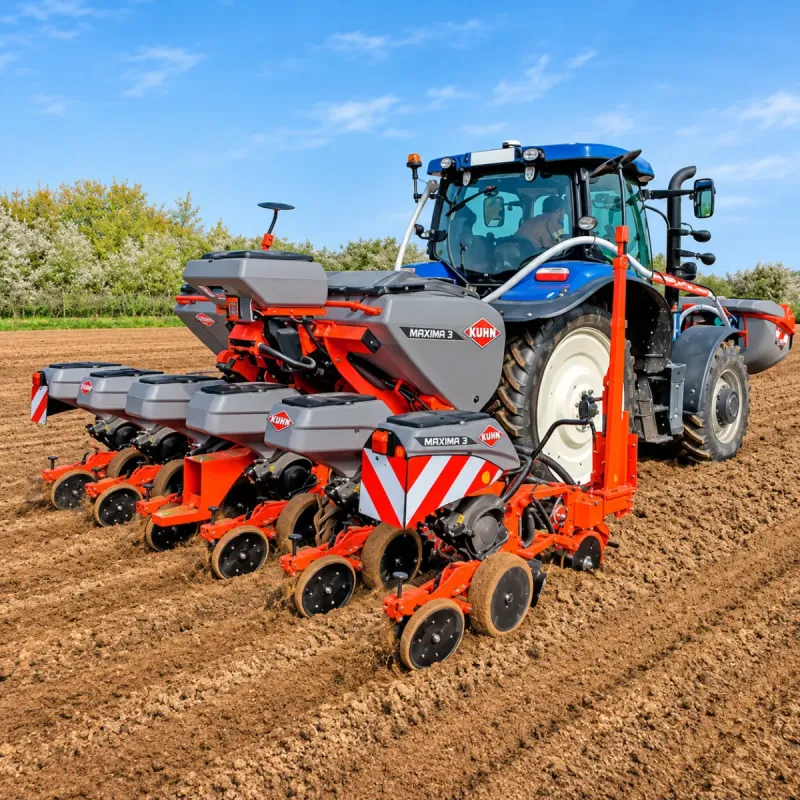
Precision Seed Drill
Best for: Accurate Large-Scale Planting
A precision seed drill places seeds at controlled depths and spacing while covering large areas in a single operation. Advanced systems can adjust planting rates and monitor seed placement to reduce waste and improve crop establishment.
- Metered Seed Delivery
- Adjustable Planting Depth
- Row Spacing Control
- GPS Guidance
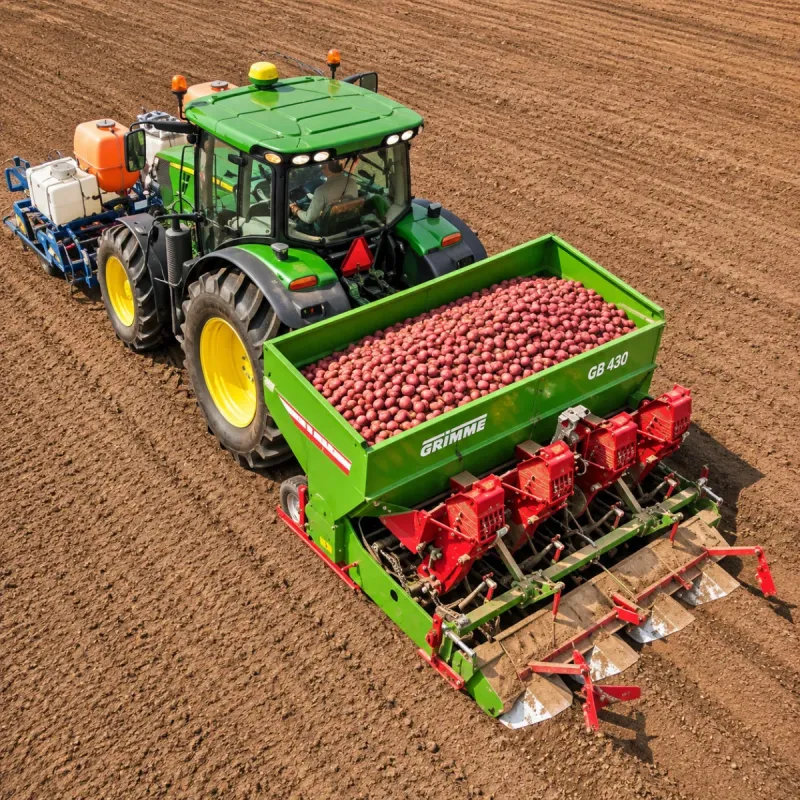
Potato Harvester
Best for: Underground Crop Collection
A potato harvester lifts plants and soil from underground rows, separates potatoes from dirt and plant debris, and transfers the crop into a collection system. Modern machines can process several rows efficiently.
- Digging Blades
- Soil Separation
- Conveyor Belts
- Potato Collection Hopper
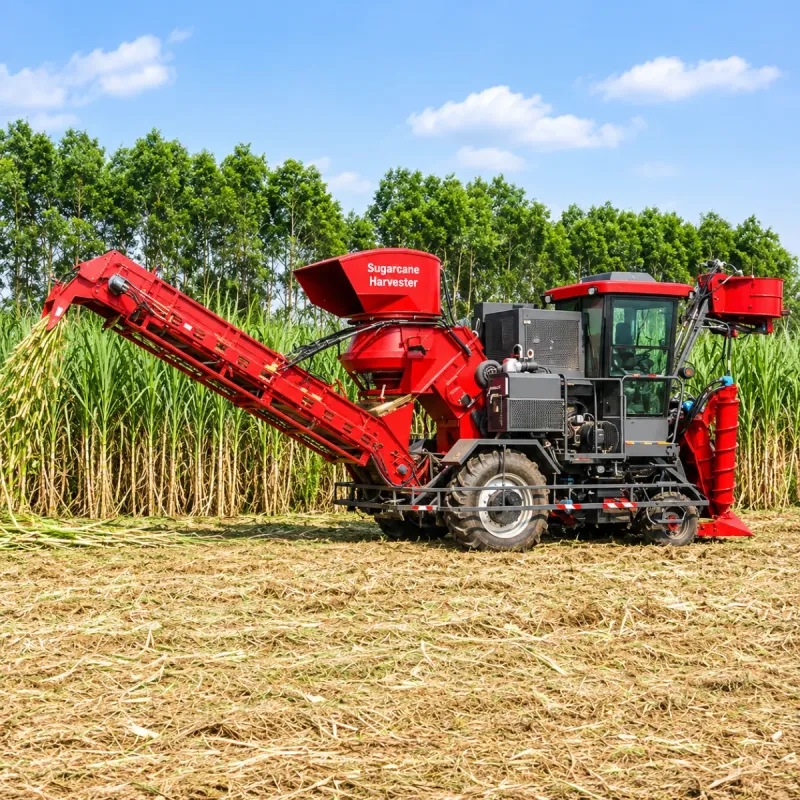
Sugarcane Harvester
Best for: Continuous Sugarcane Cutting
A sugarcane harvester cuts standing cane, removes leafy tops, chops stalks into smaller sections, and transfers the harvested material into a nearby transport vehicle. It replaces many labor-intensive harvesting steps with a continuous mechanical process.
- Cane Cutting Blades
- Leaf Stripping System
- Chopping Mechanism
- Conveyor Discharge
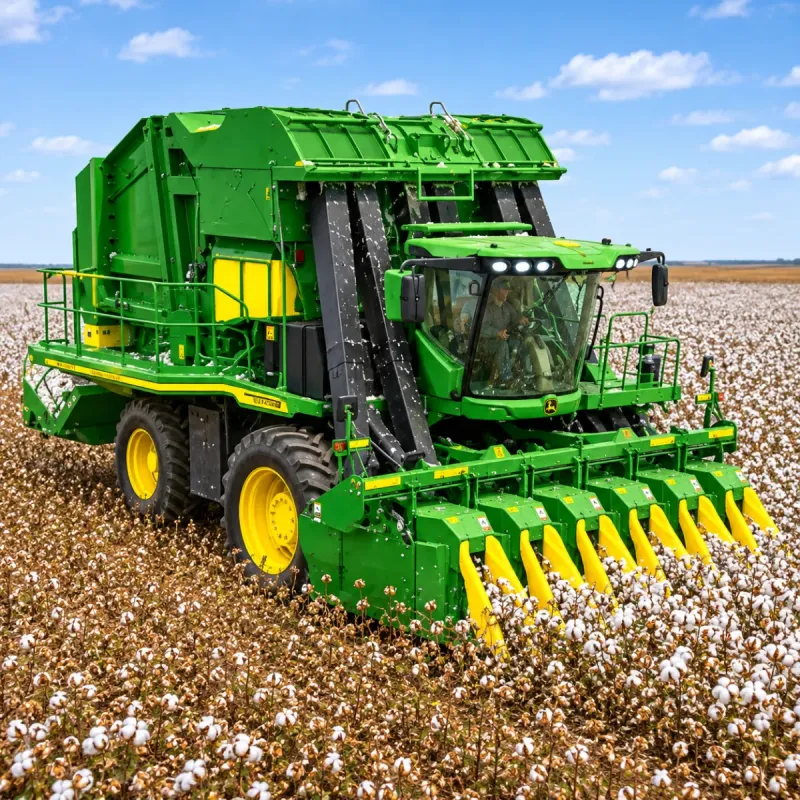
Cotton Picker
Best for: High-Volume Cotton Collection
A modern cotton picker uses rotating spindles to remove cotton fibers from plants and collect them in large onboard storage systems. Some models can harvest multiple rows at once, dramatically reducing manual picking work.
- Rotating Spindles
- Multi-Row Harvesting
- Onboard Cotton Storage
- Automated Collection
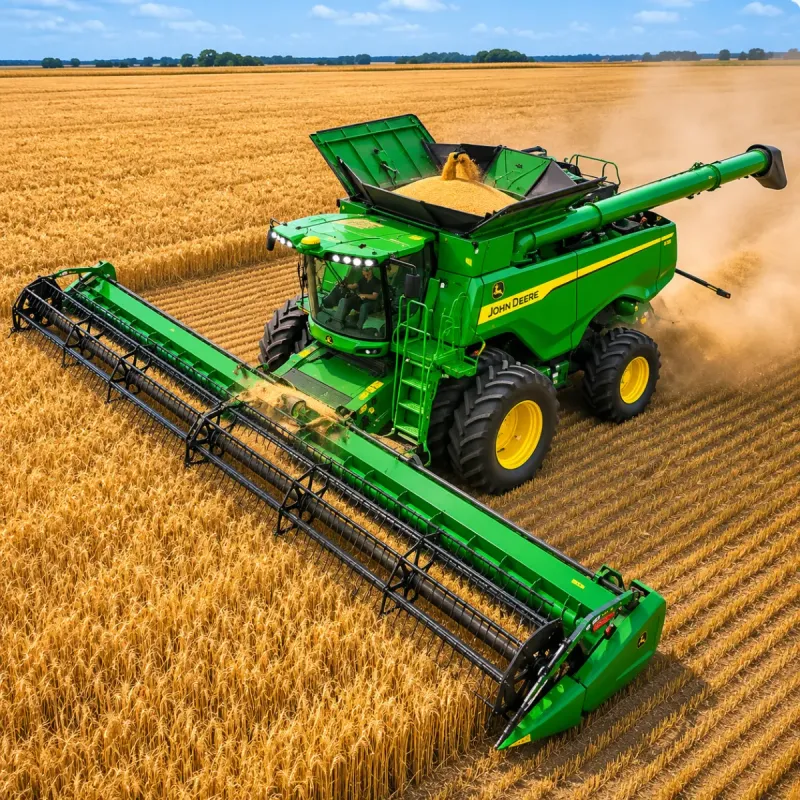
Combine Harvester
Best for: Large-Scale Grain Harvesting
A combine harvester performs several harvesting operations in one machine, including cutting, threshing, separating, and cleaning grain. It can harvest extensive fields much faster than traditional manual methods.
- Cutting Header
- Threshing System
- Grain Separation
- Onboard Grain Tank
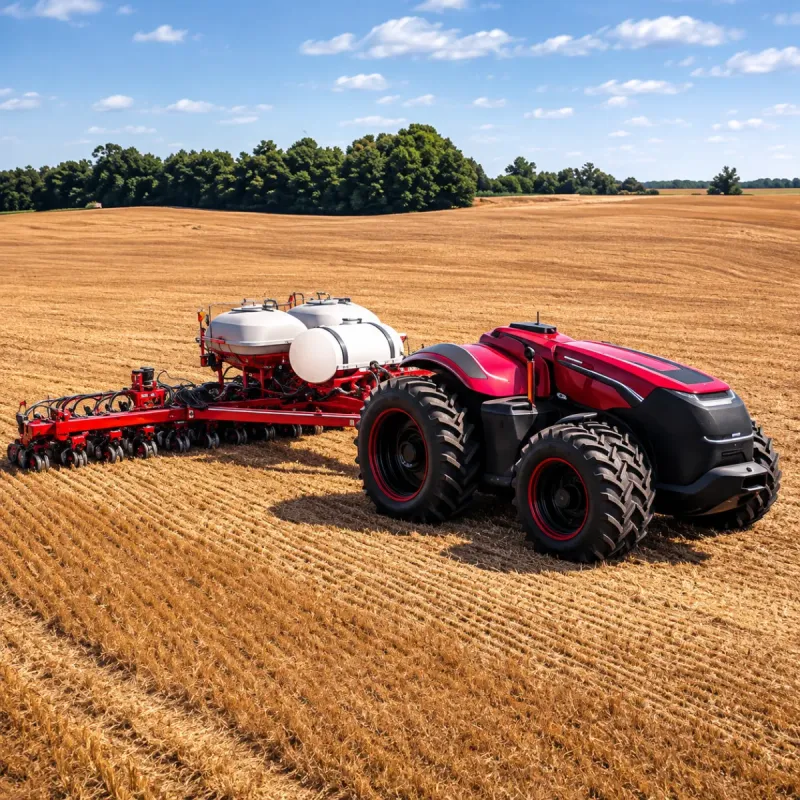
Autonomous Tractor
Best for: Driverless Field Operations
An autonomous tractor uses GPS guidance, sensors, cameras, and onboard computing to perform field operations with minimal human supervision. It can handle tasks such as tilling, planting, and transporting materials across large farms.
- GPS Navigation
- Obstacle Detection
- Automated Steering
- Precision Field Operations
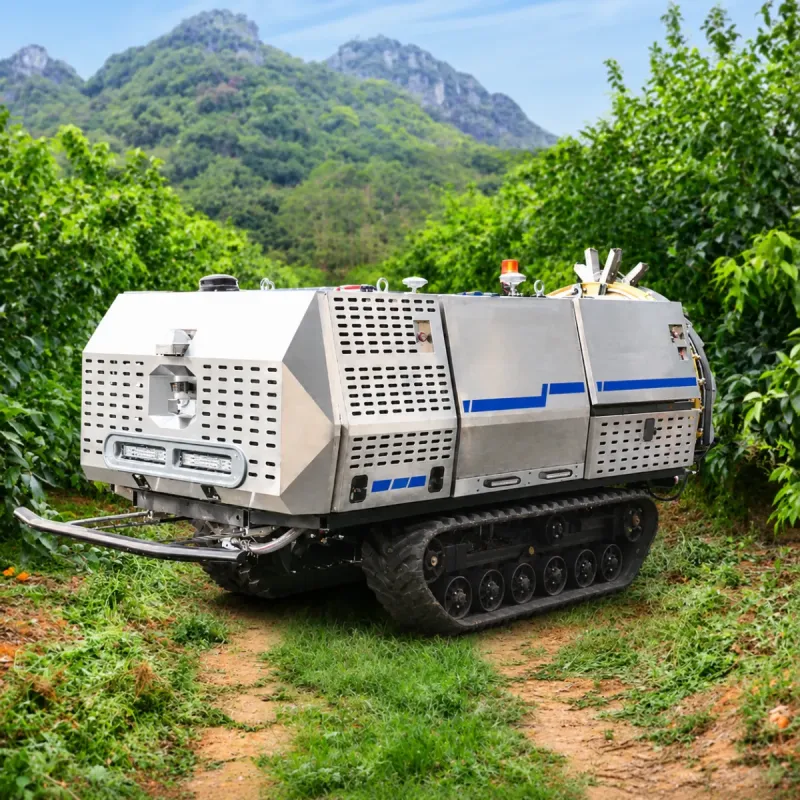
Autonomous Orchard Sprayer
Best for: Precision Spraying in Orchards
An autonomous orchard sprayer navigates between rows of fruit trees and applies crop protection treatments using sensors and targeted spray systems. Some models adjust spraying based on tree size and canopy density to reduce chemical waste.
- Autonomous Navigation
- Targeted Spray Nozzles
- Canopy Detection
- Adjustable Spray Output