
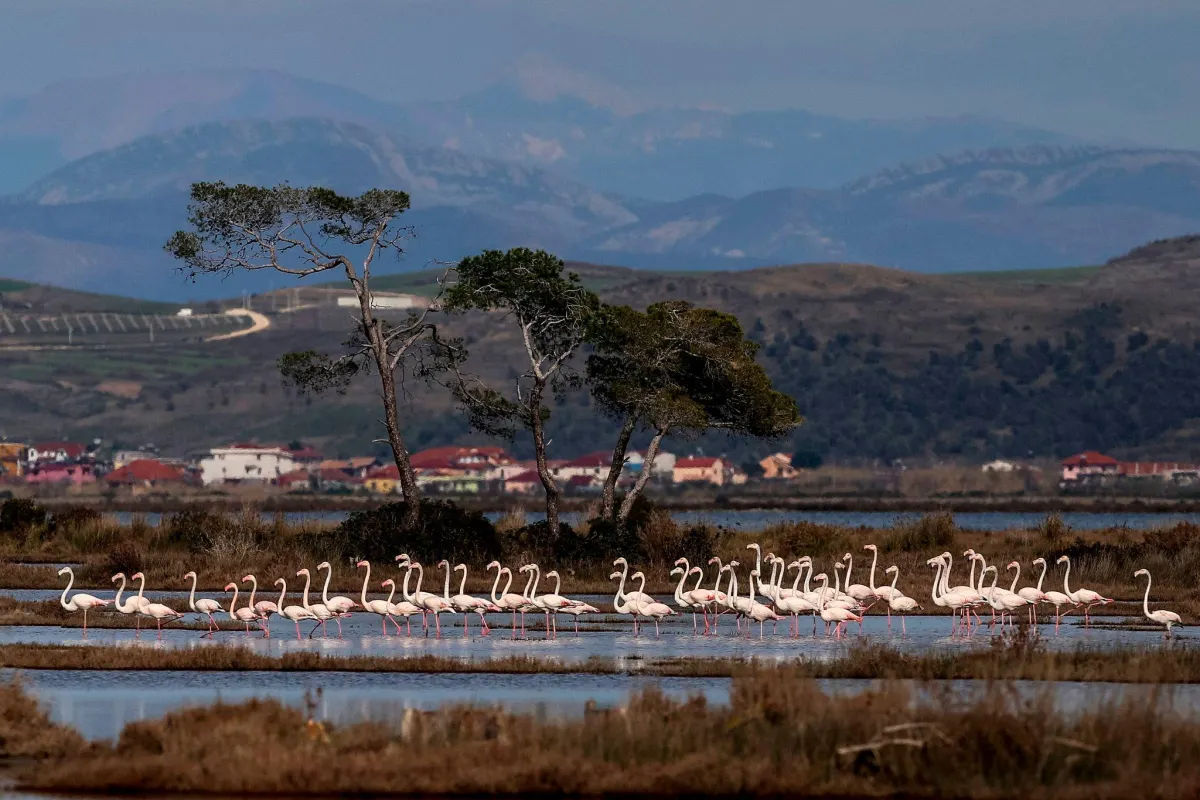
Imagine standing on a wooden observation tower as thousands of pink flamingos rise gracefully into the sky while the golden light of sunset reflects across a peaceful lagoon. It may sound like a scene from Africa, but this breathtaking destination is actually hidden along the Adriatic coast of Albania.
While millions of travelers visit Albania every year for its turquoise beaches and historic towns, very few know about Karavasta Lagoon—a spectacular wetland that has quietly become one of Europe's most remarkable birdwatching destinations. Often referred to online as Albania's Flamingo Island, this extraordinary ecosystem is home to hundreds of bird species, rare wildlife, and one of the Mediterranean's most important protected wetlands.
Read More
Where Is Karavasta Lagoon?
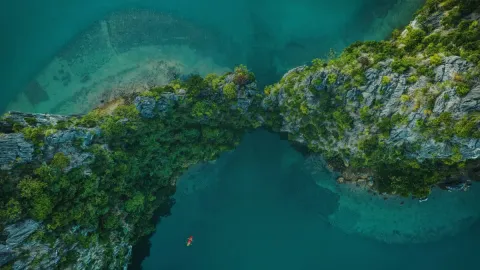
Karavasta Lagoon lies inside Divjakë–Karavasta National Park, approximately 90 kilometers southwest of Tirana on Albania's Adriatic coastline.
Covering around 42 square kilometers, it is the largest lagoon in Albania and one of the largest coastal lagoons in the eastern Adriatic. A long strip of golden sand separates the lagoon from the open sea, creating a unique environment where fresh river water mixes with salty seawater. This delicate balance has produced one of Europe's richest ecosystems.
Why Do People Call It Albania's Flamingo Island?
Although there is no officially named «Flamingo Island» in Albania, thousands of travelers and photographers have popularized the nickname because of the large numbers of Greater Flamingos that gather in the lagoon during migration seasons.
From autumn through early spring, visitors can witness hundreds—and sometimes thousands—of flamingos feeding in the shallow waters. Their bright pink feathers reflected across the calm lagoon create one of Albania's most photogenic natural landscapes.
A Wetland Protected by the World
Karavasta is much more than a beautiful lake.The lagoon has been recognized internationally under the Ramsar Convention, which protects wetlands of global ecological importance. It also forms the heart of Divjakë–Karavasta National Park, ensuring that its wildlife and habitats remain protected for future generations.
Scientists consider the lagoon one of the most important stopovers for migratory birds traveling between Europe and Africa along the Adriatic Flyway.
More Than Just Flamingos
While flamingos attract the most attention, they are only one part of an incredibly diverse ecosystem.More than 200 bird species have been recorded in the park, making it one of the premier birdwatching locations in southeastern Europe.
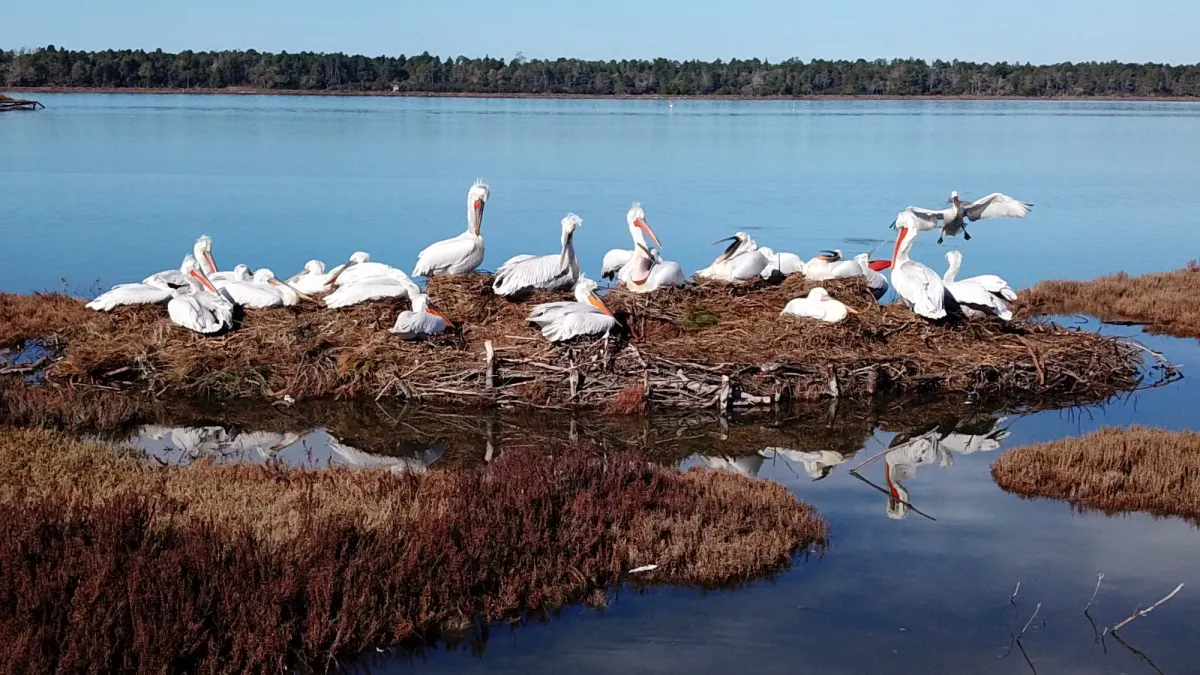
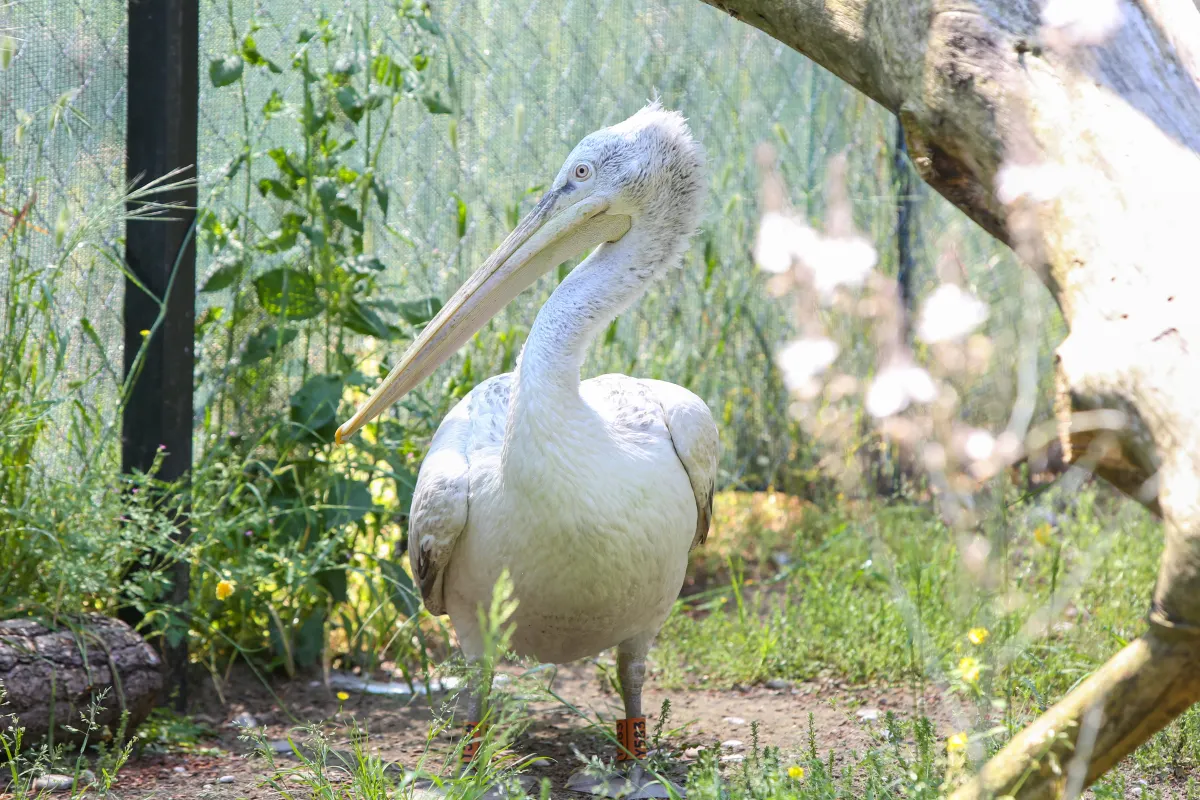
Among the most remarkable residents is the Dalmatian Pelican, one of the rarest pelican species on Earth. Around 5% of the world's population depends on Karavasta Lagoon, making it one of the species' most important breeding habitats anywhere in the Mediterranean.
Other birds commonly spotted include:
- Pygmy Cormorants
- Grey Herons
- Great Egrets
- Little Terns
- Black-winged Stilts
- Eurasian Curlews
- European Bee-eaters
- Various ducks, waders, and migratory waterbirds
Every season offers a different spectacle, which is why many bird photographers return year after year.
A Landscape Shaped Over Thousands of Years
Karavasta Lagoon is not a man-made attraction.
Over thousands of years, sediments carried by the Shkumbin and Seman rivers gradually formed the lagoon behind a natural barrier of sand dunes. The result is a rare coastal ecosystem filled with reed beds, pine forests, shallow channels, sandy islands, and quiet marshes.
This remarkable diversity of habitats supports an extraordinary range of wildlife beyond birds, including fish, reptiles, mammals, and countless plant species.
What Can Visitors Experience?
Unlike many crowded European tourist destinations, Karavasta remains peaceful and largely untouched.
Visitors can enjoy:
- Birdwatching from observation towers
- Guided boat tours through the lagoon
- Wildlife photography
- Walking and cycling trails
- Coastal pine forests
- Quiet beaches along the Adriatic Sea
- Local seafood restaurants serving traditional Albanian cuisine
Because mass tourism has not overwhelmed the region, the experience feels authentic and deeply connected to nature.
When Is the Best Time to Visit?
The most rewarding months for flamingo sightings are:
- October
- November
- December
- January
- February
- March
During these months, migratory birds gather in impressive numbers, offering exceptional opportunities for wildlife photography.Spring and early summer are also excellent for observing nesting birds, including the famous Dalmatian Pelicans.
A Growing Ecotourism Destination
Karavasta Lagoon has quietly become one of Albania's fastest-growing ecotourism attractions.The area welcomes more than 400,000 visitors annually, including tens of thousands of international tourists who come specifically for birdwatching, photography, and nature experiences.
As Albania continues to gain recognition as one of Europe's emerging travel destinations, Karavasta remains one of its best-kept secrets.
Why Karavasta Deserves a Place on Your Travel List
Many destinations promise beautiful beaches.Few can offer thousands of wild flamingos soaring above untouched wetlands, rare pelicans nesting on protected islands, peaceful forests, quiet cycling trails, and unforgettable sunsets—all in one place.
For travelers searching for authentic nature rather than crowded resorts, Karavasta Lagoon represents one of Europe's last hidden wildlife treasures.Whether you're a photographer, bird enthusiast, or simply someone looking for a unique destination beyond the usual tourist trail, Albania's pink paradise is waiting to be discovered.