

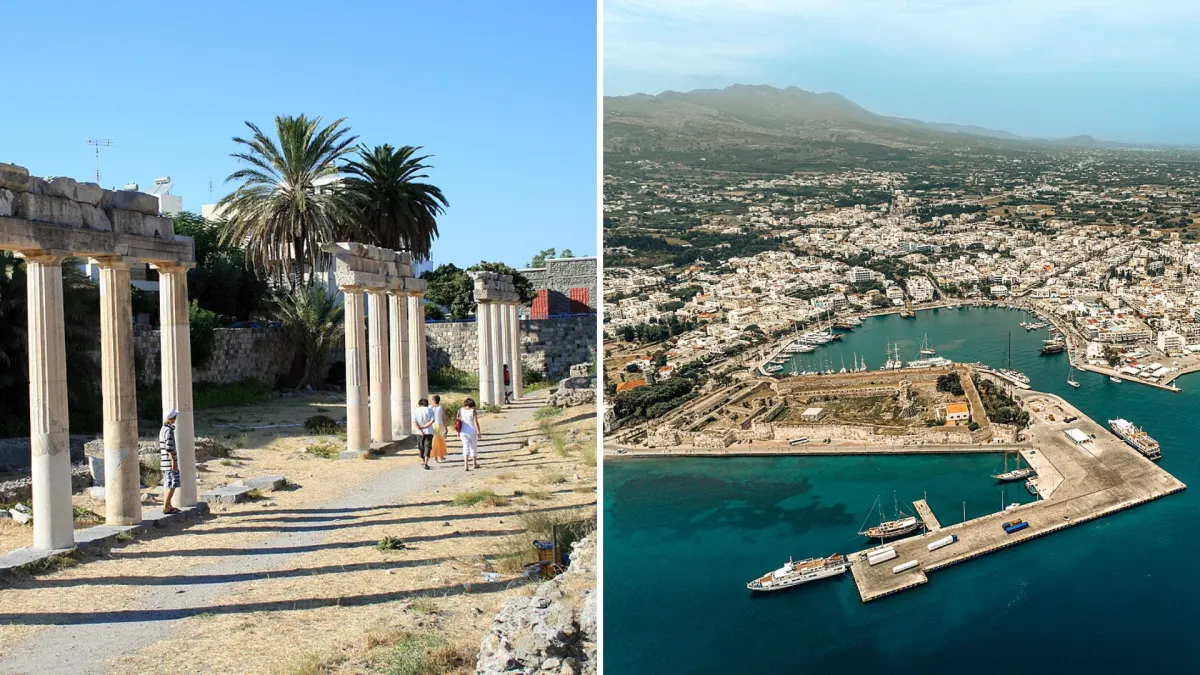
Most travelers come for the beaches—but leave fascinated by its history
When people dream about a Greek island vacation, places like Santorini and Mykonos usually steal the spotlight. Yet tucked away in the southeastern Aegean Sea is an island that offers something completely different.
Kos Island combines beautiful beaches, ancient ruins, charming villages, and a remarkable history that helped shape modern medicine. More than 2,400 years ago, one of history's greatest physicians was born here, changing the way the world understands disease and healing.
Read More


Today, Kos is one of Greece's most rewarding destinations for travelers looking for more than just sun and sand.
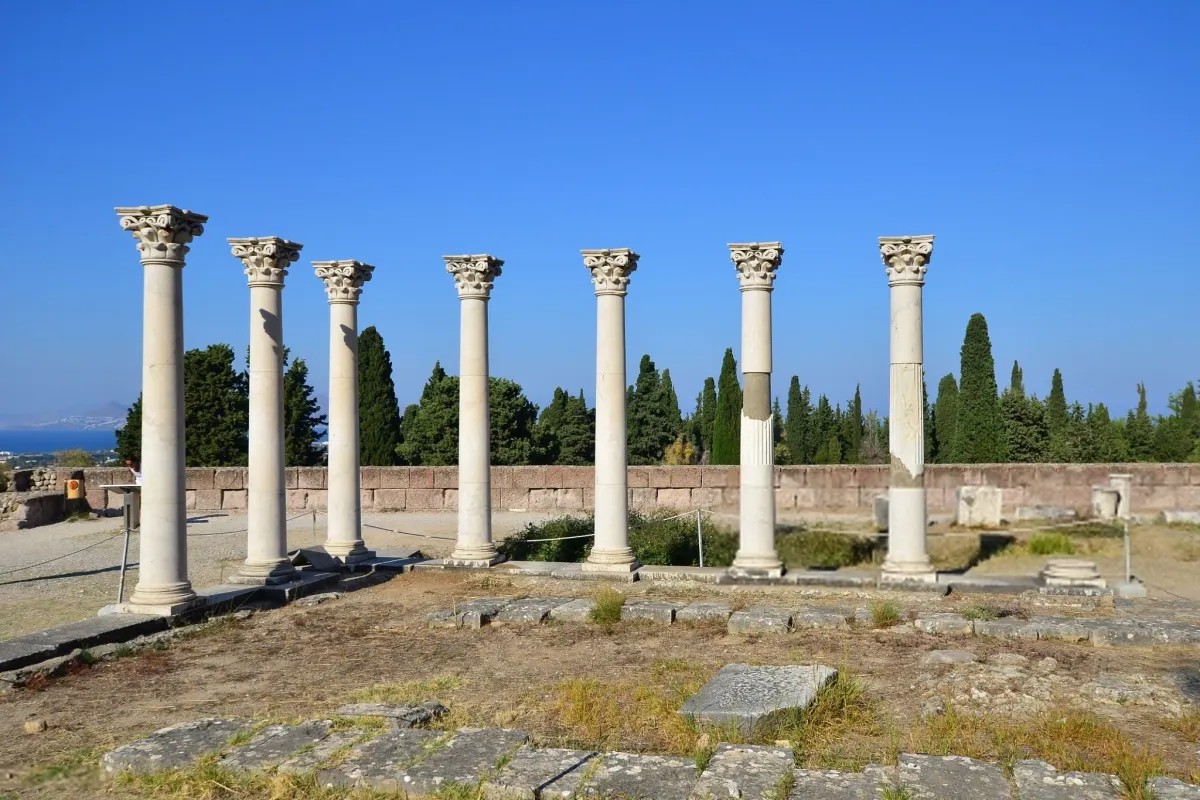
Where is Kos Island?
Kos sits in Greece's Dodecanese island group, just a few miles from Turkey's southwestern coastline. In fact, the Turkish resort city of Bodrum is so close that visitors can travel between the two by ferry in less than 30 minutes.
Its strategic location made Kos an important crossroads for civilizations including the Ancient Greeks, Romans, Byzantines, and Ottomans, leaving behind a rich cultural heritage that visitors can still explore today.
The birthplace of Hippocrates
Kos is best known as the birthplace of Hippocrates, the physician widely regarded as the «Father of Modern Medicine.»
Born around 460 BC, Hippocrates challenged the common belief that illnesses were caused by angry gods or supernatural forces. Instead, he argued that diseases had natural causes and should be treated through careful observation, scientific reasoning, and clinical experience.
His revolutionary ideas laid the foundation for modern medical practice, and the famous Hippocratic Oath continues to influence physicians around the world.
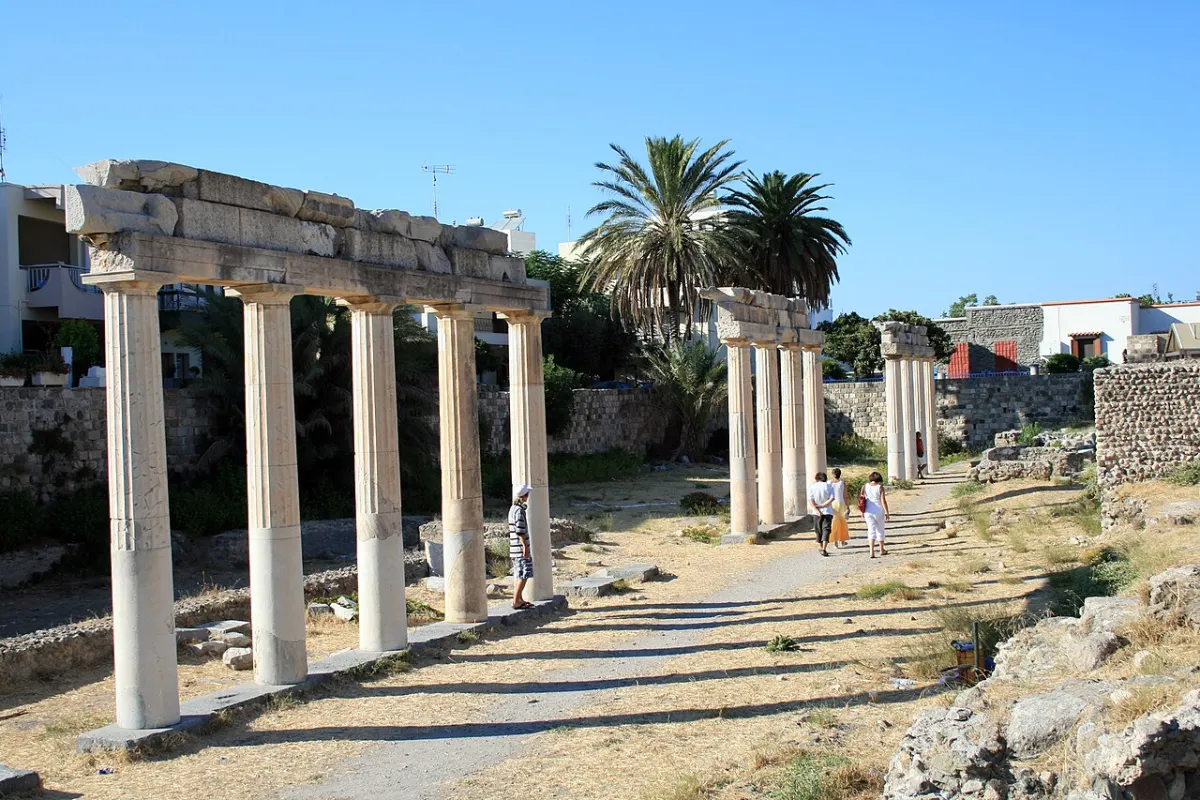
The ancient hospital that changed medicine
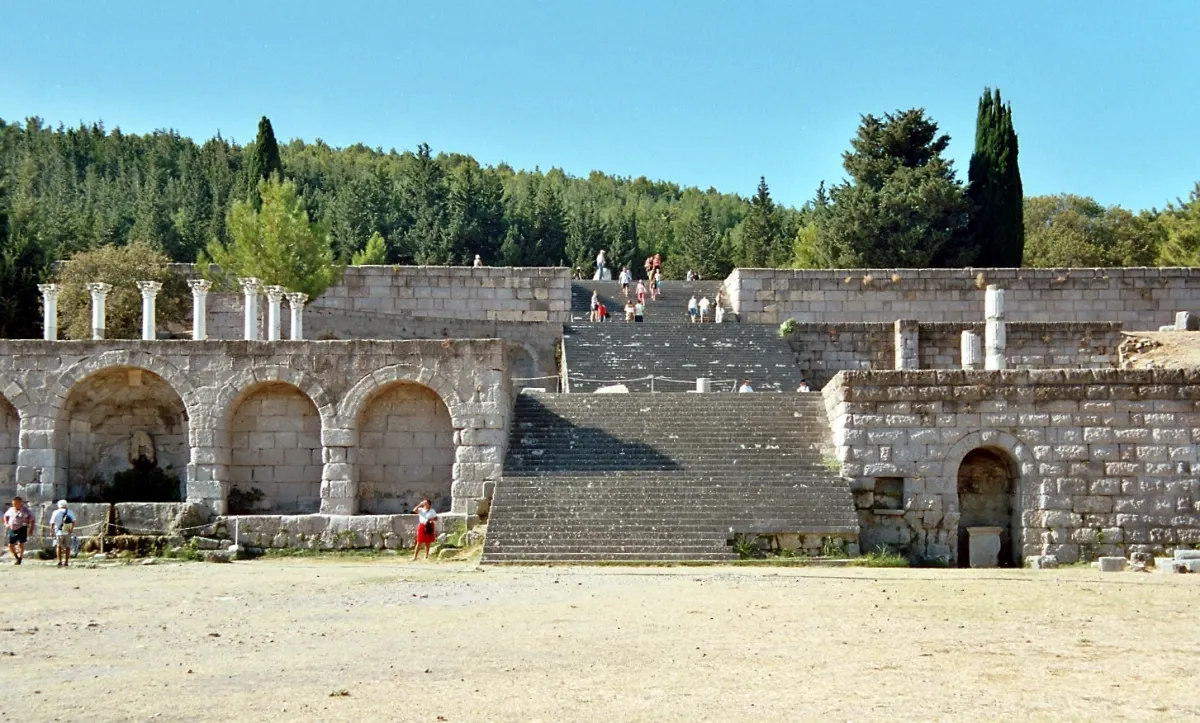
One of Kos Island's most important landmarks is the Asklepieion, one of the ancient world's most celebrated healing sanctuaries.Far more than a temple, the Asklepieion served as a hospital, medical school, and research center. Patients traveled from across the Greek world seeking treatment, while physicians studied and refined their knowledge here.
What makes the site even more fascinating is its design. Fresh air, peaceful gardens, scenic views, and nature itself were considered essential parts of the healing process—an idea that closely resembles today's holistic approach to healthcare.
The legendary Tree of Hippocrates
Standing in the heart of Kos Town is one of the island's most photographed landmarks—the Tree of Hippocrates.According to local tradition, Hippocrates taught his students beneath its shade. Although the existing tree is much younger than the ancient physician himself, it has become a powerful symbol of the island's medical legacy and remains one of its most popular attractions.
Top places to visit on Kos Island
Kos offers far more than beautiful coastlines. Some of its must-see attractions include:
- The ancient Asklepieion archaeological site
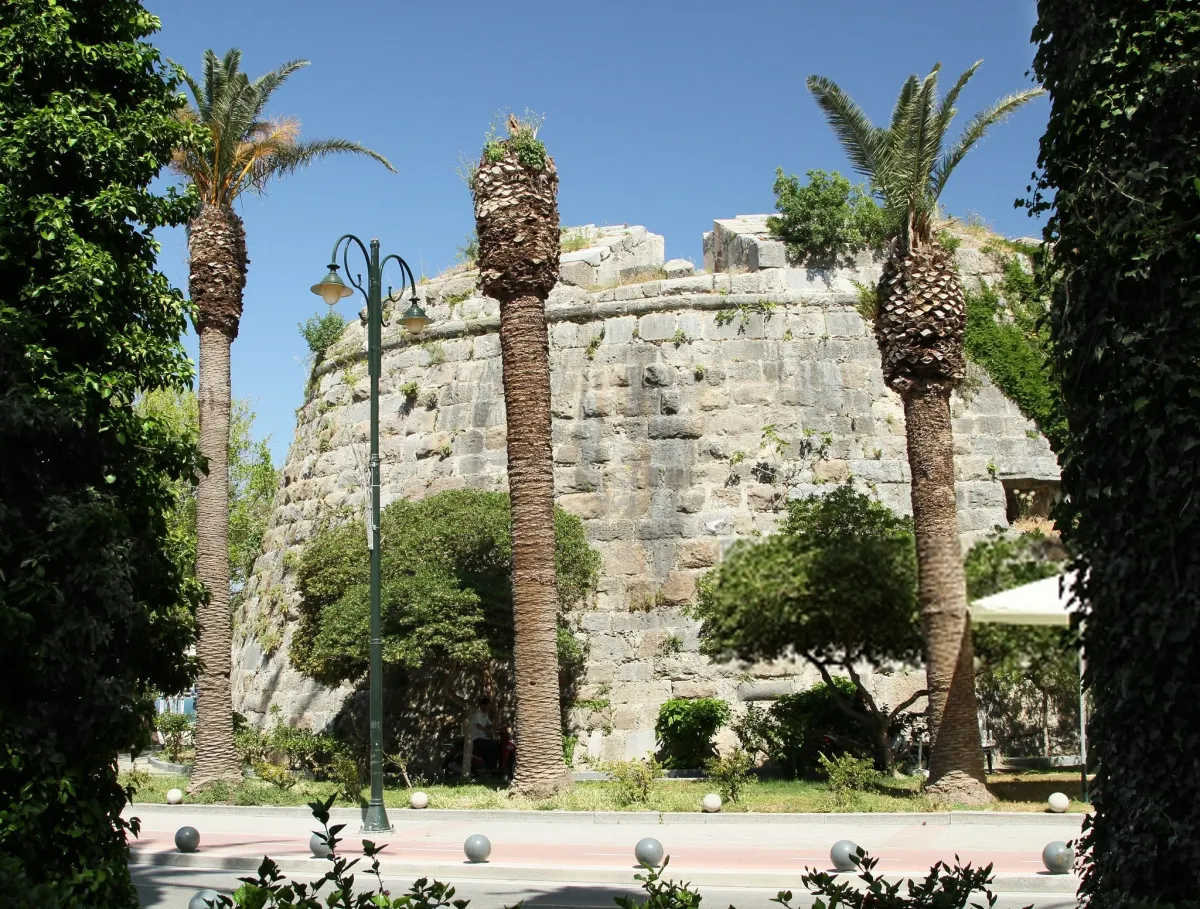
- Neratzia Castle overlooking the harbor
- The Ancient Agora
- The Roman Odeon
- Paradise Beach
- Tigaki Beach
- The mountain village of Zia, famous for its unforgettable sunsets
- Therma Beach and its natural hot springs
Whether you're passionate about history or simply looking for a relaxing Mediterranean escape, Kos delivers an experience that appeals to every type of traveler.
Why cyclists love Kos
Unlike many Greek islands known for steep hills, Kos is relatively flat and incredibly bike-friendly.Dedicated cycling paths stretch across much of the island, making bicycles one of the easiest—and most enjoyable—ways to explore beaches, villages, and archaeological sites.It's one of the reasons many European visitors return year after year.
The best time to visit
Kos enjoys a classic Mediterranean climate with long, sunny summers and mild winters.The best time to visit is generally between May and October, when warm temperatures make swimming, sailing, snorkeling, and outdoor adventures especially enjoyable.With more than 300 days of sunshine each year, the island remains one of Greece's sunniest destinations.
A tourism-driven island with deep roots
Tourism is the backbone of Kos' economy, but agriculture and fishing continue to play important roles.The island produces olives, grapes, citrus fruits, and locally made products that reflect generations of Mediterranean tradition.Visitors often discover that beyond its resorts, Kos still maintains an authentic Greek character that feels welcoming and relaxed.
Fascinating facts about Kos Island
- It's the birthplace of Hippocrates, the Father of Modern Medicine.
- The island lies only a few miles from the Turkish coast.
- It enjoys more than 300 sunny days every year.
- Ancient Greeks established one of the world's earliest medical centers here.
- Visitors can explore Greek, Roman, Byzantine, and Ottoman landmarks—all on the same island.