
The Shocking Gap Between the Menu and Your Screen
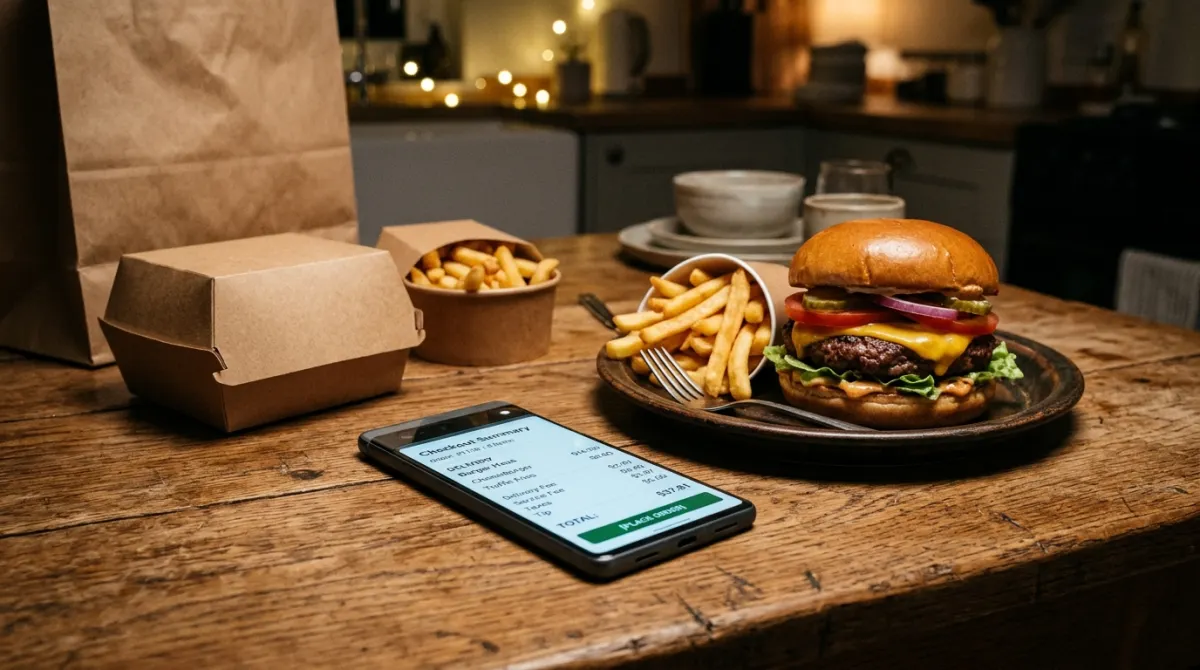
It is Friday evening after a demanding work week, and cooking dinner is the last thing on your schedule. You open a food delivery application on your phone, choose a favorite dinner combo from a neighborhood bistro three blocks away, and tap the payment button. The final total comes to forty-two dollars. You accept it as the cost of modern convenience and wait for the delivery courier to ring the bell.
Now take a short walk to that exact same restaurant, open their physical printed menu, and add up the cost of those identical items. The in-store bill comes to twenty-six dollars. Where did that extra sixteen dollars go?
Across the globe, independent consumer studies from market research watchdogs have documented that consumers routinely pay between fifteen and thirty percent more for food on delivery platforms before delivery fees, platform charges, or driver tips are ever calculated. Understanding how this markup functions reveals a complex economic chain connecting restaurants, platform commissions, and automated algorithmic pricing.
The Stealth Price Hike: Why In-App Menus Cost More
Most consumers assume the delivery fee shown on the app's browsing page is the only extra charge they are paying. In reality, that fee is often the smallest part of the total price discrepancy.
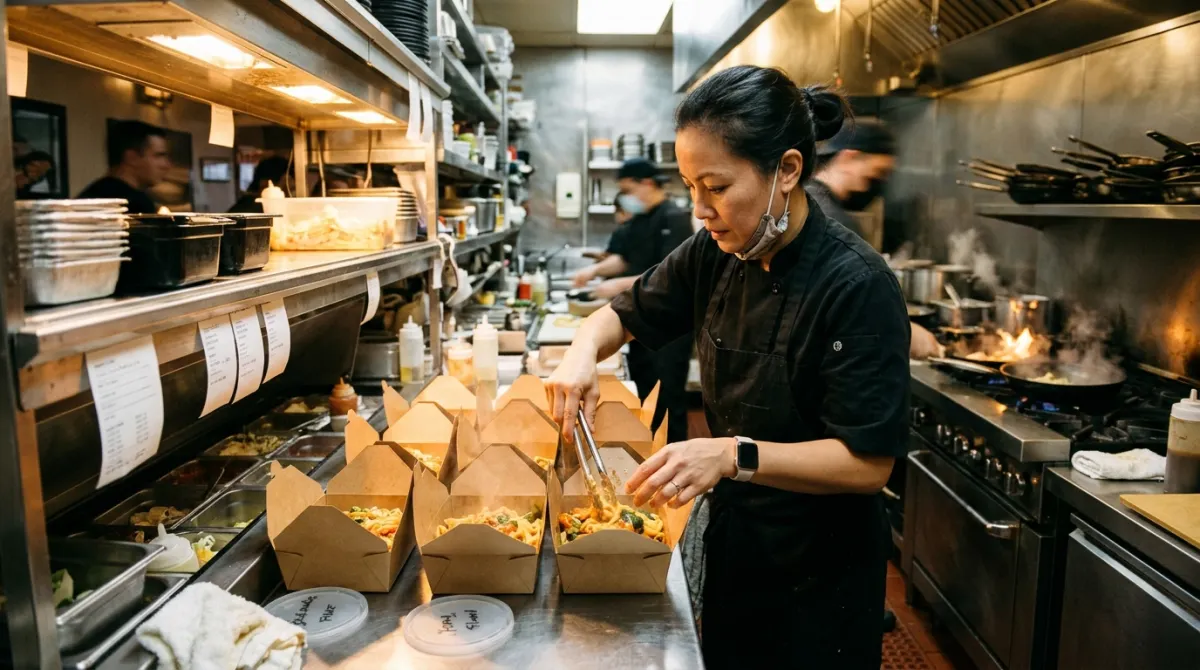
The primary markup happens directly on the menu items themselves. Major delivery platforms charge restaurant owners commissions typically ranging from fifteen to thirty percent on every order processed through the app. Because independent restaurants operate on narrow profit margins that average between three and five percent, absorbing a twenty percent platform cut is financially impossible.
To avoid losing money on every order, restaurant owners quietly raise their in-app menu prices compared to their dine-in prices. A specialty pasta dish listed for fourteen dollars inside the dining room is routinely priced at eighteen dollars inside the application. By the time a customer orders two entrees and an appetizer, they have already paid ten to twelve dollars more than in-store customers before reaching the final checkout screen.
| Expense Component | Direct Restaurant Order | Third-Party Delivery App | Typical Price Difference |
|---|---|---|---|
| Base Menu Items (2 Mains + Sides) | $28.00 | $36.50 | +$8.50 (Menu inflation) |
| Delivery Fee | $0.00 (Self-pickup) | $3.99 | +$3.99 |
| Platform Service Fee | $0.00 | $4.85 | +$4.85 (Algorithmic fee) |
| Regulatory / City Fee | $0.00 | $1.50 | +$1.50 |
| Driver Tip | $0.00 | $5.00 | +$5.00 |
| Total Out-of-Pocket Cost | $28.00 | $51.84 | +$23.84 (+85% total markup) |
Fee Stacking: How Algorithmic Surcharges Add Up
Once you reach the final checkout screen, delivery software adds a tiered stack of additional costs. These charges appear under vague titles such as "service charge," "operating fee," or "regulatory response surcharge."
Platform service fees are typically calculated as a percentage of the already-inflated food subtotal, which means ordering more food automatically increases the platform's cut. During peak hours, bad weather, or weekend rushes, automated surge pricing algorithms activate, pushing delivery rates significantly higher.
Crucially, many consumers believe these service fees support the delivery driver. In truth, platforms retain the vast majority of service charges to fund corporate overhead and digital infrastructure, leaving the courier dependent primarily on discretionary customer tips for viable earnings.
Simple Habits to Keep Your Money in Your Pocket
You do not have to give up takeout meals to avoid unnecessary markups. Adopting three practical habits can save hundreds of dollars each year:
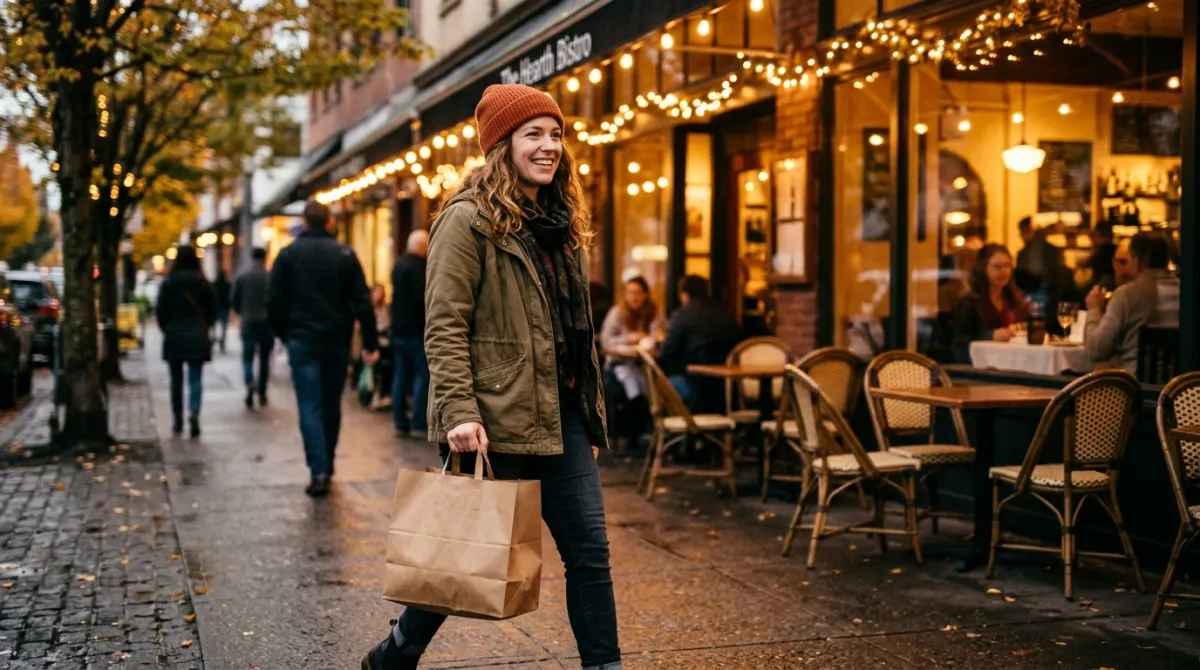
- Order directly through the restaurant: Most independent restaurants maintain direct online ordering or direct phone lines. Ordering directly ensures you pay the genuine in-store price, and all proceeds support the kitchen.
- Use applications strictly for menu browsing: Use third-party apps to see what restaurants are open nearby, then switch to the restaurant's official website to place your order.
- Opt for customer pickup: If the restaurant is within walking or cycling distance, choosing pickup eliminates delivery fees, service fees, and surge surcharges entirely.
Convenience has undeniable value, but awareness is essential. Checking the real menu price before placing your next takeout order ensures you make an informed choice for your budget and your local dining community.
The Spread of Virtual Ghost Kitchens
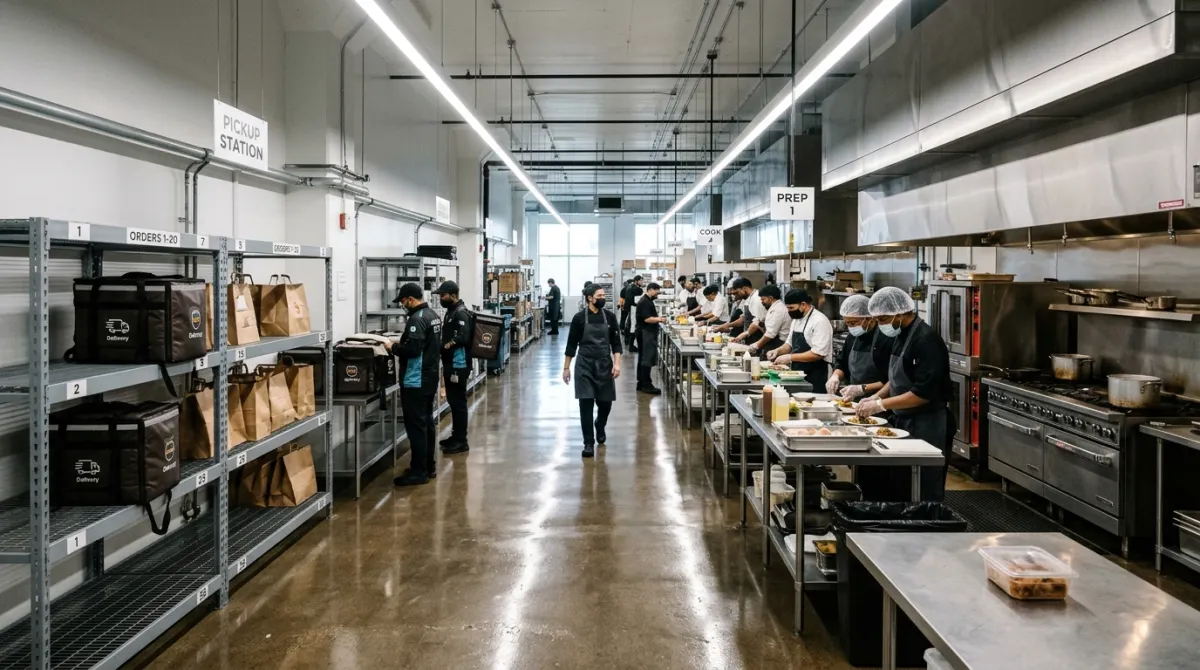
Another major factor distorting food delivery pricing is the proliferation of commissary facilities commonly referred to as ghost kitchens. These operations operate without a dining room, hostess, or physical storefront. Instead, commercial food prep spaces prepare food for dozens of different restaurant listings published simultaneously on delivery apps.
A single industrial kitchen warehouse can simultaneously operate a gourmet burger concept, a fried chicken brand, and a specialty noodle shop using the same staff and inventory. While this setup reduces operational overhead, customers frequently pay premium restaurant prices for food produced in high-volume commercial commissary facilities.
To verify whether you are ordering from a genuine brick-and-mortar cafe, diners can quickly check the listed street address on a map application. If the address resolves to an unmarked industrial park or commercial garage rather than a neighborhood restaurant, you are likely ordering from a virtual commissary where platform markup margins are heavily leveraged.
Subscription Bundles: Does the Math Actually Work?
To retain customers facing delivery fee fatigue, major platforms heavily promote monthly subscription tiers promising zero-dollar delivery fees on qualifying orders. While these subscriptions eliminate base delivery charges, they rarely waive percentage-based service fees or prevent restaurants from marking up their core menus.
Consumer budget analyses indicate that a diner must place four to five deliveries per month from participating venues just to offset the monthly membership charge. For occasional diners, paying twelve dollars a month for a delivery subscription often creates the illusion of savings while encouraging more frequent, higher-cost food delivery habits overall.
Why Dynamic Surge Pricing Punishes Peak-Hour Diners
In addition to baseline menu markups and percentage service charges, delivery applications utilize dynamic algorithmic surge pricing during periods of high driver demand. When adverse weather strikes or Friday evening demand peaks, platform algorithms automatically inflate delivery fees from standard rates of three dollars up to eight or nine dollars per trip.
Unlike traditional taxi meters where fare structures are strictly regulated by municipal transportation authorities, algorithmic food delivery surcharges fluctuate without published rate caps. For households ordering dinner during peak family hours, these unpredictable surges compound already inflated cart subtotals, turning a simple family takeout meal into an expensive luxury.