
A shocking fraud case is reminding millions why online generosity now comes with more questions than ever.
For years, Amanda Riley appeared to be living through every family's worst nightmare. Through emotional blog posts, hospital photos, and updates about a supposed battle with cancer, she built a community of supporters who donated money, shared her story, and prayed for her recovery.
The story was powerful. It was also fake.
Eton College: A Complete Guide to Britain’s Most Prestigious Boarding School
Now, as the Scamanda documentary gains attention and introduces the case to a new audience, many people are revisiting a question that extends far beyond one woman’s crimes: How much trust should we place in online fundraising campaigns?
The Story That Fooled Thousands
Amanda Riley spent years convincing supporters that she was fighting a life-threatening illness. Friends, church members, and strangers contributed money to help cover what they believed were mounting medical expenses.
Investigators later discovered that Riley had never been diagnosed with the cancer she claimed to have. Federal prosecutors said she used fabricated medical stories and false claims to collect more than $100,000 from donors before eventually pleading guilty to wire fraud.
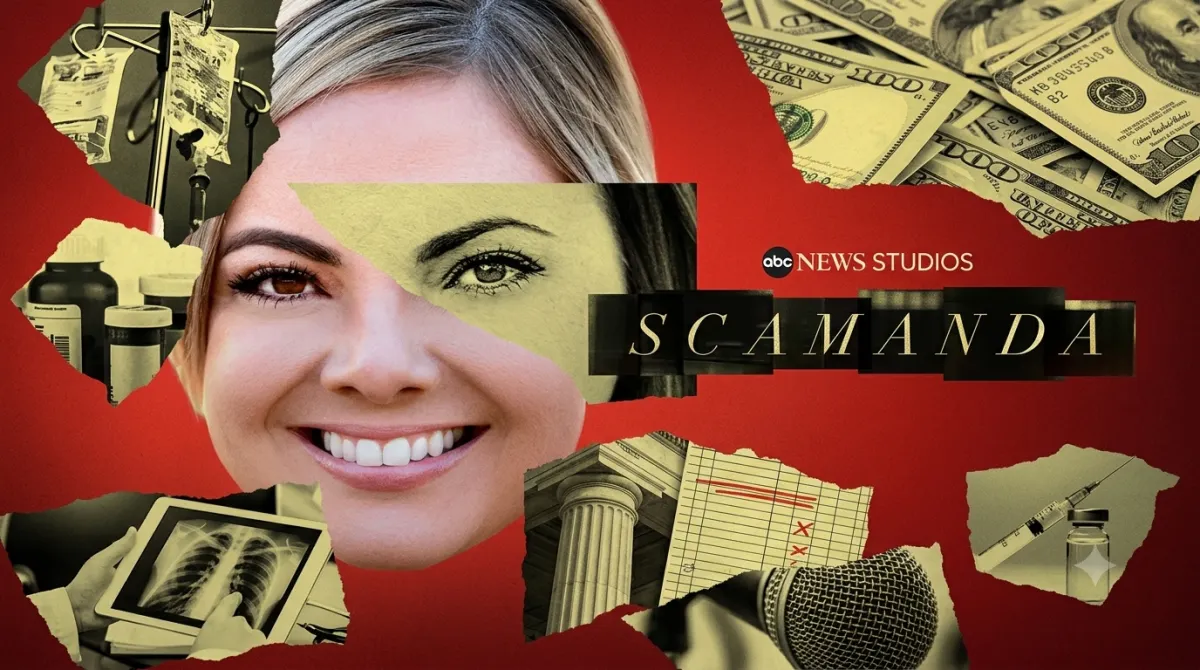
The case became one of the most talked-about examples of fundraising deception in the social media era because it revealed how easily a convincing personal story can spread online.
Why the Scamanda Case Hit So Hard
Financial scams are nothing new. What made Scamanda different was the emotional connection.
People weren't investing in a questionable business opportunity or clicking suspicious links. They believed they were helping someone survive cancer.
The case exposed a difficult reality: online fundraising often depends on trust rather than verification. Most donors never meet the person they're helping. Instead, they make decisions based on photos, updates, comments, and recommendations from friends.
When those elements appear authentic, many people naturally lower their guard.

The Rise of "Trust, But Verify"
One of the biggest impacts of the Scamanda case has been a noticeable shift in donor behavior.
Today, many people are becoming more cautious before contributing to crowdfunding campaigns. Instead of donating immediately after seeing an emotional post, donors are increasingly asking questions:
- Who created the fundraiser?
- Is the organizer connected to the beneficiary?
- Are there independent sources confirming the story?
- Is there transparency about how funds will be used?
- Are updates consistent and believable?
This doesn't mean people have become less generous. If anything, it shows that donors want their contributions to reach legitimate causes.
Social Media Changed Fundraising, And Its Risks
Platforms like Facebook, Instagram, TikTok, and crowdfunding websites have transformed how people raise money during emergencies.
A compelling story can reach thousands of potential donors within hours. The speed is remarkable, but it also creates opportunities for deception.
When a campaign gains momentum, social proof can take over. People often assume that if hundreds of others are sharing or donating, someone else must have already verified the claims.
The Scamanda case demonstrated that viral attention is not the same as evidence.
What Donors Are Doing Differently Today
Consumer protection experts recommend several simple habits that can help reduce the risk of supporting fraudulent campaigns:
| Before Donating | Why It Matters |
|---|---|
| Verify the organizer | Confirms the fundraiser is connected to the cause |
| Search for outside coverage | Helps validate major medical or emergency claims |
| Review updates carefully | Inconsistencies can be warning signs |
| Use secure payment methods | Offers better protection if problems arise |
| Be cautious of urgency | Scammers often pressure people to act quickly |
These steps take only a few minutes but can help donors make more informed decisions.
The Real Legacy of Scamanda
The lasting impact of the Scamanda case may not be the fraud itself.
Instead, it may be the way it changed public expectations.
Online fundraisers still help families pay medical bills, recover from disasters, and overcome unexpected hardships. Millions of campaigns are legitimate and provide critical support to people in need.
But Scamanda reminded the public that empathy and verification must work together.
The internet has made it easier than ever to ask for help. It has also made it easier than ever to fabricate a story. As a result, trust is no longer automatic.
For many donors, the lesson is simple: a powerful story may inspire generosity, but transparency is what earns confidence.