

The Hidden Gold Rush Inside E-Waste
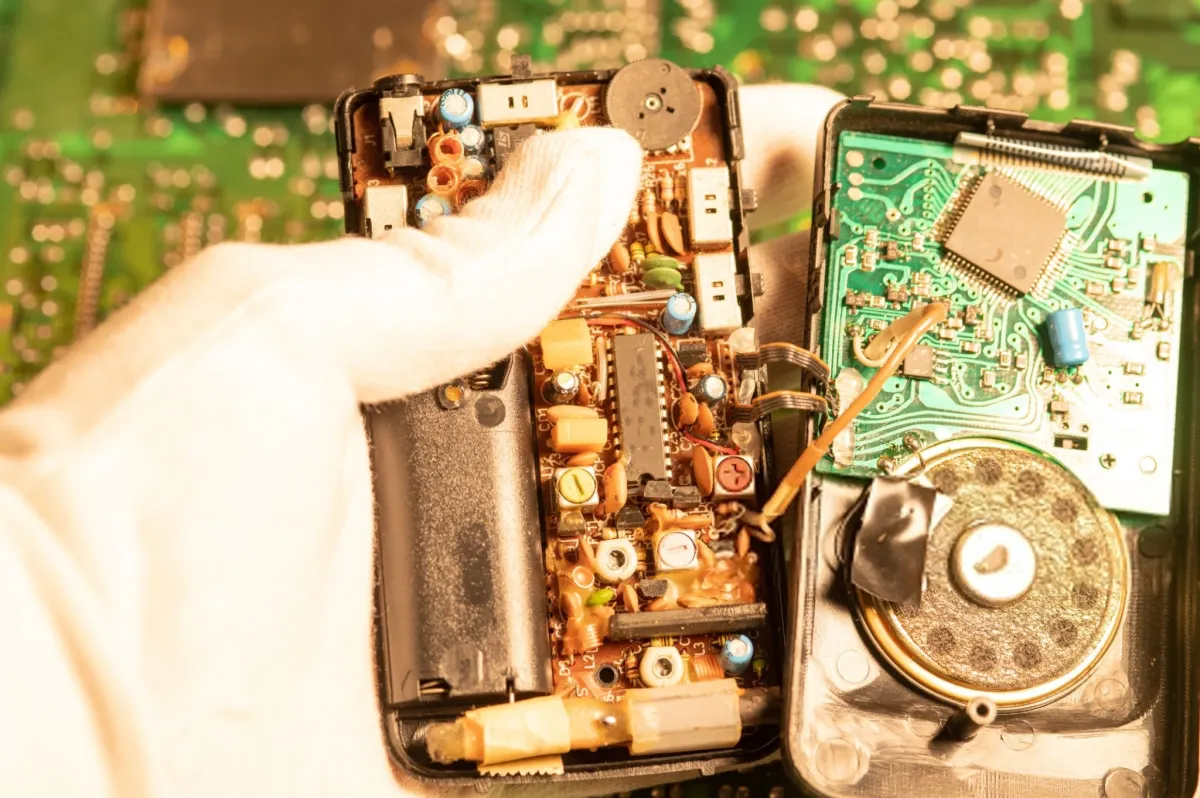
Every broken iPhone, discarded laptop, or obsolete server contains something far more valuable than most people realize: a concentrated reserve of precious and strategic metals. In 2022 alone, the world generated 62 million tonnes of electronic waste, yet less than a quarter was formally recycled. By 2030, that figure is expected to reach 82 million tonnes, creating one of the fastest-growing waste streams on Earth.
What makes e-waste unique is that it often contains higher concentrations of valuable metals than traditional ore deposits. A tonne of high-grade circuit boards can yield more gold than a tonne of gold-bearing rock extracted from a mine. This reality has given rise to what experts call urban mining—the recovery of valuable materials from discarded electronics.
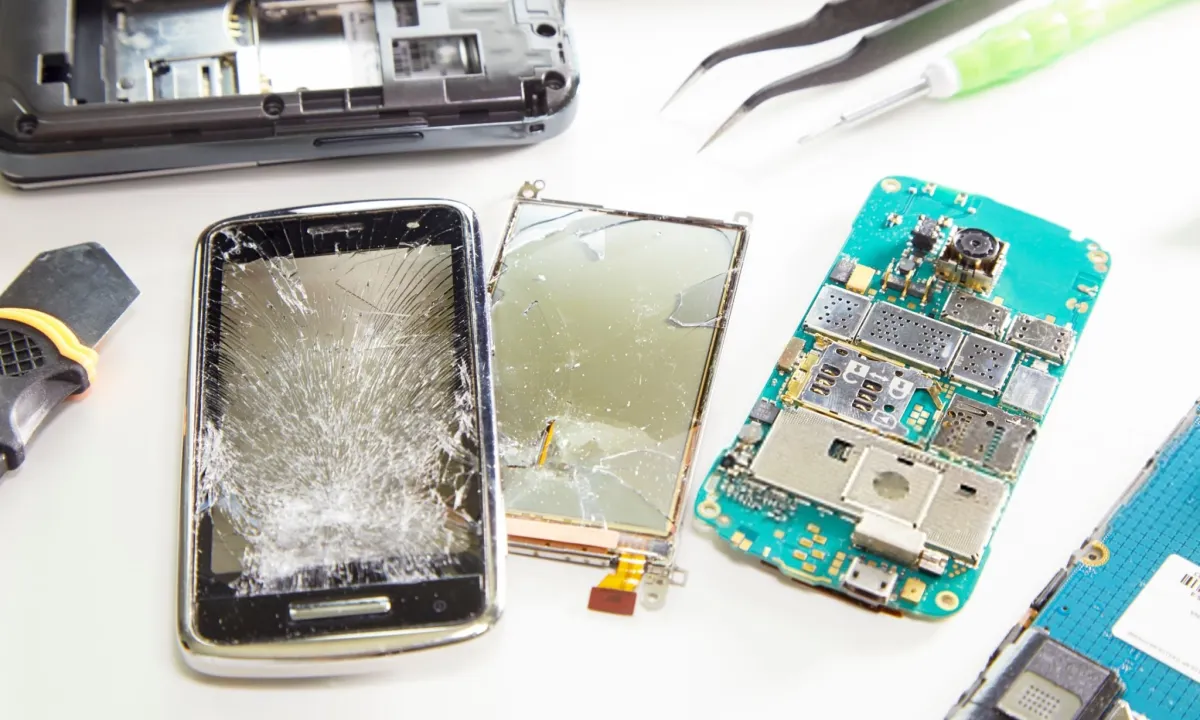
What Is Hidden Inside an Old Smartphone?
The real value of modern electronics is concentrated inside printed circuit boards, connectors, chips, and batteries.
| Metal | Main Use in Electronics |
|---|---|
| Gold | High-reliability connectors and contacts |
| Silver | Circuit paths and soldering |
| Palladium | Capacitors and electronic components |
| Copper | Wiring and circuit boards |
| Lithium | Rechargeable batteries |
| Cobalt | Battery cathodes |
| Neodymium | Speakers, vibration motors, magnets |
| Tantalum | High-performance capacitors |
While a single smartphone contains only tiny quantities of these materials, millions of devices processed together create a highly profitable resource stream.
Read More

Why E-Waste Is More Valuable Than Many Mines
The economics are surprisingly compelling. Studies show that waste circuit boards can contain approximately 20% copper, 1,000 ppm silver, 250 ppm gold, and 110 ppm palladium. Those concentrations are significantly higher than what many mining companies extract from natural ore deposits.
This is why recyclers do not see old electronics as garbage. They see them as feedstock.
The recovery process begins with dismantling. Batteries, displays, and plastic housings are removed before boards are shredded into small fragments. Advanced separation technologies then isolate metal-rich fractions from fiberglass and plastic.
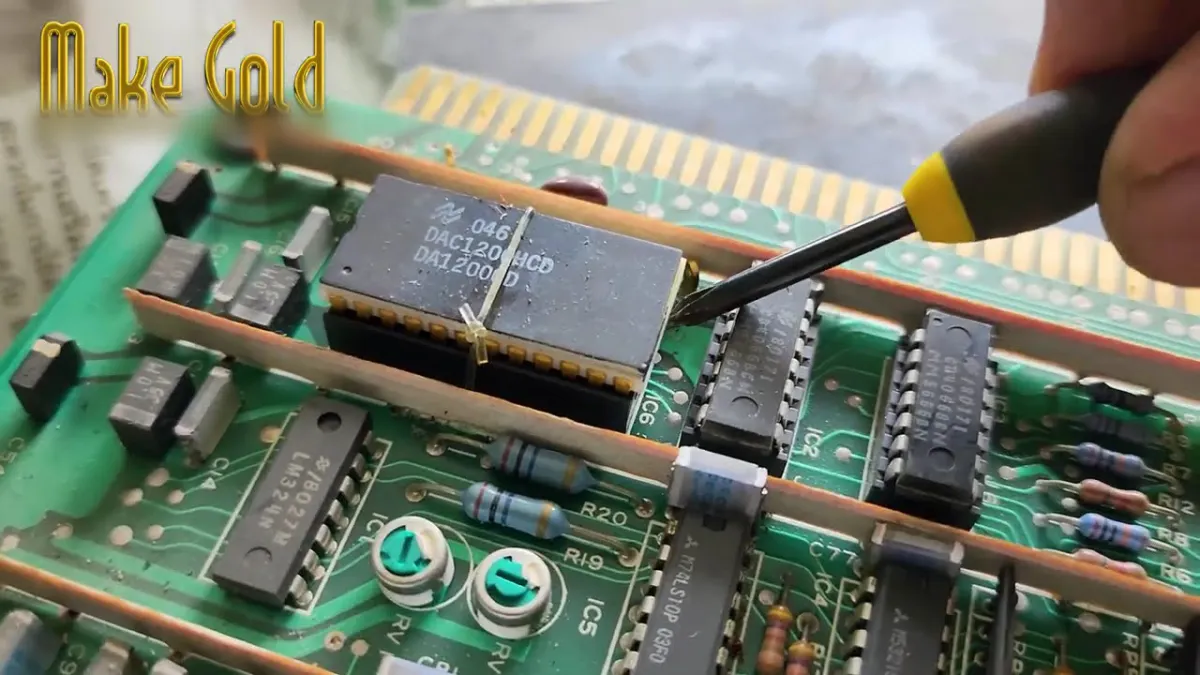
At industrial facilities, these concentrated materials are fed into smelters and refineries. Copper acts as a carrier metal, helping precious metals accumulate in byproducts that can later be refined into pure gold, silver, and palladium.
More advanced operations use hydrometallurgical techniques, where acids and chemical solutions dissolve targeted metals before they are selectively recovered. Researchers are also developing cleaner alternatives such as bioleaching, which uses microorganisms to extract metals with a lower environmental impact.
The Billion-Dollar Supply Chain Behind E-Waste
The most profitable part of the industry is often not the refining itself but control over supply.
Collectors, brokers, exporters, dismantlers, and industrial recyclers compete for access to discarded electronics because a clean stream of circuit boards is worth far more than mixed waste. In many regions, ownership of the collection network is as valuable as ownership of the refining technology.
Major technology companies have already embraced this reality. Recycled gold, rare earth elements, cobalt, lithium, and tin are increasingly finding their way back into new consumer devices, turning yesterday's electronics into tomorrow's raw materials.
The Dark Side: The Global E-Waste Shadow Economy
The enormous value hidden inside electronic waste has also fueled a thriving underground market.
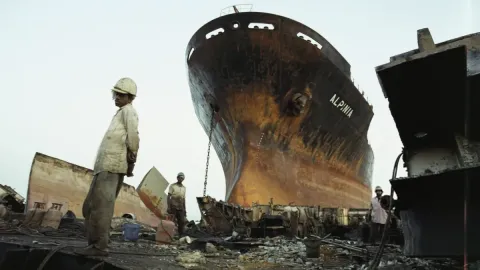
Illegal exports, disguised shipments, and improper disposal allow traders to avoid costly environmental regulations. Organized criminal networks have increasingly viewed waste trafficking as a low-risk, high-reward business. The model is simple: avoid recycling costs, move waste across borders, extract valuable materials cheaply, and leave environmental damage behind.
The result is a global shadow economy where profits are privatized while pollution is often transferred to poorer communities with weaker enforcement systems.
Why the Future of Recycling Matters
E-waste sits at the intersection of technology, commodity markets, environmental policy, and global trade. The challenge is no longer proving that discarded electronics contain valuable resources. The challenge is recovering those resources safely and legally.
As demand for gold, cobalt, lithium, palladium, and rare earth elements continues to grow, urban mining is likely to become one of the most important resource industries of the coming decades. The smartphone sitting forgotten in a drawer may contain only a few cents' worth of gold, but multiplied across billions of devices, it represents a hidden mineral reserve worth billions of dollars.