

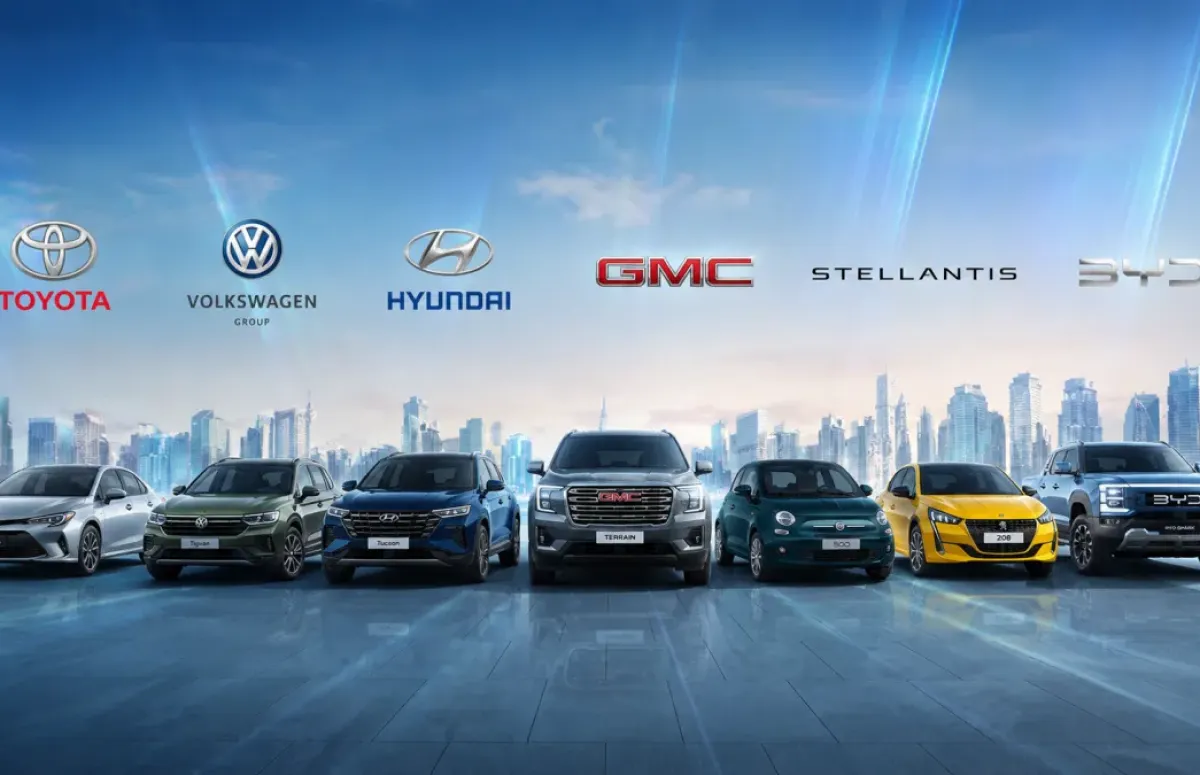
The global car industry has never looked like this before. One company sells almost five times more vehicles than another company that is worth five times more on the stock market. A Chinese brand that barely existed outside China a decade ago now out-sells most European legends. And the «EV revolution» everyone predicted just hit its first real speed bump.
So who actually leads the automotive world in 2026 — the company that builds the most cars, the one investors value most, or the one defining where the industry goes next? The honest answer: it depends on how you measure power. This guide ranks the top 15 automotive companies in the world by global vehicle sales, then layers in market value, revenue and electrification so you can see the full picture in one place.
Key takeaways (the 30-second version)
- Toyota is still the world's #1 carmaker by volume — 6 years in a row — with around 11.3 million vehicles sold in 2025.
- Tesla dominates a completely different leaderboard: at roughly $1.5 trillion, it is worth more than the next dozen automakers combined, despite selling a fraction of their cars.
- BYD is the breakout story: it overtook Tesla in pure-EV sales and is now the world's most valuable carmaker after Tesla and Toyota.
- Chinese groups (BYD, Geely, SAIC, Changan, Chery, Xiaomi) are no longer challengers — they are reshaping the global top 10.
- The much-hyped EV surge cooled in 2026 ("the EV head-fake"), rewarding hybrid-heavy players like Toyota and punishing companies that bet everything on battery-electric.
Read More

How we ranked them (methodology)
This list ranks automotive groups (not individual brands) primarily by 2025 full-year global vehicle sales/deliveries, because volume is still the clearest measure of industrial scale. We then add three lenses Google users care about most:
- Market capitalization — what investors think the company is worth (live data, May 2026).
- Revenue — the cash the business actually generates.
- Electrification — EV/PHEV momentum, the metric that predicts the next decade.
A «group» includes all its brands. Volkswagen Group, for example, covers VW, Audi, Porsche, Škoda, SEAT/Cupra, Bentley and Lamborghini. Hyundai Motor Group covers Hyundai, Kia and Genesis. This is a corporate-scale ranking, not a single-brand popularity contest.
The master comparison table: top 15 automakers in 2026
| # | Company (Group) | HQ Country | 2025 Global Sales | Market Cap (May 2026) | Key Brands |
|---|---|---|---|---|---|
| 1 | Toyota Motor Corp. | 🇯🇵 Japan | ~11.32M | $285.5B | Toyota, Lexus, Daihatsu, Hino |
| 2 | Volkswagen Group | 🇩🇪 Germany | ~8.98M | $53.1B | VW, Audi, Porsche, Škoda, Cupra |
| 3 | Hyundai Motor Group | 🇰🇷 S. Korea | ~7.27M | $96.7B* | Hyundai, Kia, Genesis |
| 4 | General Motors | 🇺🇸 USA | ~6.18M | $69.8B | Chevrolet, GMC, Cadillac, Buick |
| 5 | Stellantis | 🇳🇱 Netherlands | ~5.4M | $20.8B | Jeep, Peugeot, Fiat, Ram, Citroën |
| 6 | BYD | 🇨🇳 China | ~4.6M (NEV) | $126.3B | BYD, Denza, Yangwang |
| 7 | Geely Holding | 🇨🇳 China | ~4.1M+ | $22.6B* | Geely, Volvo, Zeekr, Lynk & Co, Polestar |
| 8 | Ford Motor Co. | 🇺🇸 USA | ~4.4M | $48.4B | Ford, Lincoln |
| 9 | Honda Motor Co. | 🇯🇵 Japan | ~3.6M | $35.4B | Honda, Acura |
| 10 | SAIC Motor | 🇨🇳 China | ~2.9M | $23.6B | MG, Roewe, Maxus, Wuling (JV) |
| 11 | Tesla | 🇺🇸 USA | ~1.7M | $1,498B | Tesla |
| 12 | Mercedes-Benz Group | 🇩🇪 Germany | ~2.3M | $56.2B | Mercedes-Benz, Maybach, AMG |
| 13 | BMW Group | 🇩🇪 Germany | ~2.5M | $56.4B | BMW, MINI, Rolls-Royce |
| 14 | Suzuki Motor | 🇯🇵 Japan | ~3.2M | $26.0B | Suzuki, Maruti Suzuki |
| 15 | Nissan Motor Co. | 🇯🇵 Japan | ~3.0M | $8.6B | Nissan, Infiniti |
*Market caps for Hyundai and Geely reflect listed core entities; full group value is higher across all listed subsidiaries. Figures are rounded; sales basis (deliveries vs. wholesale) varies by company reporting.
The top 15 automotive companies, profiled
1. Toyota Motor Corporation — the undisputed volume king
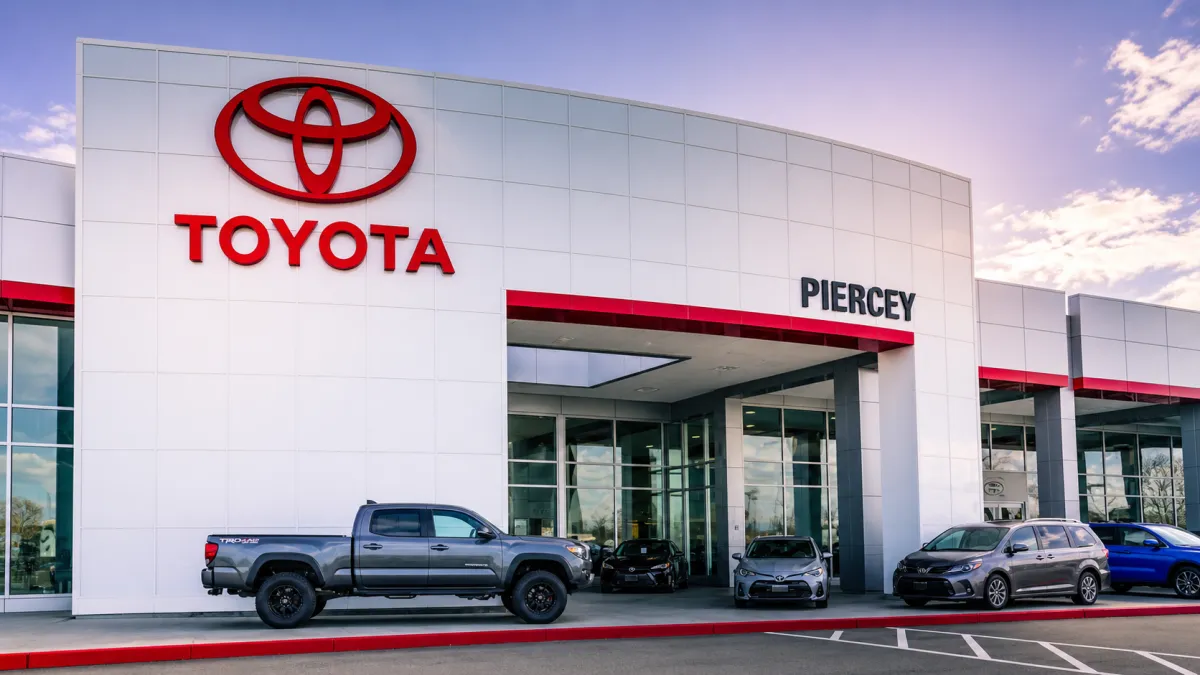
Toyota remained the world's best-selling automaker in 2025 for the sixth consecutive year, with group sales of roughly 11.3 million vehicles (Toyota + Lexus alone hit a record ~10.5 million). The strategy that critics mocked — going slow on full EVs and doubling down on hybrids — paid off spectacularly as the EV market cooled.
- Founded: 1937 · HQ: Toyota City, Japan
- Signature models: Corolla, RAV4, Camry, Hilux, Land Cruiser, Prius
- Why it wins: Hybrids made up ~42% of Toyota/Lexus sales; the RAV4 and Corolla hybrids were so in-demand that supply couldn't keep up.
- 2026 watch: New Hilux, an affordable Land Cruiser "FJ," and the first full year of the sixth-gen RAV4. Toyota absorbed much of the new US tariff cost rather than hiking prices broadly.
2. Volkswagen Group — Europe's giant under pressure
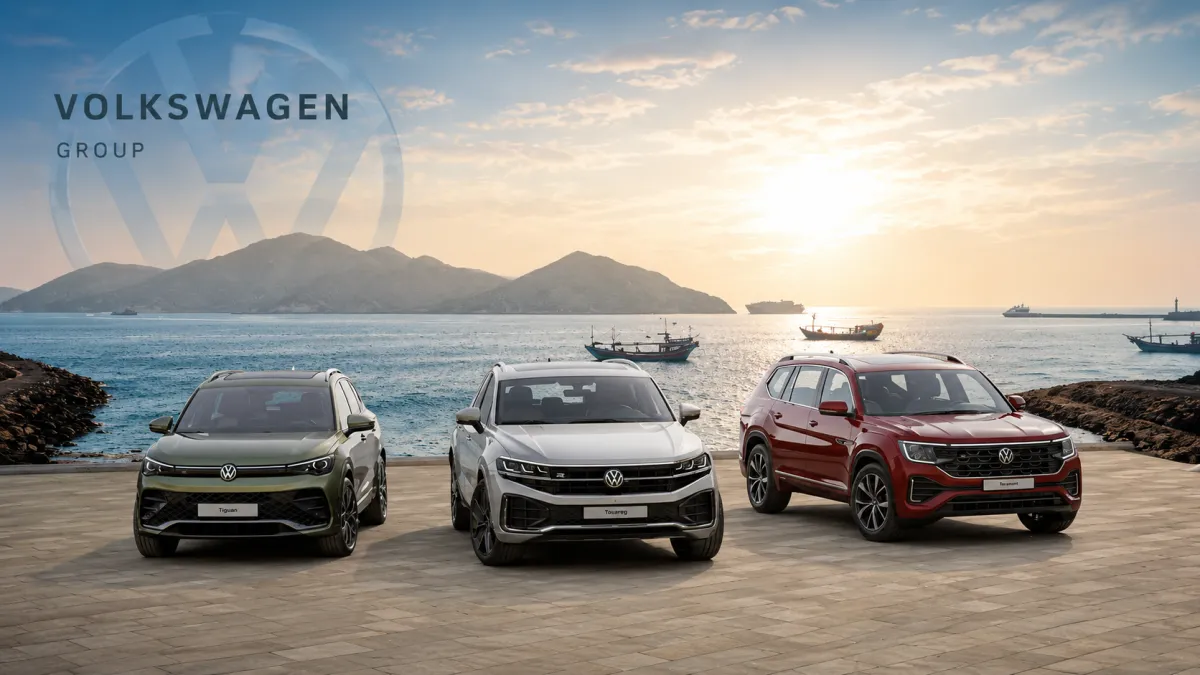
Volkswagen held #2 with roughly 8.98 million vehicles, a slight decline. The story is a tale of two regions: a solid European home base and steady growth at value brands Škoda and Cupra, offset by erosion in China and weaker results at profit engines Audi and Porsche.
- Founded: 1937 · HQ: Wolfsburg, Germany
- Signature models: Golf, Tiguan, ID.4, Audi A/Q range, Porsche 911
- Notable: VW became the #1 EV brand in Europe, overtaking Tesla, with group EV sales up ~32%.
- 2026 watch: A sub-€25,000 ID. Polo, refreshed ID.3/ID.4, and a China-market range-extender EV.
3. Hyundai Motor Group — the smartest operator of the year
Hyundai-Kia quietly delivered one of the strongest performances among legacy giants, with about 7.27 million units. Its winning move: stepping back from China's brutal price war and pouring growth into the US and India instead.
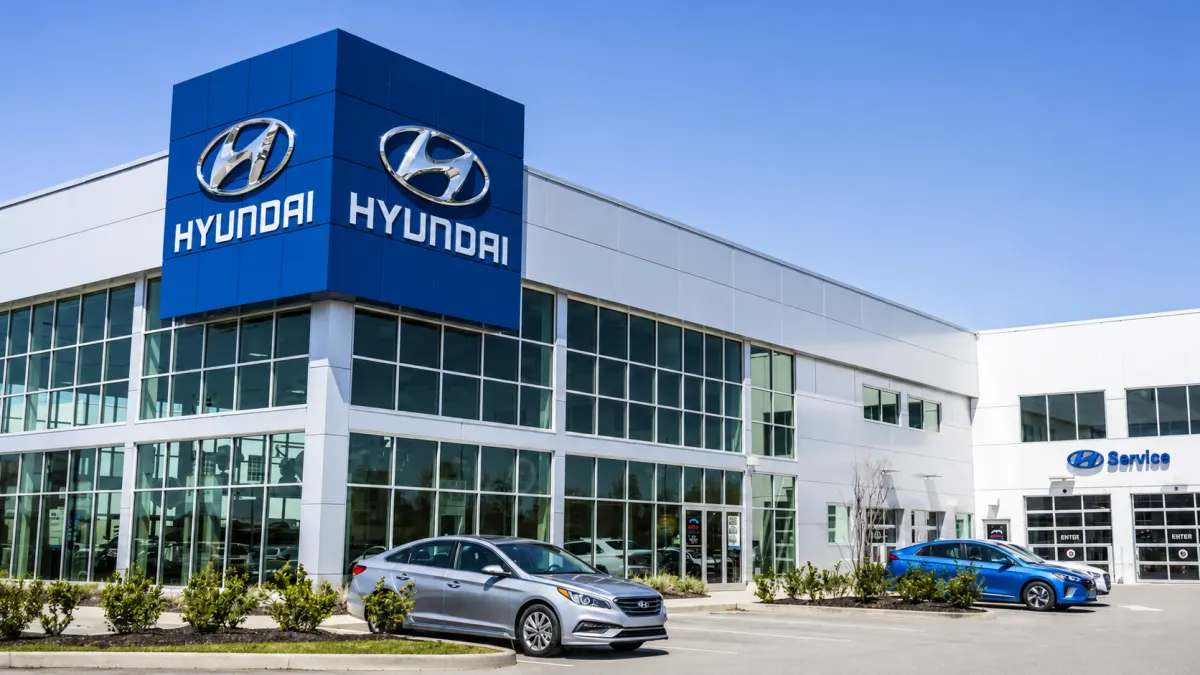
- Founded: 1967 (Hyundai) · HQ: Seoul, South Korea
- Signature models: Tucson, Sportage, IONIQ 5/6, EV9, Genesis lineup
- Strength: A genuinely competitive EV portfolio (E-GMP platform) plus design-led premium push via Genesis.
- 2026 watch: Heavy US localization (targeting 80%+ local output by 2030) to dodge tariff exposure.
4. General Motors — America's home champion
GM sold roughly 6.18 million vehicles globally (up ~3%), though a large share comes from the China SAIC-GM-Wuling joint venture. In the US it remained the largest manufacturer, even as Toyota closed the gap.
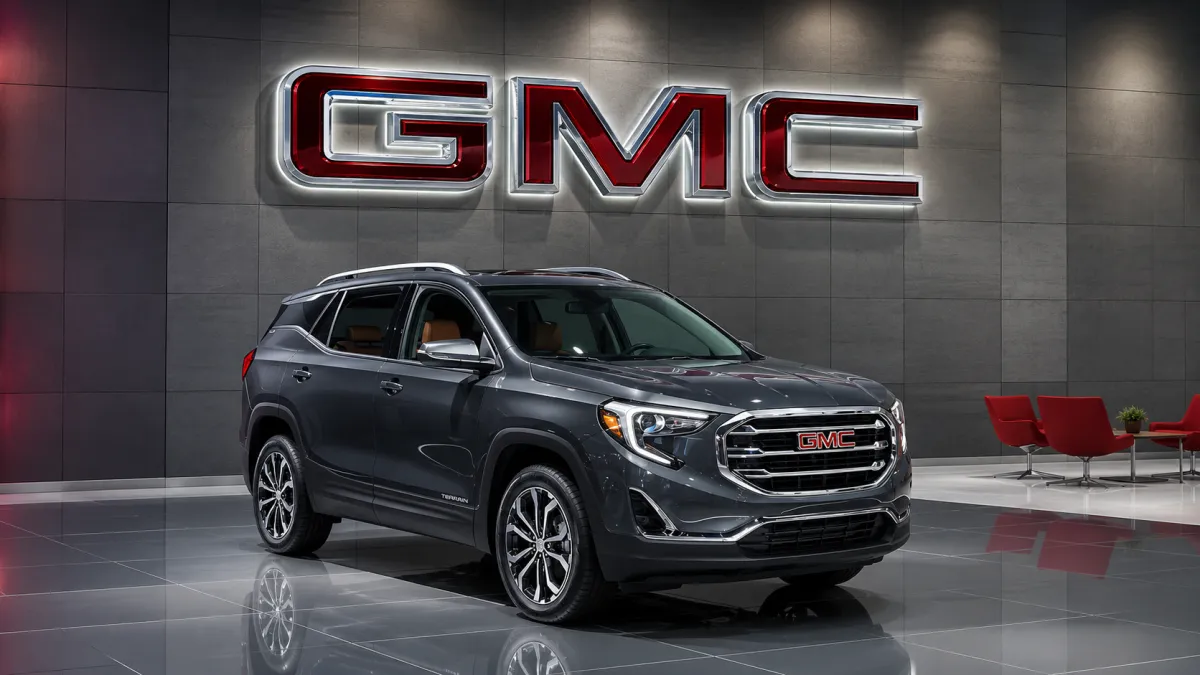
- Founded: 1908 · HQ: Detroit, USA
- Signature models: Silverado, Equinox, Cadillac Escalade, Chevy trucks
- EV play: Ultium battery platform underpins Cadillac Lyriq, Chevy Equinox EV and more.
5. Stellantis — 14 brands, a tough year
The Jeep-Peugeot-Fiat-Ram conglomerate fell to roughly 5.4 million units in what executives described as its hardest stretch. North American inventory pile-ups (Jeep, Ram) and Chinese EV pressure in Europe stung.
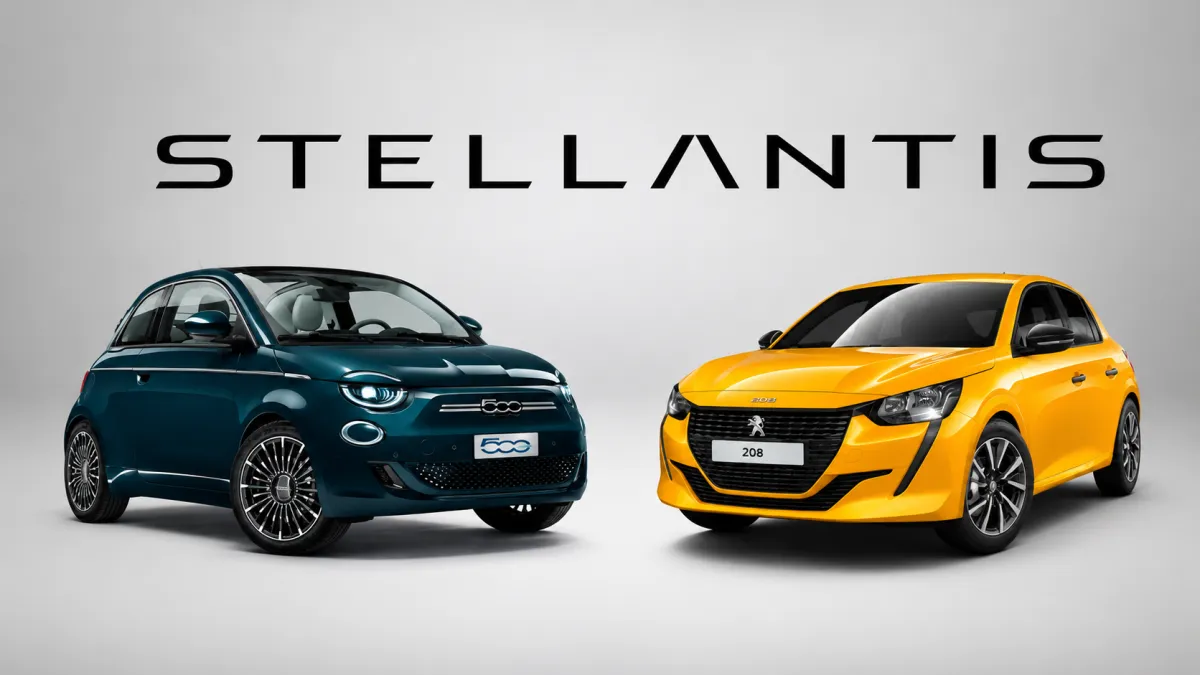
- Founded: 2021 (FCA + PSA merger) · HQ: Amsterdam, Netherlands
- Signature models: Jeep Wrangler, Ram 1500, Peugeot 208, Fiat 500
- 2026 watch: Aggressive Ram revival and new entry-level European EVs.
6. BYD — the disruptor that became a powerhouse
BYD sold about 4.6 million new-energy vehicles in 2025, including ~2.26 million pure EVs — overtaking Tesla as the world's #1 battery-electric seller. Overseas sales jumped ~145%. It's now the world's third-most-valuable automaker at ~$126B.
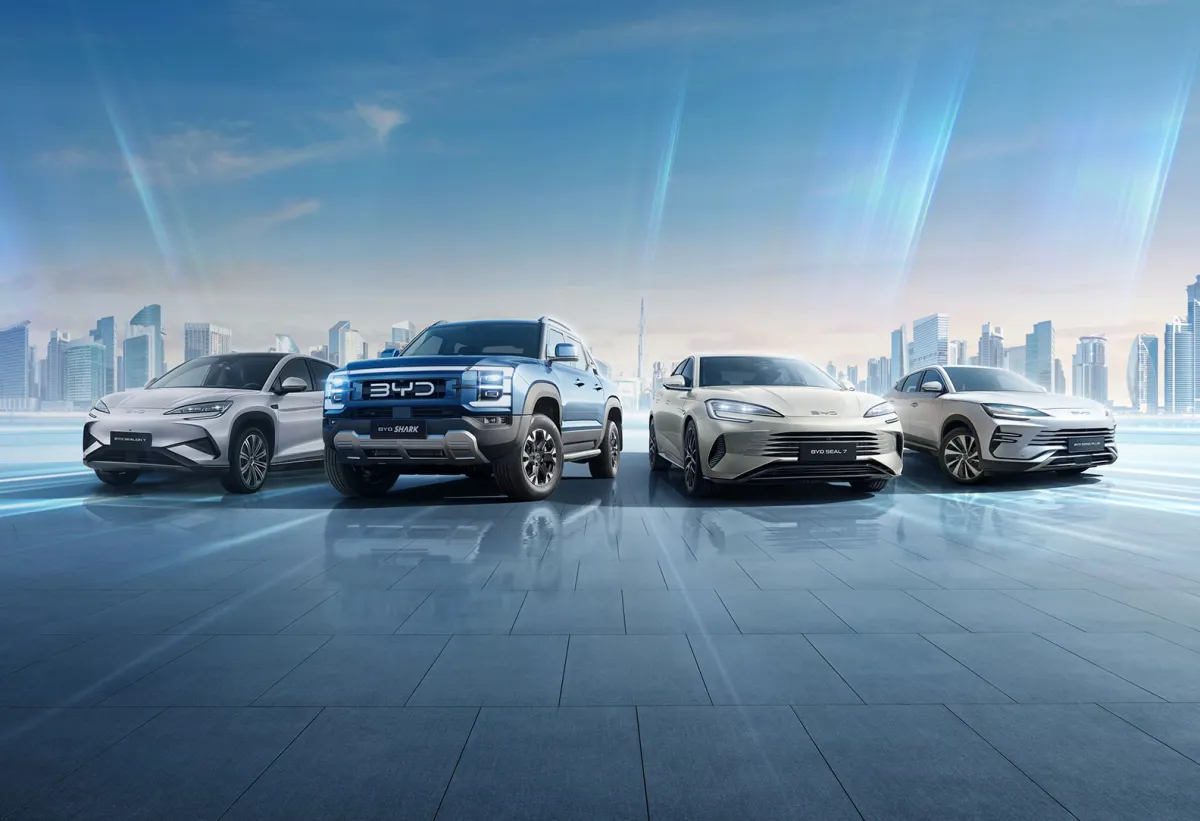
- Founded: 1995 (batteries) · HQ: Shenzhen, China
- Signature models: Dolphin, Atto 3, Seal, Han, premium Yangwang U8
- Edge: Vertical integration — BYD makes its own batteries, chips and motors.
- 2026 watch: Rapid European and Latin American expansion (and the tariff backlash that comes with it).
7. Geely Holding — the quiet global octopus
Geely's core brand sells ~2M+, but the full group (Volvo, Zeekr, Lynk & Co, Polestar, plus stakes in others) topped 4.1 million in 2025 — its fifth straight year of growth.
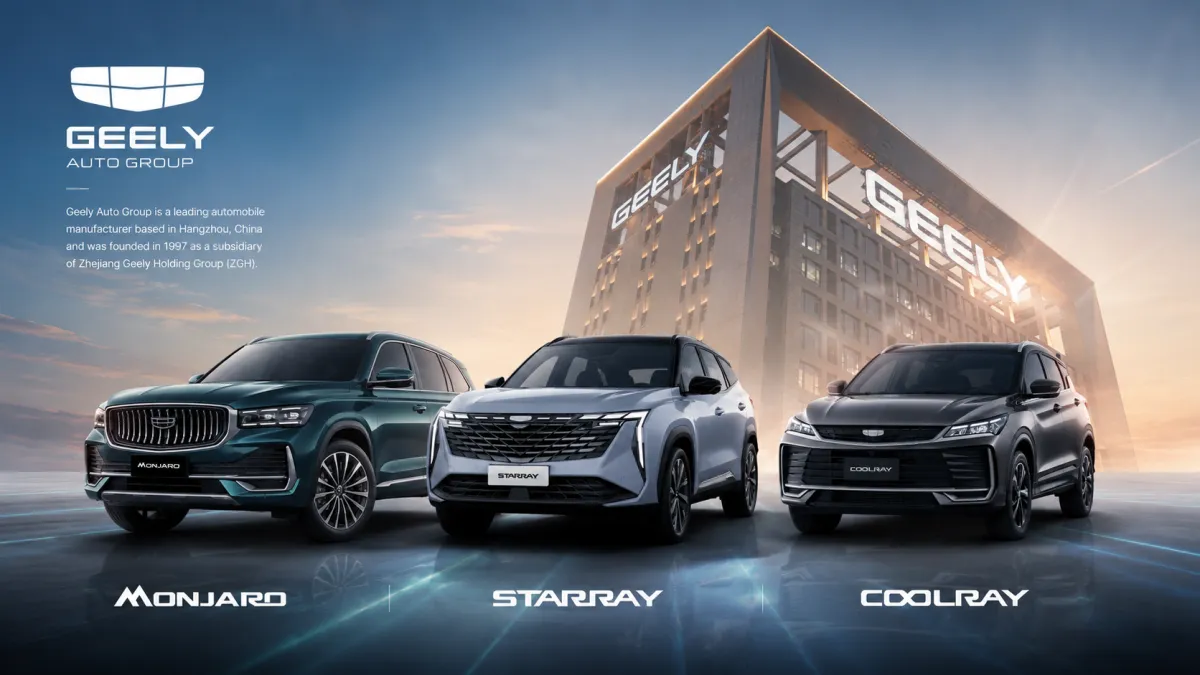
- Founded: 1986 · HQ: Hangzhou, China
- Signature brands: Geely, Volvo, Zeekr, Polestar, Lynk & Co
- Why it matters: Geely is the blueprint for Chinese global expansion via premium acquisitions.
8. Ford Motor Company — the truck stronghold
Ford remains an American icon anchored by the F-Series, the perennial US best-seller. US volume slipped in early 2026, and Hyundai-Kia is closing in on home turf — a symbolic challenge for Ford.
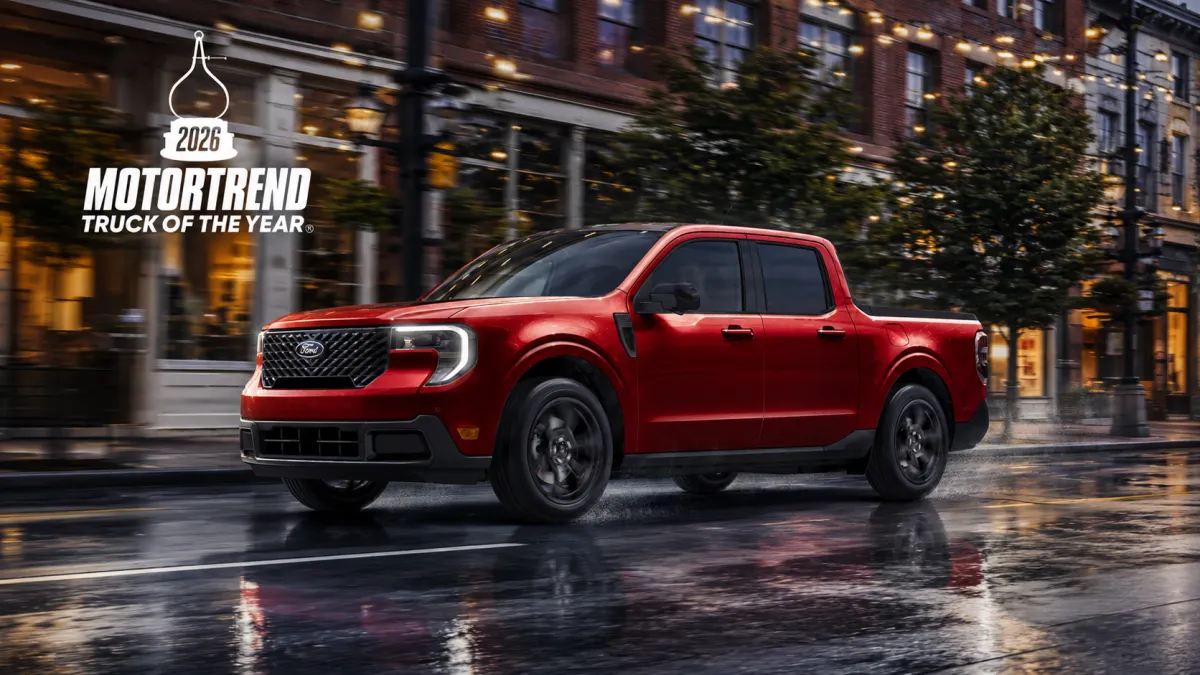
- Founded: 1903 · HQ: Dearborn, USA
- Signature models: F-150, Mustang, Bronco, Mustang Mach-E
- Strategy: "Ford Pro" commercial business and a recalibrated, more pragmatic EV roadmap.
9. Honda Motor Company — steady, engineering-led
Honda sold roughly 3.6 million vehicles and stayed resilient where rival Nissan stumbled. In the US, the CR-V even out-sold the Toyota RAV4 as the best-selling SUV in early 2026.
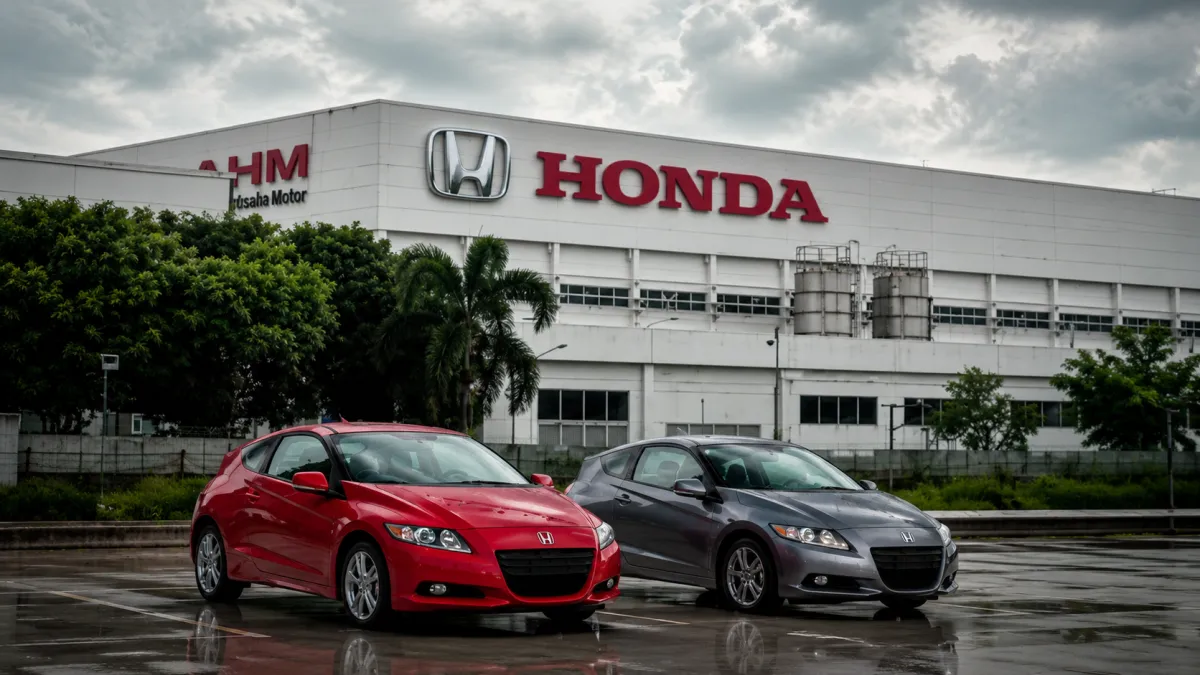
- Founded: 1948 · HQ: Tokyo, Japan
- Signature models: Civic, CR-V, Accord, Pilot
- 2026 watch: A reset EV strategy and deepening hybrid lineup.
10. SAIC Motor — China's largest by domestic scale
SAIC sold around 2.9 million vehicles including the Wuling JV, with overseas sales above 1 million (led by MG, now a genuine global brand again).
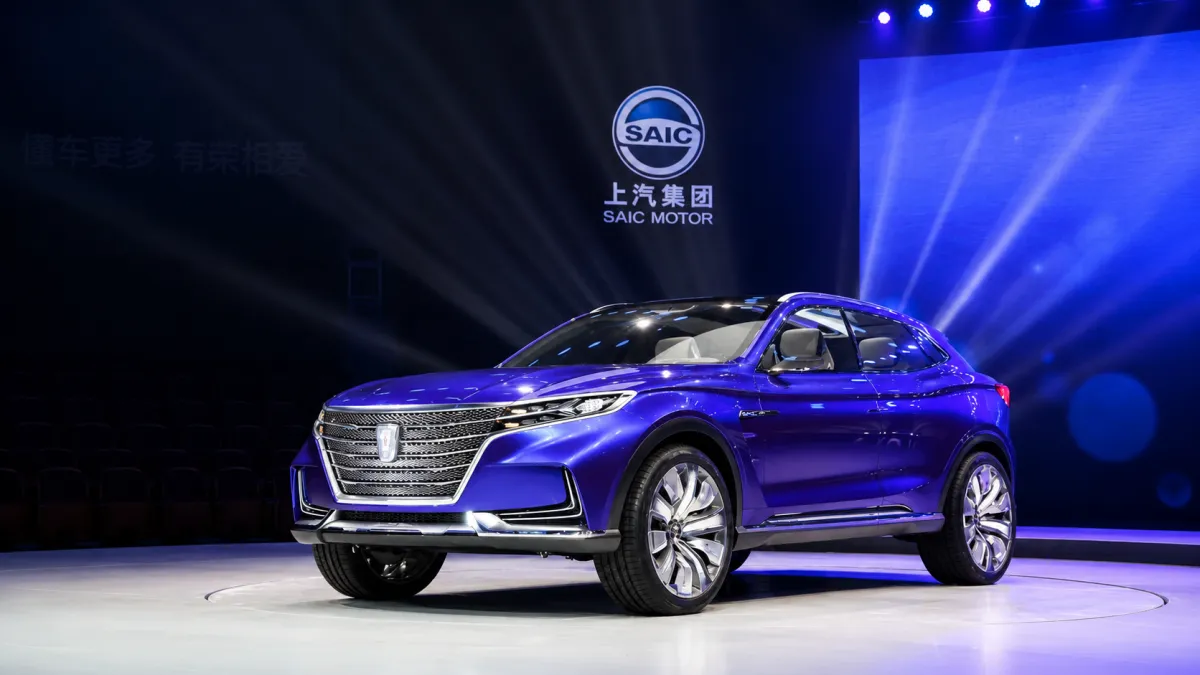
- Founded: 1955 · HQ: Shanghai, China
- Signature brands: MG, Roewe, Maxus, Wuling (JV)
- Edge: MG's European resurgence and ultra-affordable Wuling EVs.
11. Tesla — the most valuable car company on Earth
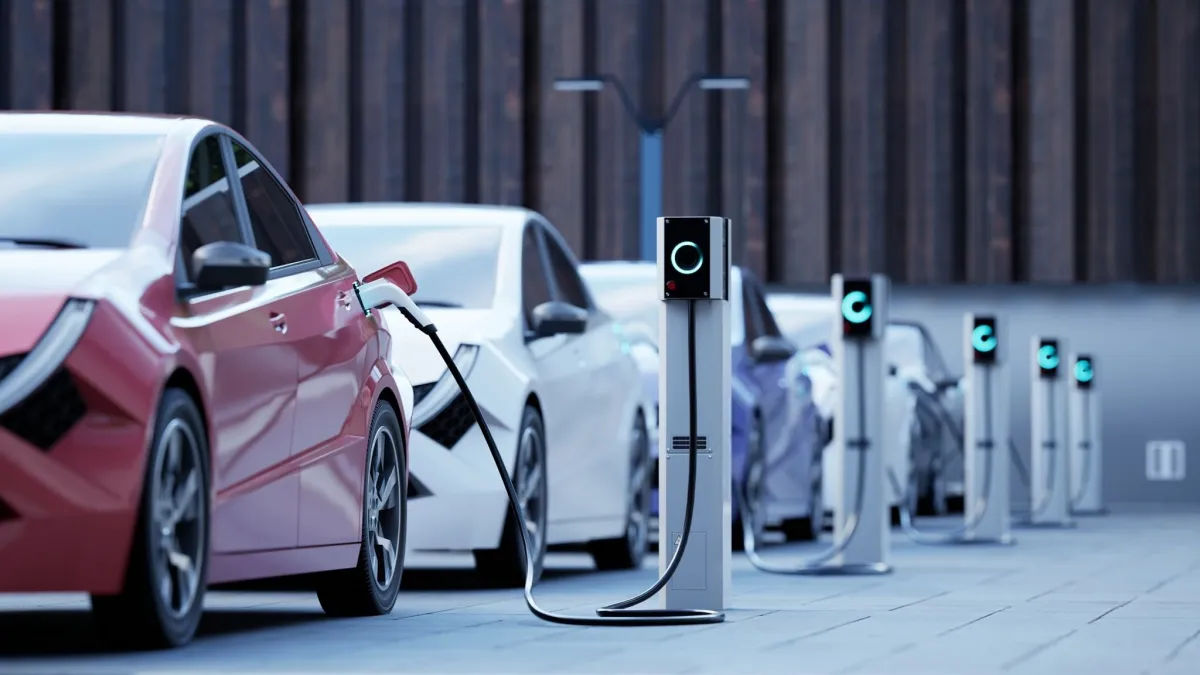
Tesla sold around 1.7 million vehicles — a fraction of Toyota's volume — yet commands a market cap near $1.5 trillion, more than the rest of this list combined. Investors price it as an AI, autonomy, robotics and energy company, not just a carmaker.
- Founded: 2003 · HQ: Austin, USA
- Signature models: Model Y, Model 3, Cybertruck
- The big bet: Robotaxi and Full Self-Driving as the next growth engine.
- Reality check: It defended its share of a shrinking EV segment but lost the pure-EV volume crown to BYD.
12. Mercedes-Benz Group — the luxury benchmark
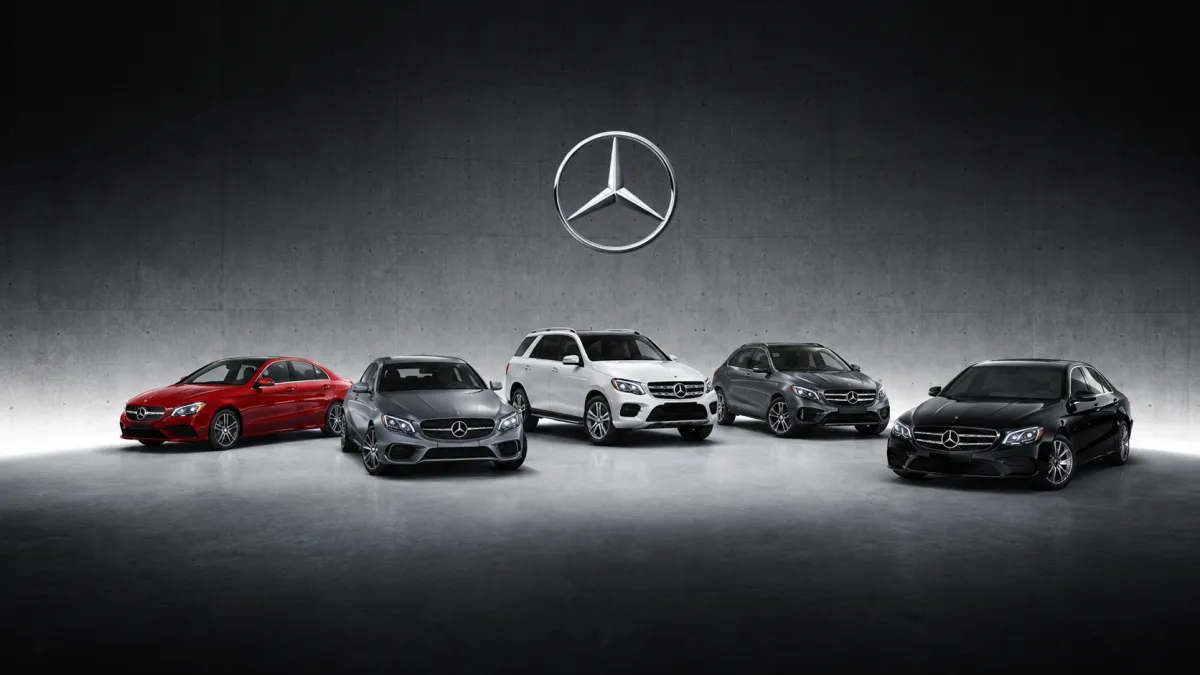
Mercedes sells around 2.3 million vehicles but punches far above that in profit-per-car and brand power, valued at ~$56B.
- Founded: 1926 · HQ: Stuttgart, Germany
- Signature models: C-Class, E-Class, S-Class, GLC, EQ electric range
- Focus: A move "upmarket" — fewer, richer cars; software-defined vehicles.
13. BMW Group — premium done profitably
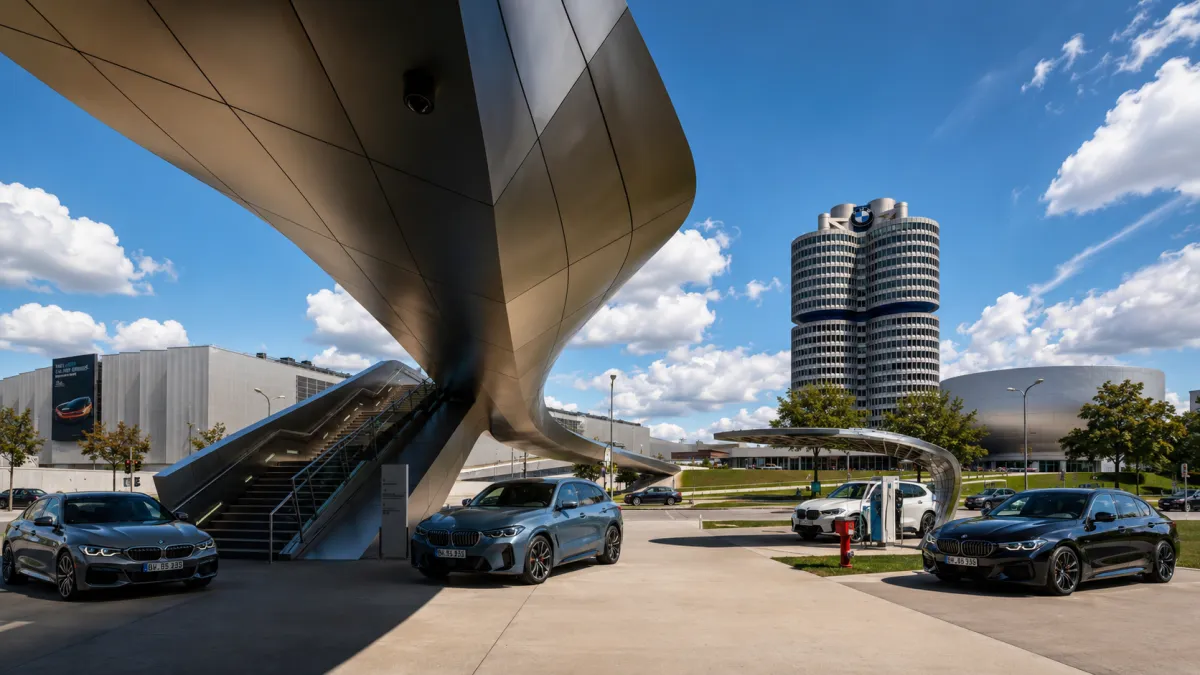
BMW (~2.5 million sales, ~$56B value) ran one of the most disciplined premium EV transitions, with strong i-series demand alongside healthy combustion margins.
- Founded: 1916 · HQ: Munich, Germany
- Signature models: 3 Series, X5, i4, iX, MINI, Rolls-Royce
- Strength: "Neue Klasse" next-gen EV architecture launching now.
14. Suzuki Motor — the small-car colossus of Asia
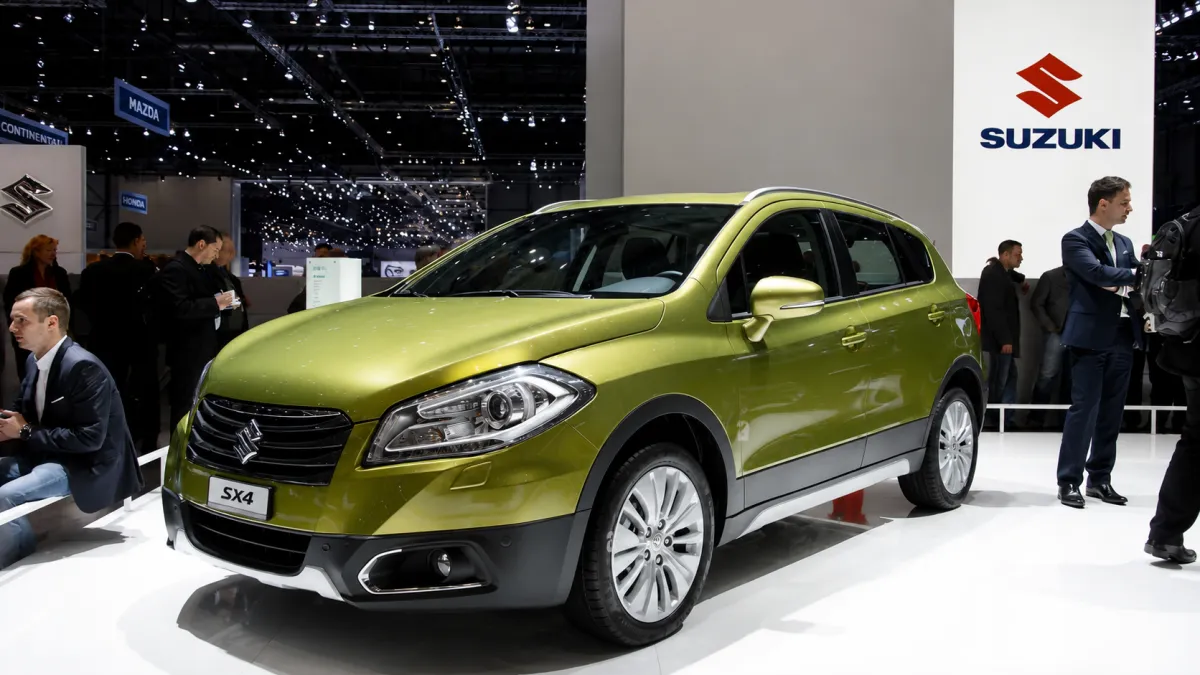
Often underrated globally, Suzuki sells ~3.2 million vehicles, dominated by Maruti Suzuki, India's market leader. Maruti Suzuki India alone is worth more than Ford by market cap (~$48B).
- Founded: 1909 · HQ: Hamamatsu, Japan
- Signature models: Swift, Baleno, Jimny, Maruti lineup
- Edge: Unmatched scale in the world's fastest-growing major car market.
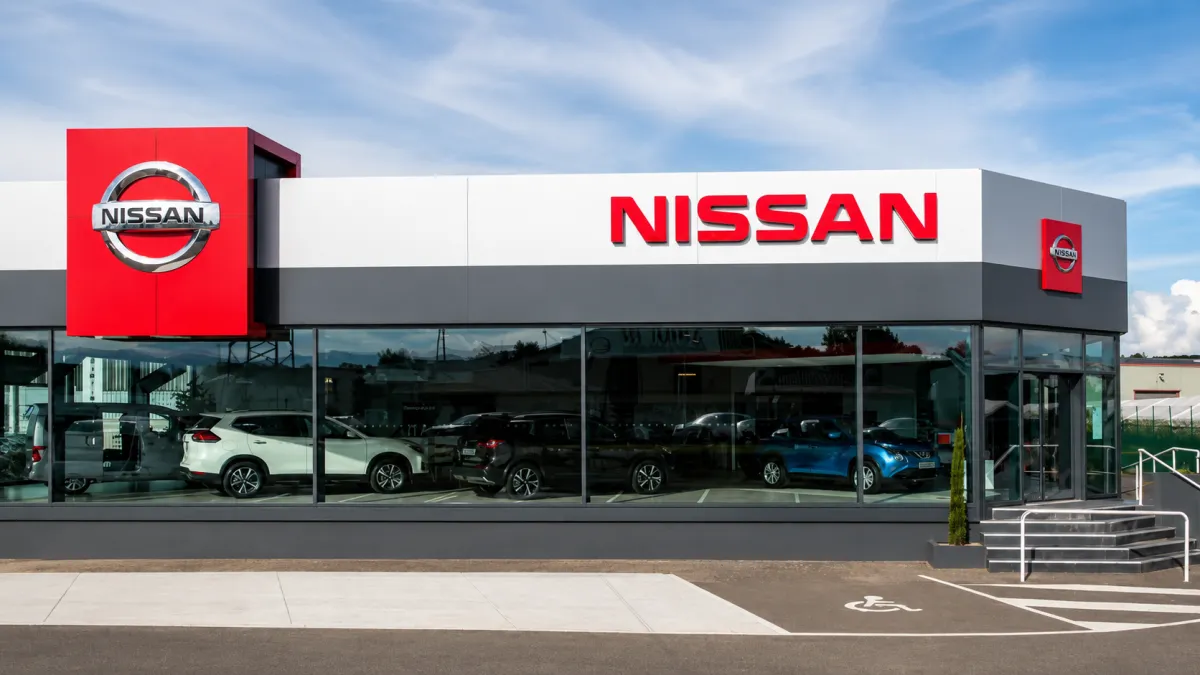
15. Nissan Motor Company — the cautionary tale
Once a 7-million-unit challenger to Toyota, Nissan has roughly halved to ~3 million and faces serious financial strain after unwinding much of its Renault alliance. It's a vivid reminder that scale is fragile.
- Founded: 1933 · HQ: Yokohama, Japan
- Signature models: Rogue/X-Trail, Sentra, Leaf, Ariya, GT-R
- 2026 watch: A turnaround plan and renewed (looser) Renault cooperation.
Comparison 1: Sales scale vs. stock-market value (the industry's biggest paradox)
This is the chart that surprises everyone:
| Company | 2025 Sales (M) | Market Cap (May 2026) | Value per Vehicle Sold* |
|---|---|---|---|
| Tesla | ~1.7 | ~$1,498B | ~$881,000 |
| Toyota | ~11.3 | ~$285B | ~$25,000 |
| BYD | ~4.6 | ~$126B | ~$27,000 |
| Volkswagen | ~9.0 | ~$53B | ~$5,900 |
| Ford | ~4.4 | ~$48B | ~$11,000 |
*Illustrative ratio (market cap ÷ annual units) to show how differently investors price each business — not a real per-car metric.
The takeaway: The market is no longer paying for cars. It's paying for software, autonomy, energy and growth expectations. Toyota builds nearly 7 cars for every 1 Tesla sells, yet Tesla is worth roughly 5× more. Whether that gap is genius or bubble is the single most debated question in the industry.
Comparison 2: The electrification scorecard
The metric that predicts the next decade isn't total sales — it's how fast a company is transitioning.
| Company | EV/Electrified Strategy | 2025 Momentum |
|---|---|---|
| BYD | Pure EV + PHEV specialist | World #1 in BEVs (~2.26M); +145% overseas |
| Tesla | 100% EV | Held share in a shrinking segment; lost BEV volume crown |
| Toyota | Hybrid-first, multi-path | Electrified ≈ half of all sales; hybrids surging |
| Volkswagen | Aggressive BEV (ID. platform) | #1 EV brand in Europe; EV sales +~32% |
| Hyundai-Kia | Dedicated EV platform (E-GMP) | Strong, profitable EV lineup |
| GM / Ford | Recalibrating after EV slowdown | Trimmed EV targets, leaned back into hybrids/trucks |
Which is the largest car company in the world in 2026?
By vehicles sold, Toyota — roughly 11.3 million in 2025, its sixth straight year at #1. By market value, Tesla (~$1.5 trillion). By revenue, Volkswagen Group has historically led (~$348B). Each title belongs to a different company.
Is BYD bigger than Tesla now?
In pure electric vehicles, yes — BYD out-sold Tesla on BEVs in 2025 and sells far more total vehicles. Tesla is still worth dramatically more on the stock market.
Why is Tesla worth so much if it sells so few cars?
Investors value Tesla as a technology and energy platform — autonomy/robotaxi, AI, software margins and energy storage — rather than purely on current vehicle volume. It's the most debated valuation in the industry.
Which car companies are growing fastest?
Chinese groups — BYD, Geely, Changan, Chery — plus tech-native Xiaomi. Among legacy names, Hyundai-Kia has been the standout performer.
Are electric cars still the future?
EV growth slowed in 2026 (the «EV head-fake»), but the long-term direction remains electrified. The big shift is toward a mix — hybrids as a bridge, EVs as the destination.
Who makes the best-selling car model in the world?
Recent global best-sellers have alternated between the Tesla Model Y and the Toyota RAV4 / Corolla — note this is a model ranking, separate from the group ranking above.
The bottom line
There is no single «#1 automotive company» anymore — there are three different races running at once. Toyota wins on scale and proved patience pays. Tesla wins on valuation and the promise of an autonomous, software-driven future. BYD wins the EV present and is rewriting how fast a newcomer can go global.
For 2026, the real story isn't a name at the top of a list — it's the speed of the shift underneath it: from West to East, from hardware to software, and from «EVs at any cost» to giving customers the choice. The companies that read those three shifts correctly will own the next decade.