

2025 marked a historic turning point in the smartphone industry: for the first time in 14 years, Apple overtook Samsung to become the world's best-selling phone brand. Roughly one in every five smartphones sold worldwide carried the Apple logo on its back.
The global mobile market closed 2025 with about 1.25 billion units shipped and 2% year-over-year growth — its second consecutive year of expansion. But behind that headline number, a fierce battle raged among ten global giants.
In this article — backed by official data from IDC and Counterpoint Research — we break down the exact, complete list of the world's 10 best-selling phone brands, including shipment volumes, market share, key strengths, and the flagship of each brand.
The 10 Best-Selling Phone Brands of 2025
| Rank | Brand | Origin | Est. Annual Shipments | Global Market Share | Trend vs. 2024 |
|---|---|---|---|---|---|
| 1 | Apple | USA | ~248 million | ~20% | 🔺 Up (to #1) |
| 2 | Samsung | South Korea | ~241 million | ~19% | 🔻 Down to #2 |
| 3 | Xiaomi | China | ~165 million | ~13% | ▪️ Steady (#3) |
| 4 | vivo | China | ~100 million | ~8% | 🔺 Up to #4 |
| 5 | OPPO | China | ~100 million | ~8% | 🔻 Down to #5 |
| 6 | Transsion | China | High | ~9% (quarterly) | 🔺 Fast growth |
| 7 | HONOR | China | Mid | ~2–3% | 🔺 International growth |
| 8 | Huawei | China | Mid | ~3% | 🔺 Strong comeback |
| 9 | Motorola | USA / Lenovo | Mid | ~2% | ▪️ Steady |
| 10 | realme | China | Mid | ~2–3% | 🔺 Emerging-market growth |
1) Apple — The New King of the Smartphone Market
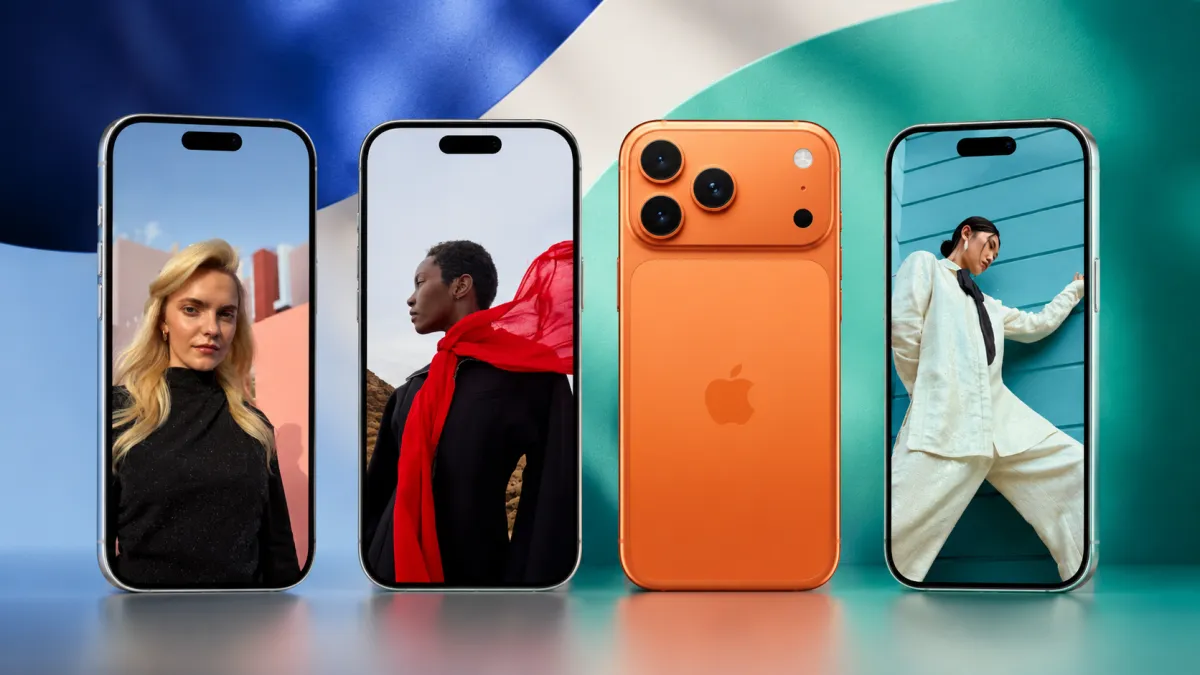
Apple closed 2025 with roughly 248 million iPhones and a ~20% market share, taking the global #1 spot for the first time since 2011. Apple's annual growth (around 6–10%) was the highest among the top five brands.
- Flagship: iPhone 17 series, iPhone 17 Pro, and the slim iPhone Air
- World's best-selling single model in 2025: iPhone 16 (the top-selling individual phone globally)
- Key strength: Dominance of the premium segment, a powerful ecosystem (Watch, AirPods, Mac), trade-in and financing programs
- Key markets: USA, China, Japan, Western Europe, Middle East
Apple's success in China — its largest market — was decisive in the climb; massive demand for the iPhone 17 pushed Apple to the top of Chinese sales in October and November.
Read More


2) Samsung — The Korean Giant's Strong Rebound
Samsung reached #2 with roughly 241 million units and a ~19% share. Although it lost the top spot, its ~8% year-over-year growth was the strongest among the major competitors.
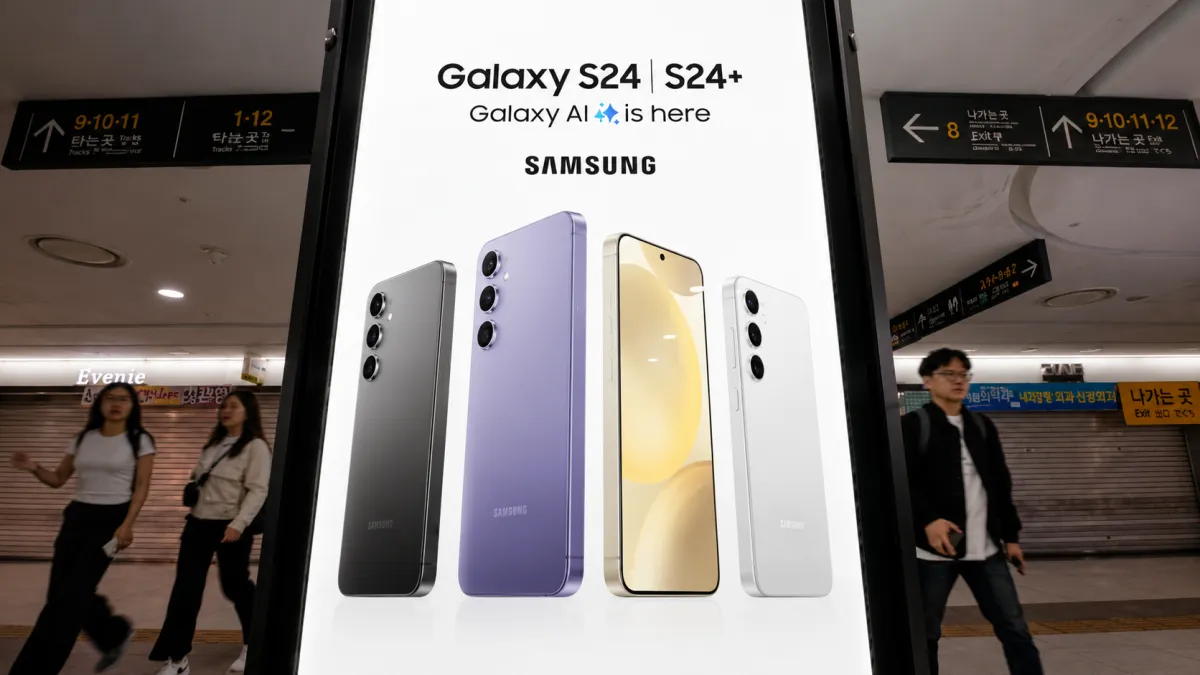
- Flagship: Galaxy S25 series, Galaxy Z Fold7, and Galaxy Z Flip7
- Sales backbone: The mid-range and budget Galaxy A series (the main volume driver)
- Key strength: A vast product portfolio from budget to flagship, leadership in foldable phones
- Key markets: Worldwide, especially India, Europe, and the Middle East
Samsung's latest foldables (Z Fold7 and Z Flip7) outperformed every previous generation and created fresh momentum in the foldable segment.
3) Xiaomi — The Champion of Value for Money
Xiaomi held #3 for yet another consecutive year with roughly 165 million units and a ~13% share.
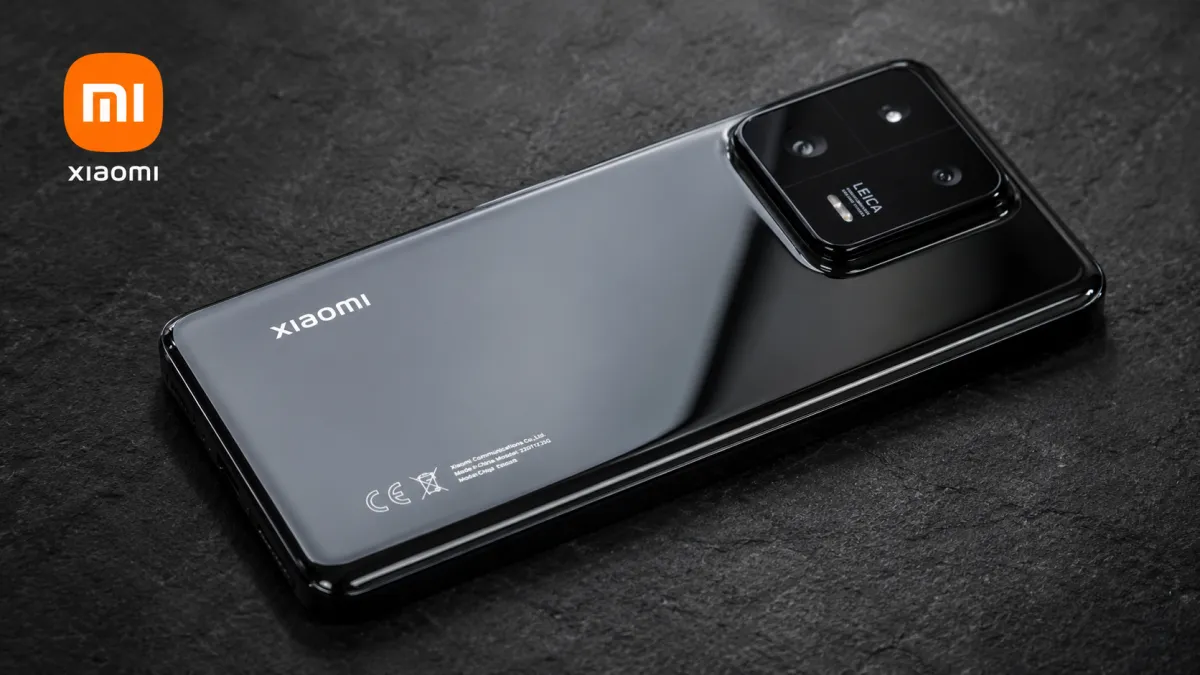
- Flagship: Xiaomi 15 series, Redmi Note, and the POCO sub-brand
- Key strength: Best price-to-performance ratio, strong presence in Europe, Latin America, and the Middle East
- Key markets: India, Europe, Latin America, Africa
Xiaomi's strategy centers on «affordable premium» — delivering high-end features at competitive prices in the $200–$600 range.
4) vivo — Climbing to #4 for the First Time
vivo reached #4 globally for the first time with a market share of about 8%, edging past OPPO.
- Flagship: vivo X series (camera specialist) and the iQOO series (gaming)
- Key strength: Advanced AI-powered cameras, strong offline retail network, leadership in India
- Key markets: China, India, Southeast Asia
vivo reclaimed share in emerging markets thanks to refreshed mid-range devices and AI-enhanced imaging features.
5) OPPO — Holding Firm Among the Top Five
OPPO secured #5 with around an 8% share. The brand belongs to the BBK family (sister to vivo and OnePlus).
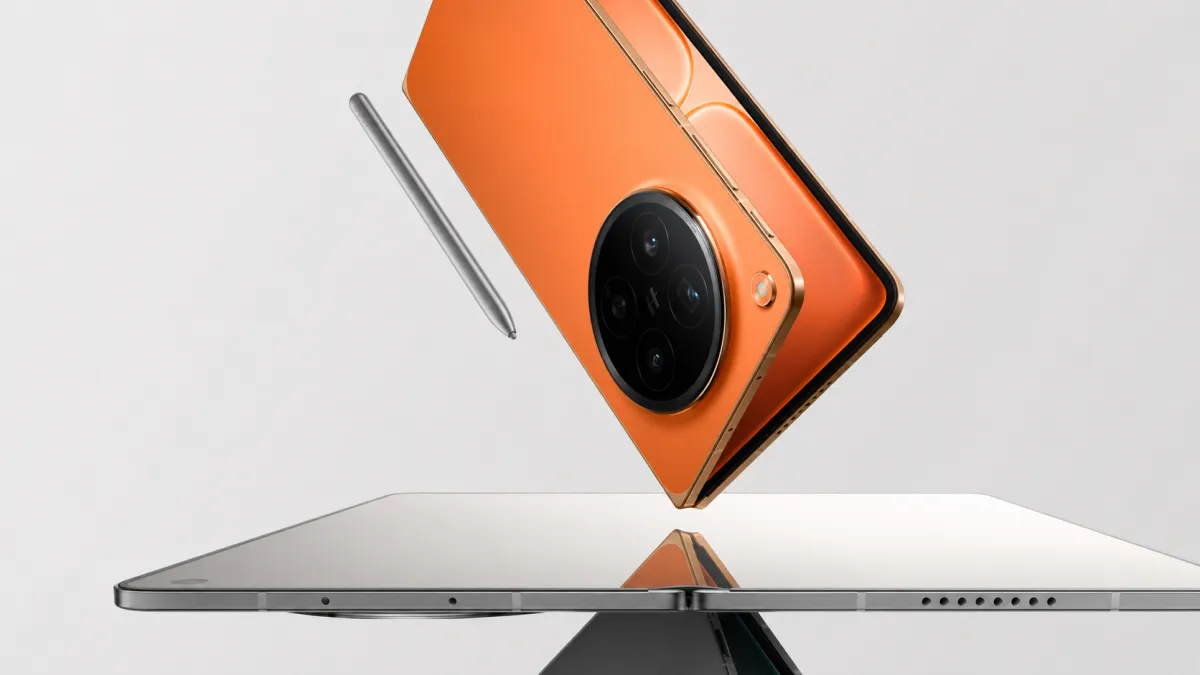
- Flagship: Find X series and Reno series
- Key strength: Sleek design, ultra-fast charging, strong presence in China
- Major development: realme integrating under the OPPO umbrella from 2026, which could strengthen its position
- Key markets: China, Southeast Asia, Europe
6) Transsion — The Hidden King of Emerging Markets
Transsion — a name many Western users may not recognize — owns three brands: Tecno, Infinix, and itel. It is one of the fastest-growing brands in the world (quarterly growth above 13%).
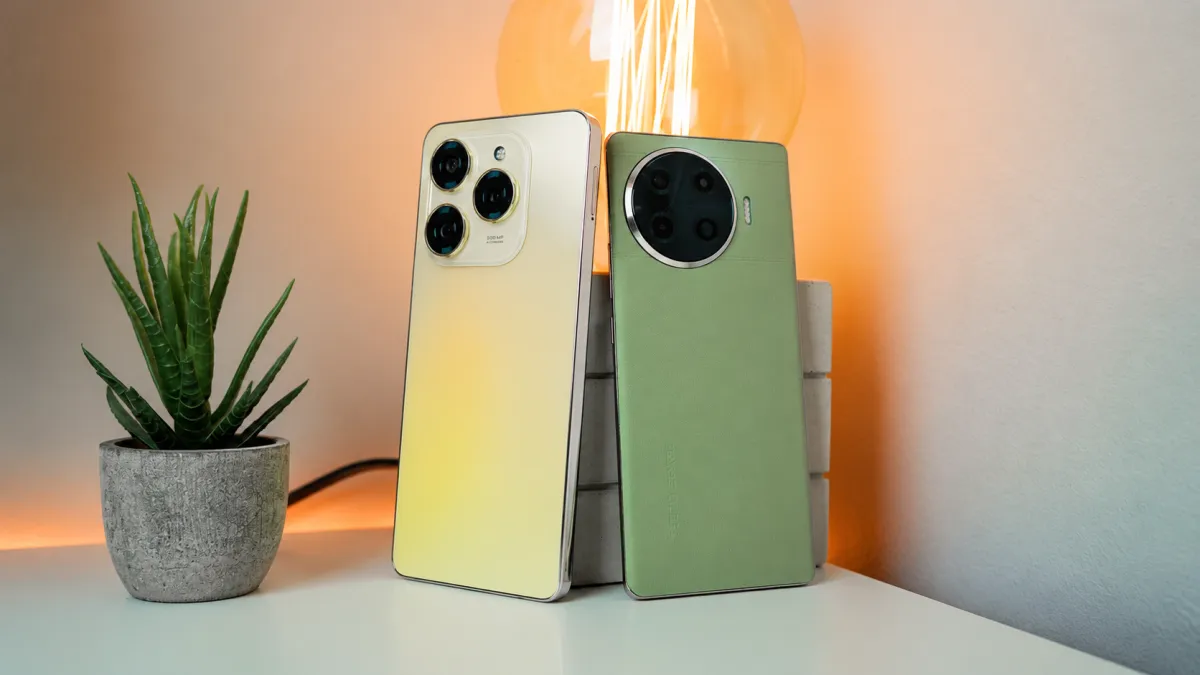
- Key strength: Dominance of the sub-$200 segment, an extensive distribution network across Africa
- Key markets: Africa (North and East), South Asia, the Middle East
By focusing on ultra-affordable phones and a deep understanding of emerging-market needs, Transsion has become a major power.
7) HONOR — An Independent Brand with Global Ambitions
HONOR, once a Huawei sub-brand, is now independent and expanding internationally with stylish, affordable phones. In recent quarters, HONOR has posted the highest growth rate among the top 10 brands (up to 25% year-over-year).
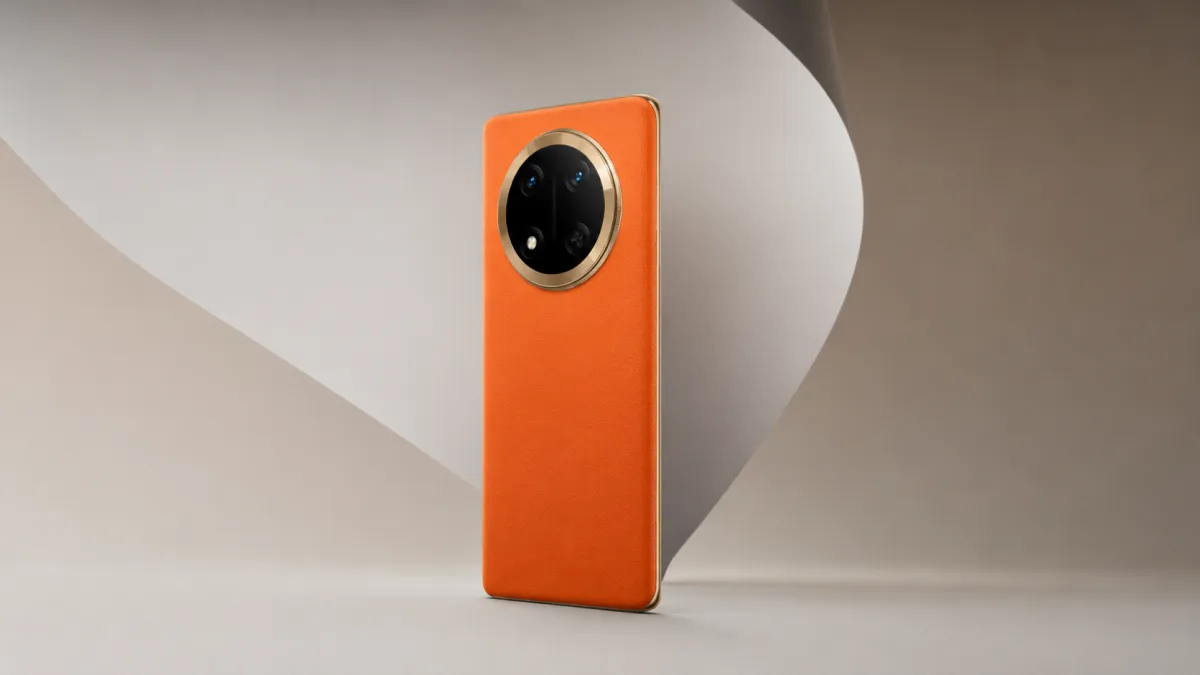
- Flagship: HONOR Magic series and HONOR 500 series
- Key strength: Premium design at a competitive price, appealing to younger users
- Key markets: China, Europe, Middle East, Southeast Asia
8) Huawei — The Comeback of a Legend
Despite international restrictions, Huawei came back stronger than ever in its home market of China, even managing to outsell Apple there in 2025.
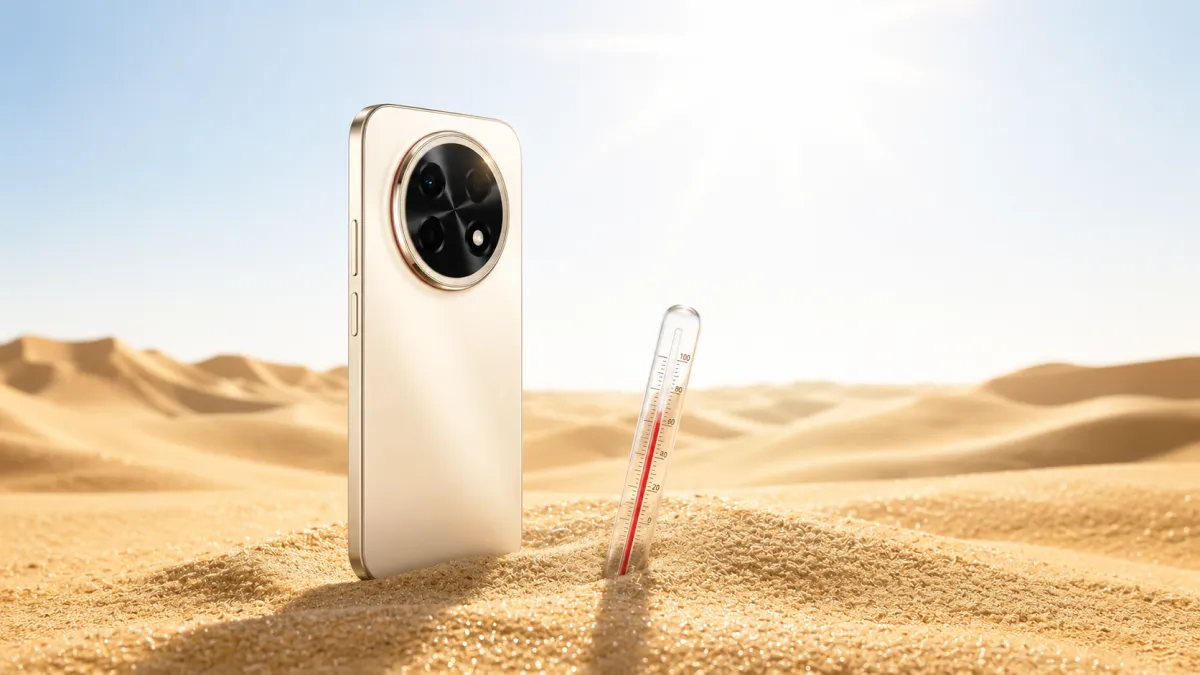
- Flagship: Mate series and Pura series (plus advanced foldables)
- Key strength: Innovation in 5G and foldable tech, an independent software ecosystem (HarmonyOS)
- Key markets: China and select Asian countries
Huawei's story is one of resilience and innovation against trade pressure; the brand is still technologically respected across the industry.
9) Motorola — The Revival of a Pioneer
Motorola, now owned by Lenovo, is rebuilding its standing on the back of Lenovo's resources.
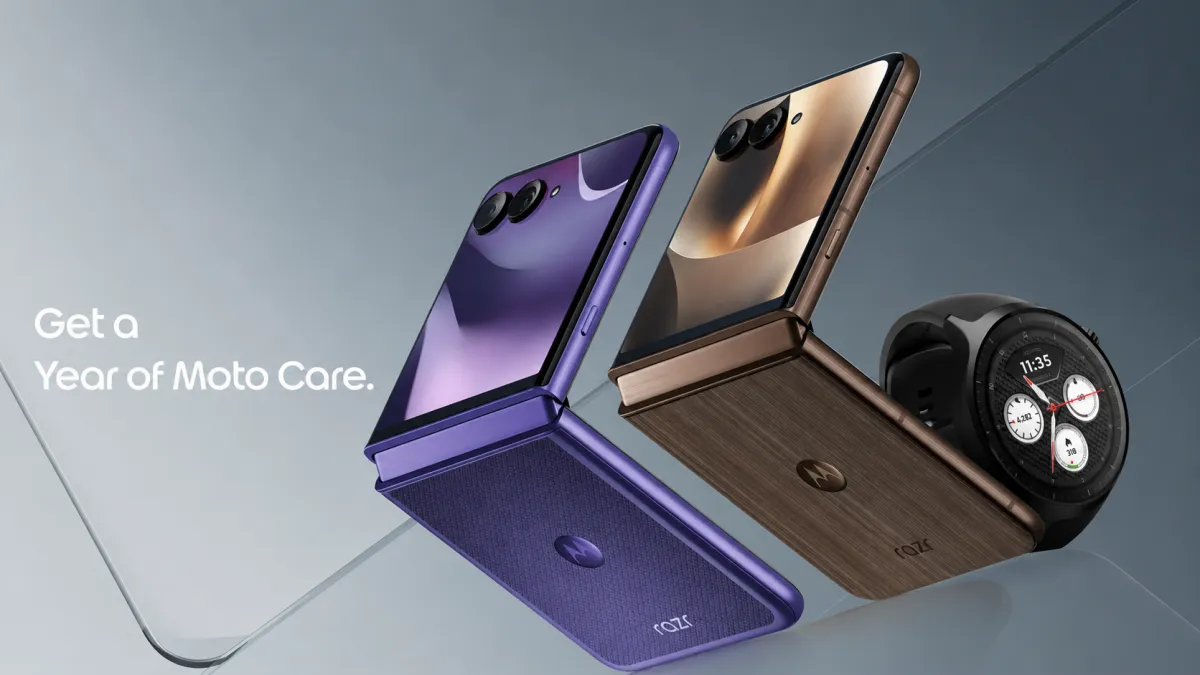
- Flagship: Motorola Edge series and the Razr foldables
- Key strength: Quality mid-range and budget phones, near-stock Android experience
- Key markets: Latin America, North America, Europe
Motorola symbolizes «legacy reborn in a modern market» and has carved out a stable position in Latin America.
10) realme — The Rising Star Among Young Buyers
realme (sister brand to OPPO and vivo) crossed 200 million cumulative phones sold in under six years, making it one of the fastest-rising brands in mobile history.
- Flagship: realme GT series (performance) and the Number series
- Key strength: High performance at low prices, strong online marketing, flash sales
- Key markets: India, Southeast Asia, Middle East
Brands to Watch (Outside the Top 10)
Two brands posted remarkable growth in 2025 and are candidates to break into the top tier:
- Nothing: 31% annual growth with a distinctive transparent design
- Google Pixel: 25% growth, powered by AI and the Pixel 9/10 series
2026 Outlook: What's Coming for the Market?
2026 is likely to be a different year. A global shortage of memory chips (DRAM and NAND) — intensified by AI data-center demand — could disrupt supply chains and push phone prices higher. The market is forecast to contract by roughly 1% in 2026.
In this environment, manufacturer size and scale will be a key success factor; larger players (Apple and Samsung) with stronger bargaining power for components are better positioned. In Q1 2026, Samsung returned to the top on strong demand for the Galaxy S26 Ultra.
Which was the best-selling phone brand in 2025? Apple, with about 248 million units and a ~20% market share, became the world's best-selling brand for the first time in 14 years.
What was the best-selling single phone model in 2025? According to Counterpoint, the iPhone 16 was the best-selling individual phone model worldwide.
Where did Samsung rank in 2025? Samsung came in second with about 241 million units and a ~19% share, though its ~8% annual growth was the strongest among the top five brands.
Which Chinese brand sold the most? Xiaomi, with about 165 million units and a ~13% share, was the best-selling Chinese brand and the world's third-largest overall.
Will phone prices rise in 2026? Likely yes; a shortage of memory chips could increase production costs and push average selling prices higher.