
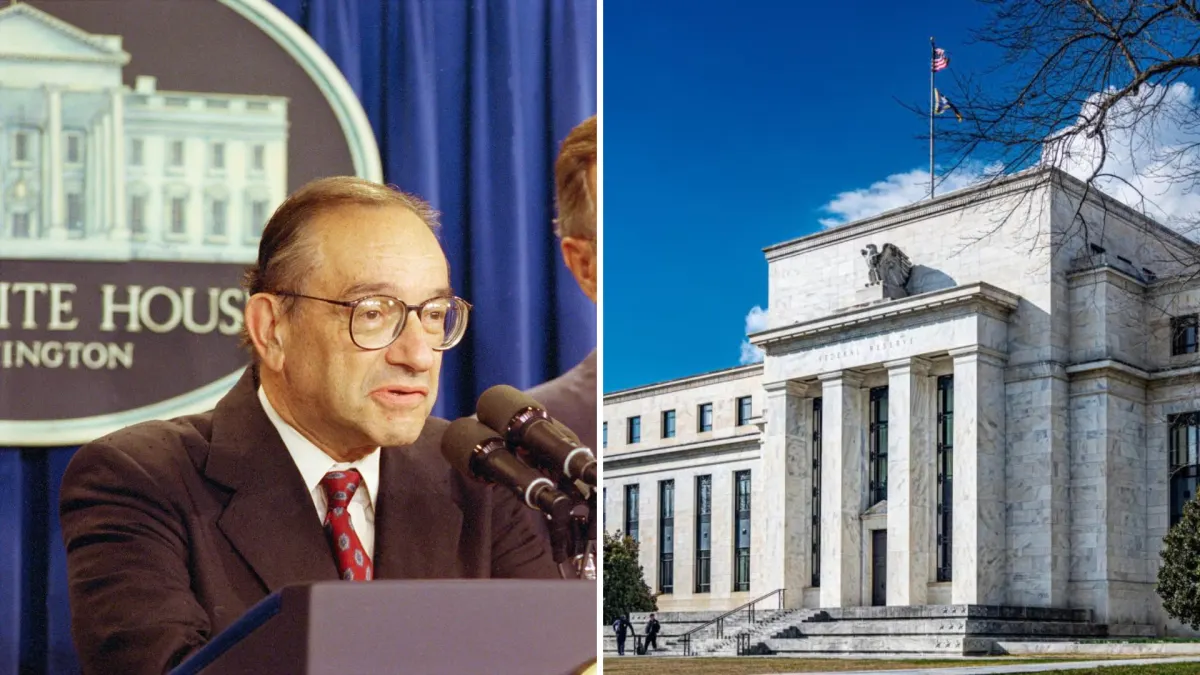
Few economists have had as much influence on modern financial markets as Alan Greenspan. For nearly two decades, he stood at the center of U.S. monetary policy, guiding the world's largest economy through stock market crashes, economic booms, technological revolutions, and financial uncertainty.
As Chairman of the Federal Reserve, Greenspan became one of the most closely watched figures in global finance. Investors, business leaders, policymakers, and economists analyzed his speeches for clues about interest rates, inflation, and the future direction of the economy. His decisions often moved markets not only in the United States but around the world.
Supporters credit Greenspan with helping sustain one of the longest periods of economic growth in American history. Critics argue that some of the policies implemented during his tenure contributed to the conditions that eventually led to the 2008 financial crisis.
This article explores Alan Greenspan's life, economic philosophy, leadership at the Federal Reserve, major accomplishments, controversies, and lasting impact on the global economy.
Who Is Alan Greenspan?
Alan Greenspan is an American economist best known for serving as Chairman of the Federal Reserve, the central banking system of the United States. Born on March 6, 1926, in New York City, Greenspan developed an early interest in mathematics, statistics, and economic analysis.
Before entering public service, he built a successful career as an economic consultant and advisor. His expertise in forecasting economic trends and interpreting market signals earned him a strong reputation among business leaders and policymakers.
Over time, Greenspan became one of the most influential voices in economic policy, eventually leading the Federal Reserve through a period of extraordinary change in both the American and global economies.
Early Life and Educational Background
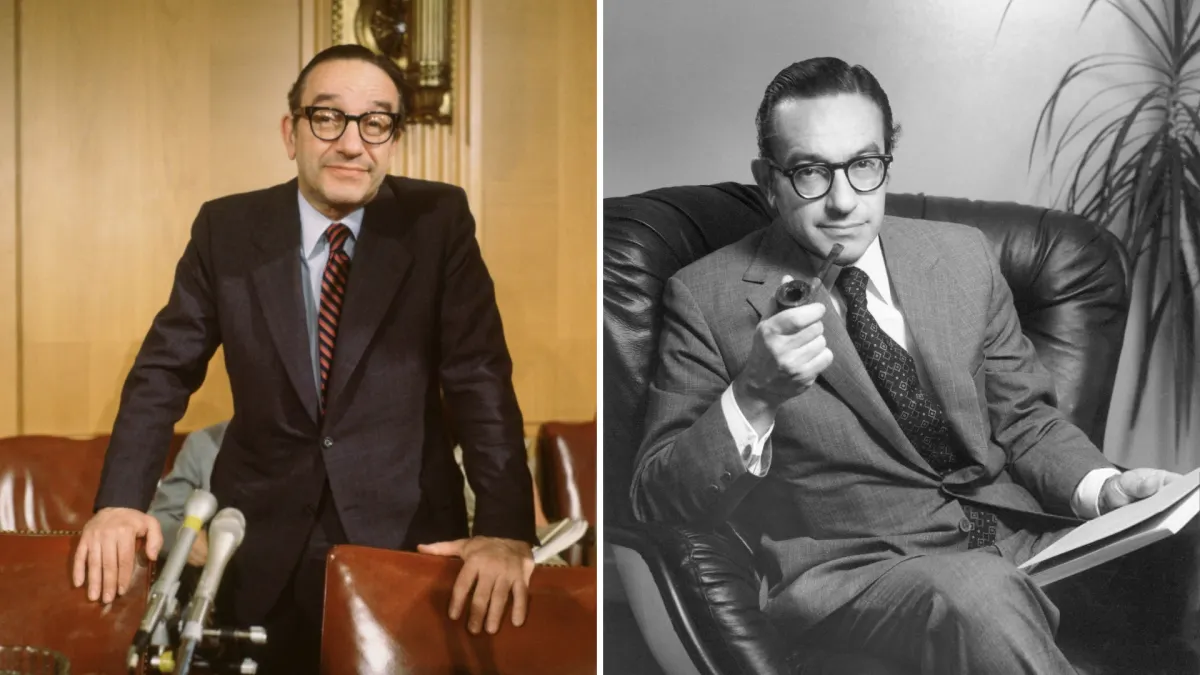
Understanding Greenspan's career requires a look at the historical environment that shaped his thinking.Growing up during the aftermath of the Great Depression, Greenspan witnessed the lasting economic consequences of financial instability. The experience helped fuel his interest in understanding how economies function and what governments and central banks can do to maintain stability.
He attended New York University, where he studied economics and later continued his academic work in the field. Throughout his early career, he developed a strong belief in market-driven economic systems and the importance of maintaining low inflation.These ideas would later become central to many of his policy decisions as Chairman of the Federal Reserve.
What Is the Federal Reserve?
Before examining Greenspan's leadership, it is important to understand the institution he led.The Federal Reserve, often referred to as the Fed, serves as the central bank of the United States. It plays a critical role in managing the nation's financial system and economic stability.
Its primary responsibilities include:
- Setting monetary policy
- Managing interest rates
- Controlling inflation
- Supervising banks and financial institutions
- Supporting employment and economic growth
- Maintaining financial system stability
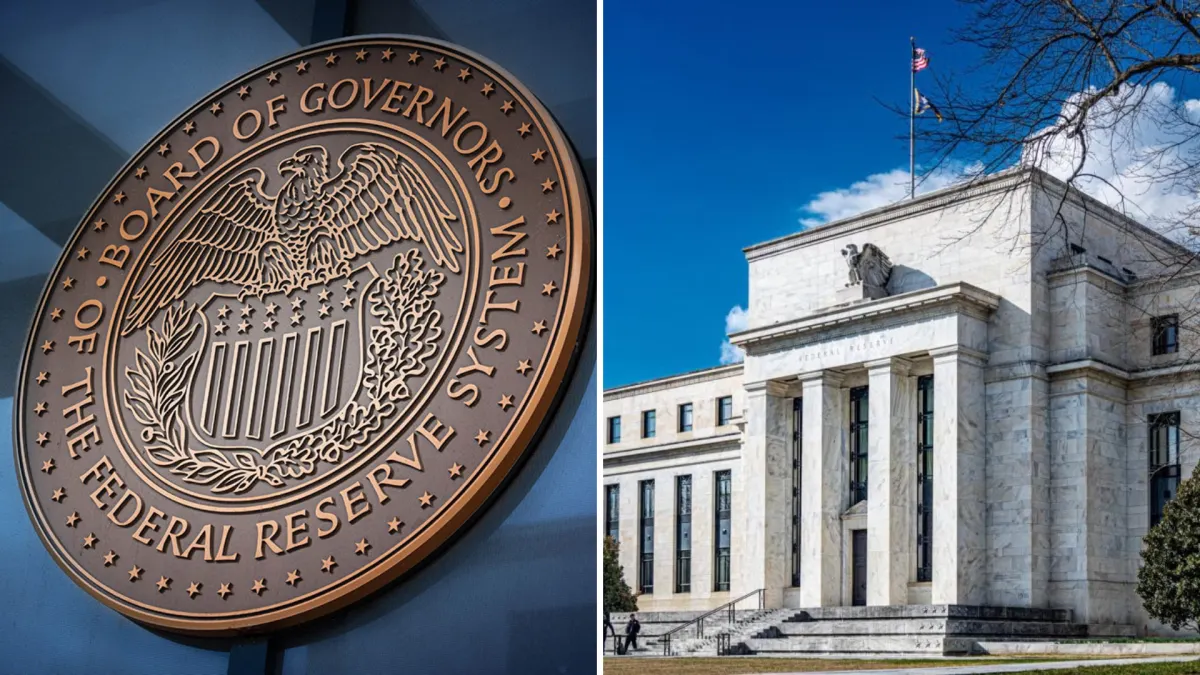
Because the U.S. dollar serves as the world's dominant reserve currency, Federal Reserve decisions frequently influence markets, businesses, and governments far beyond America's borders.
Greenspan's Appointment as Federal Reserve Chairman
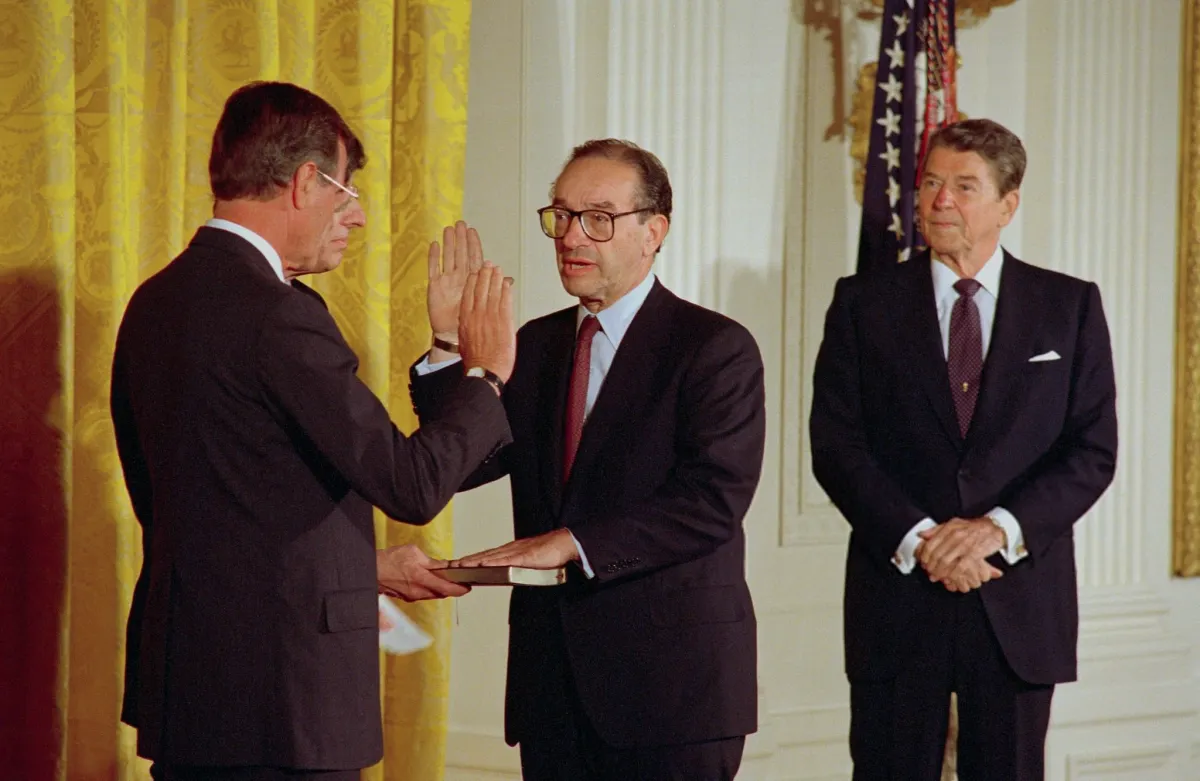
In 1987, President Ronald Reagan selected Alan Greenspan to succeed Paul Volcker as Chairman of the Federal Reserve.Almost immediately, Greenspan faced a major test.Just weeks after taking office, global financial markets were shaken by the stock market crash known as Black Monday. Investors feared a severe economic downturn, and confidence quickly deteriorated.
Greenspan responded by assuring markets that the Federal Reserve would provide liquidity and support the financial system. The swift response helped calm investors and reinforced confidence in the central bank.The episode marked the beginning of Greenspan's reputation as a steady hand during periods of financial turbulence.
Greenspan's Approach to Monetary Policy
One of Greenspan's defining characteristics was his flexible approach to monetary policy.Rather than relying solely on rigid economic formulas, he closely monitored economic indicators and adjusted policy according to changing conditions.
His objectives generally included:
- Keeping inflation under control
- Supporting sustainable economic growth
- Maintaining financial stability
- Encouraging healthy employment levels
When economic activity appeared to be overheating, the Federal Reserve often raised interest rates to reduce inflationary pressure. During periods of economic weakness, rates were lowered to stimulate borrowing, spending, and investment.This balanced approach became a hallmark of Greenspan's tenure.
The Economic Expansion of the 1990s
The 1990s are often remembered as one of the strongest periods in modern American economic history.
During this decade:
- Unemployment declined significantly.
- Inflation remained relatively low.
- Productivity improved.
- Financial markets experienced substantial growth.
- Technology companies expanded rapidly.
Greenspan argued that technological innovation was increasing productivity across the economy, allowing for stronger growth without triggering excessive inflation.
Many economists believe his policies helped create an environment that supported one of the longest economic expansions in U.S. history.
The Dot-Com Boom and Market Speculation
As internet companies emerged in the late 1990s, investor enthusiasm reached extraordinary levels.
Technology stocks soared as investors poured money into businesses connected to the rapidly growing internet sector. In many cases, stock valuations climbed far beyond what company earnings could justify.
In 1996, Greenspan famously warned about what he called «irrational exuberance,» suggesting that market optimism might be exceeding economic reality.
The phrase quickly became part of financial vocabulary worldwide.
Despite the warning, the technology boom continued for several years before the dot-com bubble eventually burst in 2000, triggering significant market losses.
Responding to the 2001 Economic Slowdown
The collapse of technology stocks and the September 11 attacks created new challenges for the U.S. economy.To reduce the risk of a prolonged recession, the Federal Reserve aggressively lowered interest rates.
The goal was to:
- Encourage consumer spending
- Stimulate business investment
- Support economic recovery
- Restore confidence in financial markets
The policy proved effective in helping the economy recover. However, years later, some economists argued that extended periods of low interest rates may have contributed to excessive risk-taking in other sectors of the economy.
The Housing Market and Growing Criticism
One of the most debated aspects of Greenspan's legacy involves the housing market boom that developed during the early 2000s.
Critics argue that several factors combined to create dangerous conditions:
- Prolonged low interest rates
- Rapid growth in mortgage lending
- Weak oversight of certain financial products
- Increased risk-taking by financial institutions
As home prices climbed, many Americans assumed the trend would continue indefinitely.When housing prices eventually declined, the financial system faced enormous pressure. The resulting crisis evolved into the global financial crisis of 2008, one of the most severe economic downturns since the Great Depression.
Although Greenspan had already left office by that time, many analysts examined whether policies adopted during his tenure contributed to the environment that made the crisis possible.
Understanding the "Greenspan Put"
One of the most famous concepts associated with Greenspan is the term «Greenspan Put.»
The phrase refers to the belief among investors that the Federal Reserve would intervene whenever markets experienced major declines.Under this assumption, investors felt more comfortable taking risks because they expected policymakers to support financial markets during periods of stress.
The concept remains widely discussed in financial circles and continues to influence debates about the role of central banks in modern economies.
Greenspan's Leadership Style
Greenspan was known for his cautious and often highly technical communication style.
His public statements were carefully crafted, and financial professionals frequently analyzed every word for indications about future monetary policy.This approach became so famous that it inspired the term «Fed Speak,» referring to the complex language often used by central bankers when discussing economic policy.
While some observers viewed this communication style as overly complicated, others believed it provided the flexibility necessary to manage market expectations.
Major Achievements
Maintaining Low Inflation
One of Greenspan's most widely recognized accomplishments was helping keep inflation relatively stable throughout much of his tenure.
Stable prices contributed to stronger consumer confidence and long-term economic planning.
Managing Financial Shocks
From the 1987 stock market crash to international financial disruptions, Greenspan successfully guided the Federal Reserve through multiple periods of uncertainty.
Supporting Economic Growth
The U.S. economy experienced substantial expansion during much of the 1990s, with strong employment growth and rising productivity.
Strengthening the Federal Reserve's Influence
Under Greenspan's leadership, the Federal Reserve became an even more influential institution in global financial markets.
Its decisions increasingly shaped economic expectations around the world.
The Main Criticisms
Despite his accomplishments, Greenspan's record remains controversial.
Excessive Faith in Markets
Some economists argue that Greenspan placed too much confidence in the ability of financial markets to regulate themselves.
Limited Financial Regulation
Critics contend that stronger oversight of financial institutions could have reduced systemic risks before the 2008 crisis.
Interest Rate Policy
Others believe that interest rates remained too low for too long, encouraging speculative behavior in housing and credit markets.
These debates continue to shape discussions about monetary policy and financial regulation today.
Life After the Federal Reserve
Greenspan stepped down as Chairman of the Federal Reserve in 2006 after nearly 19 years in the position.
Following his retirement, he remained active as an author, consultant, and public speaker. He continued to comment on economic developments and global financial issues while sharing insights from his decades of experience.
During congressional hearings following the financial crisis, Greenspan acknowledged that some assumptions about market behavior had proven flawed, a rare admission from one of the world's most influential policymakers.
Alan Greenspan's Global Impact
Greenspan's influence extended far beyond the United States.
His decisions affected:
- Global stock markets
- Currency values
- International investment flows
- Commodity prices
- Central bank policies worldwide
Because financial markets closely monitored Federal Reserve actions, Greenspan became one of the most powerful economic figures of his generation.