
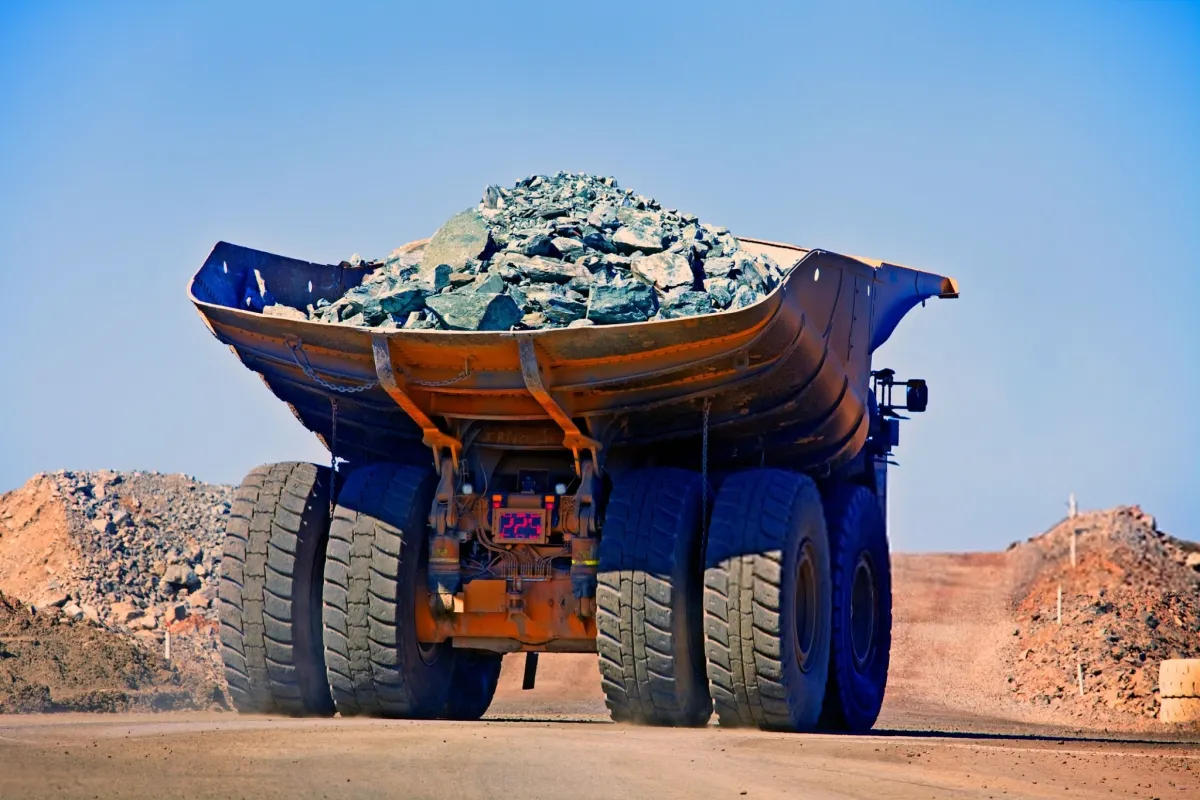
A single mining truck tire can cost more than a luxury car—and in some cases, even as much as a small apartment. While most drivers rarely think about tires, the giant tires used on mining haul trucks are among the most sophisticated and expensive rubber products ever manufactured.
Designed to operate in open-pit mines, these enormous tires must carry hundreds of tons of weight while enduring sharp rocks, extreme temperatures, and continuous operation. Their massive size, advanced engineering, and limited production volumes explain why they command such extraordinary prices.
How Big Are Mining Truck Tires?
The largest mining truck tires are far larger than most people imagine.
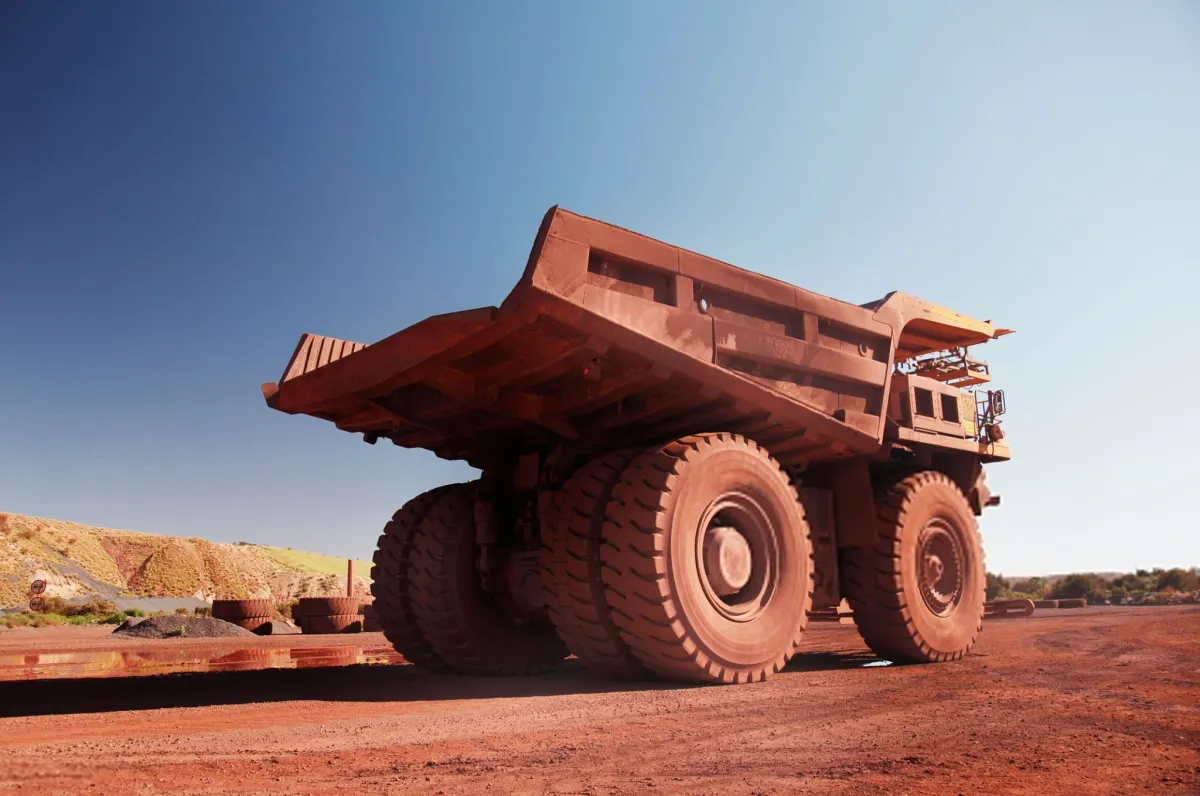
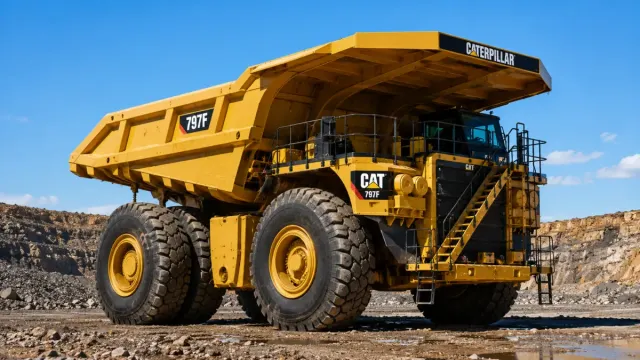
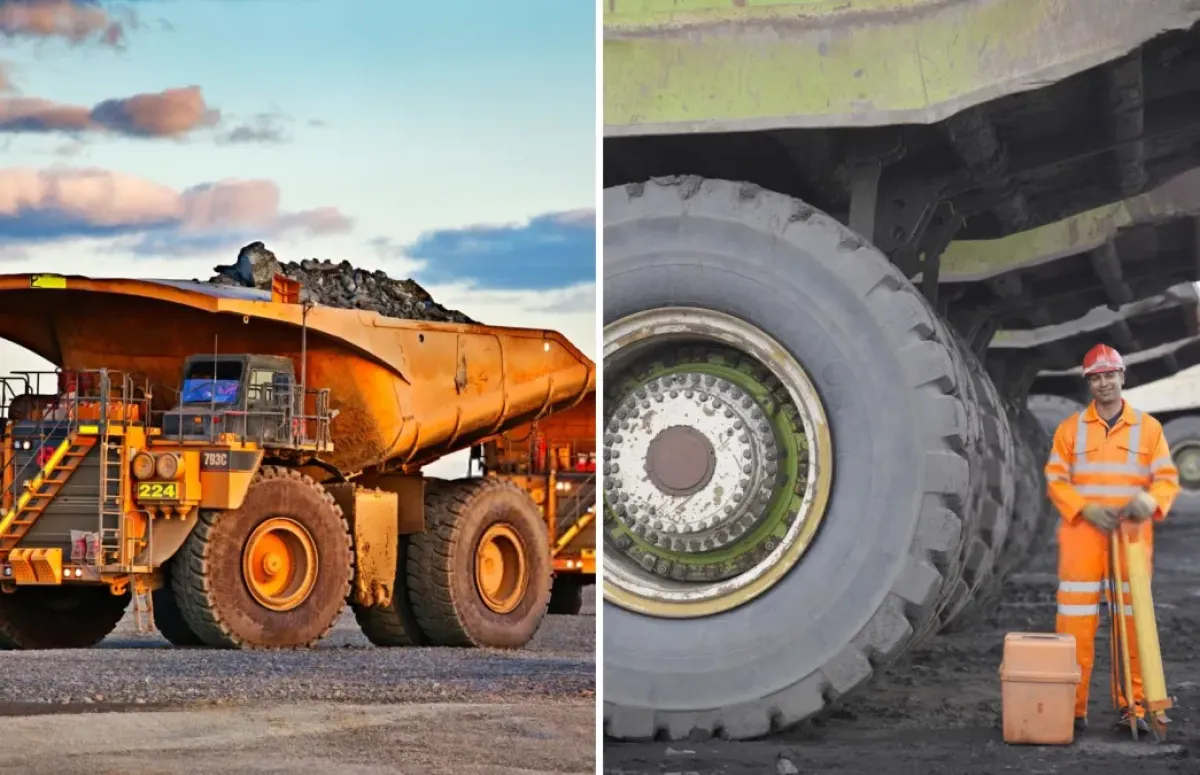
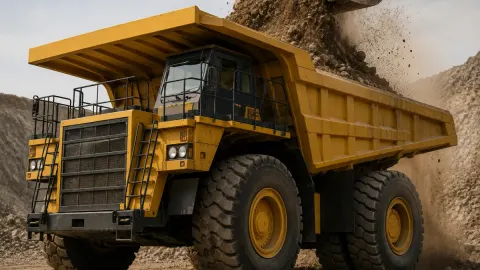
Some ultra-class haul truck tires used on machines such as the Caterpillar 797F and Komatsu 980E can exceed 4 meters (13 feet) in height and weigh between 4 and 5 tons each.
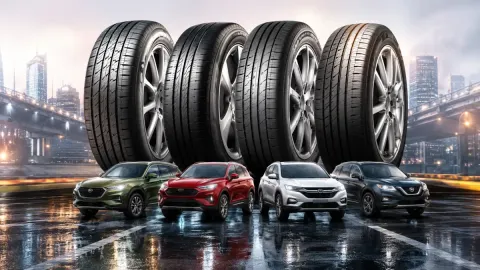
For comparison, a typical passenger car tire weighs around 10–15 kilograms (22–33 pounds). One giant mining tire can weigh as much as several family cars combined.
Typical Specifications of Giant Mining Tires
| Tire Size | Approximate Height | Approximate Weight |
|---|---|---|
| 46/90R57 | 3.6 m (11.8 ft) | 730 kg (1,609 lb) |
| 59/80R63 | 4.0 m (13.1 ft) | 1.6 tons (3,500 lb) |
| 59/80R63 Ultra-Class Models | Over 4 m (13 ft) | Up to 5 tons (11,000 lb) |
Why Are Mining Truck Tires So Expensive?
The price is not simply a result of their size.
Each mining truck tire contains enormous quantities of natural rubber, synthetic rubber compounds, steel cords, and specialized materials designed to withstand extreme stress. Engineers must carefully balance load capacity, heat resistance, cut resistance, traction, and durability.
Unlike passenger tires that are produced by the millions, giant mining tires are manufactured in relatively small quantities. The production process is highly specialized and can take days to complete.
Every tire undergoes precision assembly, multiple reinforcement stages, and a vulcanization process that transforms raw rubber into an extremely durable industrial product.
Which Companies Manufacture Giant Mining Tires?
Only a handful of manufacturers in the world have the technology and facilities required to produce ultra-large mining tires.
The industry's leading producers include:
- Bridgestone (Japan)
- Michelin (France)
- Goodyear (United States)
- Yokohama Off-Highway Tires (Japan)
- Continental (Germany)
These companies invest heavily in research and development because even a minor tire failure can result in costly downtime at a mining operation.
How Much Can One Mining Tire Cost?
The price of a giant mining tire often surprises people.
A standard passenger car tire may cost a few hundred dollars, while a large mining tire can range from $20,000 to more than $100,000 per tire, depending on its size and application.
Some of the largest ultra-class haul truck tires have reportedly exceeded $150,000 each during periods of supply shortages and high demand.
When a mining truck requires six tires, the tire set alone can represent an investment of several hundred thousand dollars.
Why Do Mines Use Nitrogen Instead of Regular Air?
Many mining operators choose nitrogen inflation for their haul truck tires.
Nitrogen contains less moisture than compressed air and helps maintain more stable tire pressure under changing temperatures. It also reduces internal oxidation and minimizes pressure fluctuations during heavy-duty operations.
Because giant mining tires generate significant heat while carrying massive loads, maintaining proper pressure is critical for safety, performance, and tire life.
Read More
Are Mining Tires Filled With Liquid?
Contrary to popular belief, giant mining truck tires are generally not filled with liquid.
Most modern haul truck tires rely on carefully controlled air or nitrogen pressure. Liquid ballast is more commonly associated with agricultural machinery rather than ultra-class mining trucks.
The Engineering Marvel Beneath Every Haul Truck
Mining truck tires are far more than oversized pieces of rubber. Standing taller than many people and weighing several tons each, they represent some of the most advanced engineering in the mining industry.
Their enormous size, specialized materials, complex manufacturing process, and ability to support loads exceeding 100 tons explain why a single mining tire can cost as much as a luxury car—or even a small apartment.