
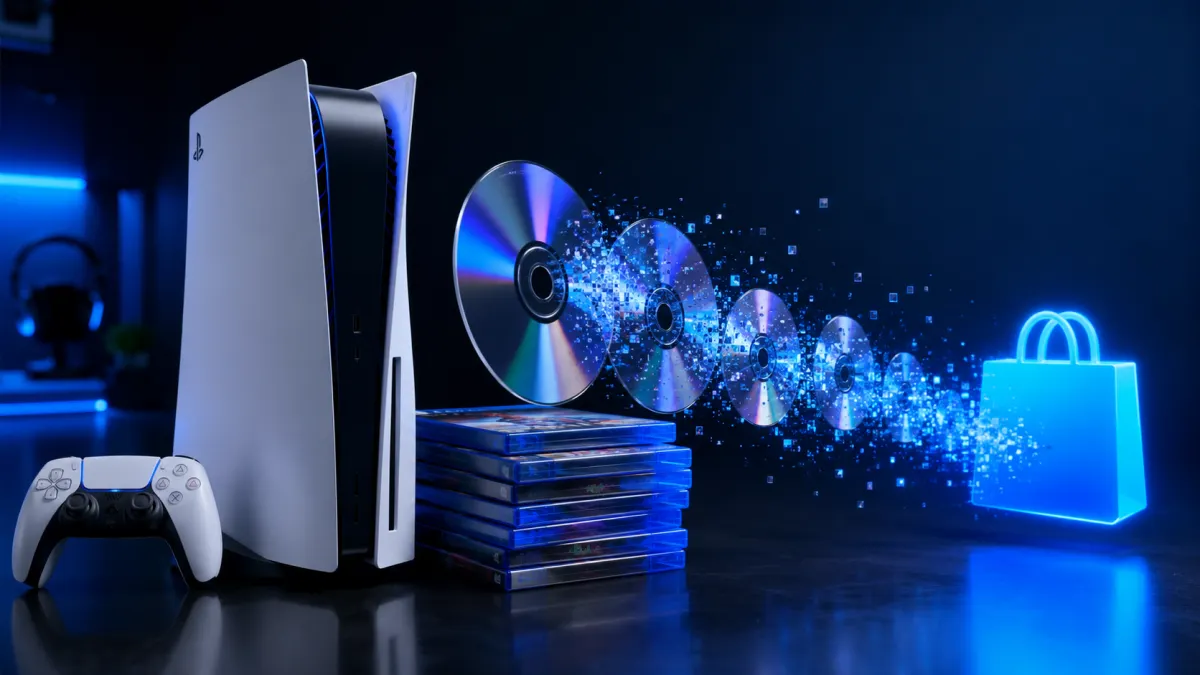
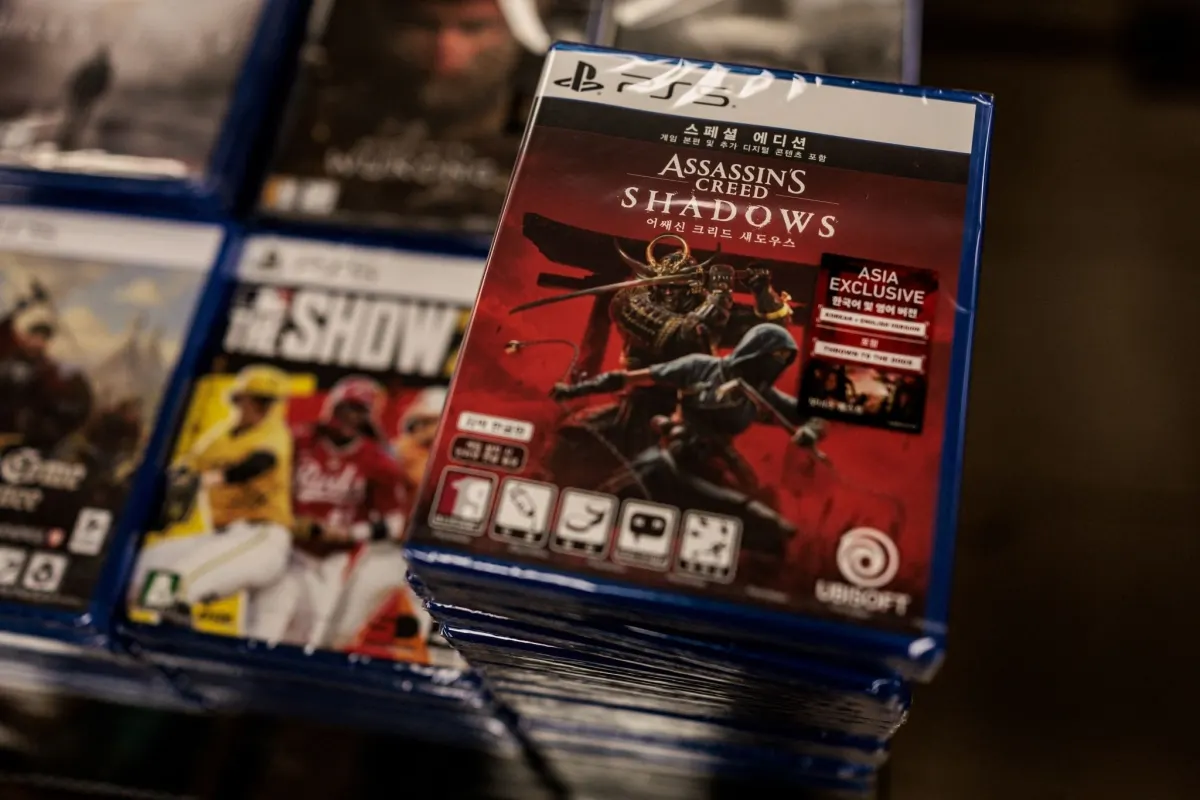
For decades, buying a new PlayStation game meant opening a plastic case, inserting a Blu-ray disc into the console, and building a collection that could sit proudly on a shelf. That tradition is about to come to an end.
Sony has confirmed that beginning in January 2028, all newly released PlayStation games will be distributed exclusively in digital format through the PlayStation Store and authorized digital retailers. Games that have already launched on physical discs—or those scheduled to release before the deadline—will remain unaffected.
The announcement marks one of the biggest changes in PlayStation history and reflects a gaming industry that has been steadily moving away from physical media for years. But why did Sony choose this moment to make the transition?
Digital Purchases Have Become the New Standard
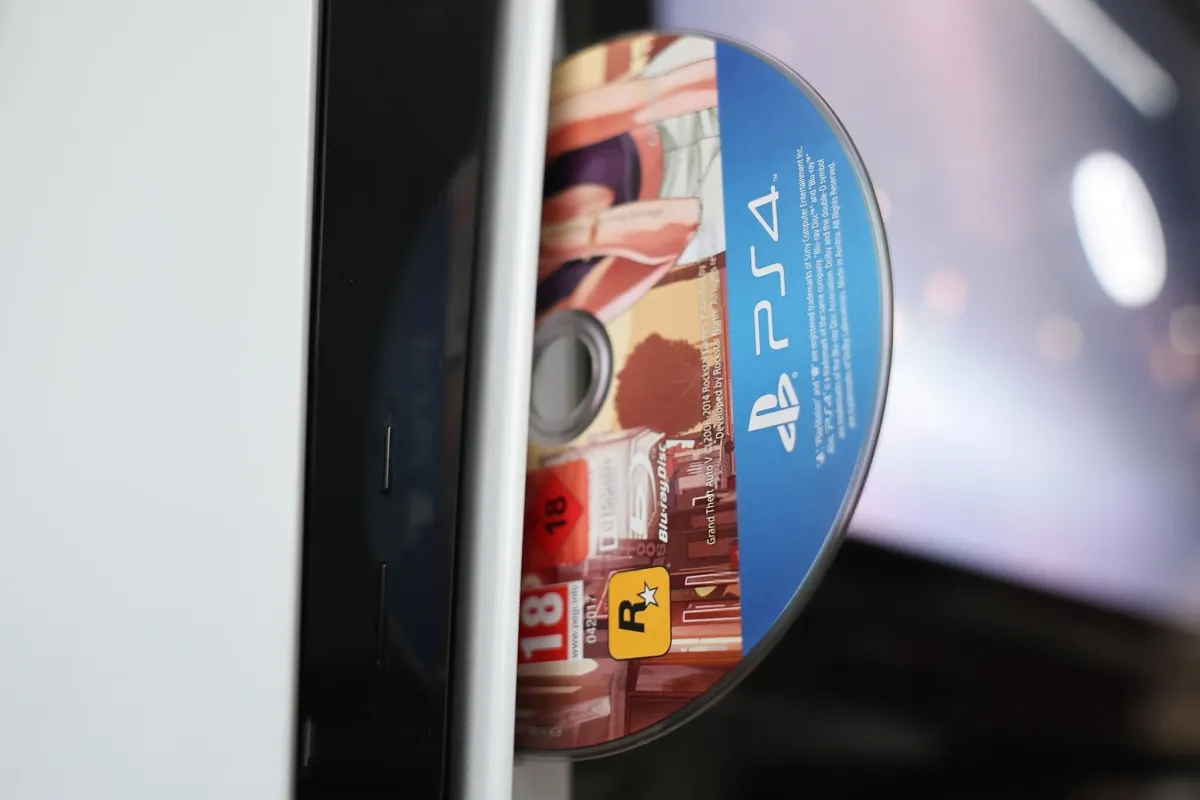
The biggest reason is simple: gamers have already changed their buying habits.Over the past several years, digital downloads have become the preferred way to purchase PlayStation titles. Sony's financial reports consistently show that the majority of full-game sales now come from digital storefronts rather than physical retailers.
Instead of driving to a store or waiting for shipping, players can purchase, preload, and begin playing a new title within minutes of its release. As internet speeds continue to improve around the world, the convenience of digital gaming has become difficult to ignore.
For Sony, continuing to manufacture millions of physical discs no longer reflects how most customers actually buy games.
Physical Games Are Expensive to Produce
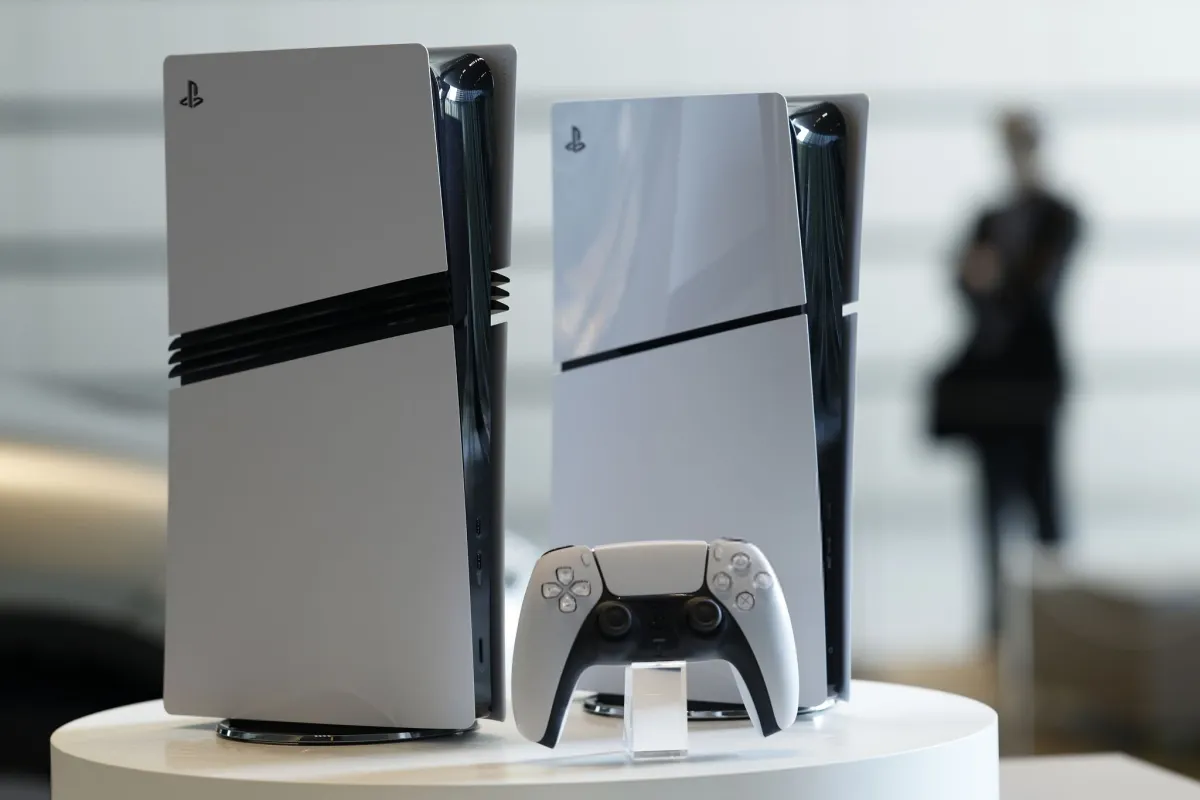
A physical game involves far more than simply pressing data onto a Blu-ray disc.Every boxed copy requires manufacturing, packaging, printing artwork, shipping to warehouses, transporting inventory around the world, and stocking retail shelves. Each step adds significant costs before the game ever reaches a customer.
Digital distribution eliminates nearly all of those expenses. Once a game is uploaded to the PlayStation Store, Sony can sell unlimited copies without worrying about manufacturing or logistics.The result is a more efficient business model with higher profit margins and fewer supply chain challenges.
Read More


The Entire Gaming Industry Is Moving Toward Digital
Sony's decision isn't happening in isolation.PC gaming has already embraced digital distribution through platforms like Steam, while subscription services and cloud gaming continue to reshape how players access content. Digital storefronts have become the center of the modern gaming ecosystem, allowing developers to deliver updates, downloadable content, and new releases instantly.
The shift has been building for years, and Sony's announcement suggests the company believes the market has finally reached a point where physical media is no longer essential.January 2028 could ultimately be remembered as the moment PlayStation officially entered its digital-first era.
Could This Be Preparing the Way for PlayStation 6?
Although Sony has not officially revealed the next generation of PlayStation hardware, many industry analysts believe the January 2028 timeline is far from accidental.By ending physical game production, Sony positions itself for a future in which new hardware may rely primarily—or even entirely—on digital distribution.
A digital-focused console reduces manufacturing complexity, simplifies game distribution, and allows Sony to build a more connected ecosystem around online services and subscriptions.While nothing has been confirmed, the timing has fueled speculation that PlayStation's next generation could continue the industry's shift away from optical media.
Digital Sales Give Sony Greater Control
Another advantage of digital distribution is pricing.Physical games can be discounted by retailers, resold on the second-hand market, or traded between players. Digital purchases work differently.
Games sold through the PlayStation Store remain under Sony's ecosystem, allowing publishers to manage pricing more consistently while eliminating competition from used game sales.For publishers, this means stronger long-term revenue. For Sony, it creates a more predictable and profitable marketplace.
Sony Is Also Retiring Older PlayStation Store Services
The move away from physical media comes alongside another significant change.
Sony has announced that the PlayStation Store for PlayStation 3 and PlayStation Vita will be phased out over the coming months. The closure begins in August 2026 in selected regions, expands to additional markets throughout late 2026, and reaches remaining territories by July 2027.
After the stores close, players will no longer be able to purchase new content, although previously purchased games and downloads will remain accessible. Together, these changes highlight Sony's broader strategy of focusing resources on newer platforms while modernizing its digital ecosystem.
Not Everyone Is Ready to Say Goodbye to Physical Games
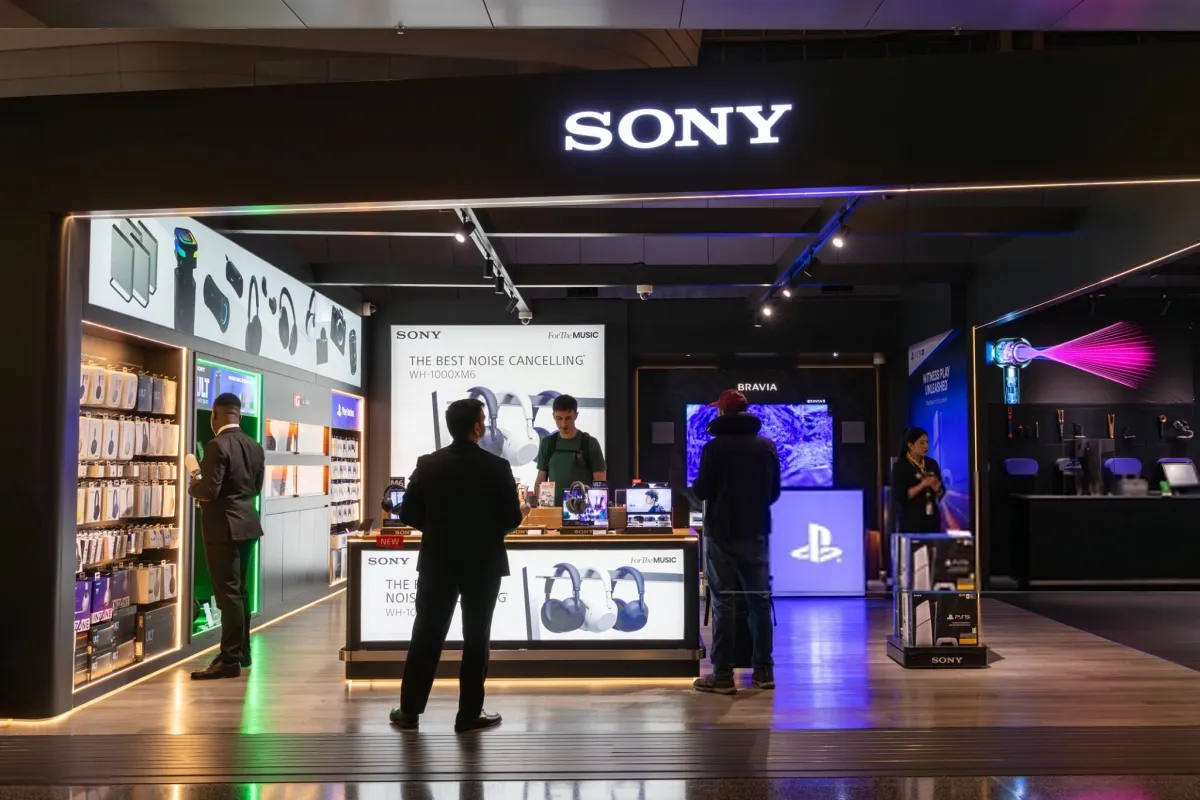
Despite the convenience of digital downloads, many gamers remain concerned.Collectors value physical editions because they provide a tangible product that can be displayed, traded, resold, or preserved for years. Physical media also offers a sense of ownership that digital licenses cannot fully replicate.
Digital games depend on online accounts, licensing agreements, and platform infrastructure. While Sony says players will continue to have access to previously purchased content, preservation advocates argue that an all-digital future raises important questions about long-term ownership and game preservation.
Those concerns are likely to remain part of the conversation as more publishers embrace digital-only distribution.