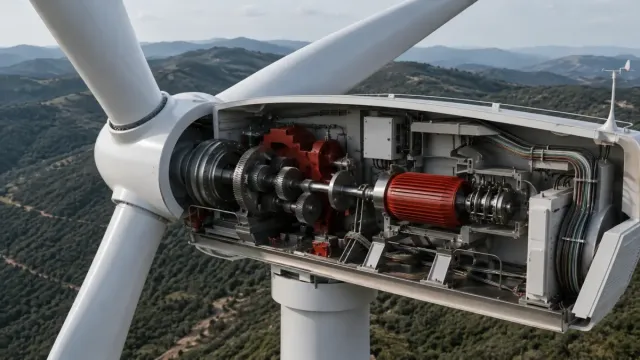


The U.S. auto market remained one of the world's largest in 2025, with 16,395,737 vehicles sold, marking its strongest annual performance since before the pandemic. As supply chains stabilized, dealership inventories improved, and consumer confidence gradually returned, automakers benefited from a healthier sales environment. At the same time, hybrid vehicles continued to gain momentum, reshaping buying trends across the country.
Yet the biggest story isn't just the market's recovery—it's who continues to dominate it. Despite the rapid rise of electric vehicles and the enormous market valuation of Tesla, traditional automotive giants still control the lion's share of America's roads.
Read More

America's Top-Selling Automakers in 2025
According to F&I Tools, the country's best-selling automotive groups in 2025 were:
| Rank | Automaker | Vehicles Sold |
|---|---|---|
| 1 | General Motors | 2,853,299 |
| 2 | Toyota | 2,518,071 |
| 3 | Ford | 2,204,124 |
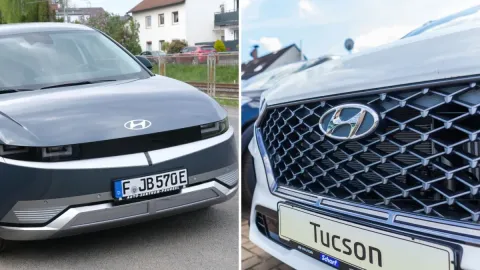
| 4 | Hyundai/Kia | 1,763,892 |
| 5 | Honda | 1,430,584 |
| 6 | Stellantis | 1,277,347 |
| 7 | Nissan | 928,381 |
| 8 | Subaru | 643,547 |
| 9 | Tesla | 589,000 |
| 10 | Volkswagen | 587,655 |
Together, the top four automotive groups accounted for well over half of all new vehicles sold in the United States, highlighting how concentrated America's auto market remains.
Why General Motors Still Leads the U.S. Auto Market
Many people assume Tesla or Toyota has become America's largest automaker. The numbers tell a very different story.General Motors sold more than 2.85 million vehicles in the United States during 2025—nearly five times Tesla's sales.
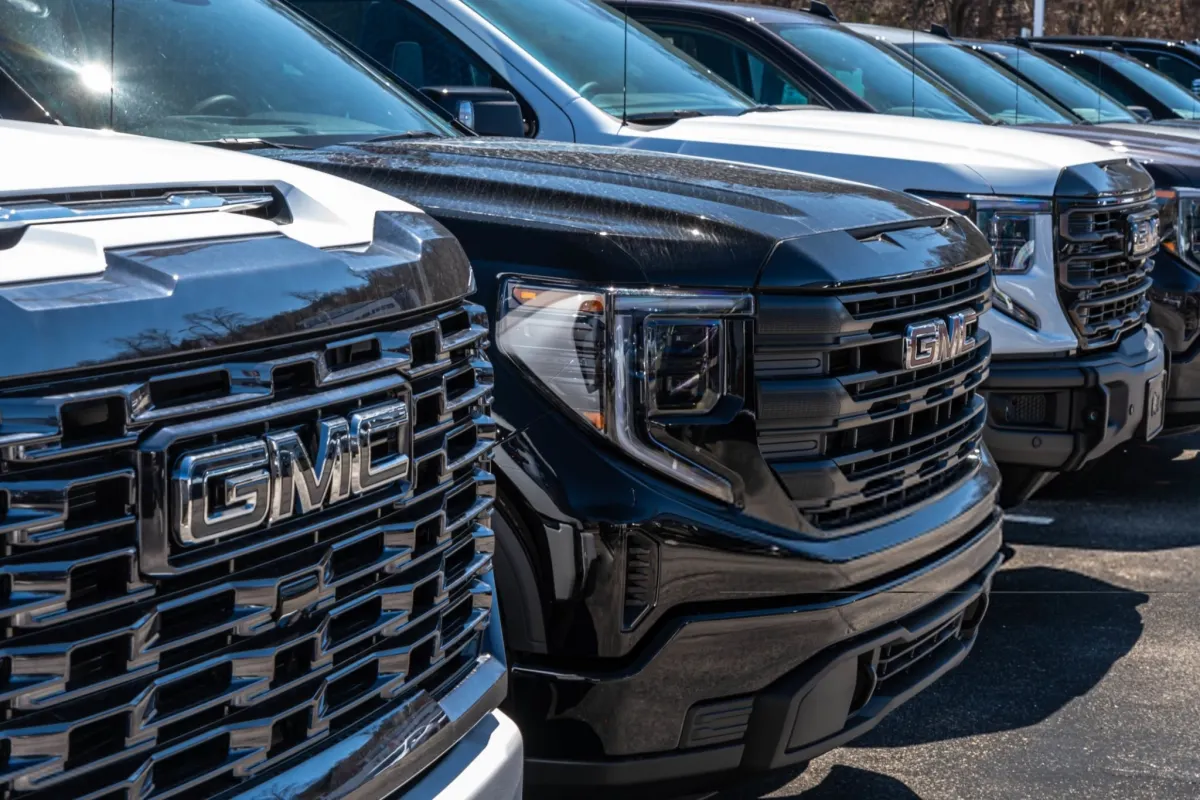
The company's biggest advantage is its unmatched product portfolio. Rather than relying on a handful of models, GM competes across nearly every major segment through brands including:
- Chevrolet
- GMC
- Cadillac
- Buick
Whether shoppers are looking for affordable sedans, family SUVs, heavy-duty pickups, or luxury vehicles, General Motors has a product for nearly every buyer.Its Chevrolet Silverado lineup and full-size SUVs continue to generate enormous demand, while the company's expanding lineup of electric Chevrolet models has helped strengthen its position in the rapidly evolving market.
Toyota Remains America's Most Successful Foreign Automaker
Toyota once again secured second place with more than 2.5 million vehicles sold, proving that reliability and long-term value remain major priorities for American buyers.Perhaps Toyota's greatest strategic advantage has been its long-term commitment to hybrid technology.
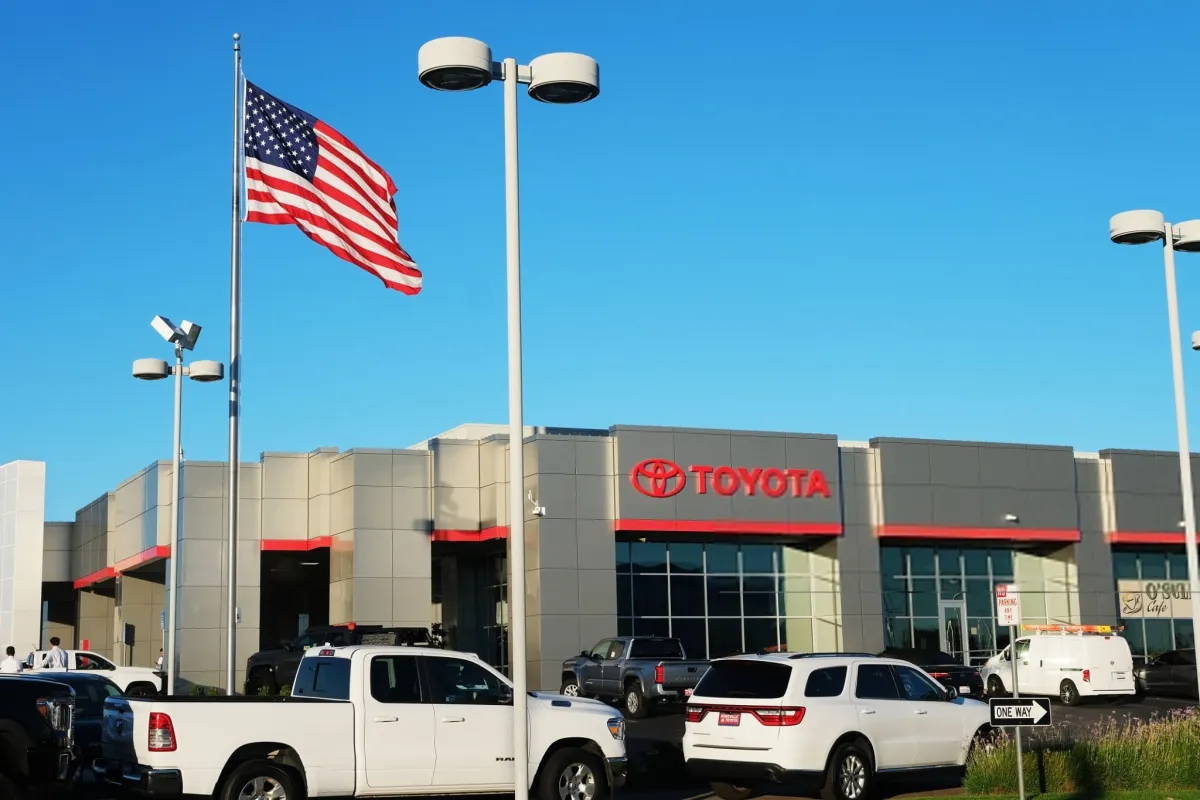
While many competitors aggressively shifted toward fully electric vehicles, Toyota continued investing in hybrids like the:
- RAV4 Hybrid
- Camry Hybrid
- Corolla Hybrid
- Prius
That strategy is paying off. Hybrid and electrified vehicles now represent a significant portion of Toyota's U.S. sales, giving the Japanese automaker a strong position as consumers increasingly seek fuel efficiency without fully committing to battery-electric vehicles.
Ford Continues to Dominate America's Pickup Market
Ford remained America's third-largest automaker after selling more than 2.2 million vehicles.Much of that success can be traced to one legendary name:Ford F-Series.
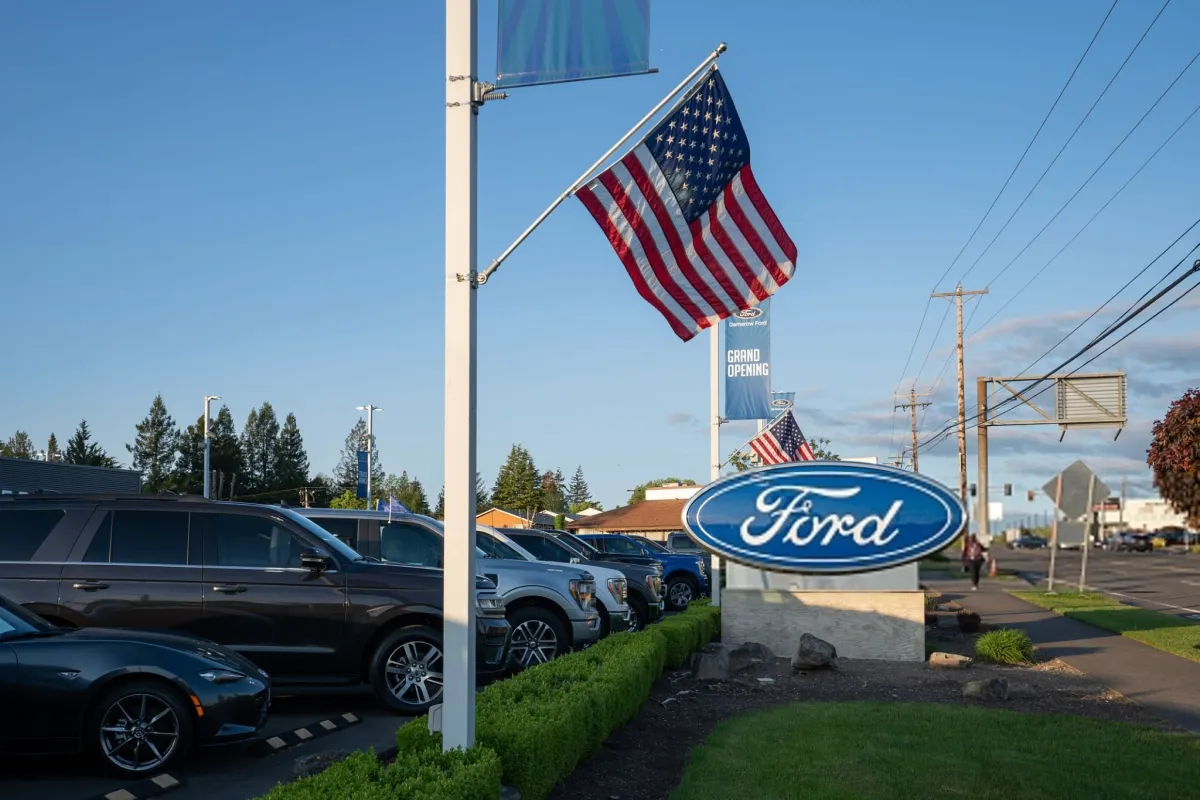
America's best-selling pickup truck for decades continues to anchor Ford's business.The company also benefited from strong demand for the Maverick compact pickup and growing interest in its hybrid models. While demand for some fully electric vehicles softened, Ford's hybrid lineup helped offset those challenges and supported another year of healthy growth.
Hyundai and Kia Keep Climbing
The Hyundai Motor Group—which includes both Hyundai and Kia—finished fourth after selling nearly 1.8 million vehicles. Just a decade ago, few would have predicted this level of success in the United States.
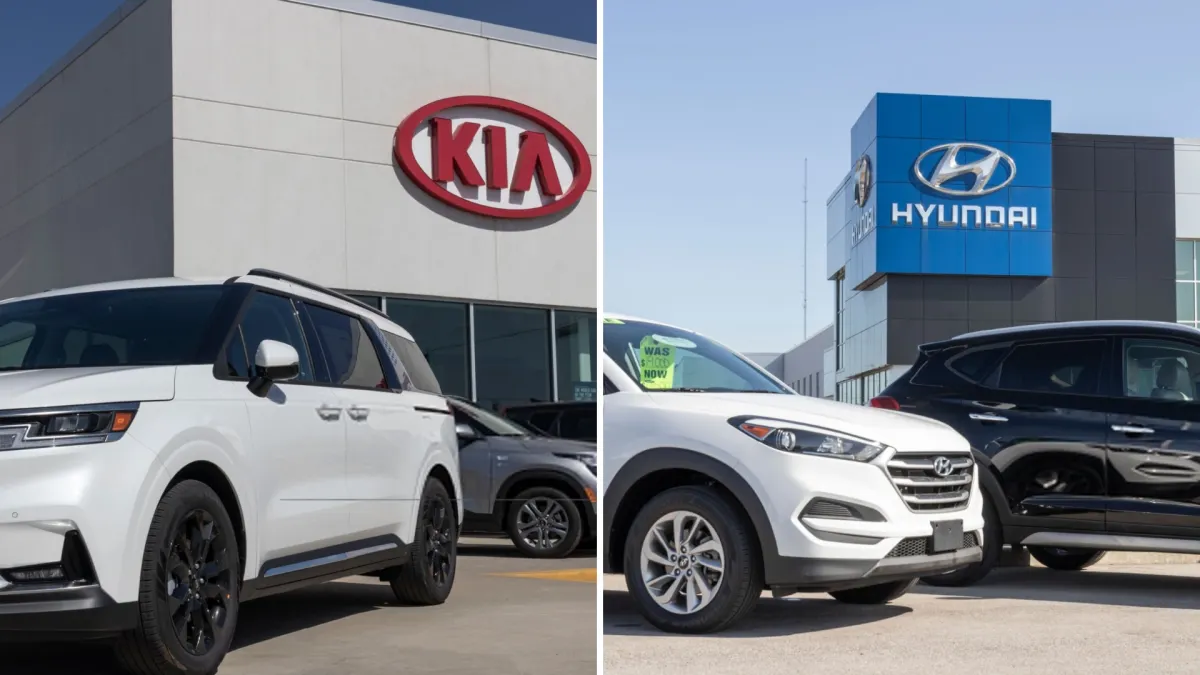
Today, Hyundai and Kia have built a reputation for:
- Modern styling
- Strong quality improvements
- Competitive pricing
- Industry-leading warranties
- Expanding hybrid and EV lineups
Those strengths have helped the Korean automaker steadily gain market share, particularly among SUV and crossover buyers.
Stellantis Remains a Major Force

Although Stellantis ranked sixth overall, it remains one of the world's largest automotive companies.Formed through the merger of Fiat Chrysler Automobiles (FCA) and France's PSA Group, the company is headquartered in the Netherlands and owns an extensive collection of global brands, including:
- Jeep
- Ram
- Dodge
- Chrysler
- Fiat
- Peugeot
- Citroën
- Opel
- Alfa Romeo
- Maserati
While Stellantis has lost some ground in recent years, Jeep SUVs and Ram pickup trucks continue to play an important role in the American market.
Tesla's Market Value Doesn't Match Its Sales Volume
Perhaps the most surprising result in this year's rankings is Tesla.Despite being one of the world's most valuable automakers, Tesla sold just 589,000 vehicles in the U.S., placing it ninth among major manufacturers.
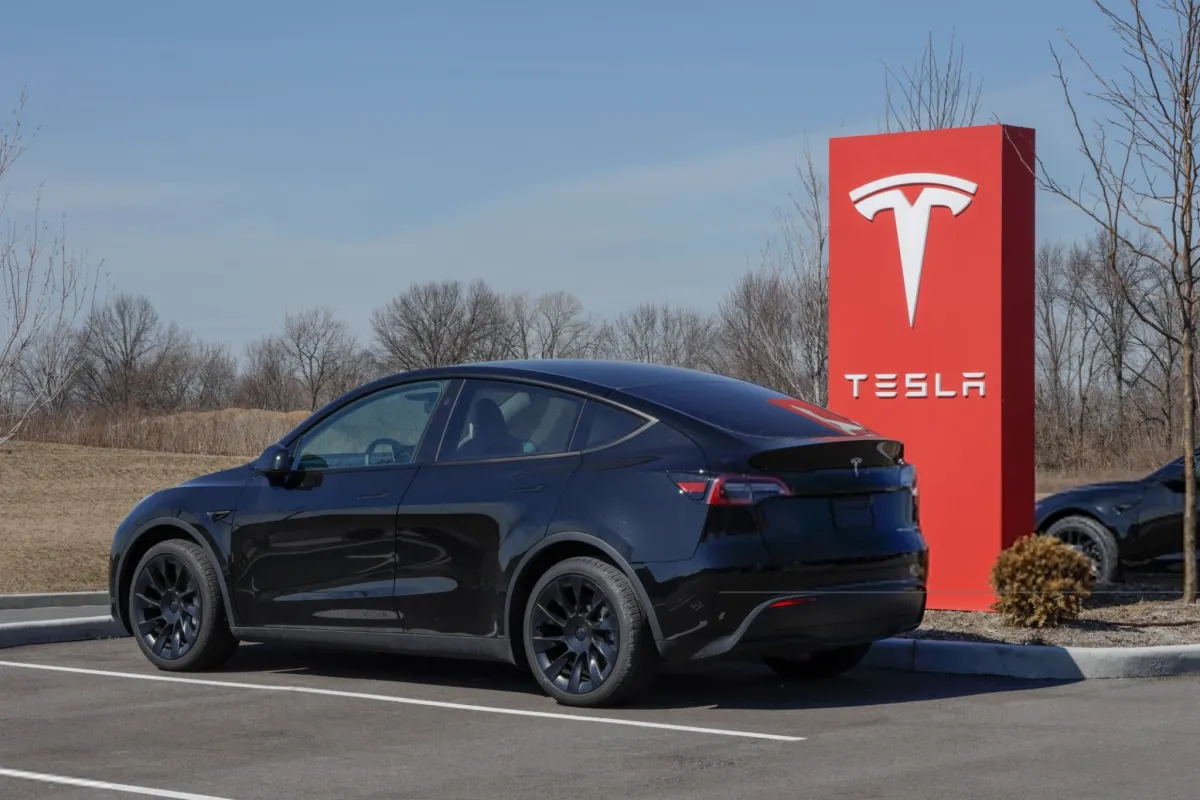
The numbers highlight an important distinction: stock market value and vehicle sales are not the same thing.Tesla's valuation reflects investor expectations surrounding artificial intelligence, autonomous driving, software, robotics, energy storage, and future technologies—not simply the number of vehicles it delivers each year.Meanwhile, its relatively small product lineup limits its sales volume compared with legacy manufacturers offering dozens of models across multiple vehicle segments.
Why Chinese Automakers Are Missing From America's Sales Rankings
One of the most notable absences from the list is China's rapidly growing auto industry. Companies such as BYD, which have become global leaders in electric vehicle production, remain virtually absent from the U.S. passenger vehicle market.

Several factors explain why:
- High import tariffs on Chinese-built vehicles
- Ongoing trade tensions between Washington and Beijing
- National security concerns surrounding connected vehicle technology
- Federal policies aimed at supporting domestic manufacturing
As a result, unlike Europe, Southeast Asia, and Latin America, the United States has yet to become a meaningful market for Chinese passenger car brands.
America's Auto Market Is Shifting Again
One of the biggest trends emerging in 2025 is the changing balance between electric and hybrid vehicles. While EV sales continue to grow, the pace has slowed as many consumers remain concerned about pricing, charging infrastructure, driving range, and long-term resale value.
Hybrid vehicles, on the other hand, have become an increasingly attractive middle ground. They offer better fuel economy without requiring major lifestyle changes, making them a practical choice for millions of drivers.That shift is benefiting manufacturers like Toyota, Honda, and Hyundai, all of which invested heavily in hybrid technology years before the current surge in demand.