

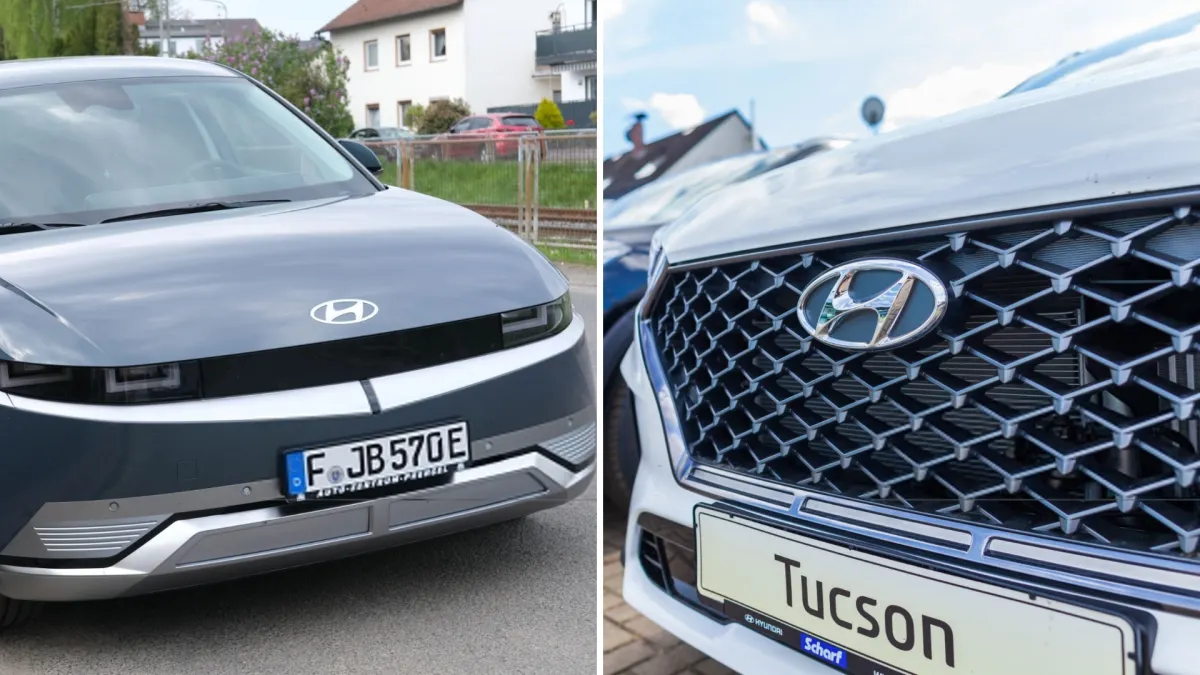
If you've recently seen a new Hyundai on the road, you may have noticed something subtle but significant. The familiar chrome, three-dimensional Hyundai badge has gradually been replaced by a sleek matte black emblem on many models.
To some owners, the new logo looks modern and sophisticated. Others feel it lacks the premium appearance of the classic chrome badge. So why did Hyundai make this design change?
The answer goes far beyond aesthetics. It reflects a global shift in automotive design, new technologies, and the future direction of the Hyundai brand.
A Shift Toward Modern Minimalism
For decades, chrome represented luxury. Automakers covered grilles, trim pieces, and badges with polished metal to create a premium appearance.Today, the opposite trend dominates the industry.
Consumers increasingly associate clean surfaces, simple lines, and understated details with modern luxury. Hyundai has embraced this philosophy by replacing reflective chrome logos with flat matte emblems that blend seamlessly into the vehicle's overall design.
Rather than drawing attention to the badge itself, the company wants the entire vehicle to become the focal point.
Hyundai Isn't Alone
Hyundai's decision is part of a much larger industry movement.
In recent years, several major automakers have simplified their logos:
- Volkswagen introduced a flat digital logo.
- Nissan redesigned its badge with a minimalist approach.
- Kia launched an entirely new modern logo.
- BMW adopted flatter branding across its digital platforms.
- Renault, Peugeot, and Citroën have also modernized their visual identities.
The era of highly reflective chrome branding is slowly giving way to cleaner, more versatile designs.
Better for the Digital Age
Modern car logos no longer appear only on the hood.
They now exist everywhere:
- Smartphone apps
- Vehicle infotainment systems
- Digital dashboards
- Social media
- Mobile websites
- Streaming advertisements
- Smart TV interfaces
A flat logo remains recognizable at any size, while detailed chrome effects often disappear on small screens.
This makes the new design far more practical for today's digital-first world.
Less Reflection, Cleaner Appearance
Chrome surfaces create strong reflections under direct sunlight.While some drivers appreciate the sparkle, reflections can become distracting during photography, promotional videos, or even everyday driving.
A matte emblem offers several advantages:
- Reduced glare
- Cleaner appearance in sunlight
- More consistent look from different viewing angles
- Better compatibility with modern body colors
This is especially noticeable on gray, black, white, and electric-blue vehicles.
Designed for the Electric Era
Hyundai is investing heavily in electric vehicles through its growing EV lineup.Electric cars generally feature smoother body panels, hidden grilles, and cleaner front-end styling.
Large chrome emblems often feel visually out of place on these futuristic designs.The matte logo complements vehicles like the IONIQ series, helping create a more technological and refined identity.
Compatibility with Advanced Driver Assistance Systems
Many modern vehicles now hide sophisticated sensors behind the front emblem.
These include radar systems used for:
- Adaptive Cruise Control
- Forward Collision Avoidance
- Lane Following Assist
- Automatic Emergency Braking
While not every matte logo houses radar, manufacturers increasingly design badges with these technologies in mind.Using different materials and finishes can simplify engineering while maintaining a consistent appearance across the lineup.
Manufacturing Efficiency
Although design is the primary reason behind the change, production also plays a role.
Traditional chrome badges require:
- Multiple finishing stages
- Electroplating
- Polishing
- Additional quality control
Matte emblems can often be produced more efficiently while maintaining durability.The result is a simpler manufacturing process without compromising visual quality.
Why Some Drivers Still Prefer Chrome
Despite the modern trend, many Hyundai enthusiasts continue to favor the older chrome badge.
Supporters of the classic emblem say it offers:
- A more luxurious appearance
- Greater visual depth
- Better contrast on darker paint colors
- A timeless automotive look
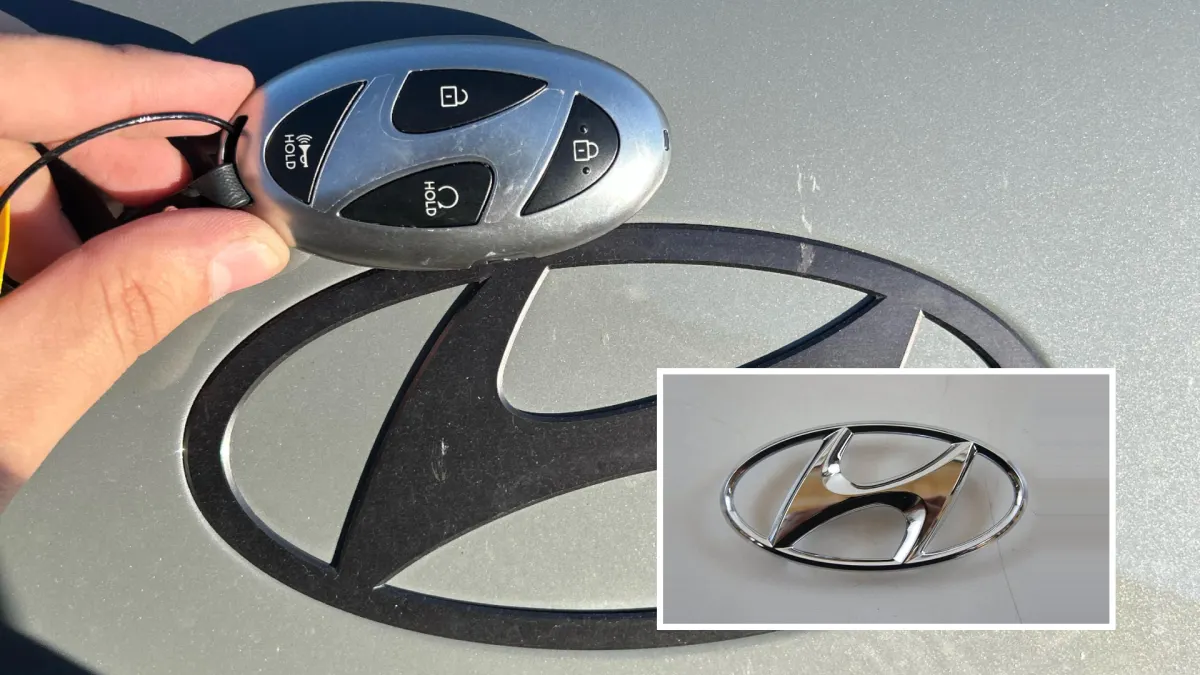
Because of this demand, aftermarket suppliers continue to produce chrome replacement badges for many newer Hyundai models.
More Than Just a Logo
The badge itself hasn't changed dramatically—the iconic slanted "H" remains the same.What has changed is the message it communicates.The old chrome emblem symbolized traditional automotive luxury.
The new matte emblem represents:
- Modern design
- Digital simplicity
- Electric mobility
- Technological innovation
- Minimalist aesthetics
It reflects Hyundai's transformation from a value-focused automaker into a global technology-driven mobility brand.