
What Is an Offshore Oil Platform?
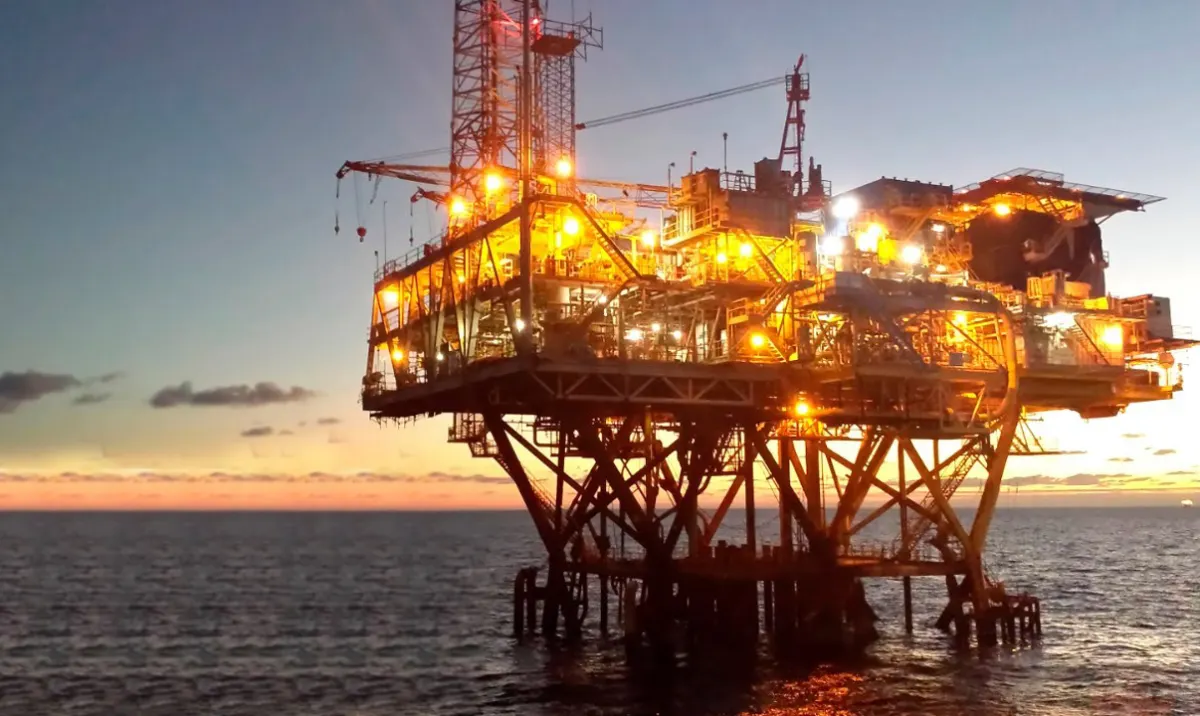
An offshore oil platform is a large structure installed in oceans, seas, or other bodies of water to drill for, extract, process, and transport oil and natural gas from underground reservoirs beneath the seabed.
These platforms serve as operational hubs for offshore energy production. Depending on water depth and environmental conditions, platforms can be fixed to the ocean floor or designed to float while maintaining precise positioning.
Read More


Key Functions of Offshore Platforms
- Drilling oil and gas wells
- Extracting hydrocarbons from underground reservoirs
- Processing crude oil and natural gas
- Temporary storage of production output
- Transporting resources to pipelines or tankers
Types of Offshore Oil Platforms
Different offshore environments require different platform designs. The industry commonly uses several major platform categories.
1. Fixed Platforms
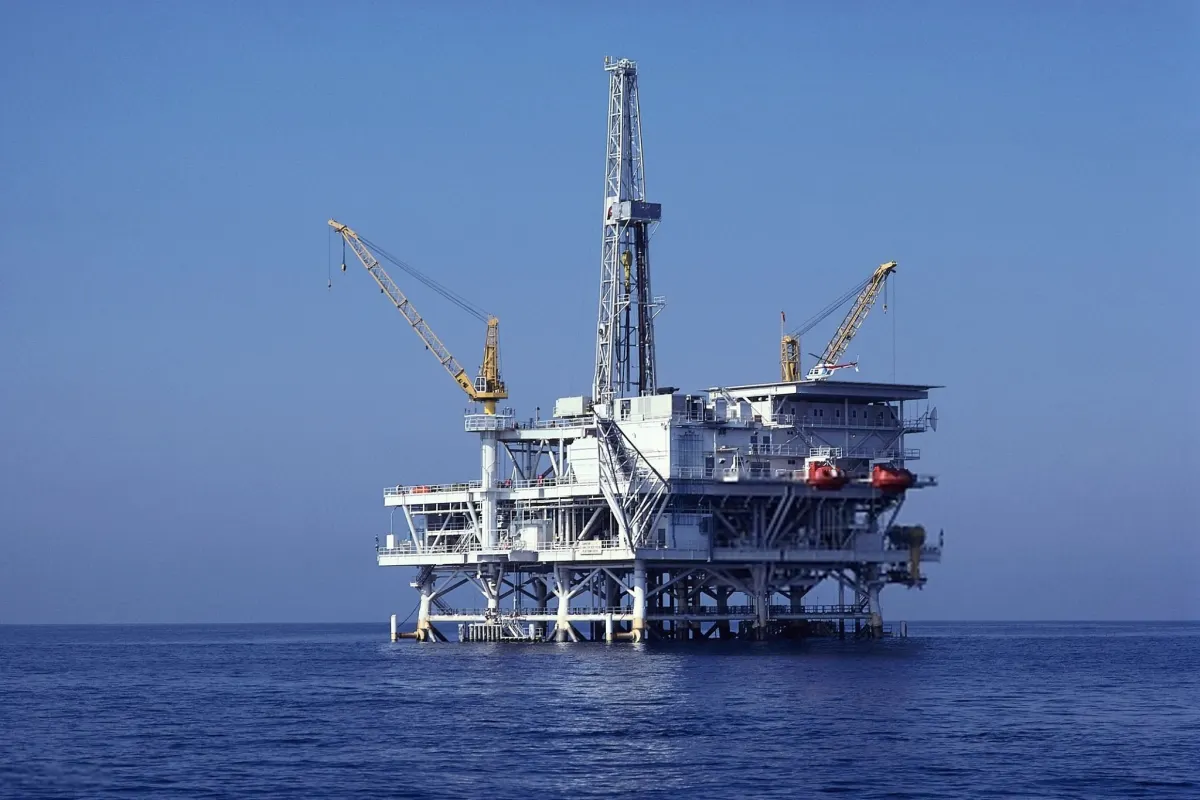
Fixed platforms are permanently attached to the seabed using steel or concrete support structures.
Advantages
- Exceptional stability
- Long operational lifespan
- Ideal for long-term production projects
Limitations
- High construction costs
- Less suitable for ultra-deepwater operations
2. Jack-Up Rigs
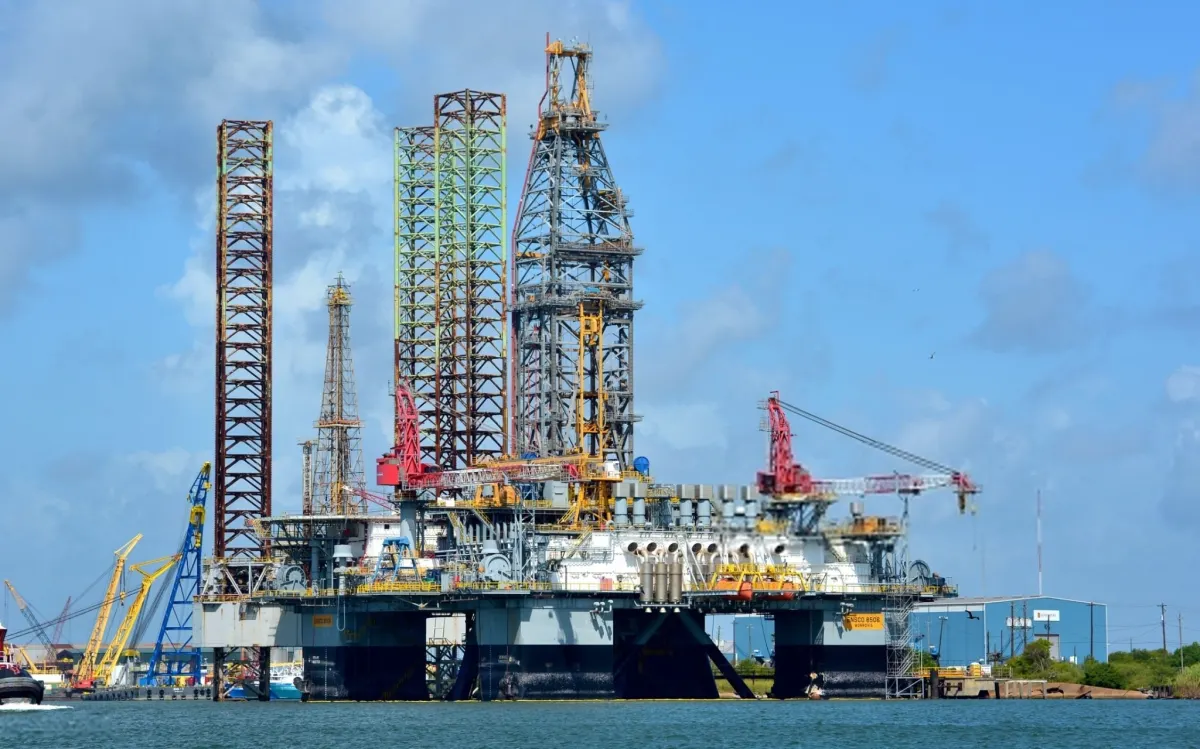
Jack-up rigs are mobile drilling units equipped with extendable legs that can be lowered to the seabed.
Common Applications
- Shallow-water drilling
- Exploration and short-term projects
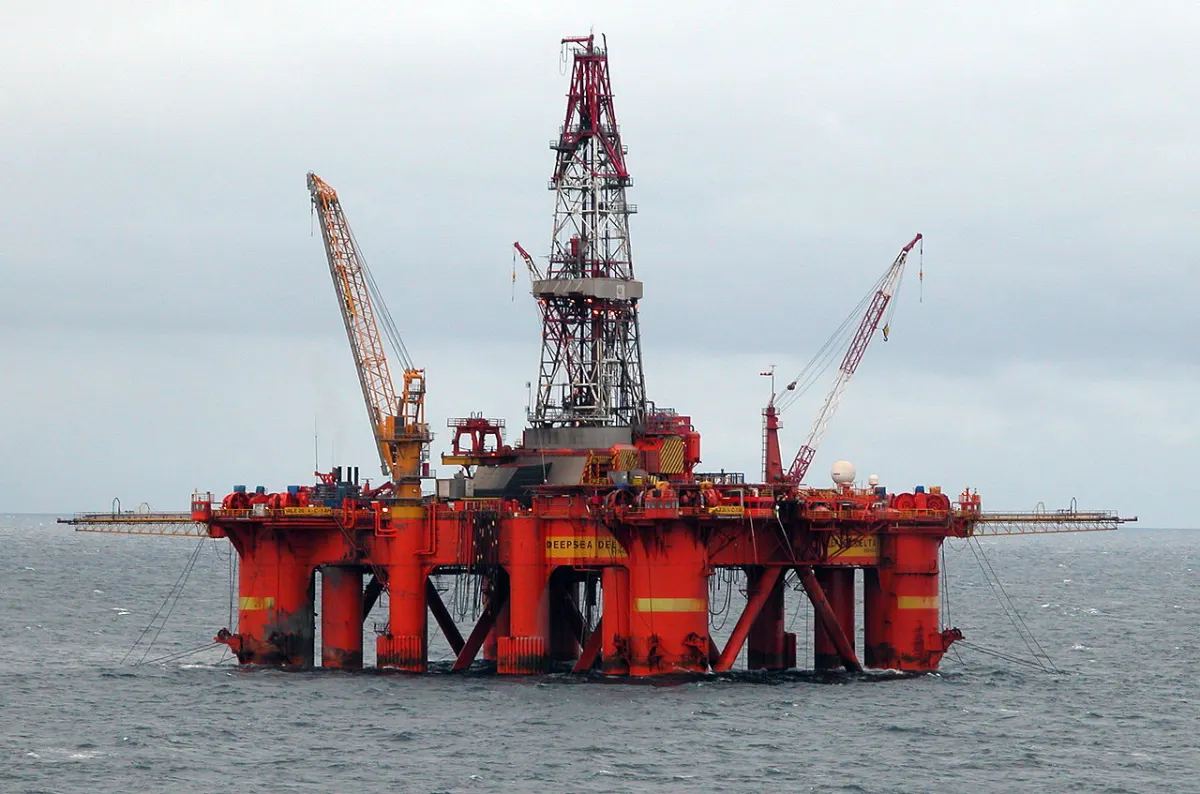
3. Semi-Submersible Platforms
Semi-submersible platforms float while remaining partially submerged, providing excellent stability in rough seas.
Advantages
- Effective in deepwater environments
- Strong resistance to waves and severe weather
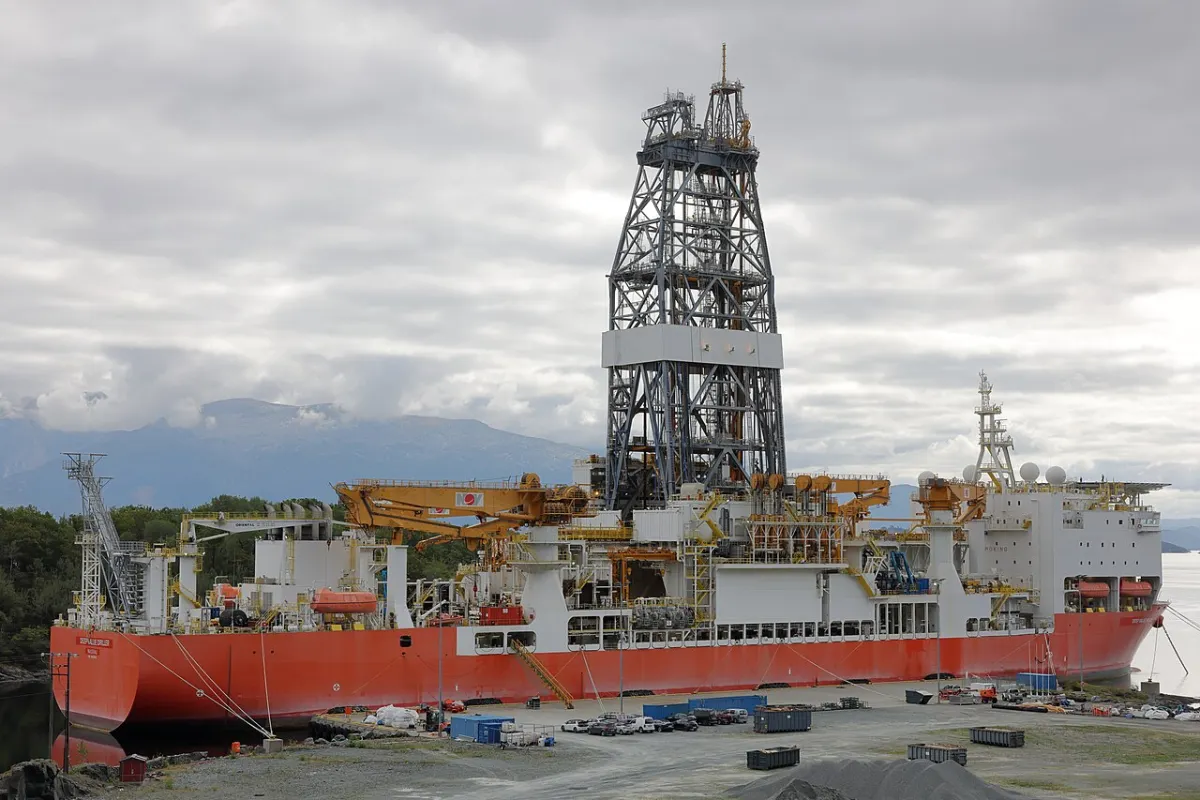
4. Drillships
Drillships are specially equipped vessels capable of conducting drilling operations in some of the deepest waters on Earth.
Common Applications
- Deepwater exploration
- Ultra-deepwater drilling campaigns
5. FPSO Vessels
FPSO stands for Floating Production, Storage, and Offloading.
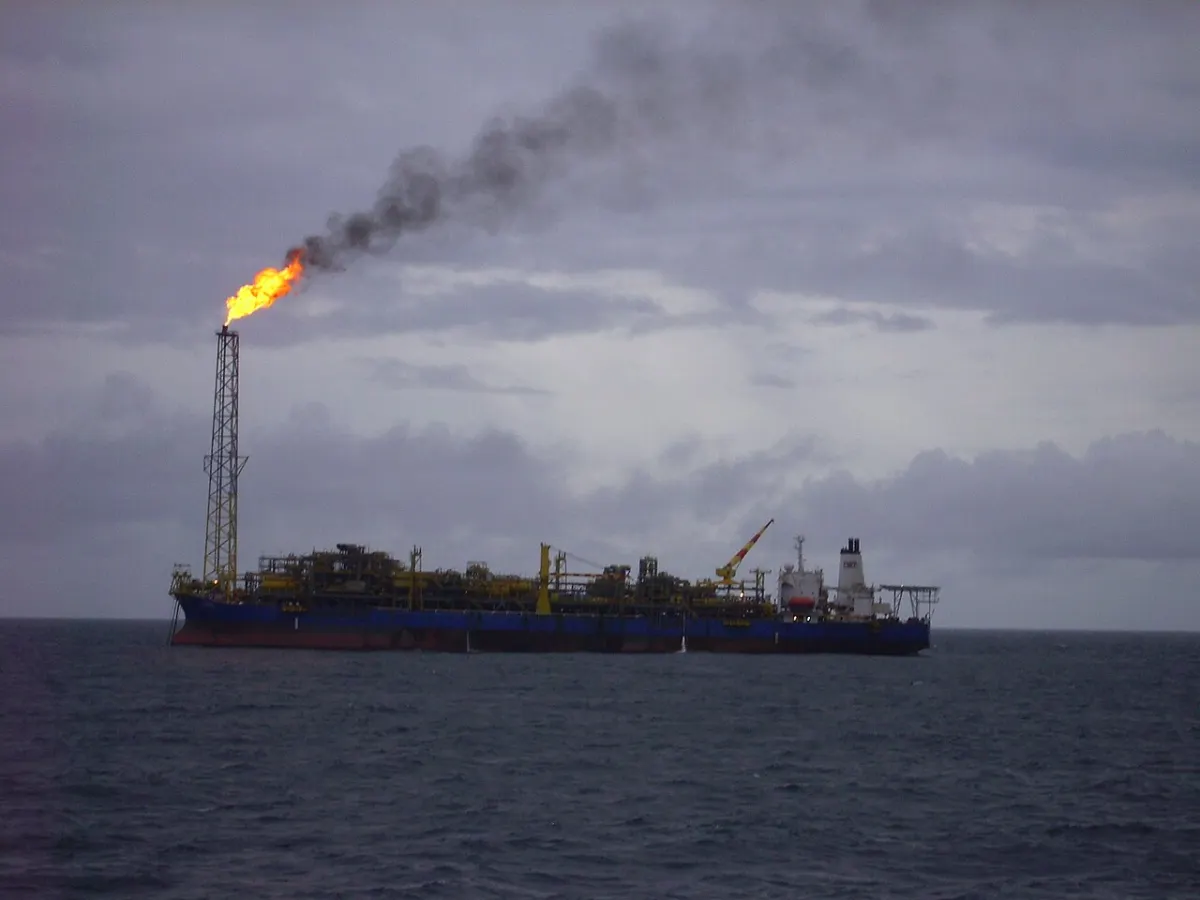
These vessels receive hydrocarbons from subsea wells, process them onboard, store the output, and transfer it to tankers.
Advantages
- Highly flexible deployment
- Ideal for remote offshore fields
- Lower infrastructure requirements compared to fixed platforms
Why Offshore Platforms Matter
A significant share of the world's oil and natural gas production comes from offshore fields. As many onshore reserves mature, energy companies are increasingly turning to deepwater and ultra-deepwater projects.
Economic Benefits
- Increased energy production
- Job creation in engineering and manufacturing
- Technological innovation
- Greater energy security for producing nations
Offshore developments often represent multi-billion-dollar investments that can generate revenue for decades.
The Global Leaders in Offshore Platform Technology
Building and operating offshore platforms requires advanced engineering expertise, extensive capital investment, and sophisticated industrial infrastructure. As a result, only a few countries have emerged as true leaders in the sector.
1. United States: The Offshore Energy Powerhouse
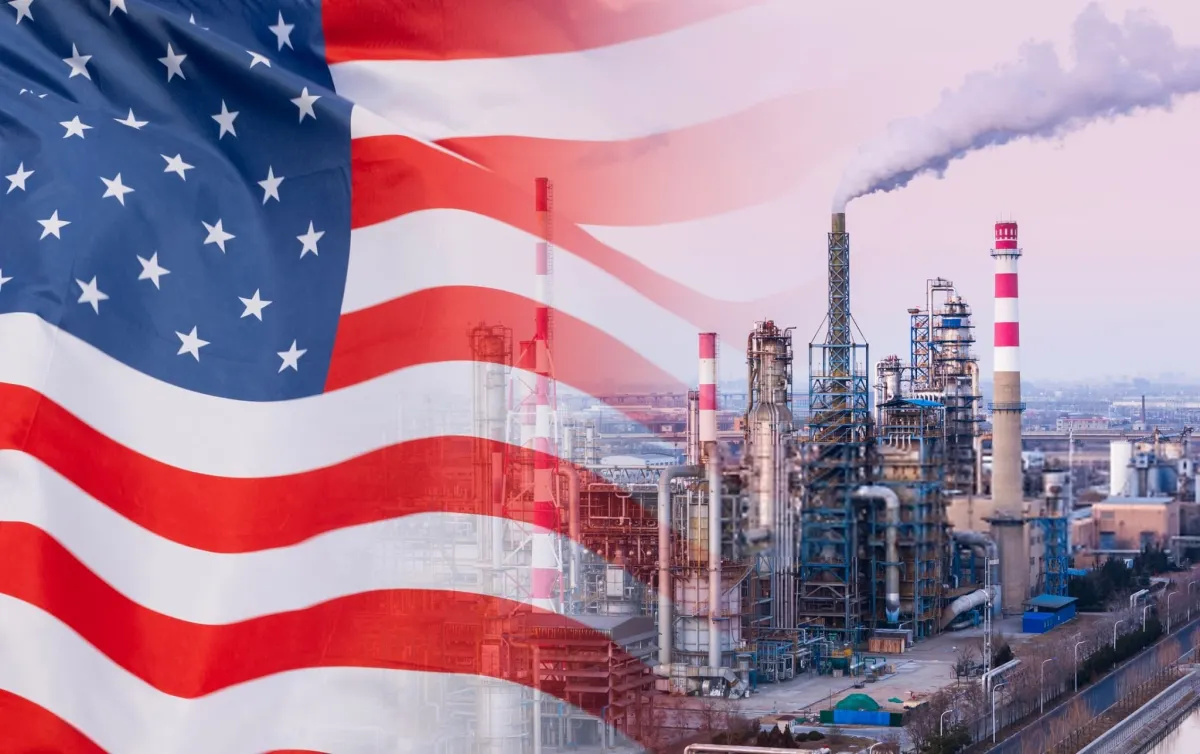
The United States remains one of the world's largest offshore oil and gas producers.
The Gulf of Mexico serves as a major production hub, featuring some of the most technologically advanced offshore projects in operation today.
Strengths
- World-class deepwater drilling technology
- Large offshore production capacity
- Advanced engineering and service companies
- Strong innovation ecosystem
Major energy companies such as ExxonMobil and Chevron continue to invest heavily in offshore developments.
2. Norway: The North Sea Technology Leader
Norway has built a global reputation for offshore engineering excellence.
Operating in the harsh conditions of the North Sea has pushed Norwegian companies to develop cutting-edge technologies focused on efficiency, automation, and safety.
Strengths
- Advanced offshore engineering
- Industry-leading safety standards
- Smart and automated platform technologies
- Extensive North Sea expertise
Energy giant Equinor remains one of the most influential offshore operators worldwide.
3. Brazil: Master of Ultra-Deepwater Production
Brazil has transformed itself into one of the world's most important offshore oil producers.
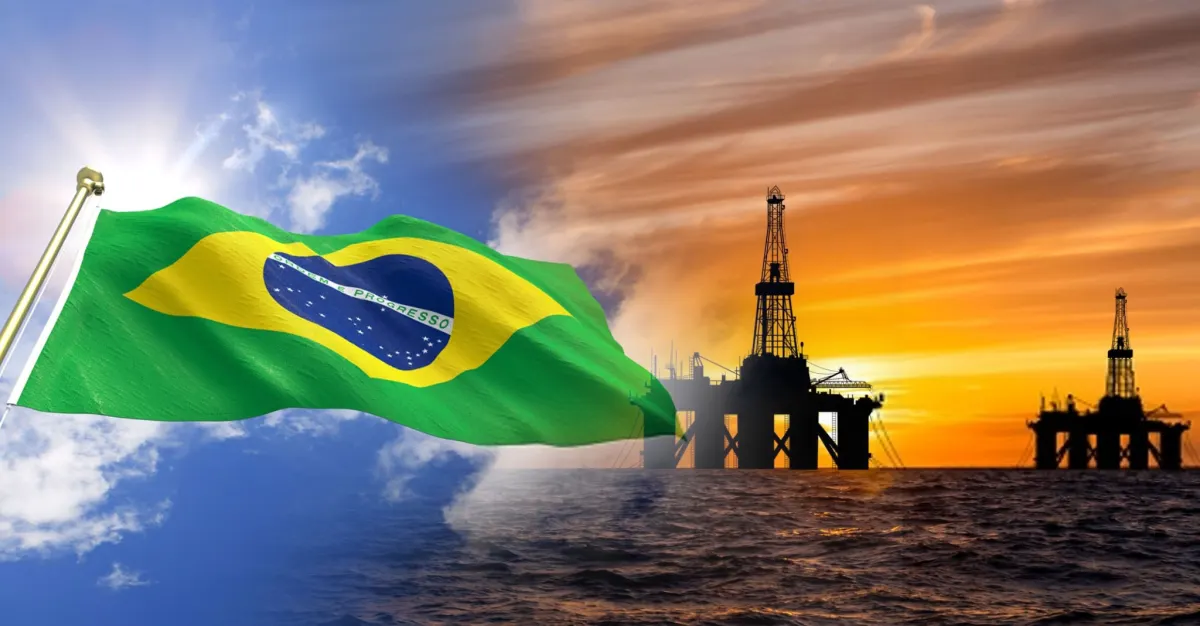
The country's massive pre-salt reserves lie beneath thick layers of rock and salt in deep ocean waters, requiring highly specialized technology.
Strengths
- Ultra-deepwater drilling expertise
- Extensive FPSO deployment
- Large offshore reserves
- Advanced subsea production systems
Brazil's Petrobras is widely regarded as a global leader in deepwater operations.
4. China: The Rising Offshore Superpower
China has rapidly expanded its offshore energy capabilities over the past two decades.
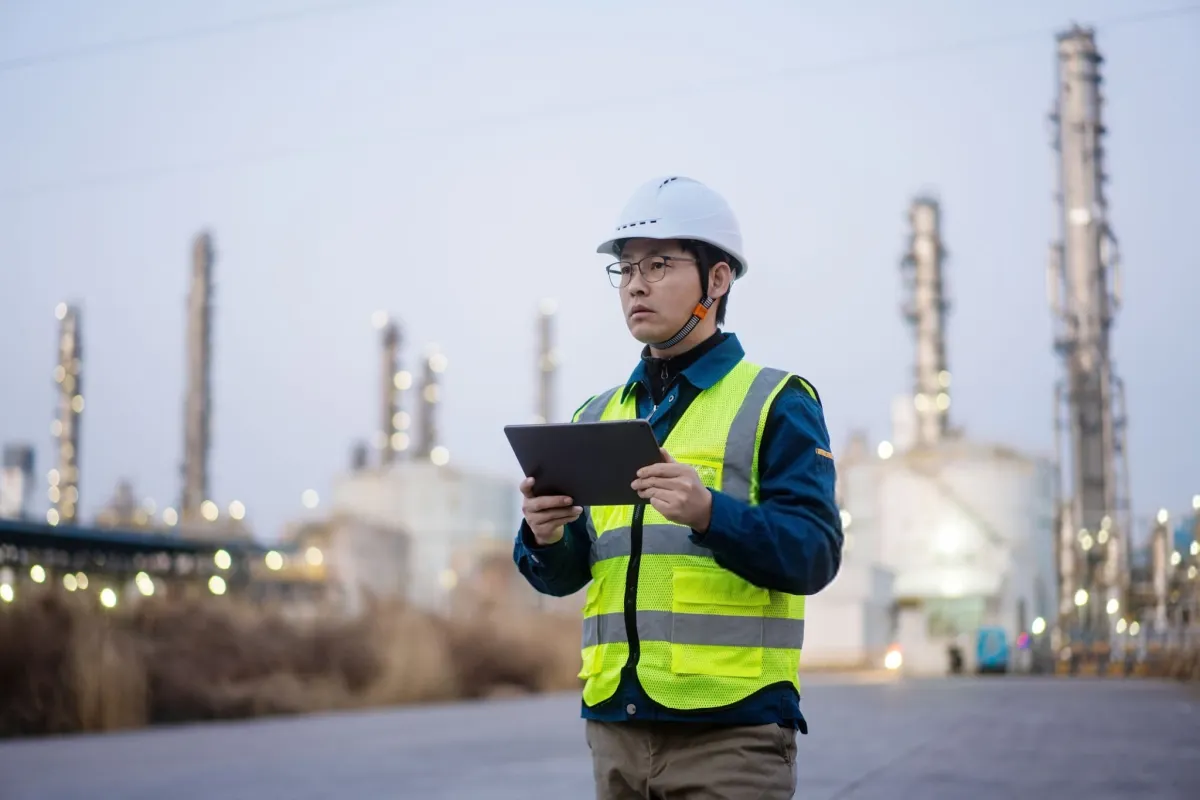
The country is investing heavily in domestic technology, offshore exploration, and large-scale platform construction.
Strengths
- Growing offshore production capacity
- Expanding engineering capabilities
- Large-scale platform manufacturing
- Significant government investment
China's offshore sector is expected to play an increasingly important role in global energy markets.
5. South Korea: The World's Offshore Construction Giant
While South Korea is not a major offshore oil producer, it is one of the most important builders of offshore energy infrastructure.
Many of the world's largest drilling ships, FPSOs, and offshore structures are manufactured in South Korean shipyards.
Strengths
- Advanced shipbuilding industry
- Expertise in offshore engineering
- Large-scale fabrication facilities
- Global export leadership
Companies such as Hanwha Ocean and Samsung Heavy Industries are among the industry's biggest names.
6. Singapore: Asia's Offshore Engineering Hub
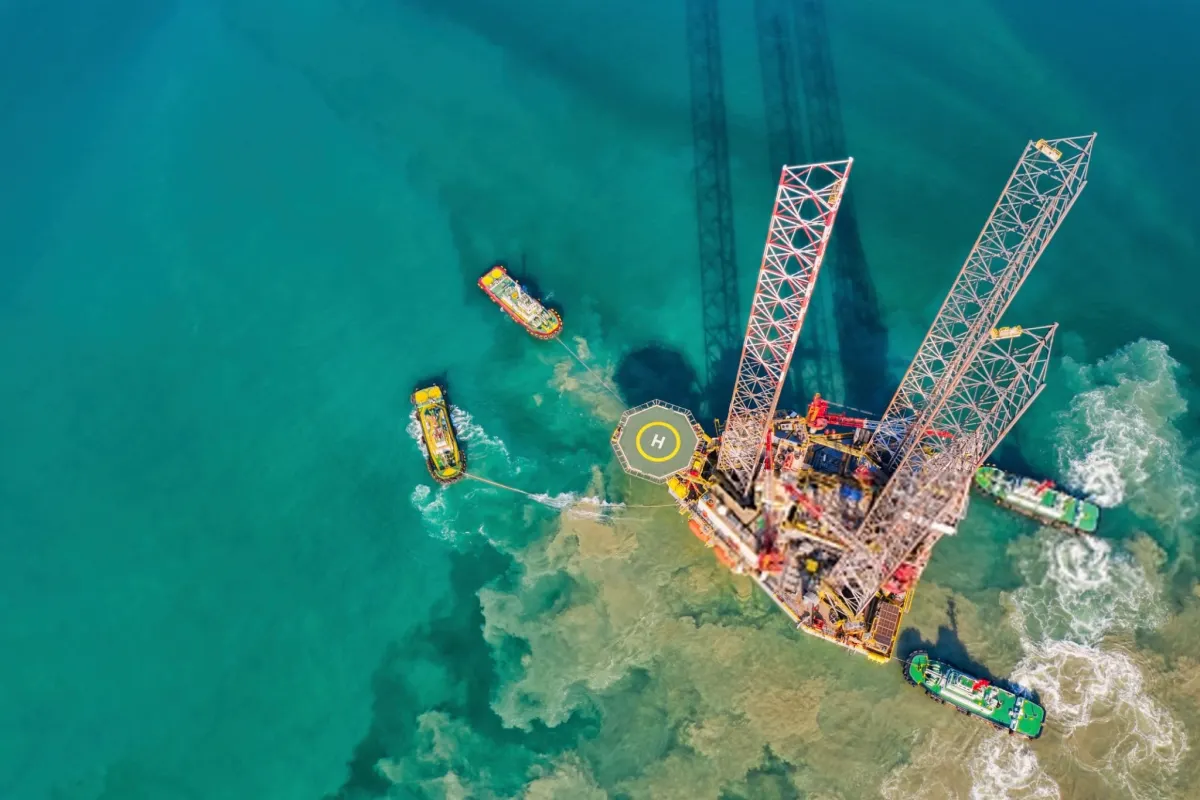
Singapore has become one of the world's leading centers for offshore platform design, construction, and maintenance.
The country plays a vital role in supplying equipment and engineering services to offshore operators around the world.
Strengths
- Jack-up rig manufacturing
- Offshore platform upgrades and repairs
- High-quality engineering services
- Strategic location for global energy trade
Comparing the World's Offshore Technology Leaders
| Country | Offshore Production | Drilling Technology | Platform Construction | Deepwater Expertise |
|---|---|---|---|---|
| United States | Very High | World-Class | Advanced | Excellent |
| Norway | High | World-Class | Advanced | Excellent |
| Brazil | Very High | World-Class | Strong | Excellent |
| China | High | Advanced | Very Strong | Strong |
| South Korea | Limited | Moderate | World-Class | Strong |
| Singapore | Limited | Moderate | World-Class | Moderate |
The Future of Offshore Oil Platforms
The next generation of offshore platforms will be smarter, safer, and more efficient.
Several emerging technologies are already reshaping the industry.
Key Trends
Artificial Intelligence
AI is increasingly used to optimize drilling performance, monitor equipment health, and improve operational efficiency.
Autonomous Operations
Many offshore facilities are moving toward remote monitoring and reduced onboard staffing.
Underwater Robotics
Advanced robotic systems are being deployed for inspections, maintenance, and subsea interventions.
Lower Carbon Emissions
Operators are investing in cleaner technologies to reduce the environmental footprint of offshore production.
Digital Platforms
Real-time data analytics and digital twins are transforming how offshore assets are managed.