
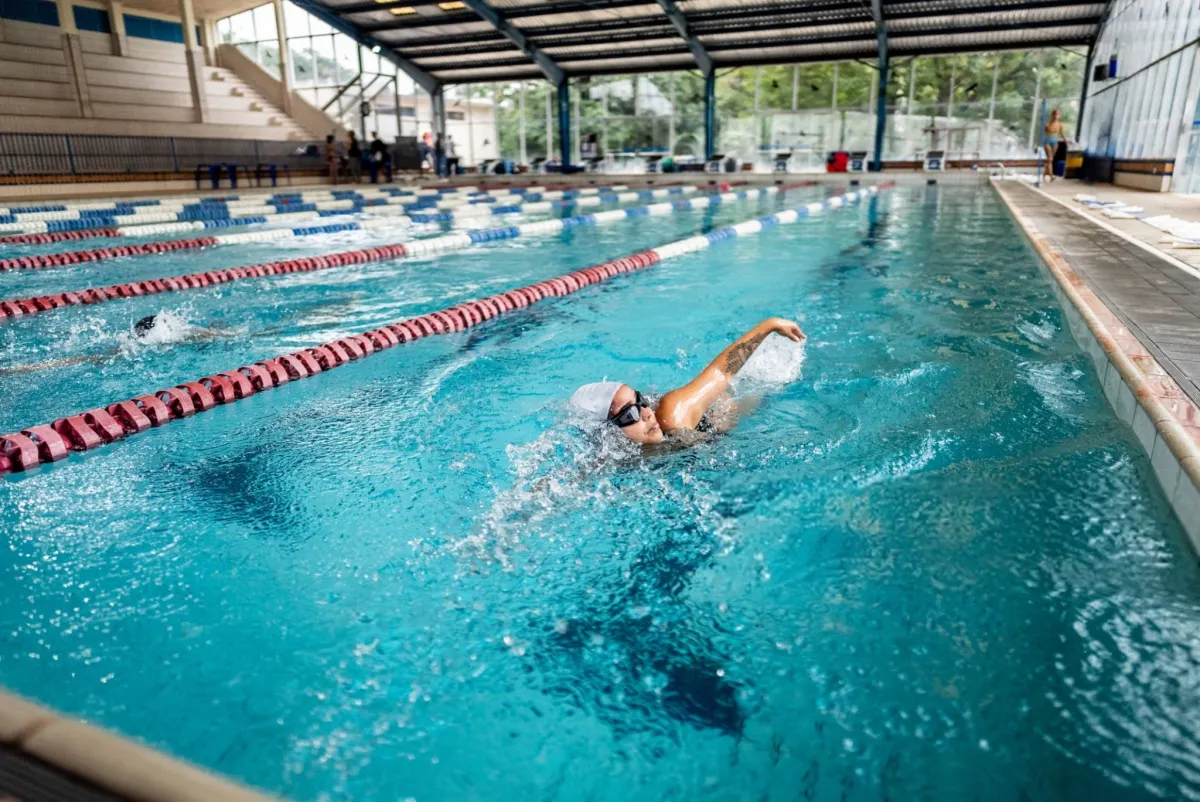
When you dive into a crystal-clear, cool pool, the last thing you probably think about is the chemical and physical war happening beneath that peaceful blue surface! Pool water filtration is the hidden engineering that turns a stagnant, dangerous pond into a backyard paradise.
Let’s take a trip behind the scenes where filters and chemicals are the unsung heroes of our health.
Read More

What Happens if a Pool is Never Cleaned?
Imagine if pool water just sat there without filtration. Within days, body sweat, oils, sunscreens, and dust turn the pool into a «microbial soup»:
- Algae Explosion: The water turns cloudy, then swampy green. The walls get slimy, and a foul smell takes over.
- A 5-Star Hotel for Germs: Dangerous bacteria like E. coli thrive, causing severe ear, eye, skin, and stomach infections.
- The «Pool Smell» Myth: That strong chemical smell that burns your eyes isn't from too much chlorine. It’s actually called chloramines—a byproduct created when chlorine mixes with sweat and dirt. It is a clear sign the water is dirty and lacks proper filtration.
How It Works: Giving Life to Pool Water
Pool water cleaning is a continuous loop (circulation) that relies on two main pillars: Physical Filtration and Chemical Treatment.
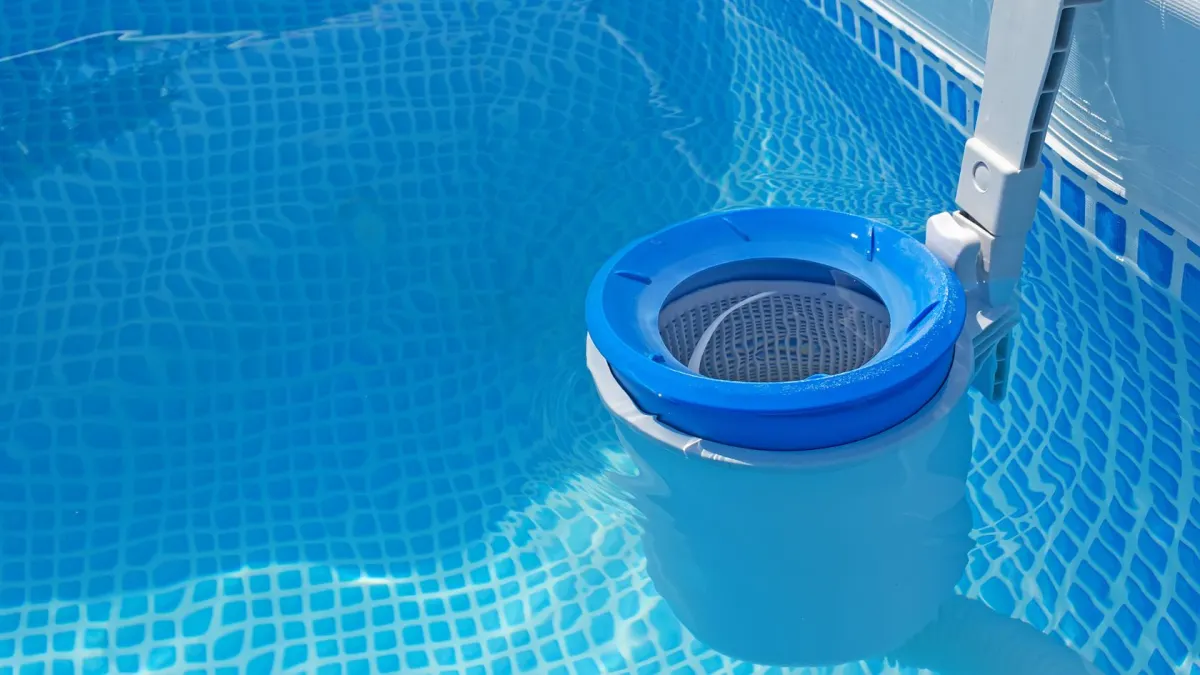
1. Physical Filtration (The Heart of the System)
A pump sucks the water from the bottom drains and wall skimmers, passing it through:
- The Strainer Basket: Catches large debris like hair, leaves, and bugs to protect the pump.
- The Filter (Sand or Cartridge): The water is pushed through fine silica sand or a fabric cartridge. This traps tiny dirt particles and dead skin, letting only crystal-clear water pass through.
2. Chemical Treatment (The Shield Against Germs)
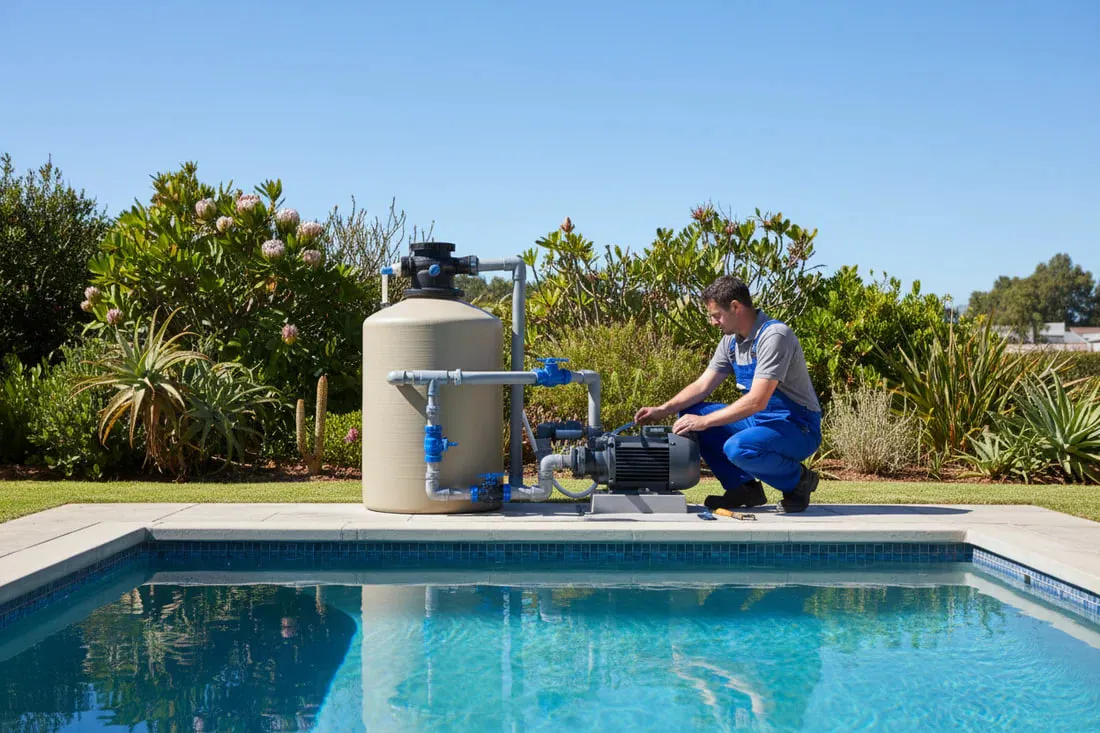
Filters trap dirt, but they can't kill germs. That’s where chemistry steps in:
- Chlorine / Salt Systems: Chlorine is added to oxidize and destroy bacteria. Modern salt pools use electrolysis to turn regular salt into clean, odorless chlorine.
- UV and Ozone Tech: Advanced pools pass water under UV light or mix it with ozone gas to instantly destroy the toughest viruses.
Quick & Practical Tips for Pool Lovers
Whether you own a pool or just love swimming, keep these golden rules in mind:
| Water Chemical | Ideal Level | Why It Matters |
| pH Level | 7.2 to 7.6 | If it's too high or low, chlorine stops working and your skin will itch. |
| Free Chlorine | 1 to 3 ppm | Necessary to kill bacteria on contact. |
- Don't Forget to Backwash: If you own a pool, reverse the water flow through your sand filter weekly to flush out the trapped dirt.
- Shock the Pool: Once a week (especially after a busy pool party), add a heavy dose of chlorine at night to break down organic waste and make the water sparkle again.