


I Slept With My Window Open Every Night, Until I Learned What It Was Really Doing
For years, I had the same bedtime routine.
Before going to sleep, I would tilt my bedroom window open and leave it that way all night. Like many people, I believed it was the best way to keep the room fresh, cool, and comfortable while I slept.
It seemed harmless.In fact, it felt healthy.
Read More


But after learning what actually happens when a window stays tilted open overnight, I stopped doing it completely.
As it turns out, this common habit may affect your sleep quality, encourage mold growth, and even increase your heating costs during colder months.
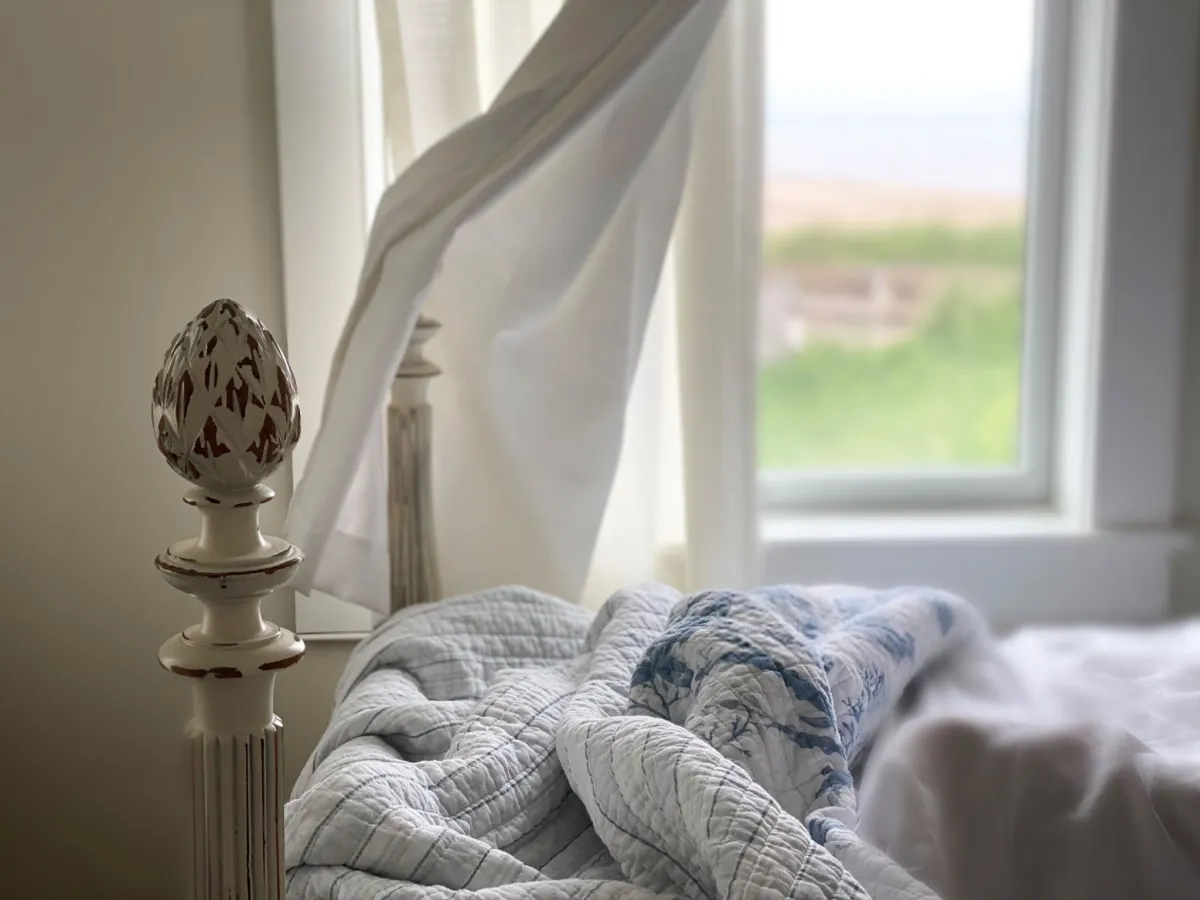
Why So Many People Sleep With a Tilted Window
The idea makes sense at first.
Fresh air is generally associated with better sleep, and nobody wants to spend the night in a stuffy bedroom. Opening the window slightly feels like the perfect compromise — cooler air comes in, but the room doesn't become freezing cold.
Unfortunately, a tilted window doesn't always work the way people think it does.
The Hidden Impact on Your Sleep
One of the first problems is noise.
Even if you live in a relatively quiet neighborhood, a partially open window allows more outdoor sounds to enter your bedroom throughout the night. Passing cars, distant conversations, early-morning traffic, barking dogs, or even wind noise can interrupt sleep cycles without you fully realizing it.
Many people wake up feeling tired without understanding why.
The constant airflow can also create a draft around your bed. Depending on where the air hits your body, it may contribute to muscle stiffness, neck discomfort, or dry airways by morning.
While these issues may seem minor, they can add up night after night.

The Bigger Problem: Moisture and Mold
The most serious issue is something many homeowners never notice until it's too late.
When a window remains tilted open for hours, the surrounding walls and window reveals gradually become colder. However, despite the long opening time, very little effective air exchange actually takes place.
Meanwhile, moisture generated indoors from breathing, showering, cooking, and everyday living remains trapped inside the room.
Warm, humid air naturally seeks out colder surfaces.
As moisture settles around the cooled window area, condensation can begin to form. Over time, these damp spots create ideal conditions for mold growth.
And once mold appears, it can spread surprisingly quickly.
Besides damaging walls and window frames, mold can also affect indoor air quality and become a long-term health concern if left untreated.
The Surprising Heating Cost Nobody Talks About
Most people assume they're saving energy by turning off the heating while leaving the window open.
In reality, the situation can be more complicated.
Many modern heating systems are designed to prevent buildings from becoming excessively cold. When temperatures drop below a certain level, the system may activate automatically to protect pipes, walls, and other structural components.
Because radiators and thermostats are often located near windows, incoming cold air can cause the thermostat to detect lower temperatures than the rest of the room.
The result?
The heating system may continue running more often than necessary, effectively wasting energy while cold air continues entering from outside.
In other words, you may be paying to heat air that immediately escapes through the window.
What You Should Do Instead
Fortunately, there's a much better solution.
Instead of leaving the window tilted all night, fully open it for five to fifteen minutes shortly before bedtime.
This creates a rapid and effective air exchange, replacing stale indoor air with fresh outdoor air in a fraction of the time.
The room cools down quickly, humidity levels improve, and you avoid the prolonged cold surfaces that can encourage mold growth.
Many ventilation experts consider this approach far more effective than leaving a window partially open for hours.
Is It Ever Okay to Sleep With a Window Open?
In some situations, sleeping with an open window may not cause major problems, particularly in dry climates with good airflow and low humidity levels.
However, when the goal is healthy ventilation, mold prevention, and energy efficiency, a short period of full ventilation before bed is generally a smarter option than leaving a window tilted overnight.
Is sleeping with a tilted window open unhealthy?
It can be. Drafts, outdoor noise, and increased mold risk may negatively affect comfort and indoor air quality over time.
Can a tilted window cause mold?
Yes. The cooler surfaces around the window can attract condensation, creating conditions that encourage mold growth.
Does leaving a window tilted open increase heating costs?
In colder weather, it can. Heating systems may work harder to compensate for incoming cold air, increasing overall energy use.
What's the best way to ventilate a bedroom before sleeping?
Open the window fully for five to fifteen minutes before bed to create a fast and effective air exchange.
 Alex Mandela 13 June 2026