

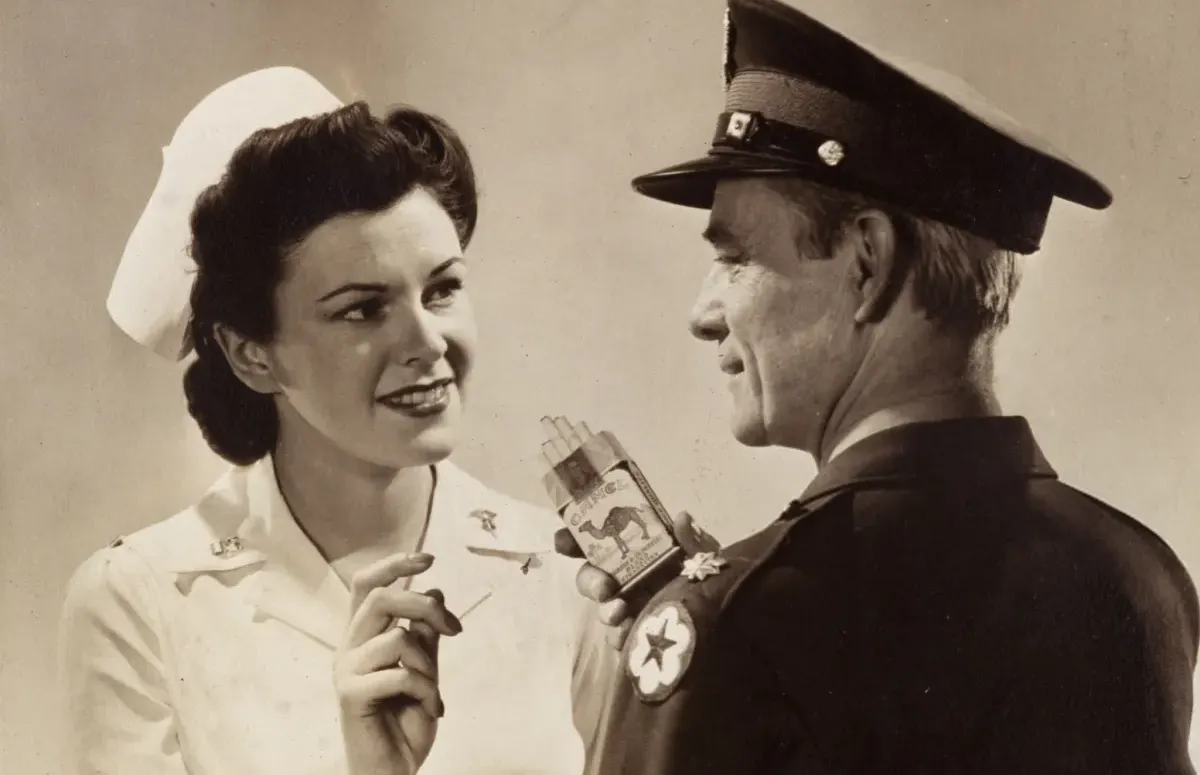
At first glance, the photograph seems impossible to believe.
A smiling doctor in a white coat stands beside a cigarette advertisement, reassuring readers that a particular brand is the preferred choice among medical professionals. Today, such an image feels absurd. Yet during the 1940s, advertisements featuring doctors were surprisingly common, and millions of people accepted them as trustworthy.
How did cigarettes become associated with health and medical expertise? The answer reveals one of the most fascinating chapters in advertising history.
Read More


When Smoking Was Considered Normal
In the early and mid-20th century, smoking was deeply woven into everyday life. Cigarettes appeared in movies, magazines, offices, restaurants, and even hospitals. Many adults smoked regularly, including politicians, celebrities, military officers, and physicians.
At the time, the long-term health effects of smoking were not widely understood by the general public. While some researchers had begun raising concerns about tobacco use, the scientific evidence linking cigarettes to serious diseases had not yet reached the level of public awareness seen today.
As a result, smoking was often viewed as a normal social habit rather than a health risk.
The Advertising Strategy That Changed Everything
Tobacco companies understood one simple truth: people trust doctors.
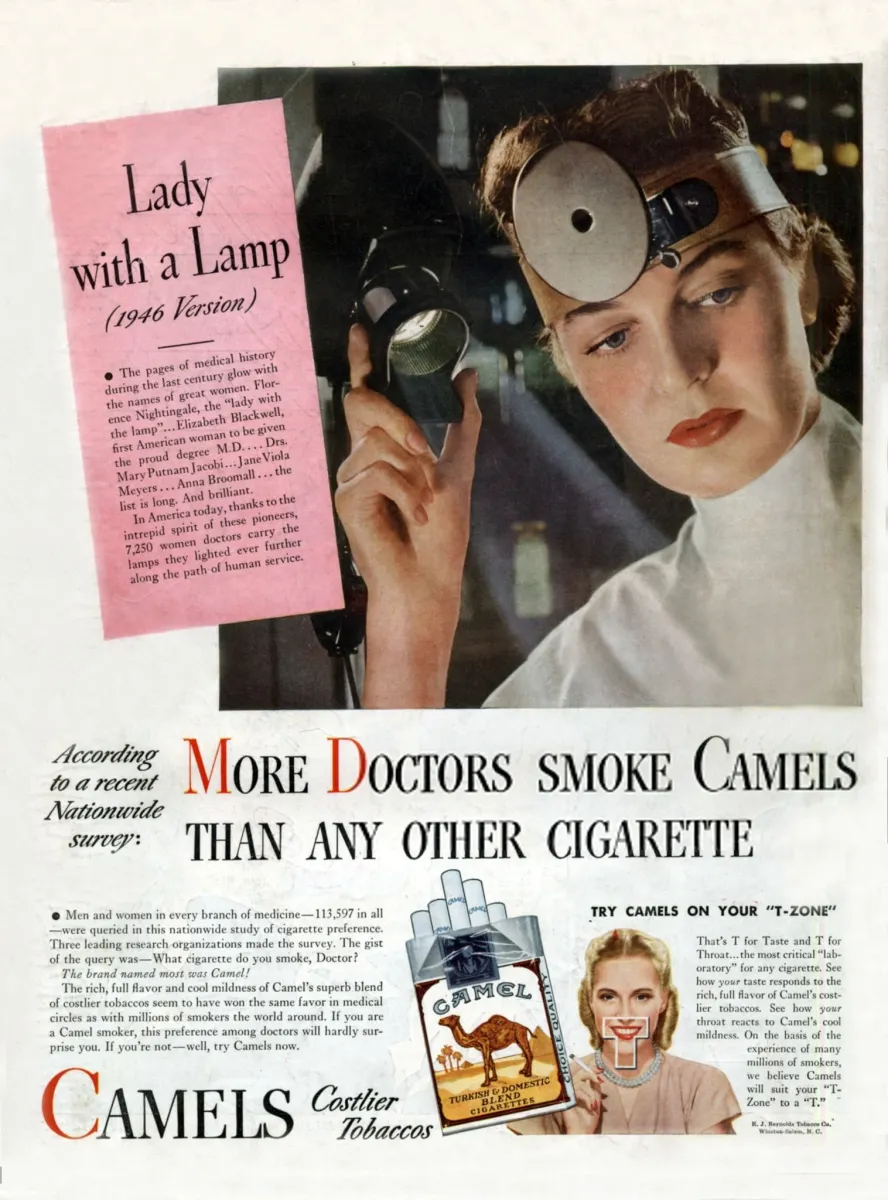
To make cigarettes appear safe and respectable, advertisers began placing doctors at the center of their campaigns. Magazine advertisements featured physicians in white coats holding cigarettes, reviewing charts, or speaking directly to readers.
Some campaigns even claimed that doctors preferred specific cigarette brands more than any others.
The message was powerful. If medical professionals smoked these cigarettes, many consumers assumed there could be little danger in doing the same.
For tobacco companies, the strategy worked brilliantly.
Why People Believed the Ads
Modern audiences often wonder how such advertisements could have been taken seriously.
The answer lies in the enormous public trust placed in doctors during the 1940s. Physicians were among the most respected figures in society, and their opinions carried significant influence.
Most consumers had limited access to scientific research and relied heavily on newspapers, magazines, radio programs, and advertisements for information. When a trusted doctor appeared in an ad, many people interpreted it as an endorsement rather than a marketing tactic.
In reality, these advertisements were designed to borrow credibility from the medical profession.
The Famous “More Doctors Smoke Camels” Campaign
One of the best-known examples was Camel's advertising campaign that claimed more doctors smoked Camel cigarettes than any other brand.
The advertisements appeared across the United States and featured physicians from various specialties. Images of doctors reading medical journals, consulting patients, or relaxing with cigarettes became familiar sights in magazines.
The campaign helped strengthen the perception that smoking was not only acceptable but potentially safer than people feared.
Today, these advertisements are often cited as examples of how marketing can shape public opinion even when scientific understanding is incomplete.
The Science Begins to Catch Up
By the 1950s, researchers were uncovering stronger evidence linking cigarette smoking to lung cancer and other serious health problems.
As scientific studies accumulated, public health officials became increasingly concerned. The evidence continued to grow throughout the following decade, eventually leading to major government reports warning about the dangers of tobacco use.
The image of cigarettes as a harmless lifestyle product began to collapse.
What had once been marketed as sophisticated, relaxing, and even doctor-approved was increasingly recognized as a major public health threat.
Looking Back at a Different Era
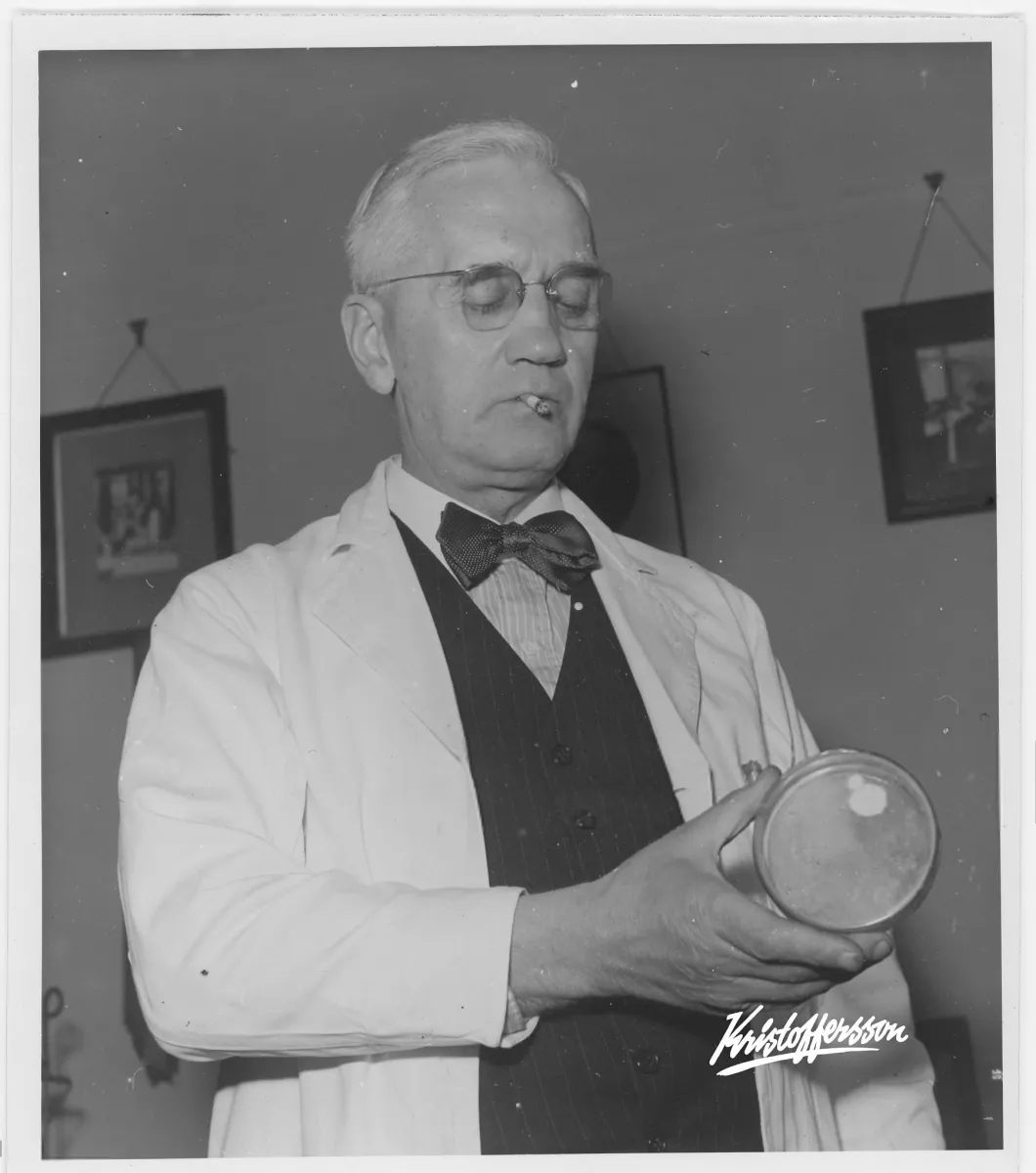
Historic photographs of doctors promoting cigarettes remain shocking because they challenge modern assumptions.
They remind us that public opinion can be shaped by powerful advertising campaigns, trusted authority figures, and incomplete scientific knowledge.
The doctors featured in these advertisements were not necessarily acting with malicious intent. Many lived in a period when the full dangers of smoking had not yet been established or widely communicated.
Nevertheless, the images serve as a powerful lesson about the importance of evidence-based medicine and critical thinking.

A Photograph That Tells a Bigger Story
Today, an old cigarette advertisement featuring a doctor is more than a piece of vintage marketing.
It is a snapshot of a time when smoking was considered normal, scientific understanding was still evolving, and advertisers successfully used trust to sell a product that would later become one of the world's leading causes of preventable death.
That is why these photographs continue to fascinate historians, researchers, and readers alike. They reveal not only how people lived in the past, but also how dramatically our understanding of health can change over time.