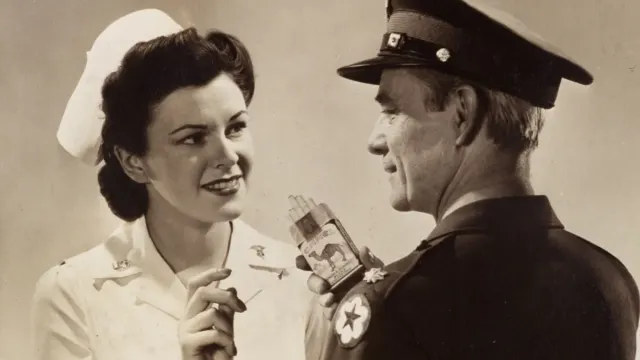

“Some guys smoked. Smoking in space is also possible. But that's very unreasonable. Oxygen is imported, and therefore it must be taken care of it,” the cosmonaut said.
Answering the question of what to do in space, Janibekov said that “everything can be done in space!”
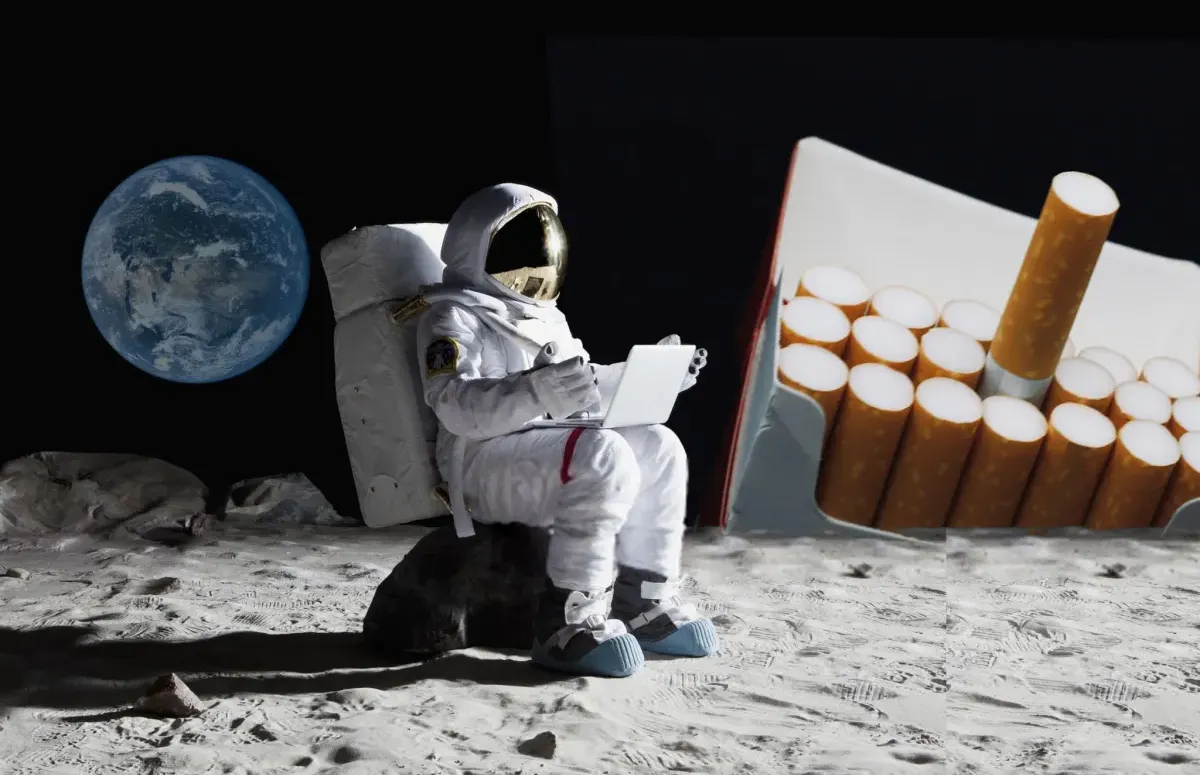
The statement from veteran Soviet cosmonaut Vladimir Janibekov has sparked renewed curiosity about one of the most unusual questions in human spaceflight: Can astronauts smoke cigarettes in space?
Can Astronauts Smoke in Space?
No. Astronauts are not allowed to smoke aboard spacecraft, space stations, or other crewed space vehicles.
Although it is technically possible to ignite a cigarette in a controlled environment, modern space agencies prohibit smoking because it poses serious safety, environmental, and operational risks.
Read More


Why Is Smoking Banned in Space?
Spacecraft are among the most carefully controlled environments ever created. Every element of the atmosphere, including oxygen levels, humidity, and air quality, is constantly monitored.
There are several reasons why smoking is forbidden:
1. Fire Hazard
A burning cigarette creates an unnecessary ignition source inside a sealed spacecraft. In space, even a small fire can spread rapidly and threaten the lives of the entire crew.
2. Limited Oxygen Supply
Unlike Earth, oxygen aboard spacecraft must be generated, recycled, or transported from Earth. Cigarette smoke contaminates the air and places additional stress on life-support systems.
3. Microgravity Problems
In microgravity, smoke and ash do not fall to the floor. Instead, they float throughout the cabin and can enter sensitive equipment, air filters, and ventilation systems.
4. Crew Health
Astronauts operate in a demanding environment where peak physical performance is essential. Smoking negatively affects lung capacity, cardiovascular health, and overall mission readiness.
Has Anyone Ever Smoked in Space?
There is no confirmed case of an astronaut or cosmonaut smoking during an official space mission.
While some early astronauts and Soviet cosmonauts were smokers on Earth, strict mission regulations prevented them from smoking once they entered spacecraft.
What Would Happen If Someone Lit a Cigarette on the International Space Station?
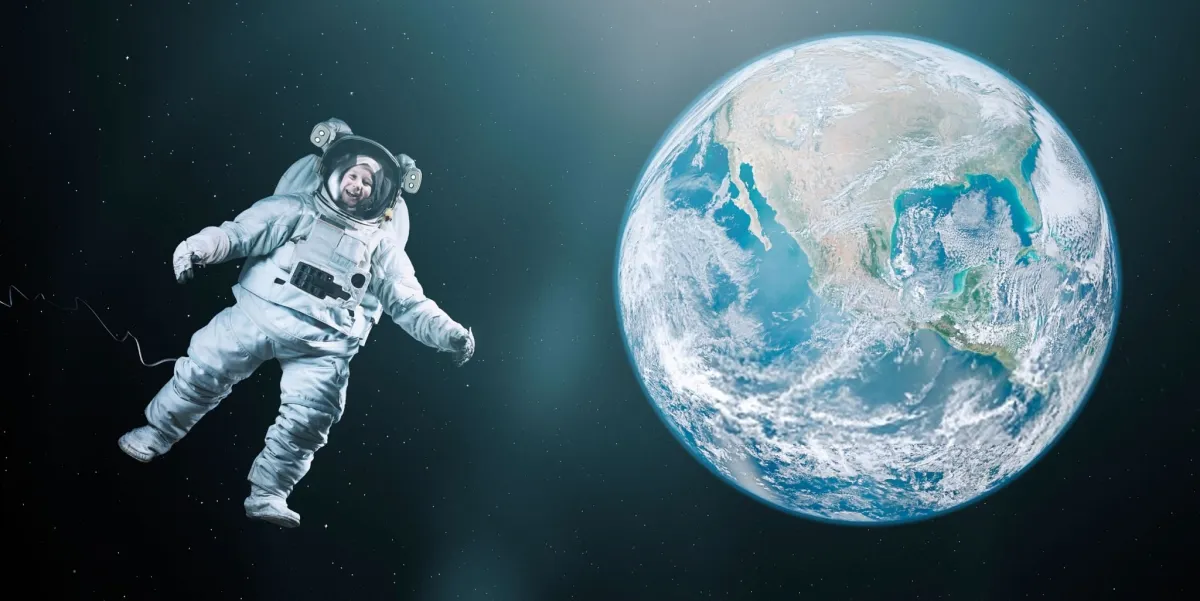
If a cigarette were lit aboard the International Space Station, the smoke would disperse through the station's ventilation system rather than rising upward. Air filters would have to remove thousands of harmful particles from the atmosphere.
More importantly, the act would violate mission safety protocols and could potentially trigger emergency procedures.
The Future of Smoking in Space Tourism
As commercial space tourism grows, companies may eventually face questions about accommodating smokers during long-duration space travel.
However, experts believe dedicated smoking areas would be extremely difficult to implement because of fire risks, air contamination concerns, and the engineering challenges involved in maintaining isolated environments in space.
Can fire exist in space?
Yes. Fire can burn in space if oxygen and fuel are available. However, flames behave differently in microgravity and often form spherical shapes instead of rising upward.
Do astronauts carry cigarettes?
No. Cigarettes are not part of approved astronaut equipment or mission supplies.
Is vaping allowed in space?
No. Electronic cigarettes and vaping devices are also prohibited because they release particles and chemicals into the spacecraft atmosphere.
Can future space hotels allow smoking?
It is theoretically possible, but it would require highly specialized and isolated systems that do not currently exist.
Countries with Human Spaceflight Programs and Astronaut Capabilities
| Country | Space Agency | First Human in Space | Independent Human Launch Capability | Active Astronaut Corps | Major Achievements |
|---|---|---|---|---|---|
| United States | NASA | 1961 | Yes | Yes | Moon landings, Space Shuttle, ISS leadership, Artemis Program |
| Russia | Roscosmos | 1961 | Yes | Yes | First human in space, Mir Space Station, Soyuz spacecraft |
| China | CNSA / CMSA | 2003 | Yes | Yes | Tiangong Space Station, independent crewed missions |
| India | ISRO | Planned (Gaganyaan) | Developing | Astronaut corps established | Moon missions, Mars Orbiter, Gaganyaan program |
| Japan | JAXA | 1990 | No | Yes | ISS modules, advanced robotics, scientific missions |
| Canada | CSA | 1984 | No | Yes | Canadarm robotic systems, ISS contributions |
| European Union Members | ESA | 1978 | No | Yes | Astronaut training, ISS operations, deep-space science |
| United Arab Emirates | Mohammed Bin Rashid Space Centre | 2019 | No | Yes | First Emirati astronauts, ISS missions |
| South Korea | KARI | 2008 | No | Limited | First Korean astronaut, expanding space capabilities |
Comparison of Leading Human Spaceflight Nations
| Metric | USA | Russia | China | India |
|---|---|---|---|---|
| Human Spaceflight Experience | Very High | Very High | High | Emerging |
| Operational Space Station | No (ISS partner) | No (ISS partner) | Yes (Tiangong) | No |
| Moon Program | Artemis | Planned | Active Development | Planned |
| Human Launch Vehicles | Multiple | Soyuz Family | Long March Family | Gaganyaan Vehicle |
| Number of Astronauts/Cosmonauts Trained | 350+ | 130+ | 20+ | Growing |
| Deep Space Ambitions | Moon & Mars | Moon | Moon & Deep Space | Moon |