
Walk onto a construction site, step inside a manufacturing plant, or enter a busy workshop, and you'll notice one piece of equipment worn by professionals across nearly every industry: safety glasses.
At first glance, they may look like ordinary eyewear. In reality, these specialized glasses are engineered to protect one of the body's most vulnerable and valuable assets—your eyes.
What Are Safety Glasses and Why Are They Essential in Modern Workplaces?
From flying debris and dust to chemical splashes and impact hazards, safety glasses serve as a critical line of defense in workplaces where even a small accident can result in serious injury.
Read More


What Are Safety Glasses?
Safety glasses, sometimes referred to as protective eyewear or safety spectacles, are designed specifically to shield the eyes from workplace hazards. Unlike regular prescription or fashion glasses, they are built to withstand impacts and provide a higher level of protection in environments where eye injuries are a risk.
Many modern safety glasses feature a wraparound design that extends coverage beyond the front of the eyes, helping protect against hazards approaching from the sides as well as directly ahead.
Their purpose is simple: reduce the risk of eye injuries while allowing workers to perform their jobs comfortably and efficiently.
Who Uses Safety Glasses?
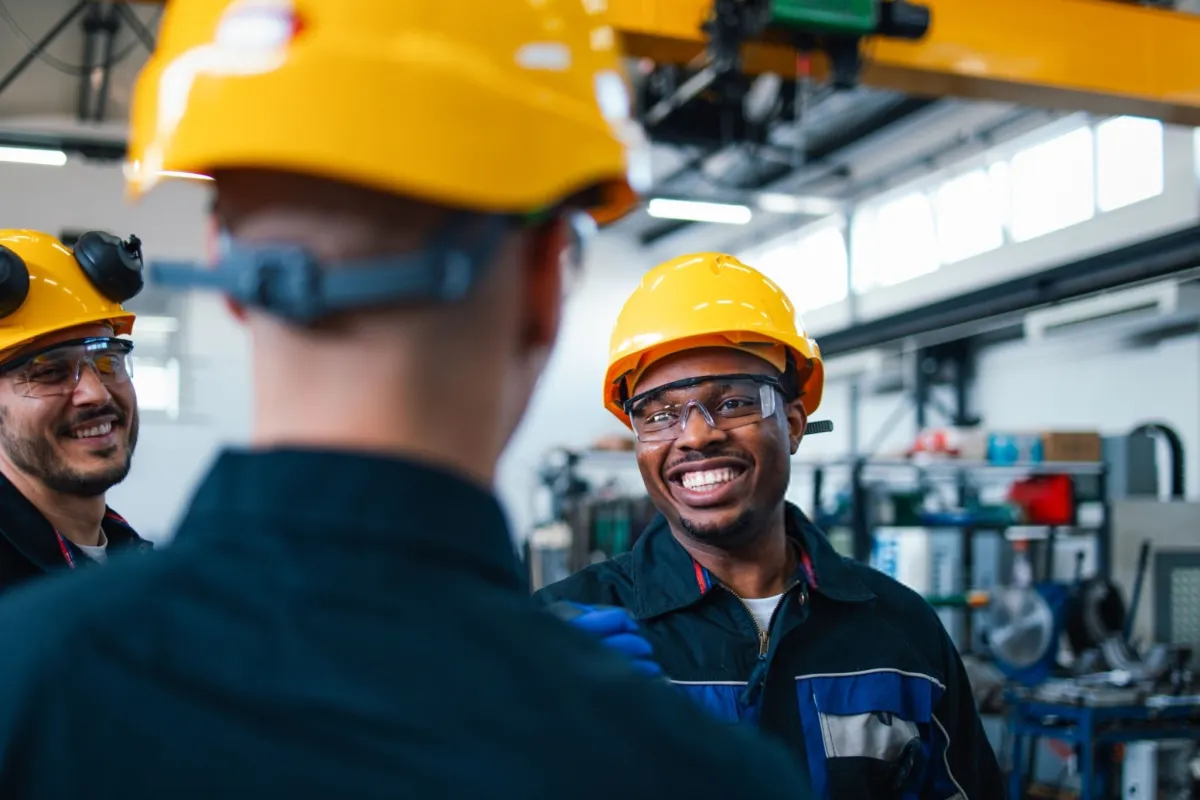
Safety glasses are used by millions of workers around the world across a wide range of industries.
Common users include:
- Construction workers
- Factory and manufacturing employees
- Maintenance technicians
- Mechanics and automotive professionals
- Warehouse personnel
- Electricians
- Metalworkers
- Laboratory technicians
- Engineers and industrial inspectors
Any environment where particles, tools, chemicals, sparks, or machinery could threaten eye safety may require protective eyewear.
In many workplaces, wearing safety glasses is not simply recommended—it is mandatory.
What Are Safety Glasses Made Of?
One reason safety glasses are so effective is the advanced materials used in their construction.
Polycarbonate Lenses
The vast majority of modern safety glasses use polycarbonate lenses, a material known for its exceptional impact resistance.
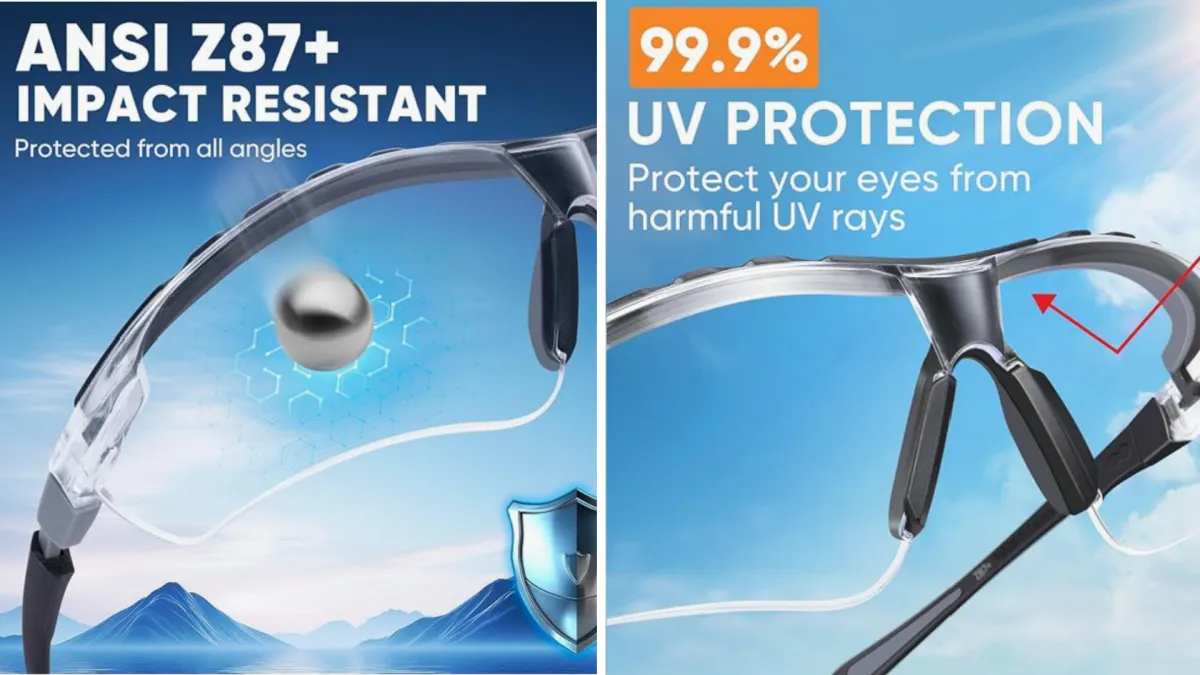
Polycarbonate offers several advantages:
- High durability
- Lightweight construction
- Excellent optical clarity
- Natural UV protection
- Resistance to shattering
Because of these qualities, polycarbonate has become the industry standard for protective eyewear.
Trivex Lenses
Some premium safety glasses use Trivex lenses, which provide similar impact protection while offering excellent visual clarity and lightweight comfort.
Although generally more expensive than polycarbonate, Trivex is often preferred by users who wear safety glasses for extended periods.
Durable Frames
The frames themselves are typically manufactured from:
- Polycarbonate
- High-strength plastics
- Flexible thermoplastic materials
- Rubberized components for improved comfort
Many models also include adjustable nose pads, non-slip temples, and ergonomic designs that improve fit during long work shifts.
Why Do Safety Glasses Have a Wraparound Design?
One of the most recognizable features of modern safety glasses is their curved, wraparound shape.
This design serves an important purpose.
Traditional glasses primarily protect the front of the eyes. Wraparound safety glasses extend coverage around the sides of the face, helping prevent:
- Flying debris
- Dust particles
- Wood chips
- Metal fragments
- Construction materials
The additional side protection significantly reduces exposure to hazards that may not come directly from the front.
Understanding ANSI Z87.1
When shopping for safety glasses, one marking matters more than almost any other: ANSI Z87.1.
This standard indicates that the eyewear has been tested to meet specific safety requirements for workplace eye protection.
Safety glasses that comply with ANSI Z87.1 are evaluated for factors such as:
- Impact resistance
- Lens retention
- Optical quality
- Durability
For professionals working in industrial environments, choosing certified eyewear is one of the simplest ways to ensure reliable protection.
Safety Glasses vs. Regular Glasses
Many people assume that ordinary glasses can provide adequate protection in hazardous environments.
That assumption can be dangerous.
Regular eyewear is designed primarily for vision correction or everyday use. Safety glasses are engineered specifically to withstand impacts and workplace hazards.
Key differences include:
| Feature | Safety Glasses | Regular Glasses |
|---|---|---|
| Impact Resistance | High | Limited |
| Side Protection | Usually Included | Rare |
| Workplace Certification | ANSI Rated | Typically No |
| Industrial Use | Yes | No |
| Protective Coatings | Common | Varies |
Simply put, not every pair of glasses is designed to protect your eyes when it matters most.