
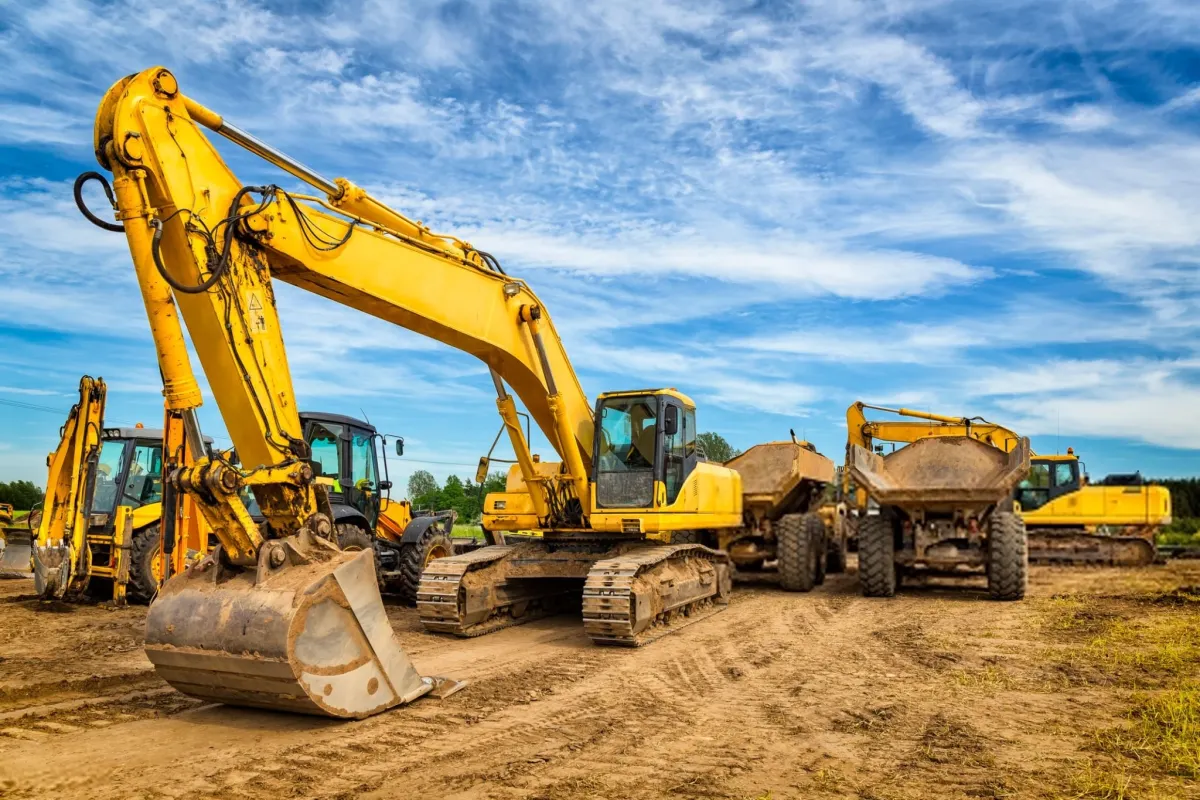
A modern excavator can cost as much as a luxury home. Some large construction machines are worth more than $500,000, yet few people ever think about what happens after one is purchased. Before the machine begins digging foundations or moving earth on a construction site, it may travel thousands of miles across oceans, ports, highways, and international borders.
The journey is far more complicated than simply loading equipment onto a ship.In many cases, a single excavator will pass through three countries before reaching its final destination.
Read More
The Purchase Begins Hundreds or Even Thousands of Miles Away
Many construction companies buy heavy equipment from international auctions and specialized marketplaces. Some of the most popular sources include Ritchie Bros., IronPlanet, MachineryTrader, and Plant & Equipment.
A contractor in the Middle East, for example, may purchase a used excavator from a dealer in Texas, Germany, or the Netherlands. The machine could be inspected, documented, and prepared for export before it ever leaves the seller’s yard.
For buyers, the attraction is simple: access to a wider inventory, competitive pricing, and equipment that may not be available locally.
First Stop: Transport to the Export Port
Once the sale is completed, the excavator begins the first stage of its journey.
Specialized low-bed trailers are used to transport the machine from the seller’s location to the nearest seaport. Depending on the country, this may involve hundreds of miles of overland travel.
A machine purchased in Texas might be moved to Houston Port. Equipment sold in Germany could be transported to Hamburg.
Even this first step requires permits, route planning, and compliance with local transportation regulations.
Crossing Oceans on Massive Cargo Ships
When the excavator arrives at the port, logistics specialists select the most appropriate shipping method.
If the machine is operational, it may be transported using a Roll-on/Roll-off vessel, commonly known as Ro-Ro. This allows the equipment to be driven directly onto the ship.
Larger or non-operational machinery may require Flat Rack containers or Break Bulk shipping, where the cargo is secured directly onto specialized vessel decks.
For a machine worth half a million dollars, cargo insurance is often considered essential. Weather conditions, handling operations, and long-distance sea transport all present potential risks.
Why Dubai Has Become a Global Logistics Hub
For many heavy equipment shipments heading to the Middle East, Dubai serves as a critical transit point.Ports such as Jebel Ali have become major gateways connecting Europe, North America, Asia, and regional markets.
An excavator arriving from the United States may undergo customs procedures, inspections, and documentation reviews before continuing to its final destination.The strategic location of Dubai allows cargo to be redistributed efficiently throughout the region.
The Final Leg of the Journey
After customs clearance, the excavator begins the last stage of its trip.Depending on the destination country, the machine may be loaded onto another vessel and shipped to ports such as Bandar Abbas, Bushehr, Chabahar, or other regional gateways.
Additional customs procedures are completed before the equipment is released for local transport.Only then is the excavator loaded onto a heavy-haul trailer and delivered to the construction site where it will finally begin work.
The Challenges Most Buyers Never See
Behind every successful delivery is a complex network of logistics professionals, customs specialists, port operators, surveyors, insurers, and transport companies.
A single missing document can delay a shipment for days or even weeks.Incorrect cargo dimensions can affect vessel bookings.
Unexpected weather events may alter shipping schedules.For oversized machinery, permits and route approvals often require careful coordination long before the cargo begins moving.
More Than Just Moving Equipment
The arrival of a heavy excavator is often the visible beginning of a construction project. What most people don't see is the international logistics operation that made it possible.
From auction yards and export terminals to global shipping routes and customs checkpoints, a machine worth hundreds of thousands of dollars may travel across three countries, multiple ports, and thousands of miles before reaching the place where it is finally needed.
The next time you see an excavator working on a construction site, consider the remarkable journey it may have taken to get there.