
The Tiny Device That Keeps Giant Shipping Containers Locked Together at Sea
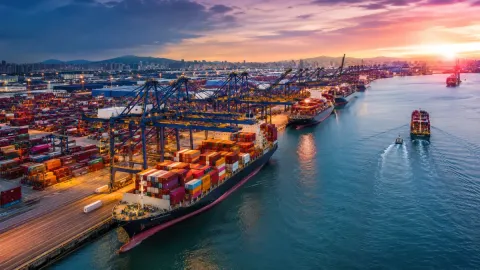
If you've ever watched one of the world's largest container ships sailing across the ocean, you've probably wondered one thing: How do all those giant steel containers stay perfectly stacked without falling over?
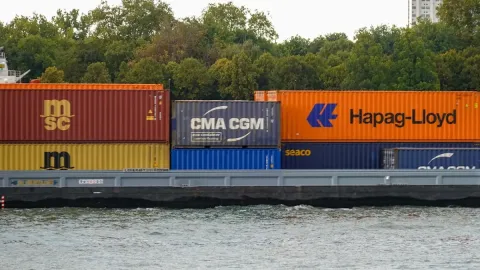
Some modern cargo ships carry thousands of containers arranged in towering stacks that can reach the height of a 10-story building. Yet despite rough seas, strong winds, and constant movement, those containers remain firmly in place.The answer isn't giant chains or permanent welding.Instead, it's a surprisingly small piece of steel called a Twistlock.
Read More
What Is a Twistlock?
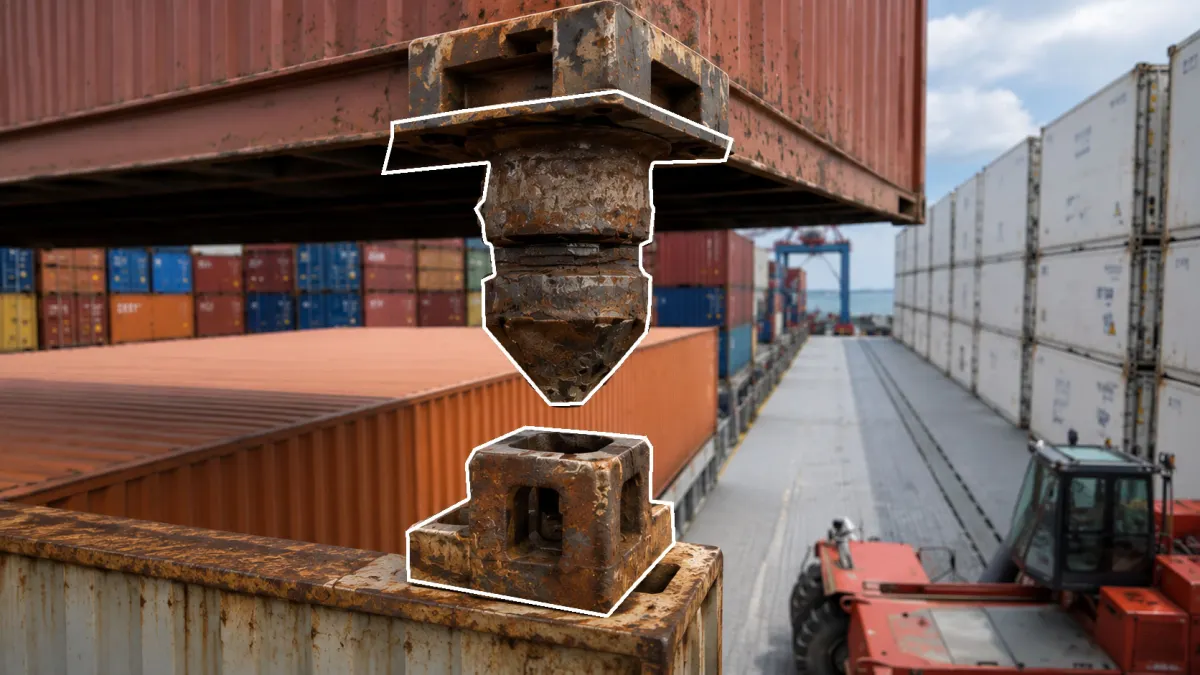
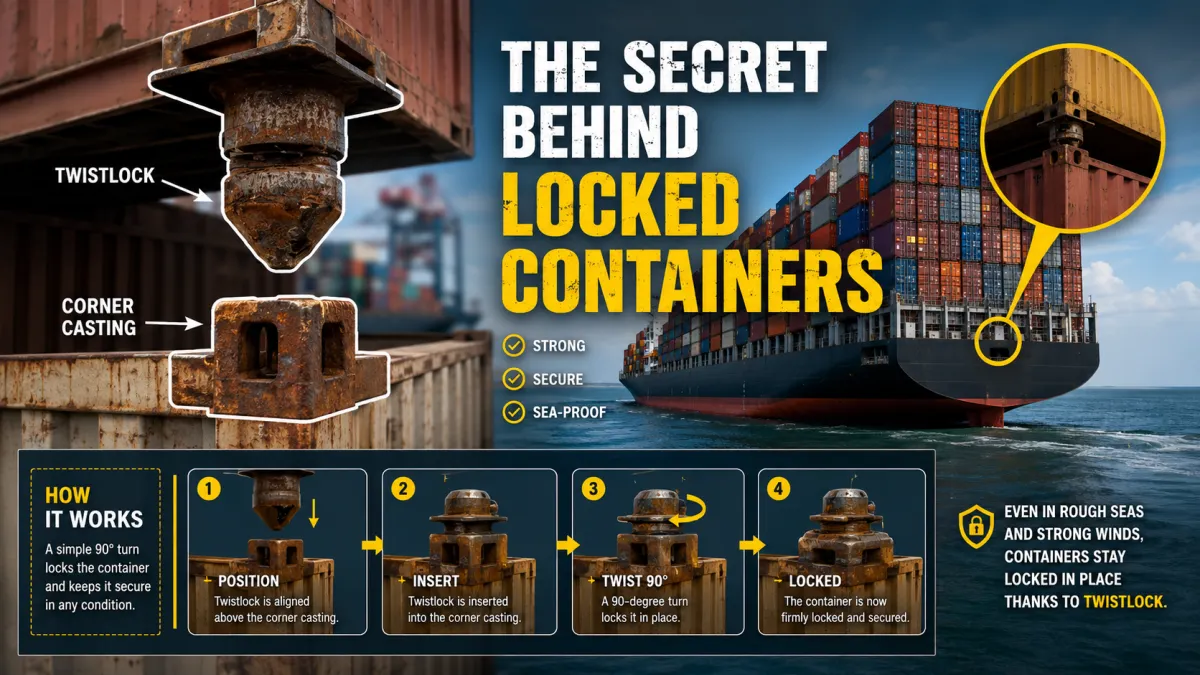
A Twistlock is a heavy-duty mechanical locking device designed to connect one shipping container to another.It fits into the standardized openings located at each corner of a container, known as Corner Castings. Once inserted, the locking head rotates 90 degrees, creating a secure mechanical connection between two containers.
That simple movement prevents the containers from sliding, shifting, or separating—even in some of the harshest ocean conditions.
How Does a Twistlock Work?
Although the mechanism is simple, it's remarkably effective.
Step 1: The Containers Are Aligned
A crane carefully lowers one shipping container directly on top of another so that the corner castings line up perfectly.
Step 2: The Twistlock Is Inserted
The Twistlock slides into the matching corner openings of both containers.
Step 3: A 90-Degree Turn
Once fully seated, the locking head rotates 90 degrees.
This small twist locks the device behind the steel walls of the corner casting, creating a strong mechanical connection.
Step 4: The Containers Become One Unit
After locking, the two containers are securely connected and can resist movement caused by waves, wind, braking forces, and vibration during transport.
Why Is a Twistlock So Important?
Container ships are engineering marvels.Many of today's largest vessels can carry more than 20,000 containers, with stacks reaching 10 to 12 containers high above the deck.
During long ocean voyages, those containers are exposed to:
- Powerful ocean waves
- High winds
- Ship vibration
- Rolling and pitching at sea
- Sudden changes in momentum
Without secure locking systems, even a small amount of movement could become dangerous.Twistlocks are one of the key components that help keep every container safely in position throughout the journey.
Are All Twistlocks the Same?
Not exactly.Several different designs are used depending on the application.
Manual Twistlocks
These are the most common and must be locked and unlocked manually by port workers.
Semi-Automatic Twistlocks
These lock automatically when containers are stacked and are designed for faster loading and unloading operations.
Fully Automatic Twistlocks
Some modern ports and specialized vessels use automated systems that further improve efficiency while reducing handling time.
How Strong Are Twistlocks?
Although a Twistlock is relatively small, it's manufactured from high-strength alloy steel and engineered to withstand enormous forces.
Rather than supporting the entire weight of stacked containers on its own, the Twistlock works together with the container's corner castings and other securing equipment to keep the cargo stable during transport.
Twistlocks Aren't Just Used on Ships
These locking devices are essential throughout the global intermodal transportation system.
You'll find Twistlocks securing containers on:
- Ocean-going container ships
- Rail freight cars
- Container chassis and trucks
- Port terminals
- Inland container yards
Their job is always the same: keeping containers securely connected while they move from one mode of transportation to another.
The Role of Corner Castings
Every ISO shipping container is built with reinforced steel Corner Castings at its four corners.These standardized fittings allow cranes to lift containers, enable Twistlocks to connect them together, and support the tremendous loads created by stacking.Without Corner Castings, modern containerized shipping simply wouldn't be possible.
Can a Twistlock Come Loose at Sea?
Under normal operating conditions, a properly installed and well-maintained Twistlock is designed to remain securely locked throughout the voyage.Shipping companies routinely inspect, lubricate, and replace worn locking devices as part of their maintenance programs to ensure cargo remains safely secured.