
Imagine buying a brand-new vehicle, only to discover years later that a component worth less than a dollar could put your life at risk.
That scenario has happened millions of times. Some of the largest recalls in automotive history were triggered by surprisingly small defects: a weak ignition spring, a leaking cruise-control switch, an unstable airbag inflator, or software designed to cheat emissions tests.
Together, the recalls on this list affected more than 170 million vehicles and components worldwide, contributed to hundreds of deaths, and cost manufacturers over $70 billion in repairs, fines, settlements, and lost reputation.
From Takata’s exploding airbags to Volkswagen’s Dieselgate scandal, these are the recalls that changed the automotive industry forever.
Read More


10 Biggest Car Recalls in History
1. Takata Airbag Recall (2008–Present)
Vehicles Affected
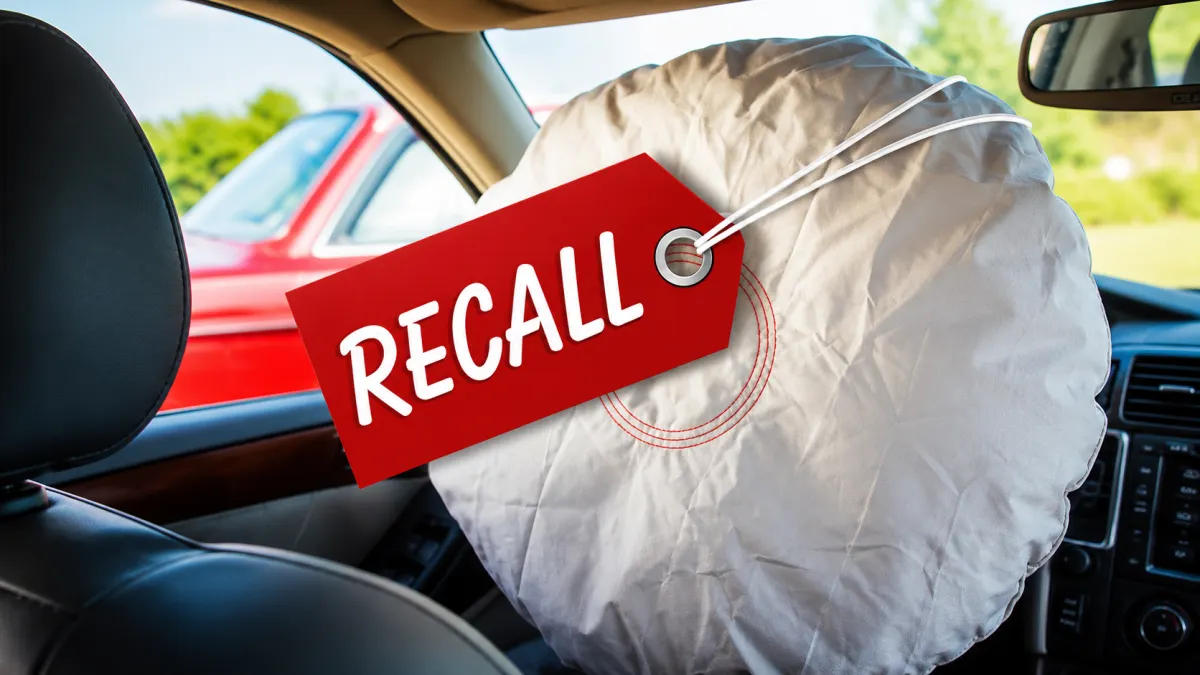
Approximately 67 million airbags installed across vehicles produced by 19 automakers.
What Went Wrong?
Takata used ammonium nitrate as an airbag propellant. Over time, heat and humidity could destabilize the chemical, causing the inflator to explode during deployment and send metal fragments into the passenger compartment.
Human Cost
At least 27 confirmed deaths and hundreds of injuries worldwide.
Financial Impact
More than $24 billion in industry costs. Takata filed for bankruptcy in 2017.
Why It Matters
This remains the largest and most complex automotive safety recall ever conducted.
2. General Motors Ignition Switch Recall (2014)
Vehicles Affected
Approximately 27 million vehicles.
What Went Wrong?
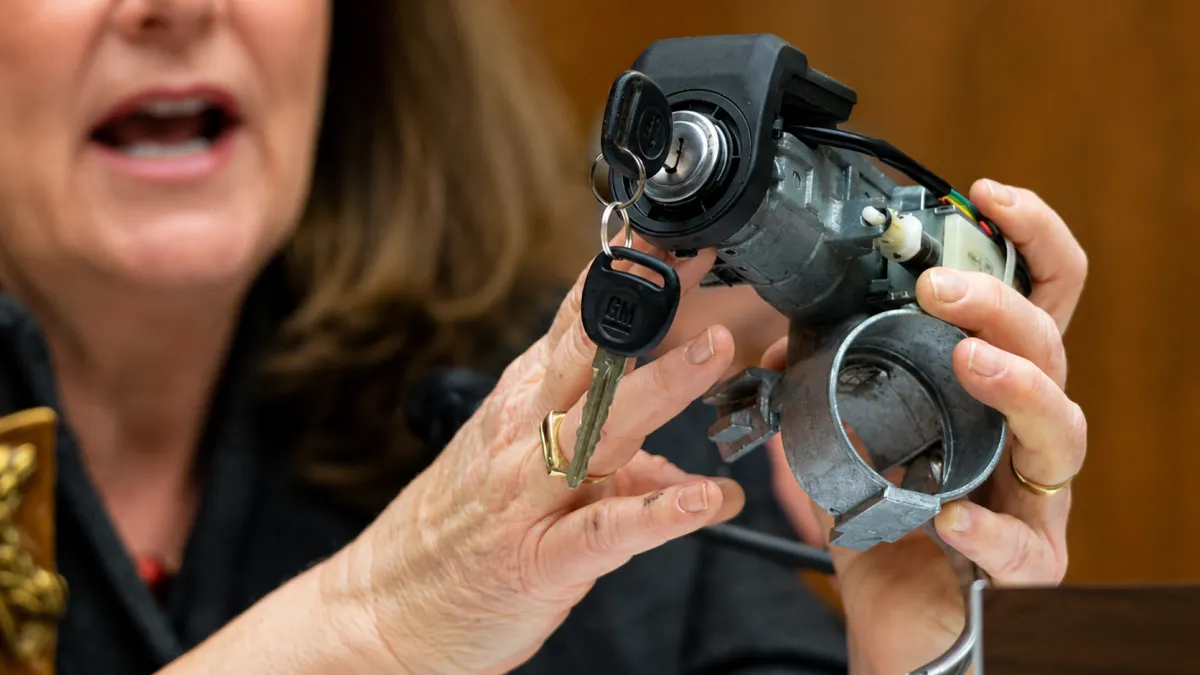
A weak ignition switch spring could allow the key to move out of the “Run” position while driving, shutting off the engine and disabling airbags.
Human Cost
At least 124 confirmed deaths.
Financial Impact
More than $2.5 billion in settlements and penalties.
Why It Matters
Internal documents showed the issue had been known for years before the recall was issued.
3. Ford Cruise Control Fire Recall
Vehicles Affected
14.9 million vehicles.
What Went Wrong?
Brake fluid leaked into a cruise-control switch, causing electrical shorts and vehicle fires—even when parked.
Human Cost
Hundreds of reported vehicle fires.
Financial Impact
Hundreds of millions of dollars in repair and legal costs.
Why It Matters
Owners often discovered the problem when their parked vehicles unexpectedly caught fire.
4. Toyota Unintended Acceleration Crisis
Vehicles Affected
More than 13 million vehicles worldwide.
What Went Wrong?
Accelerator pedals could become trapped by floor mats or stick due to mechanical defects.
Human Cost
At least 52 deaths linked to the issue.
Financial Impact
More than $2.3 billion in settlements and penalties.
Why It Matters
Toyota temporarily halted production and sales of several major vehicle models.
5. Volkswagen Dieselgate
Vehicles Affected
Approximately 11 million vehicles worldwide.
What Went Wrong?
Software was deliberately programmed to detect emissions tests and temporarily reduce emissions only during testing.
Human Cost
No direct safety defect, but increased emissions may have contributed to significant public-health impacts.
Financial Impact
More than $40 billion.
Why It Matters
Dieselgate became the most expensive corporate scandal in automotive history.
6. General Motors Engine Mount Recall
Vehicles Affected
6.7 million vehicles.
What Went Wrong?
Defective engine mounts allowed excessive engine movement, potentially affecting braking performance.
Why It Matters
It was the largest single-automaker recall ever issued at the time.
7. Toyota Power Window Switch Recall
Vehicles Affected
More than 7 million vehicles.
What Went Wrong?
Defective power-window switches could overheat, melt, or catch fire.
Why It Matters
A relatively small component created a global safety issue affecting millions of drivers.
8. Ford Automatic Transmission Recall
Vehicles Affected
Around 23 million vehicles.
What Went Wrong?
Vehicles could unexpectedly shift from Park into Reverse.
Human Cost
98 deaths and more than 1,700 injuries.
Why It Matters
The controversy highlighted major debates about automotive regulation and consumer protection.
9. Chevrolet Malibu Suspension Recall
Vehicles Affected
Approximately 6 million vehicles.
What Went Wrong?
Loose suspension hardware could affect steering control.
Why It Matters
The recall intensified concerns about vehicle quality during the early 1980s.
10. Ford Ignition Switch Fire Recall
Vehicles Affected
8.6 million vehicles.
What Went Wrong?
Electrical faults in ignition switches increased the risk of vehicle fires.
Human Cost
More than 1,100 reported fires.
Why It Matters
It became one of the largest single-manufacturer recalls of the 1990s.
The Biggest Recalls at a Glance
| Recall | Vehicles Affected | Deaths | Estimated Cost |
|---|---|---|---|
| Takata Airbags | 67M | 27+ | $24B+ |
| GM Ignition Switch | 27M | 124 | $2.5B+ |
| Ford Transmission | 23M | 98 | $1.7B+ |
| Ford Cruise Control | 14.9M | Multiple | $300M+ |
| Toyota Acceleration | 13M+ | 52 | $2.3B+ |
| Volkswagen Dieselgate | 11M | Indirect | $40B+ |
The Numbers Behind the Biggest Automotive Recalls
- More than 170 million vehicles and components were affected.
- Total financial losses exceeded $70 billion.
- Hundreds of deaths and thousands of injuries were linked to recalled defects.
- One major supplier, Takata, went bankrupt.
- Volkswagen’s Dieselgate became the most expensive scandal in automotive history.
- Several recalls remained active for more than a decade after being announced.
What These Recalls Have in Common
Although each recall involved a different defect, three patterns appear repeatedly.
1. The Problem Was Known Earlier
In nearly every case, internal reports suggested that manufacturers knew—or should have known—about the issue years before public disclosure.
2. Small Defects Created Massive Consequences
Many of the defects involved inexpensive parts worth only a few dollars.
3. Delays Made Everything Worse
The cost of lawsuits, penalties, and reputational damage ultimately exceeded the cost of fixing the problem early.
The Real Cost of Ignoring a Defect
The biggest lesson from automotive recall history is that disasters rarely begin with massive failures.
Most started with a tiny design flaw, a manufacturing shortcut, or a warning that was ignored.
In many cases, the defect itself cost only a few dollars to fix. The consequences, however, reached billions.
The history of automotive recalls shows a consistent pattern: the longer a company waits to address a known problem, the more expensive—and deadly—the outcome becomes.
For consumers, these recalls are also a reminder that a recall notice should never be ignored. A free repair today can prevent a tragedy tomorrow.
What is the largest car recall in history?
The Takata airbag recall remains the largest automotive recall ever recorded.
What was the most expensive automotive recall?
Volkswagen Dieselgate generated more than $40 billion in financial penalties, settlements, and buybacks.
Did any company go bankrupt because of a recall?
Yes. Takata filed for bankruptcy after the global airbag crisis.
Can a recalled vehicle still be driven?
Yes, but safety experts strongly recommend completing recall repairs as soon as possible.
Why do recalls happen?
Most recalls occur because a safety defect creates an unreasonable risk to drivers, passengers, or other road users.