
 21 November 2026
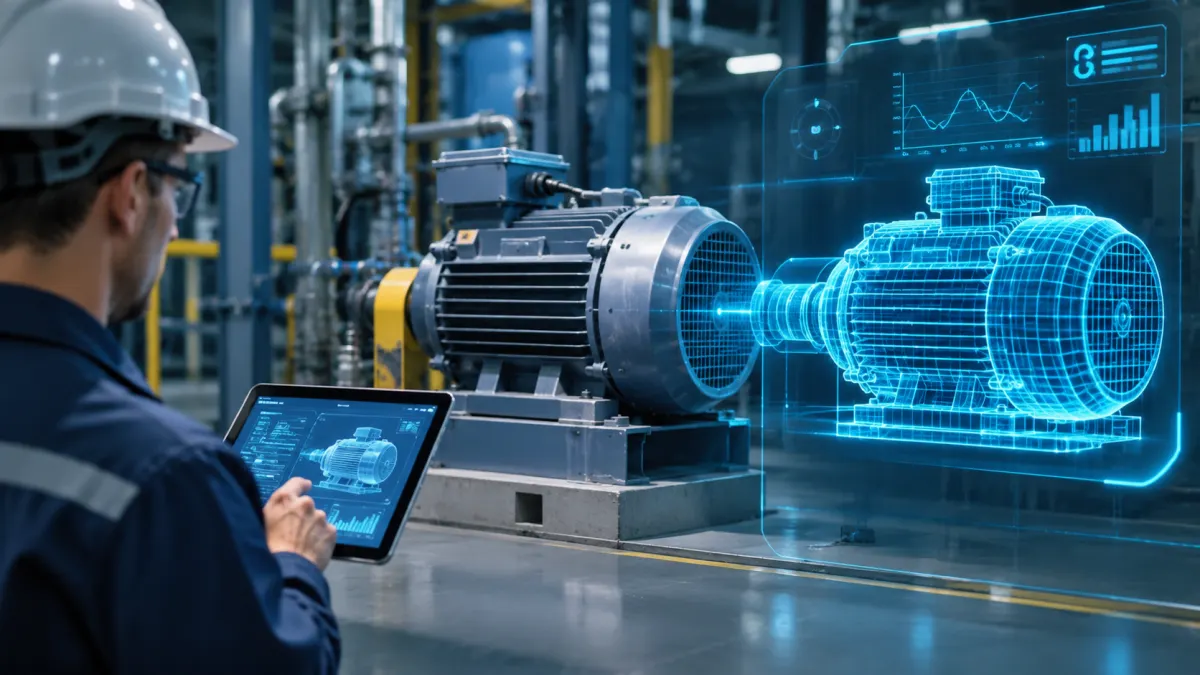
Digital twins create virtual representations of physical objects, systems, and processes using data from their real-world counterparts.
From industrial equipment to entire cities, this technology helps organizations monitor performance, test scenarios, and make better-informed decisions.
12 Key Things Digital Twins Can Do
Read More

 Inside the List
12 Items
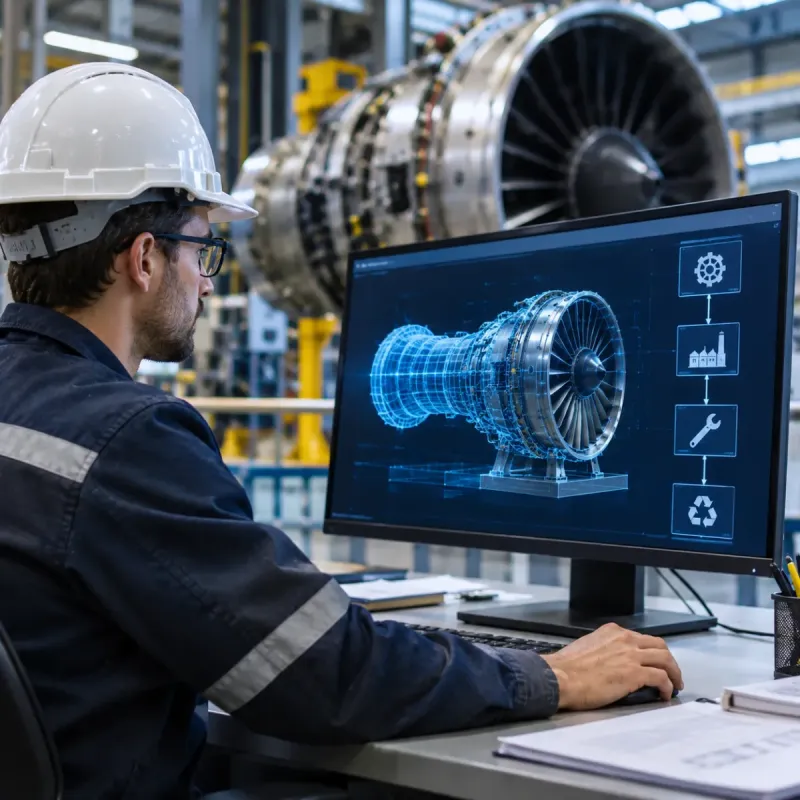
Support Decisions Across an Asset's Lifecycle
Type: Lifecycle model
Digital twins can remain useful from product design and production through operation, maintenance, and decommissioning. Their models and data help teams evaluate performance and make decisions at different stages of an asset's life.
- Lifecycle tracking
- Performance analysis
- Decision support
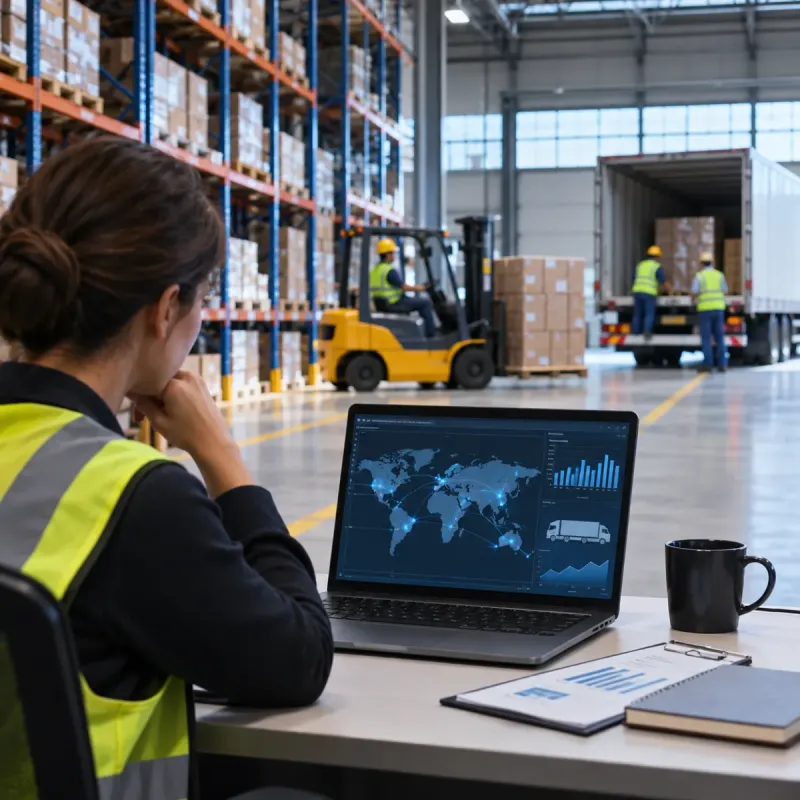
Improve Supply Chain Visibility
Type: Operational model
Digital twins can connect information across logistics, inventory, transportation, and business operations. This helps organizations understand how different activities interact and evaluate changes that could affect supply chain performance.
- Logistics tracking
- Inventory visibility
- Network analysis

Support City Planning and Management
Type: Urban digital twin
A city digital twin can bring together information about buildings, transportation, zoning, public safety, and environmental conditions. Planners can use this combined view to evaluate development proposals and understand possible impacts.
- Traffic analysis
- Land-use planning
- Public infrastructure
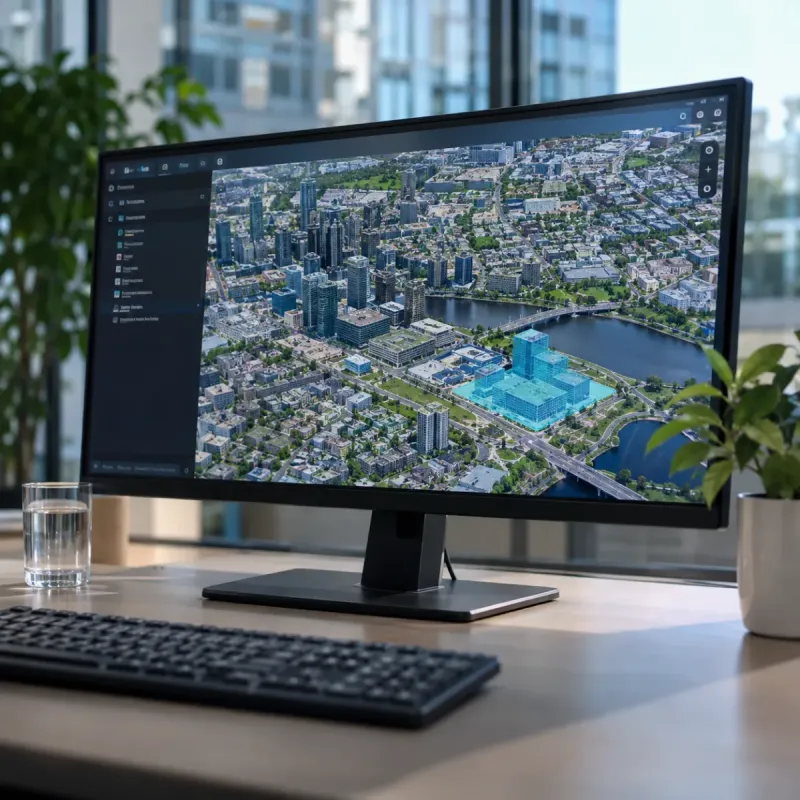
Combine Digital Twins with Geographic Information
Type: Geospatial digital twin
Geospatial digital twins use geographic information system (GIS) technology to connect physical assets with their locations. They can combine maps, 3D models, environmental information, and operational data to show how places change over time.
- GIS integration
- 3D mapping
- Spatial data

Monitor Buildings and Infrastructure
Type: Infrastructure model
Digital twins can represent buildings, bridges, dams, transportation systems, and other infrastructure. Engineers can examine how different components interact and assess how environmental conditions may affect these structures.
- Structural monitoring
- Building systems
- Infrastructure analysis
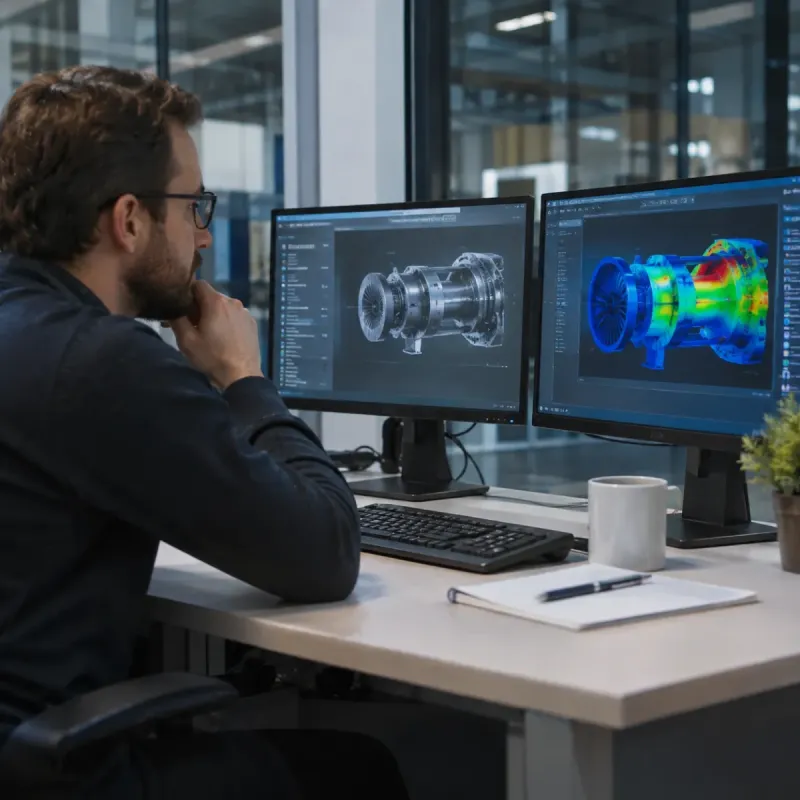
Test Changes Without Physical Risks
Type: Virtual simulation
Companies can use digital twins to simulate different designs, operating conditions, and production plans before applying changes in the real world. This allows teams to compare possible outcomes without disrupting existing operations.
- What-if testing
- Design evaluation
- Virtual experiments
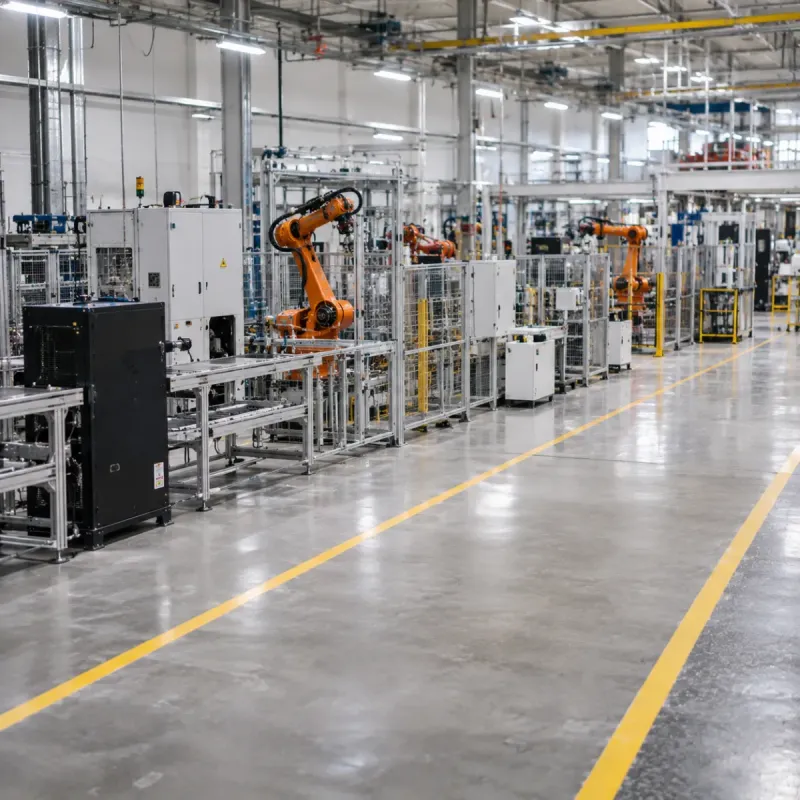
Improve Smart Manufacturing
Type: Industrial application
Industrial digital twins can represent factory equipment, production lines, inventory, schedules, and manufacturing processes. This gives teams a connected view of operations and helps identify opportunities to improve production performance.
- Factory monitoring
- Quality control
- Workflow analysis
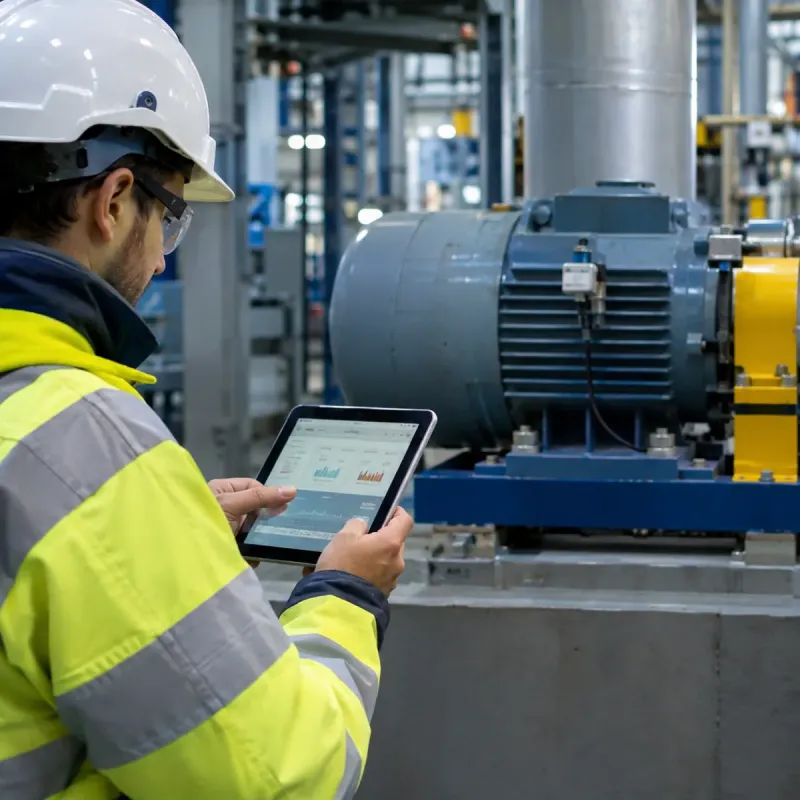
Support Predictive Maintenance
Type: Maintenance technology
By analyzing current conditions and historical data, digital twins can help identify unusual behavior and anticipate equipment problems. Maintenance teams can use these insights to plan interventions before failures disrupt operations.
- Fault detection
- Condition monitoring
- Maintenance planning
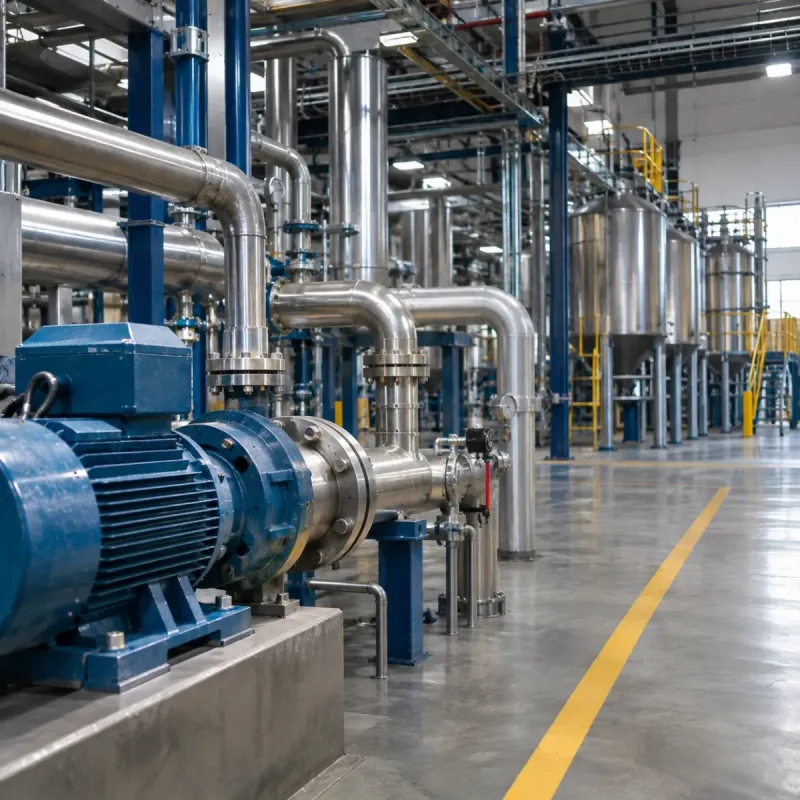
Represent Different Levels of a System
Type: Multi-level model
Digital twins can model individual components, complete assets, connected systems, or entire operational processes. These levels help organizations understand both individual parts and how they work together.
- Component twins
- Asset twins
- System twins
- Process twins
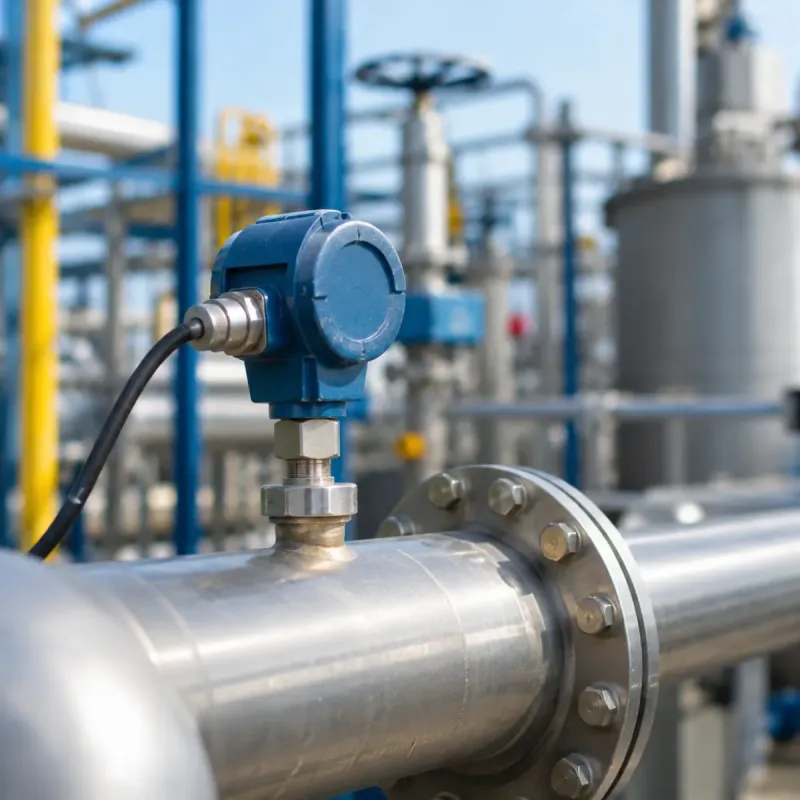
Use Sensors to Collect Real-Time Data
Type: Data collection
Sensors and Internet of Things (IoT) devices collect information such as temperature, pressure, movement, and operating conditions. This data helps keep the digital twin aligned with the physical asset.
- Smart sensors
- IoT connectivity
- Real-time measurements
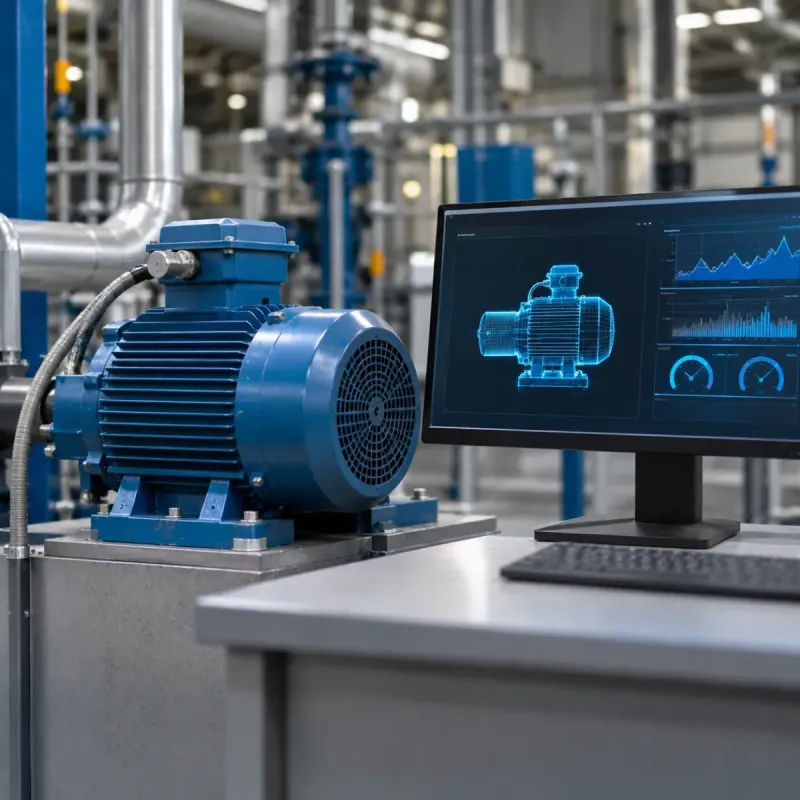
Connect Physical and Digital Systems
Type: Connected system
Digital twin technology relies on a continuous flow of information between a physical asset and its virtual counterpart. Some systems also send insights or control signals back to the physical equipment.
- Sensor integration
- Data pipelines
- Feedback loops
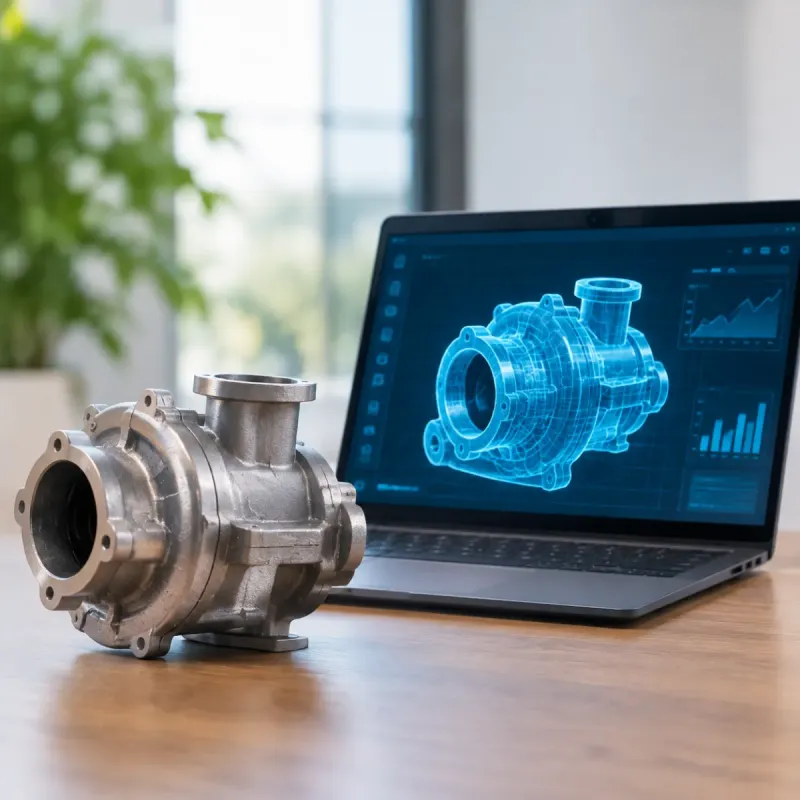
Create Virtual Versions of Physical Assets
Type: Virtual representation
A digital twin is a virtual representation of a real-world object, process, or system. It uses data from its physical counterpart to reflect its condition, behavior, and performance.
- Virtual replication
- Live data
- Performance tracking