
 20 November 2026
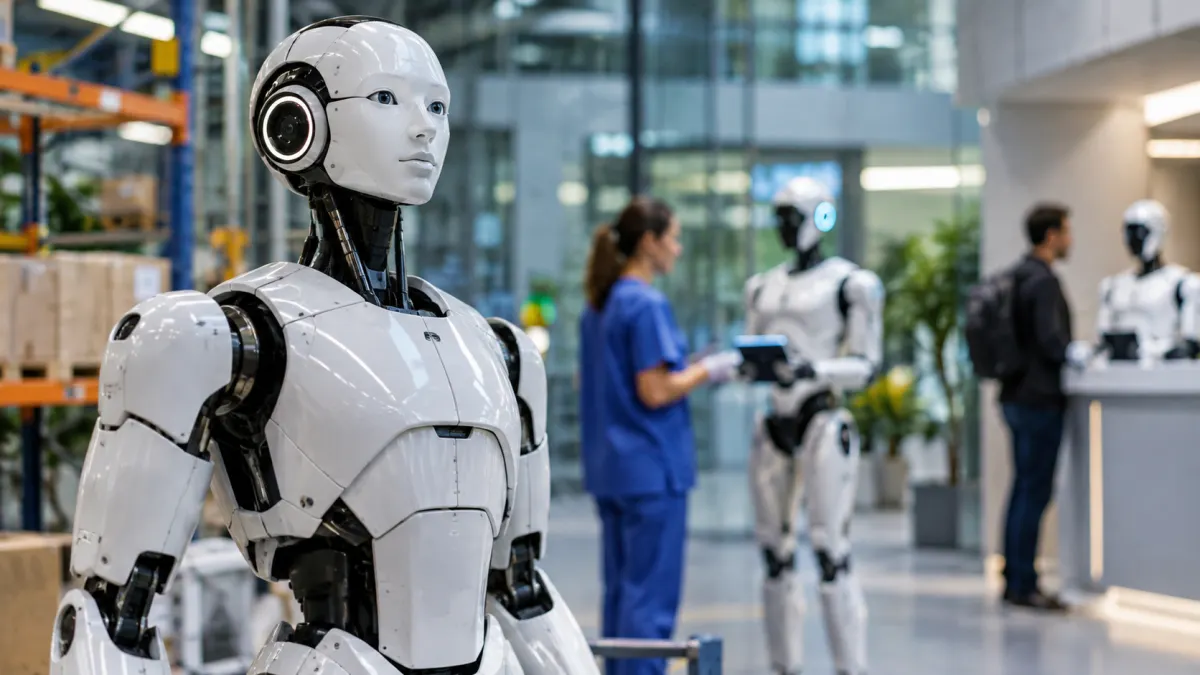
Humanoid robots are becoming an important part of the future of robotics, combining artificial intelligence, advanced sensors, and human-like movement to perform different tasks.
From manufacturing and warehouses to healthcare and customer service, these machines could change how people work and interact with technology.
13 Key Things to Know About Humanoid Robot
 Inside the List
13 Items
They Learn Through Simulation and Real-World Training
Main Purpose: Skill development
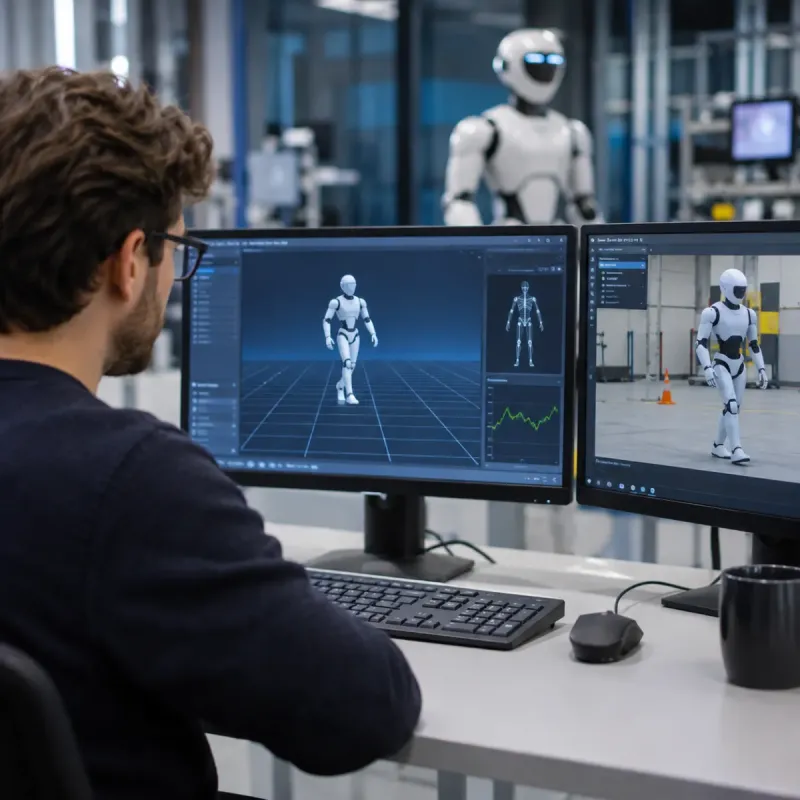
Developers train humanoid robots in simulated environments using digital twins, imitation learning, and reinforcement learning.
- Uses digital simulations
- Learns through imitation
- Supports continuous training
They Combine Sensors and Advanced Hardware
Main Purpose: Environmental awareness
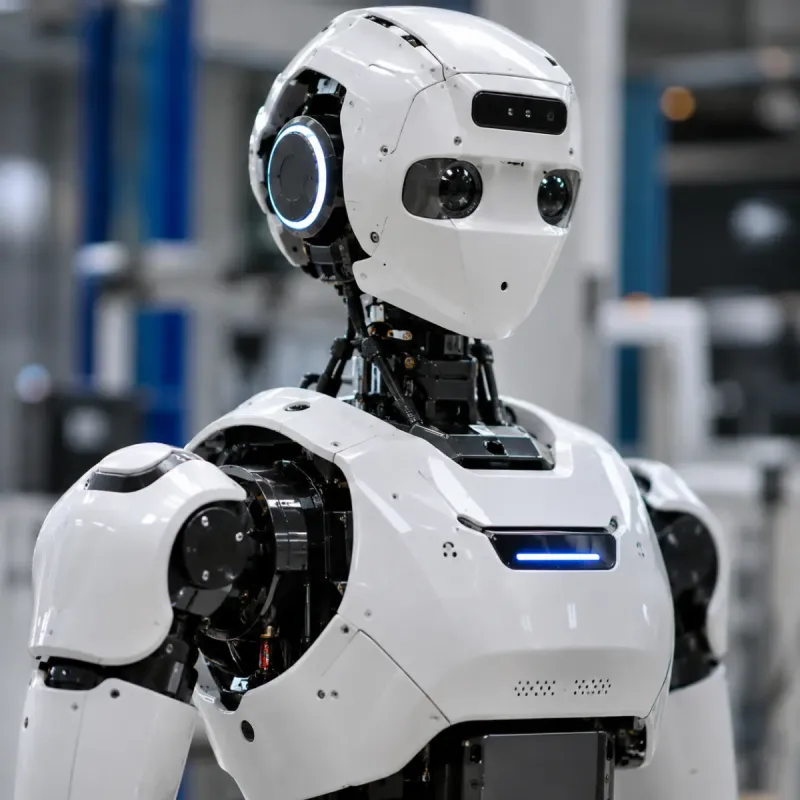
Humanoid robots rely on cameras, sensors, actuators, and onboard computers to interact with the physical world. These components help them recognize objects, measure distances, and maintain balance
- Recognizes visual information
- Controls movement precisely
- Detects and identifies objects
They Are Designed to Resemble Humans
Main Purpose: Task automation
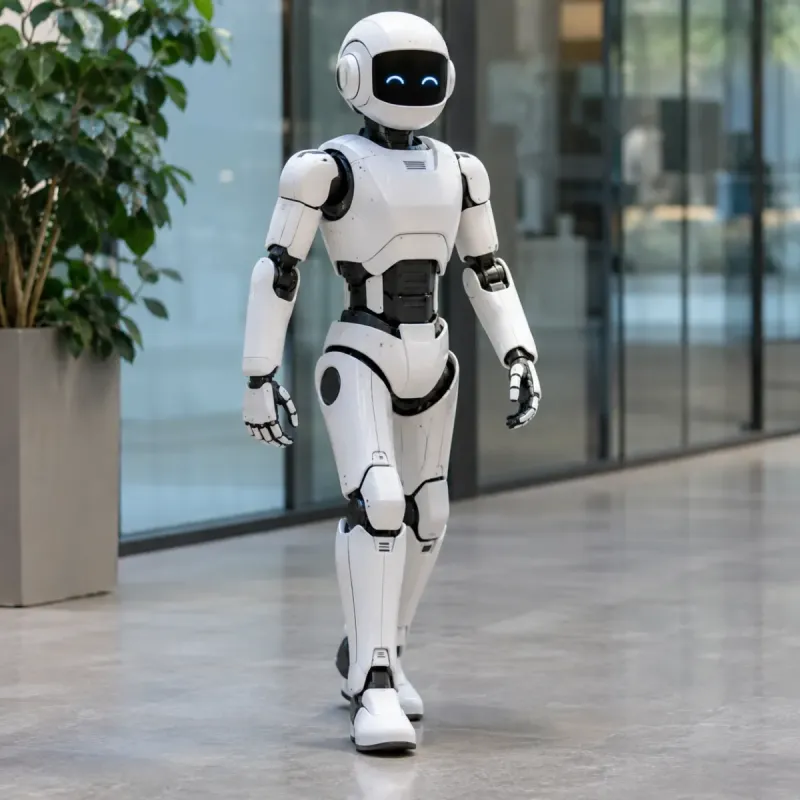
Humanoid robots are machines built around a human-like body structure, often featuring a head, torso, arms, and legs.
- Enables two-legged movement
- Features a human-like form
- Supports flexible operation
Safety, Energy, and Reliability Remain Major Challenges
Main Purpose: Reliable operation
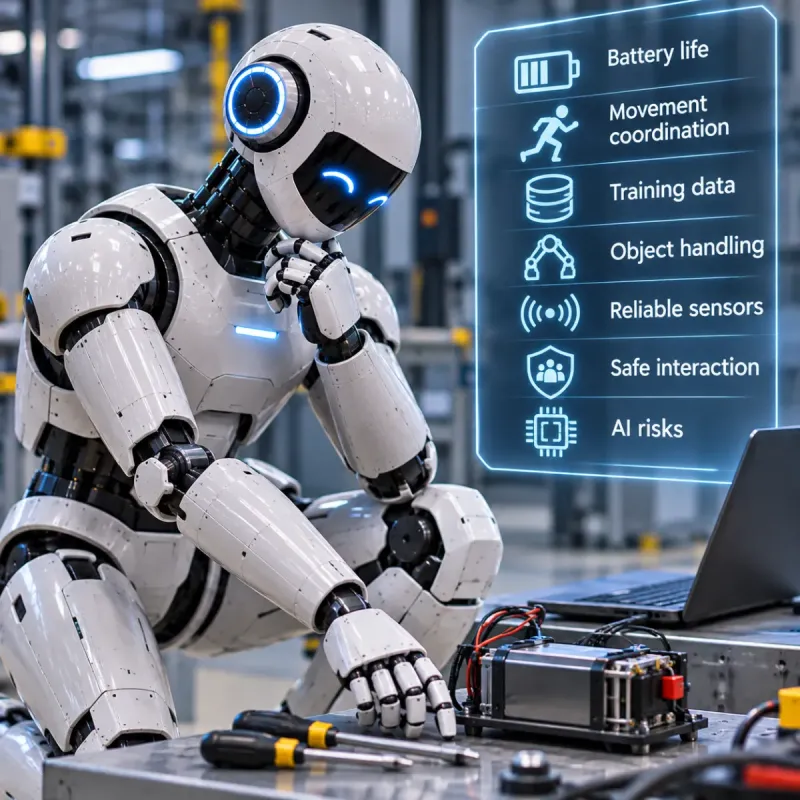
Despite their potential, humanoid robots still face technical challenges involving battery life, movement coordination, training data, and precise object handling.
- Improves battery performance
- Ensures safe operation
- Supports reliable movement
They Could Change the Economics of Human Labor
Main Purpose: Productivity improvement
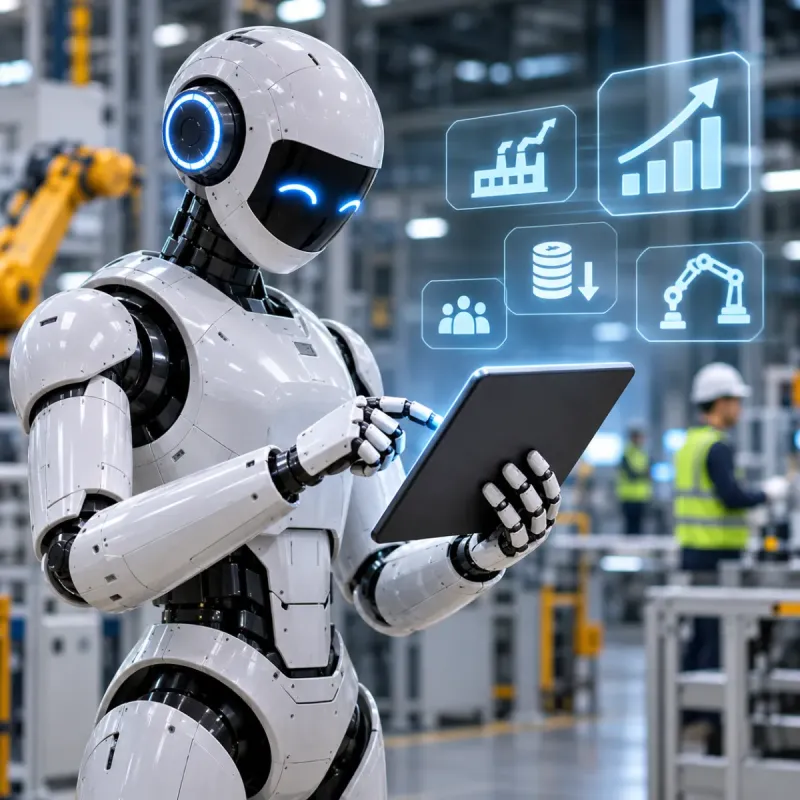
Humanoid robots could significantly reduce the cost of performing many physical tasks and increase productivity across industries.
- Reduces labor expenses
- Boosts operational productivity
- Drives economic transformation
They Could Handle Dangerous and Repetitive Work
Main Purpose: Risk reduction
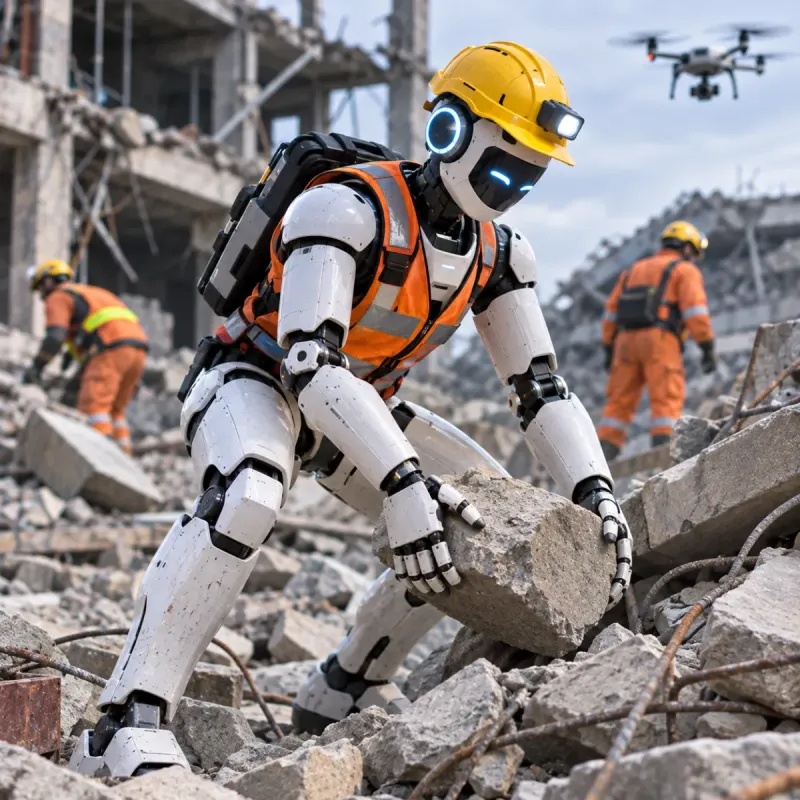
Humanoid robots can take on physically demanding and hazardous tasks, helping reduce human exposure to risks in industrial environments and disaster response operations.
- Performs hazardous operations
- Handles repetitive tasks
- Improves worker safety
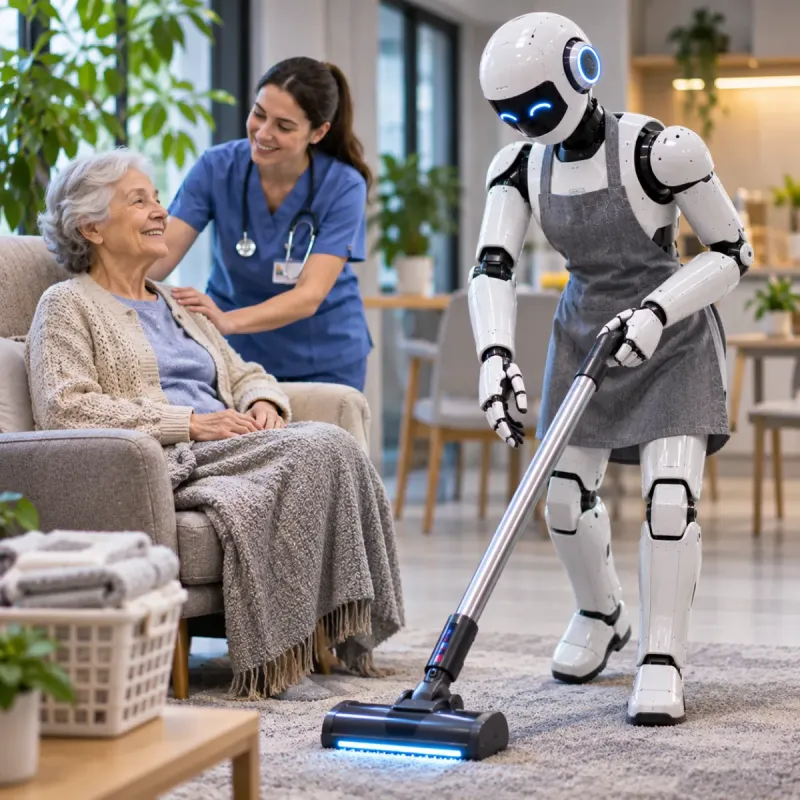
Healthcare and Home Assistance Are Emerging Applications
Main Purpose: Daily assistance
Humanoid robots could eventually support healthcare workers, assist with facility operations, and perform everyday household activities such as cleaning, cooking, and laundry.
- Assists with household tasks
- Supports everyday activities
- Provides care and assistance
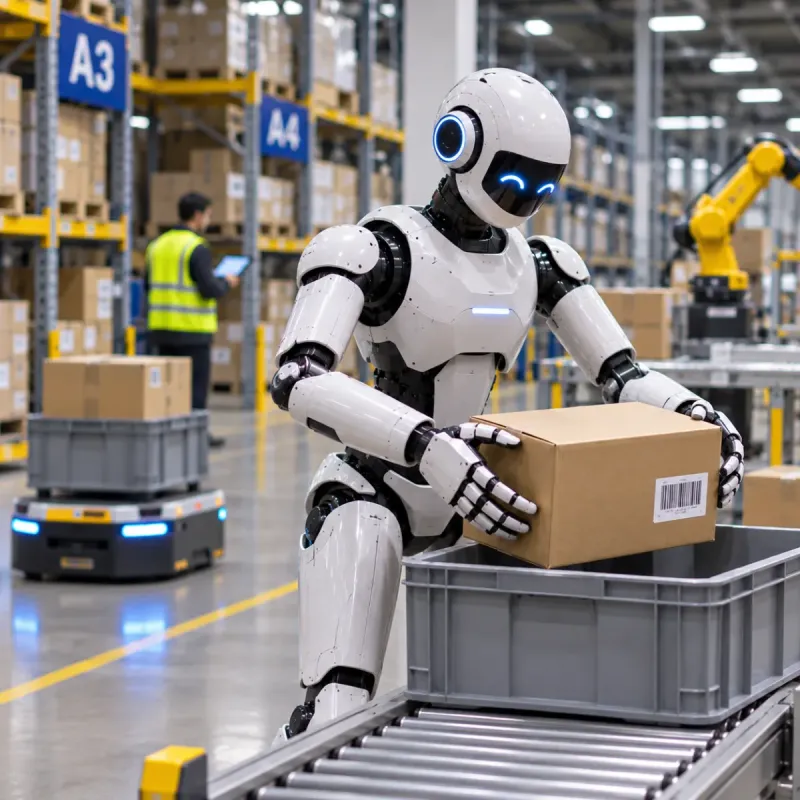
Warehouses Could Benefit From Robotic Automation
Main Purpose: Material handling
Humanoid robots have potential applications in warehouses and distribution centers, where they can help pick and pack products, manage inventory, receive deliveries, and transport materials.
- Manages inventory efficiently
- Picks and organizes products
- Transports materials across workspaces
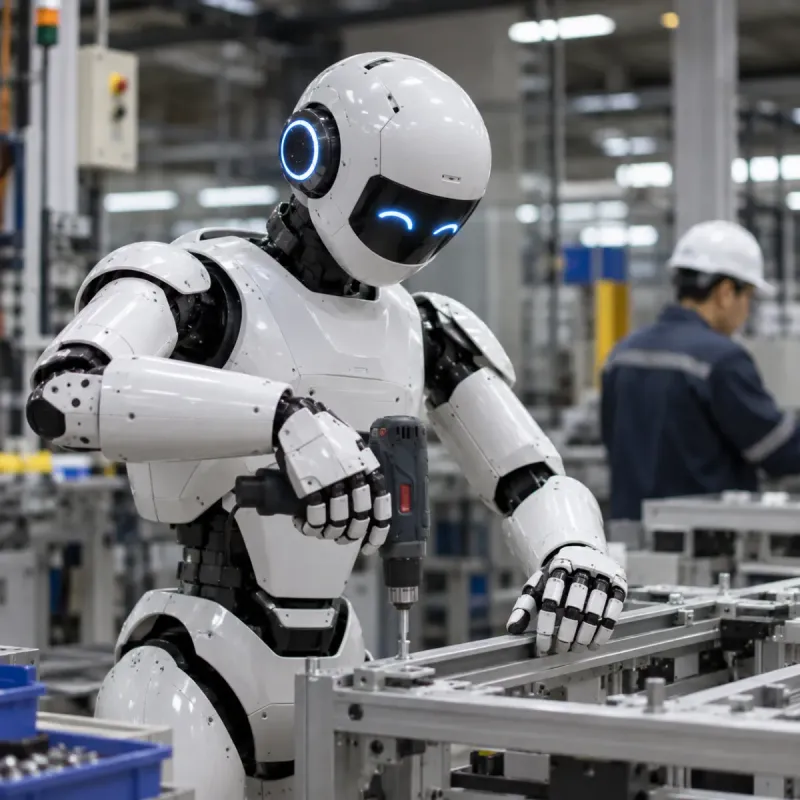
Manufacturing Is a Major Application
Main Purpose: Manufacturing automation
Industrial humanoid robots could support factory operations by handling components, assisting with assembly, and performing repetitive or physically demanding activities.

They Can Work in Existing Human Environments
Main Purpose: Flexible deployment
Humanoid robots can work in human-designed spaces, allowing factories, warehouses, and retail stores to adopt them without major infrastructure changes.
- Uses existing equipment
- Allows flexible deployment
- Reduces modifications
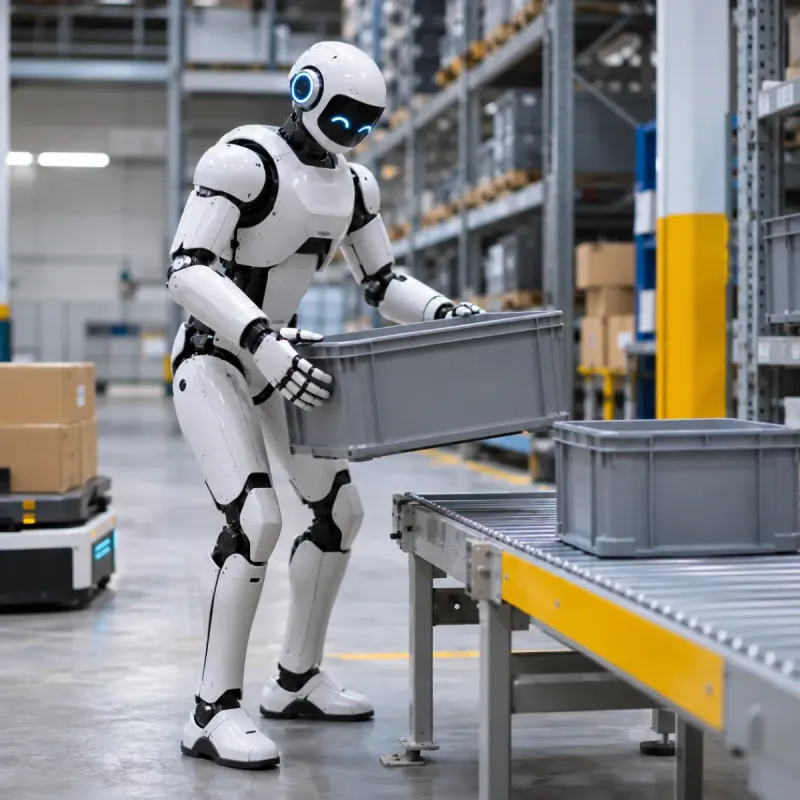
They Can Perform Different Types of Tasks
Main Purpose: Versatile automation
Unlike robots designed for one specific operation, general-purpose humanoid robots aim to handle multiple activities. Depending on their capabilities and training, they can move objects,
- Performs multiple tasks
- Adapts to different activities
- Handles and manipulates objects
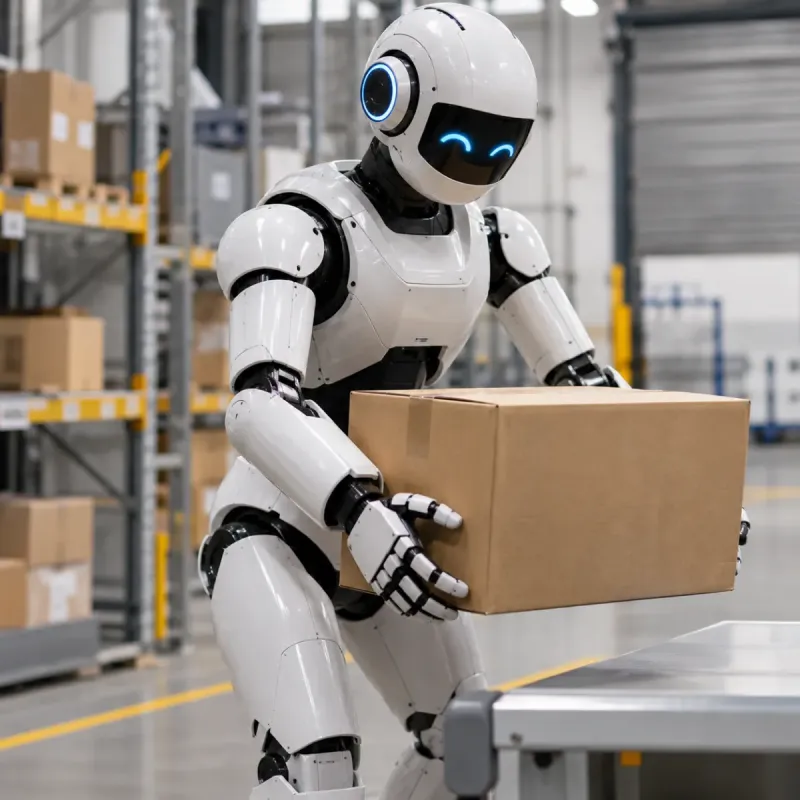
Human-Like Movement Is a Major Advantage
Main Purpose: Physical interaction
Walking, reaching, lifting, and handling objects are essential capabilities of humanoid robots. Their human-like movement and range of motion allow them to work with equipment,
- Enables walking
- Handles objects
- Supports flexible movement
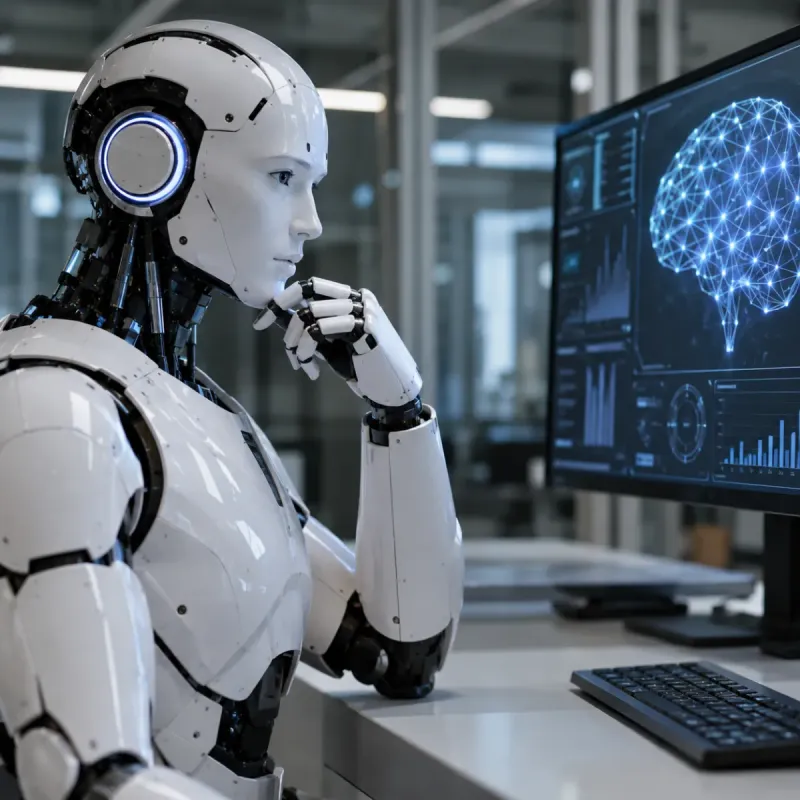
Artificial Intelligence Makes Them Smarter
Main Purpose: Autonomous decision-making
AI-powered robots use artificial intelligence to understand their surroundings, process information, and make decisions. Machine learning helps them improve their performance and responses.
- Processes information intelligently
- Learns and adapts over time
- Supports smarter decision-making