
History is often told through kings, wars, and empires. Yet some of the most moving stories from the past come from ordinary objects left behind by everyday people. A tiny clay tablet no larger than a finger, a mother's token left with an abandoned child, or a desperate letter written nearly 2,000 years ago can reveal emotions that still feel familiar today.
The artifacts in this collection are more than archaeological discoveries. They are personal messages frozen in time—evidence of love, loss, hope, fear, and resilience. Together, these 14 remarkable objects offer a rare opportunity to connect with people who lived centuries or even millennia before us and discover that, despite the passage of time, human experiences have changed far less than we might imagine.
Read More

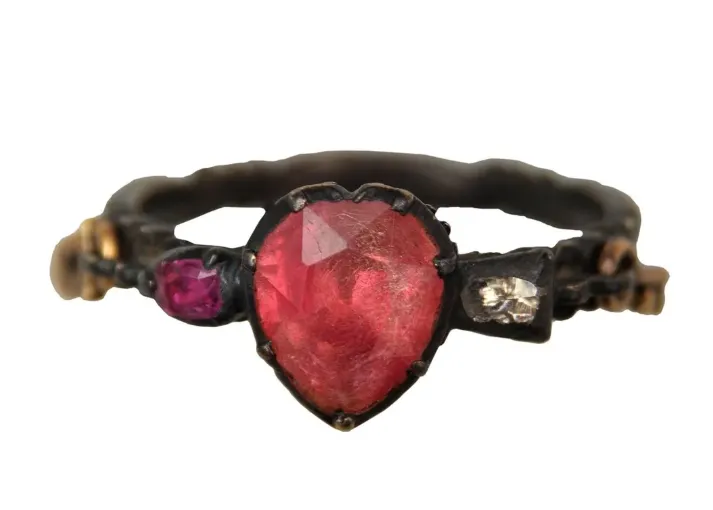
A Ruby Ring Left With an Abandoned Baby in 1752 Became a Mother’s Last Hope
In 1752, a mother left this ruby ring with her baby at London’s Foundling Hospital. The ring was intended to help her identify and reclaim her child if she ever returned.
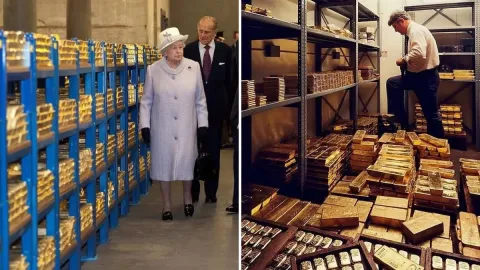
In 1979, a 256 MB Hard Drive Was So Large It Filled an Entire Machine
What fits on a tiny memory card today once required a massive piece of equipment. This 256 MB hard drive from 1979 highlights just how dramatically data storage technology has evolved over the past few decades.

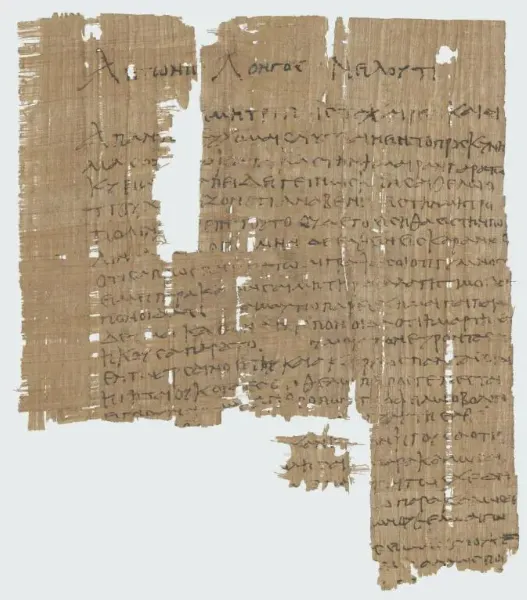
A 2,000-Year-Old Letter Reveals a Son’s Plea for Forgiveness After Running Away From Home
Written in Roman Egypt during the 2nd century CE, this emotional letter was sent by a young man named Antonis Longus after he left home in anger. Learning that his mother had become ill while desperately searching for him, he wrote to beg for her forgiveness and promised to return.
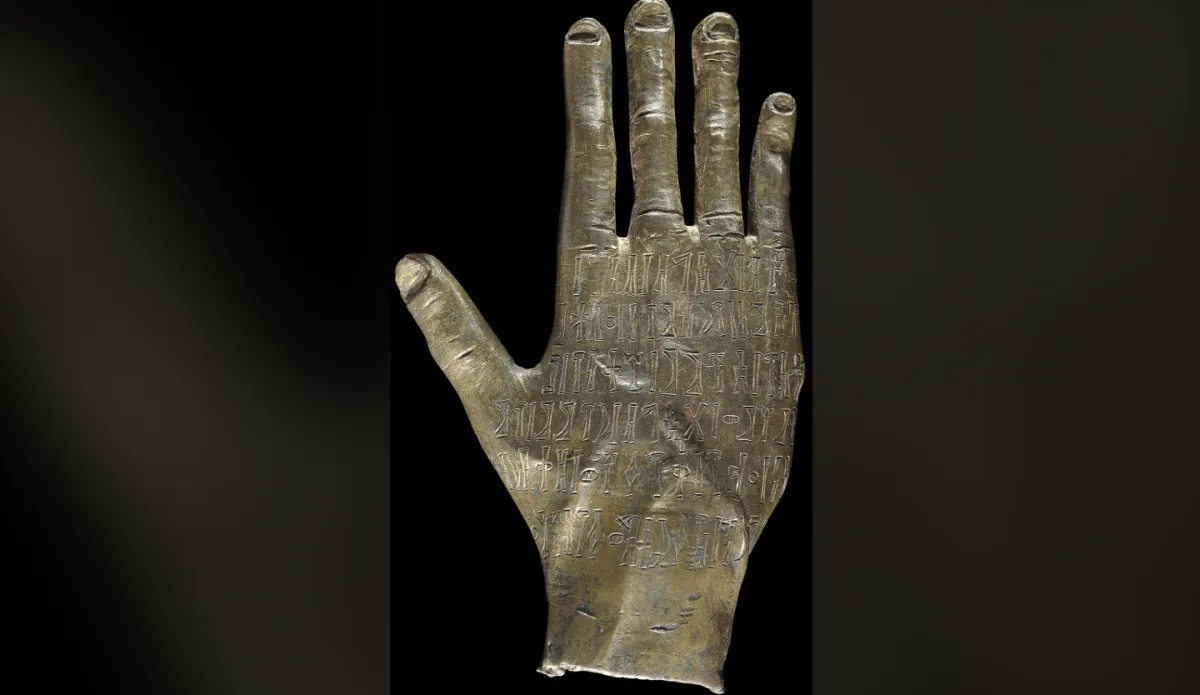
A Bronze Hand Offered to an Ancient Arabian Moon God Has Survived Nearly 2,000 Years
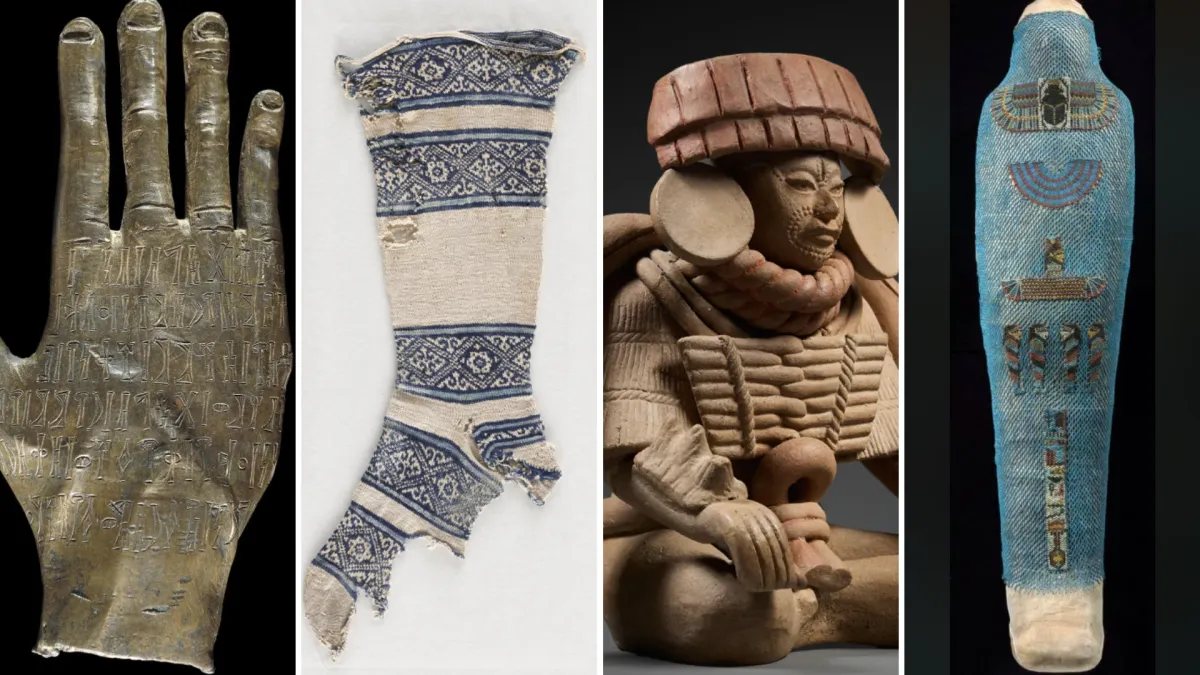
This bronze right hand was dedicated by a man named Wahab, son of Hisam, to Ta'Lab, an ancient Arabian moon deity. Inscribed in Old South Arabian Musnad script, the artifact offers a rare glimpse into the religious beliefs and traditions of ancient Yemen during the 2nd–3rd century CE.
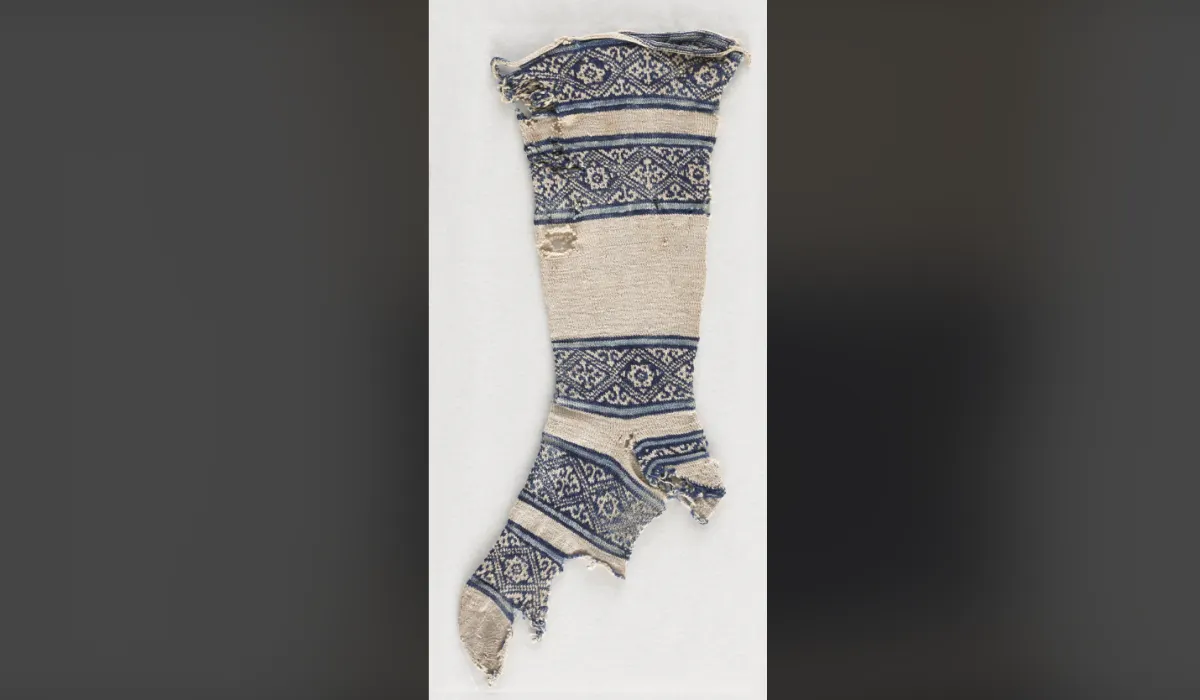
An Ingenious 12th-Century Egyptian Sock Was Designed With a Replaceable Heel
This remarkable sock from 12th-century Egypt was knitted from the toe upward, with the heel made separately and attached later. The clever design allowed the worn-out heel to be replaced without making an entirely new sock, revealing an advanced approach to durability and repair centuries before modern clothing manufacturing.
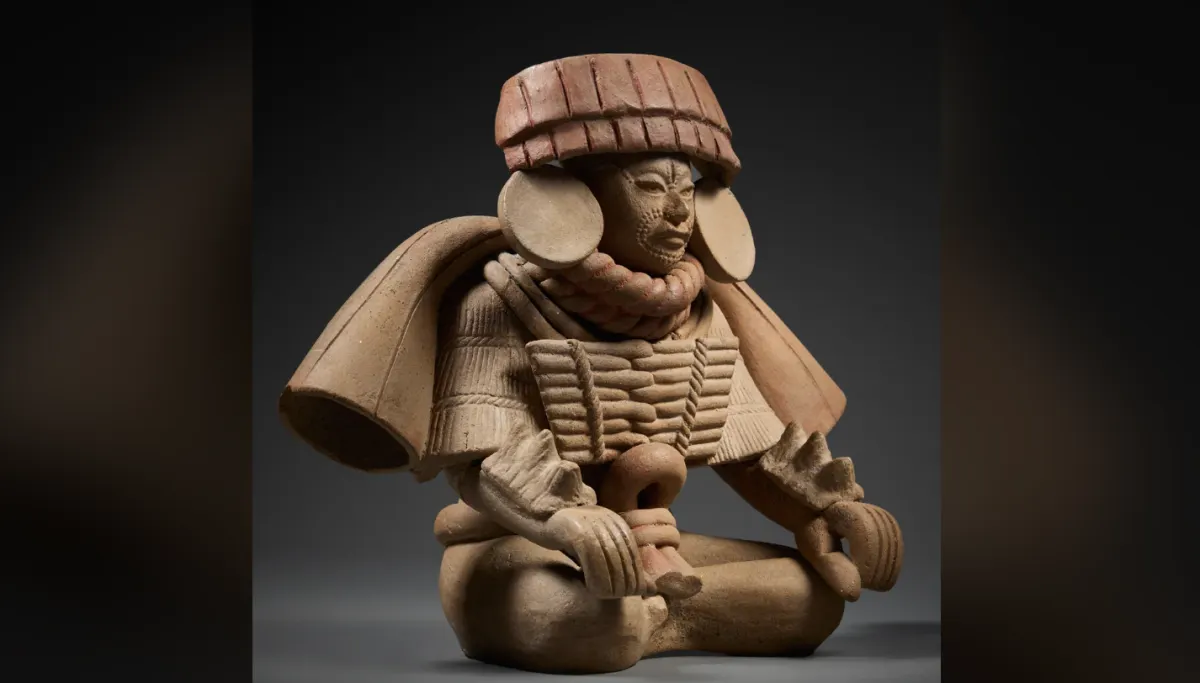
A 1,500-Year-Old Ceremonial Figure Was Sold Despite Mexico’s Efforts to Stop the Auction
This ceramic Veracruz figure, created in Mexico between 550 and 950 CE, depicts an individual seated in elaborate ceremonial attire. Although Mexican authorities urged Sotheby’s to halt the sale and return the artifact, the ancient piece was auctioned just days ago, reigniting debates over cultural heritage and ownership.
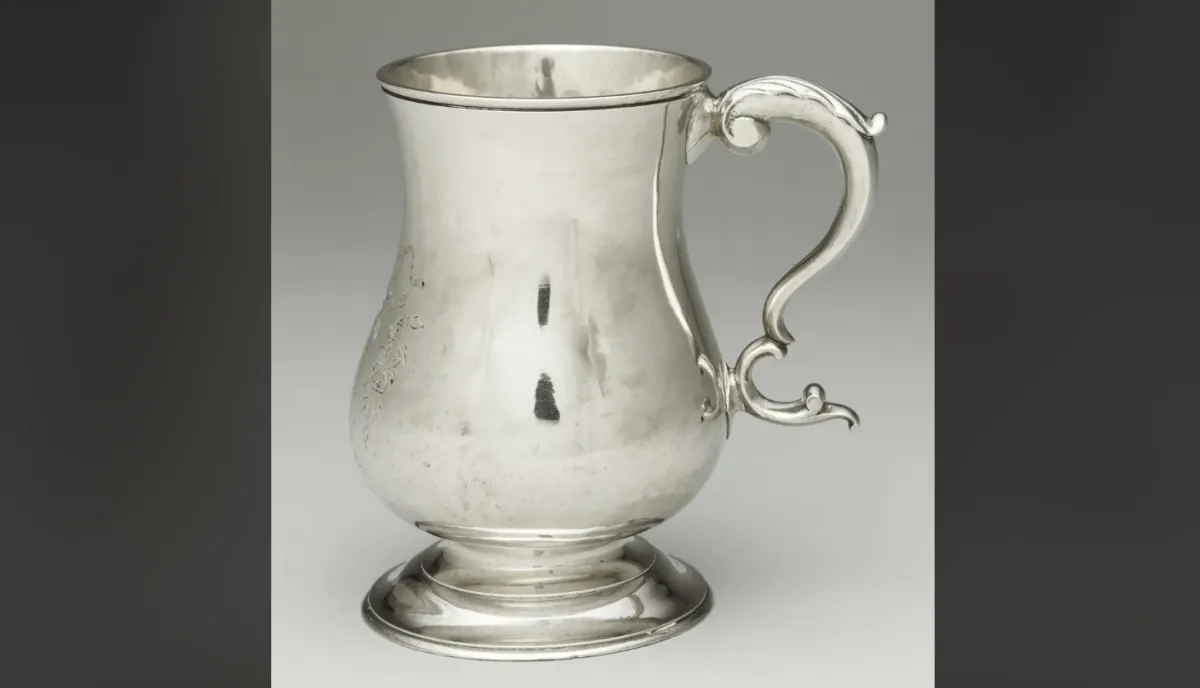
A Silver Mug Crafted Around 1780 Reflects the Elegance of Early American Silversmithing
Made by American silversmith William W. Gilbert around 1780, this finely crafted silver mug offers a glimpse into the craftsmanship and daily life of post-Revolutionary America. Its survival through more than two centuries makes it a remarkable example of early American decorative arts.
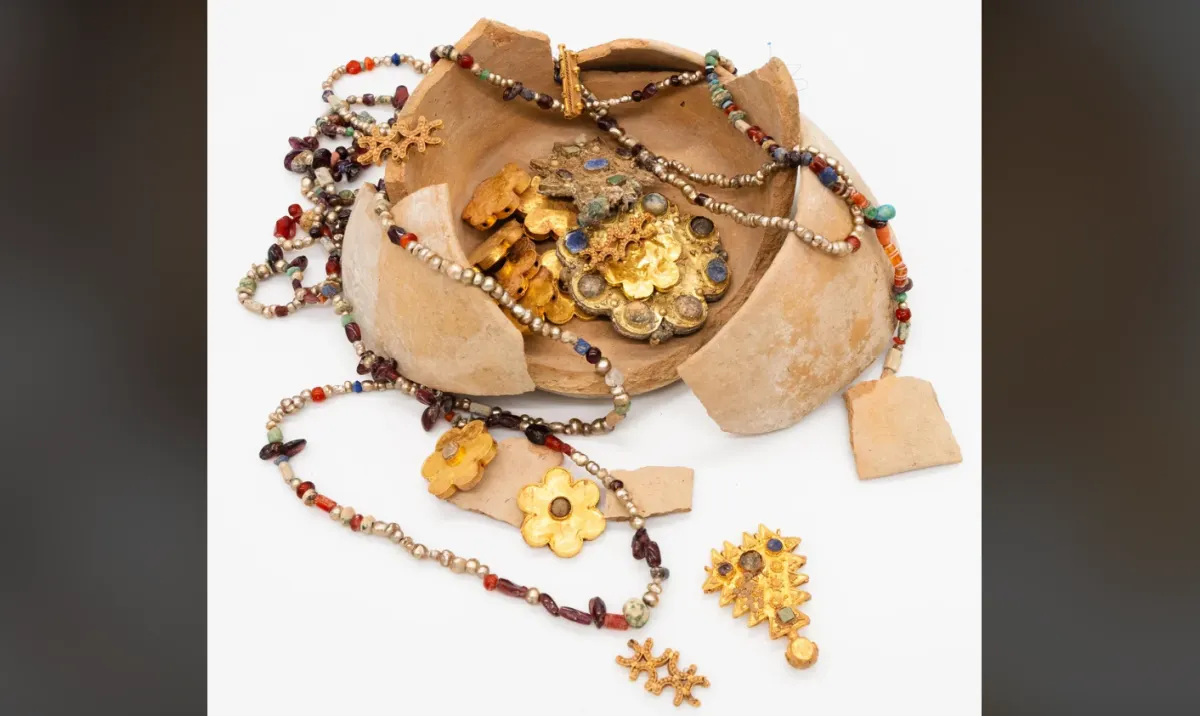
A Hidden Pot of Gold and Silver Jewelry Was Discovered Along an Ancient Pilgrimage Route to Mecca
Dating to the 8th century AD, this pot filled with gold and silver jewelry was uncovered in Dhariyah, Saudi Arabia, along a historic pilgrimage route to Mecca. The remarkable find offers a rare glimpse into the wealth, trade networks, and journeys of travelers crossing Arabia more than 1,200 years ago.
Mysterious Iron Age “Hole Belts” in Denmark May Have Been Ancient Defensive Barriers
Found only in Denmark and dating from 500 to 300 BCE, these unusual earthworks—known as hulbælter or “hole belts”—consist of long rows of carefully dug pits. Archaeologists believe they may have served as defensive obstacles, similar to the fortifications encountered by Julius Caesar during the Siege of Alesia, making them one of the most intriguing military mysteries of the European Iron Age.

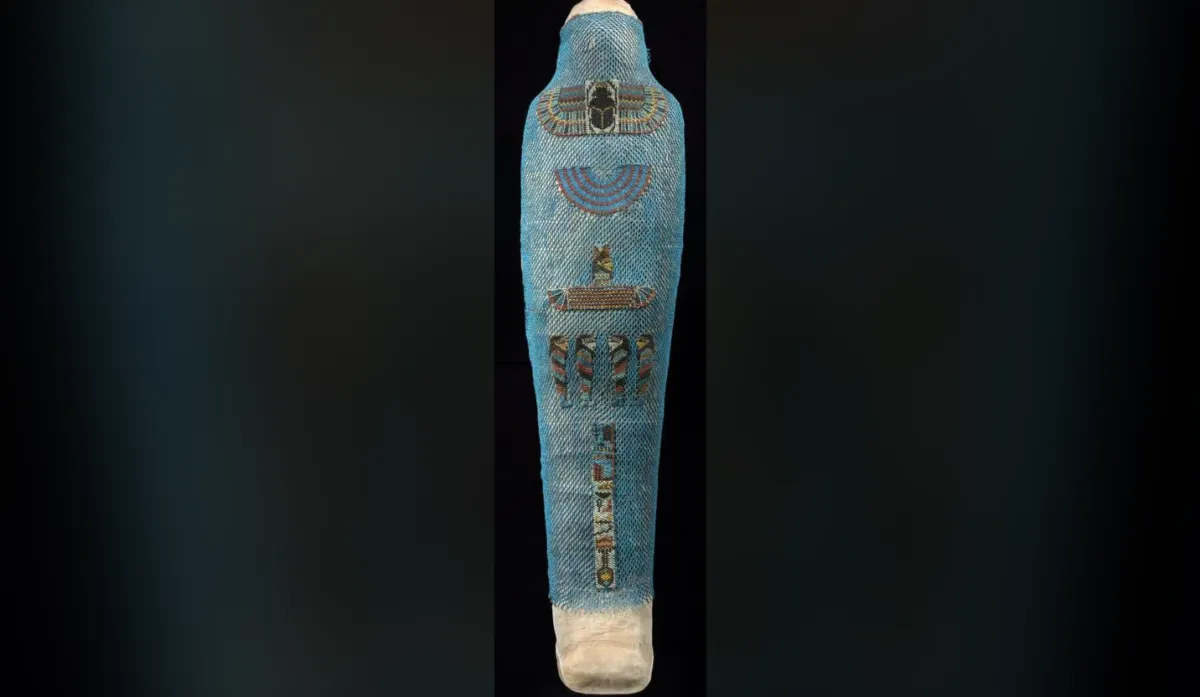
A 2,700-Year-Old Egyptian Mummy Is Covered With Thousands of Brilliant Blue Beads
The mummy of Inamonnefnebu, dating to 700–650 BCE, was wrapped in a shroud covered by an intricate net of blue faience cylinder beads. This striking funerary decoration reflects the wealth, craftsmanship, and burial traditions of ancient Egypt. Today, the remarkably preserved mummy is housed at the Rijksmuseum van Oudheden in the Netherlands.
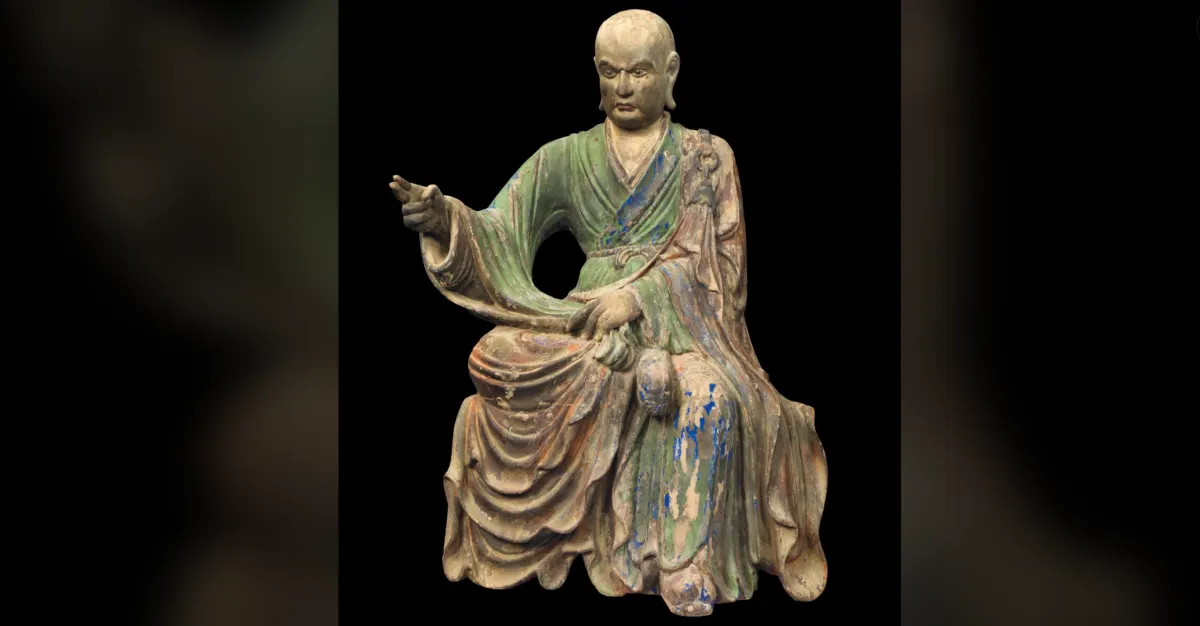
A Ming Dynasty Sculpture Preserves the Image of a Revered Buddhist Arhat
Created during China’s Ming dynasty (1368–1644), this sculpture depicts an arhat—an enlightened disciple of the Buddha who achieved spiritual liberation. The finely crafted figure reflects the artistic sophistication and deep religious traditions that flourished in China during one of its most influential imperial eras.
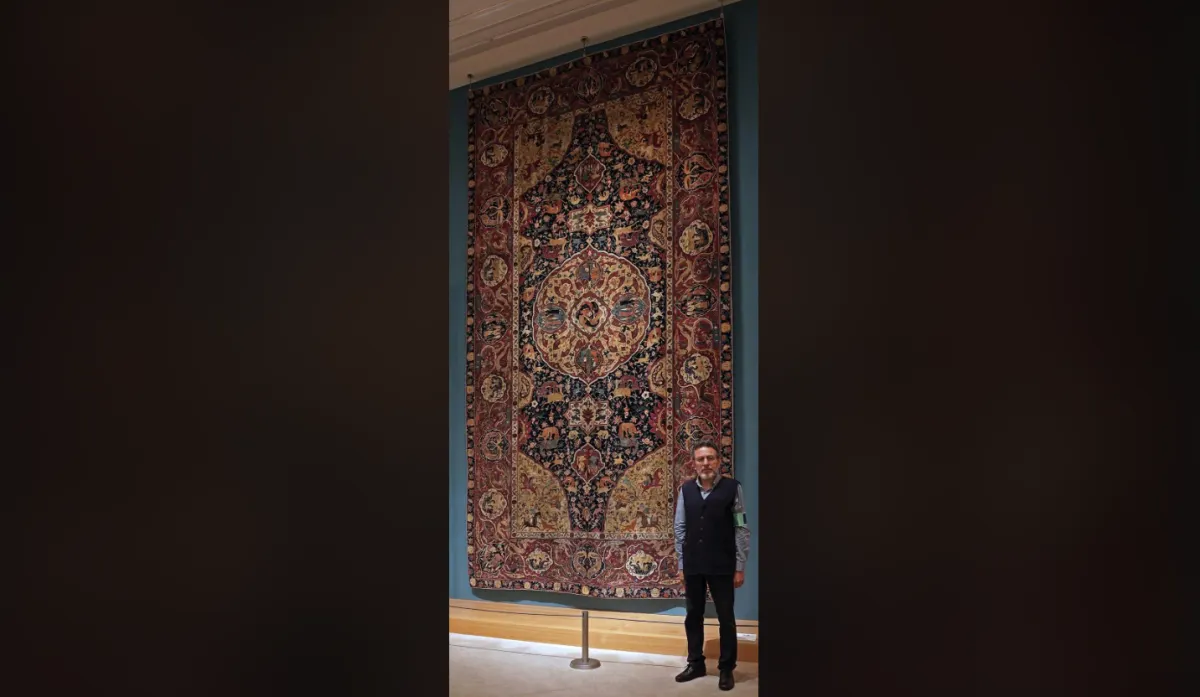
A Magnificent Safavid Carpet From Iran Showcases the Golden Age of Persian Weaving
Woven in Iran during the 16th–17th centuries, this Safavid medallion and animal carpet features intricate designs crafted from wool pile on a foundation of cotton, wool, and silk. Renowned for their artistic sophistication and exceptional craftsmanship, Safavid carpets are considered among the finest textiles ever produced. Today, this remarkable example is preserved at the Miho Museum in Japan.
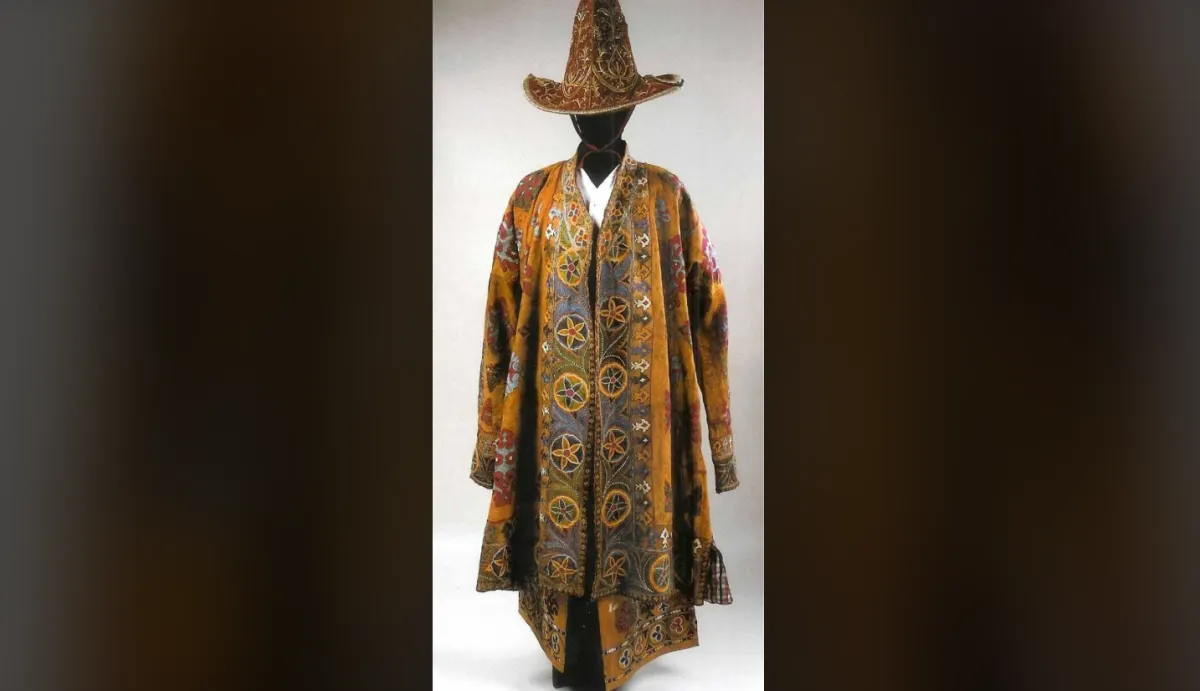
A 19th-Century Ceremonial Outfit Reveals the Rich Traditions of Kazakh Nobility
This men's ceremonial attire from Kazakhstan, dating to the mid-19th century, reflects the elegance, craftsmanship, and cultural identity of the Kazakh people. Featuring intricate decorative elements and luxurious materials, garments like this were often worn during important social, religious, or ceremonial occasions, symbolizing status and heritage.