

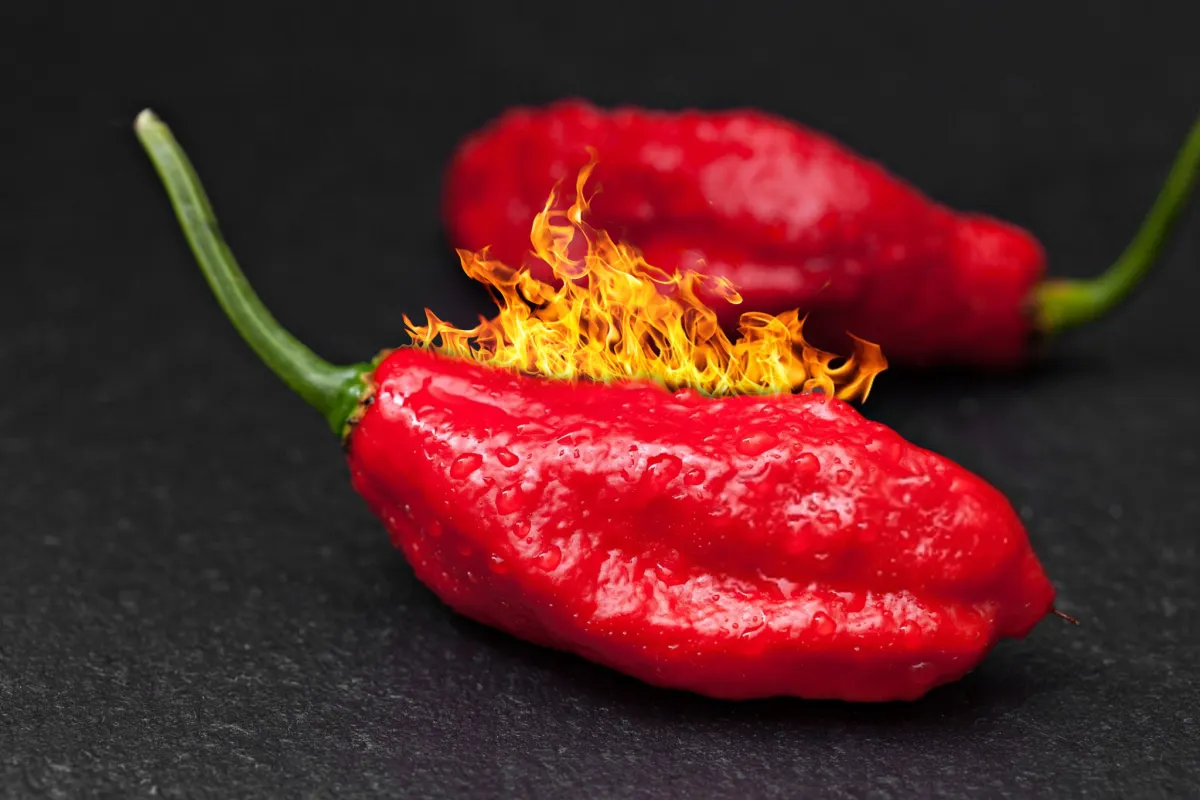
For most people, biting into a pepper is a simple experience. Some peppers add a touch of sweetness to a meal, while others can make your eyes water after a single bite. But what exactly causes that fiery sensation?
The answer lies in a natural compound called capsaicin, and scientists use a measurement known as the Scoville Scale to determine just how much of it a pepper contains.
Despite common belief, capsaicin does not actually burn your tongue. Instead, it tricks your nervous system into thinking it is experiencing heat. The result is the familiar burning, tingling, and sometimes painful sensation associated with spicy foods.
Read More

What Is the Scoville Scale?
The Scoville Scale, developed by pharmacist Wilbur Scoville in 1912, measures the concentration of capsaicin in peppers. The higher the Scoville Heat Unit (SHU) rating, the hotter the pepper feels.
A pepper with a score of zero contains no detectable capsaicin and produces no spicy sensation. As the number rises, so does the intensity.
Today, laboratories use advanced chemical analysis rather than taste tests to determine Scoville ratings, making measurements far more accurate than they were a century ago.
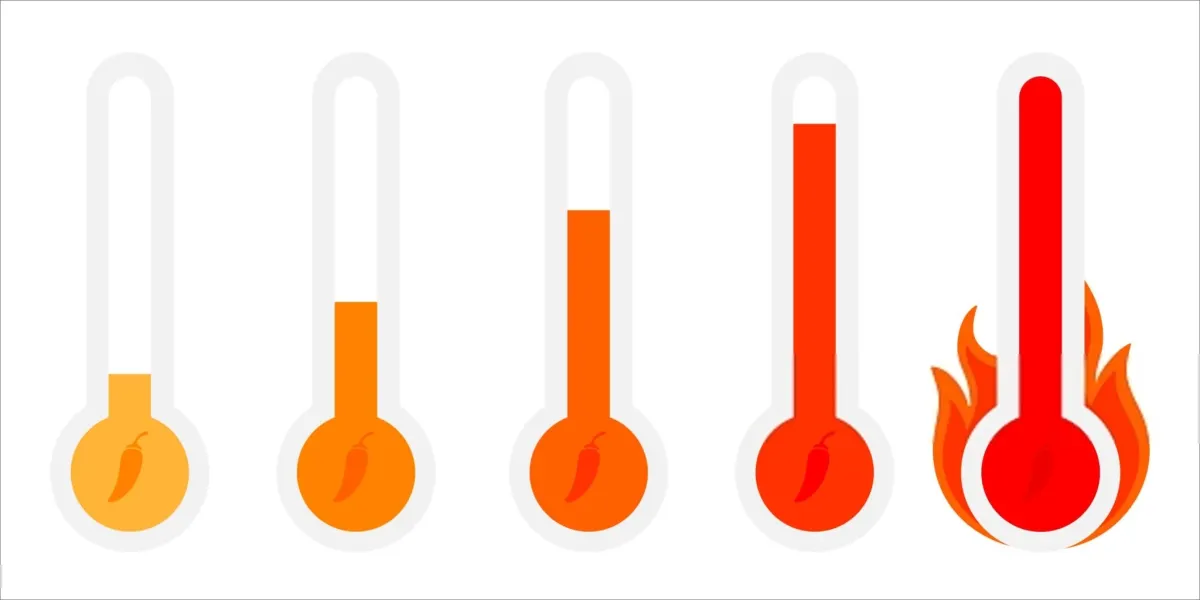
What Is Capsaicin?
Capsaicin is a naturally occurring chemical produced by plants in the Capsicum family. Its primary role is believed to be protection. The compound discourages mammals from eating the fruit while allowing birds—who are largely unaffected by capsaicin—to spread the seeds.
Interestingly, capsaicin is concentrated mostly in the white membranes and internal tissues of peppers rather than the seeds themselves, although the seeds often absorb some of the compound through contact.
Which Fruits Contain Capsaicin?
Botanically speaking, peppers are fruits. Capsaicin is found almost exclusively in peppers belonging to the Capsicum genus.
Common examples include:
- Bell Pepper
- Jalapeño
- Serrano Pepper
- Cayenne Pepper
- Thai Chili Pepper
- Habanero Pepper
- Scotch Bonnet Pepper
- Ghost Pepper
- Carolina Reaper
- Pepper X
Other fruits such as apples, oranges, bananas, grapes, mangoes, strawberries, and watermelons contain zero capsaicin and register no heat on the Scoville Scale.
Scoville Ratings of Popular Peppers
| Pepper | Approximate Scoville Rating (SHU) |
|---|---|
| Bell Pepper | 0 |
| Poblano Pepper | 1,000 – 2,000 |
| Jalapeño | 2,500 – 8,000 |
| Serrano | 10,000 – 23,000 |
| Cayenne | 30,000 – 50,000 |
| Thai Chili | 50,000 – 100,000 |
| Habanero | 100,000 – 350,000 |
| Scotch Bonnet | 100,000 – 350,000 |
| Ghost Pepper | 800,000 – 1,041,427 |
| Carolina Reaper | 1.4 – 2.2 Million |
| Pepper X | More than 2.6 Million |
To put these numbers into perspective, a Carolina Reaper can be hundreds of times hotter than a typical jalapeño.

Why Does Spicy Food Feel Like It Burns?
Capsaicin activates receptors in the mouth known as TRPV1 receptors, which normally respond to actual heat. When capsaicin binds to these receptors, your brain receives a signal similar to touching something hot.
The result can include:
- Burning sensations
- Sweating
- Redness of the skin
- Watery eyes
- Runny nose
- Increased heart rate
In reality, no tissue damage is occurring in most cases. Your body is simply reacting to a chemical signal.
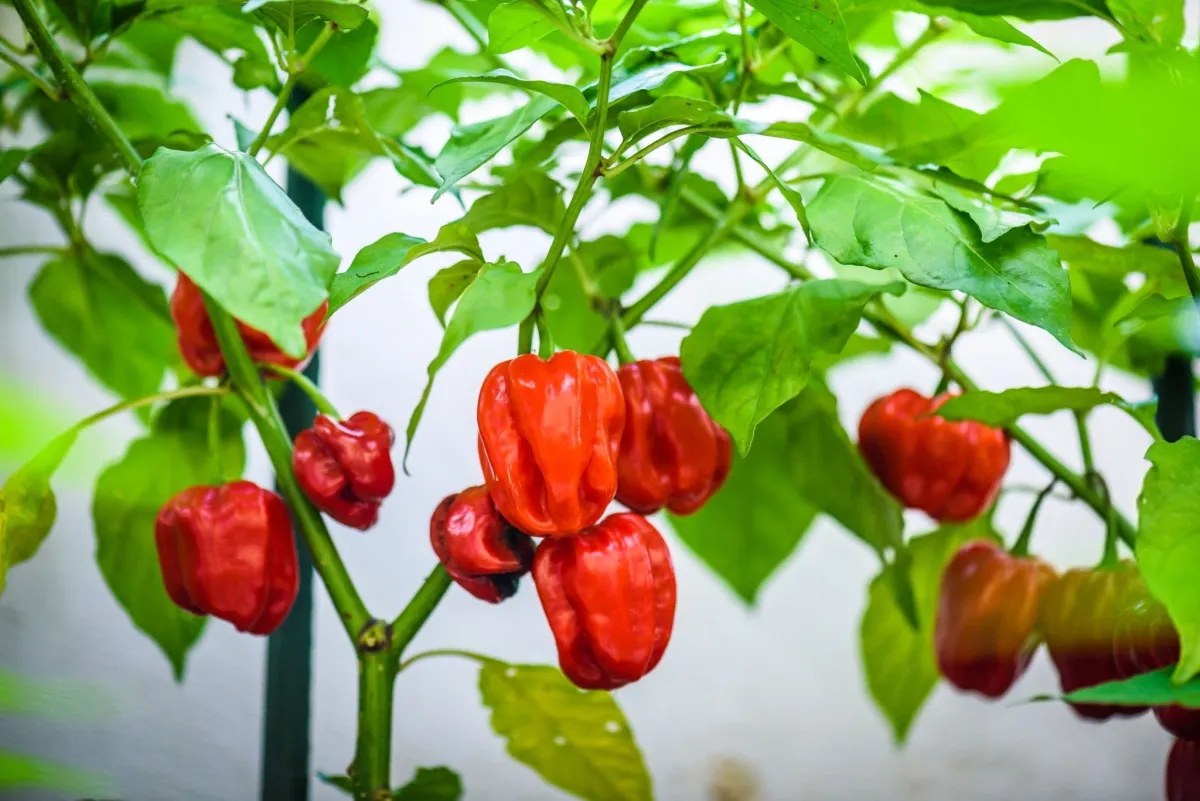
Can Capsaicin Be Good for You?
Research suggests capsaicin may offer several potential benefits when consumed in moderation:
- May support metabolism
- May help reduce appetite
- Contains antioxidant properties
- May contribute to pain-relief therapies
- Can stimulate circulation
However, extremely spicy foods may cause discomfort in sensitive individuals and should be consumed responsibly.
Why Milk Works Better Than Water
One of the biggest mistakes people make after eating a hot pepper is reaching for water. Capsaicin is oil-like and does not dissolve well in water.
Milk contains casein, a protein that helps break down and wash away capsaicin molecules. This is why dairy products often provide faster relief than water.