
Throughout history, civilizations have built extraordinary monuments that continue to inspire millions of people every year. Some were created to honor kings, religions, or empires, while others were engineering masterpieces designed to connect continents or reshape nature itself. Together, these incredible landmarks tell the story of humanity's creativity, ambition, and determination.
From ancient pyramids standing in the desert for more than 4,500 years to futuristic architectural icons that define modern skylines, these man-made wonders represent the very best of human achievement. Whether carved into mountains, built on remote islands, or reaching toward the sky, each destination offers a fascinating glimpse into the culture and technology of its era.
Read More

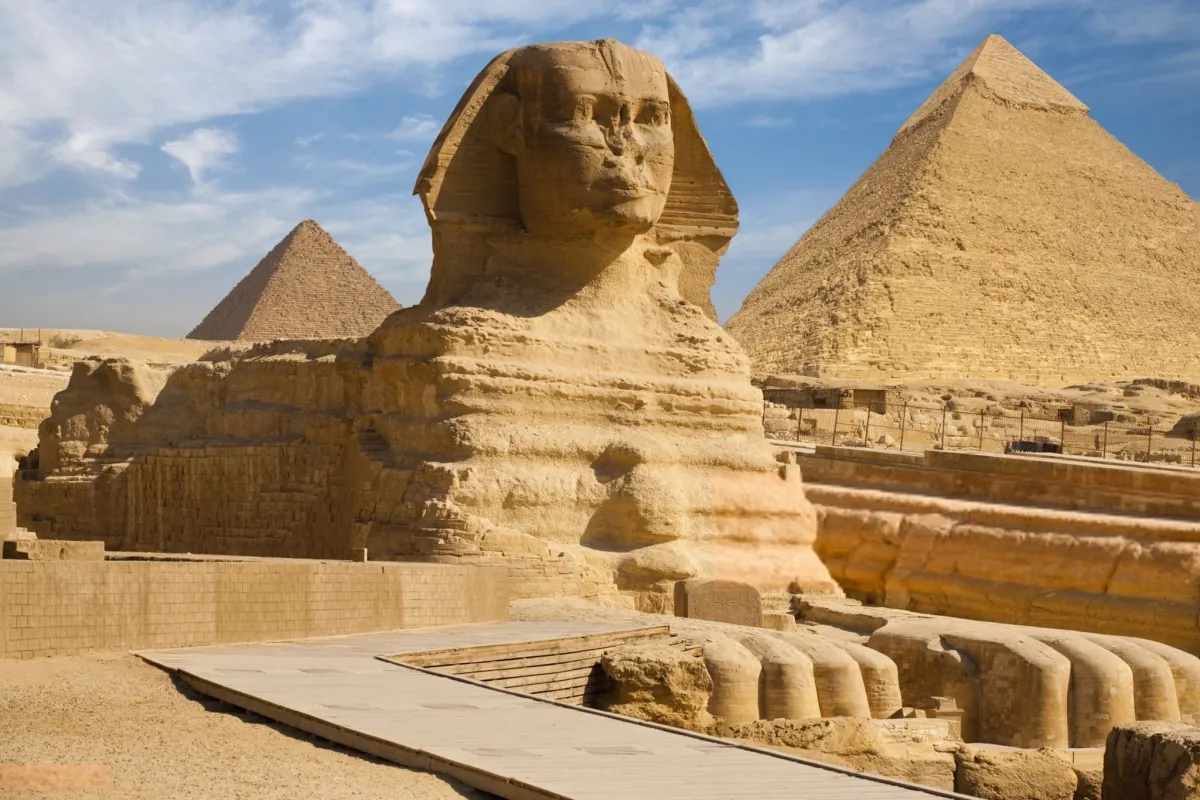
1. Pyramids of Giza, Egypt
Built between 2600 and 2500 BC during Egypt's Fourth Dynasty, the Pyramids of Giza are the only surviving Ancient Wonder of the World. The Great Pyramid stood as the tallest man-made structure on Earth for nearly 3,800 years and remains one of history's greatest engineering mysteries.
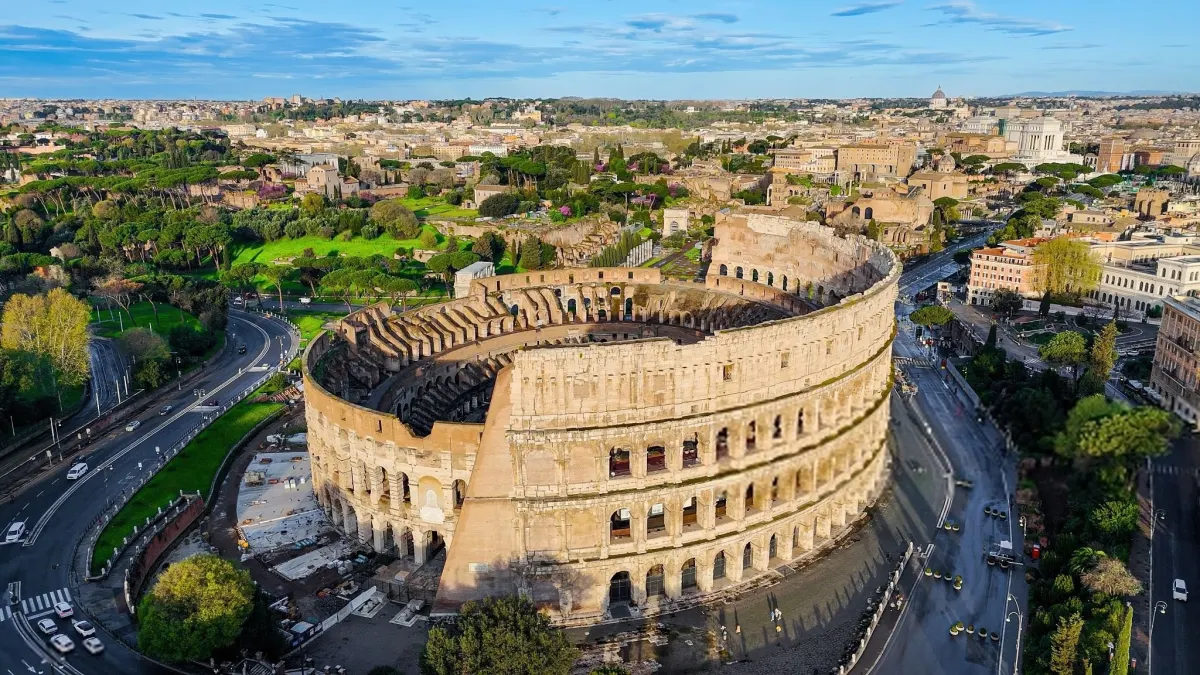
2. Colosseum, Italy
Completed in AD 80 under Emperor Titus, the Colosseum could hold nearly 80,000 spectators for gladiator games and public spectacles. It remains the largest surviving Roman amphitheater and one of the greatest symbols of the Roman Empire.
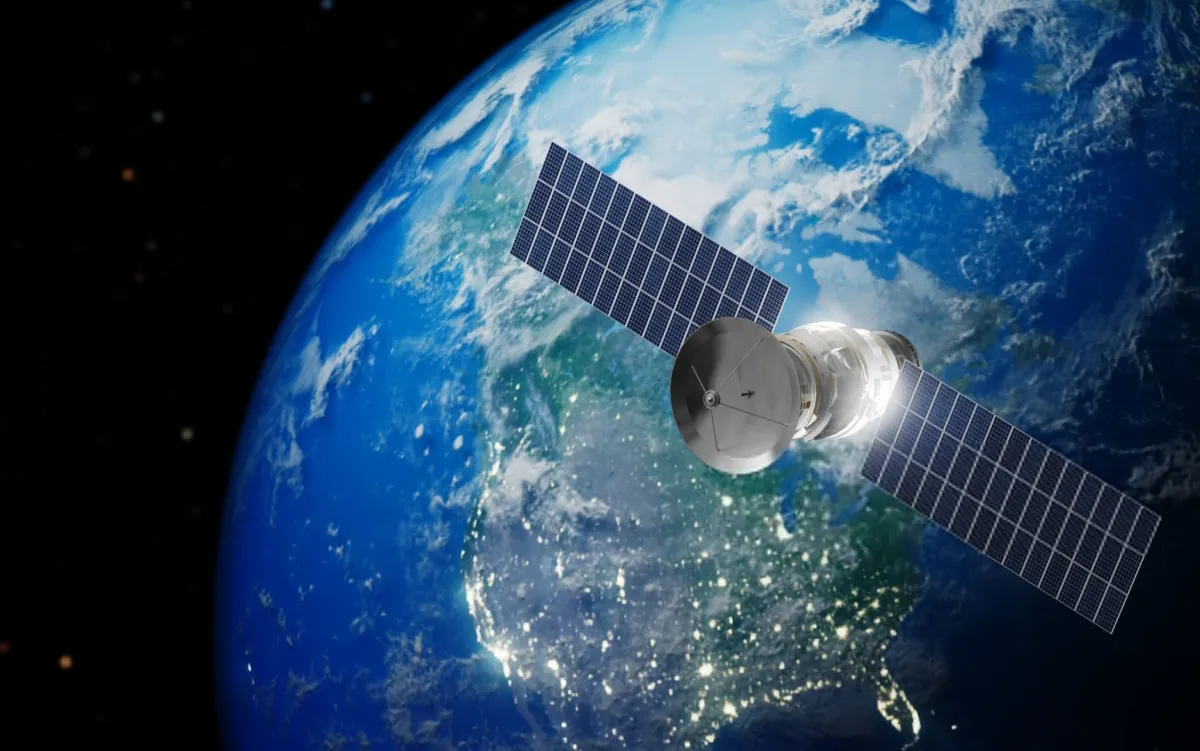
3. International Space Station (ISS)
Assembled between 1998 and today, the ISS has been continuously inhabited since 2000. Orbiting about 400 km (250 miles) above Earth, it is the largest human-made object in space and an international laboratory for scientific research.
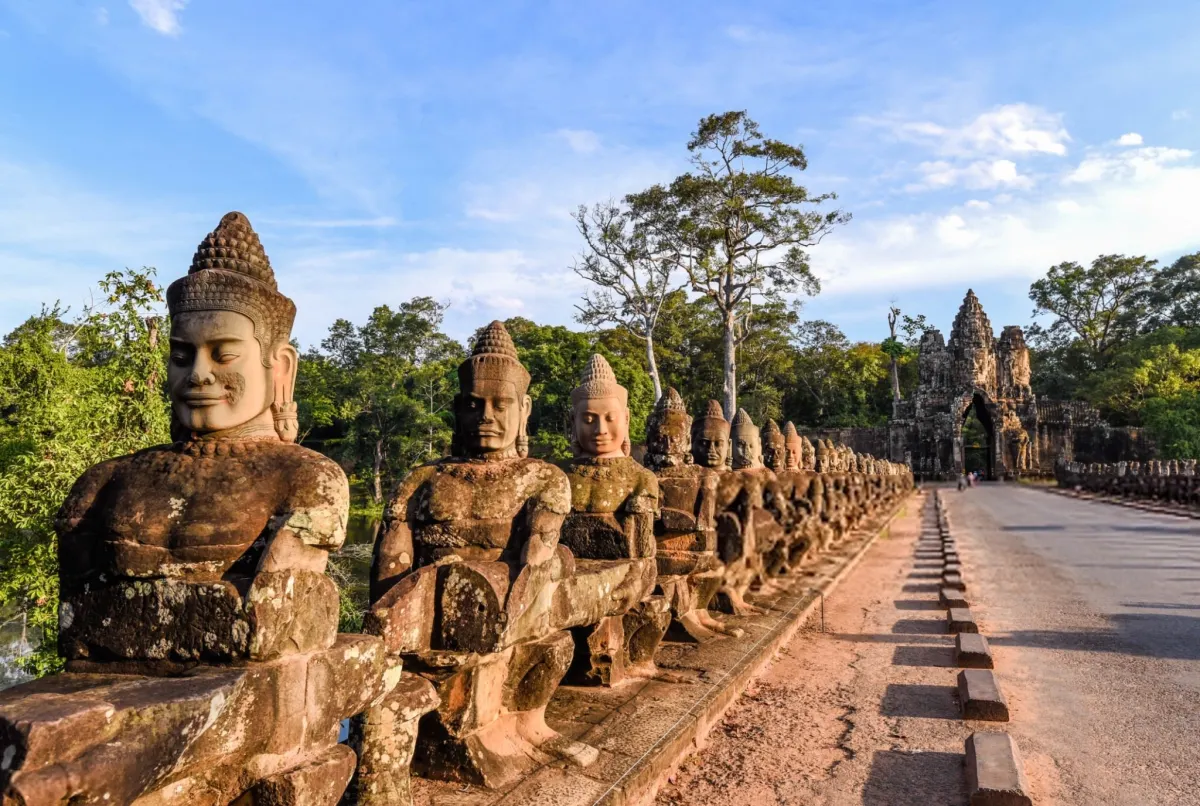
4. Angkor, Cambodia
Built between the 9th and 13th centuries, Angkor was the capital of the Khmer Empire. Its centerpiece, Angkor Wat, is the largest religious monument in the world, famous for its intricate carvings and remarkable scale.
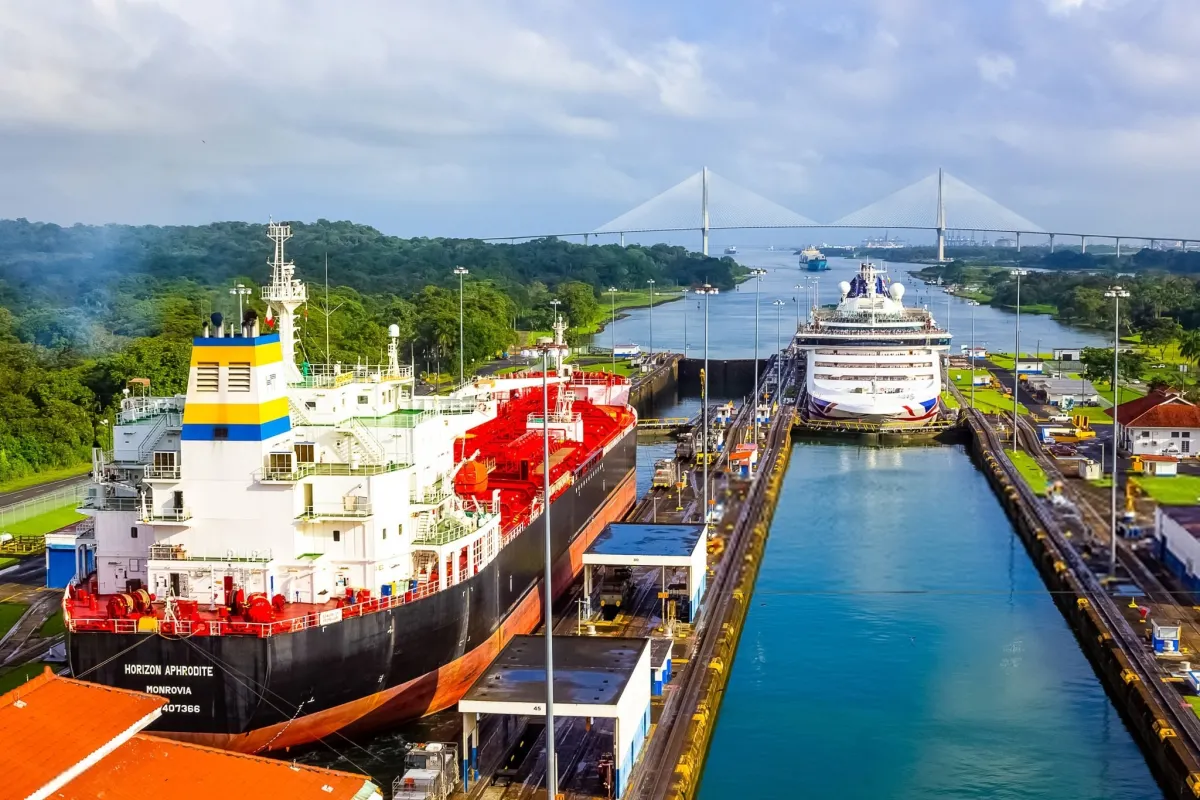
5. Panama Canal, Panama
Opened in 1914, the Panama Canal revolutionized global shipping by connecting the Atlantic and Pacific Oceans. Its advanced lock system saves ships thousands of miles compared to sailing around South America.
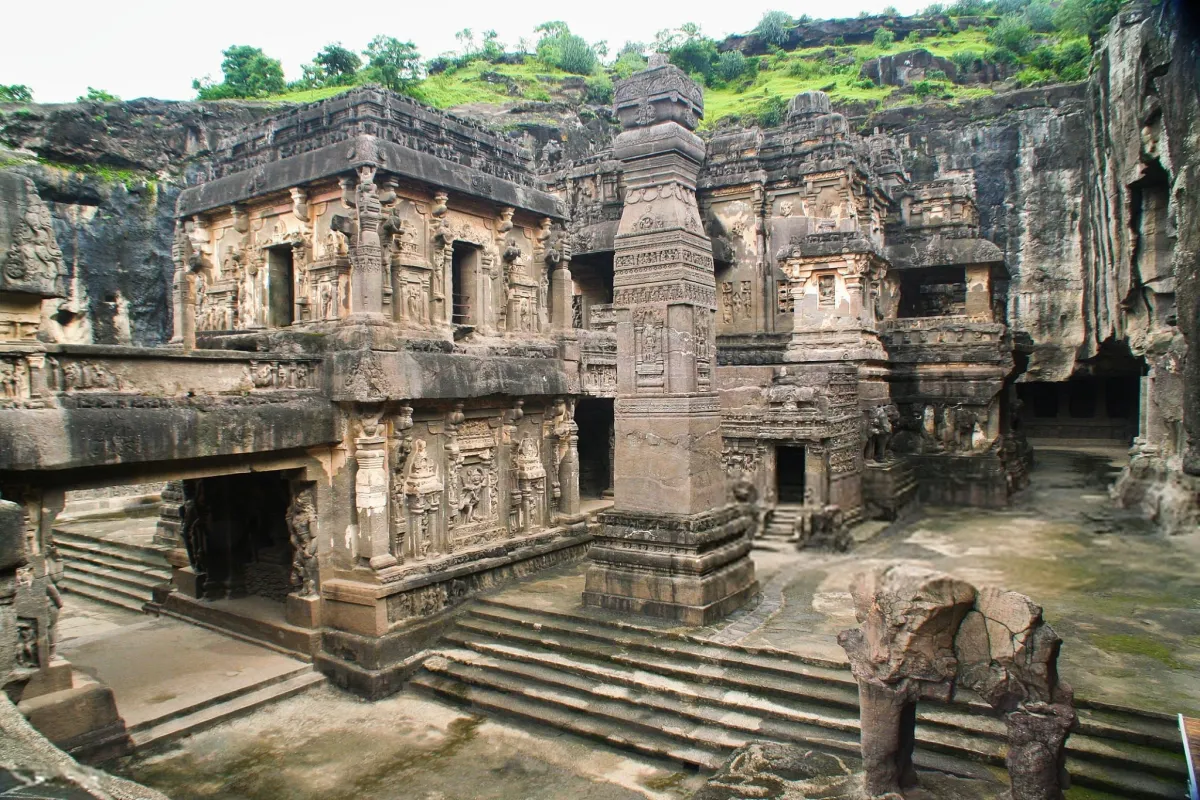
6. Ellora Caves, India
Constructed between the 6th and 10th centuries, the Ellora Caves feature Buddhist, Hindu, and Jain temples carved directly into volcanic rock. The magnificent Kailasa Temple was carved from a single massive cliff.
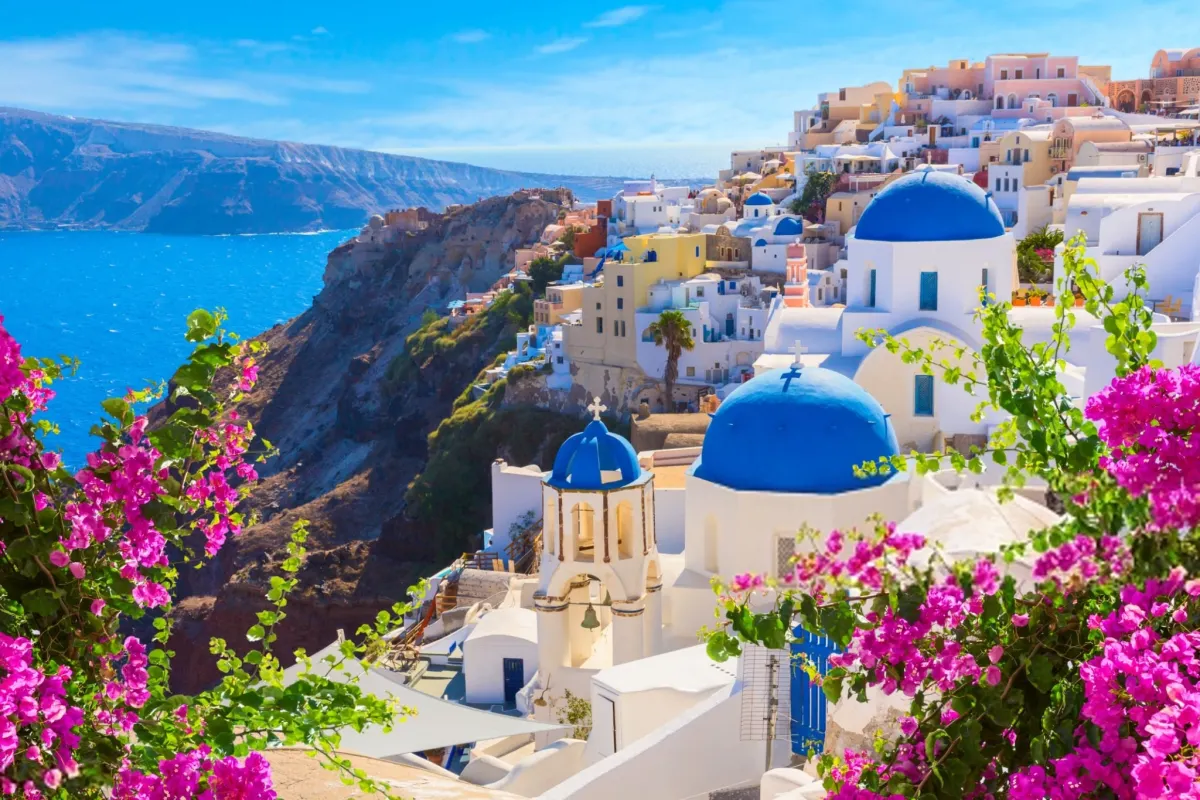
7. Santorini, Greece
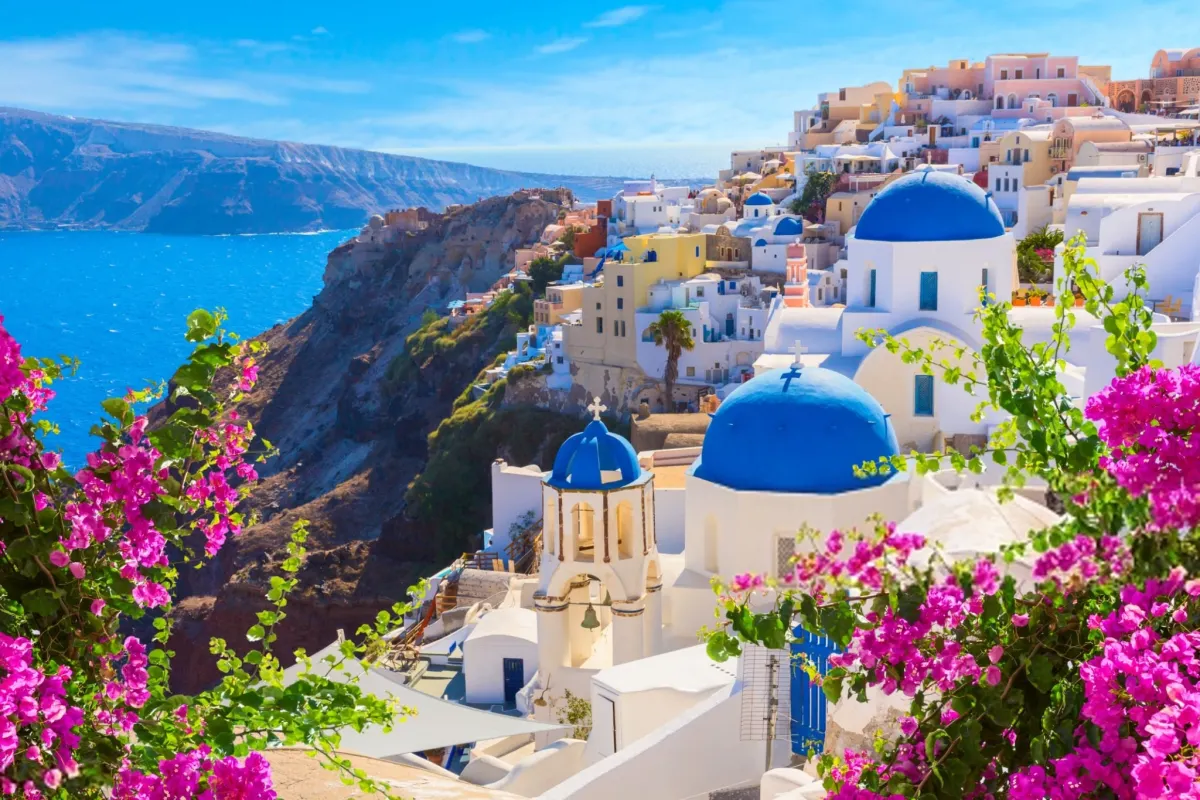
Santorini was shaped by a massive volcanic eruption around 1600 BC. Its iconic white villages overlook a flooded volcanic caldera, making it one of the world's most photographed island destinations.
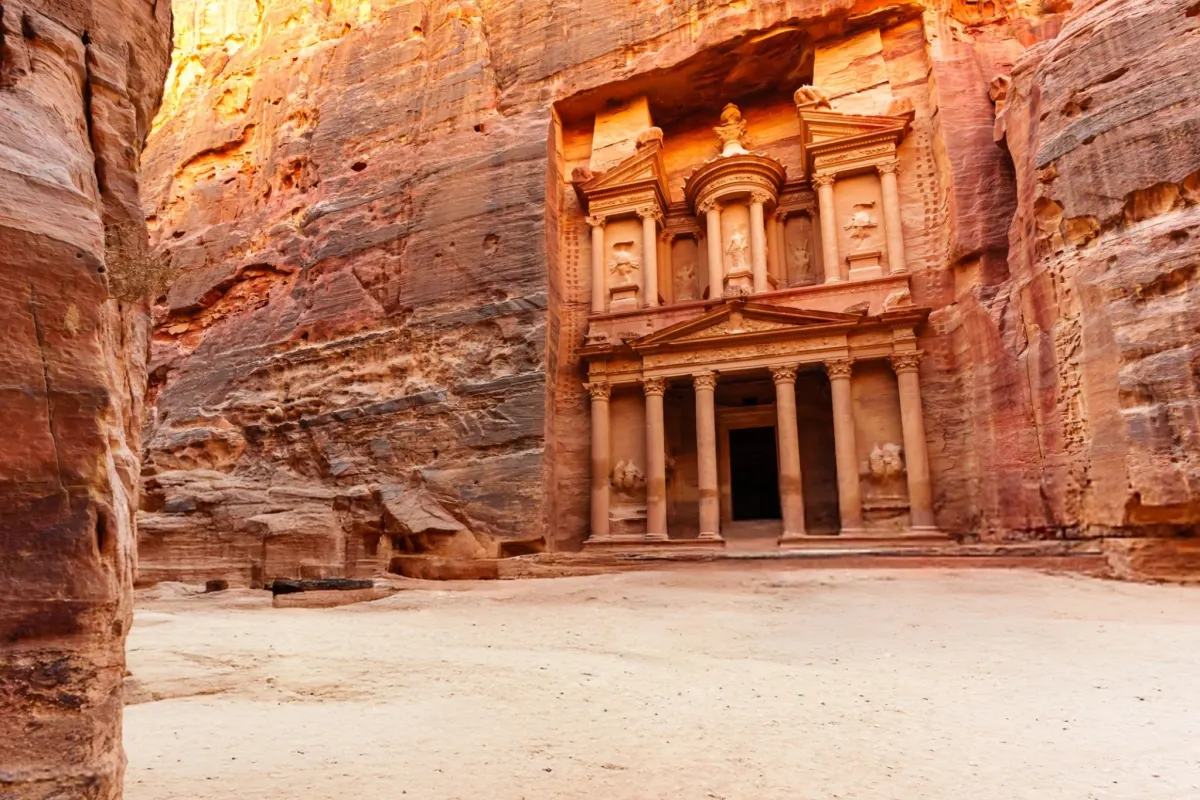
8. Petra, Jordan
Founded around the 4th century BC, Petra was the thriving capital of the Nabataean Kingdom. Its famous Treasury was carved directly into pink sandstone cliffs and showcases extraordinary ancient rock-cut architecture.
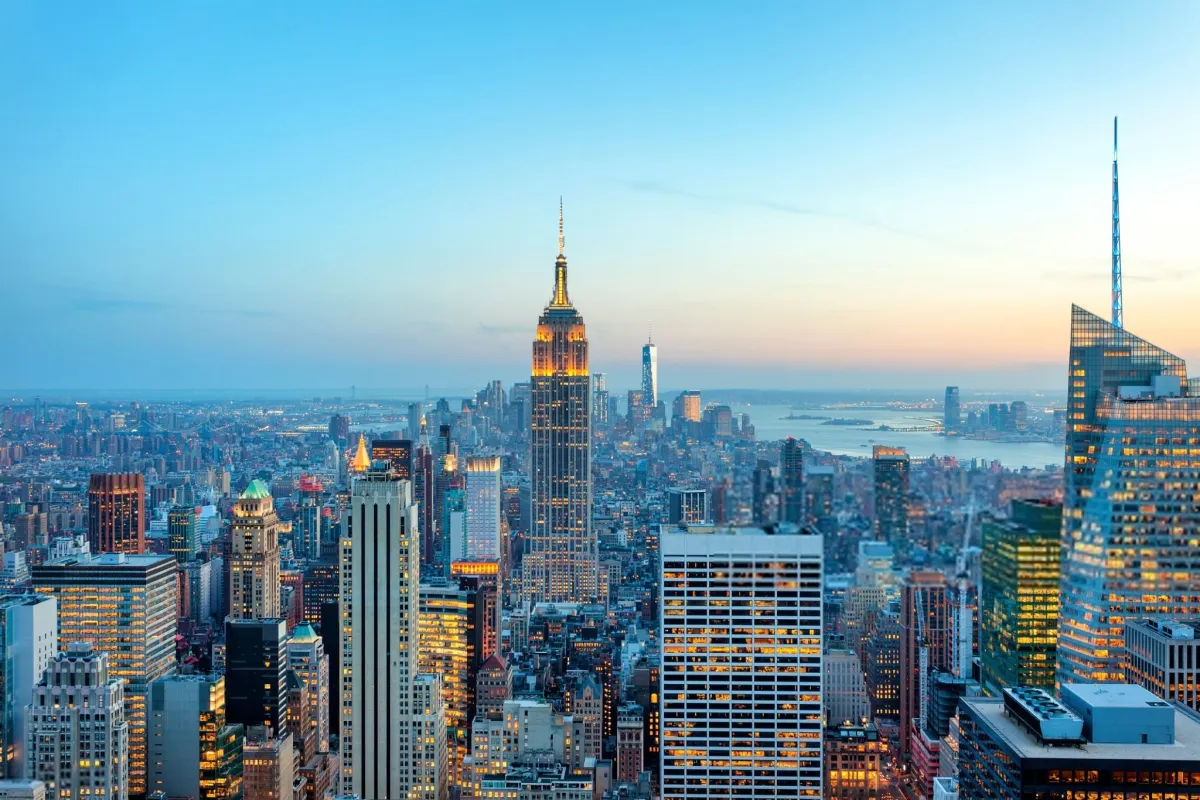
9. Empire State Building, USA
Completed in 1931, the Empire State Building became the world's tallest skyscraper for nearly 40 years. Built in only 410 days, it remains one of New York City's most recognizable landmarks.
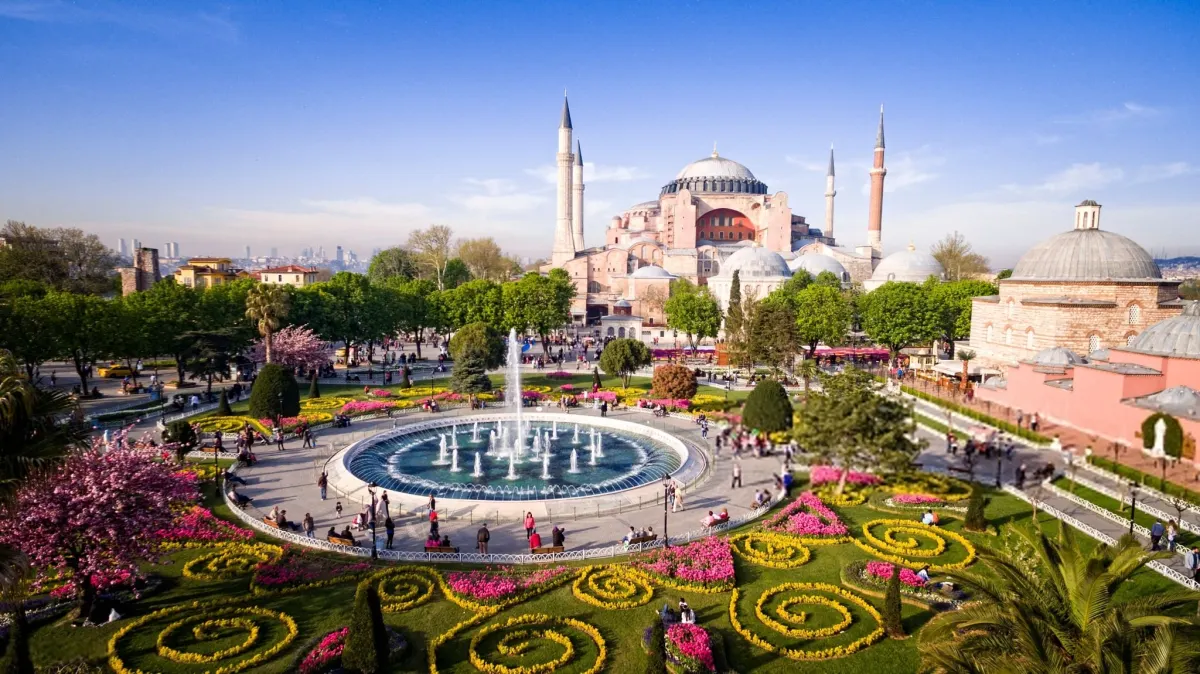
10. Hagia Sophia, Türkiye
Completed in AD 537, Hagia Sophia served as the world's largest cathedral for almost a millennium. Its enormous dome transformed architecture and later inspired many Ottoman mosques.
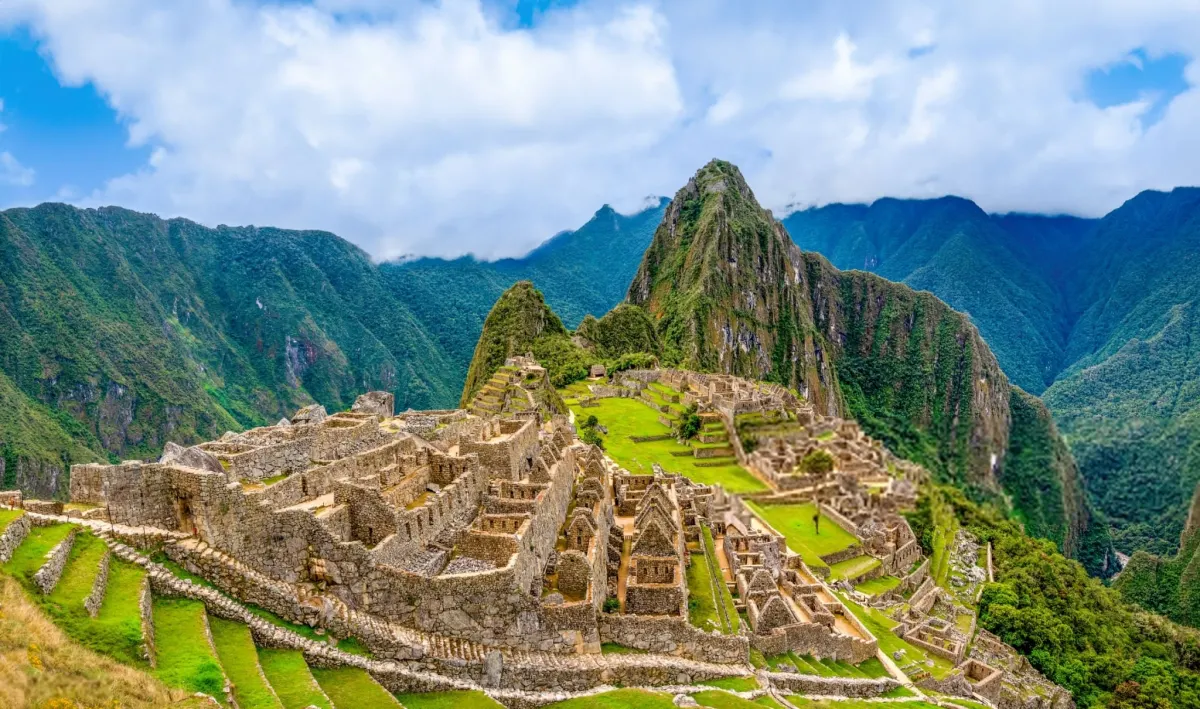
11. Machu Picchu, Peru
Built around AD 1450 by the Inca civilization, Machu Picchu sits high in the Andes Mountains. Its precisely cut stones fit together without mortar, allowing the city to withstand centuries of earthquakes.
12. Great Wall of China
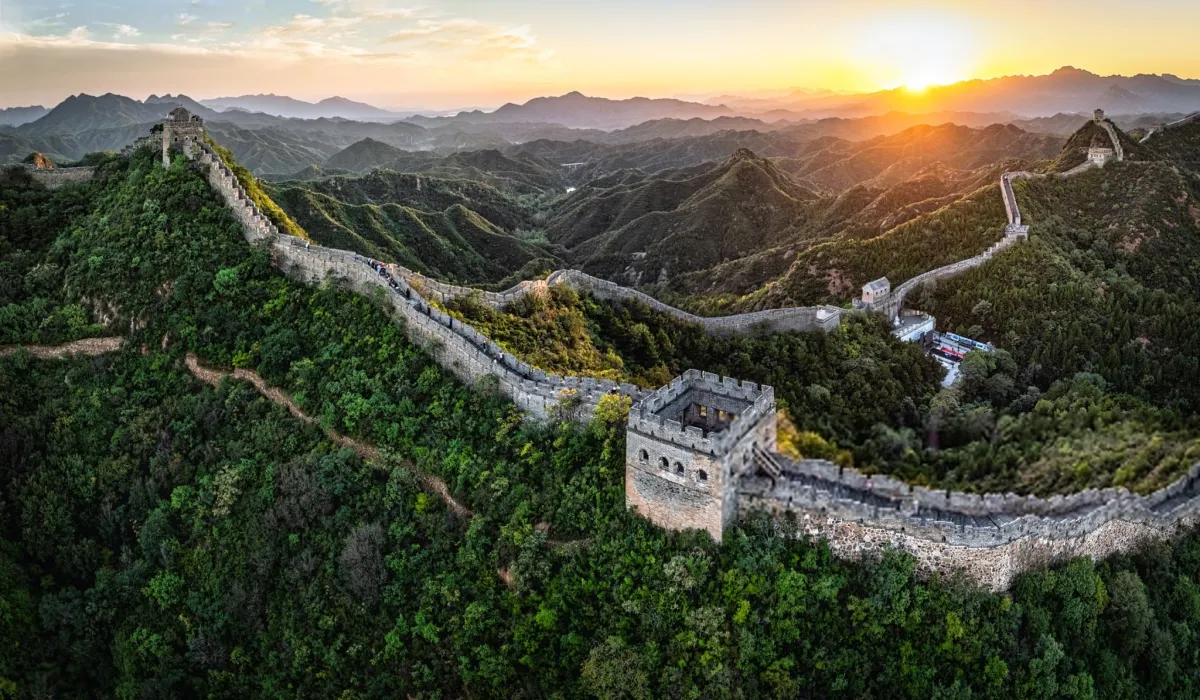
Construction began as early as the 7th century BC and continued for centuries. Stretching over 21,000 km, it is the longest man-made structure ever built and was designed to defend northern China from invasions.
13. Temple Mount, Jerusalem
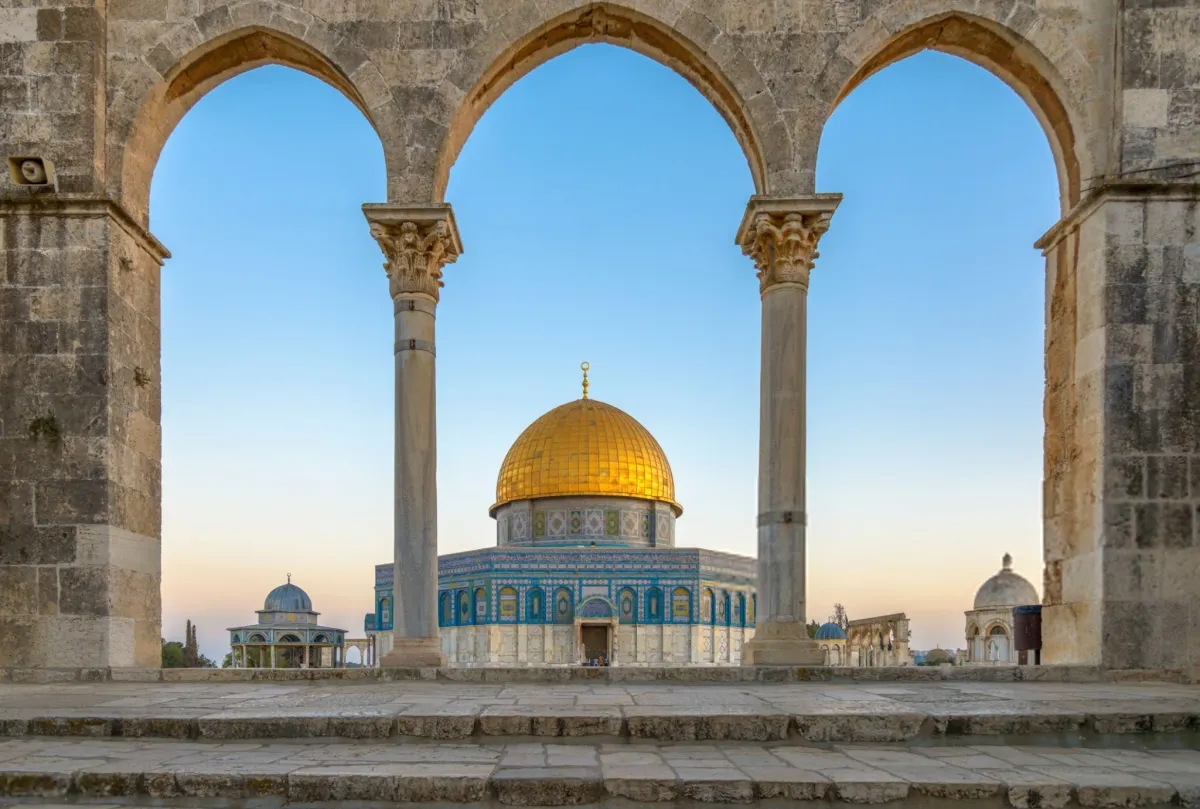
Sacred for more than 2,000 years, Temple Mount is one of the world's most important religious sites. It contains the Dome of the Rock and stands at the heart of Judaism, Islam, and Christianity.
14. Eiffel Tower, France
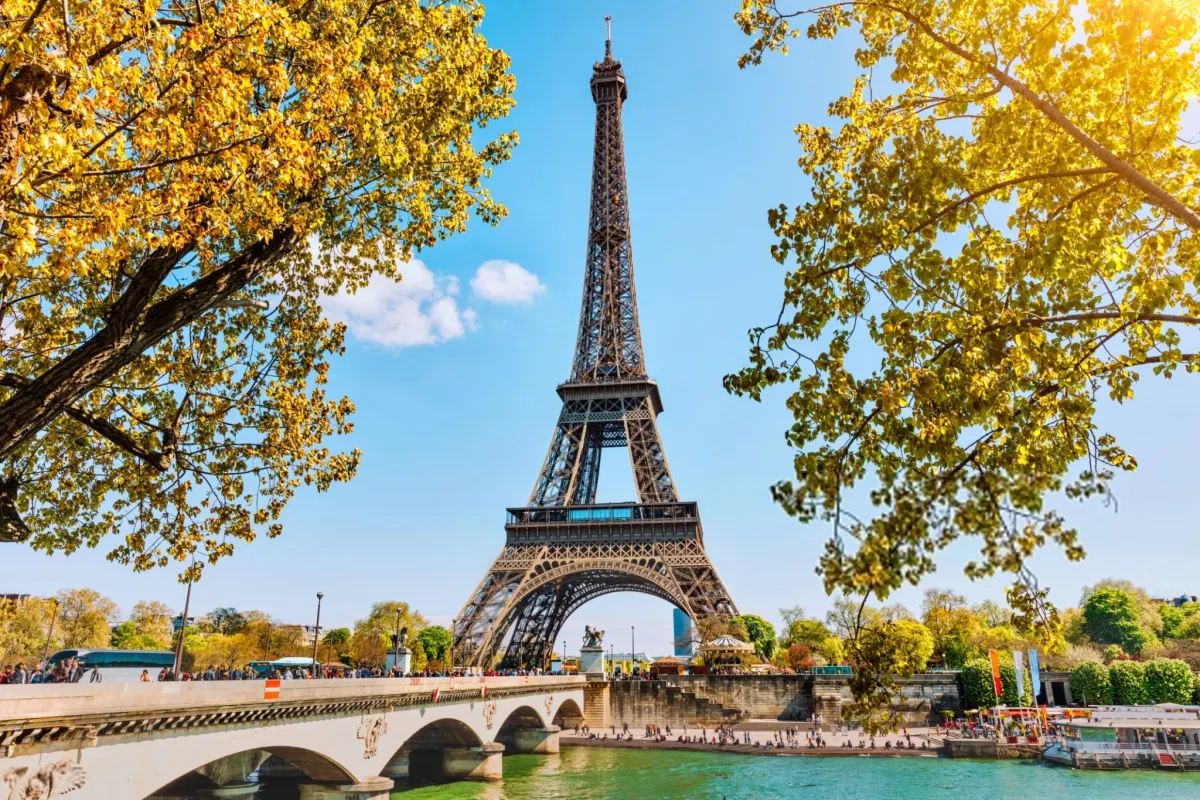
Built for the 1889 World's Fair, the Eiffel Tower stands 330 meters tall. Once criticized by Parisians, it has become France's most famous landmark and attracts millions of visitors every year.
15. Prambanan Temple, Indonesia
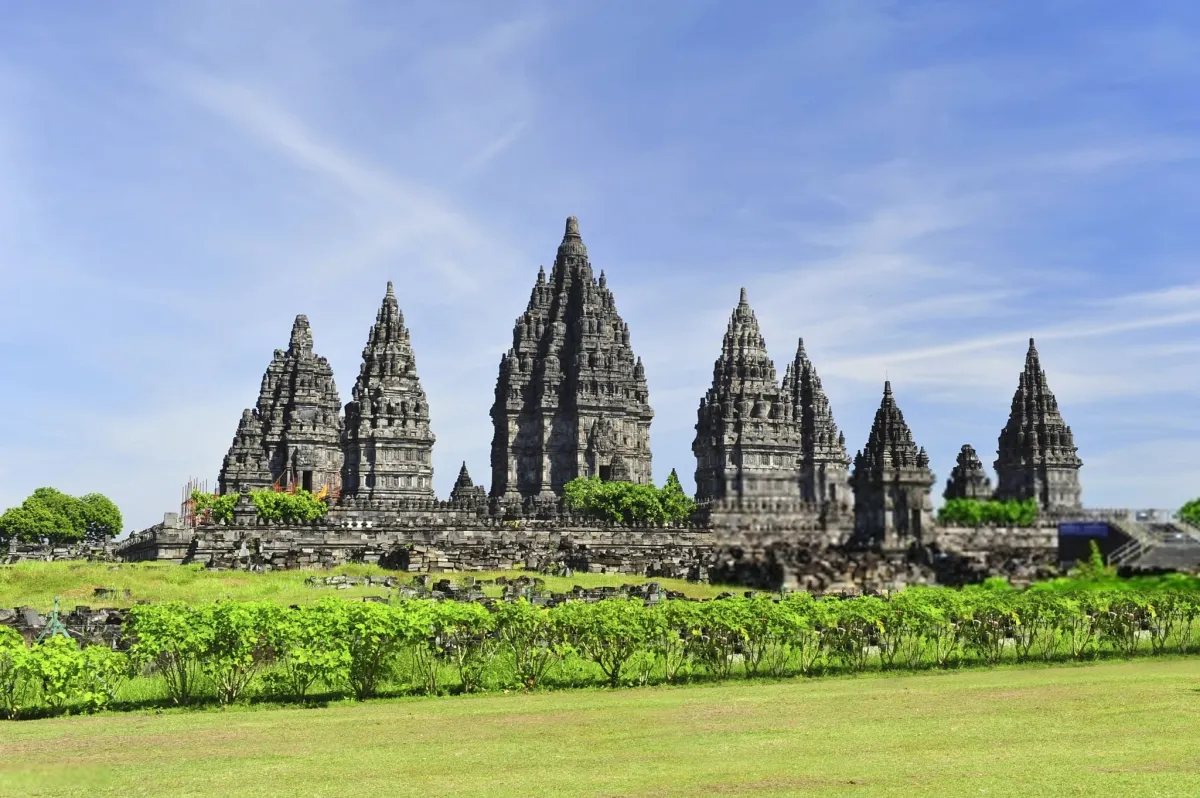
Built in the 9th century, Prambanan is Indonesia's largest Hindu temple complex. Dedicated to Shiva, Vishnu, and Brahma, it is renowned for its elegant towers and detailed stone carvings.
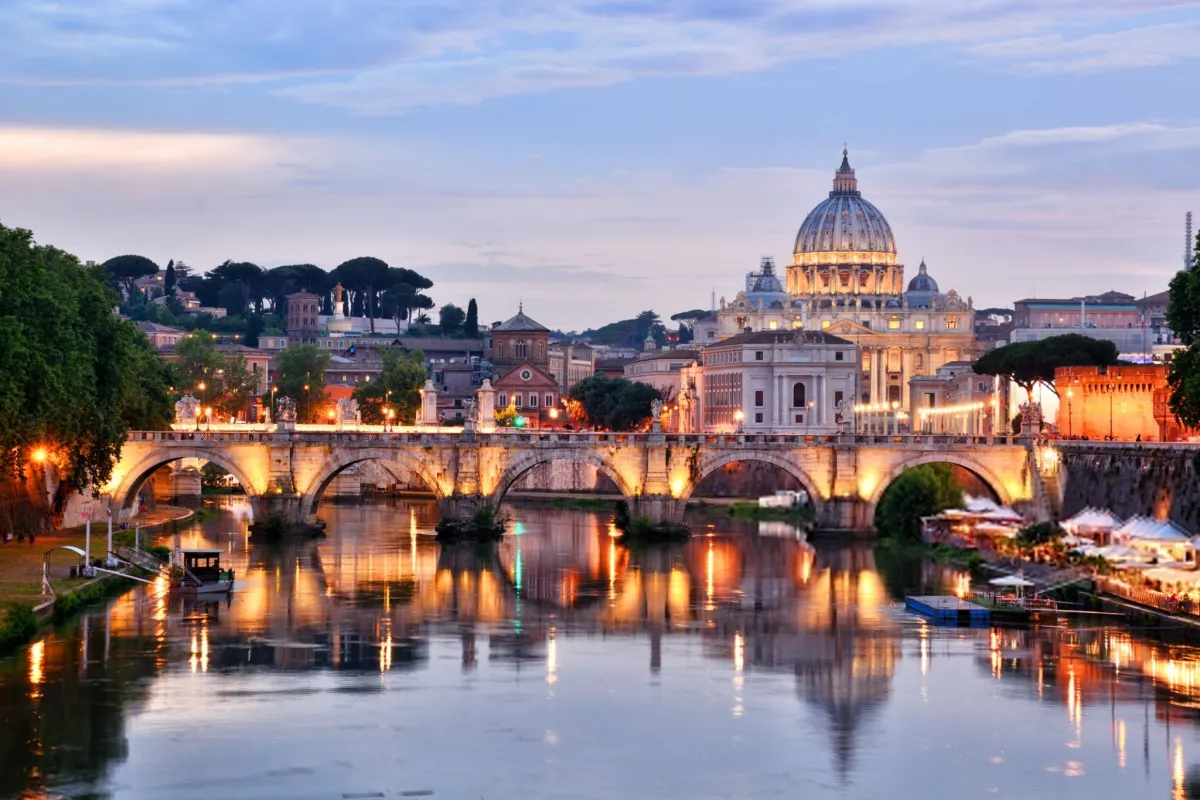
16. St. Peter's Basilica, Vatican City
Construction began in 1506 and was completed in 1626. Designed by masters including Michelangelo, it is the largest church in the world and is believed to stand above the tomb of Saint Peter.
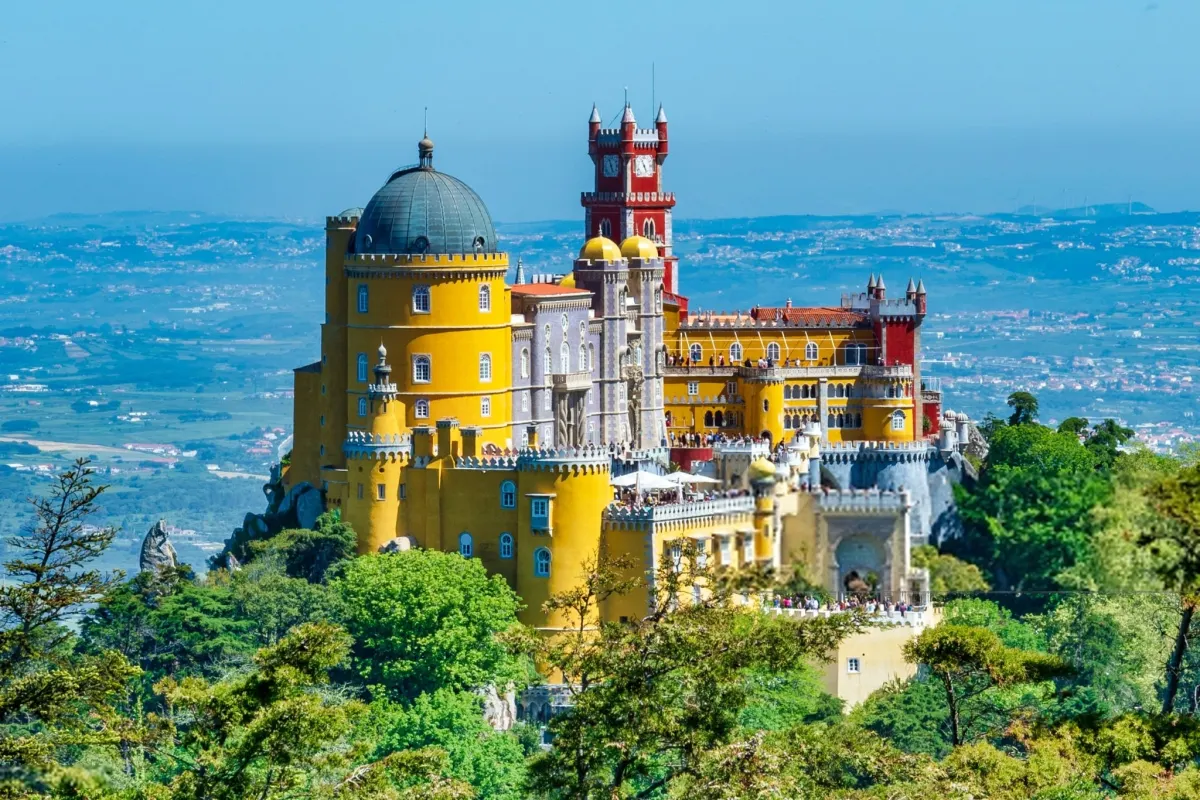
17. Pena Palace, Portugal
Completed in 1854, Pena Palace is one of Europe's finest Romantic castles. Its colorful architecture combines Gothic, Moorish, Renaissance, and Manueline styles overlooking the Sintra Mountains.
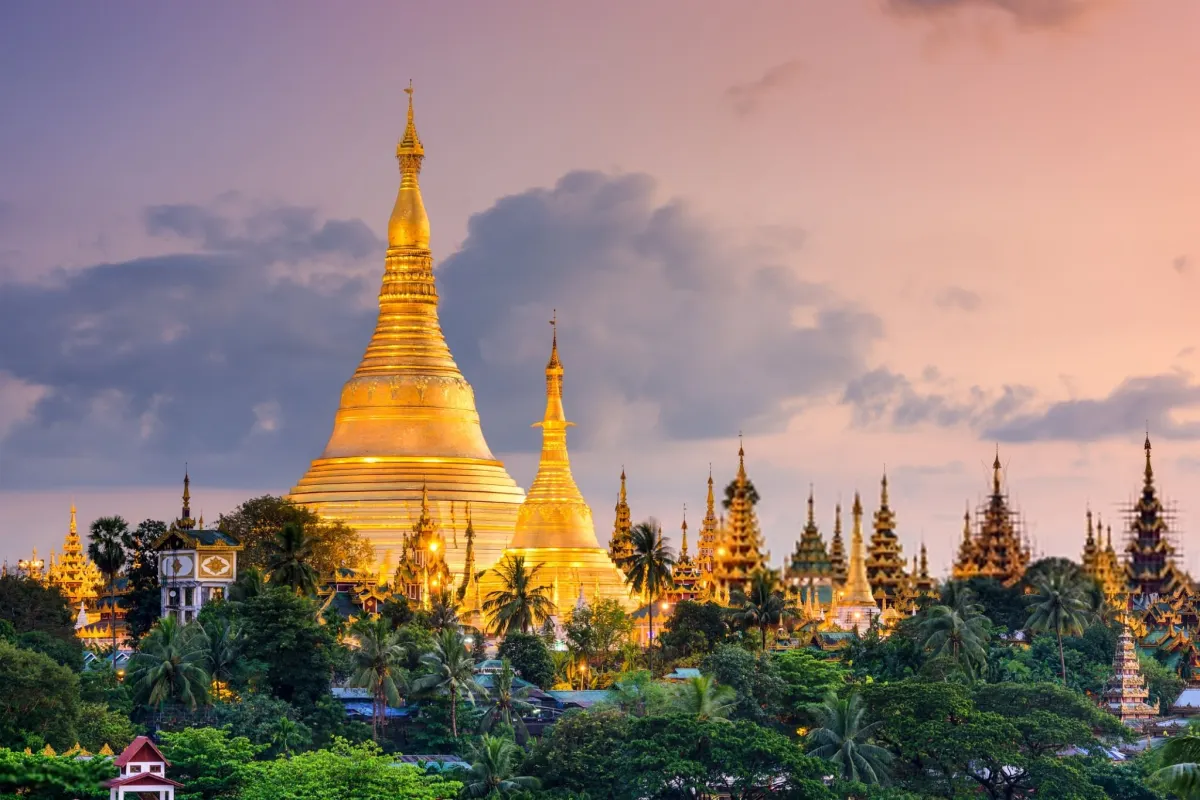
18. Shwedagon Pagoda, Myanmar
Dating back at least to the 6th–10th centuries AD, Shwedagon Pagoda is Myanmar's holiest Buddhist site. Its 99-meter (326-foot) golden stupa is covered with gold plates and crowned with thousands of diamonds and precious gems.
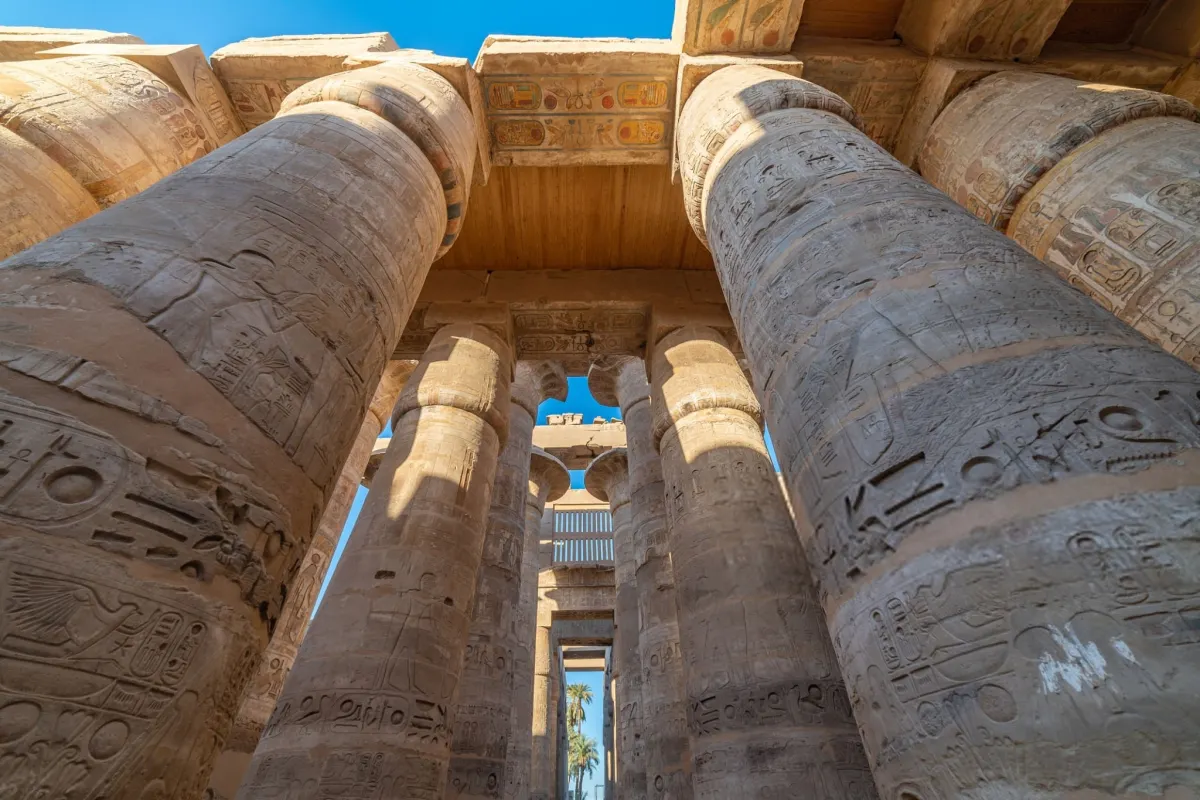
19. Karnak Temple Complex, Egypt
Construction began around 2000 BC and continued for nearly 2,000 years. Karnak is the largest religious complex ever built, with its famous Great Hypostyle Hall containing 134 massive sandstone columns.
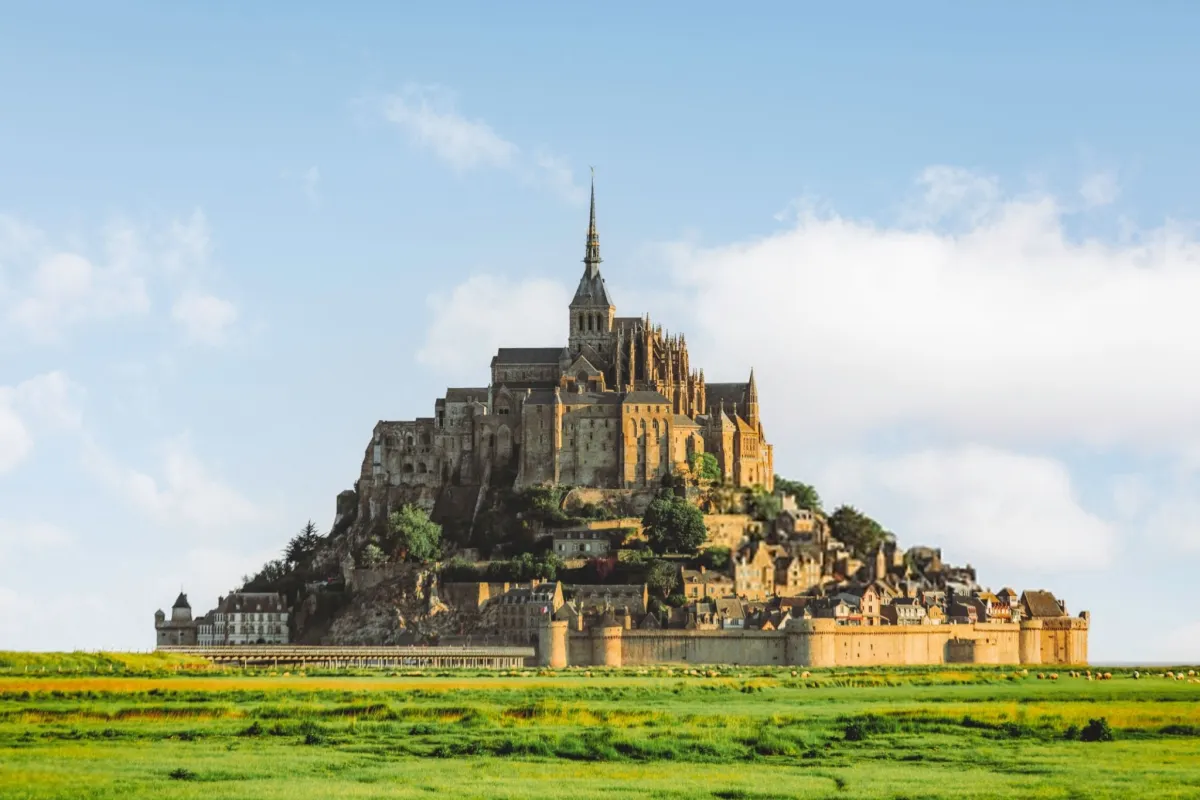
20. Mont-Saint-Michel, France
Founded in the 8th century, Mont-Saint-Michel is a medieval abbey built on a rocky tidal island. During high tide, the island appears to float on the sea, making it one of France's most iconic landmarks.
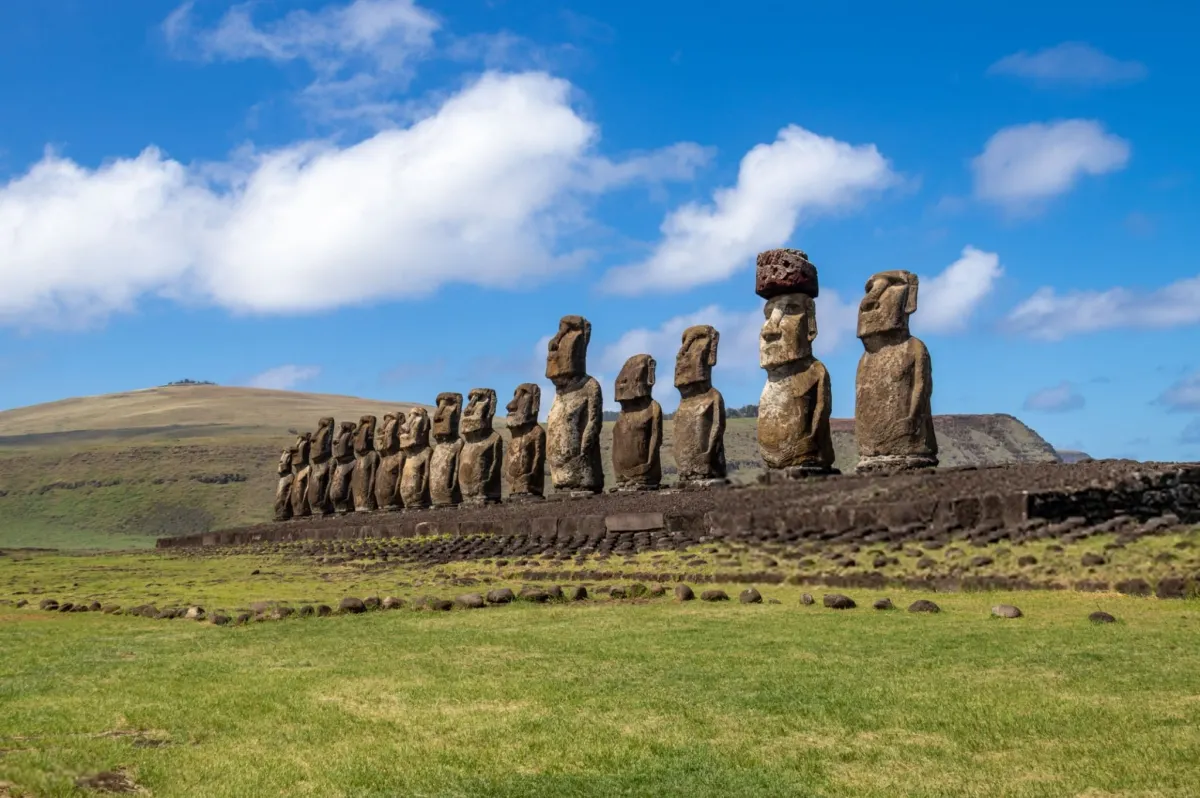
21. Moai Statues, Easter Island
Carved between AD 1250 and 1500, over 900 Moai statues were created by the Rapa Nui people. Many have enormous buried bodies beneath the surface, a discovery that surprised archaeologists in recent decades.
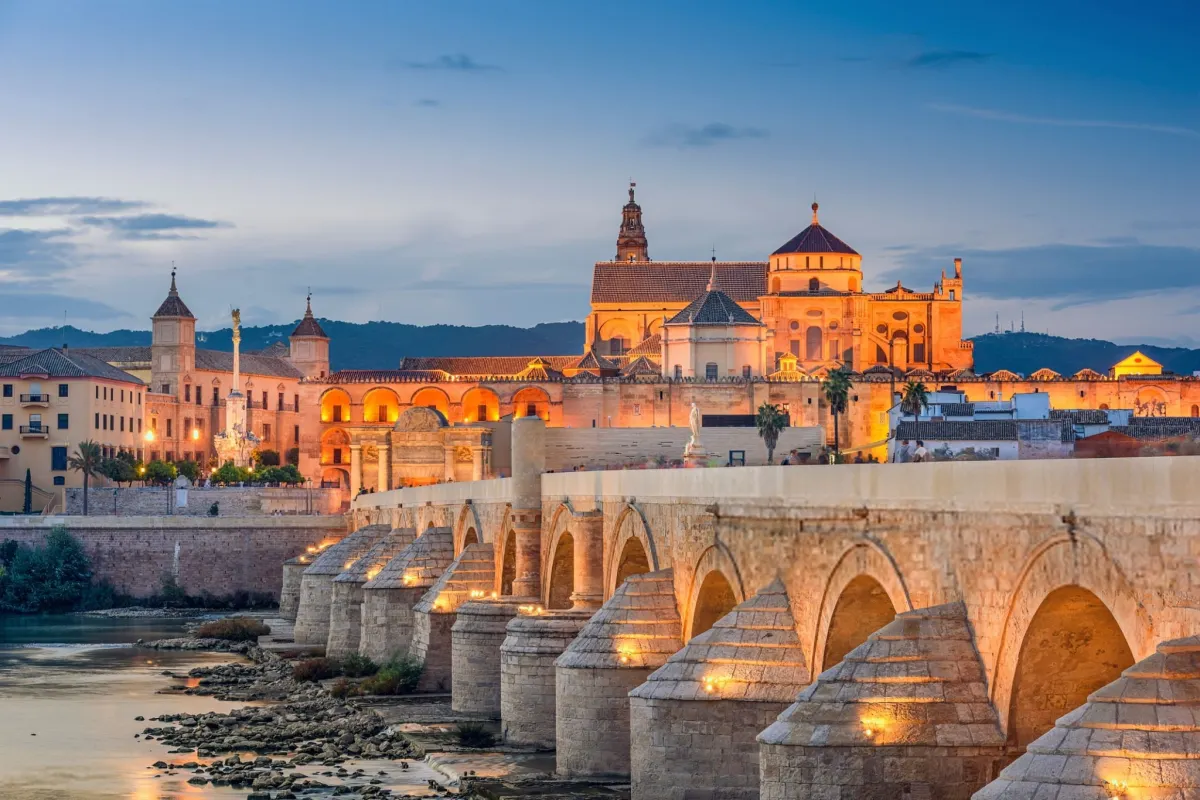
22. Mosque–Cathedral of Córdoba, Spain
Originally built as a mosque in AD 784, it became a cathedral after the Christian Reconquista. Its striking forest of over 850 marble columns and red-and-white arches makes it one of Europe's most unique religious buildings.
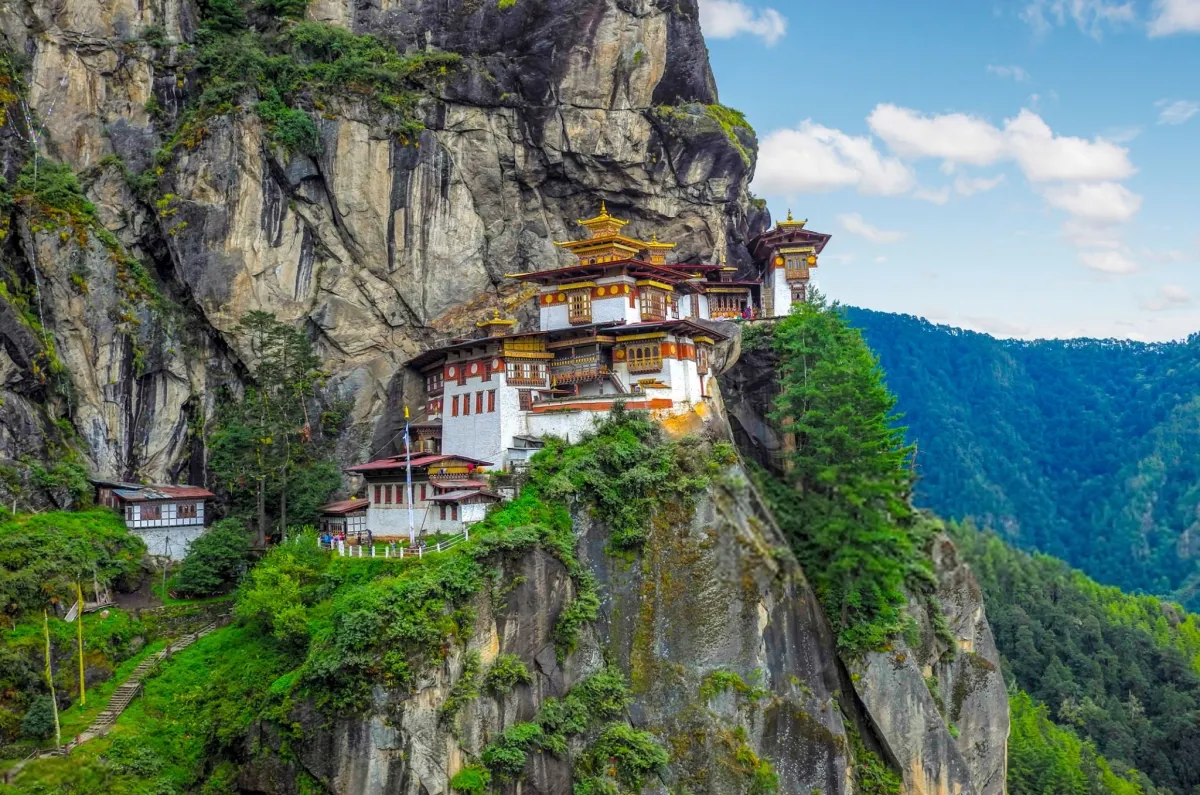
23. Tiger's Nest Monastery, Bhutan
Founded in 1692, Tiger's Nest clings to a cliff nearly 900 meters (3,000 feet) above the Paro Valley. According to legend, Guru Rinpoche meditated here after arriving on the back of a flying tigress.
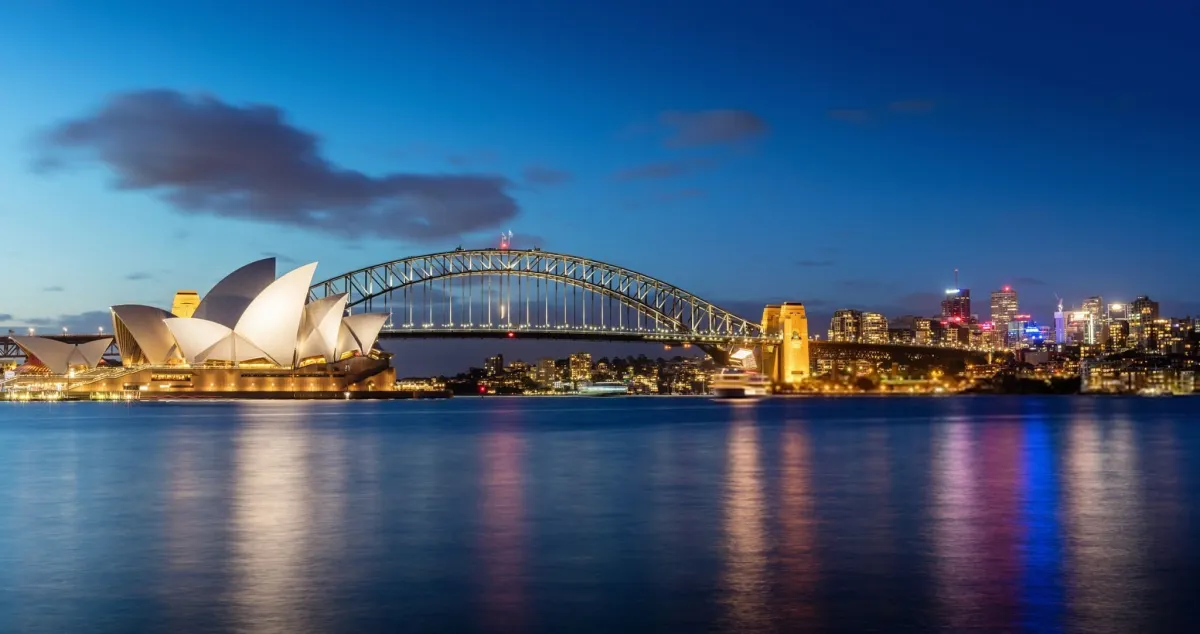
24. Sydney Opera House, Australia
Officially opened in 1973, the Sydney Opera House is a masterpiece of modern architecture. Its sail-shaped roof required revolutionary engineering techniques and now hosts over 1,500 performances every year.
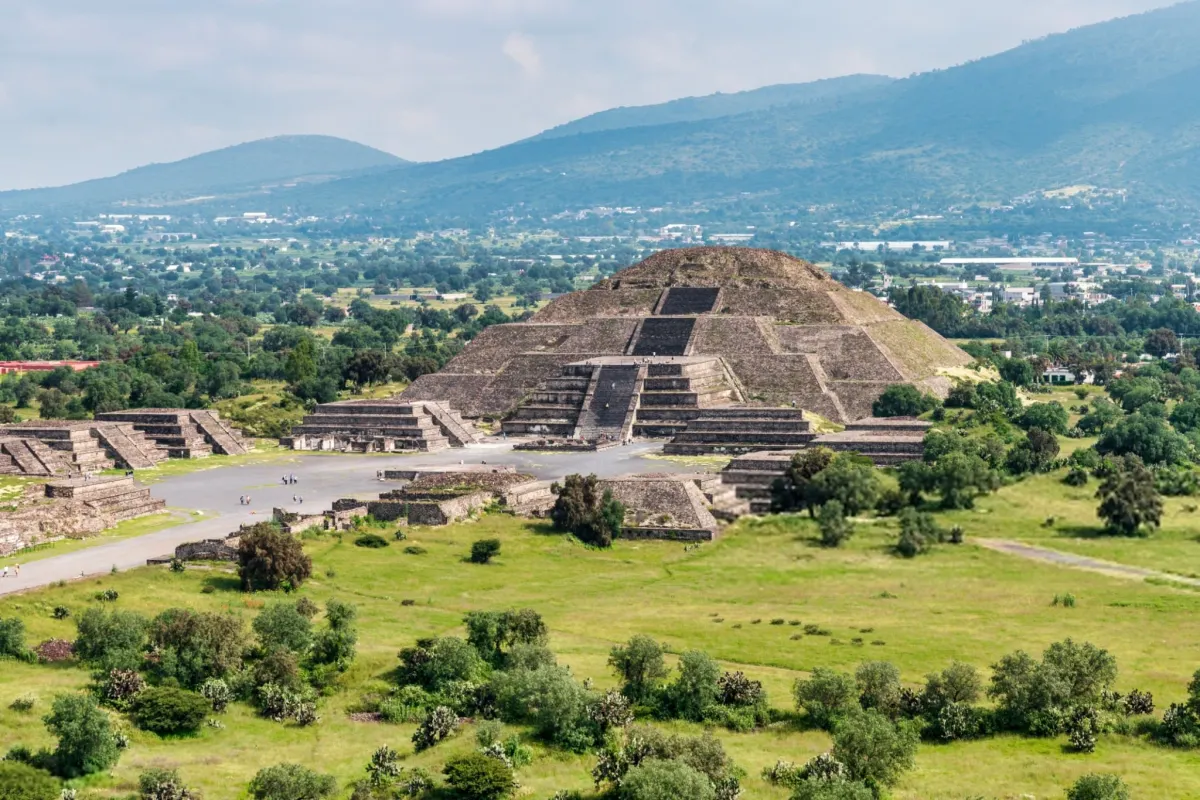
25. Teotihuacan, Mexico
Founded around 100 BC, Teotihuacan became one of the largest cities in the ancient world. Historians still don't know who built it, adding mystery to landmarks like the Pyramid of the Sun and Pyramid of the Moon.
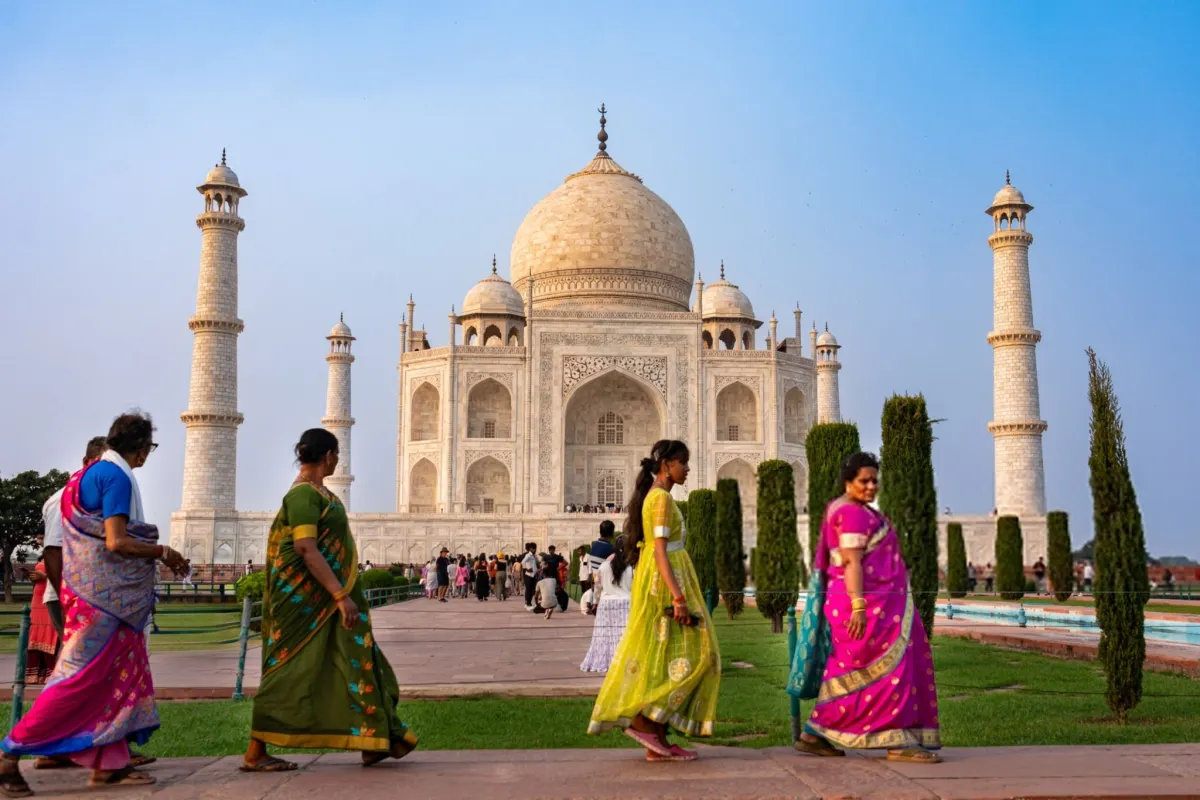
26. Taj Mahal, India
Completed in 1653, the Taj Mahal was commissioned by Emperor Shah Jahan in memory of his wife Mumtaz Mahal. Its white marble changes color throughout the day depending on the sunlight.
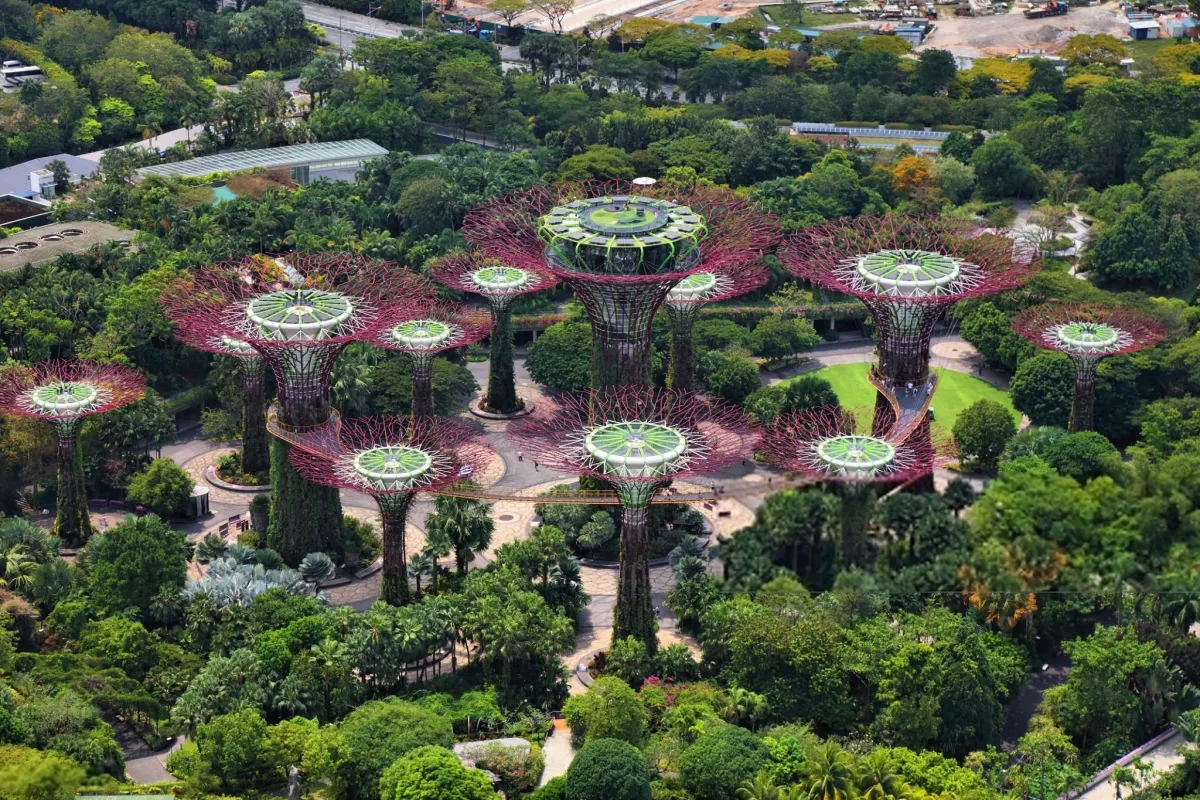
27. Gardens by the Bay, Singapore
Opened in 2012, this futuristic garden spans 101 hectares on reclaimed land. Its towering Supertrees generate solar power and collect rainwater, blending sustainability with world-class landscape design.
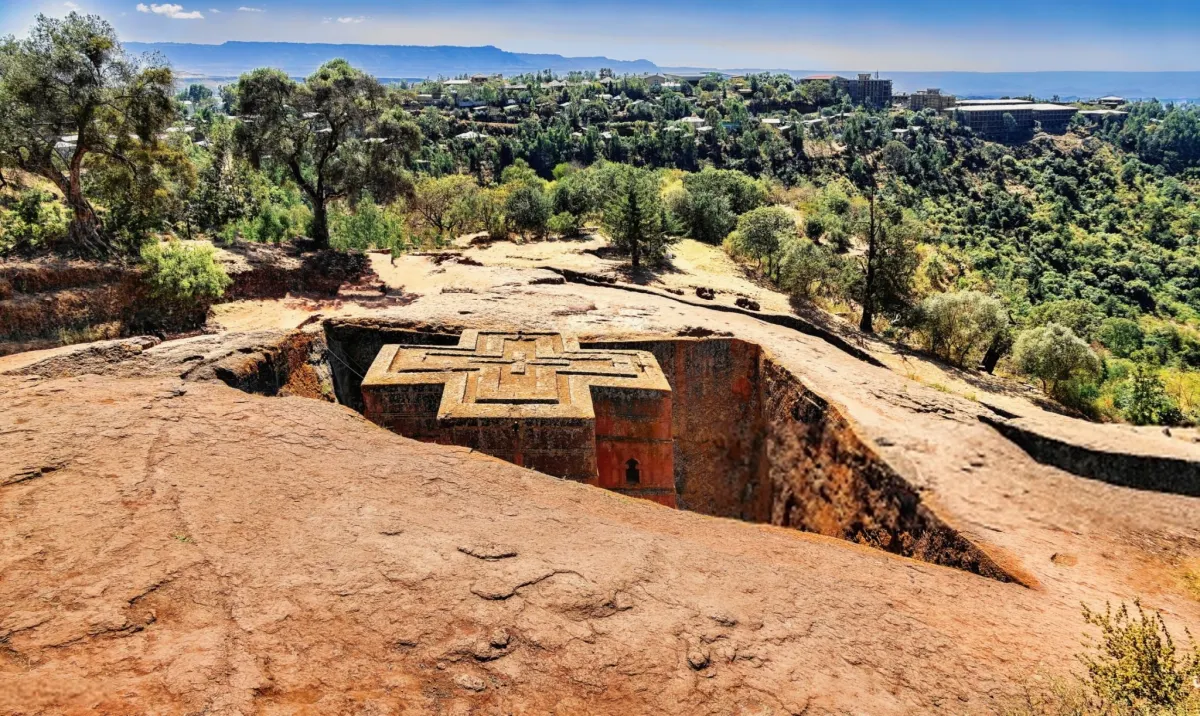
28. Rock-Hewn Churches of Lalibela, Ethiopia
Built between the 12th and 13th centuries, these 11 monolithic churches were carved directly into volcanic rock. They remain active places of worship and are considered Ethiopia's greatest architectural treasure.
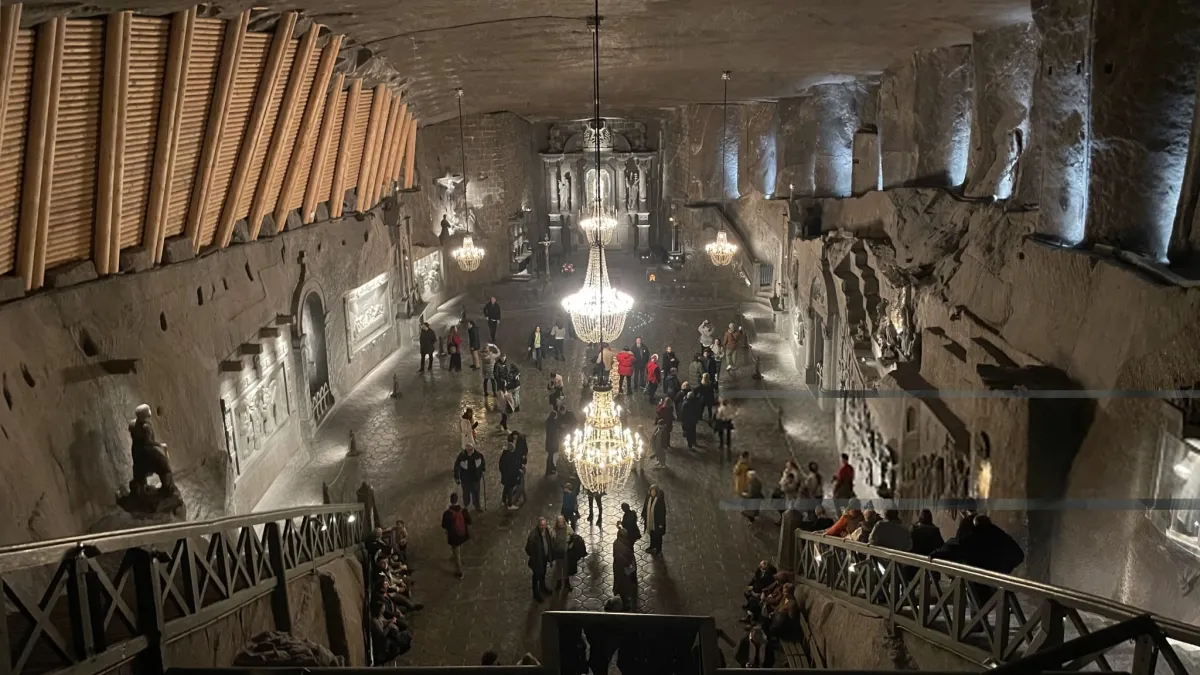
29. Wieliczka Salt Mine, Poland
Operating since the 13th century, Wieliczka extends more than 287 kilometers (178 miles) underground. Its remarkable chapels, sculptures, and chandeliers are carved entirely from rock salt.
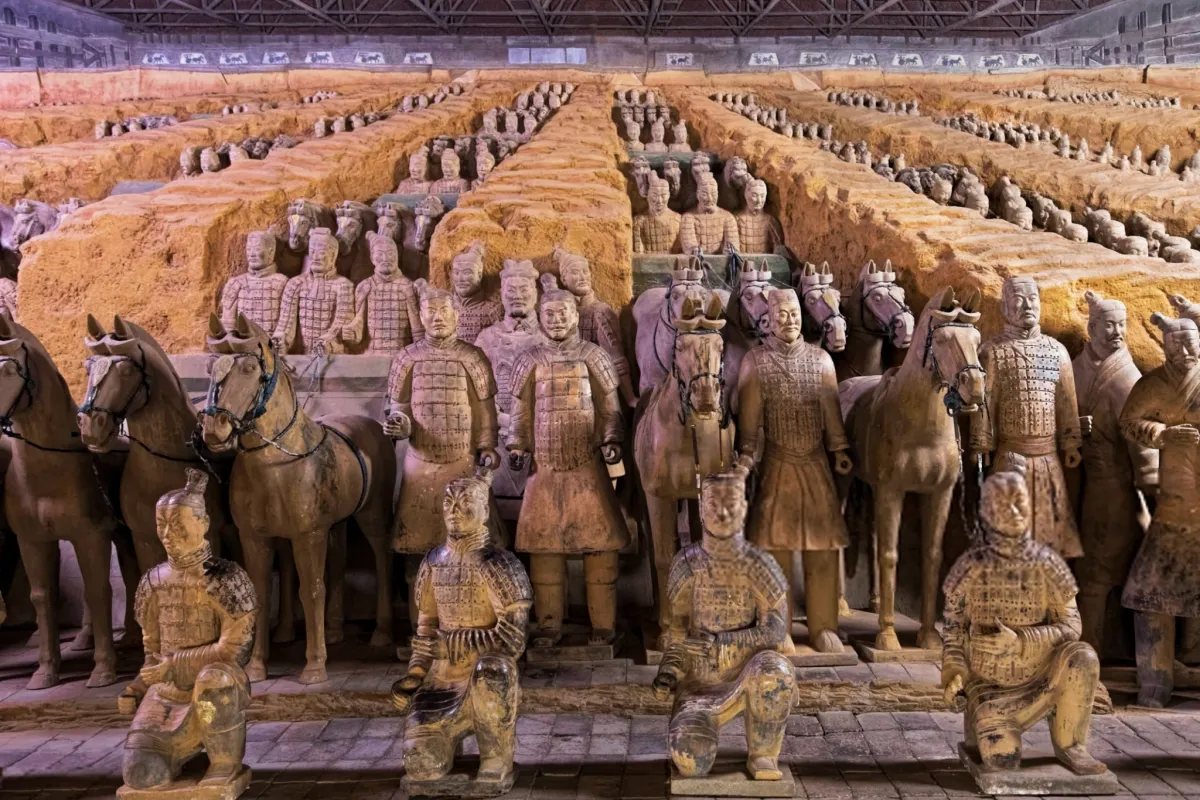
30. Terracotta Army, China
Created around 210 BC to guard Emperor Qin Shi Huang's tomb, the Terracotta Army includes over 8,000 life-sized soldiers. Remarkably, each warrior was sculpted with unique facial features.
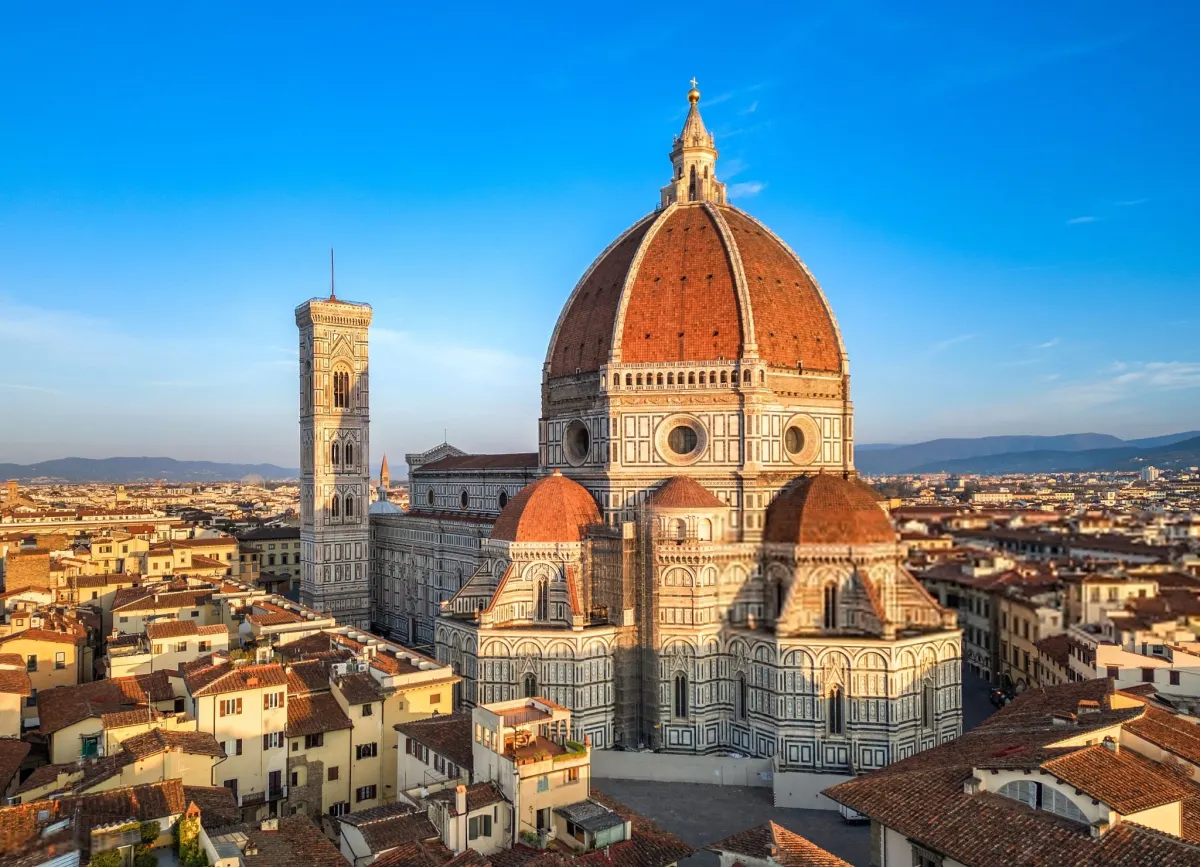
31. Florence Cathedral (Santa Maria del Fiore), Italy
Completed in 1436, Florence Cathedral is crowned by Brunelleschi's revolutionary dome, built without traditional wooden support. It became one of the defining engineering achievements of the Renaissance.
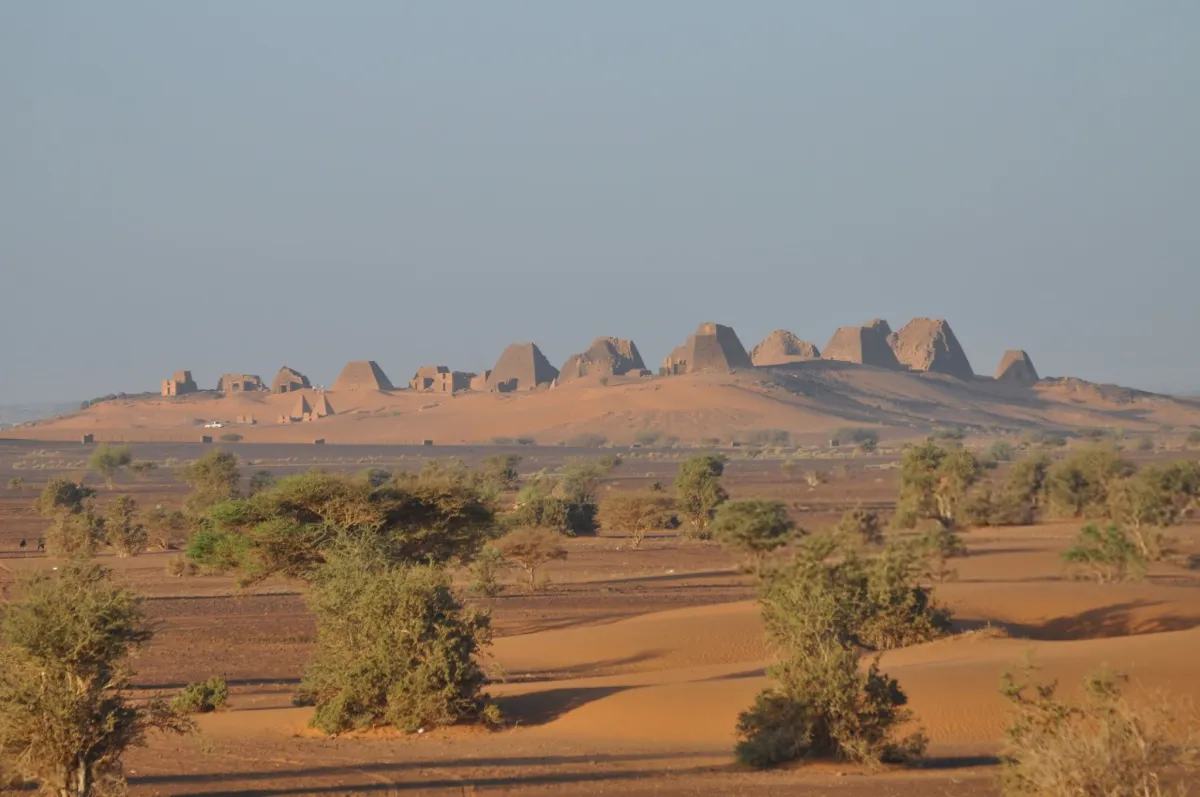
32. Pyramids of Meroë, Sudan
Built between 300 BC and AD 350, more than 200 pyramids were constructed by the Kingdom of Kush. Despite their importance, the ancient Meroitic language found here has not yet been fully deciphered.
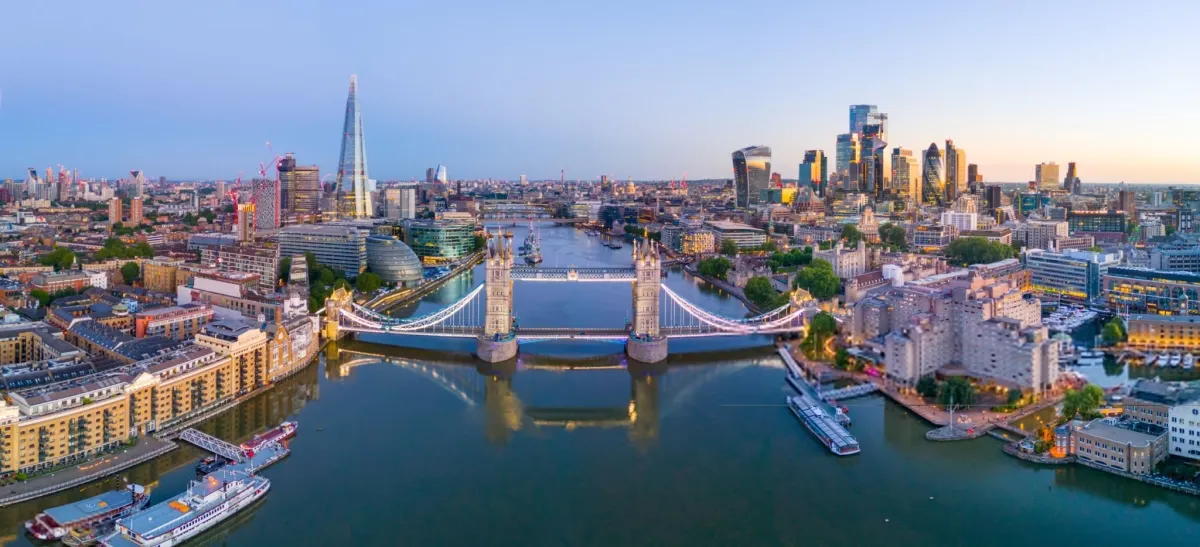
33. Tower Bridge, England
Opened in 1894, Tower Bridge combines Victorian Gothic architecture with innovative engineering. Its twin bascules still lift for passing ships, while the glass walkway offers panoramic views over London.
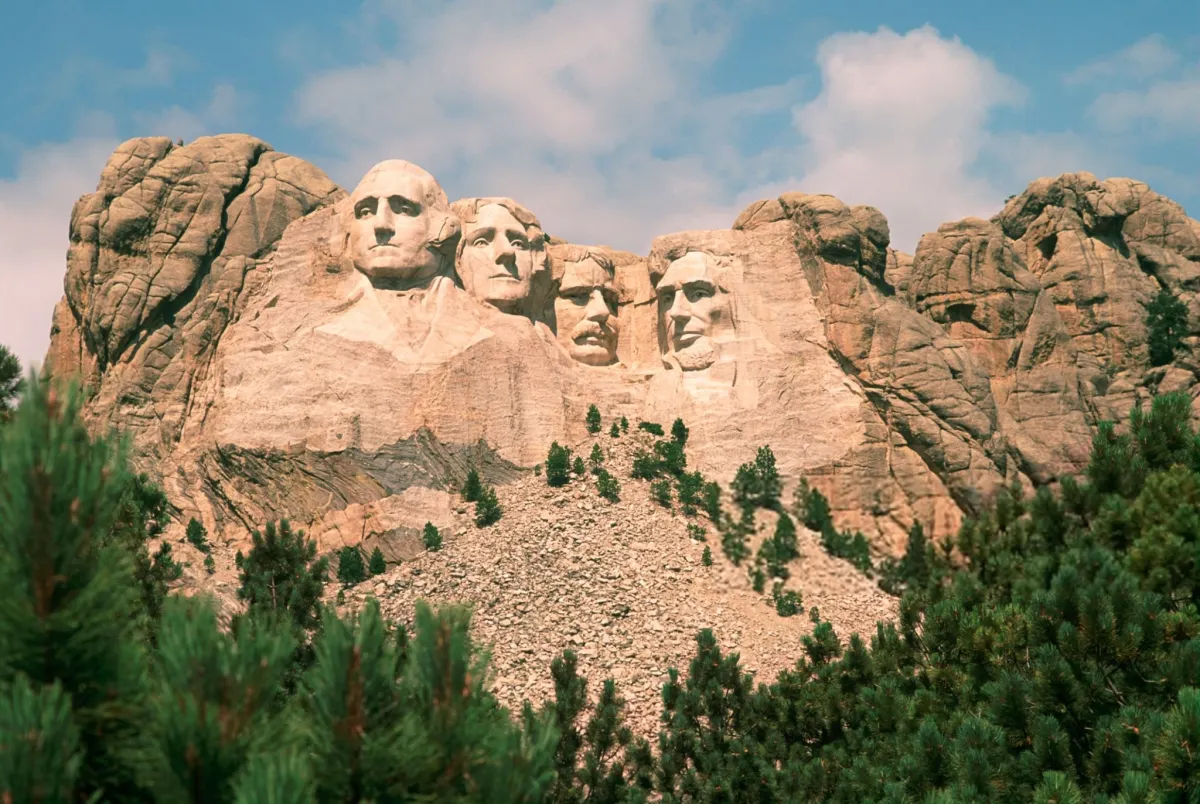
34. Mount Rushmore, USA
Carved between 1927 and 1941, Mount Rushmore features the 18-meter (60-foot) faces of four U.S. presidents. The monument symbolizes the nation's birth, growth, development, and preservation.
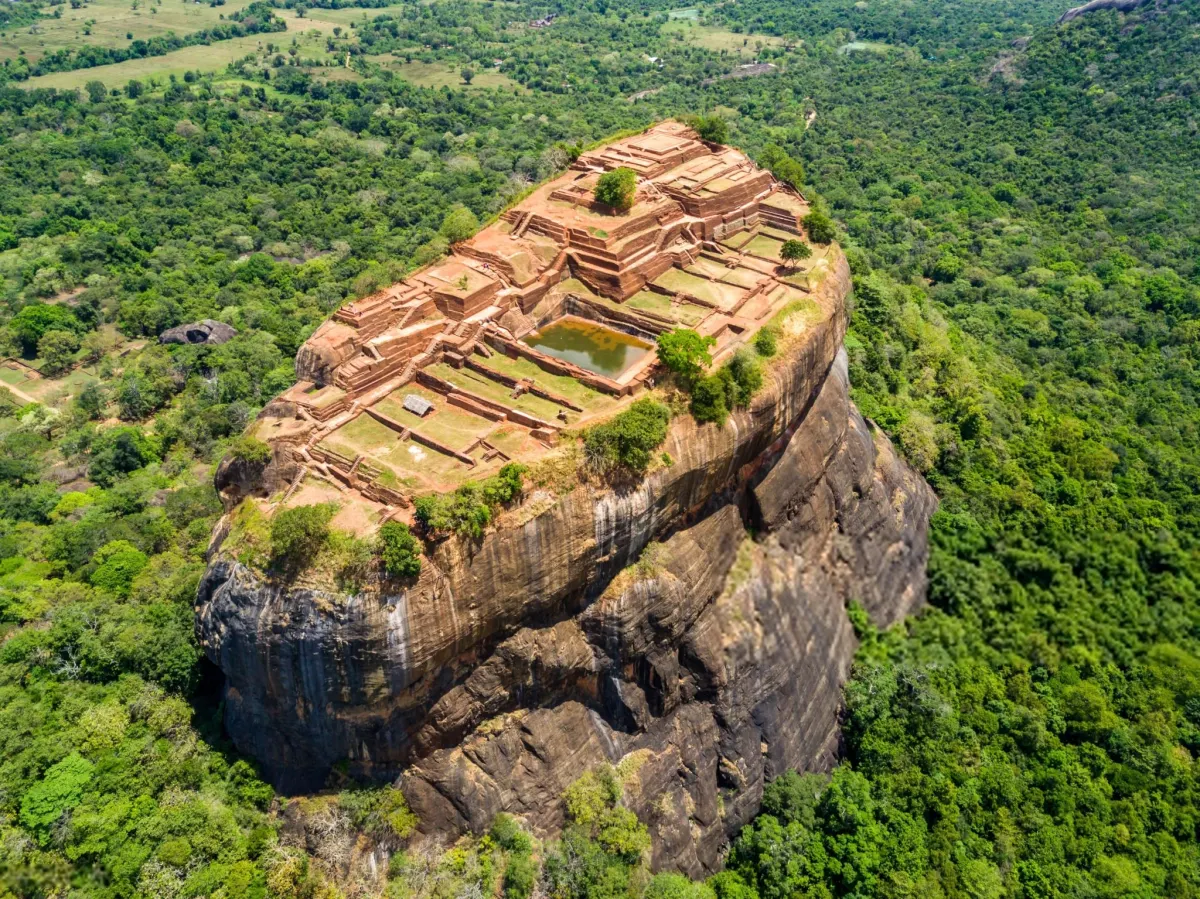
35. Sigiriya, Sri Lanka
Built in the 5th century AD by King Kashyapa, Sigiriya is an ancient fortress rising 200 meters (660 feet) above the jungle. Its advanced water gardens and giant Lion Gate make it one of Asia's greatest archaeological sites.
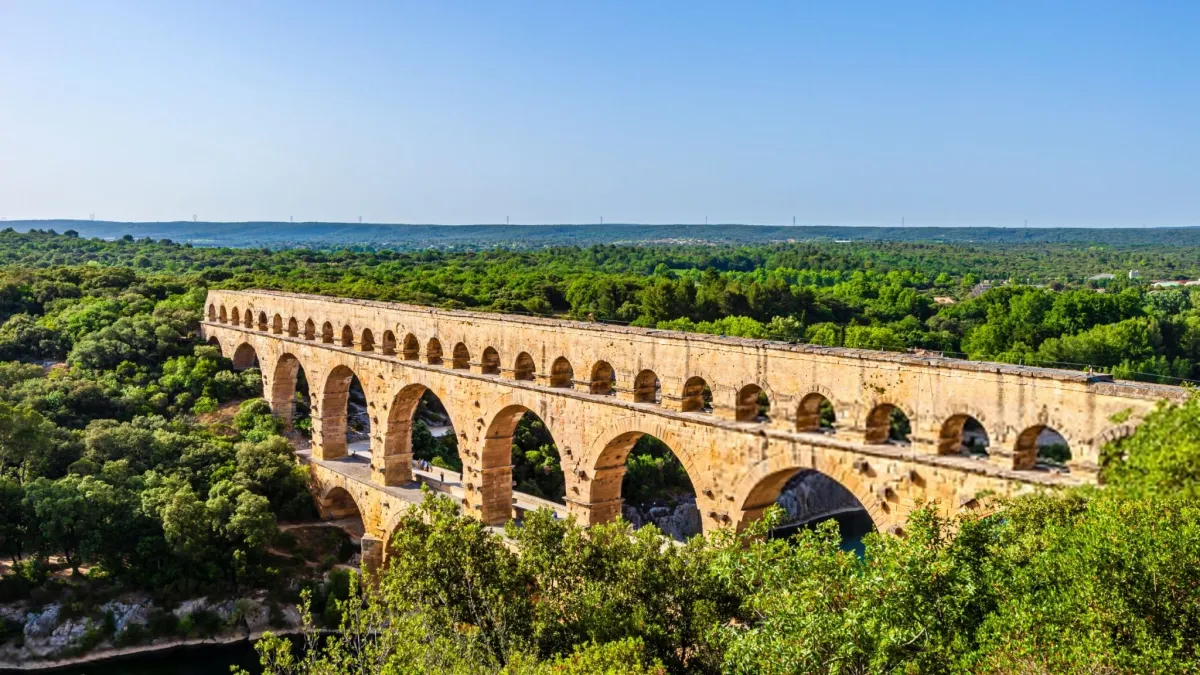
36. Pont du Gard, France
Constructed in the 1st century AD, Pont du Gard is the tallest surviving Roman aqueduct bridge. Standing 49 meters (160 feet) high, it carried water for nearly 50 kilometers without using mortar.
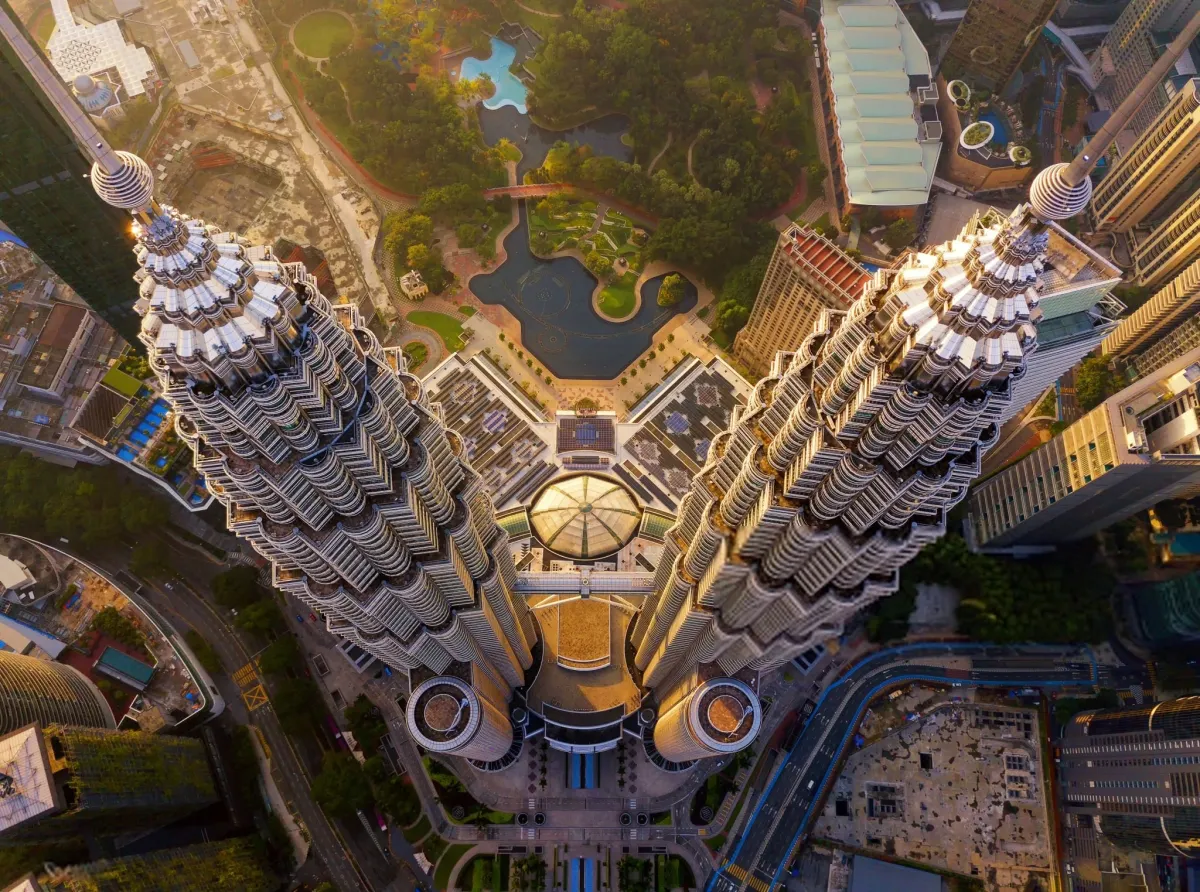
37. Petronas Twin Towers, Malaysia
Completed in 1998, the Petronas Twin Towers stand 452 meters (1,483 feet) tall. They were the world's tallest buildings until 2004 and remain the tallest twin towers ever constructed.
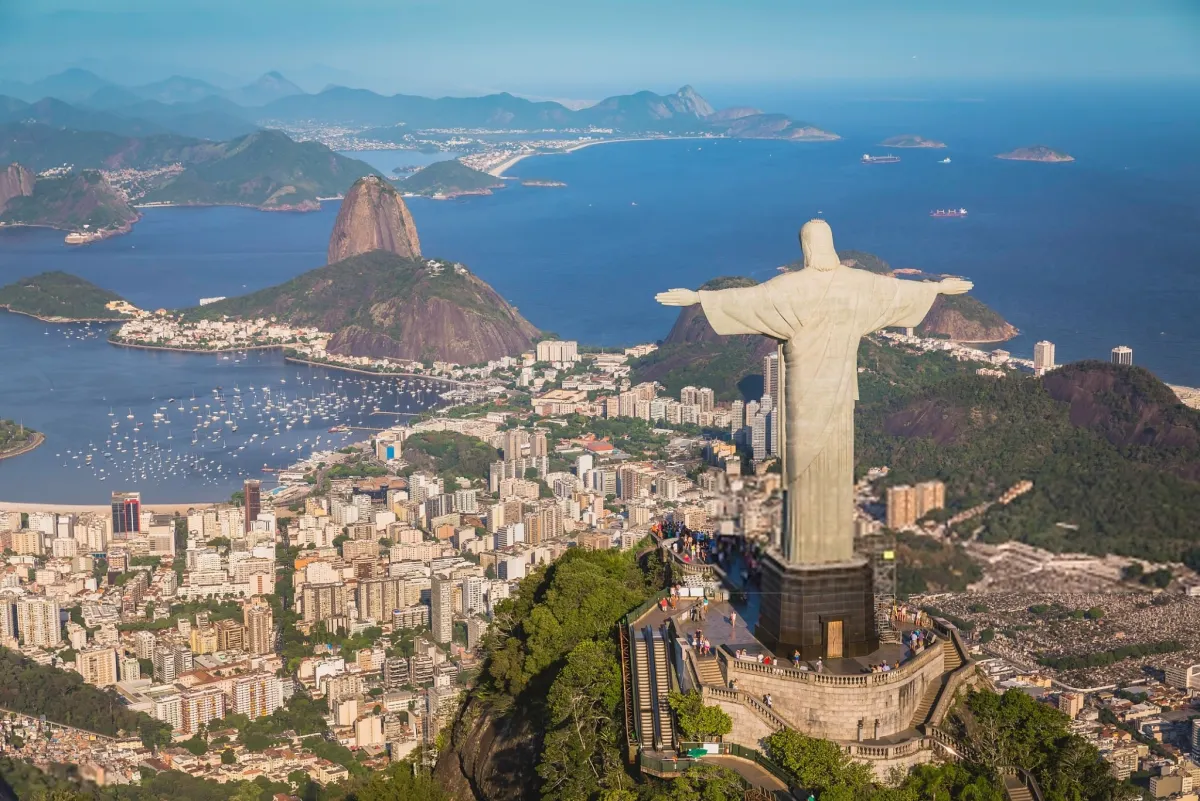
38. Christ the Redeemer, Brazil
Completed in 1931, Christ the Redeemer stands 30 meters (98 feet) tall atop Corcovado Mountain. Its outstretched arms span 28 meters (92 feet), making it one of the world's most recognizable monuments.
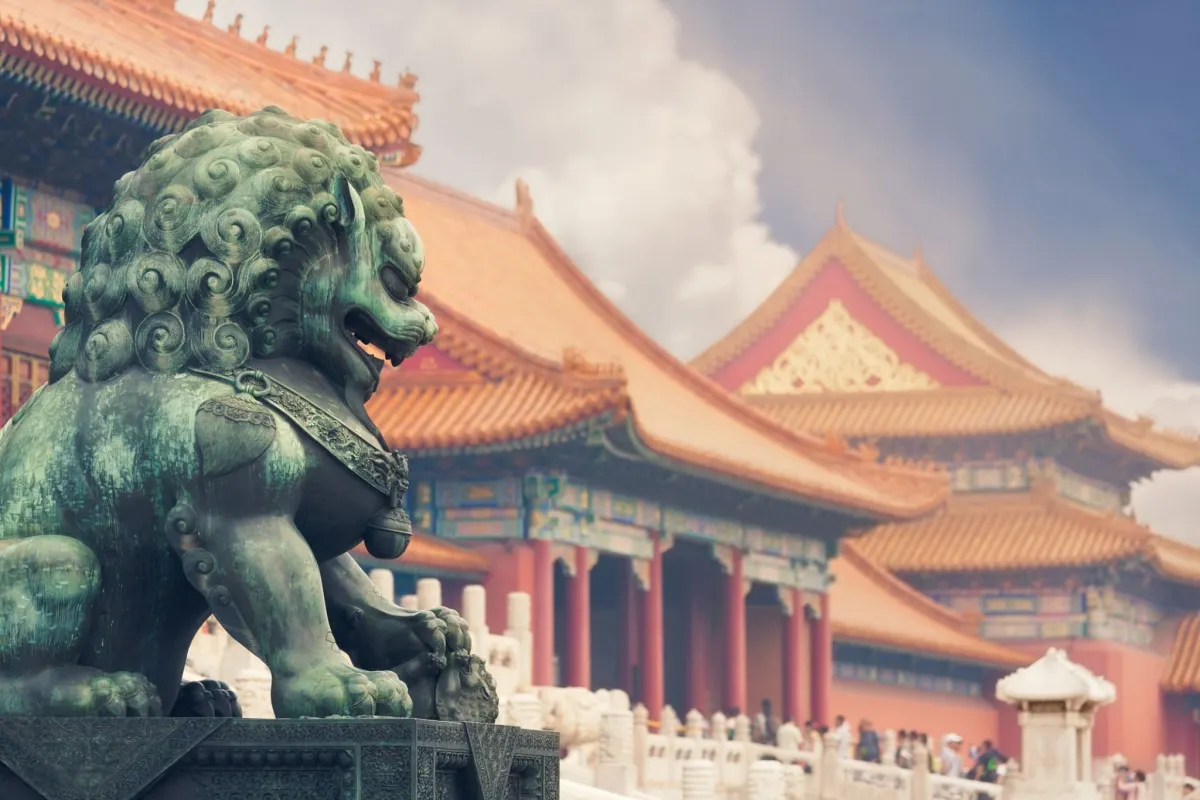
39. Forbidden City, China
Completed in 1420, the Forbidden City served as the imperial palace for 24 Chinese emperors. Covering over 180 acres, it contains nearly 1,000 preserved buildings and is China's largest palace complex.
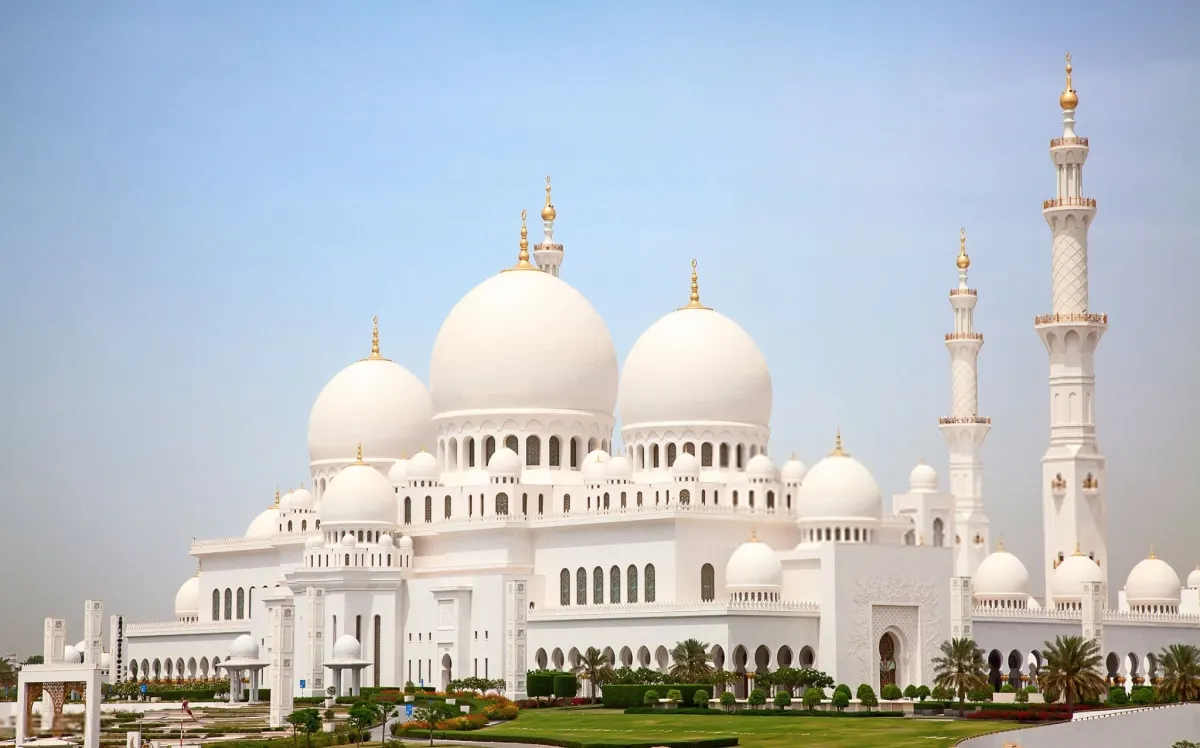
40. Sheikh Zayed Grand Mosque, United Arab Emirates
Opened in 2007, the Sheikh Zayed Grand Mosque is one of the world's largest mosques. Built with 90,000 tons of white marble, it features 82 domes, over 1,000 columns, and the world's largest hand-knotted carpet.
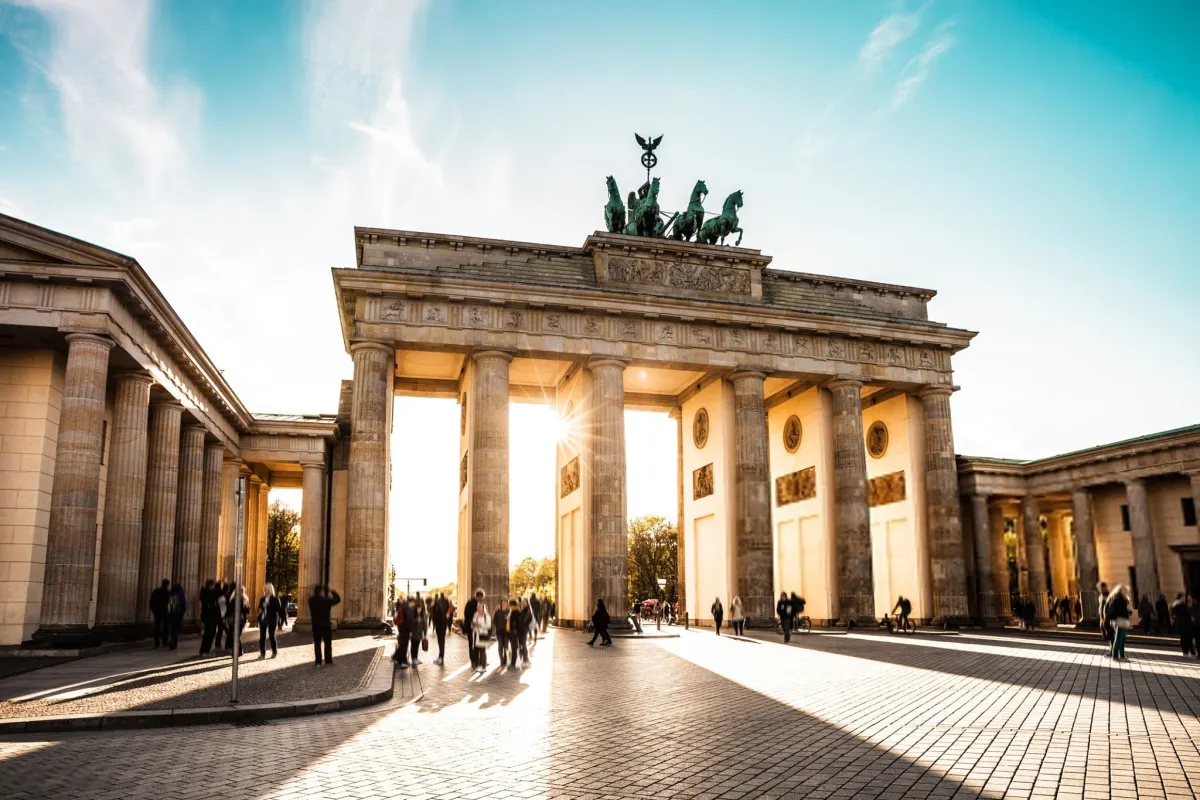
41. Brandenburg Gate, Germany
Completed in 1791, the Brandenburg Gate is Berlin's most famous landmark. Once divided by the Berlin Wall, it became the ultimate symbol of Germany's reunification after 1989.
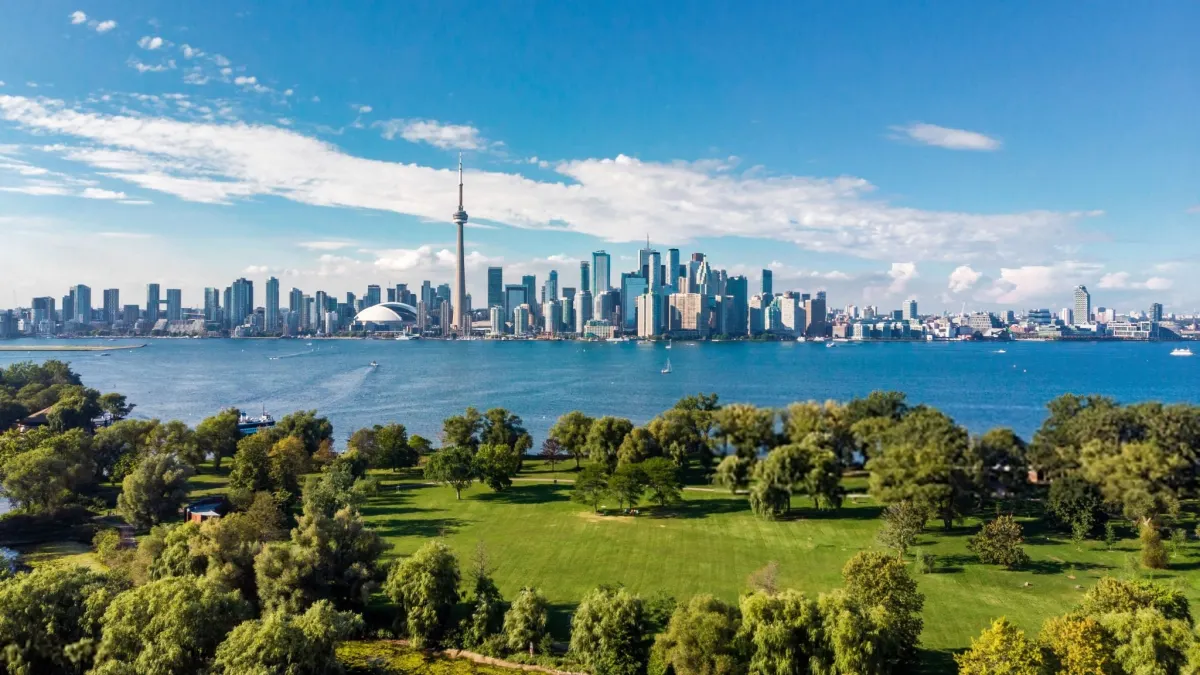
42. CN Tower, Canada
Completed in 1976, Toronto's CN Tower rises 553 meters (1,815 feet). It was the world's tallest freestanding structure for more than 30 years and features the thrilling EdgeWalk around its exterior.
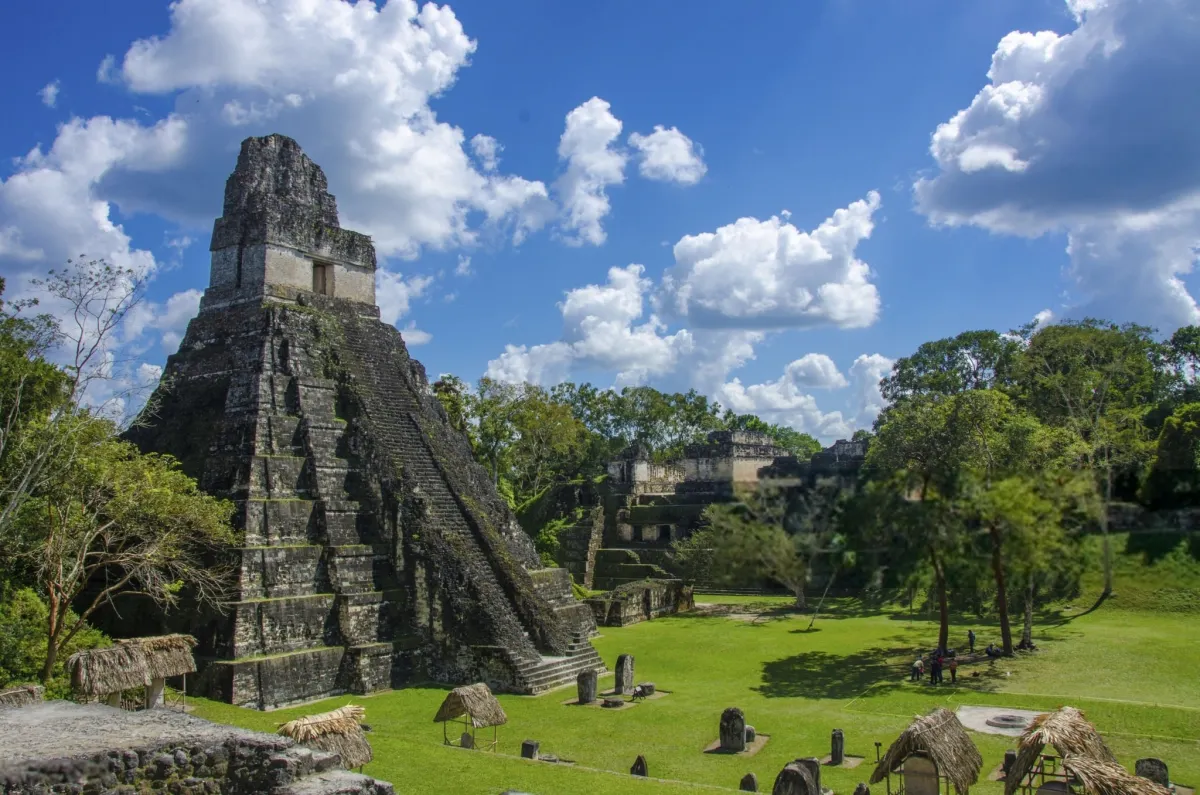
43. Tikal, Guatemala
Founded around 600 BC, Tikal became one of the most powerful Maya cities. Its towering temples rise above the rainforest canopy, while much of the ancient city remains buried beneath dense jungle.
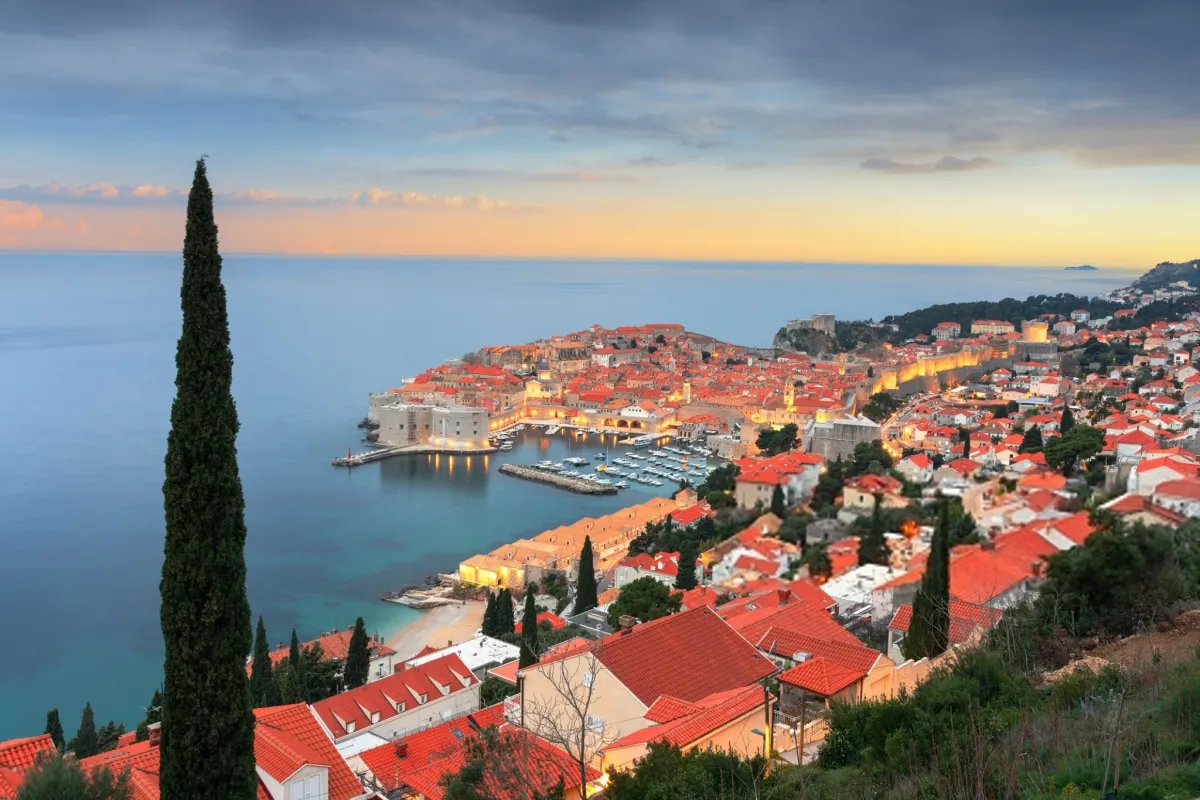
44. Dubrovnik Old Town, Croatia
Dating mainly from the 13th to 16th centuries, Dubrovnik's Old Town is protected by nearly 2 kilometers of medieval walls. It is one of Europe's best-preserved fortified cities and a UNESCO World Heritage Site.
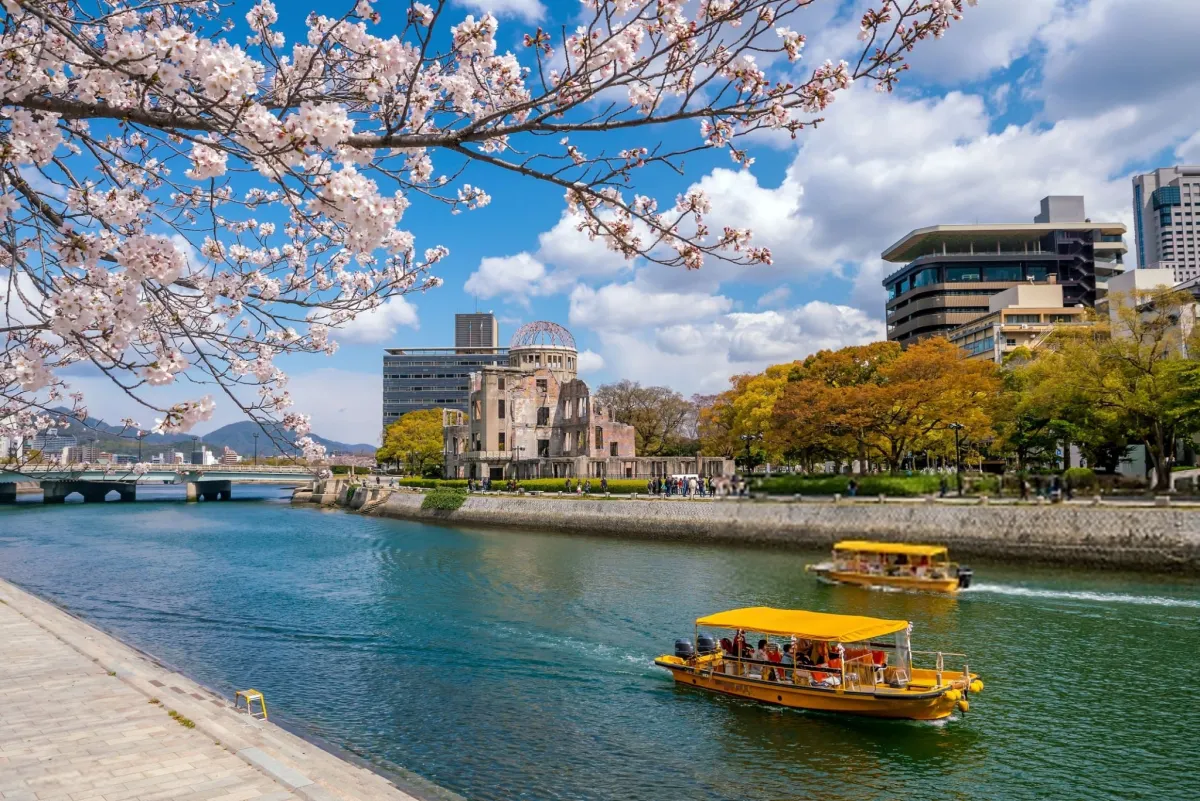
45. Hiroshima Peace Memorial, Japan
Preserved after the 1945 atomic bombing, the Atomic Bomb Dome remains one of the few structures left standing near the explosion's epicenter. Today it serves as a global symbol of peace and nuclear disarmament.
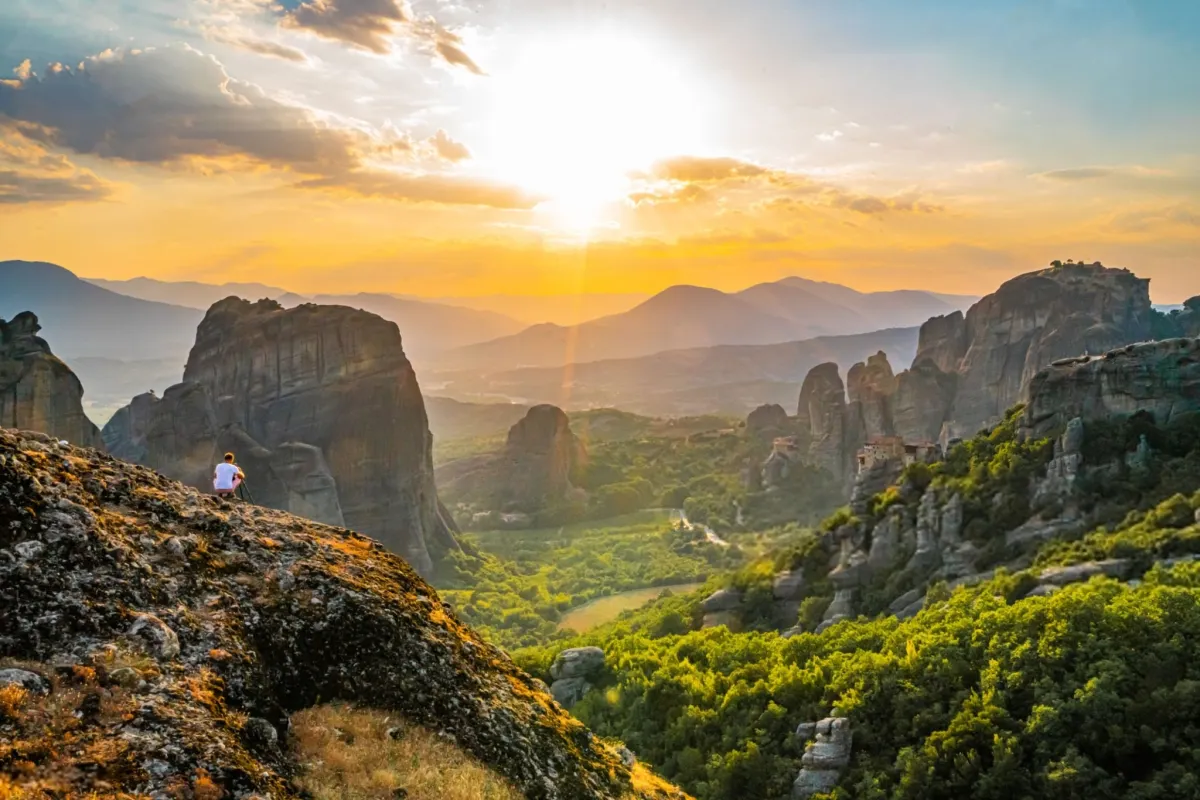
46. Meteora Monasteries, Greece
Built between the 14th and 16th centuries, the Meteora monasteries stand atop towering sandstone pillars. Originally accessible only by rope ladders, they remain among the world's most spectacular religious sites.
47. Hoover Dam, United States
Completed in 1936, Hoover Dam stands 221 meters (726 feet) high across the Colorado River. It provides electricity and water to millions of people across the American Southwest.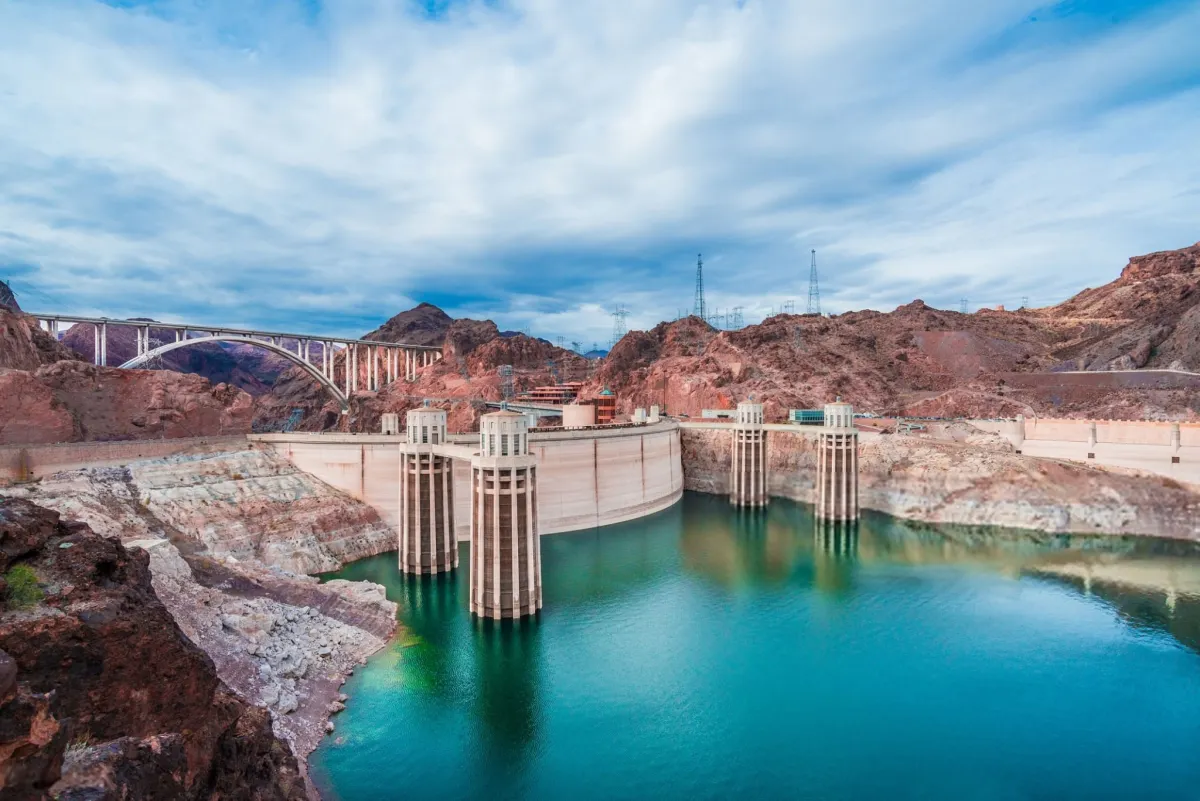
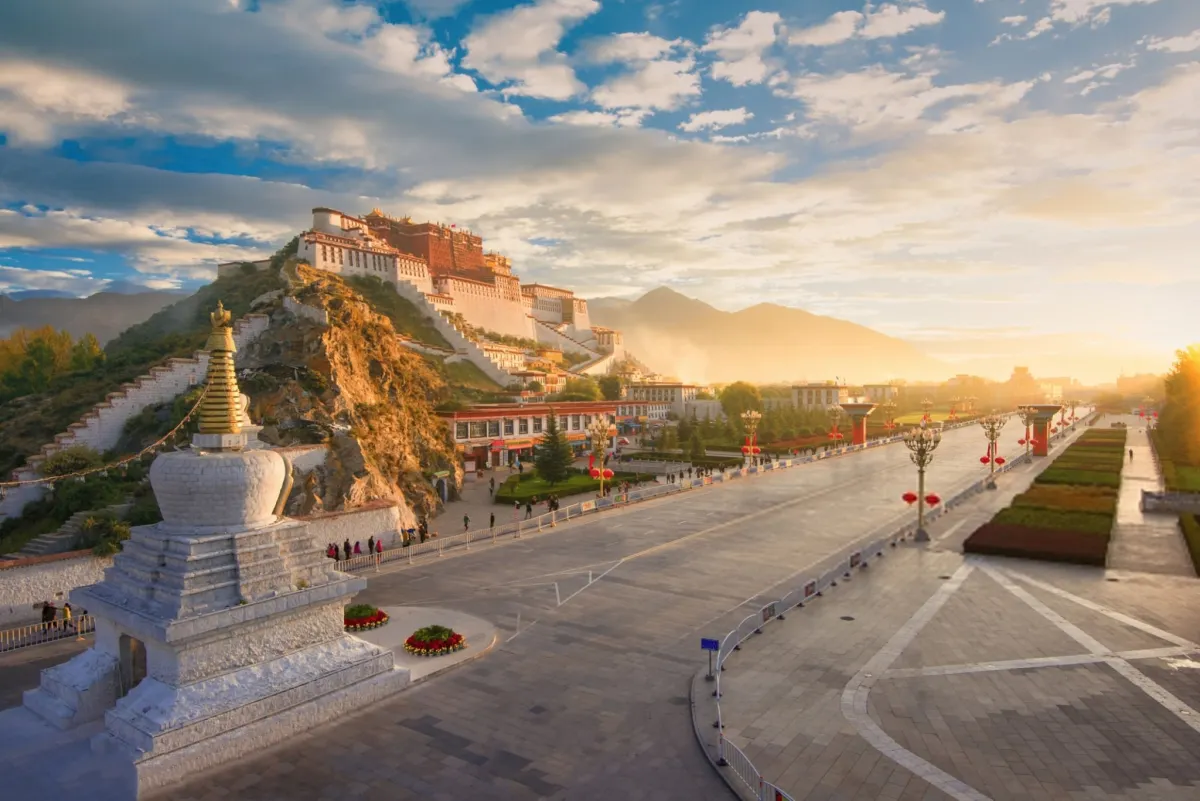
48. Potala Palace, Tibet
Rebuilt in 1649, Potala Palace served as the winter residence of the Dalai Lama. Rising over 3,700 meters above sea level, it contains more than 1,000 rooms filled with priceless Buddhist treasures.
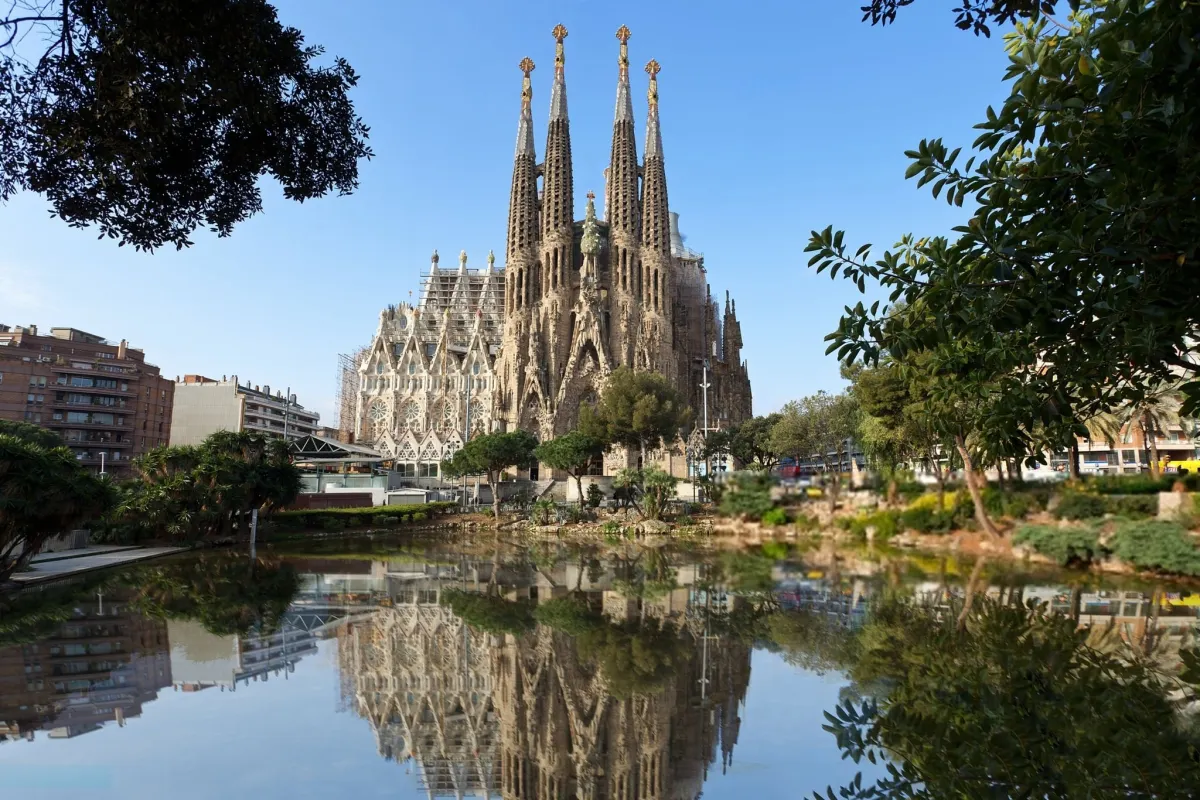
49. Sagrada Família, Spain
Construction began in 1882 and continues today following Antoni Gaudí's visionary design. Once completed, it will become the tallest church in the world, blending Gothic architecture with organic forms inspired by nature.
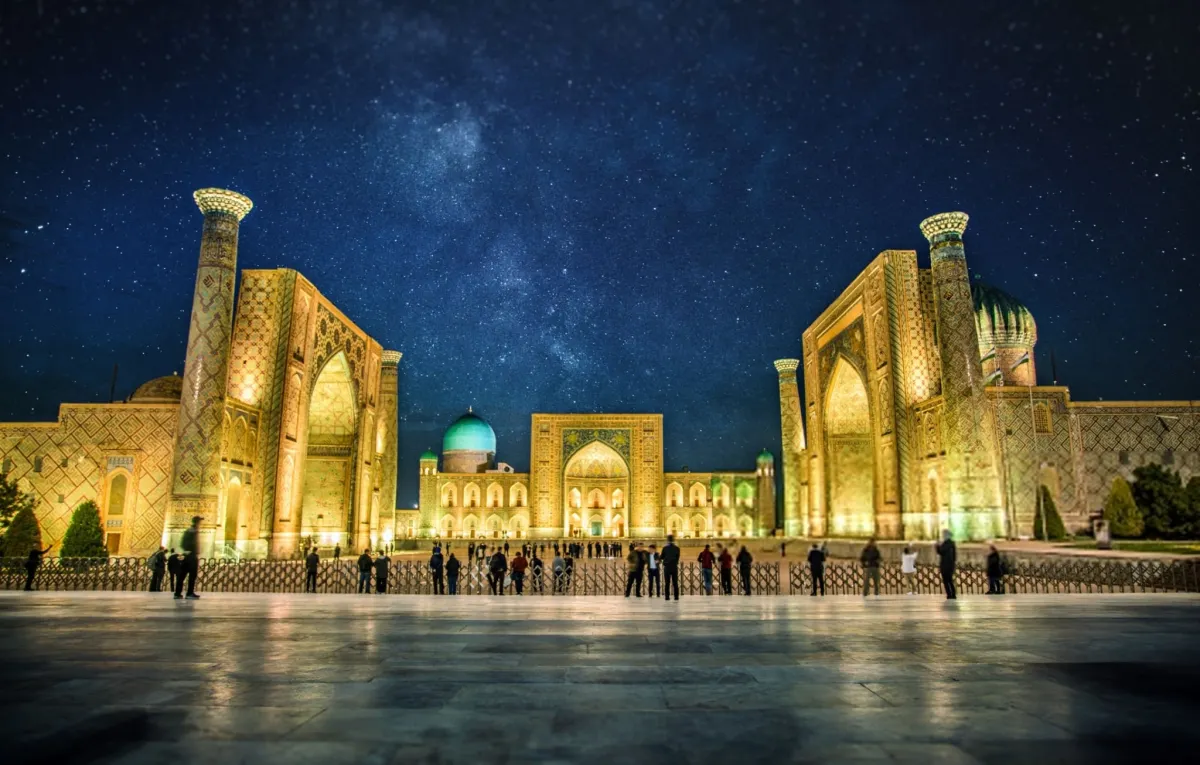
50. Registan Square, Uzbekistan
Dating from the 15th to 17th centuries, Registan Square was the cultural and commercial heart of Samarkand along the Silk Road. Its three magnificent madrassas are celebrated for their brilliant blue mosaics and intricate Islamic architecture.
51. Borobudur Temple, Indonesia (Bonus Wonder)
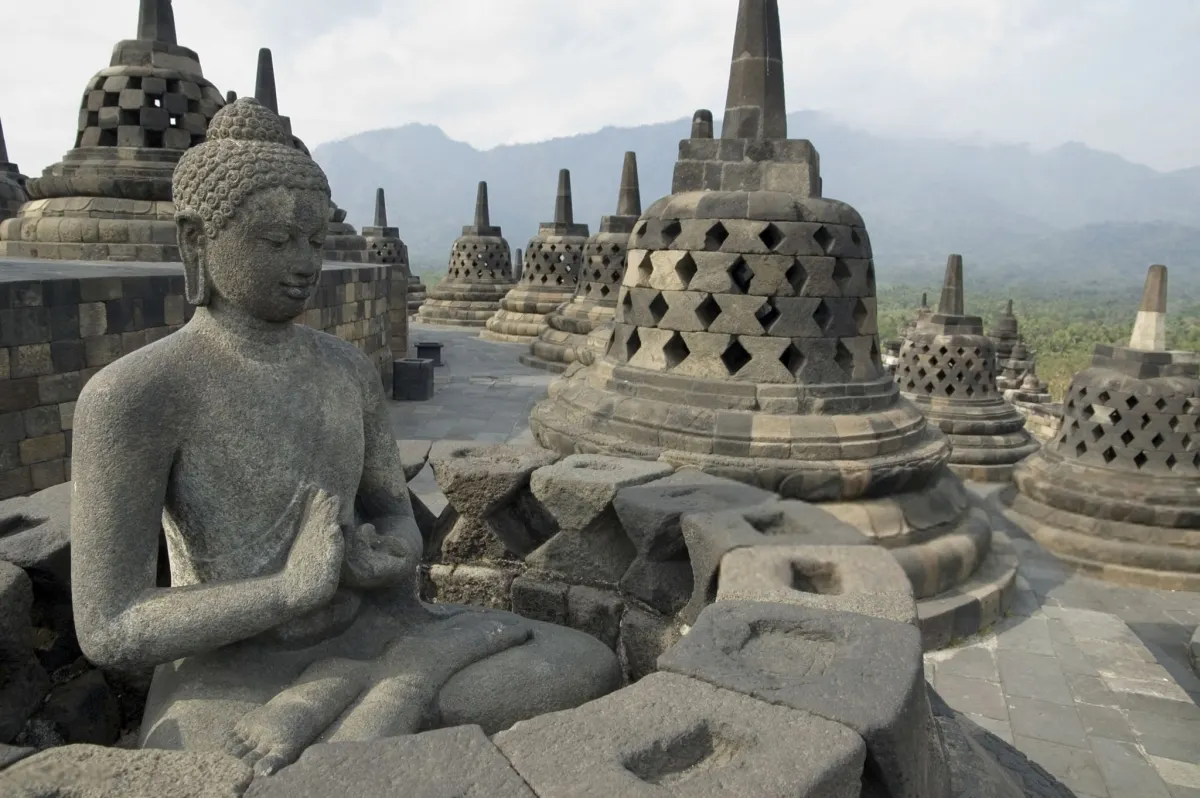
Often overshadowed by more famous landmarks, Borobudur is the world's largest Buddhist temple and one of humanity's greatest architectural masterpieces. Built during the 8th and 9th centuries from more than two million volcanic stone blocks, the monument resembles a giant three-dimensional mandala when viewed from above.
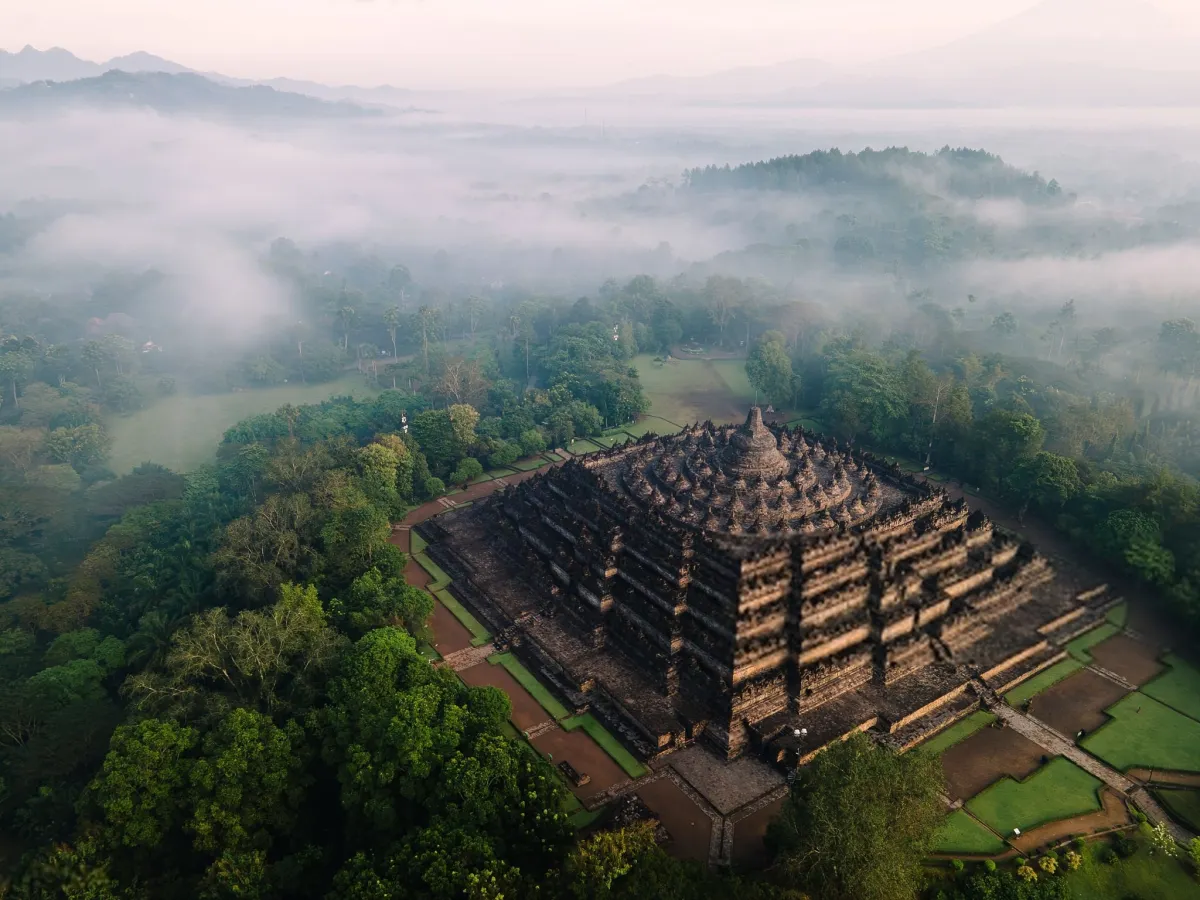
Its nine stacked terraces contain over 2,600 intricate relief panels and 504 Buddha statues, guiding visitors on a symbolic spiritual journey from the earthly world toward enlightenment. Watching the sunrise from Borobudur is considered one of Southeast Asia's most unforgettable travel experiences.