


 22 November 2026
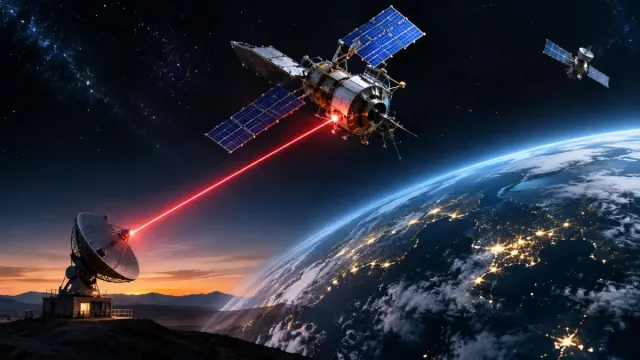
6G technology is the next stage in wireless communication, designed to move beyond 5G through faster data transmission, lower latency, intelligent network management, and more connected devices.
Still under development, 6G networks are expected to combine advanced radio technologies, artificial intelligence, and sensing capabilities to connect the physical and digital worlds in new ways.
11 Key Technologies and Innovations Driving 6G Networks
How Undersea Internet Cables Work: The Hidden Network Carrying 99% of Global Data
 Inside the List
11 Items

Advanced Security and Privacy Protect Connected Systems
Design: Integrated security framework
As 6G connects more devices and integrates AI into network operations, security and privacy will become increasingly important. Nokia identifies security, trust, and privacy as key 6G technology areas, while research also highlights regulatory and technical challenges that must be addressed before deployment.
- Data protection
- Network security
- Privacy controls
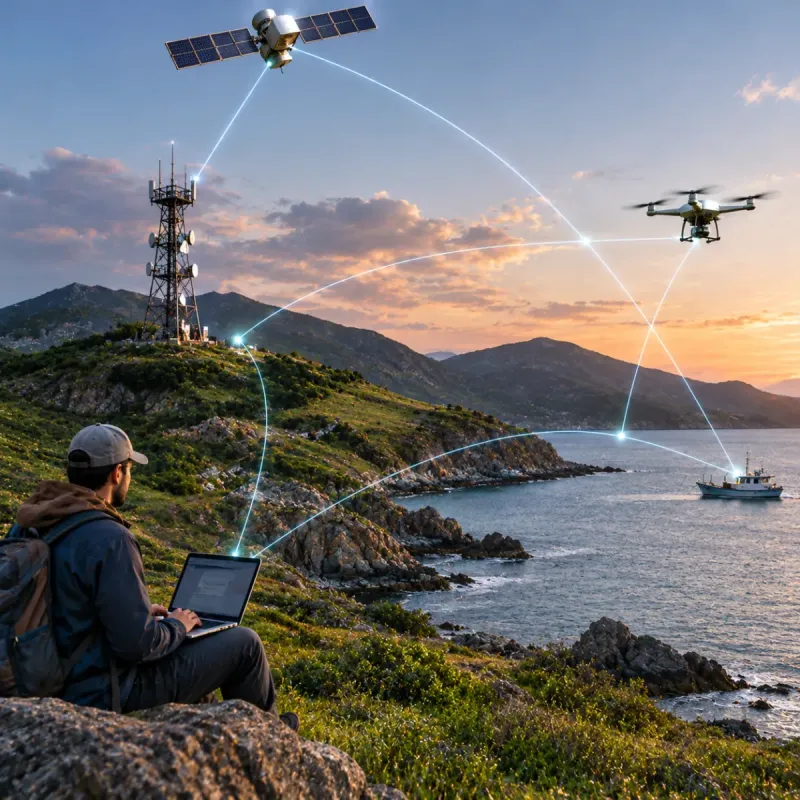
Non-Traditional Network Architectures Extend Coverage
Design: Distributed connectivity
Future 6G research considers more flexible network architectures that can combine different communication technologies and coverage layers. These approaches could help connect users and devices in environments where conventional terrestrial mobile infrastructure is difficult to deploy.
- Flexible infrastructure
- Distributed access
- Wider coverage
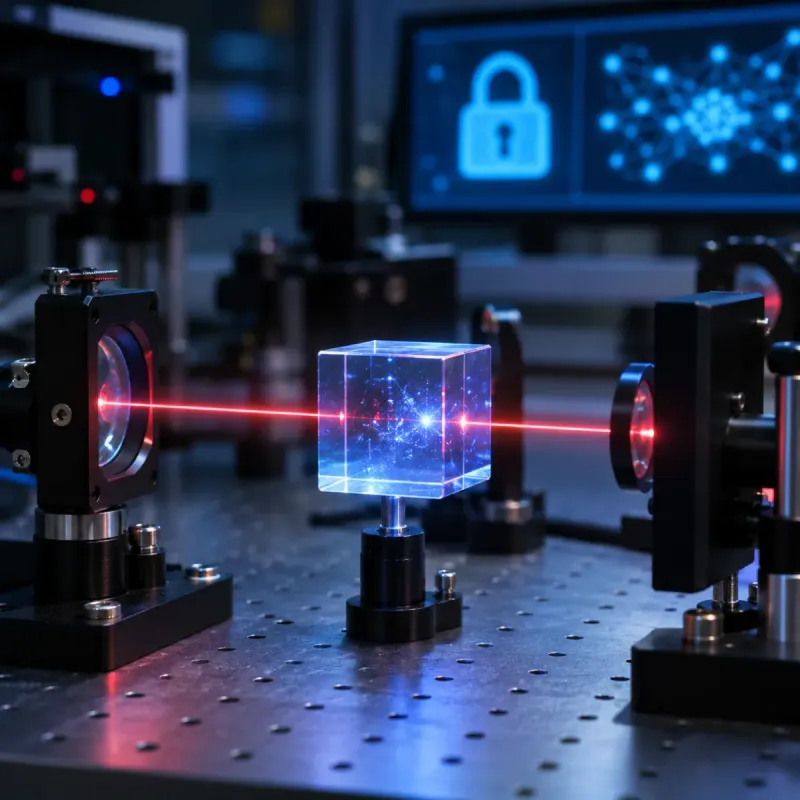
Quantum Communication Explores Advanced Network Security
Design: Quantum-based techniques
Quantum communication is among the technologies examined in 6G research, particularly for its potential role in secure information exchange. Quantum-based methods may offer new approaches to protecting communications, although their practical integration into future mobile networks remains an area of research
- Quantum methods
- Secure communication
- Encryption research

Extreme Connectivity Supports the Internet of Everything
Design: Massive device integration
6G aims to support far more than conventional smartphone connections. Its vision includes communication between people, machines, sensors, vehicles, and infrastructure, creating an interconnected environment for industrial systems, smart cities, and other connected applications.
- Massive connectivity
- Smart infrastructure
- Device interaction

Digital Twins Connect Physical and Virtual Environments
Design: Connected virtual models
6G could provide the connectivity needed to maintain digital representations of real-world objects, environments, and systems. These digital twins can use sensor data to reflect physical conditions, while simulations in virtual environments can help inform real-world decisions.
- Real-time data
- Virtual simulation
- System monitoring
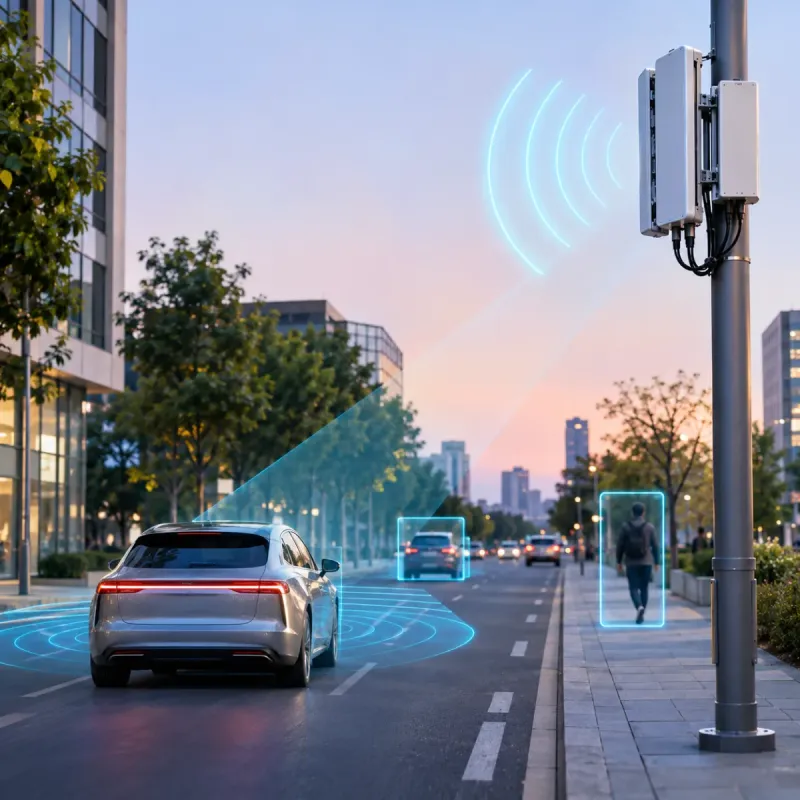
Integrated Sensing and Communication Combines Two Functions
Design: Shared sensing and communication
Integrated sensing and communication (ISAC) allows wireless infrastructure to support data transmission and environmental sensing through shared radio resources. Potential applications include object detection, motion estimation, and helping autonomous vehicles understand their surroundings.
- Object detection
- Movement estimation
- Spectrum sharing

Reconfigurable Intelligent Surfaces Control Radio Signals
Design: Programmable surfaces
Reconfigurable intelligent surfaces (RIS) use specially designed surfaces with adjustable electromagnetic properties to influence how wireless signals travel. They can redirect signals around obstacles, improve coverage, and enable more efficient communication in challenging environments.
- Signal reflection
- Adaptive surfaces
- Improved coverage
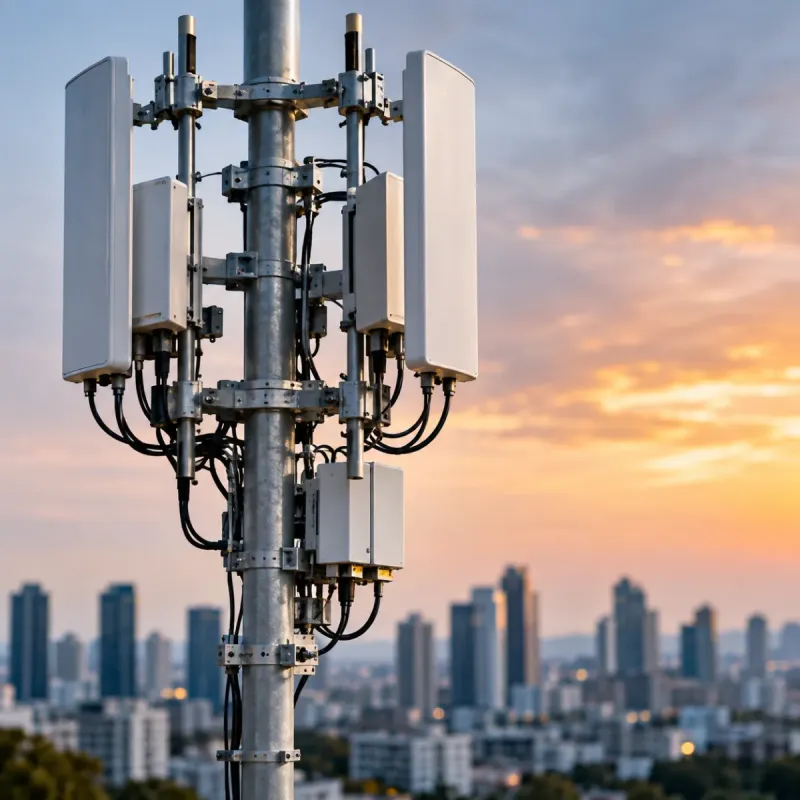
Ultra-Massive MIMO Connects More Devices
Design: Distributed antenna systems
Multiple-input multiple-output (MIMO) technology uses multiple antennas to transmit and receive data. 6G research is investigating more advanced and distributed MIMO configurations to increase capacity, improve signal coverage, and support large numbers of simultaneous connections.
- Multiple antennas
- Spatial transmission
- Higher capacity
AI-Native Networks Automate Network Management
Design: AI-integrated architecture
Unlike networks that use AI mainly as an additional optimization tool, 6G is expected to integrate artificial intelligence more deeply into network operations. AI and machine learning could help manage traffic, allocate resources, predict demand, and automatically adapt communication conditions.
- Predictive management
- Resource optimization
- Autonomous control
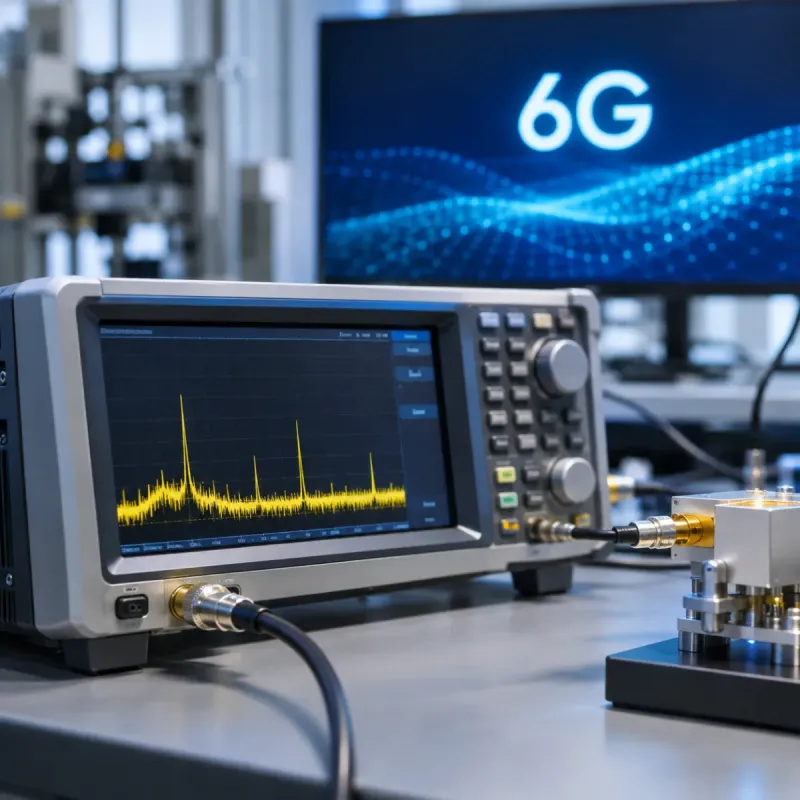
New Spectrum Bands Expand Network Capacity
Design: Multi-band radio access
6G research is examining additional frequency ranges, including Frequency Range 3 (FR3) and sub-terahertz bands. Anritsu identifies 7.125–24.25 GHz for FR3 and 90–300 GHz for sub-THz research, offering more spectrum options for future networks.
- FR3 frequencies
- Sub-THz spectrum
- Wider bandwidth
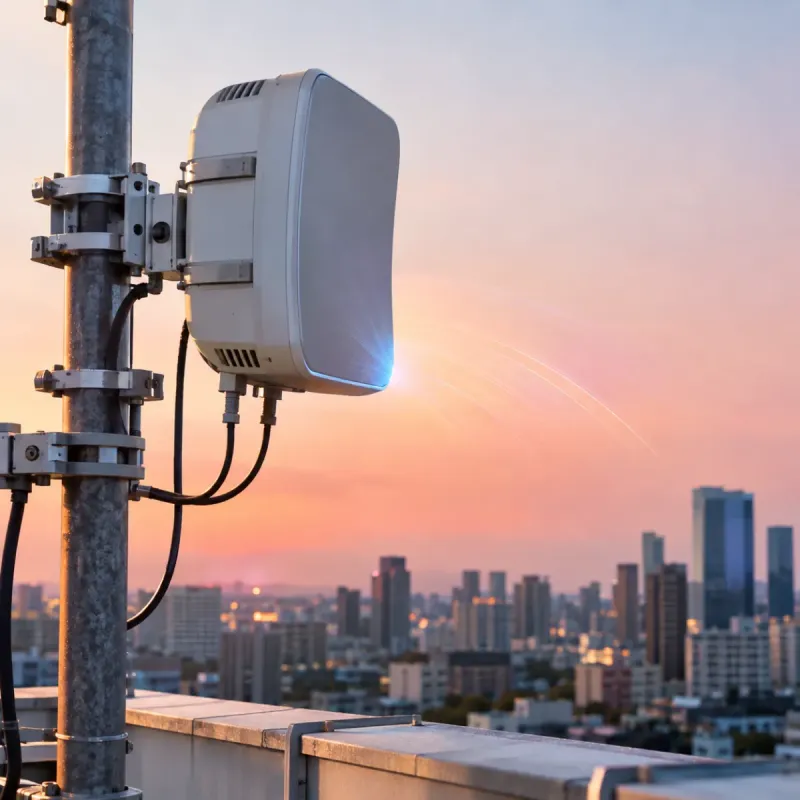
Terahertz Communication Enables Higher Data Rates
Design: Terahertz frequency bands
Terahertz communication is a major candidate technology for 6G, offering access to wider frequency bands that could support extremely high data rates. However, signal attenuation and limited propagation range remain important engineering challenges.
- Wide bandwidth
- High data rates
- Short-range links