


 24 November 2026
Biocomputing brings biology and computer science together to process information, model complex systems, and support scientific research.
The field spans computational tools that analyze biological data and emerging computers that use living neurons to perform information-processing tasks.
12 Key Areas and Applications of Biocomputing
Synthetic Biology and 15 Breakthroughs Transforming the Future of Life
 Inside the List
12 Items

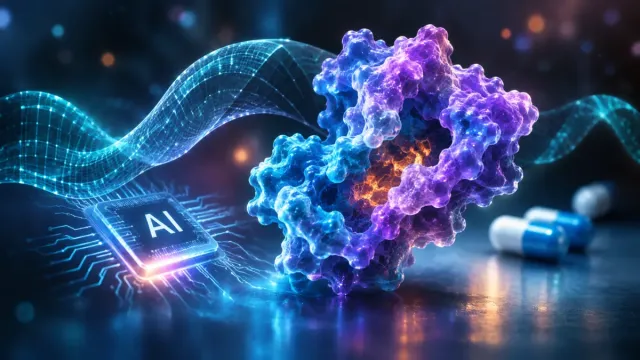
Biocomputing for Drug Development
Design: Computational models
Computational biology can support drug development by combining molecular simulations, machine learning, and biological data analysis. Researchers can use these methods to predict molecular activity, examine drug-target interactions, and prioritize candidates for experimental testing.
- Drug prediction
- Target analysis
- Candidate selection
Energy-Efficient Computing Research
Design: Biological neural systems
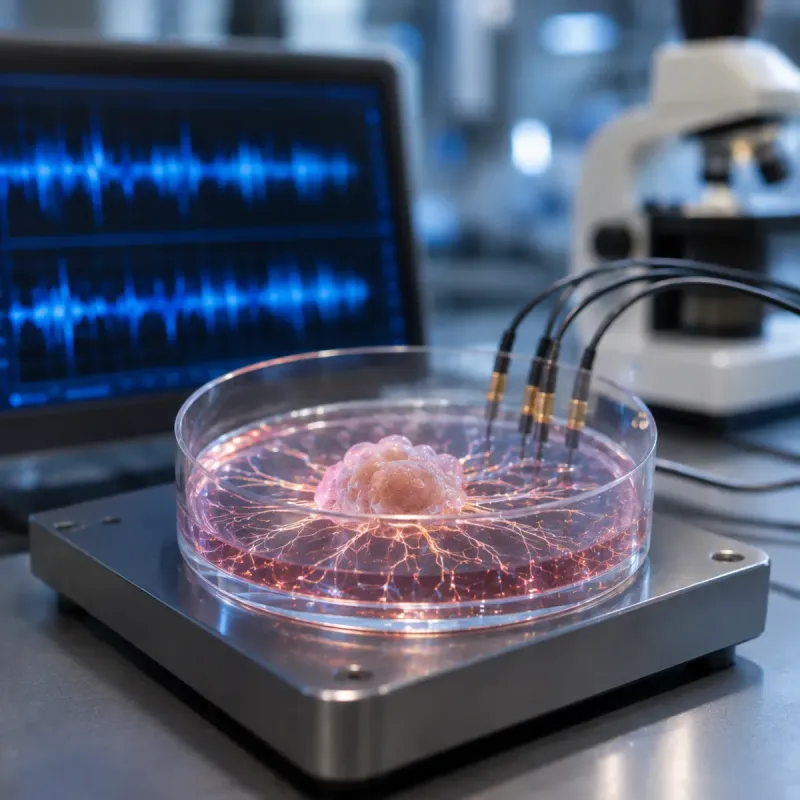
Living neural systems are attracting attention as researchers investigate alternatives to conventional computing architectures. Biological networks may offer different approaches to learning and information processing, although their energy requirements, scalability, and practical advantages still need further evaluation.
- Low-power potential
- Adaptive processing
- Alternative architectures
Biocomputing in Disease Research
Design: Neural cell models
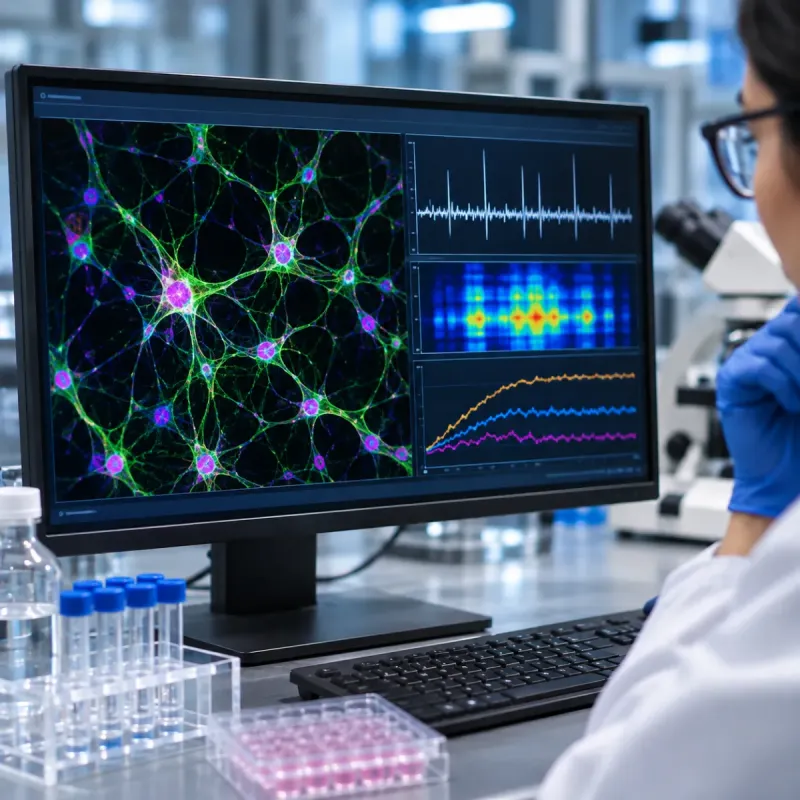
Biological computing platforms can help researchers investigate how neural cells respond to different conditions and chemical compounds. Studying these responses may provide insights into brain function, disease mechanisms, and the effects of potential treatments.
- Neural responses
- Disease modeling
- Compound testing
Cloud-Based Biological Computing
Design: Remote biological hardware
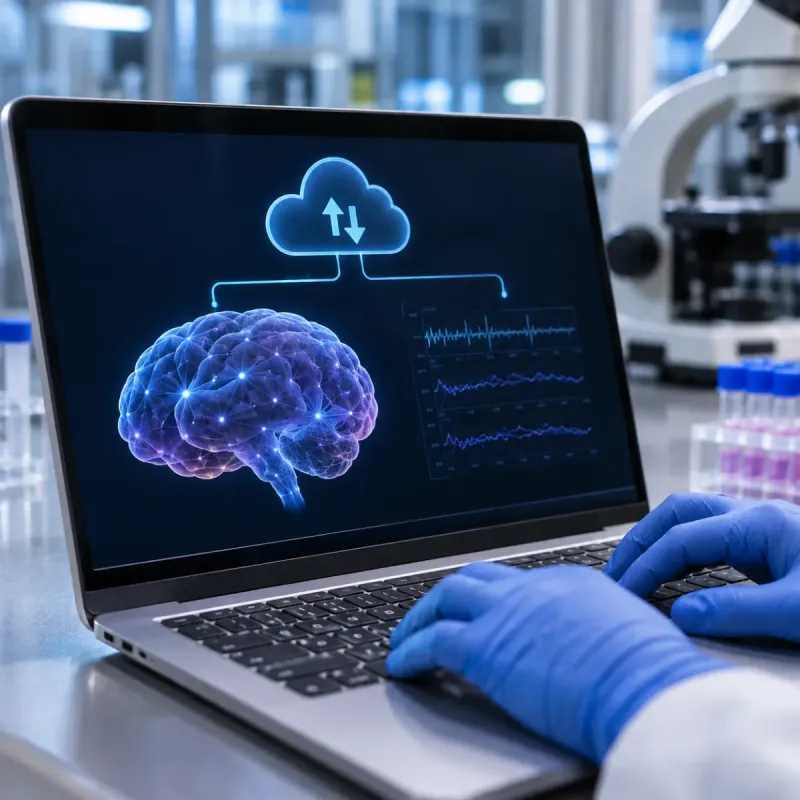
Cloud platforms let researchers access biological computing systems remotely instead of maintaining specialized hardware in their own labs. Cortical Labs, for example, offers cloud access to its biological computing platform, enabling users to interact with living neural systems through software.
- Remote access
- Software interfaces
- Shared resources
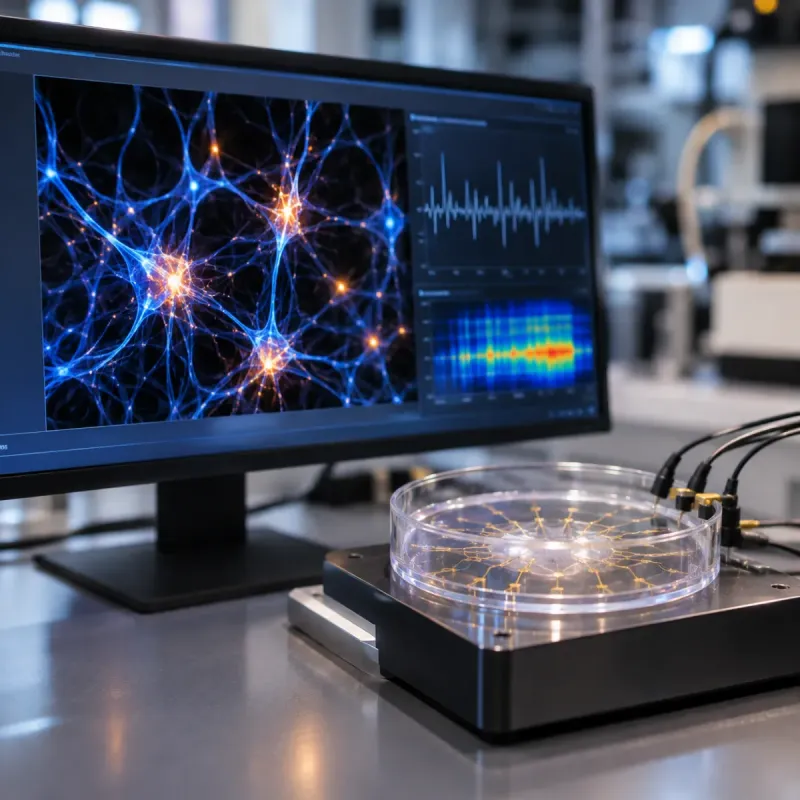
Biological Neural Network Training
Design: Adaptive neural networks
Living neural networks can change their activity in response to stimulation. Researchers are investigating how these networks learn, adapt, and respond to different inputs to understand the mechanisms behind biological information processing.
- Neural adaptation
- Signal response
- Network learning

DNA and Genetic Information Processing
Design: DNA-based systems
DNA computing explores how genetic molecules can store and process information through biochemical reactions. Instead of conventional electronic logic circuits, some experimental approaches use DNA sequences and molecular interactions to represent and solve computational problems.
- DNA sequences
- Molecular reactions
- Parallel processing

Machine Learning for Biological Data
Design: Data-driven algorithms
Machine learning and deep learning can analyze complex biological datasets to identify patterns that may be difficult to detect manually. These methods support research into molecular activity, biological processes, and potential disease-related changes.
- Pattern recognition
- Predictive modeling
- Data classification

Protein Folding Simulations
Design: Molecular modeling
Proteins perform many essential functions, and their shapes influence how they interact with other molecules. Molecular dynamics simulations help scientists study protein structures, stability, movement, and conformational changes over time.
- Structural analysis
- Molecular dynamics
- Stability testing

Molecular Docking and Drug Discovery
Design: Molecular simulations
Biocomputing also uses computational methods to study molecular interactions. Molecular docking simulations help researchers examine how potential drugs bind to biological targets and identify promising candidates for further investigation.
- Molecular docking
- Binding analysis
- Drug screening
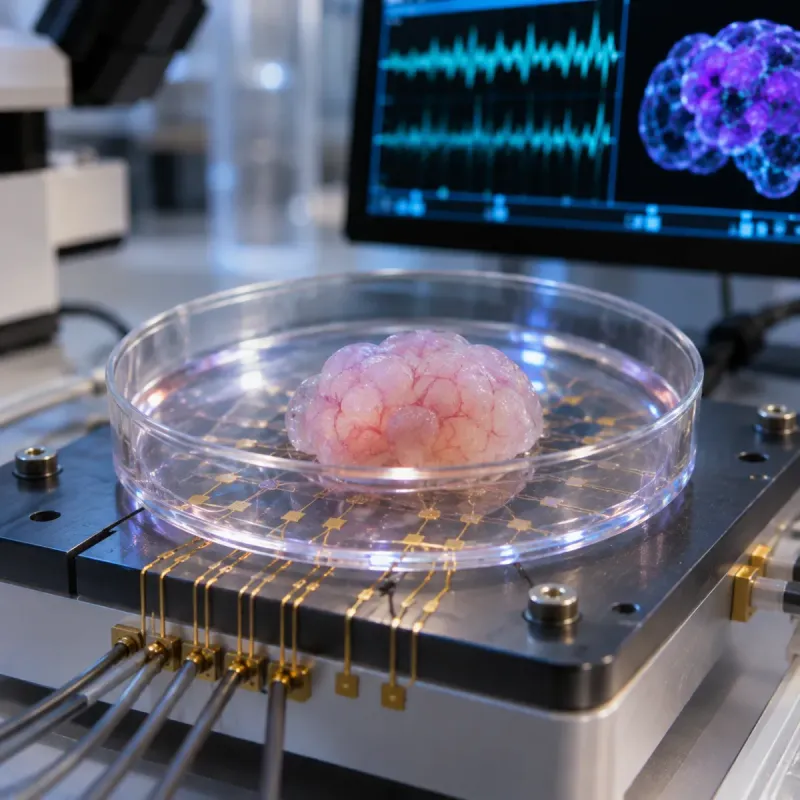
Brain Organoid Computing
Design: Lab-grown neural tissue
Brain organoids are small, laboratory-grown structures made from stem-cell-derived neural cells. Researchers can connect these models to multielectrode arrays, stimulate them, and measure their responses to investigate biological information processing.
- Neural organoids
- Electrical stimulation
- Neural activity
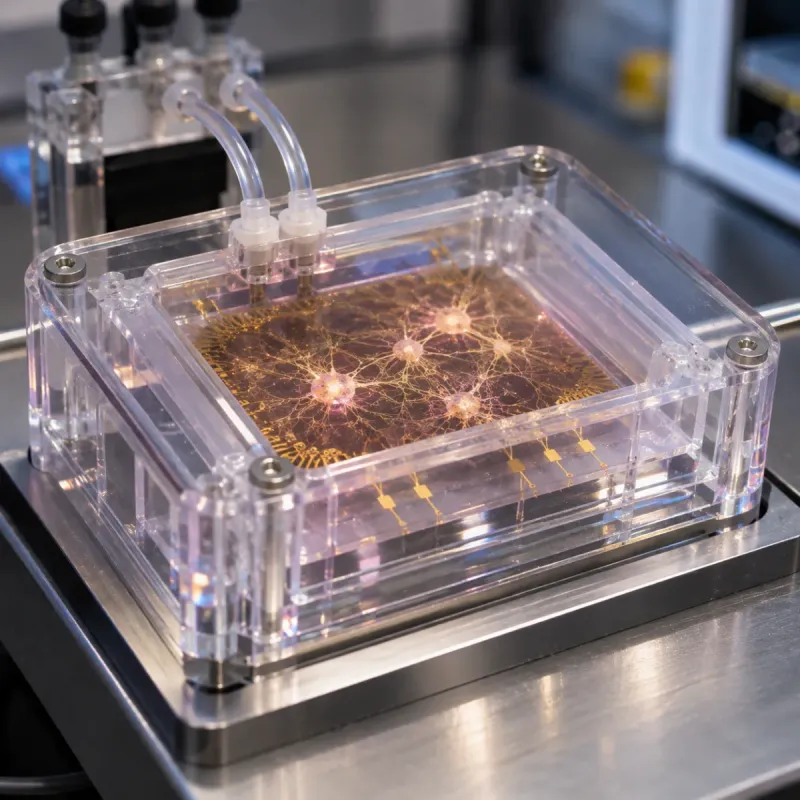
Silicon-Neuron Integration
Design: Silicon and living cells
Biological computers combine living cells with conventional electronic components. In Cortical Labs’ CL1 system, neurons grow directly on a silicon chip that sends electrical signals to the cells and records their responses.
- Silicon chips
- Electrical interfaces
- Real-time interaction
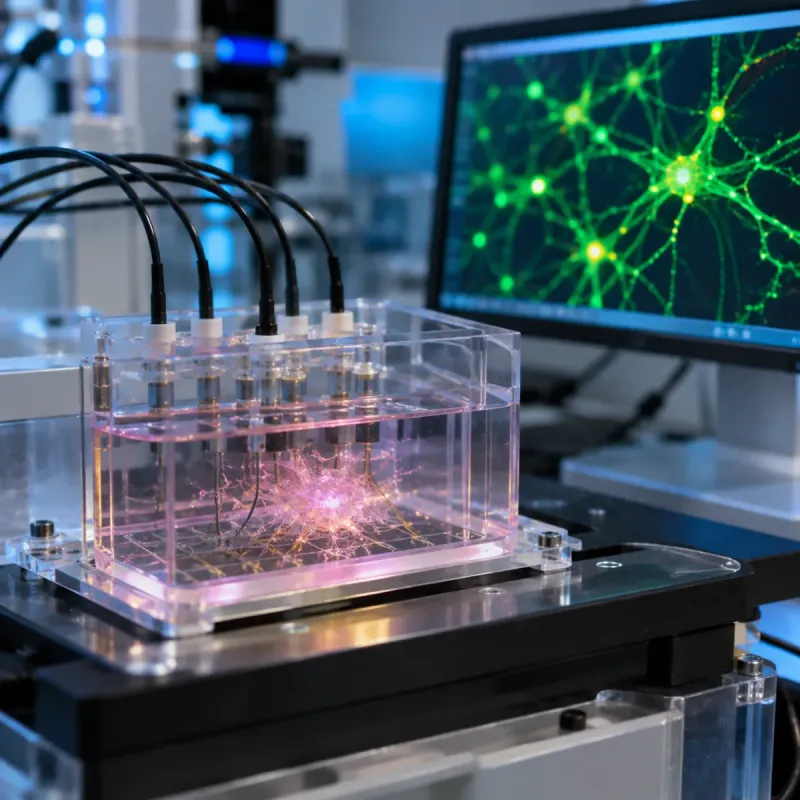
Living Neurons as Computing Units
Design: Living neural cells
One emerging form of biocomputing uses living neurons to process information. Instead of relying entirely on electronic circuits, researchers connect biological neural networks to computer hardware and study how they respond to signals.
- Living neurons
- Neural networks
- Signal processing