

 23 November 2026
Nuclear fusion energy aims to replicate the reaction that powers the Sun by combining light atomic nuclei to release energy.
Researchers are developing fusion reactors, advanced plasma-control systems, and new fuel technologies to turn this process into a practical source of electricity.
15 Technologies and Advances Shaping Nuclear Fusion Energy
Read More
 Inside the List
15 Items
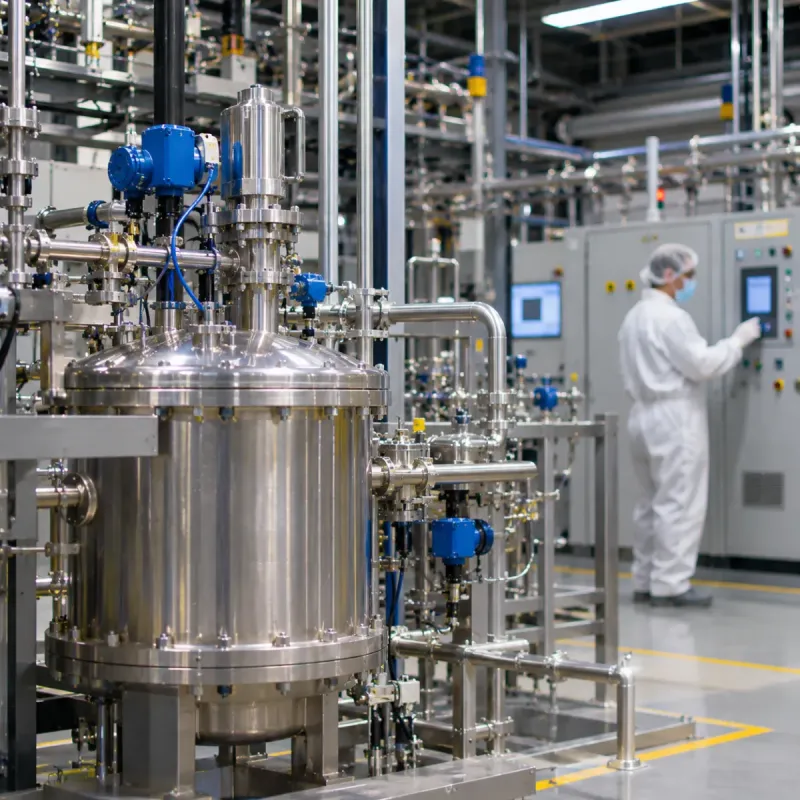
Fusion Fuel-Cycle Systems Support Continuous Operation
Type: Fuel management system
A practical fusion power plant will need systems to process, store, handle, and recycle its fuel, particularly radioactive tritium. Research facilities are investigating these processes because reliable fuel management is essential for sustaining future fusion operations.
- Tritium handling
- Fuel recycling
- Storage systems
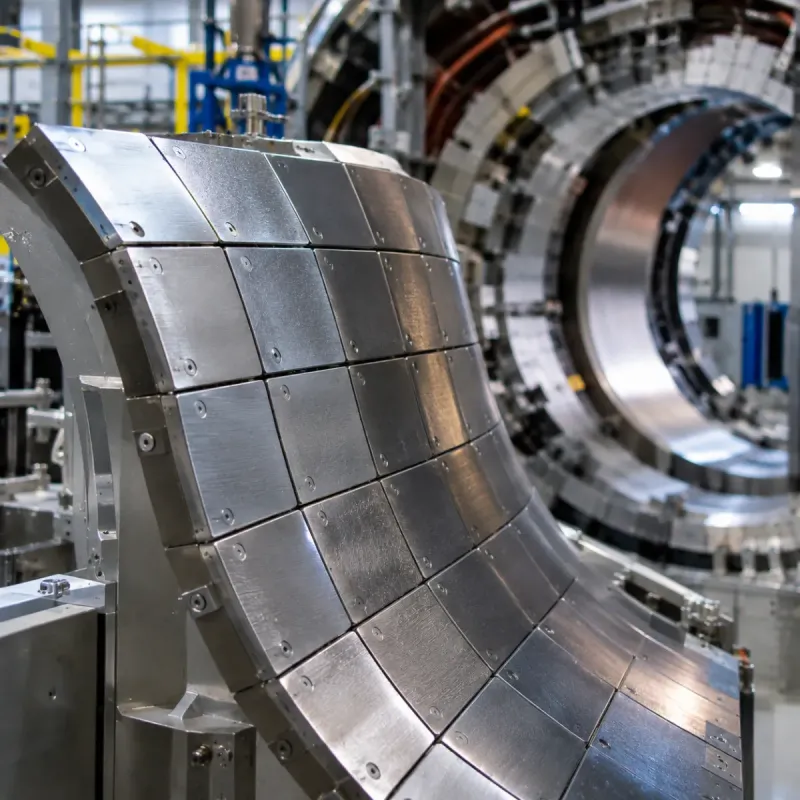
Advanced Materials Must Withstand Extreme Conditions
Type: Materials engineering
Fusion reactors expose internal components to intense heat, energetic particles, and high-energy neutrons. Developing materials that can withstand this environment is essential to improve component durability, maintain reactor performance, and make future power plants practical.
- Heat resistance
- Neutron shielding
- Material testing
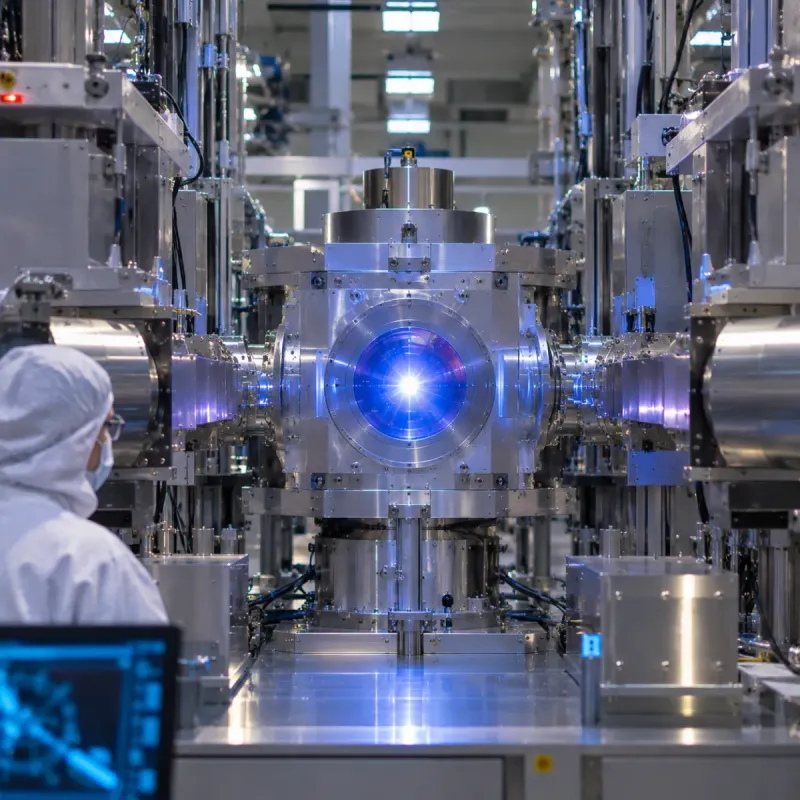
Fusion Ignition Demonstrates Scientific Energy Gain
Type: Experimental achievement
Fusion ignition occurs when energy from fusion reactions helps sustain further reactions in the fuel. Experiments at the National Ignition Facility have demonstrated ignition, an important scientific milestone, although this does not mean that the facility produces more energy than it consumes.
- Energy gain
- Plasma self-heating
- Experimental validation
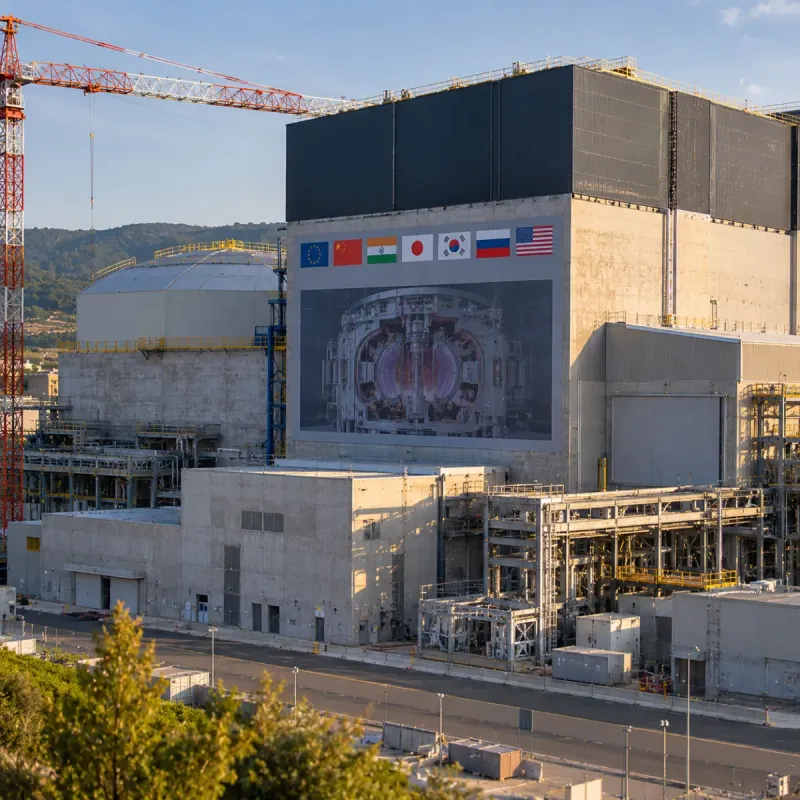
ITER Tests Large-Scale Fusion Reactor Technology
Type: International research project
ITER is a major international project in France designed to demonstrate the scientific and technological feasibility of fusion energy. Its tokamak aims to produce 500 megawatts of fusion power from 50 megawatts of plasma heating input, without generating electricity.
- Global collaboration
- Plasma experiments
- Reactor research
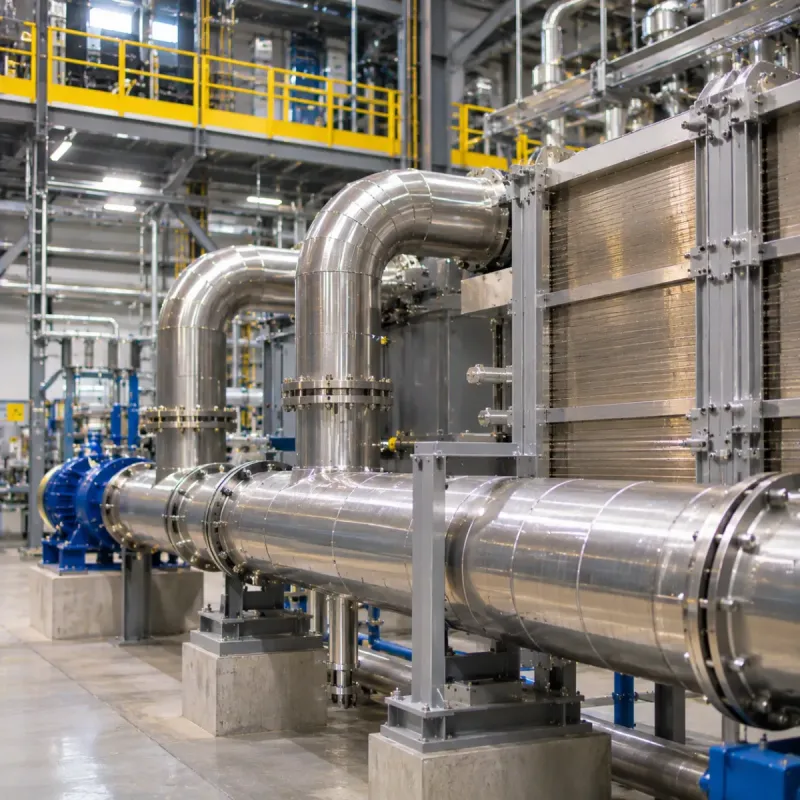
Heat Extraction Converts Fusion Energy Into Electricity
Type: Energy conversion system
In a proposed fusion power plant, energetic neutrons transfer heat to a surrounding blanket. A coolant such as water, helium, or a lithium-lead mixture carries this heat to systems that could generate electricity through conventional power-generation methods.
- Heat collection
- Coolant circulation
- Power generation
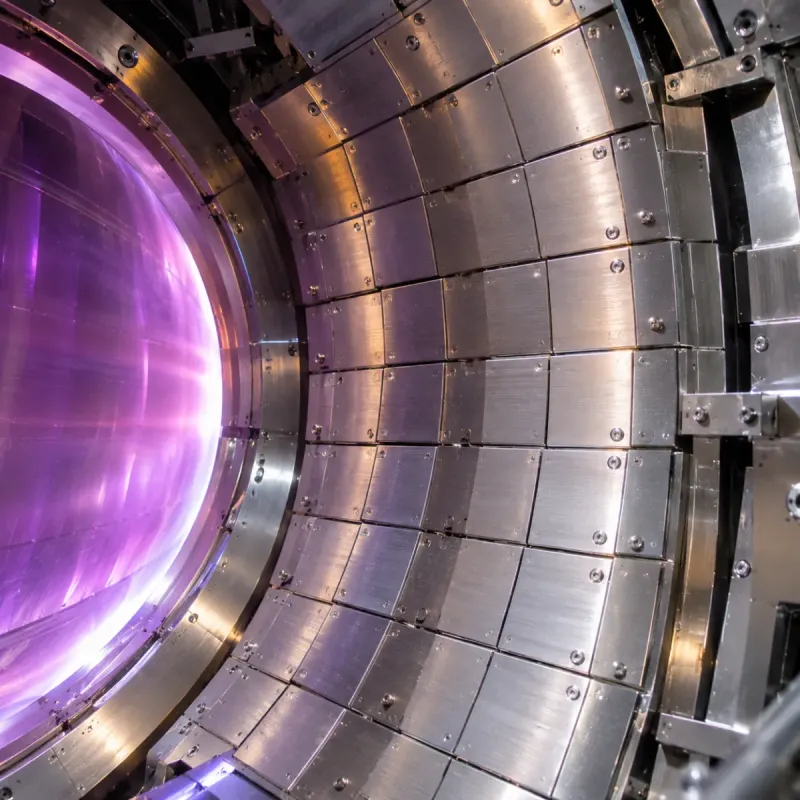
Lithium Blankets Help Produce Tritium Fuel
Type: Fuel-cycle technology
In many proposed deuterium-tritium reactors, a lithium-containing blanket surrounds the fusion chamber. Neutrons from the fusion reaction interact with lithium to produce tritium, potentially allowing a power plant to generate part of its own future fuel supply.
- Lithium materials
- Neutron interaction
- Tritium production
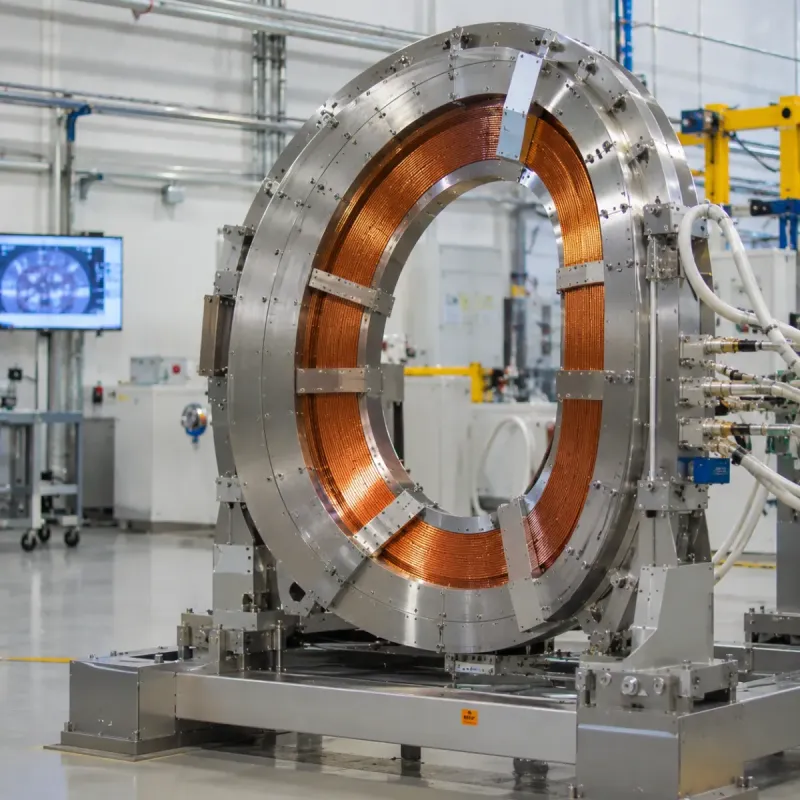
Superconducting Magnets Generate Powerful Magnetic Fields
Type: Reactor component
Superconducting magnets are essential components in major magnetic confinement experiments. They can generate strong magnetic fields while operating with very low electrical resistance, supporting the complex systems needed to control high-temperature plasma in large fusion devices.
- Strong magnets
- Low resistance
- Plasma control
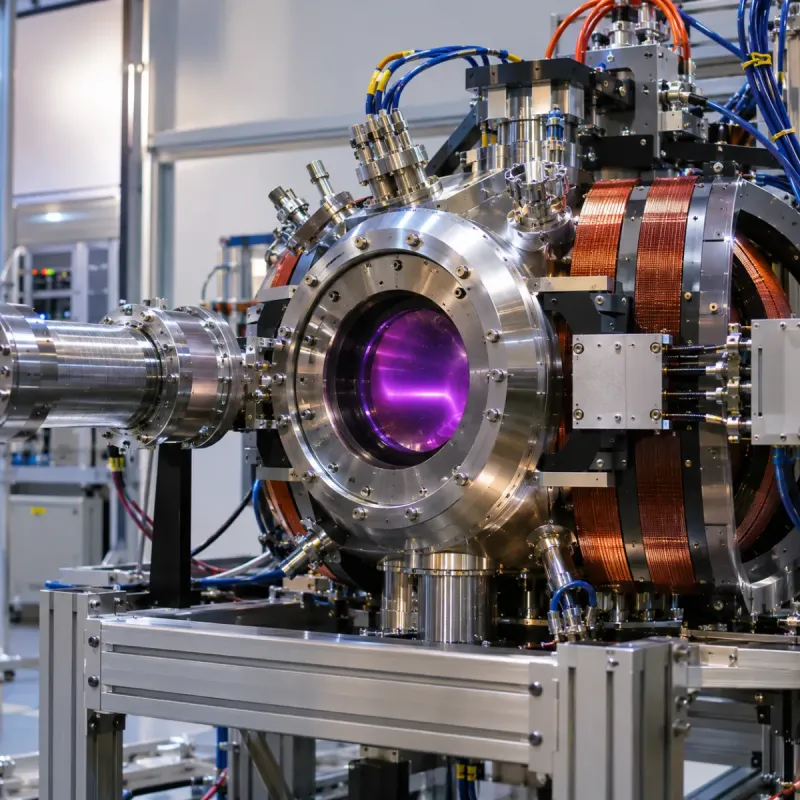
Magnetized Target Fusion Combines Two Approaches
Type: Hybrid fusion approach
Magnetized target fusion combines magnetic confinement with the compression techniques used in inertial fusion. It uses magnetic fields to contain plasma while external forces compress and heat it, potentially reducing the need for long confinement times
- Plasma confinement
- Rapid compression
- Hybrid methods
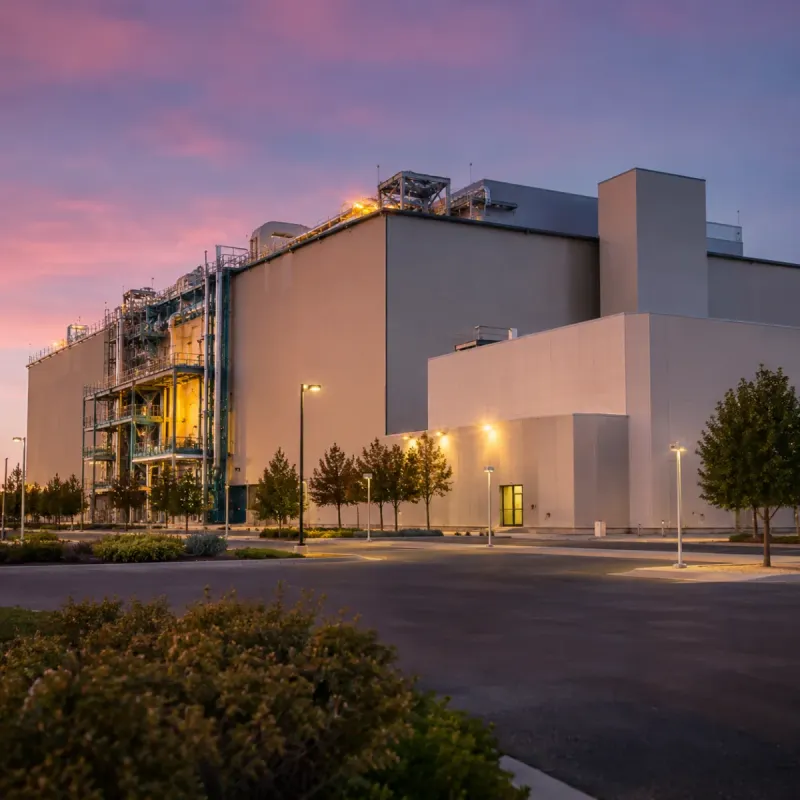
Laser Fusion Focuses Energy on Small Targets
Type: Inertial fusion technology
Laser-based fusion systems direct intense beams onto tiny fuel targets to generate the heat and compression needed for fusion. The National Ignition Facility in the United States uses 192 laser beams to deliver energy to a deuterium-tritium target.
- Laser pulses
- Target heating
- Fuel compression
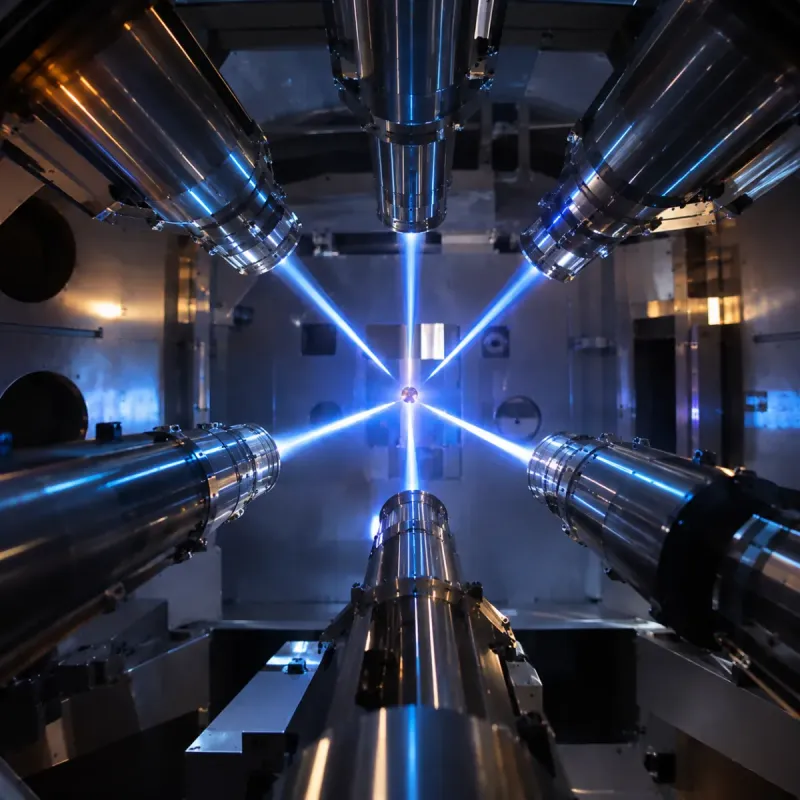
Inertial Confinement Compresses Tiny Fuel Pellets
Type: Fusion approach
Inertial confinement fusion uses powerful laser or particle beams to compress a small pellet containing fusion fuel. The rapid implosion raises the fuel's density and temperature, creating conditions that can trigger fusion reactions for a very brief period.
- Fuel compression
- Rapid implosion
- High density
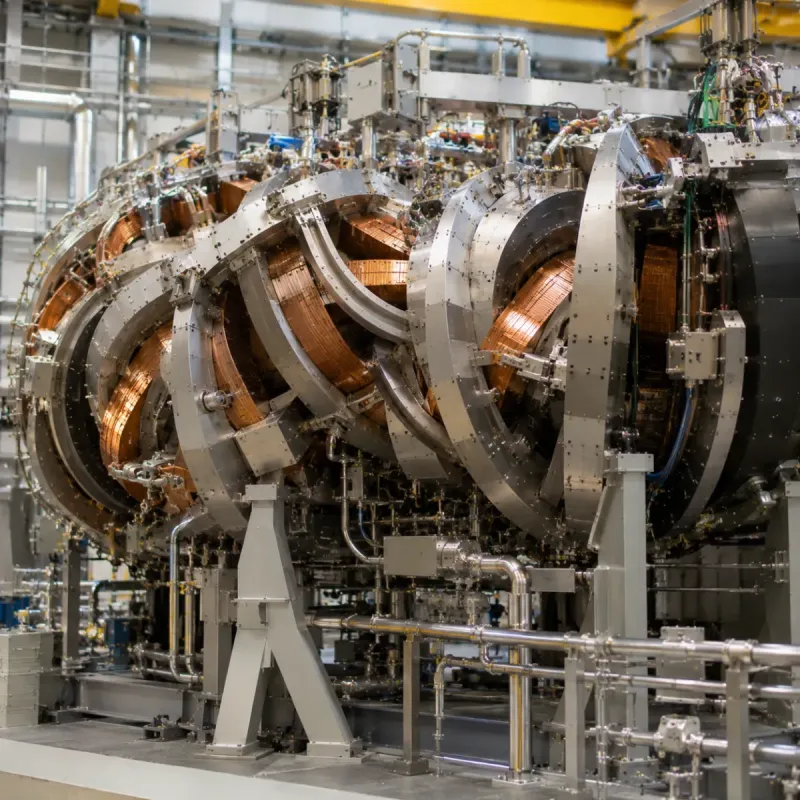
Stellarators Explore More Stable Plasma Confinement
Type: Magnetic fusion device
Stellarators use complex, carefully shaped magnetic coils to confine plasma without requiring the same induced plasma current used in tokamaks. Their design allows continuous operation, though the complex geometry makes them difficult to build.
- Complex coils
- Continuous operation
- Plasma stability
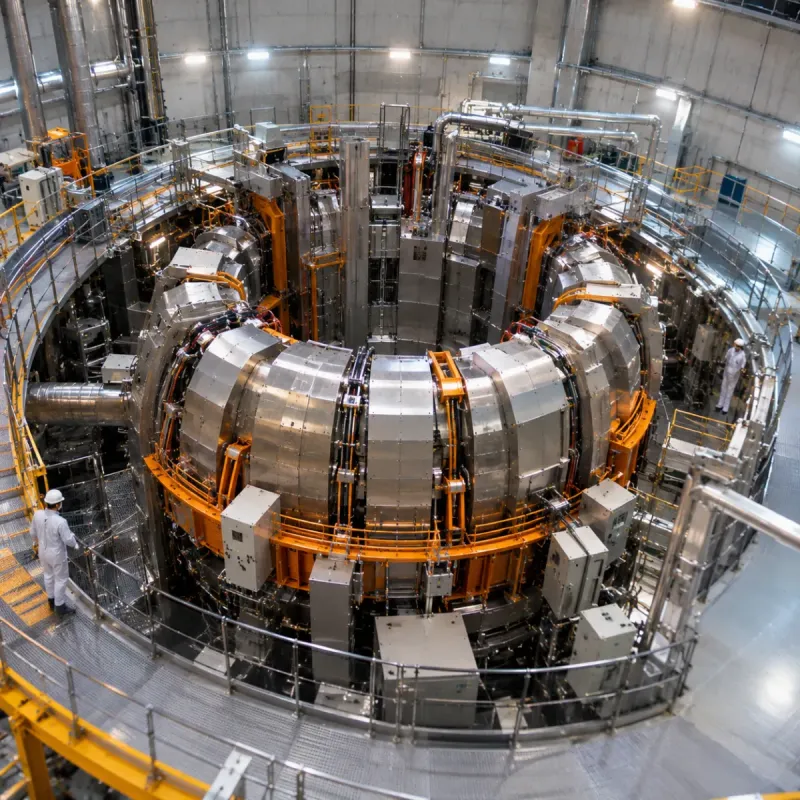
Tokamak Reactors Use a Doughnut-Shaped Chamber
Type: Fusion reactor
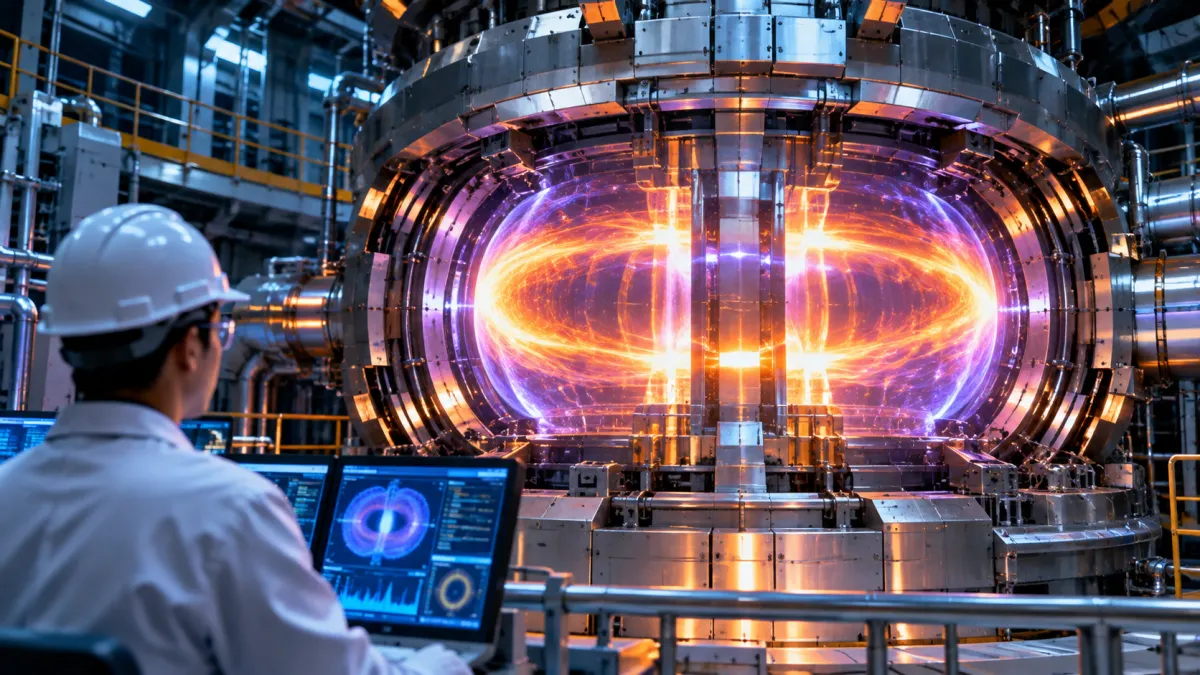
A tokamak is a magnetic confinement device with a toroidal, or doughnut-shaped, chamber. Its magnetic coils create fields that guide plasma around the chamber, making tokamaks one of the leading designs being investigated for future fusion power plants.
- Toroidal structure
- Magnetic coils
- Plasma circulation
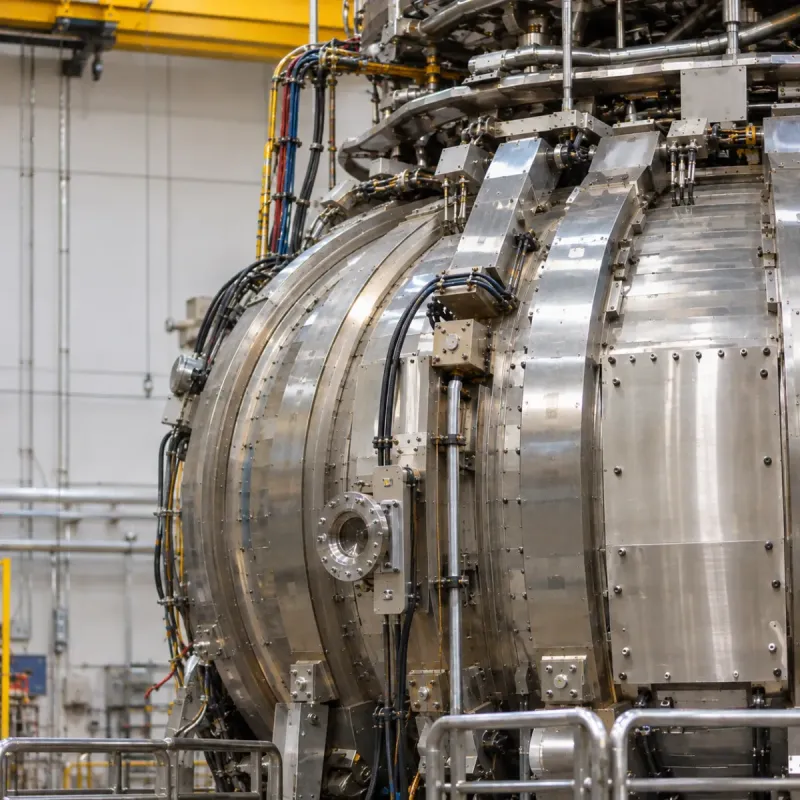
Magnetic Confinement Keeps Plasma Away From Reactor Walls
Type: Confinement technology
Magnetic confinement fusion uses powerful magnetic fields to hold extremely hot plasma inside a reactor chamber. Since charged particles respond to magnetic fields, this approach helps prevent the plasma from directly contacting and damaging the reactor walls.
- Magnetic fields
- Plasma confinement
- Heat protection
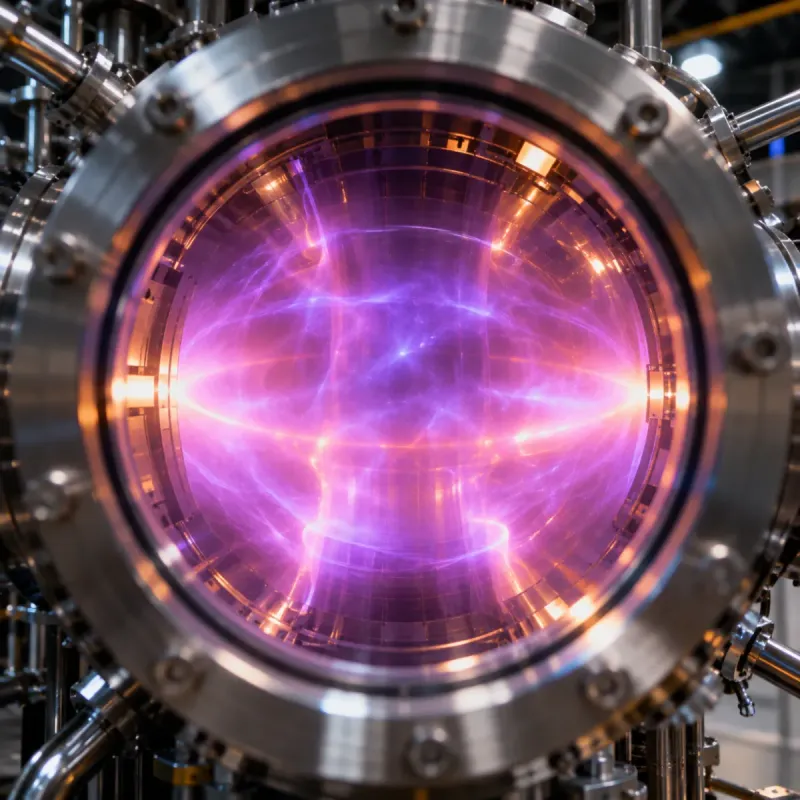
Plasma Physics Creates the Conditions for Fusion
Type: Plasma technology
Fusion fuel must be heated until it becomes plasma, a state in which electrons separate from atomic nuclei. At temperatures exceeding 100 million degrees Celsius for deuterium-tritium fusion, nuclei can overcome electrical repulsion and combine.
- Extreme temperatures
- Charged particles
- Nuclear collisions
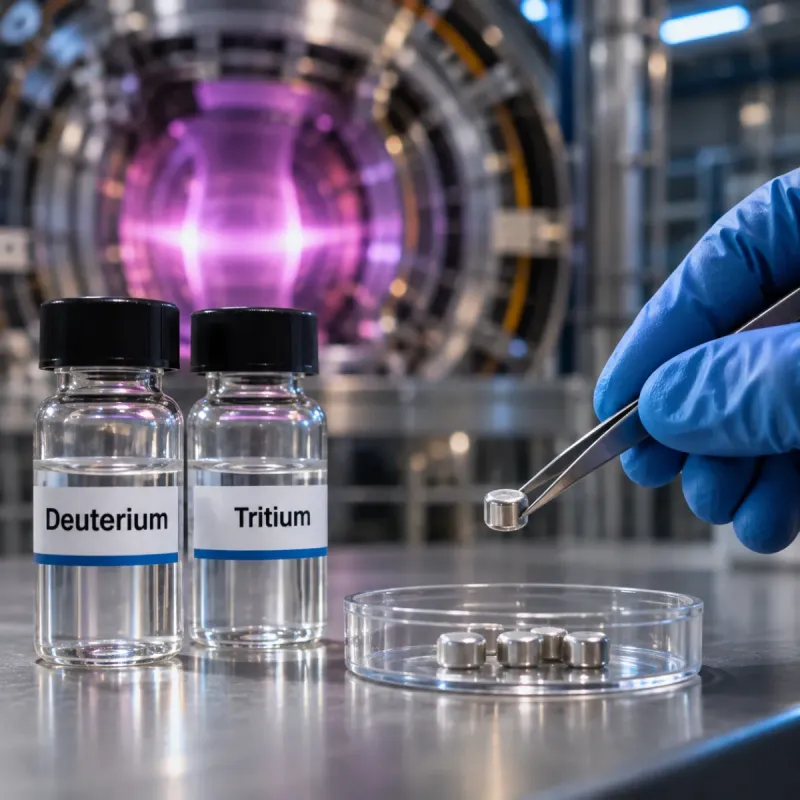
Deuterium-Tritium Fuel Produces Fusion Energy
Type: Fusion fuel
Most current fusion reactor designs focus on combining deuterium and tritium, two hydrogen isotopes. Their reaction produces helium, a high-energy neutron, and 17.6 MeV of energy, making this fuel combination a leading research option.
- Deuterium fuel
- Tritium fuel
- High energy output