


 24 November 2026
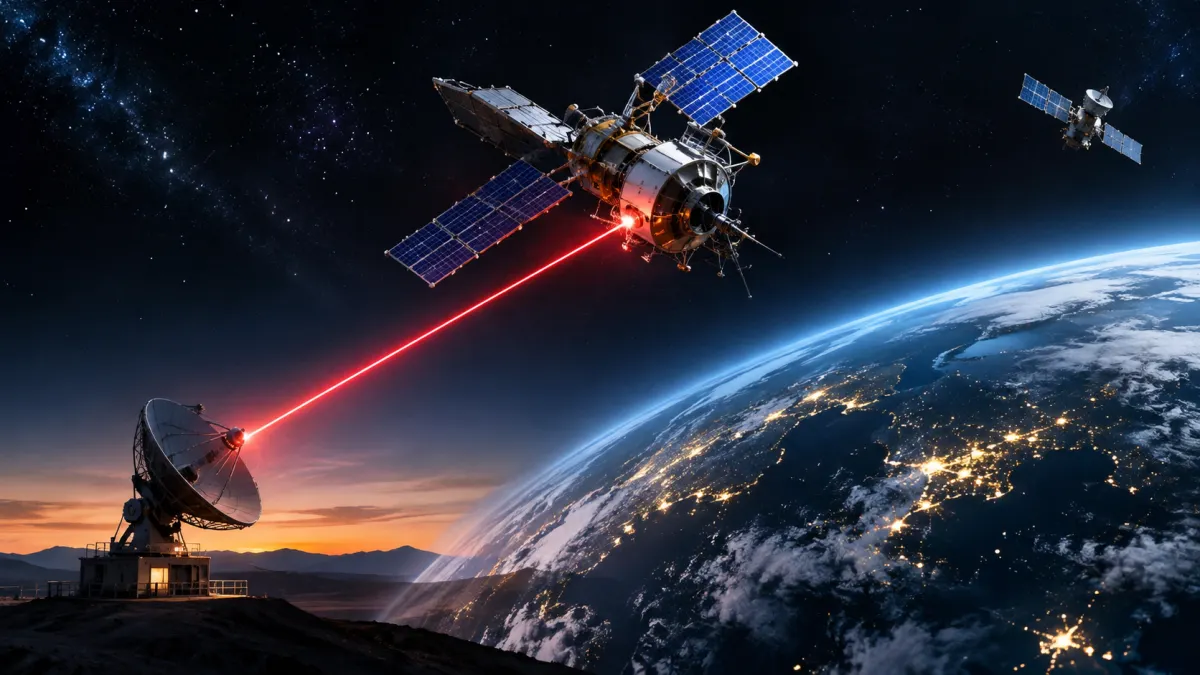
Space-based weapons and counterspace technologies are changing how nations think about security beyond Earth.
From anti-satellite missiles and orbital jammers to lasers and cyber operations, these systems can threaten the satellites that support communications, navigation, intelligence, and military operations. Not every technology is stationed in orbit: some are launched from Earth to target space assets, while others are designed to operate from space.
15 Major Types of Space-Based Weapons and Counterspace Technologies
Why One Billionaire Can Shut Off a War Zone's Internet
 Inside the List
15 Items
Emerging On-Orbit Space Control Weapons
Type: Orbital military weapon
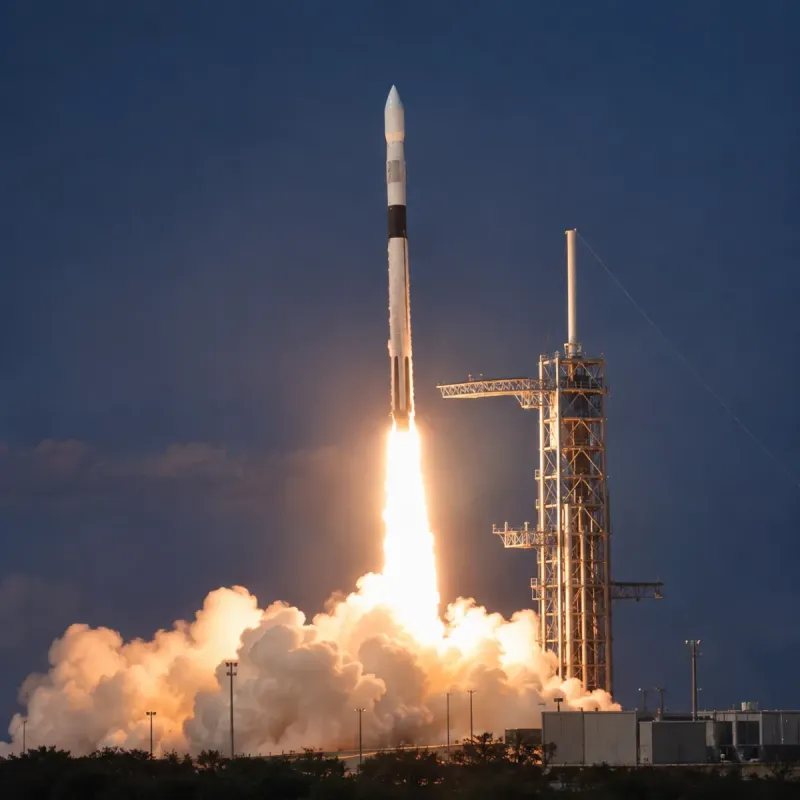
In September 2026, the United States publicly acknowledged having on-orbit space control weapons that can defend military forces against hostile actions. Officials did not disclose their exact design or capabilities, while experts have speculated that electronic warfare or jamming systems could be involved.
- On-orbit deployment
- Military defense
- Strategic deterrence
Orbital Surveillance and Proximity Operations
Type: Dual-use space technology
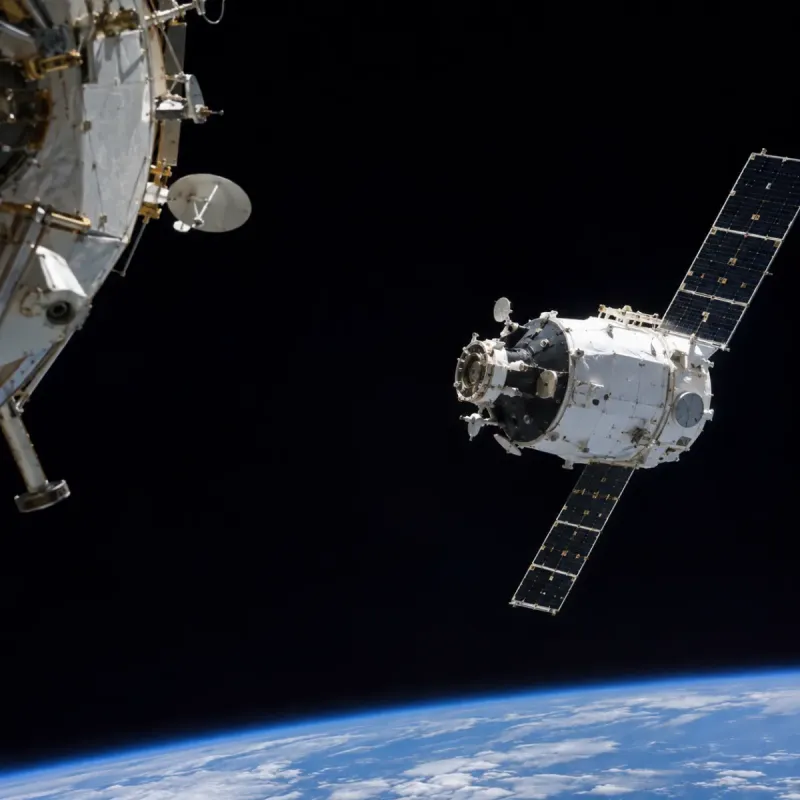
Space surveillance and proximity operations allow spacecraft to observe, approach, and monitor other objects in orbit. These capabilities support inspection, maintenance, and space situational awareness, but they can also create security concerns when used for intelligence gathering or potentially hostile activities.
- Object tracking
- Close approaches
- Space inspection
Attacks on Satellite Ground Stations
Type: Ground-based counterspace weapon
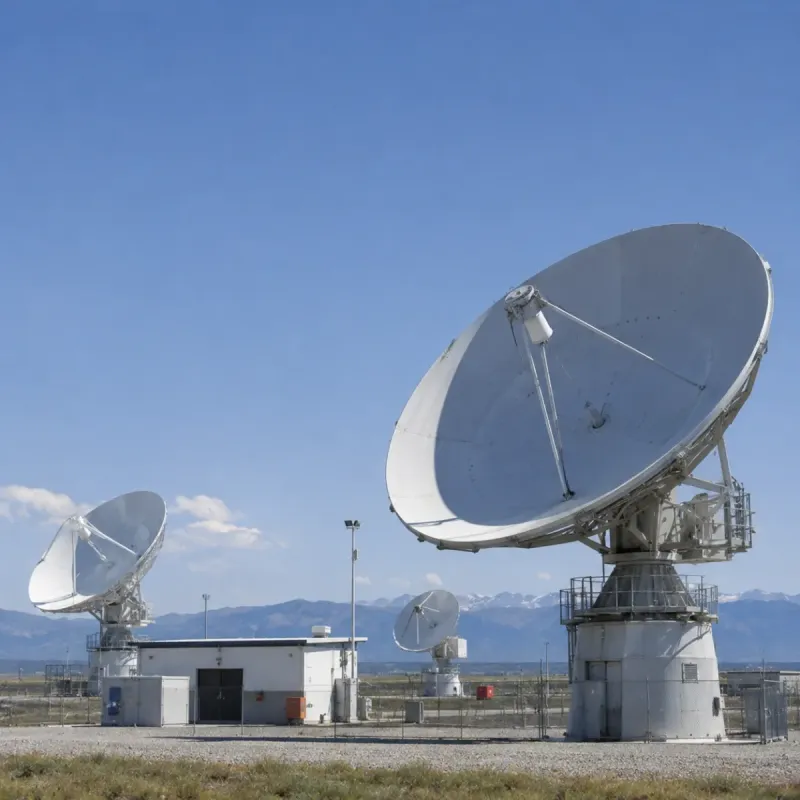
Satellite ground stations are essential for controlling spacecraft and transmitting or receiving data. Attacking these facilities can disrupt space services without destroying satellites in orbit, making terrestrial infrastructure an important part of counterspace strategy.
- Ground facilities
- Control disruption
- Network interference
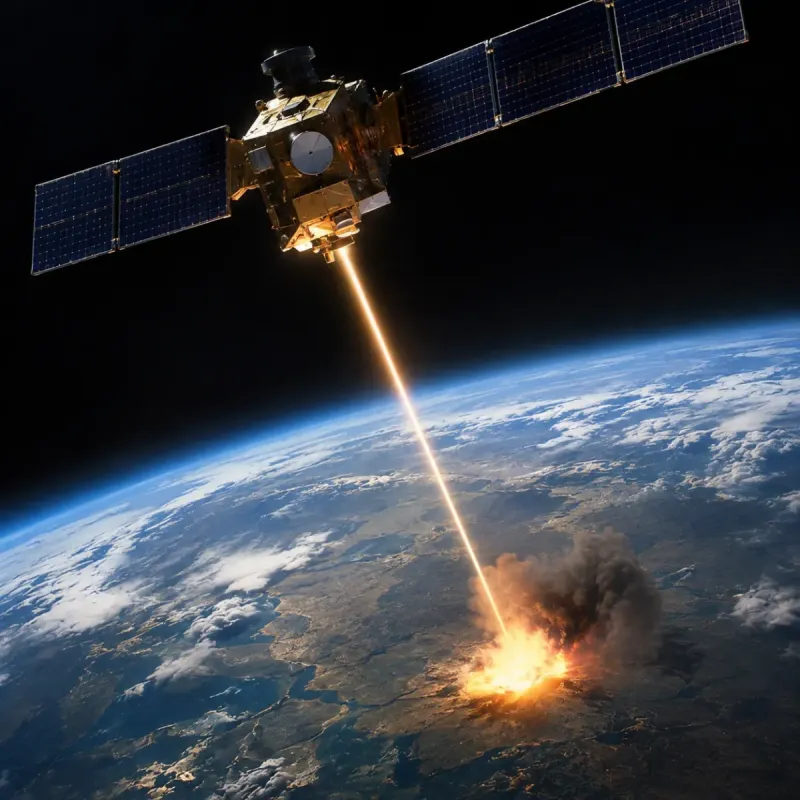
Space-Based Ground-Attack Weapons
Type: Orbital strike weapon
Space-based ground-attack weapons are proposed systems designed to strike targets on Earth's surface from orbit. They have appeared in military discussions and strategic concepts, but the Union of Concerned Scientists' analysis notes the high cost and practical challenges of this approach.
- Orbital positioning
- Surface targeting
- Strategic deterrence
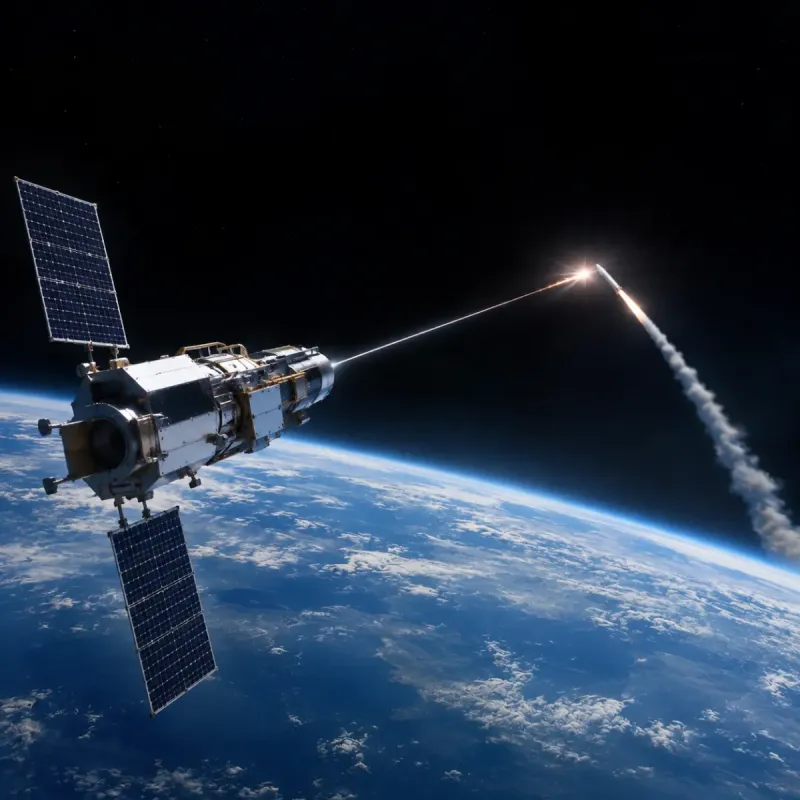
Space-Based Missile Defense Interceptors
Type: Missile defense weapon
Space-based interceptors are designed to engage incoming ballistic missiles during the boost phase or other flight stages. Their proposed role is missile defense rather than attacking satellites, although placing interceptors in orbit raises additional security and strategic concerns.
- Missile tracking
- Orbital deployment
- Defensive interception

Nuclear Electromagnetic Pulse Weapons
Type: Nuclear weapon
A nuclear detonation in or near space can generate radiation and electromagnetic effects that damage or disrupt electronic systems across affected areas. Such an event could affect multiple satellites, not just a single target, creating widespread consequences for space infrastructure.
- Electromagnetic pulse
- Radiation effects
- Wide-area impact

Cyber Weapons Targeting Space Systems
Type: Cyber weapon
Cyber operations can target satellite software, communication networks, control systems, and supporting infrastructure. Rather than physically attacking a spacecraft, these operations seek to compromise the digital systems that allow space assets to function.
- Software compromise
- Network intrusion
- Data manipulation
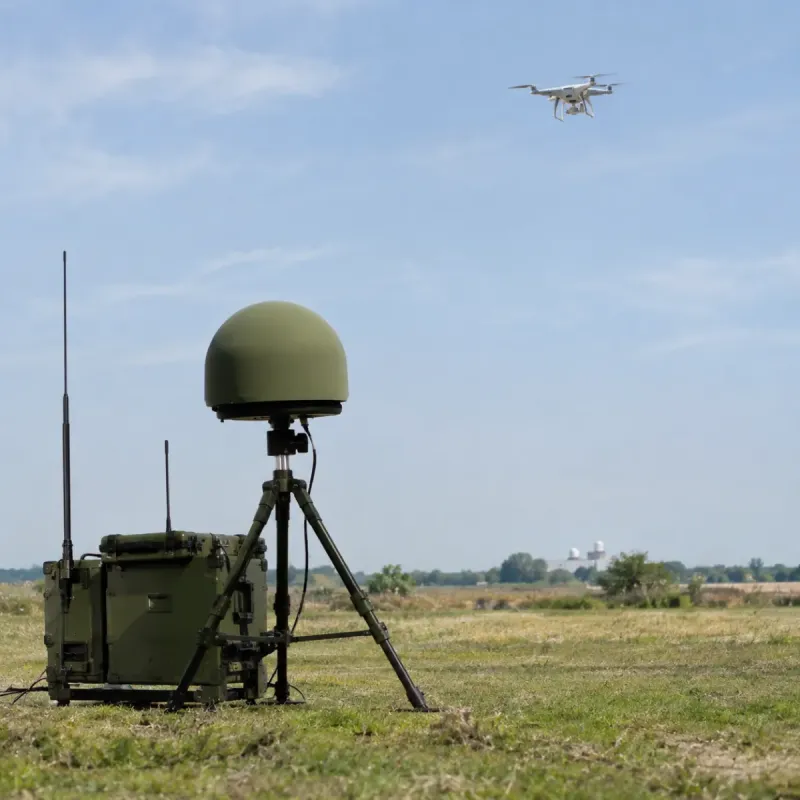
Signal Spoofing Systems
Type: Electronic warfare weapon
Spoofing systems attempt to manipulate satellite-related signals so that receivers interpret false information as legitimate. This capability can undermine the reliability of navigation and communication services, making it a significant concern for military and civilian satellite users.
- False signals
- Data manipulation
- Navigation interference
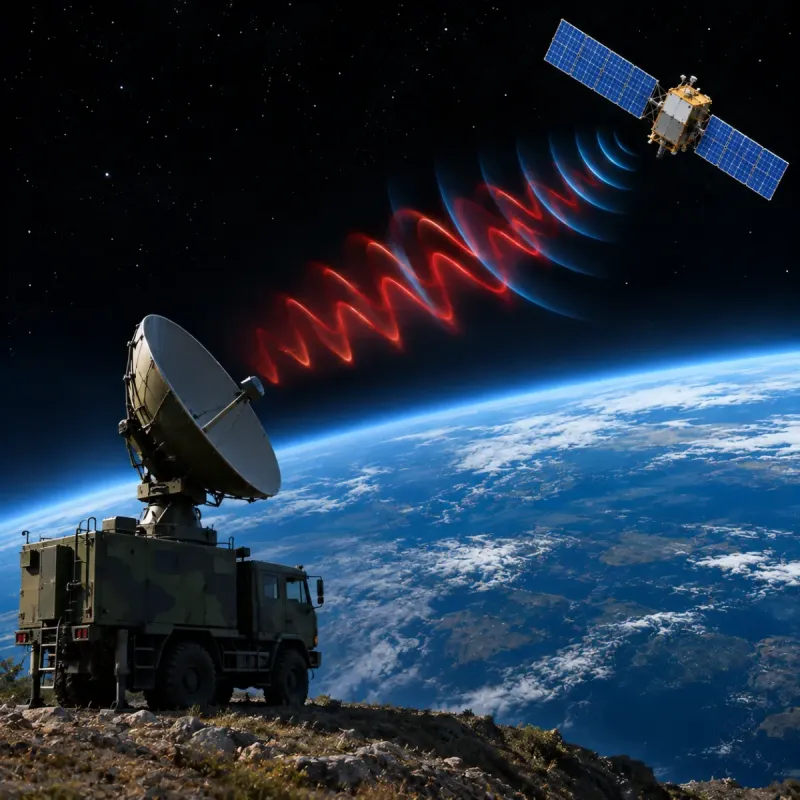
Satellite Communication Jammers
Type: Electronic warfare weapon
Jamming systems interfere with radio-frequency signals traveling between satellites and their users or ground stations. By disrupting communications, they can reduce access to satellite services without necessarily destroying the spacecraft itself.
- Signal interference
- Communication disruption
- Electronic warfare
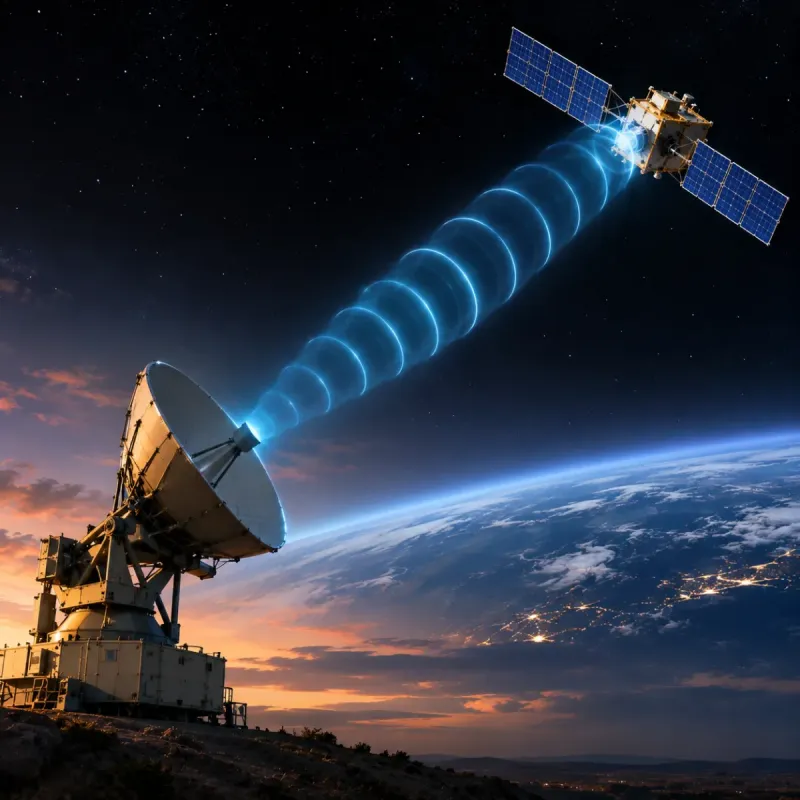
High-Power Microwave Weapons
Type: Directed-energy weapon
High-power microwave systems use electromagnetic energy to interfere with or damage electronic components. They are classified as non-kinetic physical counterspace weapons because they can affect satellite electronics without physically striking the spacecraft.
- Microwave energy
- Circuit interference
- Non-contact effects
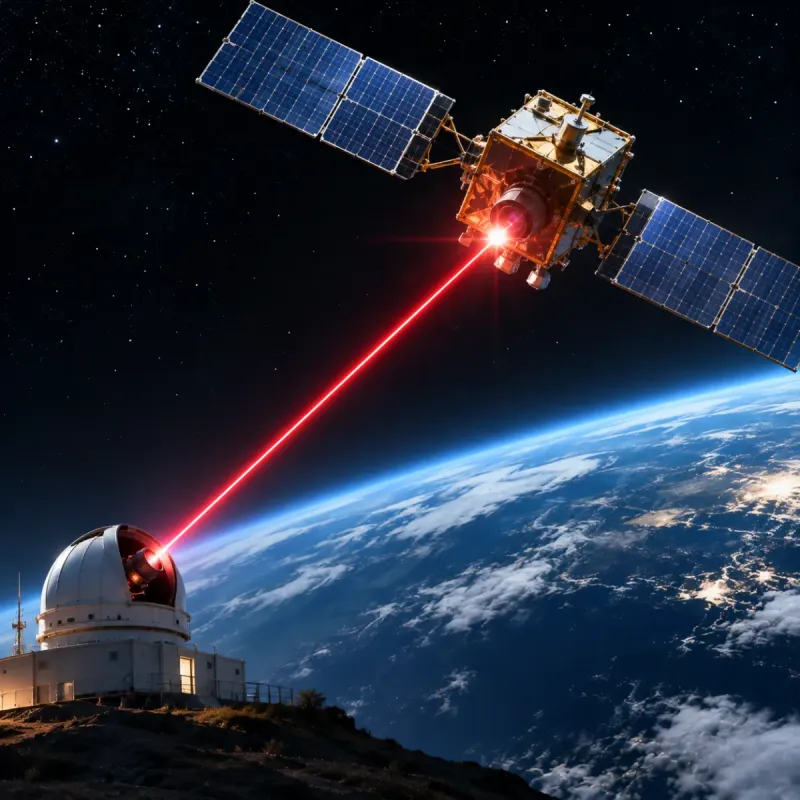
Space-Based Laser Weapons
Type: Directed-energy weapon
Laser systems use concentrated energy to interfere with or damage satellite components. Depending on their power and application, lasers may temporarily dazzle optical sensors, permanently impair them, or cause physical damage without requiring direct contact.
- Focused energy
- Optical interference
- Remote targeting
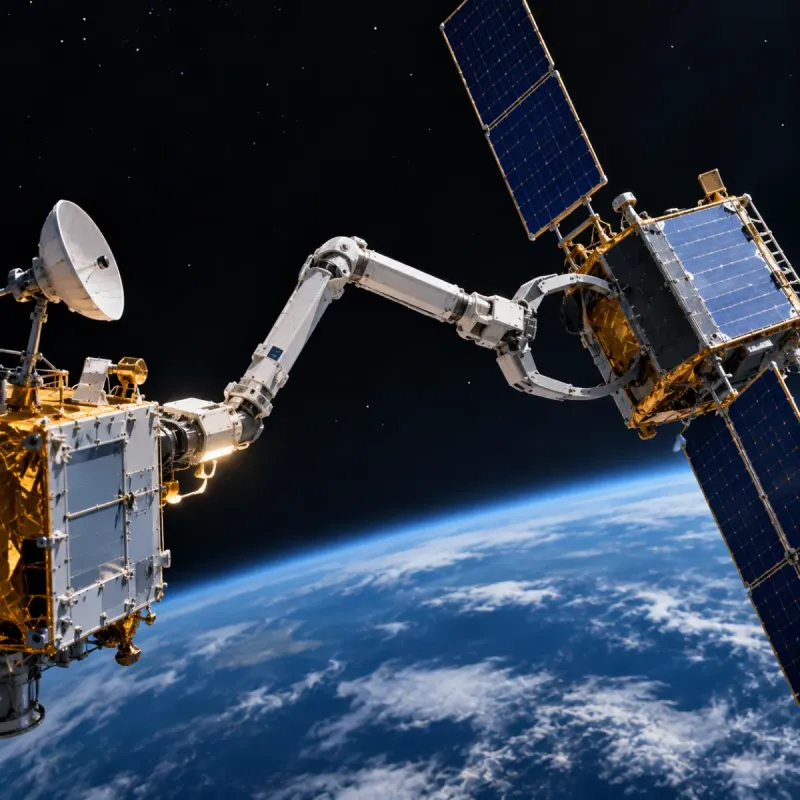
Robotic Arms and Grappling Systems
Type: Physical counterspace system
Robotic arms and grappling mechanisms can interact physically with other spacecraft. Although these technologies also have legitimate applications in satellite servicing and repair, they could potentially be adapted to interfere with, capture, or damage another satellite.
- Robotic manipulation
- Physical contact
- Dual-use technology
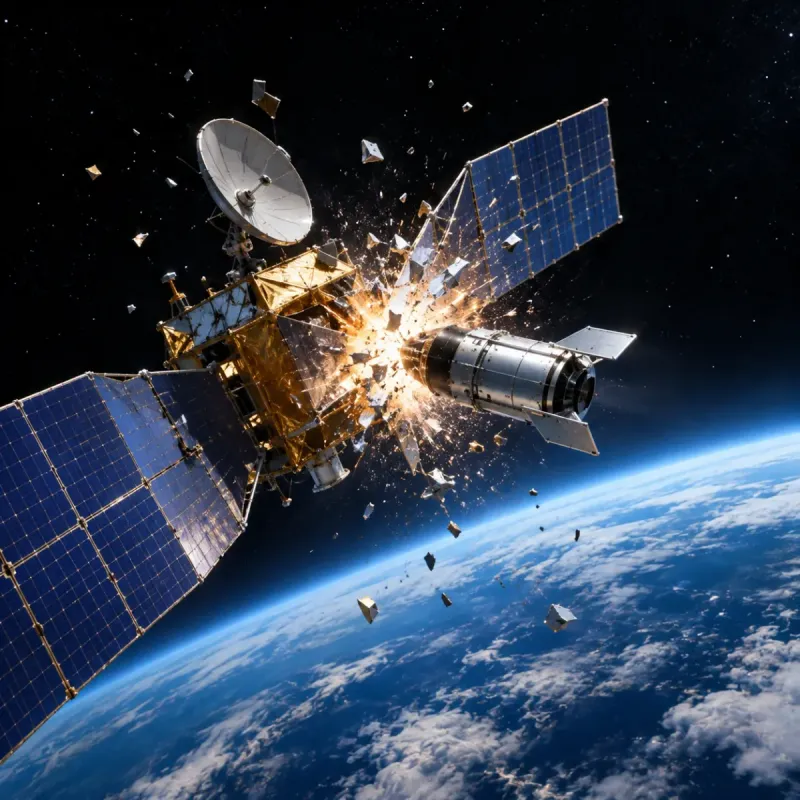
Kinetic Kill Vehicles
Type: Kinetic weapon
Kinetic kill vehicles destroy satellites through physical collisions or other forms of direct impact. Because objects in orbit travel at extremely high speeds, even a relatively small collision can cause extensive damage and generate dangerous debris.
- Physical collision
- High-speed impact
- Debris generation
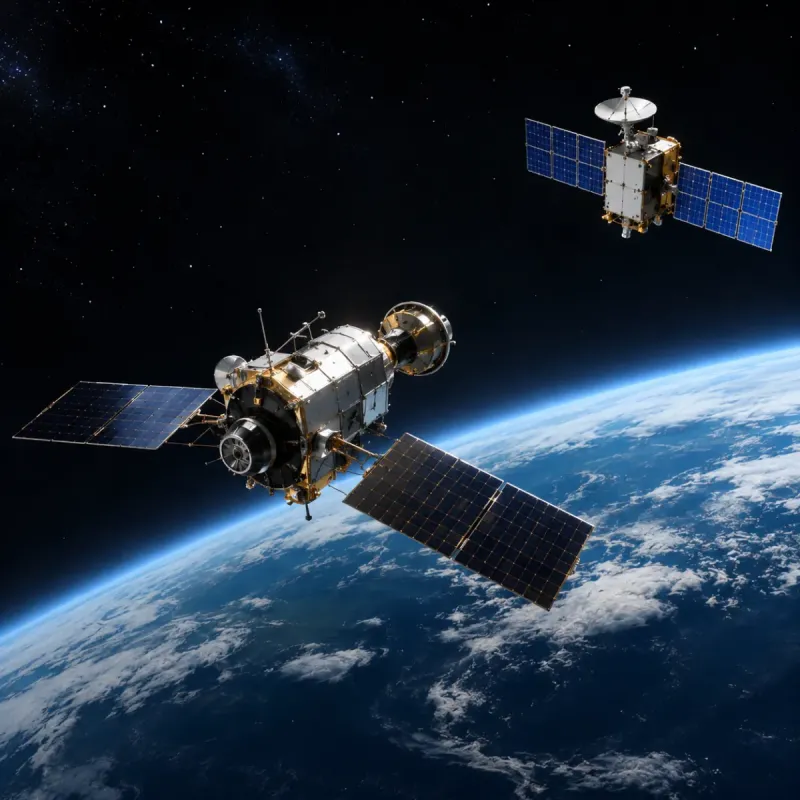
Co-Orbital Anti-Satellite Weapons
Type: Kinetic weapon
Co-orbital weapons enter orbit before approaching their intended satellite targets. Unlike direct-ascent missiles, these systems operate in space and may use orbital maneuvers to position themselves near another spacecraft.
- Orbital deployment
- Satellite proximity
- Space maneuvering
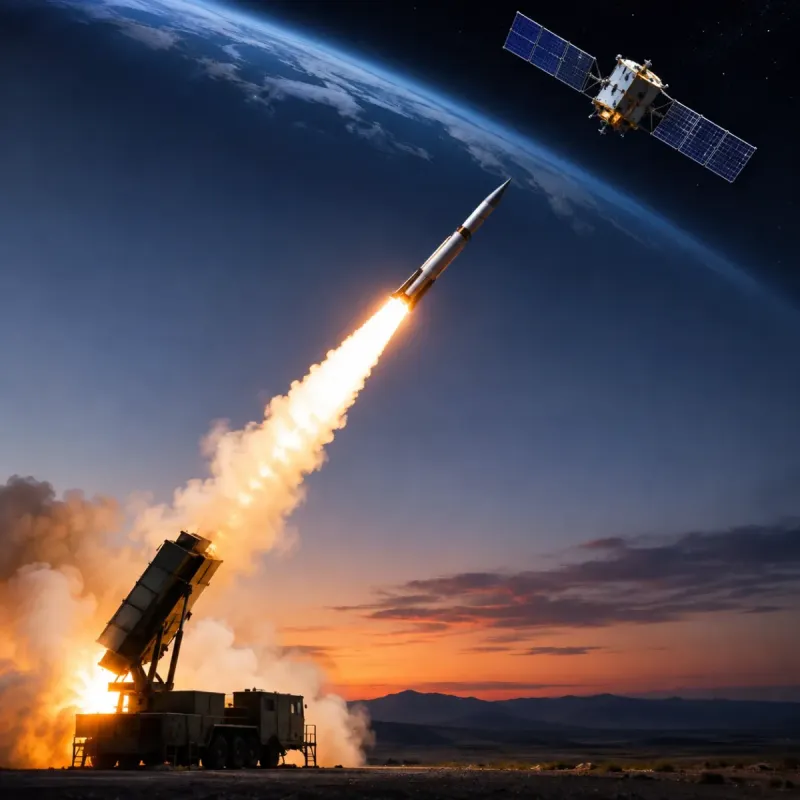
Direct-Ascent Anti-Satellite Missiles
Type: Kinetic weapon
Direct-ascent anti-satellite (ASAT) missiles are launched from Earth toward satellites in orbit. They destroy targets through physical impact and have been demonstrated by several countries, making them one of the most visible counterspace capabilities.
- Missile interception
- Direct impact
- Orbital targeting