

 26 November 2026
Content provenance is changing how people verify digital images, videos, audio, and documents in an era of AI-generated media and increasingly sophisticated manipulation.
By recording where content originated, who created it, and how it was modified, provenance technologies help establish a verifiable history that supports digital authenticity, research integrity, and public trust.
11 Key Technologies and Methods Behind Content Provenance
ElevenLabs: A Professional AI Voice Platform for Content Creators, Businesses, and Developers
 Inside the List
11 Items

Integrated Content Authentication
Design: Combined authentication methods
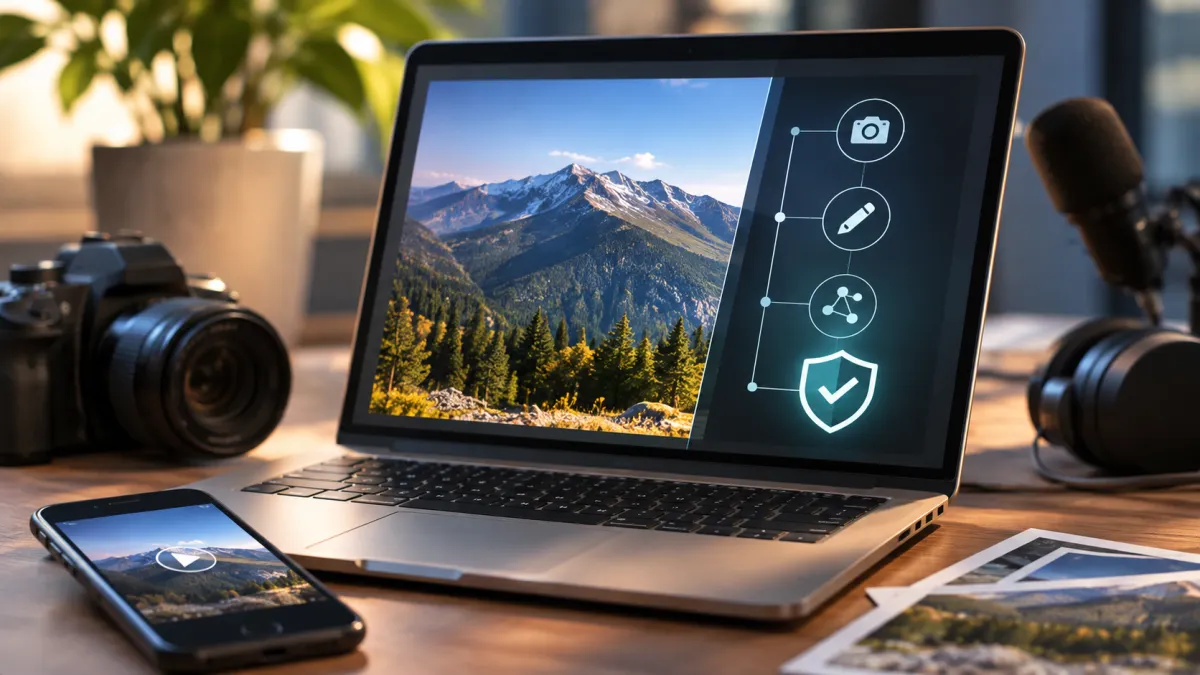
Combining signed metadata, digital watermarks, verification tools, and expert review can provide a more complete approach to content authentication. These methods address different aspects of digital trust: provenance records document a file's history, while watermarks can help identify content generated by supported AI systems.
- Multiple signals
- Expert review
- Authenticity verification
Metadata Preservation Systems
Design: Metadata-retaining storage
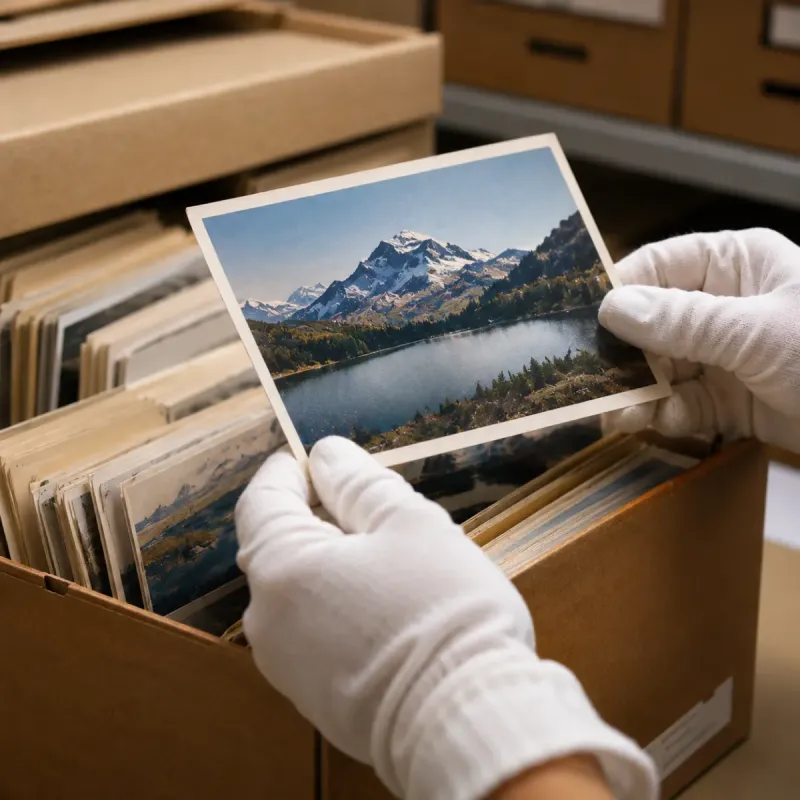
Provenance records are useful only when they remain accessible throughout content sharing and storage. However, some social media platforms and messaging services strip metadata during processing, which can break the verification chain. Metadata-preserving repositories and direct file submission can help retain important records.
- Metadata retention
- Original files
- Secure storage

Publication and Distribution Tracking
Design: Content lifecycle records
Content provenance can extend beyond creation and editing to document where digital material is published or distributed. Maintaining this history helps organizations understand how content moves between creators, editors, publishers, and other recipients, supporting accountability throughout its lifecycle.
- Publication history
- Creator attribution
- Distribution records
Scientific Research Data Provenance
Design: Instrument-linked records
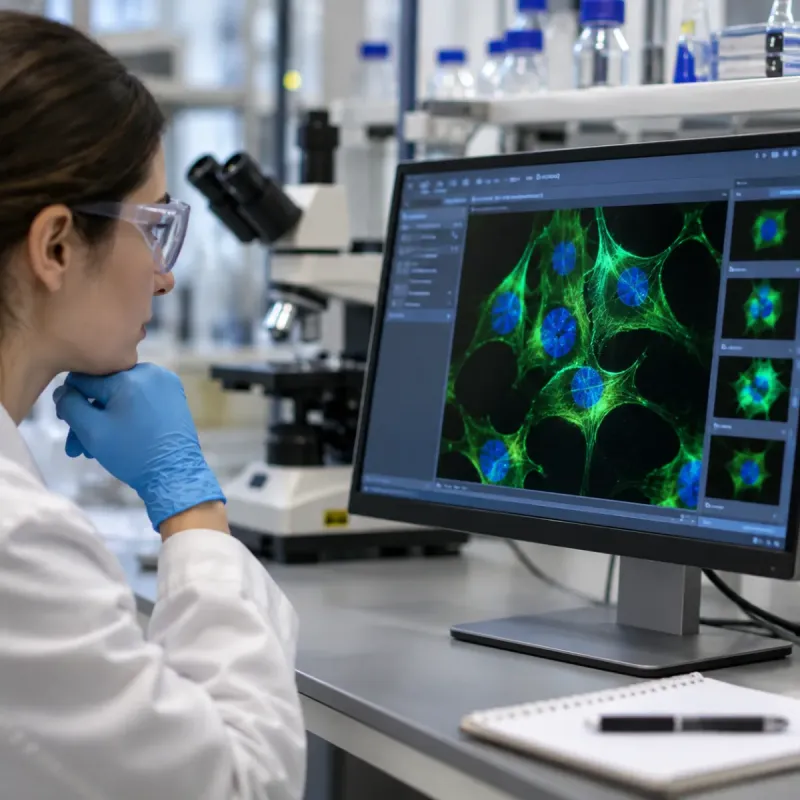
In scientific research, provenance can document where an image or dataset originated, which instrument produced it, and when it was captured. These records help researchers, institutions, and publishers trace scientific evidence back to its source and investigate possible manipulation.
- Instrument identification
- Source tracking
- Research transparency

C2PA Verification Tools
Design: Credential inspection
C2PA verification tools allow users to inspect the credentials attached to digital files. For example, the C2PA Viewer can display information about a file's creator, origin, and editing history, helping reviewers check whether its provenance record is valid.
- Metadata inspection
- Signature verification
- History review

SynthID Watermarking Technology
Design: Pixel and audio signals
SynthID, developed by Google DeepMind, embeds imperceptible watermarks into supported AI-generated images and audio. Its watermark is designed to remain detectable after many common transformations, including cropping, resizing, compression, and screenshots, although verification depends on compatible detection systems.
- Invisible watermarking
- Image detection
- Audio detection

AI-Generated Content Watermarking
Design: Embedded digital signals
Digital watermarking embeds an identifiable signal into AI-generated images, audio, or other media. Unlike provenance metadata, which records a file's history, watermarks help verification systems identify content produced by participating AI models.
- Invisible signals
- AI detection
- Content verification
Automated Edit History Tracking
Design: Sequential edit records
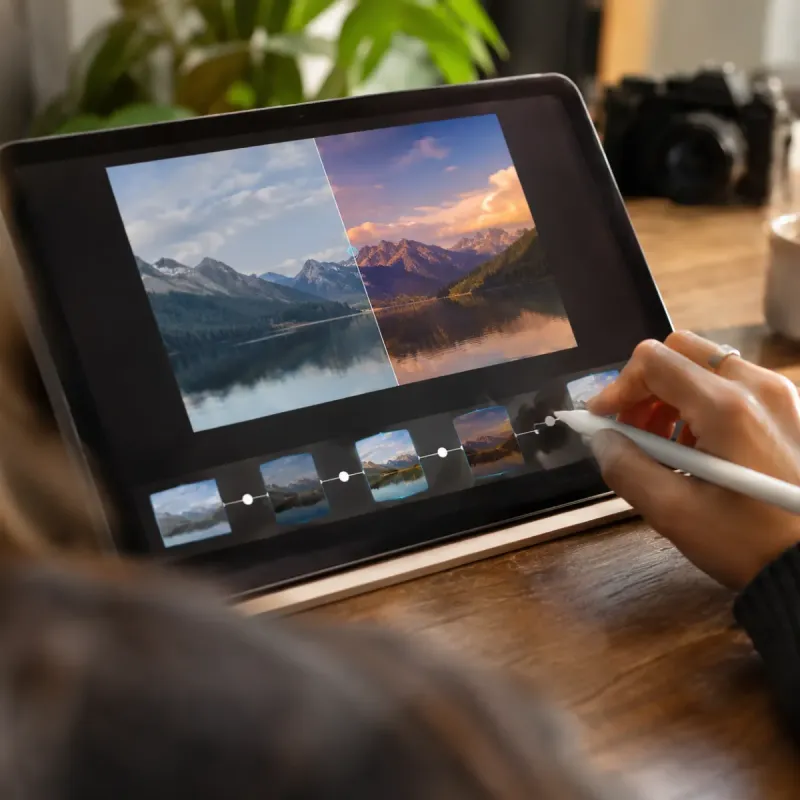
Content provenance systems can record changes made during editing, including cropping, color adjustments, and other modifications. When supported software updates the content credentials after each edit, users can review how a file evolved instead of relying only on its final appearance.
- Edit tracking
- Software records
- Modification history

Digital Capture Provenance
Design: Device-generated records
Digital capture provenance records information about the device or software that created original content. Cameras and other compatible devices can add details such as the creation source and capture information, helping establish where a photograph or recording began its digital journey.
- Device information
- Capture records
- Original source

Cryptographically Signed Metadata
Design: Digital signatures
Cryptographic signatures help protect provenance records against undetected alteration. When you digitally sign creation or editing information, verification tools can check whether the recorded history remains intact and whether the file has changed since the signature was applied.
- Tamper detection
- Signature verification
- Data integrity
C2PA Content Credentials
Design: Signed metadata
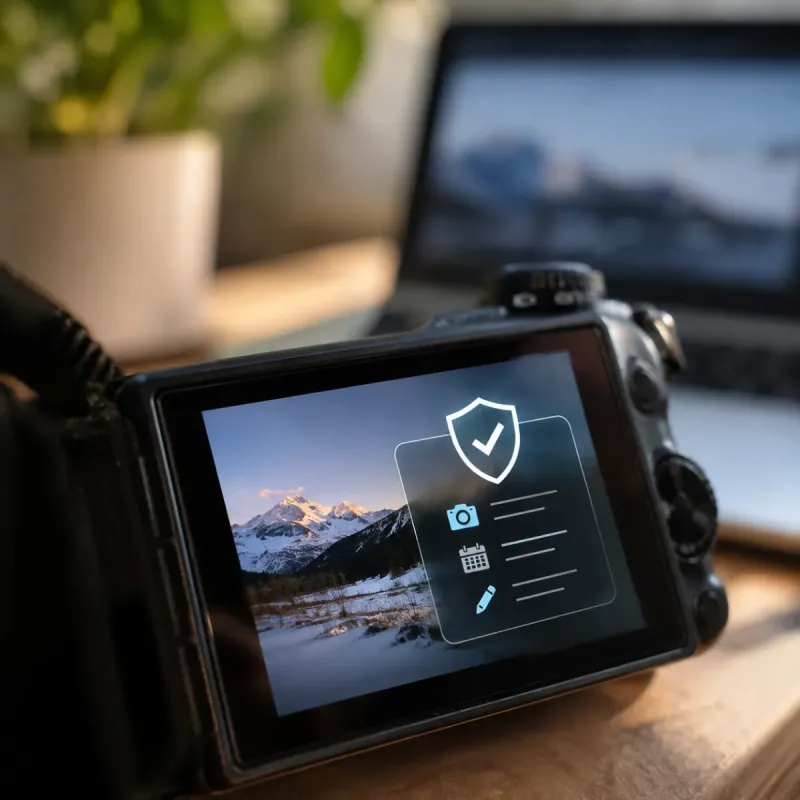
The Coalition for Content Provenance and Authenticity (C2PA) provides an open technical standard for recording the origin and editing history of digital content. Its Content Credentials attach verifiable information to files, helping users understand how an image, video, or document was created and modified.
- Open standards
- Content credentials
- Edit history