

 25 November 2026
Data center power demand is rising as artificial intelligence, cloud computing, and digital services require increasingly powerful computing infrastructure.
From energy-hungry AI servers to advanced cooling systems and expanding electricity networks, data center growth is creating new challenges for energy providers, technology companies, and local communities.
12 Key Factors Driving Data Center Power Demand
Read More

 Inside the List
12 Items
Local Electricity Costs and Community Impacts
Type: Community and economic impact
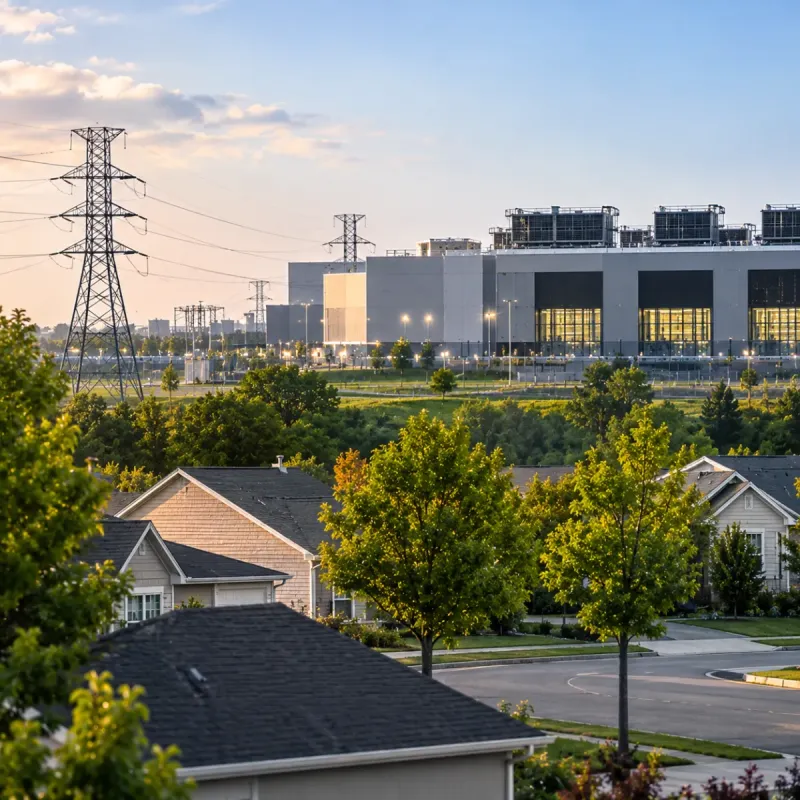
Expanding data centers can affect surrounding communities through increased electricity demand, infrastructure investment, and potential pressure on utility rates. Research highlights concerns that grid upgrade costs may be passed on to other electricity customers when projects aren't structured to require large users to cover their share.
- Electricity affordability
- Infrastructure costs
- Community planning
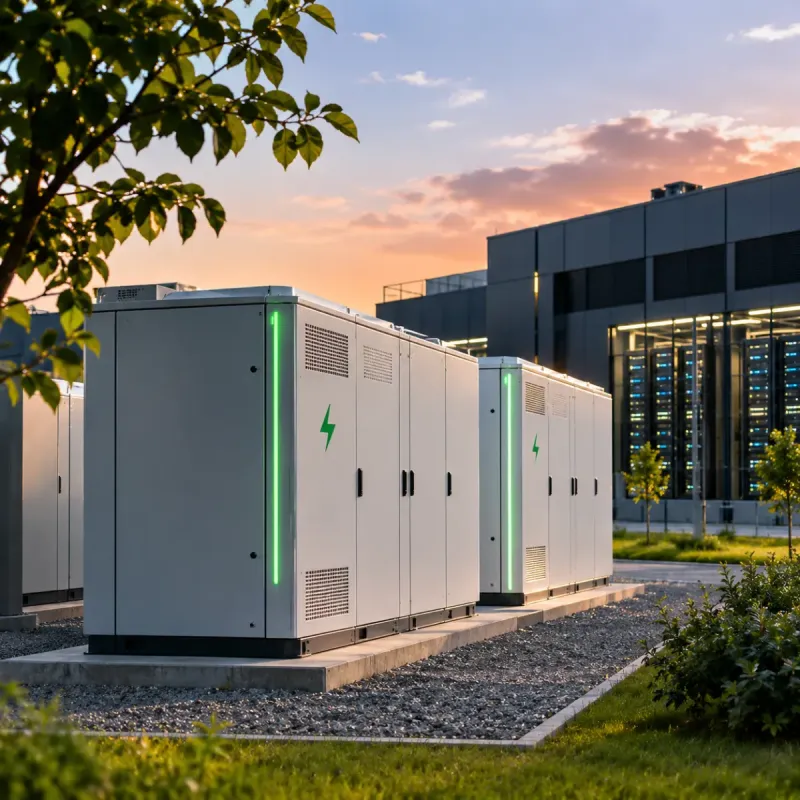
Energy Storage and Flexible Power Management
Type: Energy management
Battery storage and flexible computing operations can help data centers respond to changes in electricity supply and demand. The IEA identifies storage and operational flexibility as key options for managing rapid power fluctuations from AI workloads and reducing pressure on electricity networks.
- Battery storage
- Load shifting
- Demand response
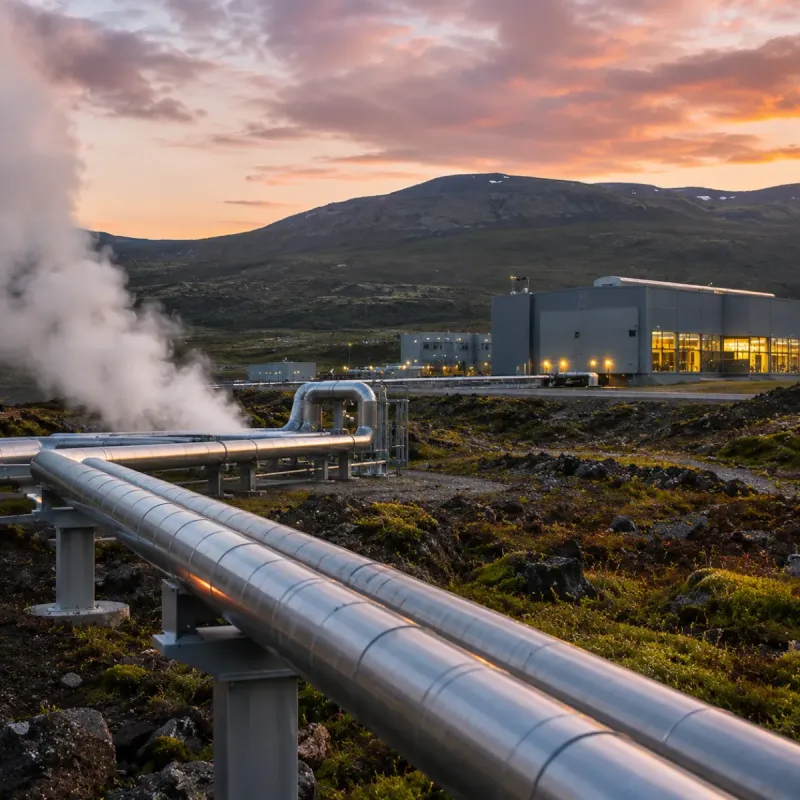
Nuclear and Other Reliable Energy Sources
Type: Firm electricity supply
Data centers need electricity around the clock, creating demand for power sources that can provide a dependable supply when renewable generation fluctuates. Nuclear energy, natural gas, and emerging geothermal technologies are among the options being considered or developed to support growing data center electricity requirements.
- Nuclear energy
- Natural gas
- Geothermal power
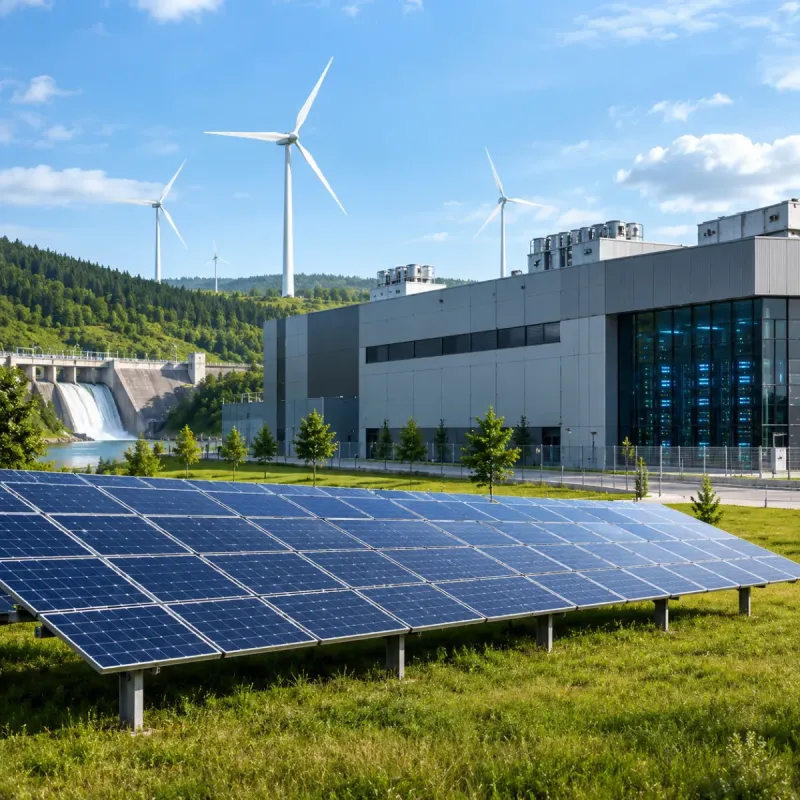
Renewable Energy for Data Centers
Type: Renewable power supply
Technology companies increasingly use renewable electricity, including wind, solar, and hydropower, to meet their data center needs. The IEA projects that renewables will supply nearly half of the additional electricity data centers need through 2030, supported in part by long-term power purchase agreements.
- Solar power
- Wind energy
- Power purchase agreements
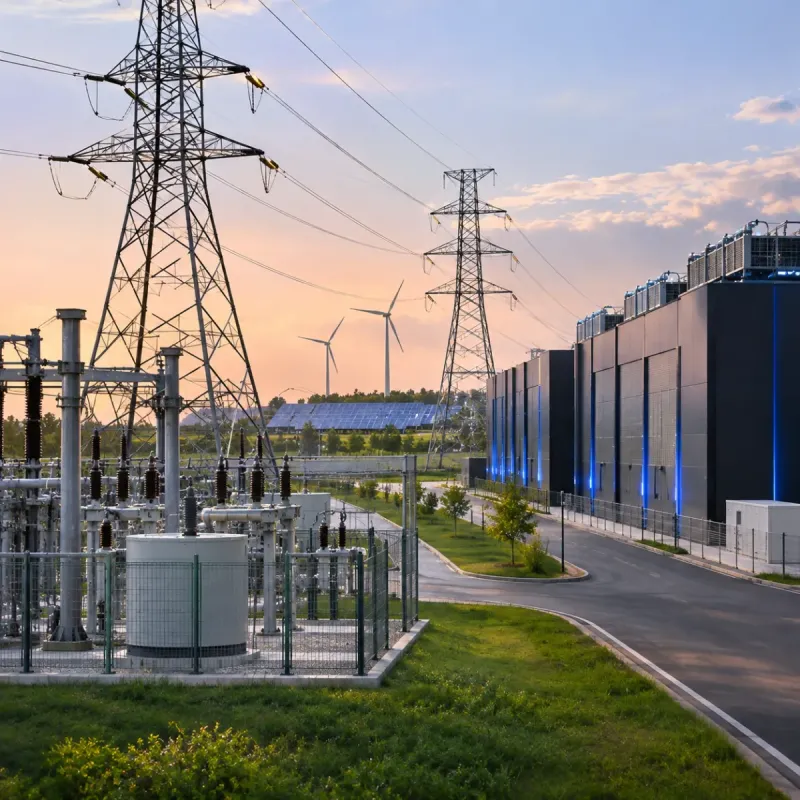
Electricity Grid Expansion
Type: Power infrastructure
Large data centers require substantial grid connections, sometimes involving new transmission lines, distribution equipment, and generation capacity. Because electricity infrastructure often takes longer to plan and build than a data center itself, delays in grid upgrades can become a major obstacle to expansion.
- Grid upgrades
- Transmission capacity
- Utility planning
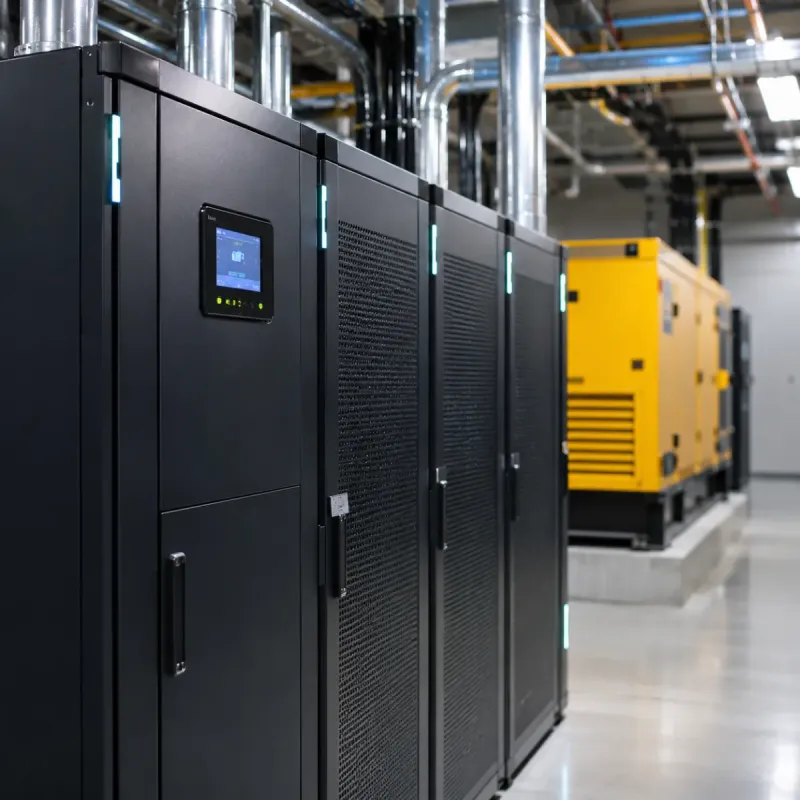
Uninterruptible Power Supply Systems
Type: Backup power technology
Uninterruptible power supply (UPS) systems use batteries and power electronics to provide electricity when the main supply is interrupted. They help prevent sudden shutdowns and give backup generators time to take over during outages, supporting the high reliability expected from data centers.
- Battery backup
- Instant power supply
- Outage protection
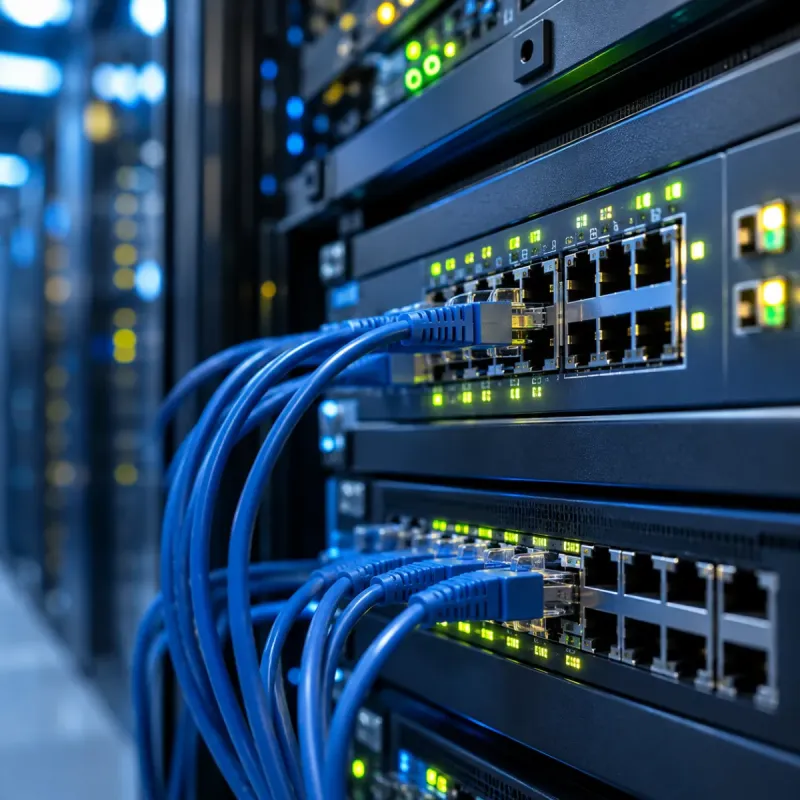
Networking and Storage Infrastructure
Type: Supporting IT infrastructure
Data centers depend on networking equipment to transfer information between servers, manage traffic, and connect facilities to external networks. Storage systems maintain data and backups, while switches, routers, and load balancers help keep digital services operating efficiently.
- Network switching
- Data backup
- Traffic management
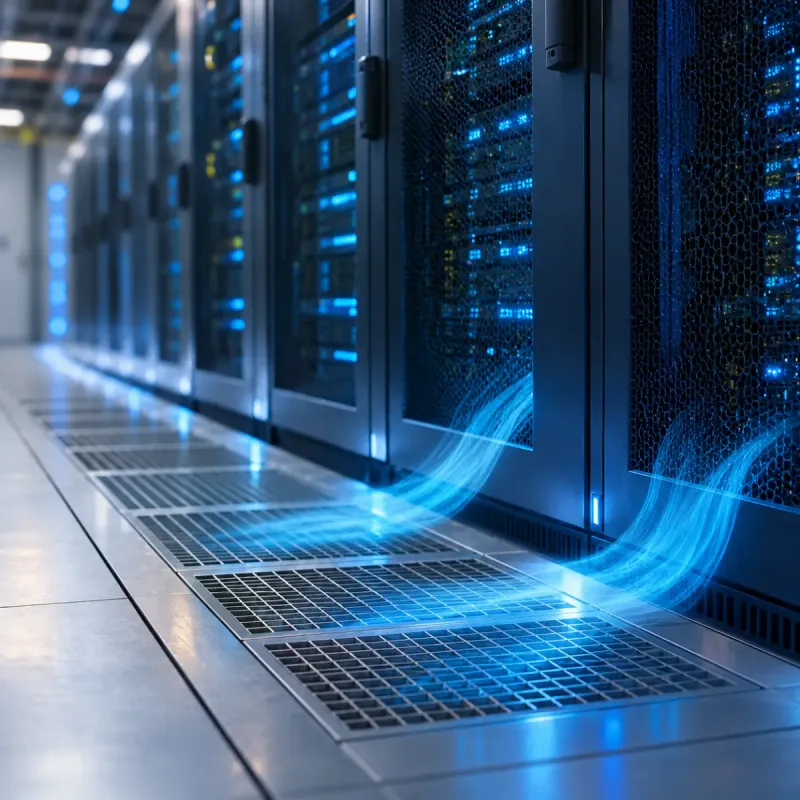
Data Center Cooling Systems
Type: Thermal management
Servers generate heat during operation and require temperature and humidity controls to remain reliable. Cooling can account for about 7% of electricity consumption in efficient hyperscale facilities, but more than 30% in less-efficient enterprise data centers, making cooling efficiency a key factor in overall power demand.
- Heat removal
- Temperature control
- Humidity regulation
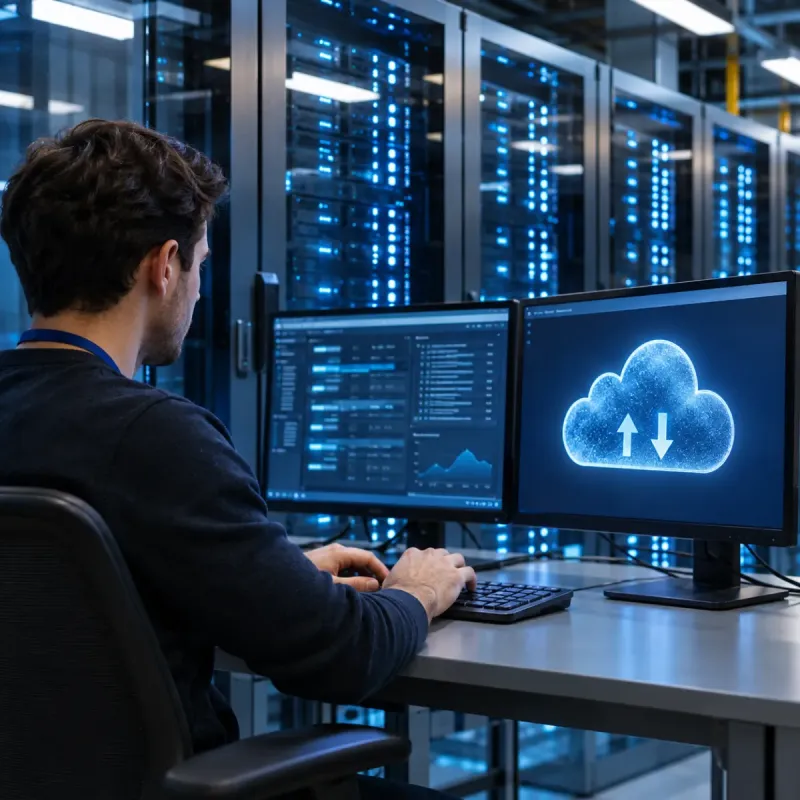
Cloud Computing and Data Storage
Type: Digital infrastructure
Cloud platforms allow businesses and individuals to store information, run applications, and access computing resources remotely. As demand for cloud services and digital storage grows, data centers need more servers, storage equipment, and networking infrastructure to handle increasing workloads.
- Cloud services
- Data storage
- Remote access
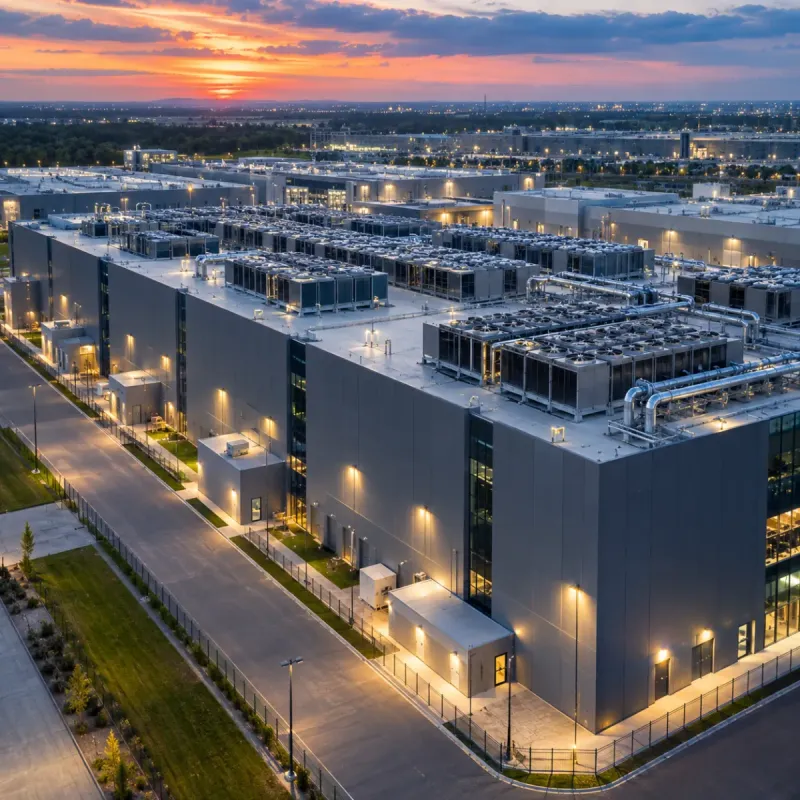
Hyperscale Data Centers
Type: Large-scale infrastructure
Hyperscale facilities contain thousands of servers and support large cloud platforms, AI services, and extensive data-processing operations. Their substantial electricity needs make access to reliable, affordable power a major factor when companies choose where to build them.
- Thousands of servers
- Large-scale capacity
- Continuous operation
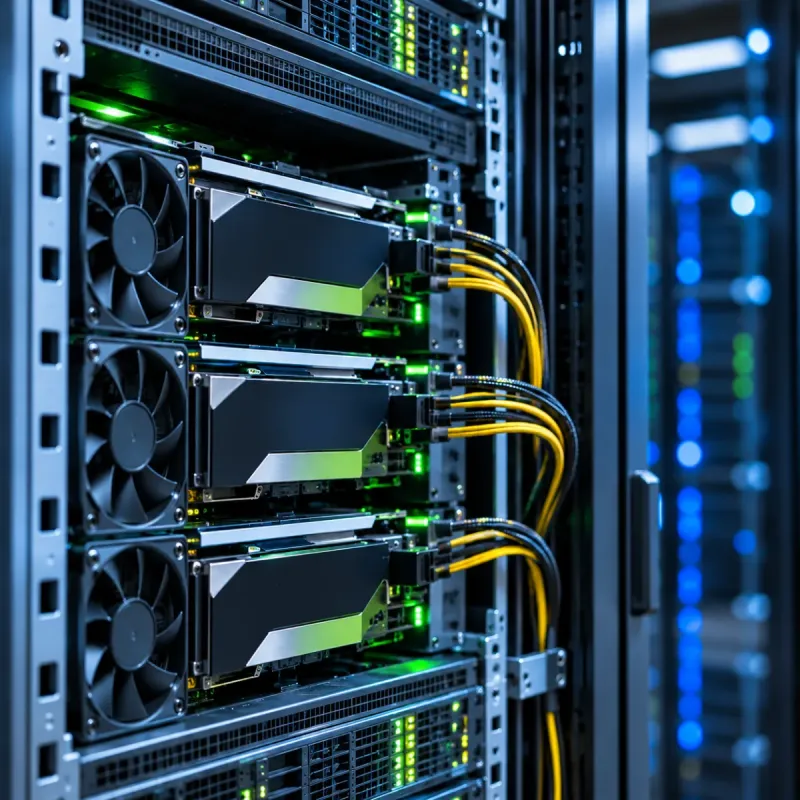
High-Density AI Servers
Type: Computing hardware
AI servers use specialized processors, including graphics processing units (GPUs), to perform many calculations simultaneously. These accelerated servers consume more electricity per unit of computing capacity than conventional systems, increasing modern data centers' power density.
- High-performance GPUs
- Parallel computing
- High power density
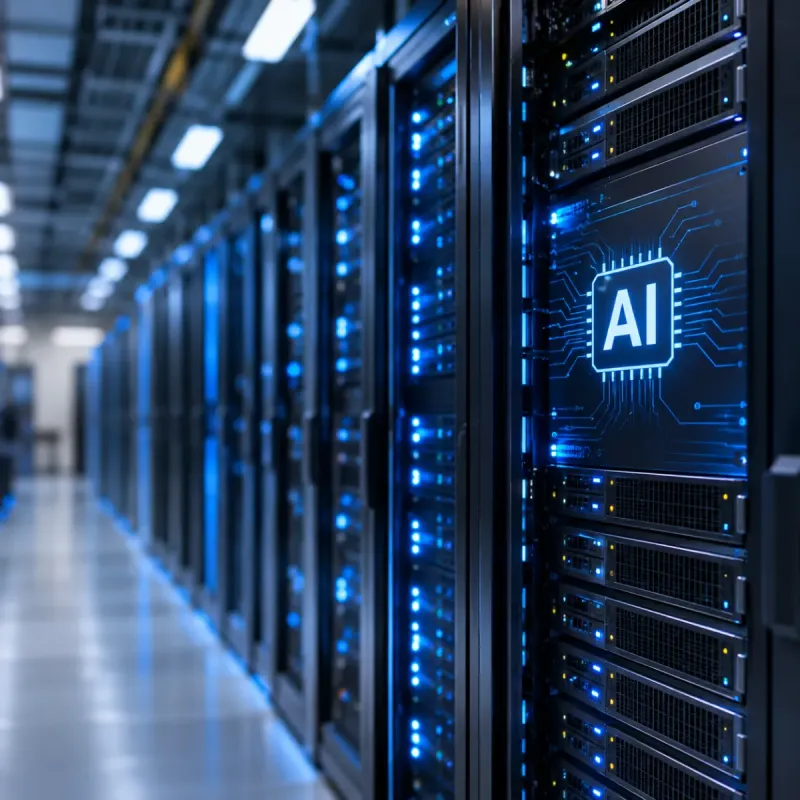
Artificial Intelligence Workloads
Type: Computing workload
AI is a major driver of rising data center power demand. Training and running large AI models require powerful computing infrastructure, and increasingly complex applications such as image and video generation add to electricity use.
- Model training
- AI inference
- Complex computations