


 24 November 2026
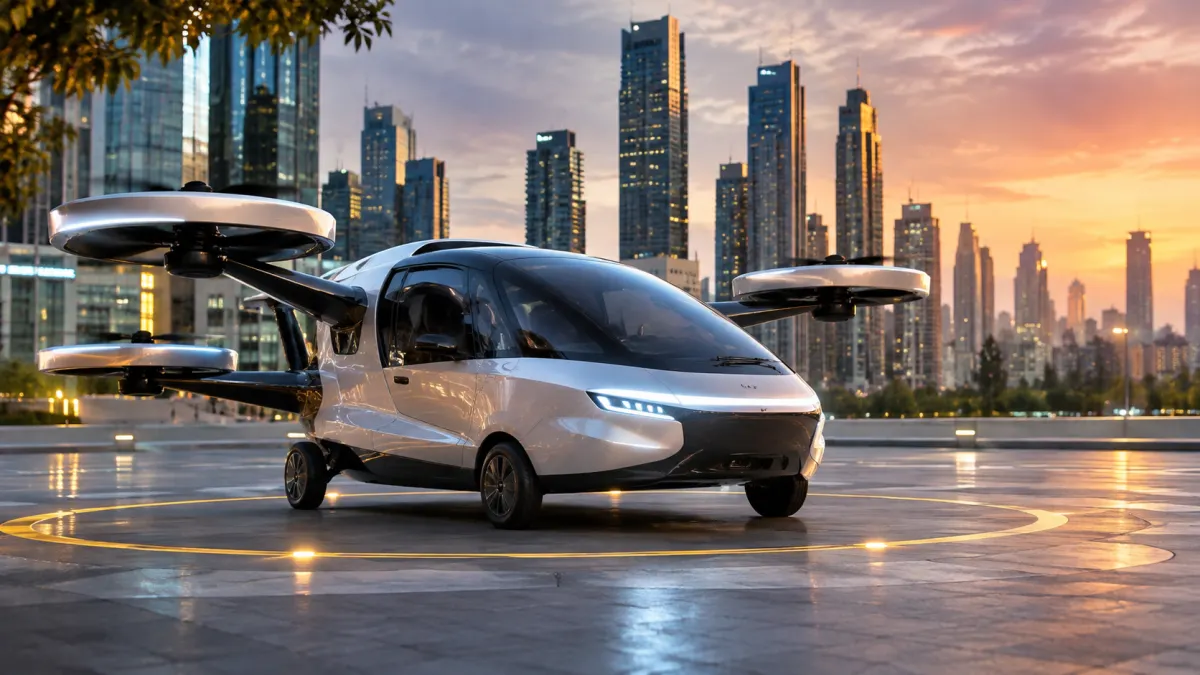
Flying cars have long symbolized futuristic travel, but advances in electric propulsion, lightweight materials, and autonomous systems are bringing the concept closer to practical development.
From vertical-takeoff vehicles to roadable aircraft, these technologies could reshape how people travel—though safety, regulation, cost, and infrastructure remain major challenges.
13 Flying Car Technologies Shaping the Future of Transportation
Read More

 Inside the List
13 Items
Integrated Road and Flight Controls
Main Purpose: Connecting road and flight operation
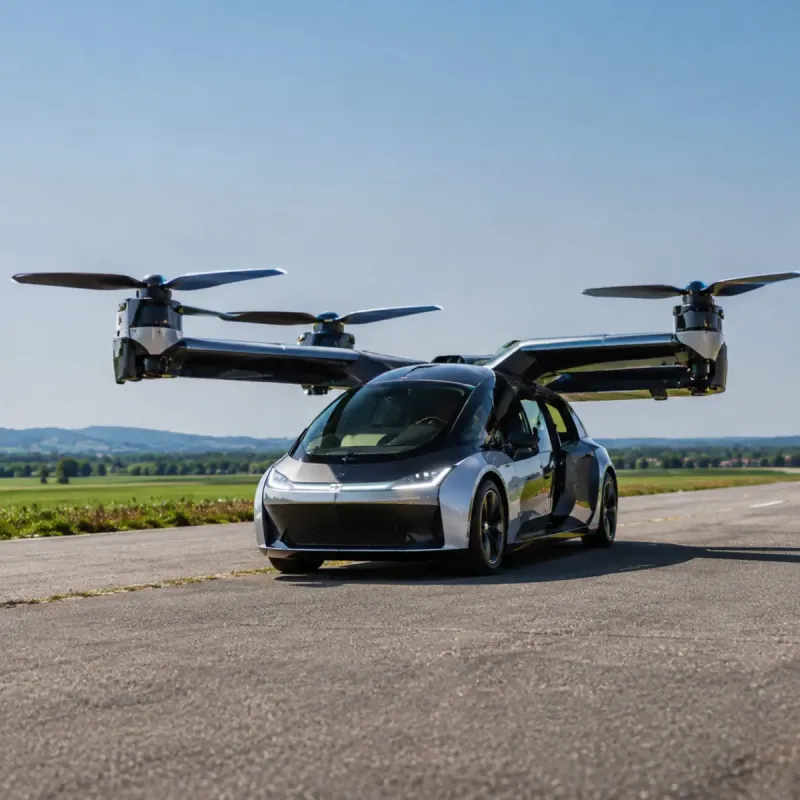
A practical flying car needs systems that let it operate in two very different environments. Integrated controls must support road driving as well as flight functions, including propulsion, steering, stability, and transitions between operating modes.
- Dual-mode controls
- Mode transition
- System integration
Airworthiness and Safety Certification
Main Purpose: Evaluating aircraft safety
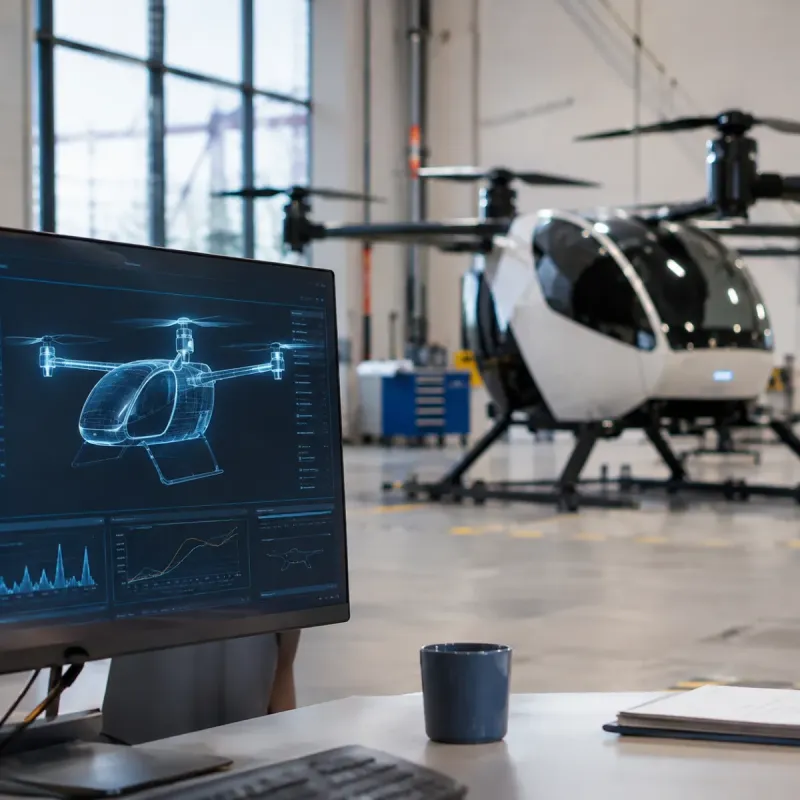
Flying cars must demonstrate that they can operate safely before becoming widely available. In 2023, Alef reported receiving an FAA special airworthiness certificate for limited research purposes, an important development that did not amount to unrestricted commercial approval.
- Safety assessment
- Flight testing
- Regulatory compliance
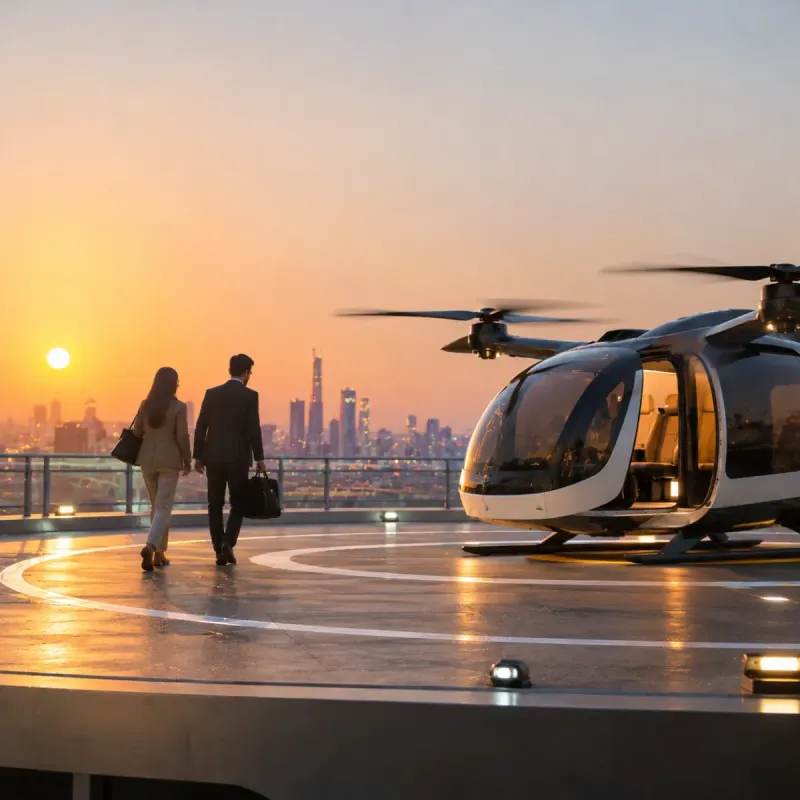
Flying Taxi Technology
Main Purpose: Short-distance passenger transport
Flying taxis are designed to transport passengers over relatively short distances, potentially connecting urban areas with airports and other destinations. Rather than requiring every passenger to own an aircraft, shared air mobility services could make flying transportation more accessible.
- Shared mobility
- Urban connectivity
- Short flights
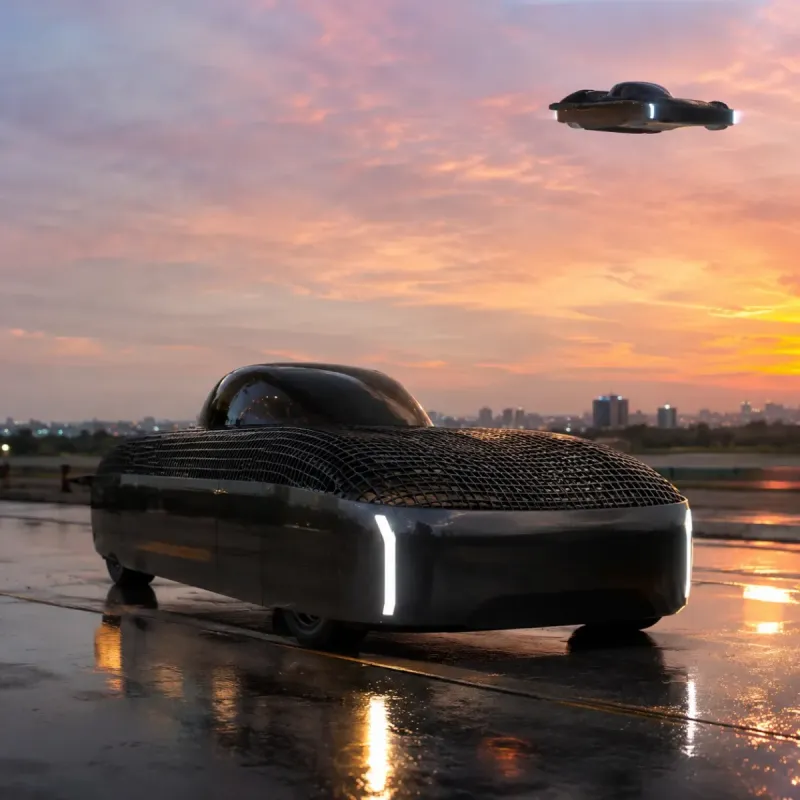
Personal Electric Flying Cars
Main Purpose: Individual ground and air travel
Personal electric flying cars combine everyday road transportation with individual flight capabilities. Alef's Model A is one example, developed to drive on streets and take off vertically rather than functioning only as an air taxi.
- Personal transportation
- Road capability
- Vertical flight
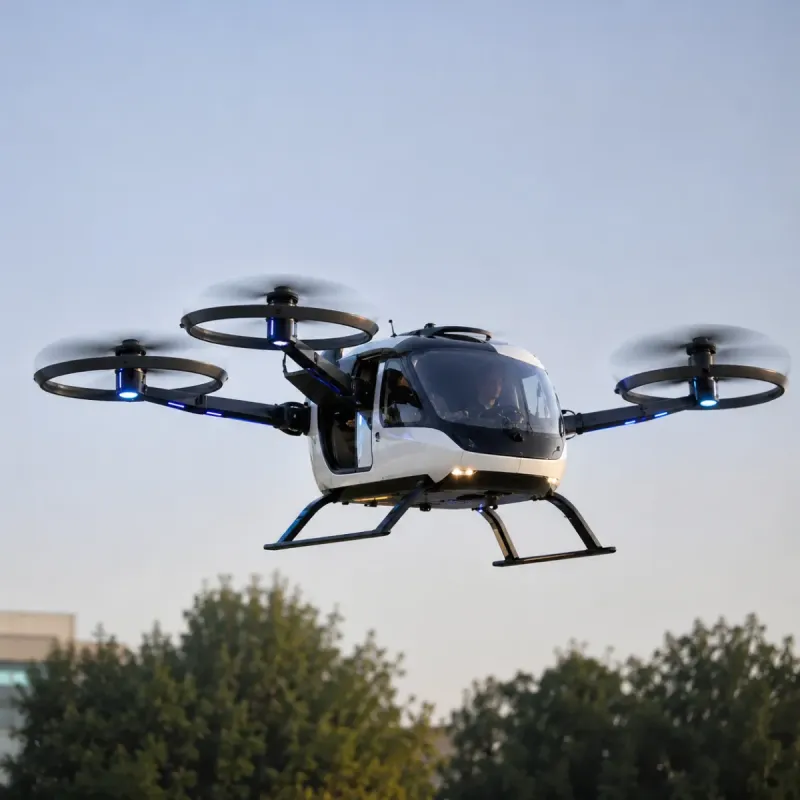
Flight Stabilization Systems
Main Purpose: Maintaining controlled movement
Flying vehicles must continuously adjust their movement to remain balanced, particularly during hovering and vertical takeoff. Electronic actuators and propulsion controls can make rapid adjustments to help maintain stability and guide the vehicle through flight.
- Balance control
- Rapid adjustments
- Stable hovering
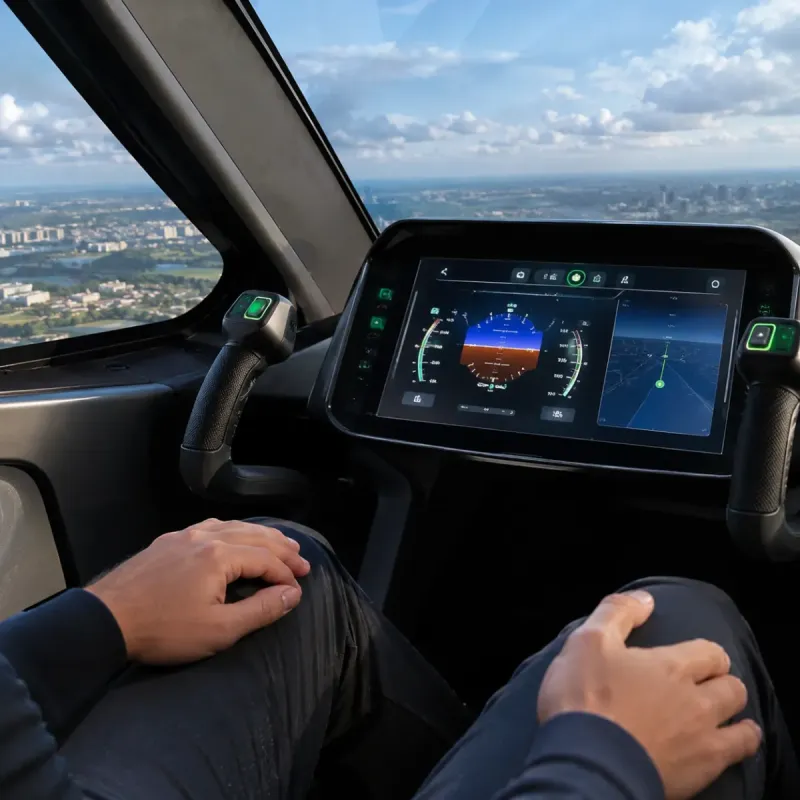
Autonomous Flight Controls
Main Purpose: Assisting flight operations
Autonomous flight systems use onboard software and electronic controls to manage aircraft movement. These technologies could eventually help flying vehicles perform takeoff, navigation, stabilization, and landing with less direct input from the occupant.
- Automated control
- Flight stabilization
- Navigation support
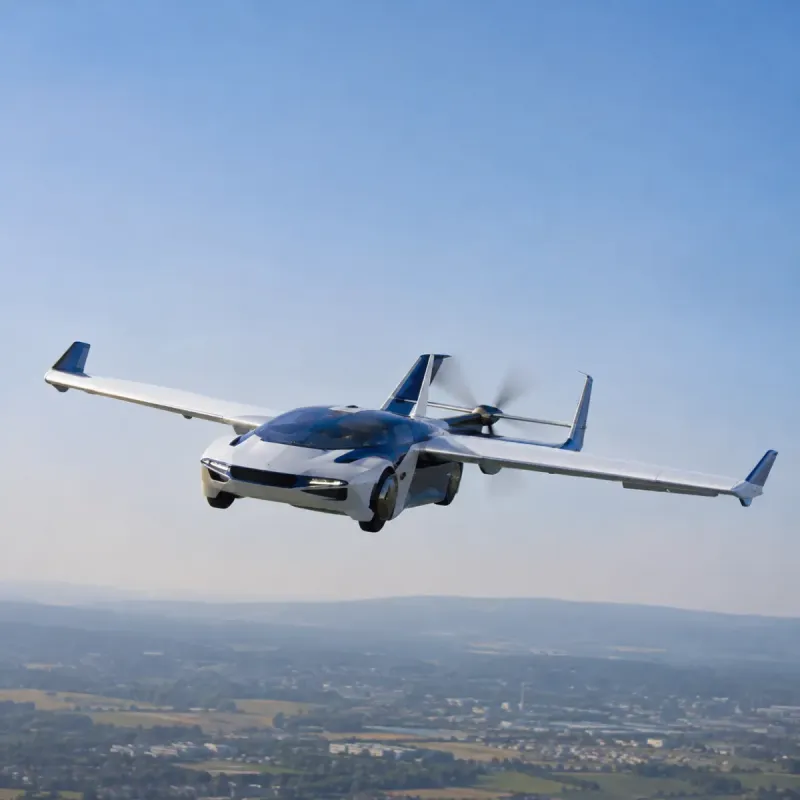
Aerodynamic Wing Systems
Main Purpose: Improving forward-flight efficiency
Wings can help flying cars fly more efficiently once airborne. Some proposed designs use wings that rotate or unfold after vertical takeoff, allowing the vehicle to transition from hovering to forward flight with less aerodynamic resistance.
- Lift generation
- Reduced drag
- Flight transition
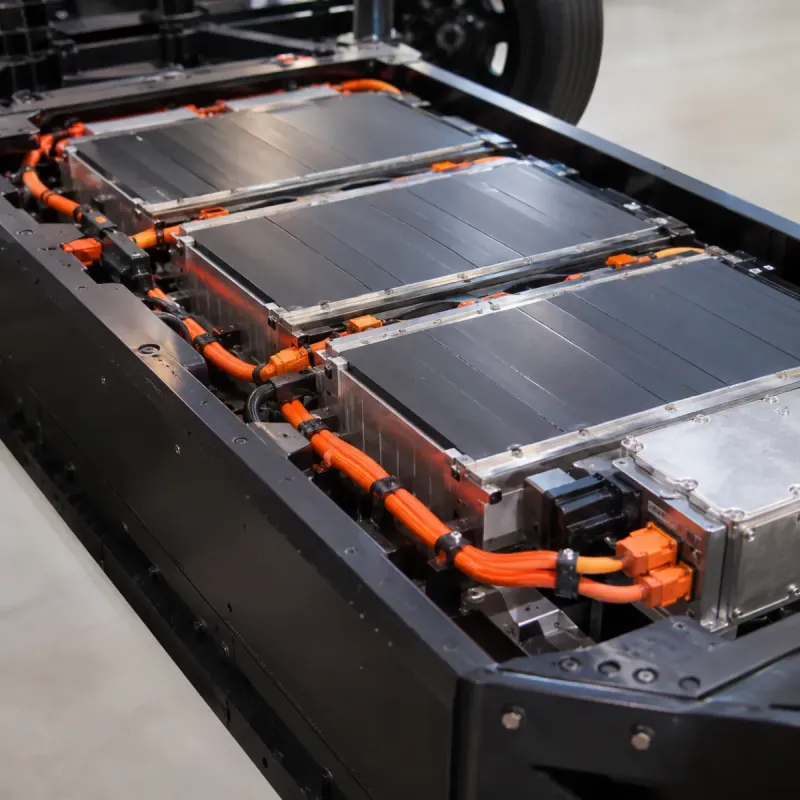
Electric Battery Systems
Main Purpose: Powering electric flight
Rechargeable batteries power electric flying cars, driving the motors and propellers used during takeoff and flight. However, battery weight and limited energy capacity remain important challenges, particularly because vertical takeoff requires substantial power.
- Electric power
- Rechargeable batteries
- Energy management
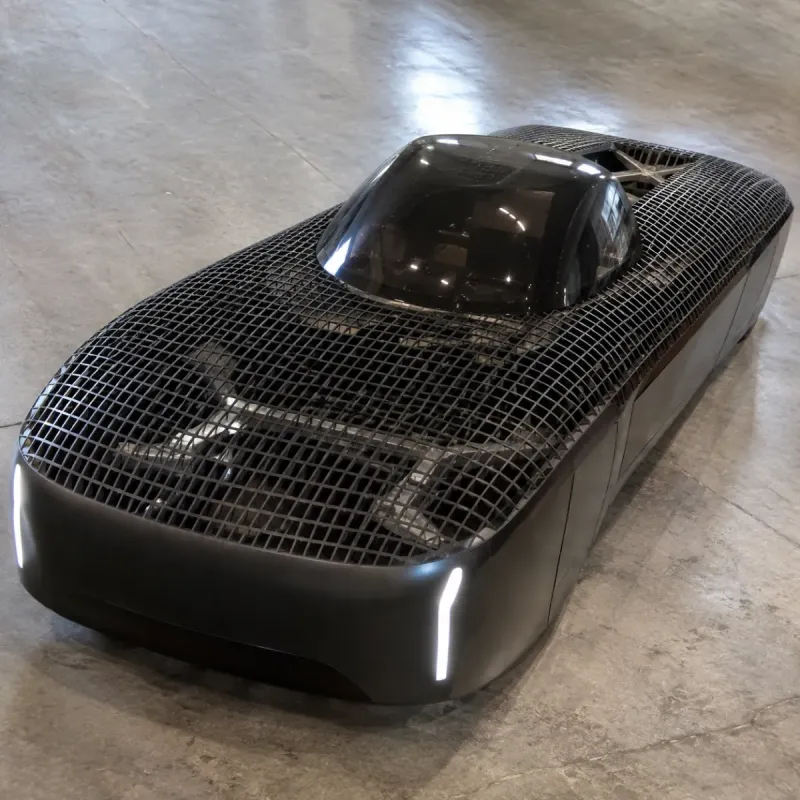
Lightweight Vehicle Structures
Main Purpose: Reducing weight and supporting airflow
Flying cars must remain light enough for their propulsion systems to lift them while retaining the strength needed for safe operation. Designs such as Alef's use an open-mesh body structure that lets air reach the propellers inside the vehicle.
- Reduced weight
- Open bodywork
- Propeller access
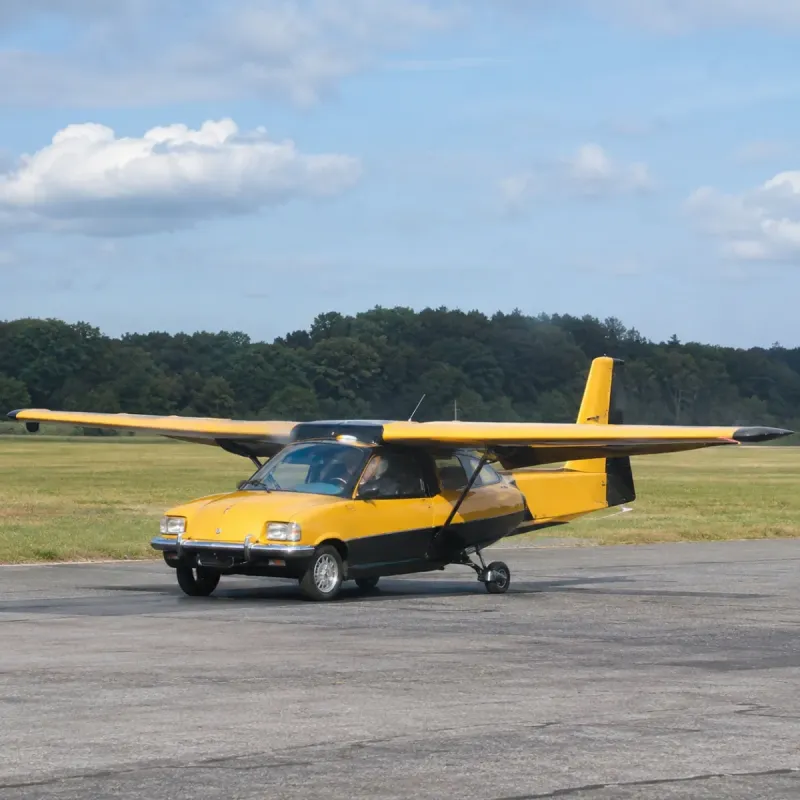
Roadable Aircraft Design
Main Purpose: Road and air transportation
Roadable aircraft combine features of conventional cars and airplanes and aim to operate on streets and in the air. Earlier designs such as the Aerocar showed that the concept could fly, but practical production and everyday use remained difficult.
- Dual-mode travel
- Road operation
- Aircraft components
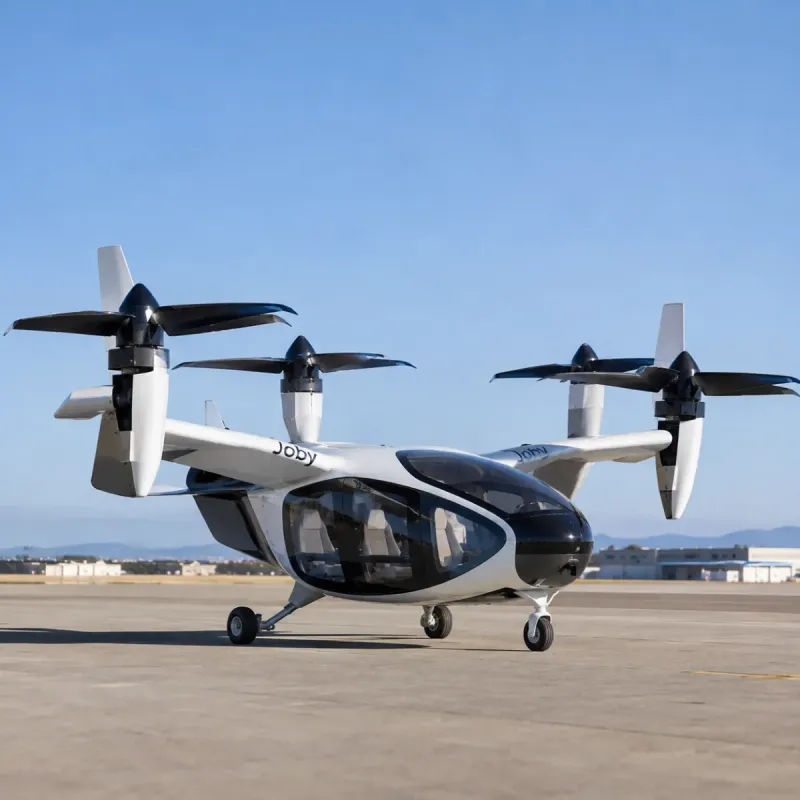
Rotating Wing and Propeller Systems
Main Purpose: Supporting vertical and forward flight
Some flying car concepts use rotating blades or tilting propellers to generate lift during takeoff. Once airborne, the aircraft can transition toward forward flight, combining helicopter-like takeoff with airplane-style movement.
- Adjustable propulsion
- Vertical lift
- Flight transition
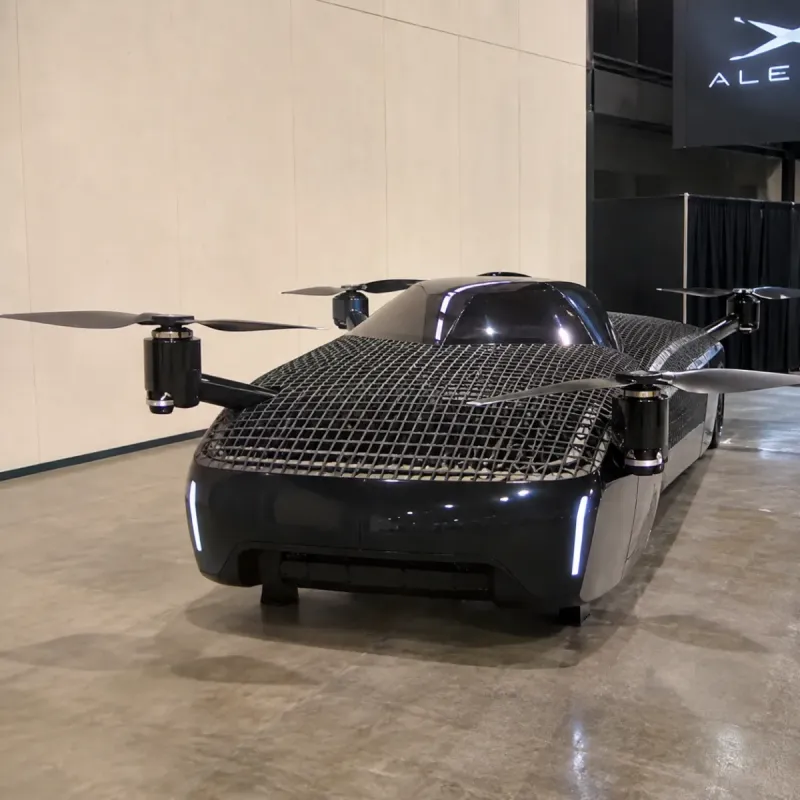
Distributed Electric Propulsion
Main Purpose: Generating distributed lift and thrust
Distributed electric propulsion uses multiple motors and propellers around an aircraft instead of a single large propulsion unit. Alef Aeronautics uses this approach in its flying car design to support vertical takeoff and flight.
- Multiple motors
- Distributed lift
- Electric power
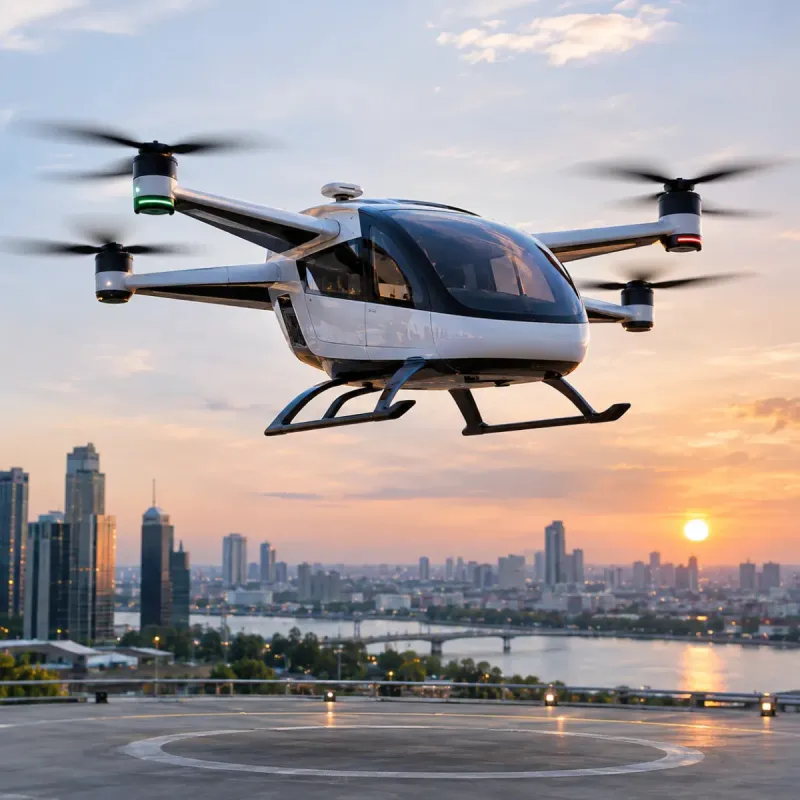
Electric Vertical Takeoff and Landing (eVTOL)
Main Purpose: Flying without runways
eVTOL aircraft use electric motors and multiple propellers to rise vertically without a conventional runway. This design could make flying cars and air taxis more practical in cities where open space is limited.
- Electric propulsion
- Vertical lift
- Compact operation