
Bringing Cars and Rockets Under One Roof
Imagine if the company that built your family car also built the rockets that fly astronauts to space. That is the big dream Elon Musk is currently talking about with his advisers. Musk recently said that combining Tesla and SpaceX into a single company would be a wonderful idea. For a long time, the two companies worked in completely different fields.
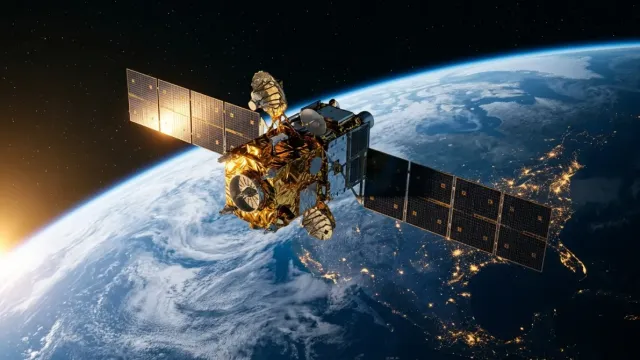
Tesla builds electric cars, solar roof tiles, and home battery packs. SpaceX builds tall rockets, rocket engines, and the Starlink satellite internet network. Putting them together would create the most valuable engineering company in the world. It sounds exciting to tech fans, but it also creates major hurdles for investors and safety regulators. Joining a public car company with a private rocket business is full of tricky legal rules. Here is a clear look at why Musk wants to do it and what stands in the way.
Why Sharing Technology Makes Sense
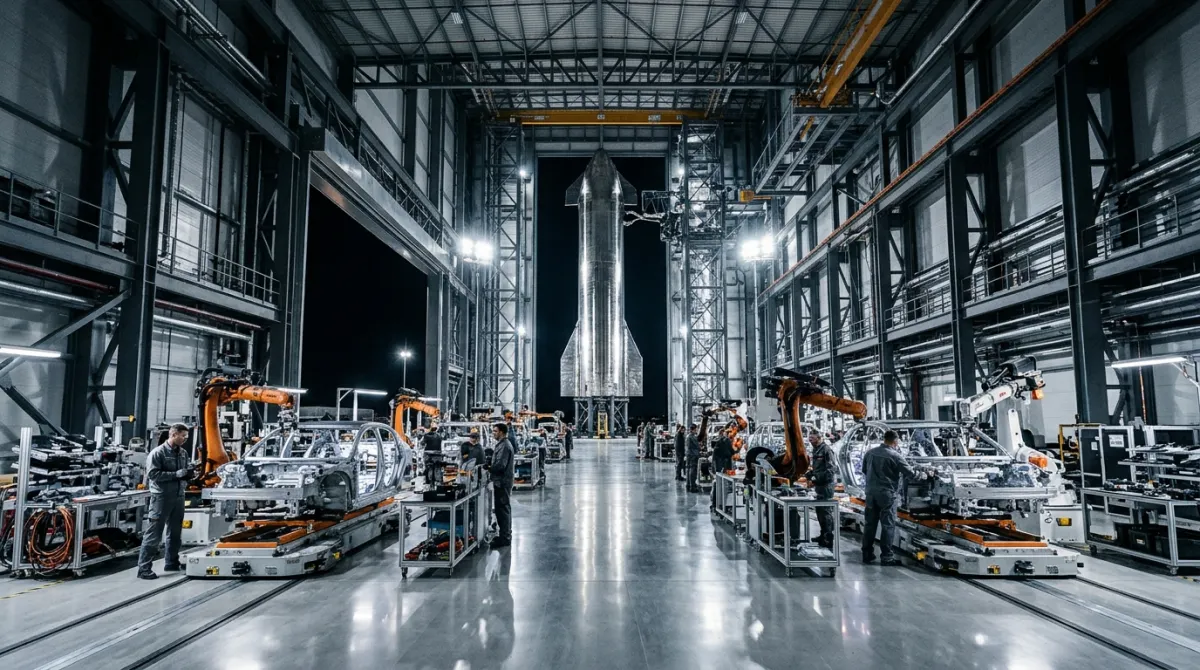
Behind factory doors, Tesla and SpaceX already share ideas and materials. When Tesla engineers have trouble cooling car batteries, they often ask rocket scientists for quick advice. Both companies rely heavily on fast computer chips, durable batteries, and strong lightweight metals. Tesla's Cybertruck uses tough stainless steel that was originally invented for SpaceX's Starship rocket.
Smart computer brains are another huge reason Musk wants to join the teams. Tesla is spending billions of dollars training artificial intelligence to drive cars without human hands. SpaceX needs that exact same smart software to help rockets steer and dock safely in deep space. It takes tremendous computing power to land a tall rocket on an ocean platform. Instead of paying two separate teams to write the same software twice, one team could build a single AI system. That shared software brain could guide cars on the freeway and steer spaceships in orbit.
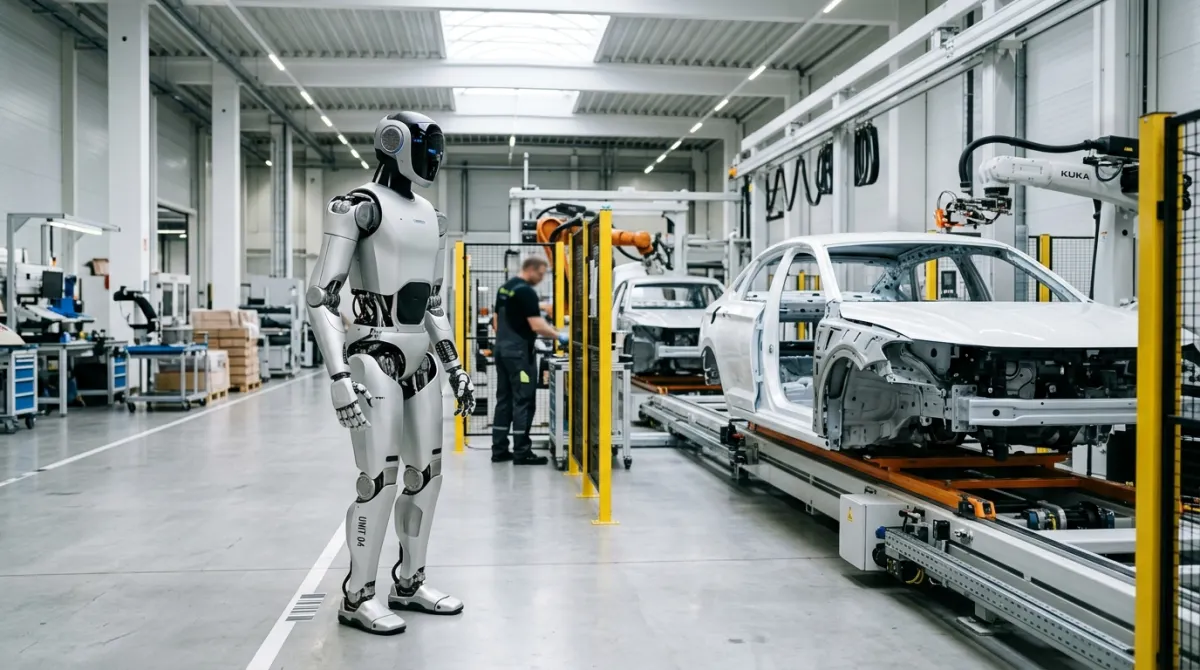
Tesla's Optimus walking robot is one of Musk's favorite new projects. He believes these robotic helpers will one day do boring chores and lift heavy tools on factory floors. SpaceX has a massive need for robot helpers. Launching rockets requires grueling outdoor labor, moving heavy metal pipes, and working around flammable fuel tanks.
If Optimus robots can assemble car doors in Texas, they can also inspect rocket engines in Florida. Robots can handle dangerous maintenance tasks long before human crews arrive at the launchpad. Combining the company budgets would let engineers pour money into better robot legs, hands, and batteries. They could work together freely without signing complicated legal agreements between two separate firms. Working together in the same workshops allows engineers to test new robotic designs much faster. A mechanical hand that works well on an automobile assembly line can be adapted for rocket pad chores in just a few days.
| Technology Area | How Tesla Uses It | How SpaceX Uses It |
|---|---|---|
| Battery Packs | Powers family cars for hundreds of miles | Runs navigation computers and rocket steering motors |
| Tough Metals | Durable steel body panels for pickup trucks | Heat-resistant metal rings for giant Starship rockets |
| Smart Software | Helps cars steer and stop on busy streets | Steers rocket boosters to gentle ocean landings |
| Walking Robots | Helps factory workers carry parts on car assembly lines | Inspects dangerous rocket launch pads before liftoff |
Why Wall Street Bankers Are Worried
While the engineering sounds exciting, bankers on Wall Street are nervous. The biggest hurdle comes down to how each company handles money. Tesla is a public company listed on the stock market. Anyone with a bank account can buy a single share, and Tesla must share its financial records with the public every three months.
SpaceX is a private business owned by Musk and private investment funds. It does not have to tell the public how much money it spends or what rocket flights cost. If the two companies merge, regular Tesla stock owners worry their money will pay for risky Mars missions. Building deep space rockets takes mountains of cash, and failed test flights could spook regular investors. Government market watchdogs would also inspect the deal closely. They want to ensure that everyday retirement funds are protected before two giant companies join hands.
What This Means for Regular Drivers and Internet Users
For everyday families, putting Tesla and SpaceX together could bring great upgrades to daily life. The most obvious perk is permanent satellite internet inside every electric car. Right now, Tesla cars rely on roadside cell towers to download maps and stream music. When you drive out to remote parks, desert roads, or snowy mountains, your navigation screen often goes blank.
A direct link to the Starlink satellite network would give every car continuous internet anywhere under the open sky. Drivers would never have to worry about losing maps during camping trips or storm emergencies. Starlink dishes could also become smaller and cheaper by using Tesla's high-speed factory lines. That would make high-speed internet much more affordable for rural homes and farm families.
The Road Ahead for Elon Musk
Musk is famous for suggesting wild corporate moves that surprise everyone. In the past, he bought a solar roof company to fold it into Tesla, and he rearranged several software teams when he bought Twitter. However, bringing SpaceX under Tesla is a much larger challenge. It requires green lights from independent board committees, thousands of investors, and defense agencies that protect space launch secrets.
Government officials treat rocket blueprints as vital national security assets. They might worry that connecting space hardware to a carmaker with huge factories in China could create security risks. Managing both car assembly and space missions under one roof could also spread company leaders thin. Building reliable cars requires watching every single dollar, while rocketry requires rapid testing and bold risks.
Whether the merger happens soon or remains an ambitious talking point, the direction is clear. The line between family electric cars and space exploration is fading faster than anyone thought possible. As competition grows from worldwide automakers and rival rocket companies, joining forces might be Musk's best way to stay ahead on both land and orbit.