
The Quiet Giant Keeping Elon Musk's Rockets Flying
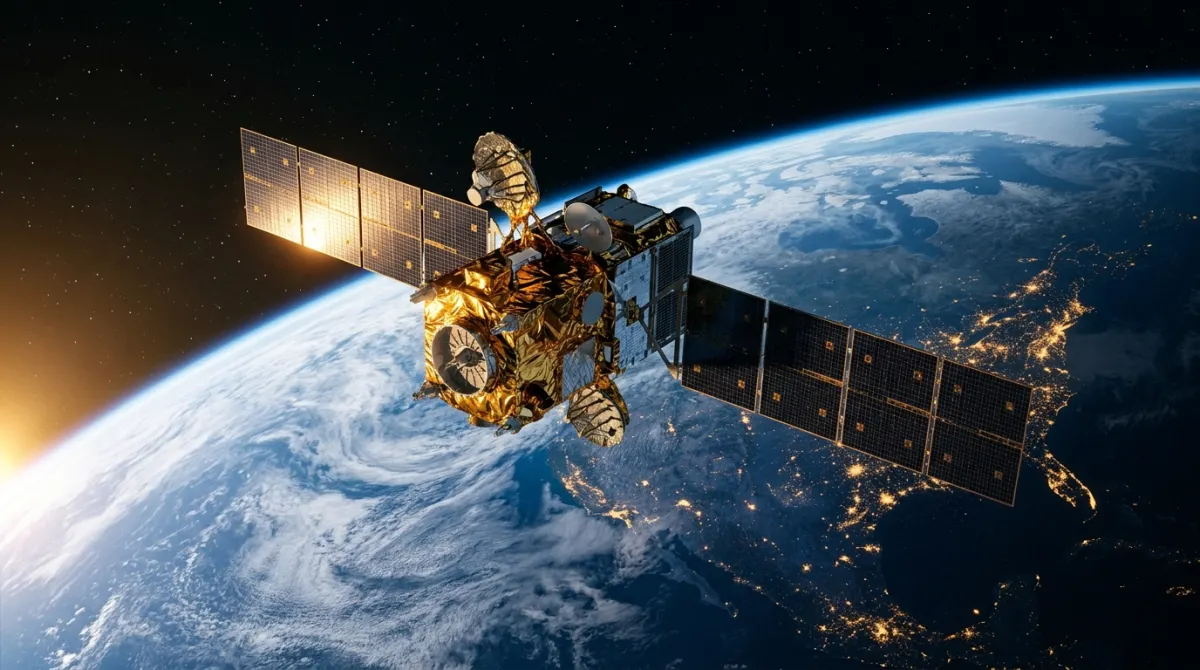
Most people think SpaceX makes its real money launching giant silver rockets into space. In reality, rockets are a massive money pit. Almost every single dollar of operating profit keeping Elon Musk's empire afloat right now comes from something circling quietly 300 miles above your roof: Starlink.
Read More


Starlink was once dismissed as a wild, risky experiment. Today, it has quietly grown into the financial backbone of SpaceX. While experimental Starship boosters blow up during test runs and giant AI data centres burn through billions, monthly internet bills from regular families, campers, boats, and airlines keep the cash registers ringing.
Now, Musk is putting that golden goose directly on the line. SpaceX wants to turn Starlink into a full-blown mobile phone carrier to fight giants like AT&T and Verizon. On top of that, Musk just promised to hand out $10.5 billion in SpaceX stock to American kids. Can one satellite network really pay for all of this without running out of steam?
How One Internet Network Funds the Road to Mars
To see why Starlink matters so much, you have to look at how SpaceX actually spends its money. The company really splits into three businesses: launching rockets, building artificial intelligence models, and selling satellite internet.
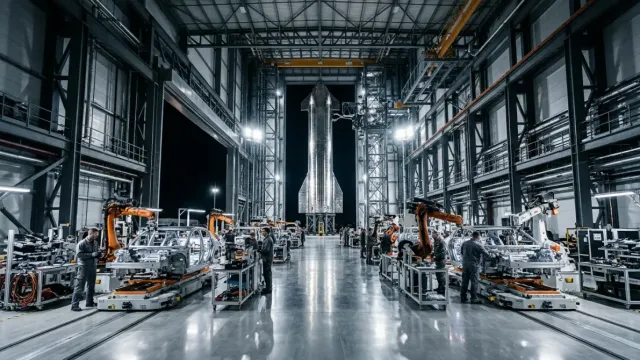
Building experimental spaceships like Starship takes enormous amounts of cash. You need thousands of tons of steel, giant launch pads, and round-the-clock engineering teams. Developing massive AI models like Grok burns through even more cash on electricity and custom computer chips. Launching rockets and building AI both lose money on a daily basis.
Starlink is the only part of the company that brings in dependable profit month after month. It acts like a giant financial shock absorber. When a rocket launch gets delayed by bad weather or an engine needs a complete redesign, Starlink subscription payments keep arriving right on schedule.

Taking on America's Biggest Phone Companies
Selling home broadband through a dish on your roof was hard enough to pull off. Now, SpaceX wants to beam mobile signals straight to the regular smartphone sitting in your pocket right now. That changes the game completely.
Rooftop dishes are big and point directly at the sky. Your phone has tiny internal antennas and spends most of its day buried inside your pocket or behind thick concrete walls. To reach everyday handsets, SpaceX has to launch much larger satellites with huge, powerful antennas capable of hearing faint whispers from miles away.
It also means building hundreds of ground stations and fighting nasty legal battles over radio frequencies. This upgrade requires launching hundreds of extra satellites every single year. Each rocket launch costs serious money, and that spending could easily squeeze Starlink's profits just when the rest of the company needs them most.
A $10.5 Billion Surprise Gift for Kids
As if taking on the telecom industry wasn't enough, Musk dropped another bombshell on social media: he plans to give one SpaceX share to every kid in the United States. With about 72 million children in America and SpaceX shares valued around $146 each, that adds up to a staggering $10.5 billion giveaway.
While giving away company shares does not drain cash straight out of SpaceX's bank account, it turns millions of everyday families into company shareholders overnight. If you work in banking, accounting, or law, holding private company stock for your children can trigger complicated compliance rules and conflict-of-interest paperwork.
More importantly, it puts Starlink under a giant magnifying glass. When regular households own a piece of the company, everyone cares whether the satellite business stays profitable.
| Service Option | Home Rooftop Dishes | Direct-to-Cell Mobile | Space-Based Data Centres |
|---|---|---|---|
| Who It Serves | Rural homes, RVs & boats | Regular smartphone users | AI models & big tech cloud |
| Equipment Needed | Motorized dish terminal | Standard phone in your pocket | Radiation-hardened servers |
| Upfront Cost | Already paid off & running | High (needs huge satellites) | Extreme (brand new science) |
| Financial Role | Core daily income stream | Next big growth bet | Far-future science project |
The Next Crazy Idea: Data Centres Floating in Space
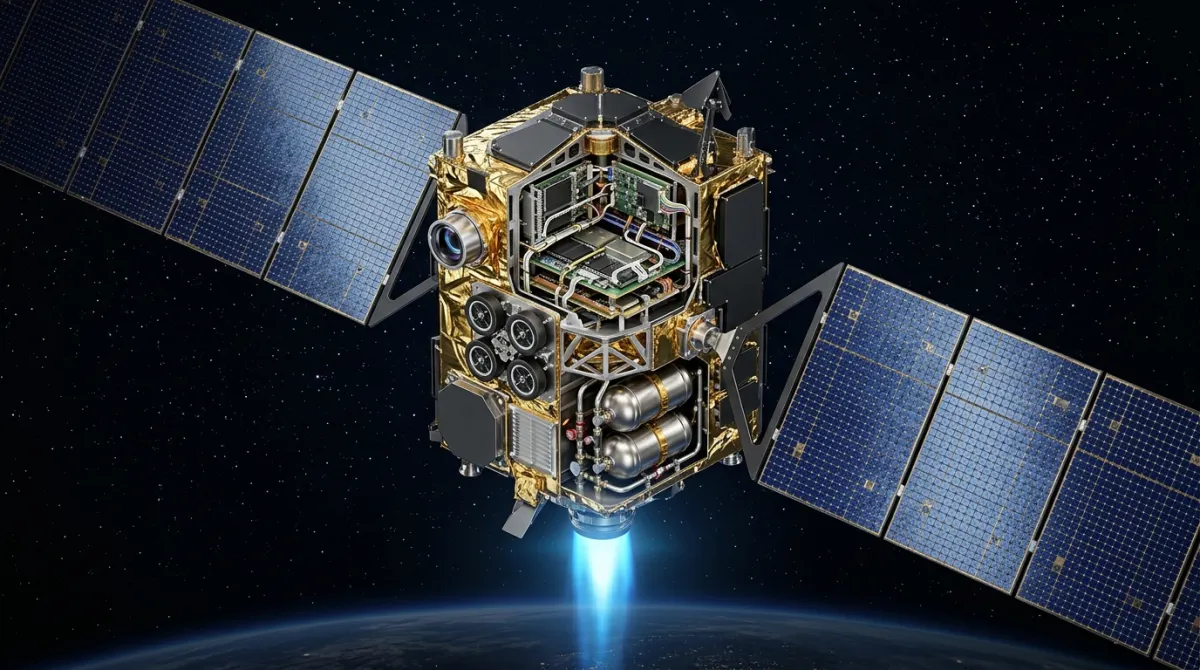
Just when you think things cannot get any wilder, SpaceX is already preparing its next frontier: putting server racks straight into low-Earth orbit. Known inside the company as Starmind AI-1, the goal is to float computing hardware in the freezing vacuum of space.
On Earth, giant data centres are running out of power. They suck up massive amounts of municipal water for cooling and face fierce protests from local communities over strained electric grids. In space, servers could soak up uninterrupted solar power around the clock and dump excess heat straight into the freezing dark.
Of course, building computers that survive intense solar radiation and space debris is wildly expensive. Starlink will once again be expected to write the cheques that fund these experiments.
Can Starlink Keep Carrying the Load?
SpaceX has a long track record of pulling off things critics claimed were impossible. Landing rocket boosters on floating ocean barges went from looking like science fiction to happening several times a week.
Running a massive consumer phone network, however, is a completely different beast than launching experimental hardware. Phone companies deal with angry customer service calls, cut-throat price wars, and endless government red tape. If the cost of launching new satellites climbs faster than new subscribers sign up, SpaceX's ultimate cash cow could start feeling the strain.
Musk has big dreams of colonizing Mars, floating server racks in space, and connecting every phone on Earth. But every single one of those dreams rests on the shoulders of the buzzing satellites silently orbiting overhead.
Direct-to-Cellular: The Next Multi-Billion-Dollar Frontier
While standard consumer dishes and maritime contracts drive immediate cash flow, SpaceX's next major commercial expansion targets ordinary smartphones. By launching upgraded Starlink satellites equipped with specialized eNodeB modems, the network functions like a giant cellular tower in orbit, capable of transmitting text messages, emergency voice calls, and basic telemetry directly to standard unmodified mobile phones on the ground.
Major telecommunications carriers including T-Mobile in the United States, Rogers in Canada, and Optus in Australia have signed commercial roaming partnerships to eliminate cellular dead zones across national parks, deserts, and open oceans. Instead of building expensive terrestrial cell towers across millions of square miles of wilderness, mobile operators can lease satellite capacity directly from Starlink.
This direct-to-cellular infrastructure positions SpaceX to compete not merely as a home internet provider, but as a universal backbone for global mobile telecommunications and connected autonomous vehicles, further expanding the recurring revenue engine required to finance long-term interplanetary exploration.