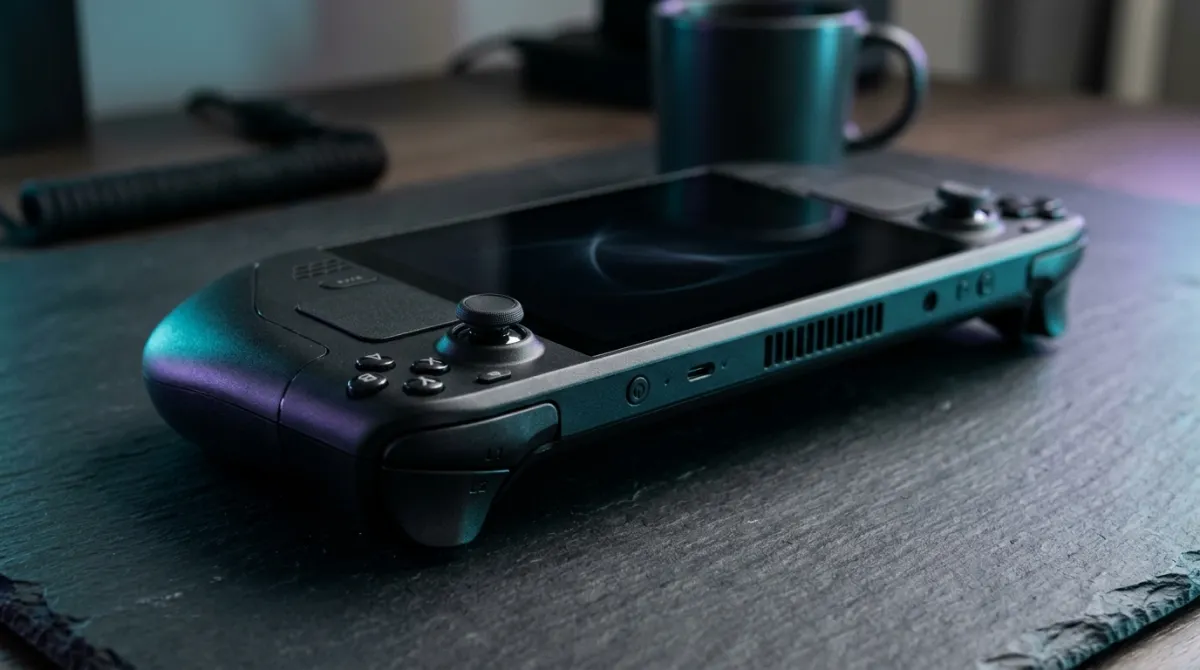

A Clever Shortcut Through the Digital Front Door
When a massive video game company builds a brand-new console, they treat the inside of the machine like a bank vault. Engineers spend years designing custom processor chips, locking down memory chips, and setting up digital tripwires. The goal is simple: ensure that only official, approved games can run on the hardware. But as the tech world has learned time and time again, putting computer hardware into the hands of curious tinkerers is an invitation to test every single lock.
Read More

That is exactly what just happened with the Nintendo Switch 2. Long before the majority of video game fans around the globe could even get their hands on the device, a skilled security researcher found a digital side door. By taking advantage of a tiny math oversight hidden inside an ordinary software tool, the researcher was able to break through the console's outer digital guardrails. The achievement immediately sent waves through the entire gaming world.
For everyday gamers, the word "jailbreak" or "hack" often brings up images of piracy and stolen software. But in the world of computer hardware, this kind of discovery is known as "homebrew." It represents the desire of programmers and digital hobbyists to treat a device they purchased like a regular computer—one capable of playing homegrown games, backing up personal game save files, and running custom software that official store shelves never offer.
The Tiny Math Mistake That Opened the Vault
To understand how this breakthrough happened, you do not need an advanced engineering degree. Think of the software running inside a modern gaming console like a strict apartment building. The main office, where the master keys and emergency controls live, is called the "kernel." Ordinary visitors and tenant programs live in the public hallways and living rooms, known as "userland." A secure machine keeps ordinary programs strictly confined to userland so they can never touch the master keys.
Software developers write rules into every program to manage how much data fits into digital memory boxes. If an application expects a small whole number, but an unexpected operation feeds it a massive number, the digital counter can spin backwards like an old car odometer rolling past 999,999 back to zero. In computer programming, this classic oversight is called an integer overflow. When it happens, the computer gets confused about where memory starts and stops.
The researcher spotted this exact tiny crack inside a software program available on the device called SmileBasic. By feeding the tool carefully crafted lines of basic instructions, the application was tricked into coloring outside its designated lines. Instead of simply crashing or giving an error message, the machine handed over control of its memory space. Suddenly, the researcher could run custom lines of code directly on the console's internal processor.
What makes this discovery so remarkable to industry observers is how fast it arrived. When modern electronics hit the market, companies typically spend millions of dollars running bug bounty programs and hiring external security firms to spot mistakes before manufacturing starts. Finding a software-level entrance this early proves that no matter how fortress-like a machine looks from the outside, human software code almost always contains hidden human mistakes.
Homebrew Creativity Versus Company Fortress
There is a classic tug-of-war that takes place with every generation of electronic devices. On one side are the hardware makers. Companies invest billions of dollars developing specialized silicon chips, building online storefronts, and negotiating exclusive rights with game studios. If outsiders can easily run unsigned code, it opens the door to digital piracy and online cheating, both of which threaten the financial foundation of the console business.
On the other side sits a passionate community of independent programmers and digital archivists. Video game history is littered with beloved games that vanished forever simply because an old company went out of business or shut down its digital download servers. To preservationists, having direct access to console memory is the only reliable way to back up save files, archive digital artwork, and keep gaming history alive for future generations long after factory warranties expire.
It is important to understand what this early breakthrough can and cannot do. Right now, the hack lives entirely within the userland boundary. That means it cannot yet rewrite the deepest roots of the operating system, nor does it allow people to run pirated commercial games. What it does allow is genuine experimentation: hobbyists can test custom user interfaces, play homebrew puzzles created by college students, and inspect how the machine talks to controllers and display screens.
What Happens Next Behind Closed Doors
Now that the door has been pushed ajar, the clock starts ticking for both sides. Nintendo's software security team is already working around the clock to push out an over-the-air system update. In the modern era of connected devices, fixing a software oversight does not require recalling physical plastic boxes from retail store shelves. An automated system update sent through home Wi-Fi can patch the memory leak and lock the digital door back up in seconds.
Yet for hardware hackers, a software patch is rarely the end of the story. Once an enthusiast knows for certain that a device's defense system has weaknesses, it encourages dozens of other researchers to look even closer. Every piece of code running on the device—from web browser engines to audio drivers—becomes a puzzle waiting to be solved. It creates a cat-and-mouse game that usually lasts for the entire ten-year lifecycle of the gaming platform.
For everyday owners who simply want to sit on the sofa and play favorite adventures with family and friends, this behind-the-scenes engineering drama will not interrupt regular gaming sessions. But it offers a fascinating window into the complex digital world humming quietly beneath the plastic buttons and glowing glass screens in our living rooms. Even in an era of multi-billion-dollar security budgets, genuine human curiosity always finds a way forward.