


 27 November 2026
A mesh network connects multiple devices or nodes so data can travel through different paths instead of relying entirely on one central connection point.
From home mesh Wi-Fi systems to large-scale wireless communication, this approach offers flexible coverage, improved resilience, and new possibilities for distributed connectivity.
12 Key Technologies and Applications of Mesh Networks
Read More

 Inside the List
12 Items
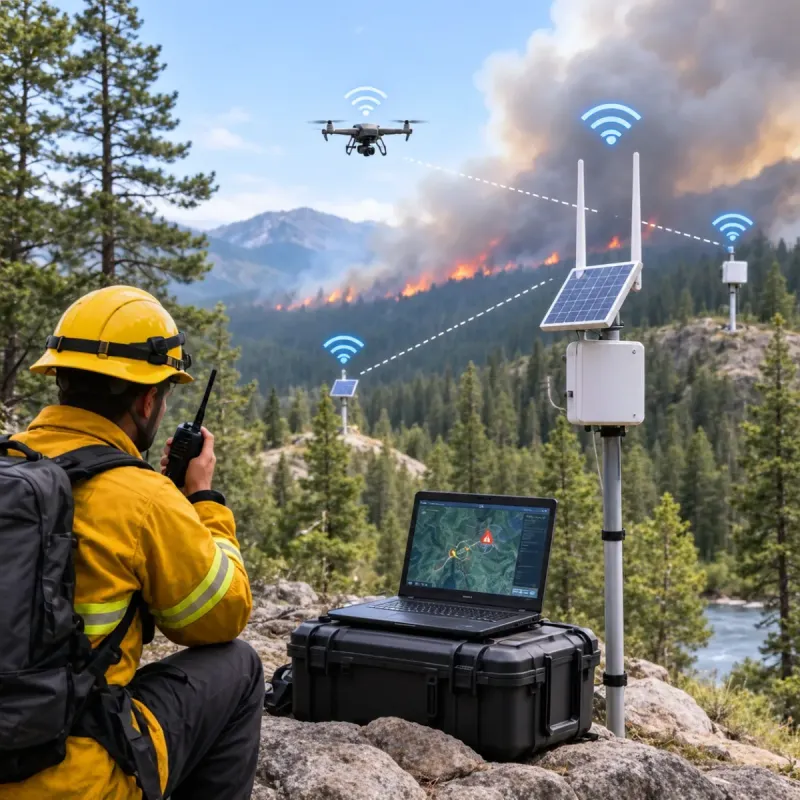
Emergency and Environmental Communication
Design: Distributed wireless links
Mesh networks can support emergency response and environmental monitoring by connecting teams or sensors across locations where conventional network infrastructure is unavailable or disrupted.
- Disaster response
- Remote monitoring
- Field communication

Industrial and Smart City Networks
Design: Connected sensor nodes
Industrial facilities and smart city projects can use mesh-connected sensors to exchange information across monitoring systems, automation equipment, and distributed infrastructure.
- Sensor communication
- Smart automation
- Data collection
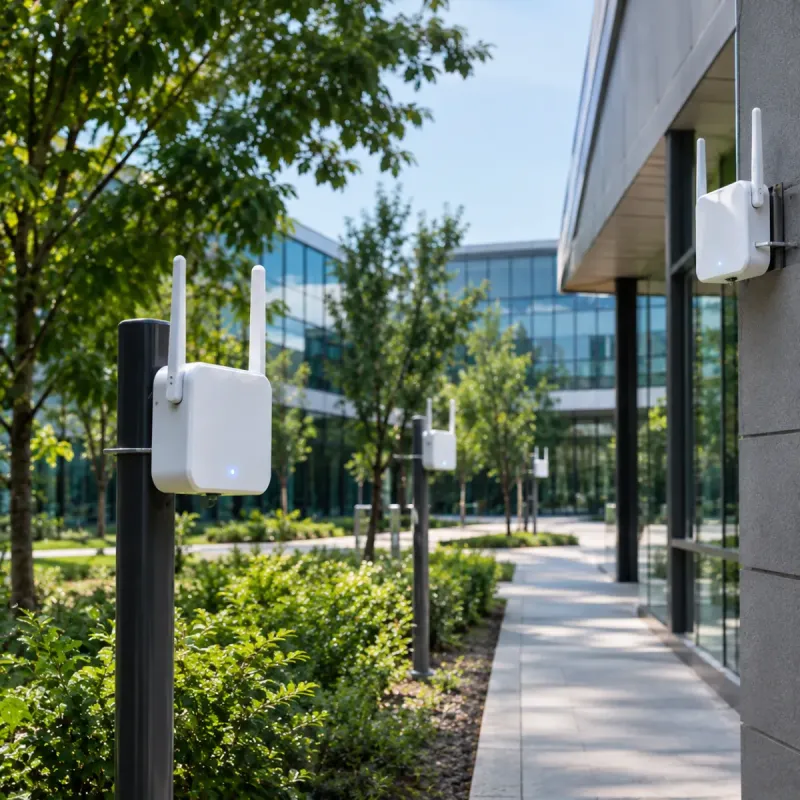
Enterprise and Community Networking
Design: Distributed infrastructure
Businesses and community networks can use mesh architecture to connect offices, buildings, and distributed locations where extending conventional centralized networks is difficult.
- Multi-site access
- Shared infrastructure
- Network expansion

Home Mesh Wi-Fi Systems
Design: Multiple Wi-Fi nodes
Home mesh Wi-Fi systems use multiple access points to extend wireless coverage across larger properties, reducing weak-signal areas that a single router may leave behind.
- Extended coverage
- Reduced dead zones
- Connected devices

Self-Healing Network Technology
Design: Automatic rerouting
Self-healing capabilities let a mesh network reroute data when a node becomes unavailable, maintaining communication through alternative routes.
- Fault tolerance
- Alternative routes
- Automatic recovery

Dynamic Routing Systems
Design: Adaptive pathways
Mesh networks use routing mechanisms to select available paths according to factors such as node availability, network traffic, and communication conditions.
- Path selection
- Traffic awareness
- Adaptive routing
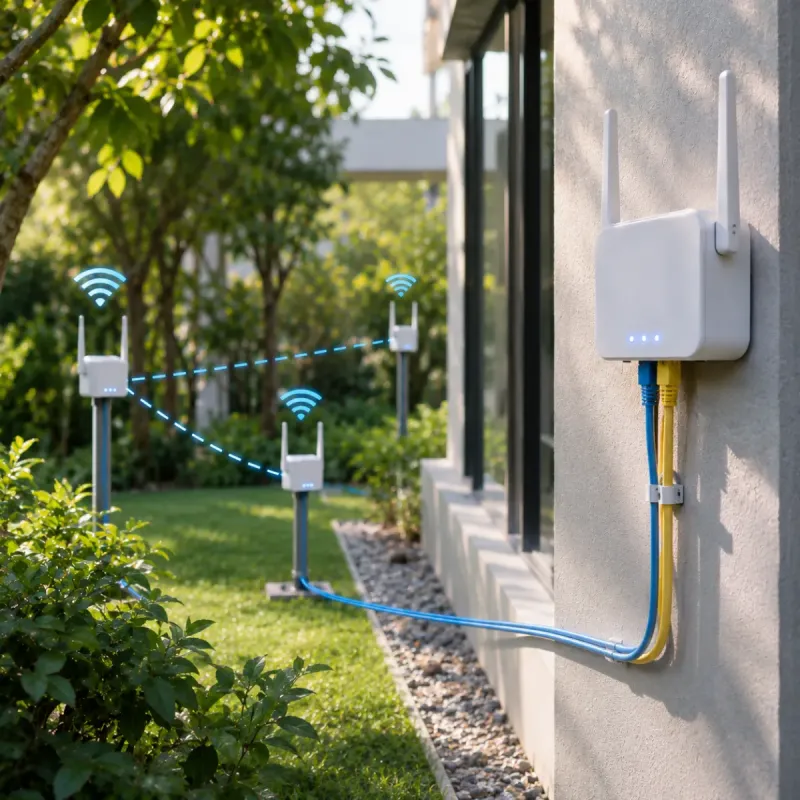
Hybrid Mesh Networks
Design: Wired and wireless
Hybrid mesh networks combine wired and wireless connections, letting network designers choose appropriate communication methods for different locations and infrastructure needs.
- Hybrid connections
- Flexible architecture
- Custom deployment

Wired Mesh Networks
Design: Cable connections
Wired mesh networks connect nodes through physical cabling, such as Ethernet, providing dedicated communication links when wireless coverage or reliability is insufficient.
- Ethernet links
- Physical connections
- Dedicated pathways
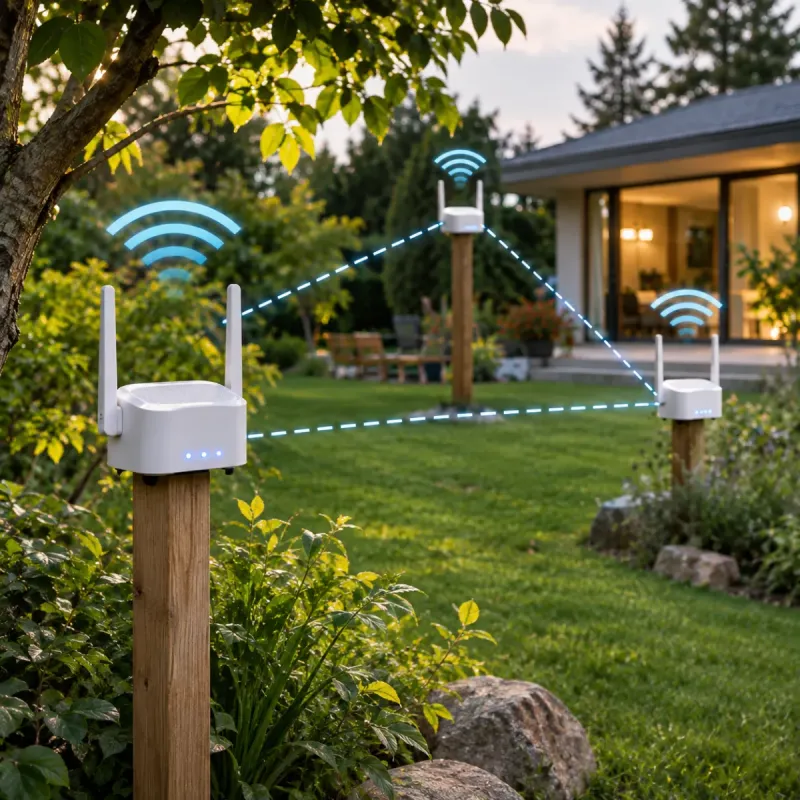
Wireless Mesh Networks
Design: Radio-based links
Wireless mesh networks use radio connections between nodes to transmit information without requiring physical cables between every device, making deployment more flexible.
- Wireless transmission
- Multi-hop communication
- Flexible deployment
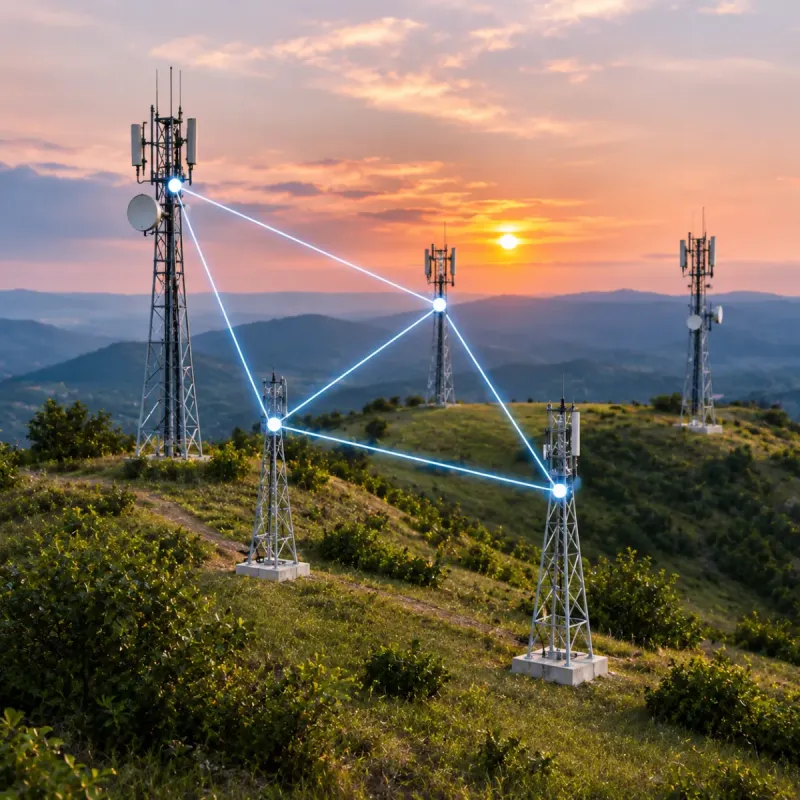
Partial Mesh Topology
Design: Selective connections
A partial mesh connects selected nodes rather than every device, balancing alternative communication paths with lower installation costs and simpler network management.
- Selective links
- Reduced complexity
- Flexible expansion
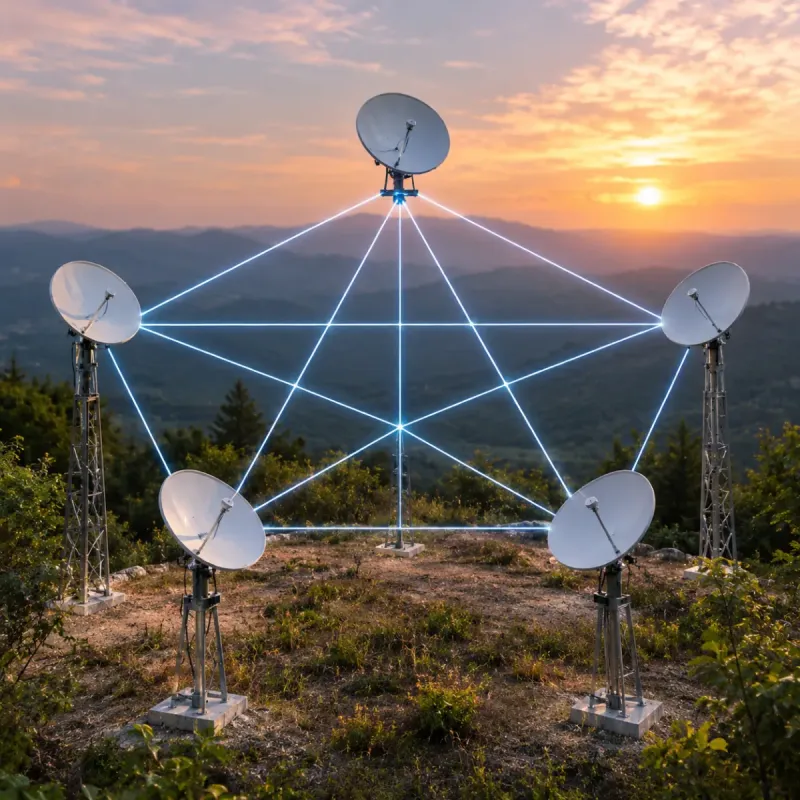
Full Mesh Topology
Design: Fully interconnected
In a full mesh topology, every node connects directly to every other node, creating extensive redundancy but requiring more connections as the network grows.
- Direct links
- High availability
- Extensive connectivity
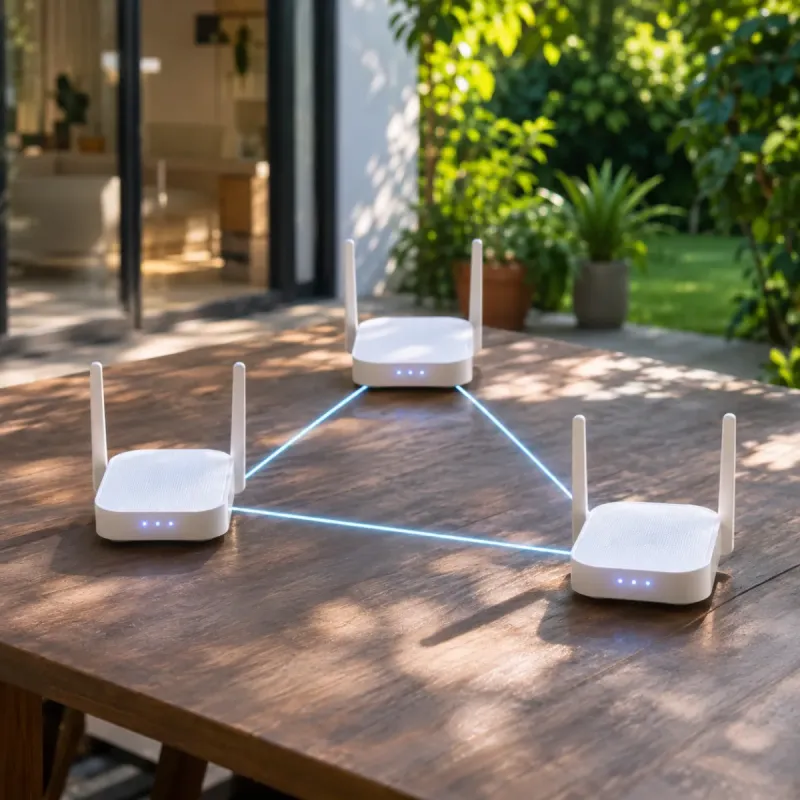
Decentralized Network Architecture
Design: Distributed nodes
A mesh network uses interconnected nodes that can communicate directly or forward data for other devices, reducing dependence on a single central connection point.
- Peer connections
- Distributed routing
- Multiple pathways