

In less than five decades, Dubai has transformed from a small fishing village into one of the world's most dynamic trade and logistics hubs. When it comes to international shipping, cargo operations, and global supply chains, Dubai consistently ranks among the top destinations worldwide. Thanks to its strategic location at the crossroads of three continents, advanced port infrastructure, and trade-friendly policies, the emirate serves as the connecting bridge between Asia, Europe, and Africa.
In this in-depth guide, we'll explore Dubai's three main commercial ports with the latest 2024–2025 statistics, explain why the city has become a global logistics powerhouse, and highlight the business opportunities it creates for international traders, investors, and supply chain operators.
Dubai's Commercial Ports at a Glance
| Port | Established | Primary Function | Key Capacity / Statistics |
|---|---|---|---|
| Jebel Ali Port | 1979 | Container & heavy cargo | 19.4M TEU capacity, 67 berths |
| Mina Rashid | 1972 | Cruise & tourism | 7 mega-cruise vessels, 25,000 passengers |
| Mina Al Hamriya | 1970s | Traditional cargo, livestock | 3,140m quay, 14 berths |
1. Jebel Ali Port — The Beating Heart of Middle East Maritime Trade
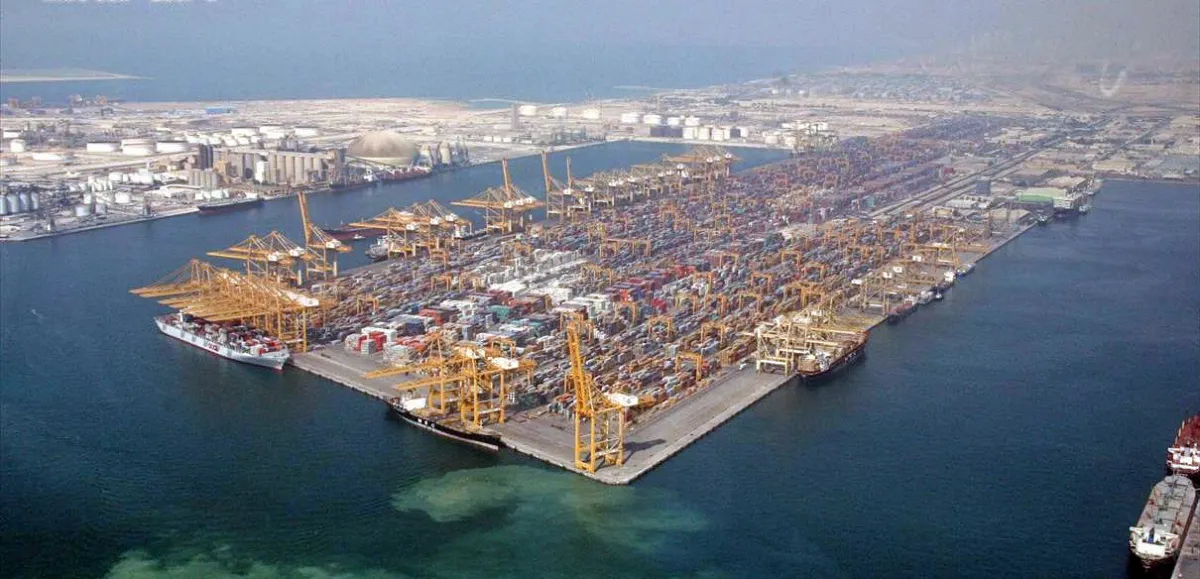
Located 35 km southwest of Dubai, Jebel Ali Port is the largest man-made harbor in the world and the busiest container port in the Middle East. Operated by DP World, the port handled a record 15.5 million TEUs in 2024 — its highest annual throughput in nearly a decade, marking a 7% year-on-year increase.
Key Facts About Jebel Ali Port:
| Metric | Value |
|---|---|
| Total Area | 134 sq km |
| Number of Berths | 67 berths (25 km of quay) |
| Annual Capacity | 19.4 million TEUs |
| 2024 Throughput | 15.5 million TEUs |
| Weekly Services | 80+ shipping lines |
| Global Connectivity | 150+ ports worldwide |
| World Ranking | Top 10 container ports globally |
Jebel Ali Container Terminals Breakdown:
- Terminal 1: Capacity of 9M TEUs, 15 berths, 51 quay cranes
- Terminal 2: Capacity of 6.5M TEUs, 8 berths, technology designed to cut carbon emissions by 30%
- Terminal 3: Capacity of 3.8M TEUs, semi-automated, 19 automated quay cranes, handles Ultra Large Container Vessels (18,000+ TEU)
- Terminal 4: Under construction — once completed, will boost total capacity to 22.4 million TEUs
Notable Achievement: Jebel Ali has been voted "Best Seaport in the Middle East" for 24 consecutive years and is home to the Jebel Ali Free Zone (JAFZA), hosting over 10,000 international companies. The port also runs an AI nerve center that has reduced crane turnaround time by 25% and increased cargo handling by 32%.
2. Mina Rashid (Port Rashid) — From Cargo Pioneer to Global Cruise Hub
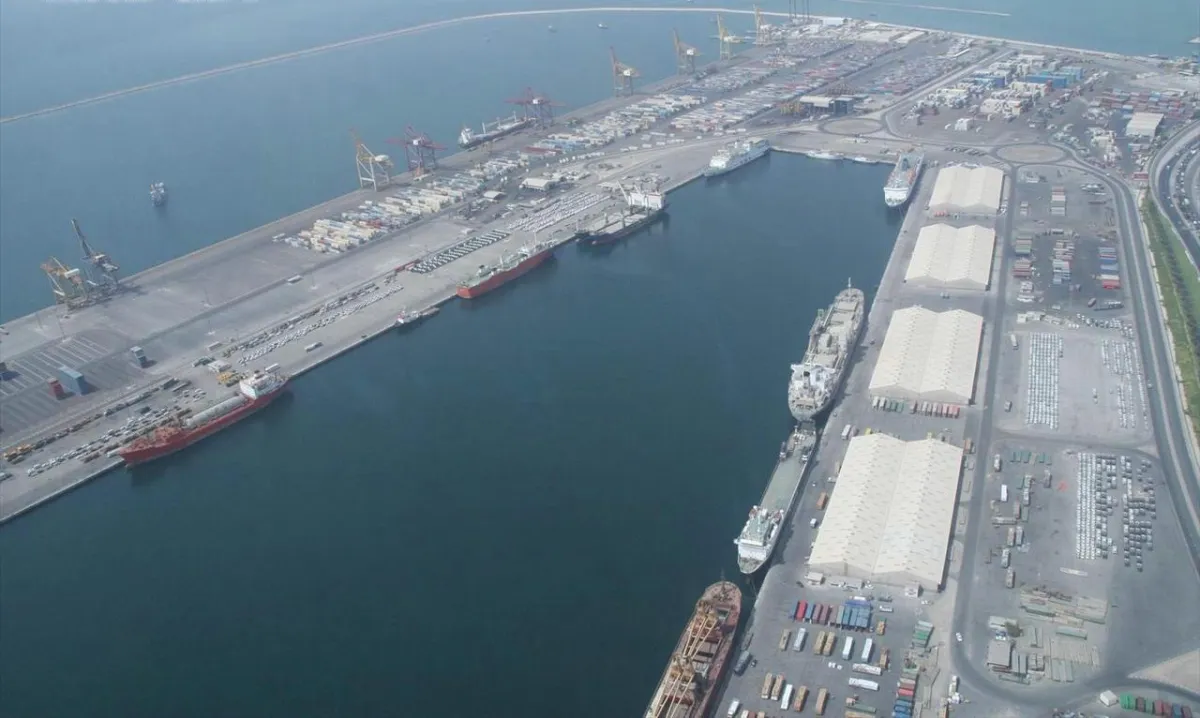
Mina Rashid was Dubai's first modern commercial port, opened in 1972, and played a foundational role in the city's economic rise. Today, it has transformed into a world-class cruise tourism destination and mixed-use urban development. The port has been awarded "Middle East's Leading Cruise Port" by the World Travel Awards for 8+ consecutive years.
Mina Rashid Key Specifications:
| Feature | Details |
|---|---|
| Total Area | 2 million sq meters |
| Cruise Vessel Capacity | 7 mega-cruise ships simultaneously |
| Passenger Capacity | 25,000 simultaneous / 500,000+ annually |
| Flagship Terminal | Hamdan Bin Mohammed Cruise Terminal (world's largest covered cruise terminal) |
| Hamdan Terminal Daily Capacity | 14,000 passengers |
| Coastal Berths | 5 berths (900 m total length) |
| General Cargo & RoRo Berths | 15 berths (2,757 m, 10.5 m depth) |
Mina Rashid is currently undergoing transformation into a mixed-use urban waterfront in partnership with Emaar Properties, featuring luxury residential projects like Sirdhana and Sunridge.
3. Mina Al Hamriya — The Traditional Gateway to Africa and the Indian Subcontinent
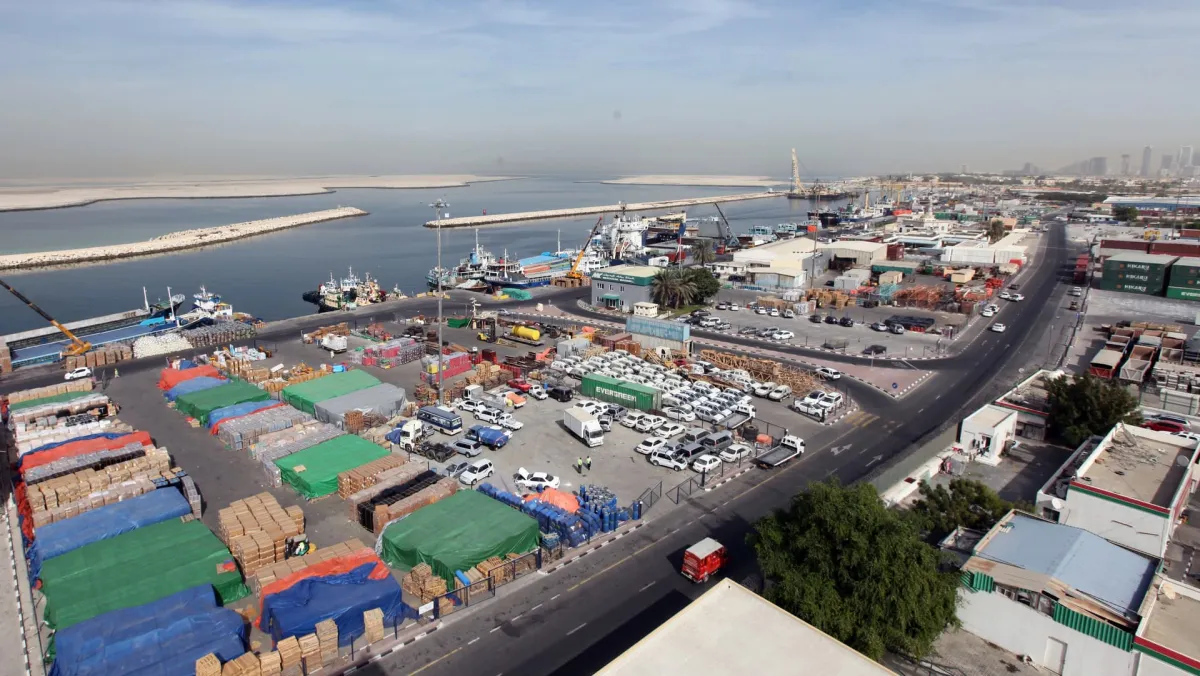
Founded in the 1970s and located in Dubai's Deira district, Mina Al Hamriya plays a critical role in traditional trade with East Africa, the Indian subcontinent, and the GCC. Despite being smaller in scale, it is one of the UAE's most important gateways for livestock imports, fresh produce, and traditional dhow trade.
Updated 2025 Statistics:
| Metric | Value |
|---|---|
| Total Quay Length | 3,140 meters |
| Number of Berths | 14 berths |
| Storage Space | 6.4 million sq ft (nearly doubled from 2024) |
| New Quay Under Construction | 700 m with 12 m draft |
| Vessel Calls (H1 2025) | 2,700 (11% increase) |
| Trade Value (H1 2025) | AED 9.07 billion ($2.5 billion) |
| Projected 2025 Livestock Imports | 1 million head of cattle |
| Marina Capacity | 259 vessels (156 wet + 103 dry berths) |
Main Cargo Categories: Foodstuffs, fruits and vegetables, livestock, used vehicles, breakbulk cargo, traditional wooden dhows, and containers.
Why Dubai Became a Global Logistics Hub: 4 Key Drivers
1. Strategic Geographic Location
- Positioned at the crossroads of Asia, Europe, and Africa
- Within 8 hours of flight to more than two-thirds of the world's population
- Proximity to the Strait of Hormuz and major East-West shipping lanes
- Natural gateway to emerging markets in MENA and South Asia
2. Advanced Digital Infrastructure
- Smart terminals with automated customs systems
- AI nerve center at Jebel Ali reducing crane turnaround by 25% and increasing cargo handling by 32%
- Bonded warehouses with temperature-controlled storage
- Seamless integration of port, Dubai International Airport, and highway networks
3. Free Zones and Pro-Trade Policies
| Free Zone | Primary Focus | Key Advantage |
|---|---|---|
| JAFZA | General trade & manufacturing | 10,000+ multinational companies |
| DAFZ | Technology & aerospace | Direct DXB airport access |
| DMCC | Commodities & gold trade | One of the world's largest commodities hubs |
Shared Free Zone Benefits:
- 100% corporate tax exemption (on many activities)
- 100% foreign ownership
- Free repatriation of capital and profits
- Streamlined company setup in under one week
4. Global Logistics Giants
DP World, one of the world's largest port operators, managed total throughput of 93.4 million TEUs in 2025 across 90+ terminals in 40+ countries. The company posted $24.4 billion in revenue and nearly $2 billion in profit for FY2025 — a testament to Dubai's deep integration into global supply chains.
Business Opportunities in Dubai's Logistics Sector
1. SME Growth in Free Zones
Small and medium enterprises benefit from cost-effective warehousing, integrated customs support, and connectivity to 150+ global ports — all from a single base.
2. Mega Projects Like Bharat Mart
The Bharat Mart logistics complex — a 2.7 million sq ft hub inside JAFZA — is designed to channel Indian exports into Middle Eastern and African markets via Dubai.
3. Digital Trade & Smart Logistics
Investments in blockchain, artificial intelligence, and virtual trade corridors are making shipping faster, more secure, and more transparent than ever before.
4. Automotive Trade Hub
With expanded RoRo facilities and a projected 75,000-vehicle capacity across new Jebel Ali terminals, Dubai has positioned itself as the Middle East's automotive trade gateway.
Which is the largest port in Dubai?
Jebel Ali Port, with a capacity of 19.4 million TEUs and an area of 134 sq km, is the largest man-made harbor in the world and the largest port in the Middle East.
Does Mina Rashid still handle cargo operations?
The majority of Mina Rashid's cargo operations have been relocated to Jebel Ali. Today, the port primarily serves cruise tourism, though it still handles some non-containerized and RoRo cargo.
What's the main difference between Mina Al Hamriya and Jebel Ali?
Jebel Ali focuses on large-scale containerized global trade, while Mina Al Hamriya is the traditional gateway for livestock, food products, and breakbulk cargo trade with the GCC, East Africa, and India.
Can foreign investors operate freely in Dubai's logistics sector?
Yes. By registering a company in Dubai's free zones (such as JAFZA), foreign investors enjoy 100% ownership, full profit repatriation, and significant tax advantages.
How long does shipping from China to Dubai take?
Typical sea freight transit time from major Chinese ports (Shanghai, Ningbo) to Jebel Ali is 18 to 25 days, depending on the carrier and route.
Is Jebel Ali Port environmentally sustainable?
Yes. Terminal 2 features technology designed to reduce carbon emissions by up to 30%, and DP World has committed to broader sustainability initiatives across all UAE ports.