

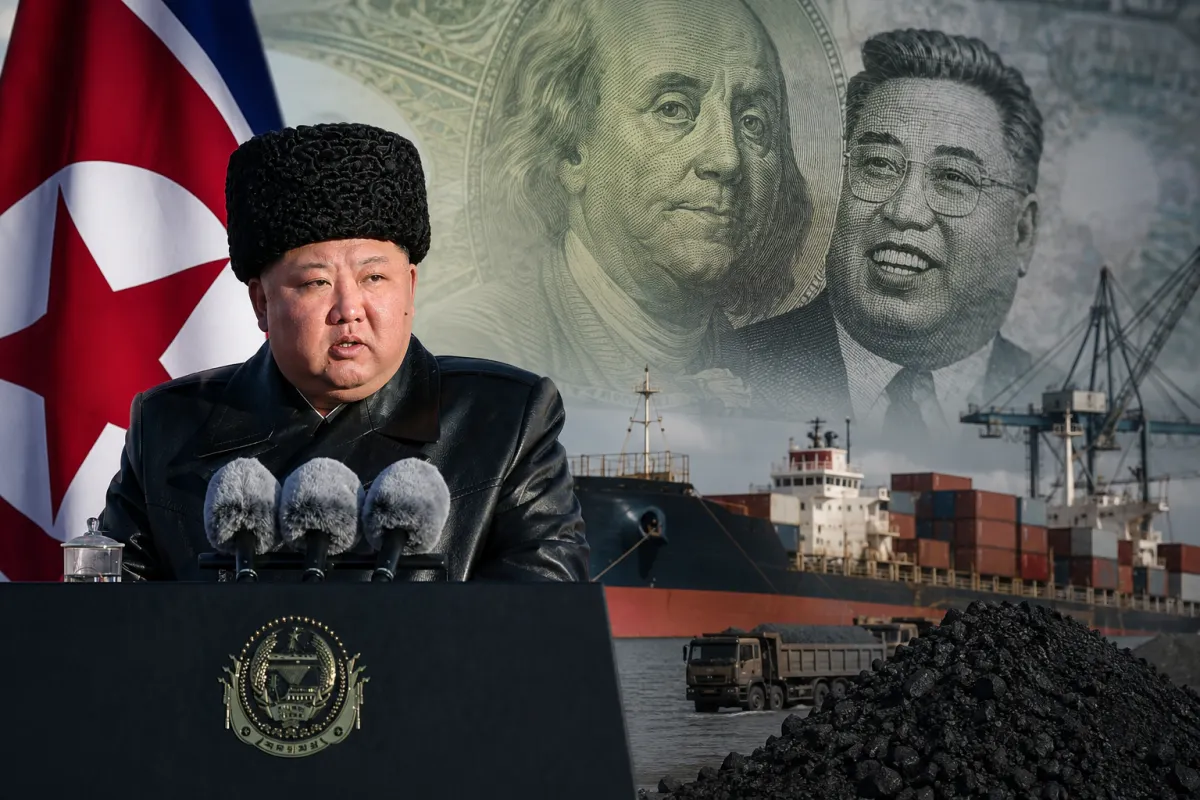
For decades, North Korea has faced some of the toughest international sanctions ever imposed. Its exports are heavily restricted, its banking system is largely isolated from the global financial network, and much of the world refuses to do business with the regime. Yet despite these obstacles, Pyongyang continues to spend billions of dollars every year on its military while advancing one of the world's fastest-growing nuclear weapons and missile programs.
That raises an obvious question: Where does all the money come from?
The answer is far more complicated than traditional trade. North Korea has developed a sophisticated mix of legal exports, illicit smuggling networks, cybercrime, overseas labor, military exports, and strategic partnerships that help keep the regime financially afloat. Understanding these revenue streams provides insight into how one of the world's most isolated governments continues to challenge international pressure while maintaining one of the world's largest standing militaries.
How the Netherlands Became the World's Agricultural Superpower Despite Its Small Size
A Military Budget That Dominates the Economy
Unlike most countries, North Korea dedicates an extraordinary share of its economy to defense.
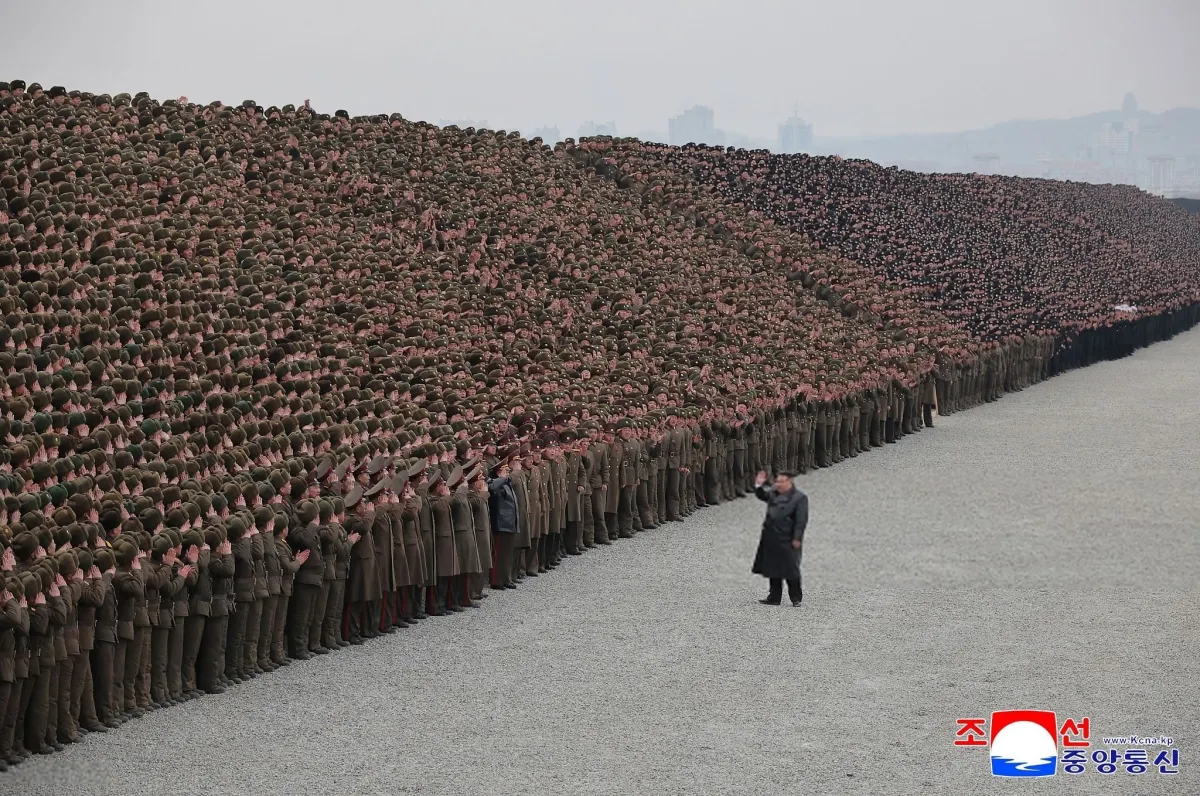
Although exact figures are difficult to verify because government finances remain secret, many independent estimates suggest the country spends roughly $10 billion annually on military activities. Some analysts estimate that defense consumes 30% to 40% of the nation's gross domestic product (GDP)—a remarkably high proportion compared with almost every other country.
This massive investment funds:
- Nuclear weapons development
- Ballistic missile programs
- Conventional military forces
- Military research and production
- Internal security agencies that help maintain the regime's control
The result is a heavily militarized state where national defense consistently takes priority over economic development.
Before Sanctions, Coal Was North Korea's Financial Lifeline
For many years, North Korea relied heavily on exports of natural resources.Although the country lacks the extensive mineral wealth found in some neighboring nations, it possesses reserves of:
- Coal
- Iron ore
- Various minerals
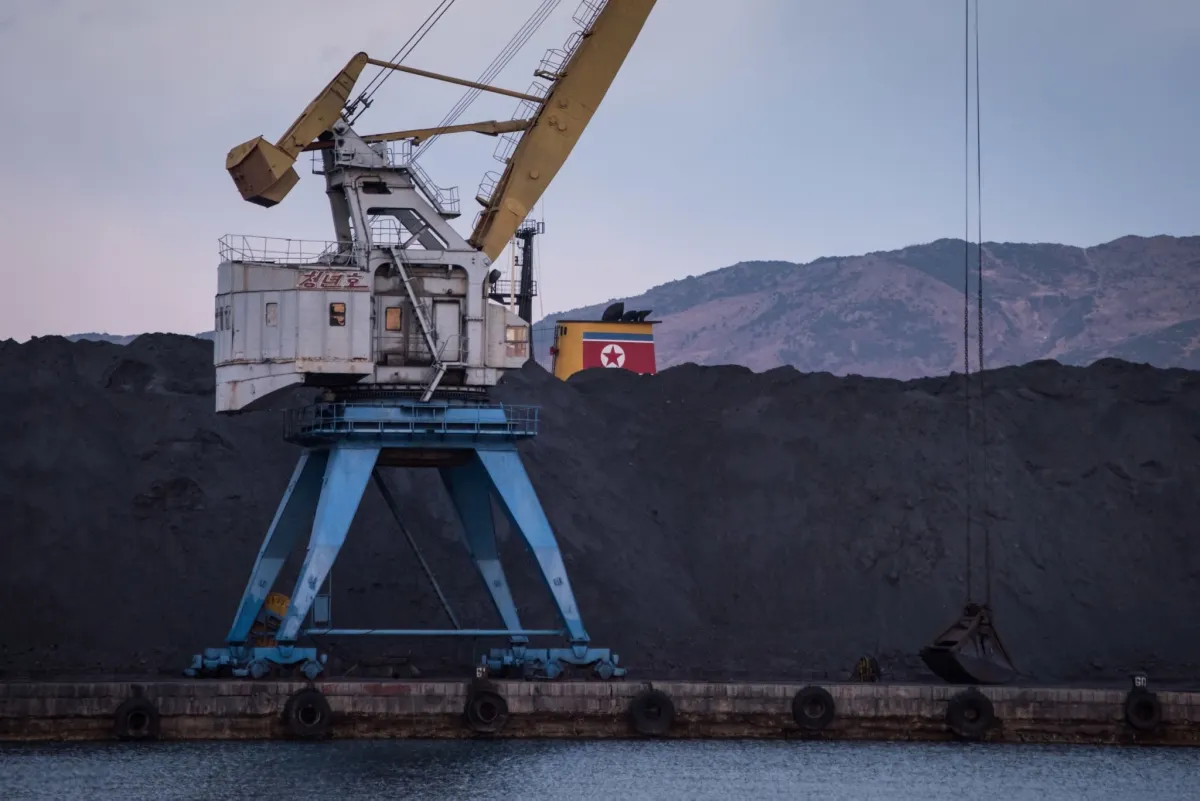
China became by far North Korea's largest trading partner, purchasing most of these exports and supplying essential imports such as food, fuel, machinery, and consumer goods in return.
UN Sanctions Cut Off Major Sources of Revenue
Everything changed after North Korea accelerated its nuclear weapons testing. Following repeated missile launches and nuclear tests—including its sixth nuclear test in 2017—the United Nations Security Council imposed sweeping sanctions targeting North Korea's economy.
These restrictions prohibited many countries from importing:
- Coal
- Iron
- Seafood
- Various industrial products
The sanctions dramatically reduced one of Pyongyang's most important legal sources of foreign currency, forcing the regime to search for alternative ways to generate income.
China's Critical Role in North Korea's Survival
Despite international sanctions, China remains North Korea's most important economic partner.Beijing officially supports UN sanctions, but trade between the two countries has never completely stopped. Border commerce, humanitarian supplies, and other permitted transactions continue, while numerous reports have documented allegations of sanctions evasion involving private companies and intermediaries.
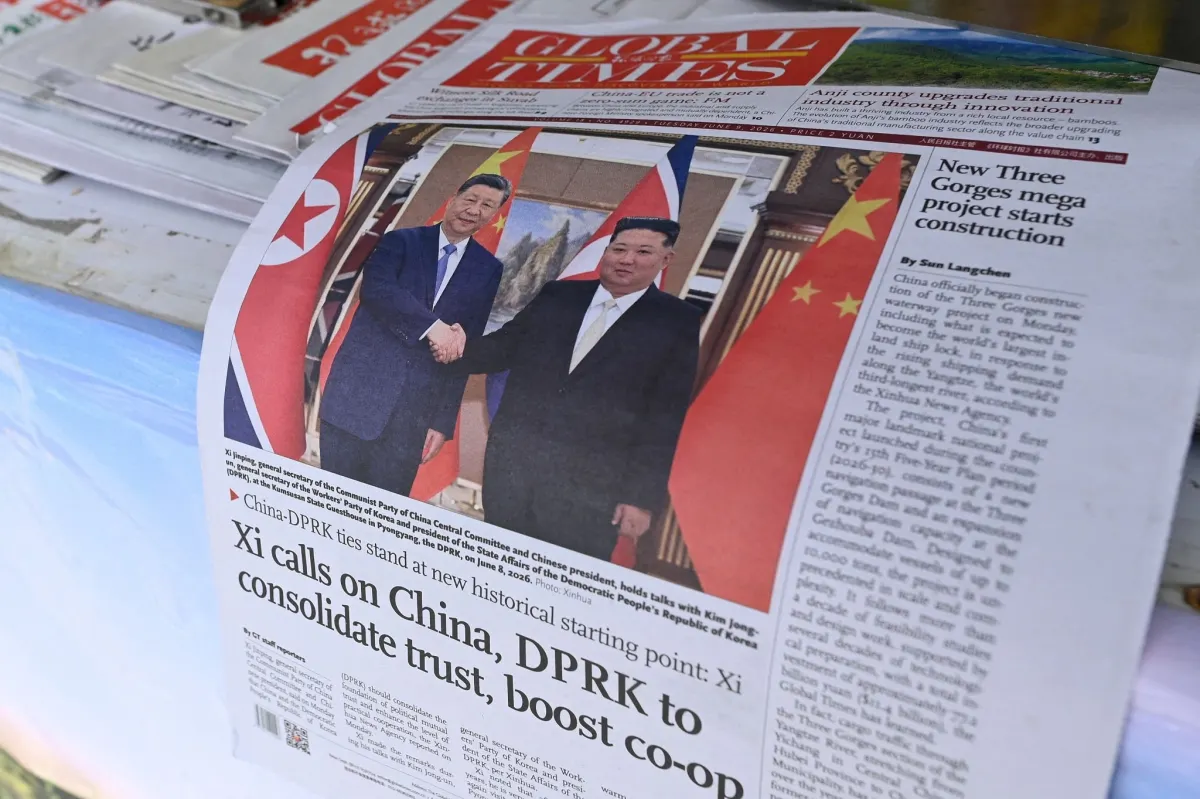
China supplies North Korea with many essential goods, including:
- Food products
- Fuel
- Fertilizers
- Industrial chemicals
- Consumer necessities
Without continued access to Chinese markets and supplies, North Korea's already fragile economy would face even greater pressure.
Smuggling Networks Help Bypass International Restrictions
One of the most effective methods used to evade sanctions involves maritime smuggling. Investigators have documented ship-to-ship transfers in international waters, where cargo such as coal or petroleum products is transferred between vessels before reaching its final destination.
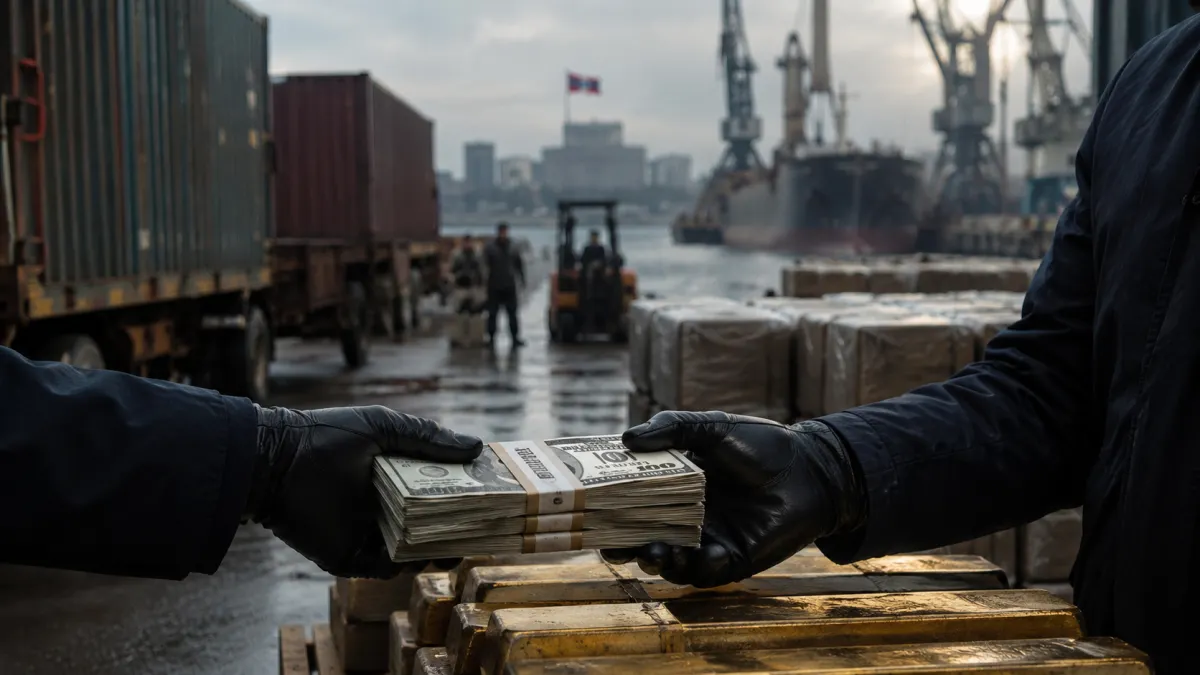
These operations often involve:
- Multiple cargo transfers
- Flag changes
- Disabled tracking systems
- Complex ownership structures
Such tactics make it significantly harder for authorities to trace the true origin of shipments.
Manufacturing New Export Products
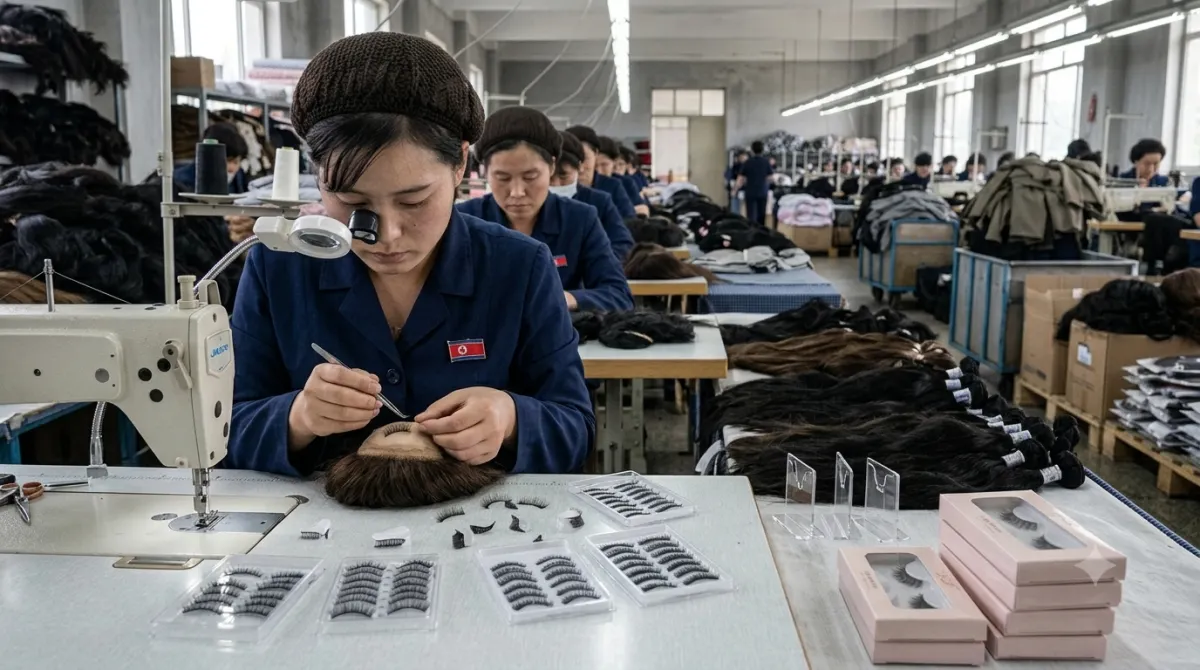
When traditional exports became difficult, North Korea expanded production of labor-intensive manufactured goods.
These have reportedly included:
- False eyelashes
- Hair extensions
- Wigs
- Various textile products
Chinese companies may import raw materials, have products assembled inside North Korea, and then export finished goods elsewhere. This allows manufacturers to benefit from North Korea's inexpensive labor while navigating complicated international trade restrictions.
Cybercrime Has Become One of North Korea's Most Powerful Revenue Sources
Perhaps the most remarkable transformation has been North Korea's emergence as a global cybercrime powerhouse. Instead of relying solely on traditional exports, the country has invested heavily in highly skilled hacking units.
According to numerous cybersecurity agencies, North Korean state-linked hacker groups have targeted:
- Cryptocurrency exchanges
- Blockchain bridges
- Investment platforms
- Financial institutions
- Technology companies
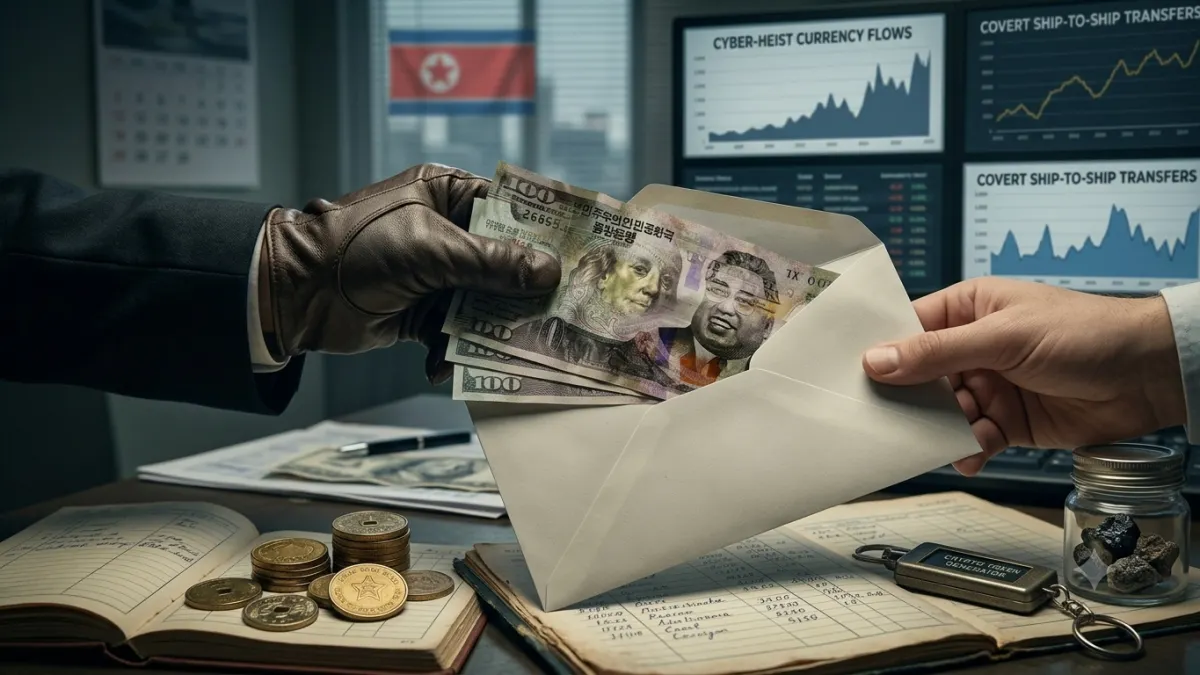
Cryptocurrency has become especially attractive because digital assets can often be moved across borders more easily than traditional bank transfers and may be more difficult to recover after theft.
Why Cryptocurrency Is a Prime Target
Unlike conventional bank accounts, cryptocurrency transactions are generally irreversible once confirmed.
Hackers frequently exploit:
- Security vulnerabilities
- Phishing attacks
- Smart contract flaws
- Social engineering
- Stolen credentials
After obtaining digital assets, laundering techniques—including mixers, chain hopping, and decentralized exchanges—may be used to obscure the origin of the funds.
Several blockchain analysis firms have reported that North Korean-linked groups have stolen billions of dollars in cryptocurrency over the past decade, making cyber theft one of the regime's most significant modern revenue streams.
Counterfeit Currency Allegations
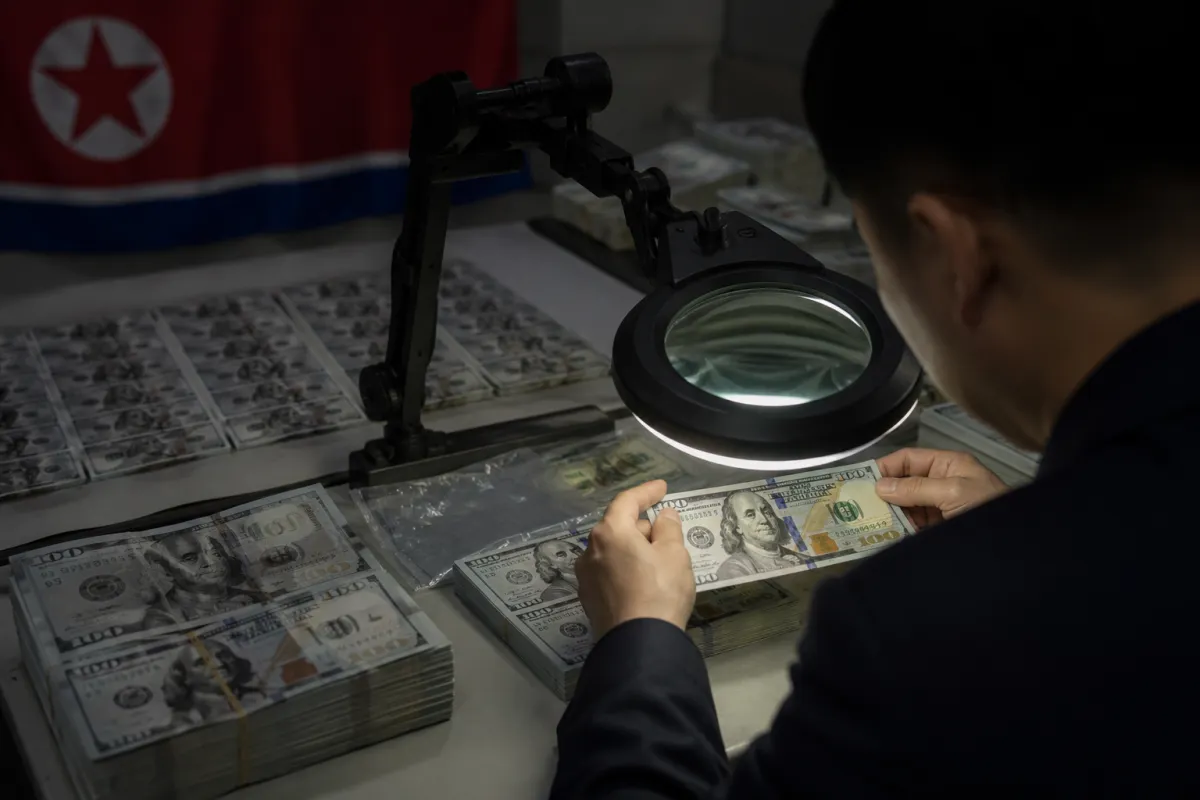
North Korea has long been accused of producing high-quality counterfeit U.S. $100 bills, often referred to as «supernotes.» Although experts continue to debate the scale of these operations and direct government involvement, U.S. authorities have linked sophisticated counterfeit currency networks to North Korea in the past.
Counterfeit money is believed to have been laundered through international criminal networks before entering circulation.
Allegations of Drug Trafficking
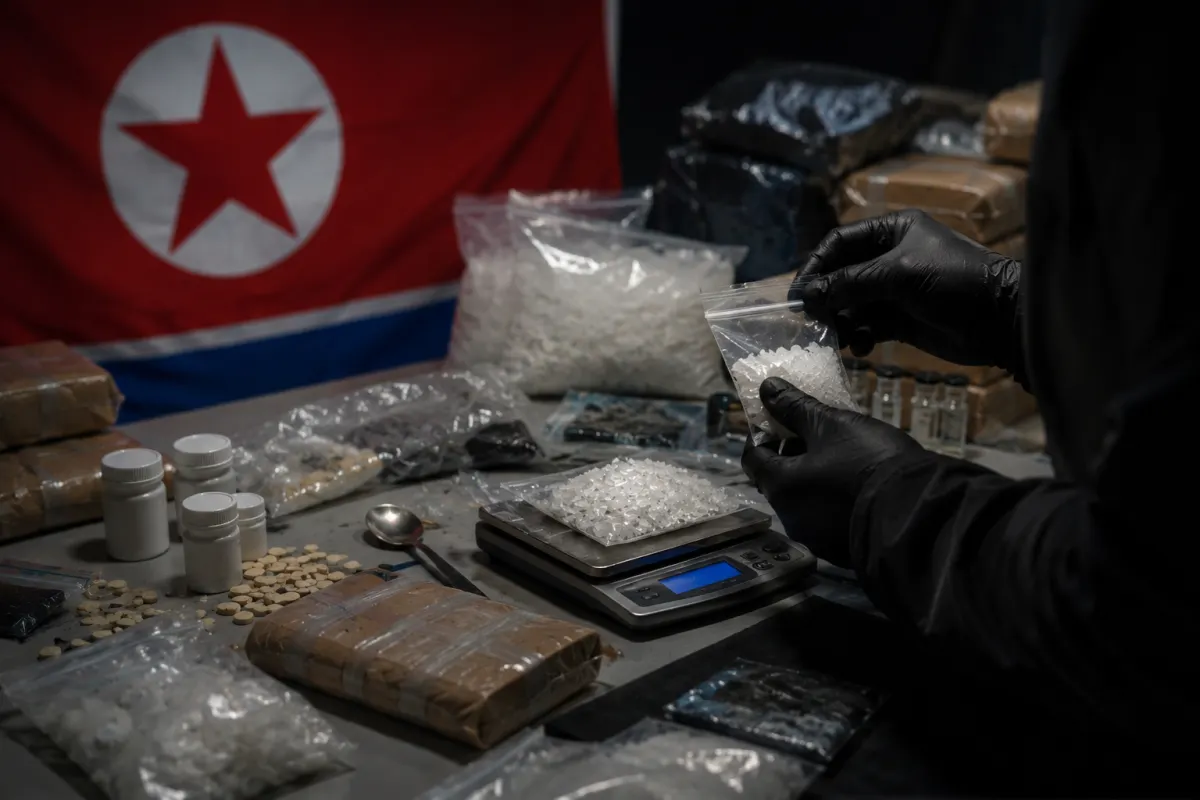
Over the years, intelligence agencies and researchers have also alleged North Korean involvement in narcotics production and trafficking.
Some reports claimed the regime once supported methamphetamine production for export. However, evidence suggests that any state-directed involvement declined significantly during the mid-2000s, and the extent of current activity remains uncertain.
Military Exports and Cooperation With Russia
Recent geopolitical developments have created new economic opportunities for Pyongyang.
Western governments and intelligence agencies have accused North Korea of supplying:
- Artillery shells
- Rockets
- Missiles
- Other military equipment
to Russia during the war in Ukraine.
In return, analysts believe North Korea may receive:
- Hard currency
- Fuel
- Food assistance
- Military technology
- Technical cooperation
These relationships have become increasingly important as sanctions continue to restrict other revenue sources.
Overseas Labor Programs
For years, North Korea has sent workers abroad to generate foreign currency.These laborers have worked in sectors including:
- Construction
- Logging
- Manufacturing
- Agriculture
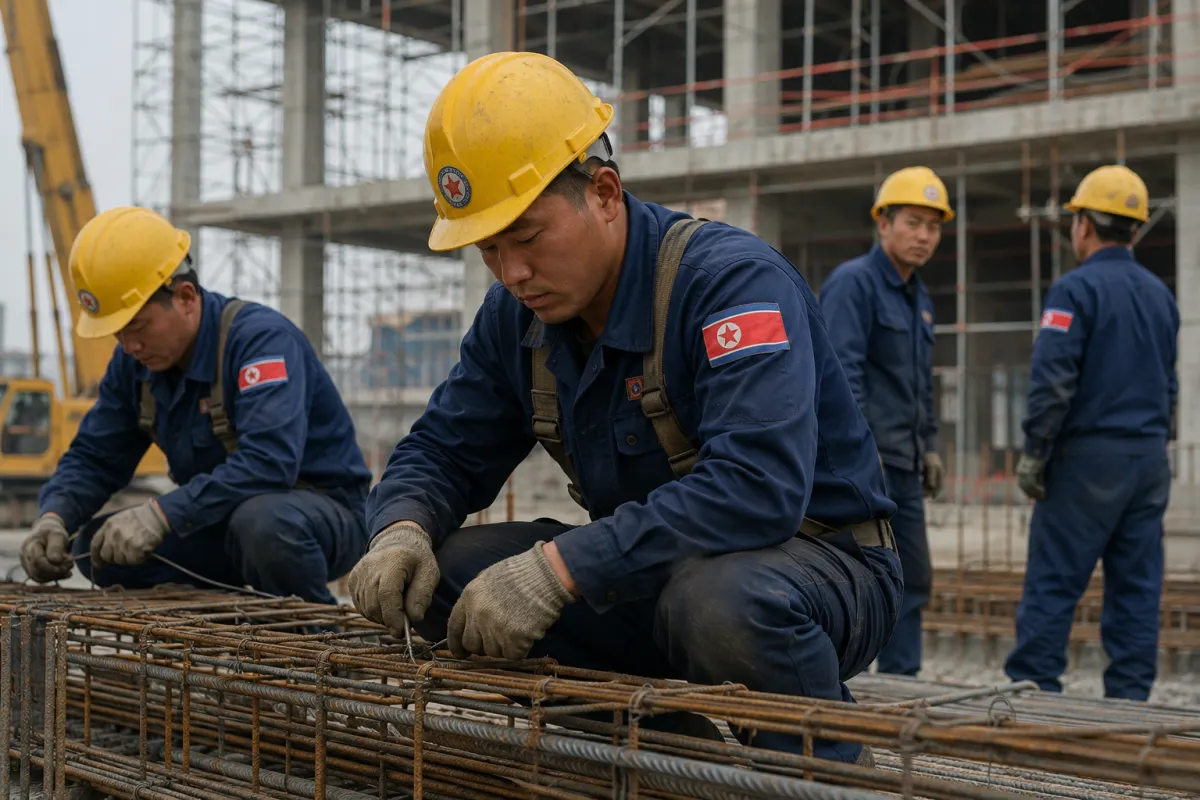
Human rights organizations have argued that much of their wages are collected by the North Korean government rather than the workers themselves.Although international sanctions sought to reduce these labor programs, reports indicate that some overseas employment continues through various arrangements.
Tourism Provides Only Limited Revenue
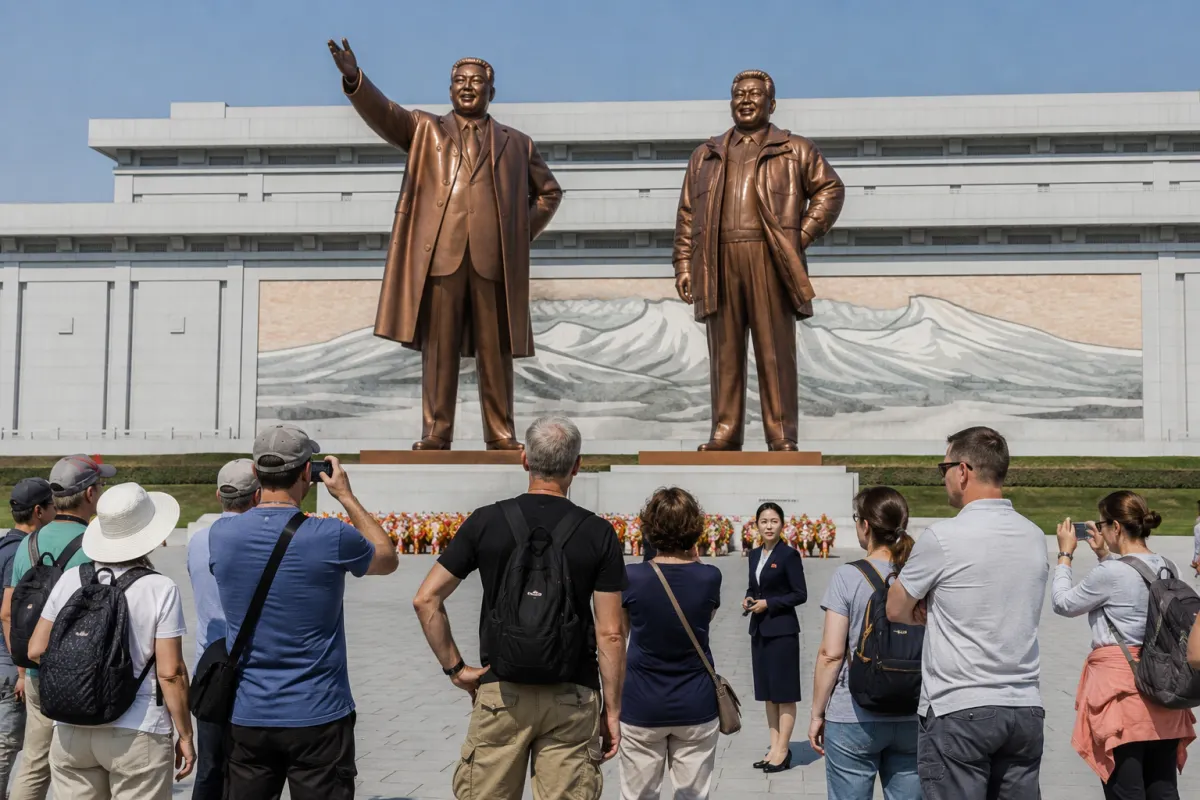
North Korea has repeatedly attempted to develop international tourism.Special tours allow carefully supervised visits to selected locations, including:
- Pyongyang
- Historical monuments
- Museums
- Scenic mountain areas
However, strict travel restrictions, diplomatic tensions, and concerns over visitor safety have limited tourism's overall economic impact.The detention and subsequent death of American student Otto Warmbier in 2017 significantly damaged North Korea's reputation as a travel destination, discouraging many potential visitors.
Why Ordinary North Koreans See Little Benefit
Despite these diverse income sources, relatively little wealth reaches ordinary citizens.Numerous international organizations report ongoing challenges including:
- Chronic food insecurity
- Limited consumer goods
- Weak infrastructure
- Restricted economic opportunities
Much of the state's available resources continue to support:
- Military modernization
- Nuclear development
- Missile programs
- Government institutions
- Internal security
This imbalance has contributed to persistent humanitarian concerns despite continued investment in strategic weapons.
Why Sanctions Alone Have Not Stopped North Korea
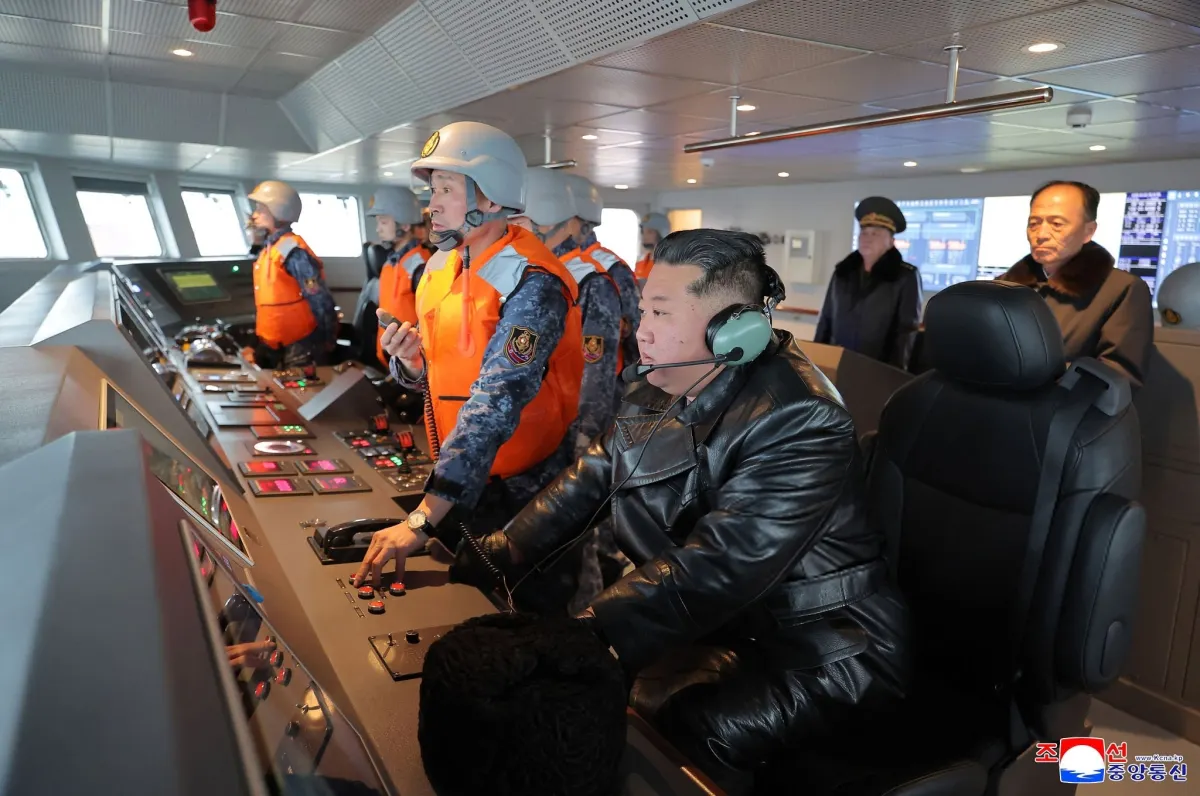
The North Korean case demonstrates that sanctions can significantly constrain an economy without completely cutting off government revenue.Instead, the regime has adapted by diversifying its income through:
- Sanctions evasion
- Cybercrime
- Strategic partnerships
- Overseas labor
- Military exports
- Limited legal trade
While these activities cannot fully replace a normal economy, together they provide enough resources for Pyongyang to continue funding its military ambitions despite decades of international isolation.
As cybersecurity, digital finance, and geopolitical alliances evolve, North Korea's financial strategies are also likely to adapt, making enforcement increasingly complex for governments attempting to curb its nuclear and missile programs.