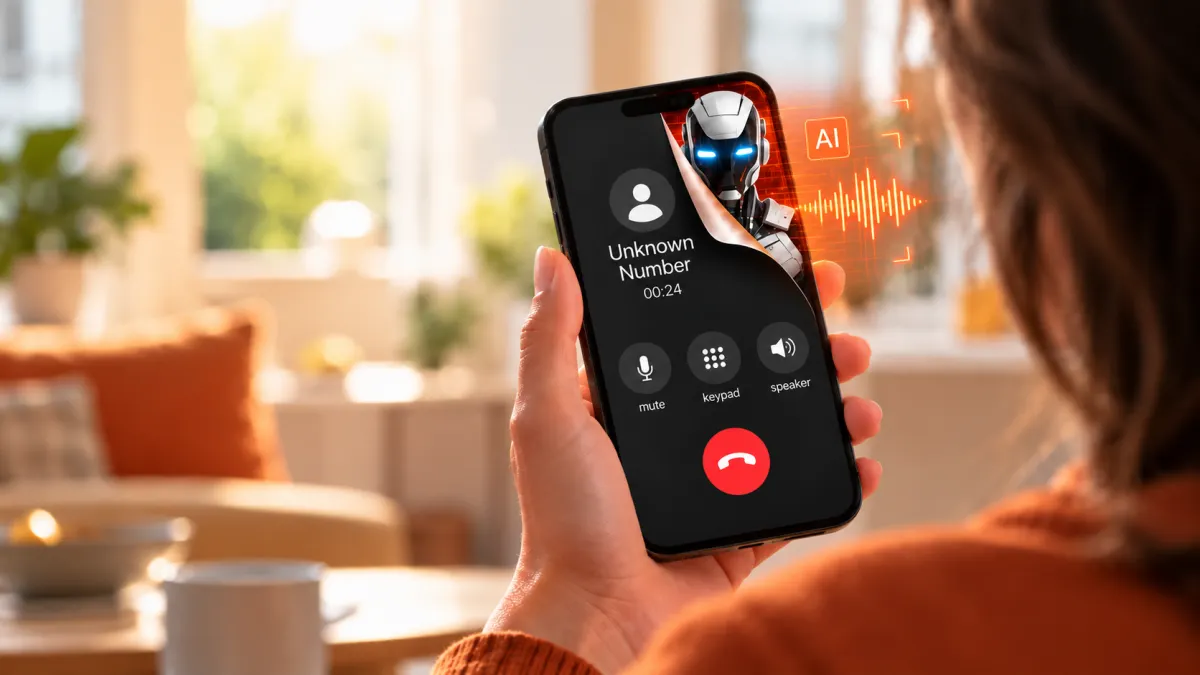

The Terrifying 30-Second Call Every Parent Dreads
It is three in the afternoon, and your phone buzzes on the kitchen counter. You pick it up, and the voice on the other end belongs unmistakably to your daughter. She is crying, breathing fast, and begging for help after a terrible car accident. Before you can even process the panic in your chest, a strange man grabs the phone and demands an instant bank transfer to settle the damage.
How to Lock Your Private ChatGPT Conversations With a PIN
There is just one problem: your daughter is sitting safely in her high school classroom right now.
That phone call was not real. It was generated entirely by artificial intelligence. Just a few years ago, pulling off an impersonation like that required expensive Hollywood audio equipment and hours of speech recordings. Today, criminals only need three seconds of audio lifted from a TikTok video, an Instagram reel, or even your voicemail greeting to build a voice clone that sounds identical to your closest friends and relatives.
Here is exactly how these voice-cloning schemes work, why traditional advice no longer keeps you safe, and the simple everyday habits you can set up today to protect your household.

How Can Strangers Clone Your Voice in Just Seconds?
Most people assume cloning a voice requires someone speaking into a microphone for hours. That used to be true, but artificial intelligence has changed the math completely.
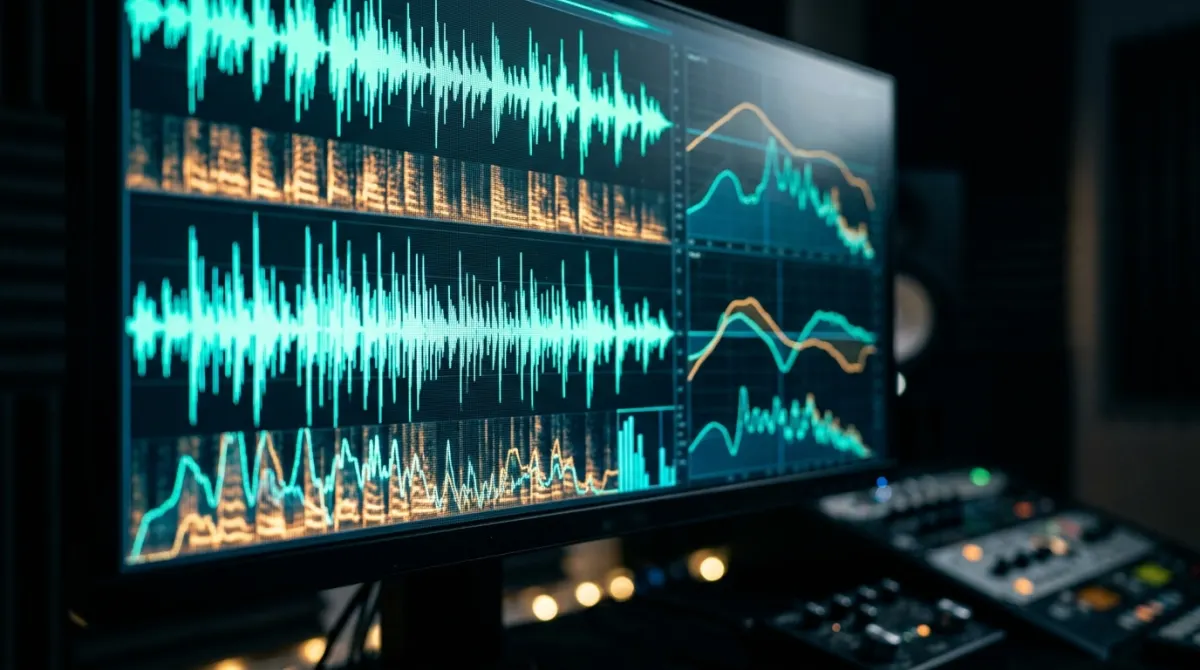
Modern generative audio software works like a predictive keyboard for sound. When a scammer uploads a tiny audio clip of you talking, the software measures the unique pitch of your throat, the cadence of your breathing, and the subtle accent you use when pronouncing certain letters. From that tiny sample, the computer builds a complete mathematical model of your vocal cords.
Once the model is ready, the scammer types whatever script they want into a computer keyboard. The software reads the text back in your exact voice, complete with emotional pauses, frantic gasps, and realistic sighs. It takes less than thirty seconds to generate, and to someone on a crackling cell phone line, it sounds indistinguishable from reality.

Where Are Scammers Finding Audio of You and Your Family?
You might wonder where criminals get their hands on recordings in the first place. You do not need to be a public figure, an influencer, or a podcaster to have your voice floating around the internet.
- Social video posts: A ten-second clip of your son reviewing a pair of sneakers on TikTok or a video of your mother laughing on Instagram is more than enough raw material.
- Voicemail greetings: Scammers call phone numbers at night, wait for the call to drop to voicemail, and record you saying your name and greeting.
- Short robocalls: Ever picked up a strange number, said hello three times, and then heard the line click dead? Fraudsters often record those three seconds just to harvest your voice.
- Public webinars and gaming streams: Hours of unedited voice chat on Discord gaming servers and school presentations provide clean, unfiltered audio samples.
Why Don't the Old Rules of Spotting Scams Work Anymore?
For decades, consumer protection experts told us how to spot fraudsters: look for bad grammar, weird spelling, or strange robotic voices. If an email had typos, you deleted it. If a phone call sounded unnatural, you hung up.
Artificial intelligence has wiped those old warning signs off the board. Software writes grammatically flawless scripts in perfect local slang. More importantly, AI scams rely on weaponized adrenaline rather than bad logic.
When you hear a loved one sobbing and screaming in pain, your brain immediately enters fight-or-flight mode. Your heart rate spikes, your critical thinking shuts down, and you rush to fix the problem before stopping to verify the facts. Scammers deliberately create fake emergencies because panic prevents people from noticing small details.
| Scam Feature | Traditional Phone Scams | Modern AI Voice Cloning Scams |
|---|---|---|
| Audio Quality | Strange caller or unconvincing actor | Exact acoustic clone of family member |
| Pacing & Emotion | Stiff, scripted, and robotic reading | Realistic crying, hyperventilating, and panic |
| Personal Details | Generic guesswork and phishing questions | Real family names scraped from social profiles |
| Best Counter-Tactic | Hanging up on unknown phone numbers | Demanding a pre-arranged family safe word |
What Should You Do the Second You Get a Panicked Call?
If you ever pick up the phone and hear a family member in distress demanding money, take a deep breath. Following these four practical rules will stop ninety-nine percent of scams dead in their tracks:
- Establish a family safe word today: Sit down at the dinner table tonight and pick a simple, random phrase that only your household knows—like "blue kettle" or "spotted giraffe." If anyone in the family ever calls in an emergency asking for money, they must say that word first. A computer algorithm reading social media will never guess it.
- Hang up and call back directly: Never stay on the line if the caller demands immediate wire transfers, cryptocurrency, or gift cards. Hang up immediately, find that person's saved contact in your phone book, and call them directly. If their line goes straight to voicemail, call their school, workplace, or the person sitting next to them.
- Ask a question only they could answer: If hanging up feels impossible in the moment, ask a question that is never written online. Ask about the name of your childhood dog, what you cooked for dinner two nights ago, or a funny vacation mishap. A scammer typing into an audio tool will be stumped instantly.
- Resist the fake time crunch: Any caller who screams that you have only five minutes before something terrible happens is manipulating your emotions. Legitimate police departments, hospitals, and tow truck drivers will never demand immediate payments over the phone via prepaid debit cards or wire services.
How to Lock Down Your Digital Footprint This Weekend
Protecting your household does not require living in a cave or quitting the internet altogether. You just need to build a few small barriers that make your voice too difficult for lazy criminals to steal.
Start by switching your personal social media accounts to private, so strangers cannot browse through your holiday videos. Change your personal voicemail greeting to a standard automated message rather than your own recorded voice. Finally, turn on spam call filtering on your smartphone to block robocallers before your phone even rings.
Technology moves fast, and scammers will continue to invent new tricks. But by keeping your cool, questioning unexpected urgency, and sharing a simple family password, you can make sure your household stays one step ahead of the machines.