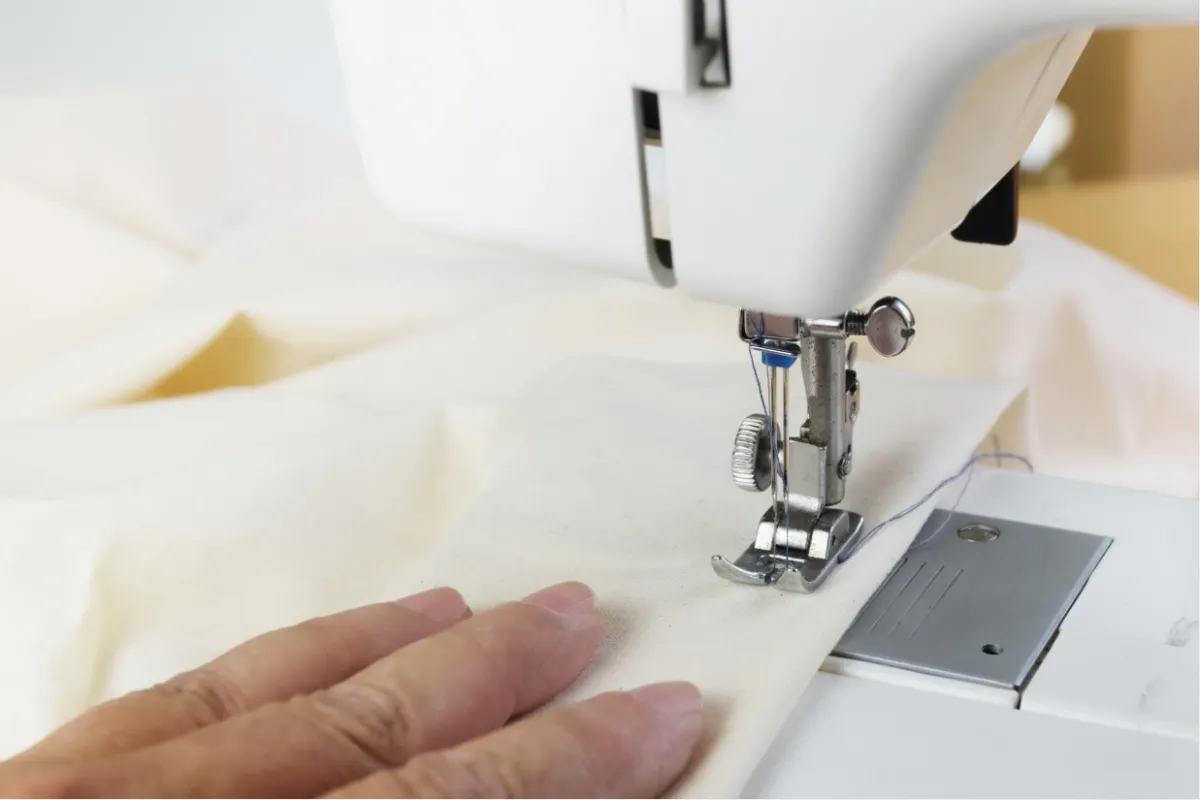

A sewing machine can last for years, but even a reliable machine can suddenly start acting up. Maybe the thread keeps breaking, the stitches look uneven, the fabric bunches up underneath, or the machine starts making strange noises. When that happens, you might assume something is seriously wrong and that you'll need to pay for repairs.
But that's not always the case. Many common sewing machine problems have simple causes, such as a needle that's been installed incorrectly, improper threading, incorrect thread tension, or lint and tangled thread stuck around the bobbin area. Knowing what to check can help you troubleshoot the problem before calling a repair technician.
In this guide, we'll walk you through 12 common sewing machine problems, explain what might be causing them, and show you how to fix some of them at home. We'll also cover when it's safe to troubleshoot the machine yourself and when it's better to leave the repairs to a professional.
12 Common Sewing Machine Problems and How to Fix Them
1. Why Does Sewing Machine Thread Keep Breaking?
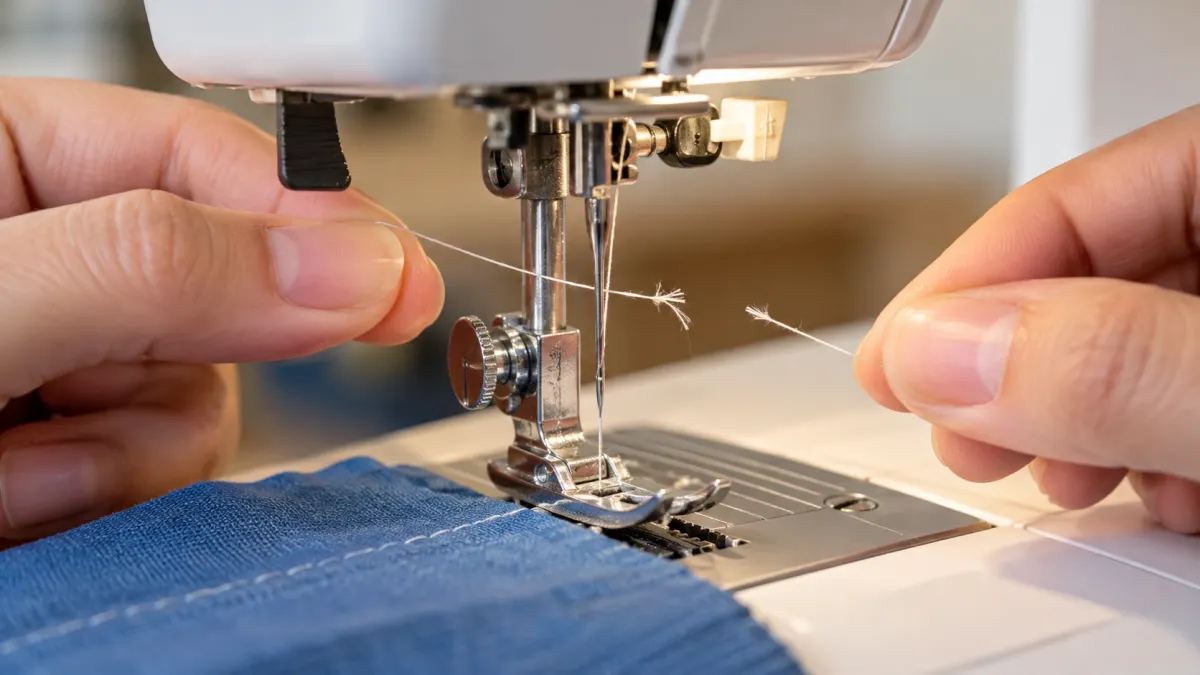
Thread that keeps snapping can quickly turn a simple sewing project into a frustrating experience. Sometimes the thread breaks after just a few stitches. Other times, it snaps as soon as you start sewing.
Common causes include:
- Thread tension that's too tight
- Incorrect threading
- Old, weak, or tangled thread
- A dull, bent, or damaged needle
- A mismatch between the thread, needle, and fabric
- Rough spots or damage along the thread path
How to fix it:
Turn off the machine and remove the upper thread. Raise the presser foot and rethread the machine according to the manufacturer's instructions. Check the needle and replace it if it's bent, dull, or damaged.
If the thread still breaks, adjust the upper thread tension according to your machine's manual.
If the thread keeps snapping at the same spot, there may be a rough edge or damaged part somewhere along the thread path or around the needle plate. In that case, a professional inspection may be necessary.
2. Why Does Thread Bunch Up Under the Fabric?
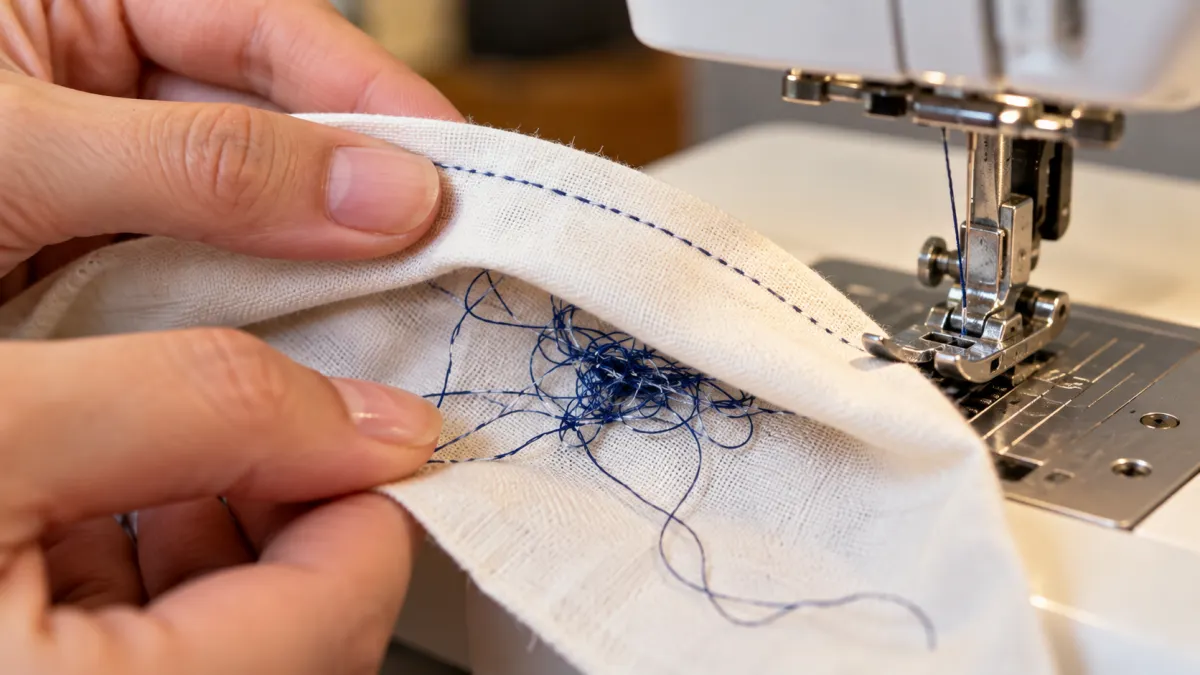
If you finish a few stitches and find a tangled mess of thread underneath the fabric, your first thought might be that the bobbin is broken. However, the problem often starts with the upper thread.
Possible causes include:
- Incorrectly threading the machine
- Threading the machine with the presser foot down
- The thread not sitting properly in the tension mechanism
- An incorrectly inserted bobbin
- Loose thread caught around the bobbin case
How to fix it:
- Turn off the machine and carefully remove the fabric without pulling too hard.
- Gently remove any tangled thread.
- Check the bobbin area and clear away loose threads and lint.
- Rethread the upper thread from scratch, following your machine's manual. On many models, raising the presser foot helps the thread sit correctly in the tension discs.
- Test the machine on a scrap piece of fabric before starting your project again.
If the problem continues, check the thread tension, bobbin placement, and condition of the bobbin area.
3. Why Does My Sewing Machine Skip Stitches?
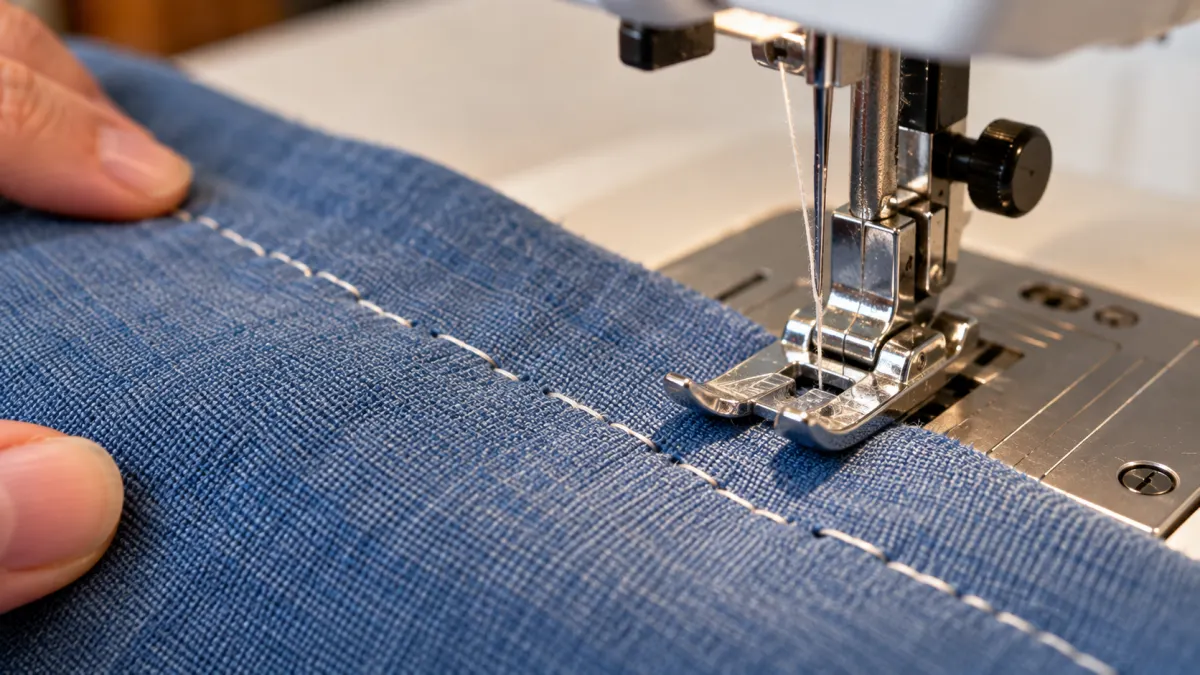
Skipped stitches happen when the machine fails to form a stitch in certain spots. This can leave seams looking uneven and make them less secure.
Common causes include:
- A bent or dull needle
- A needle that's installed incorrectly
- The wrong needle for the fabric
- Incorrect threading
- A mismatch between the needle, thread, and fabric
- A problem with the machine's hook timing or needle mechanism
How to fix it:
Start by replacing the needle with a new one that's suitable for your fabric. Make sure it's fully inserted and facing the correct direction according to your machine's manual. Then check the upper threading and bobbin.
If stitches are still being skipped, the hook timing or needle mechanism may need professional adjustment.
4. Why Are My Sewing Machine Stitches Loose or Uneven?
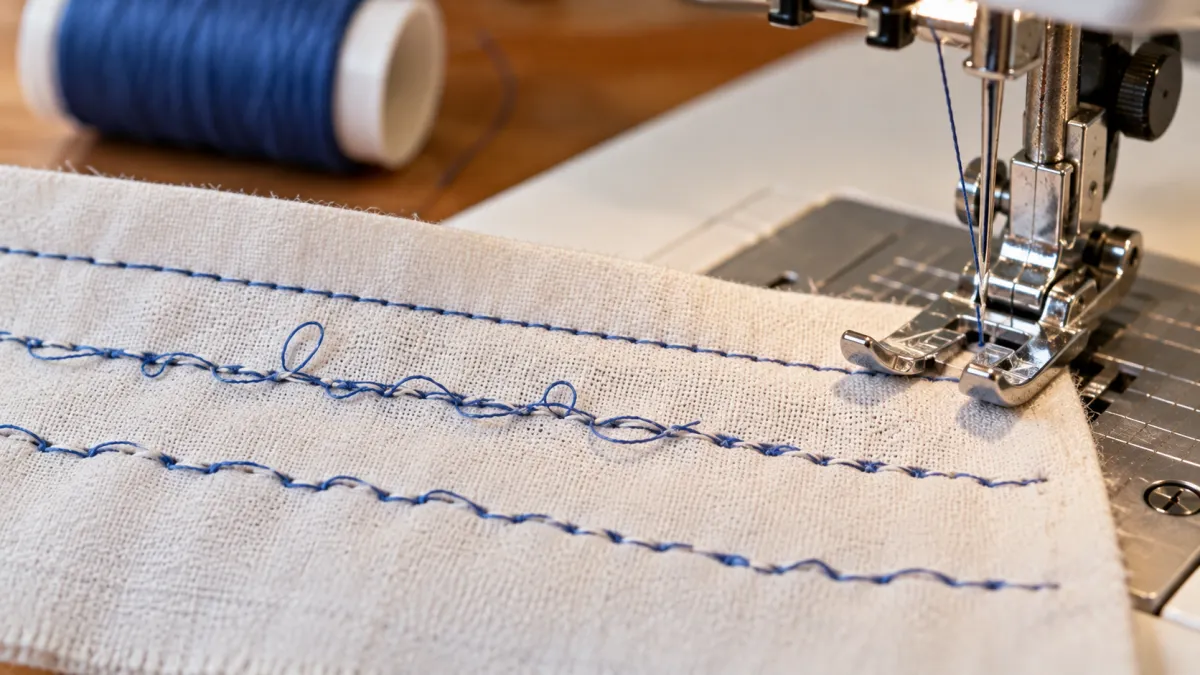
Loose stitches, thread loops, and inconsistent stitch lengths can make even a carefully sewn project look messy. The good news is that these problems are often related to threading or settings rather than a major mechanical failure.
Possible causes include:
- Incorrect upper thread tension
- Improper bobbin placement
- Using the wrong type of thread
- Lint or debris in the bobbin area
- Incorrect stitch-length or presser-foot settings
- A damaged needle
How to fix it:
First, check the upper thread and bobbin. Rethread the machine if necessary, then sew a few test stitches on a scrap piece of fabric similar to the one you're using.
Adjust the thread tension gradually, following the instructions in your manual.
Avoid turning the tension dial too far without testing. Making large adjustments can make the problem harder to diagnose.
5. Why Does My Sewing Machine Needle Keep Breaking?
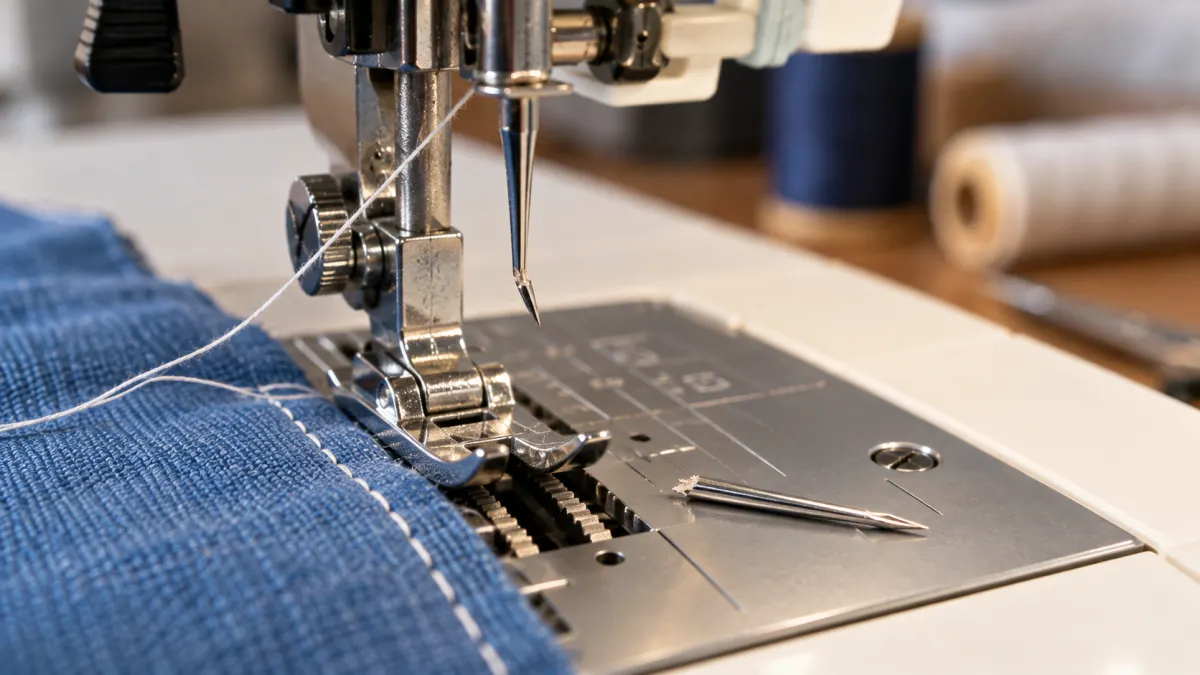
A broken needle can interrupt your work and may damage the fabric or nearby machine parts.
Common reasons include:
- A loose or incorrectly installed needle
- A needle that's too large or too small for the fabric
- Pulling or pushing the fabric while sewing
- The needle hitting the presser foot or needle plate
- An incorrectly installed or incompatible presser foot
- A bent needle or damaged machine parts
How to prevent it:
Check the needle and presser foot before you begin sewing. Make sure they're compatible and that the needle is installed correctly.
Let the feed dogs move the fabric naturally instead of pulling or pushing it through the machine. For thick materials, choose a needle designed for the fabric's weight and type.
If the needle keeps breaking even after you've replaced and correctly installed it, stop using the machine until the cause has been identified.
6. Why Does My Sewing Machine Jam and Stop Moving?
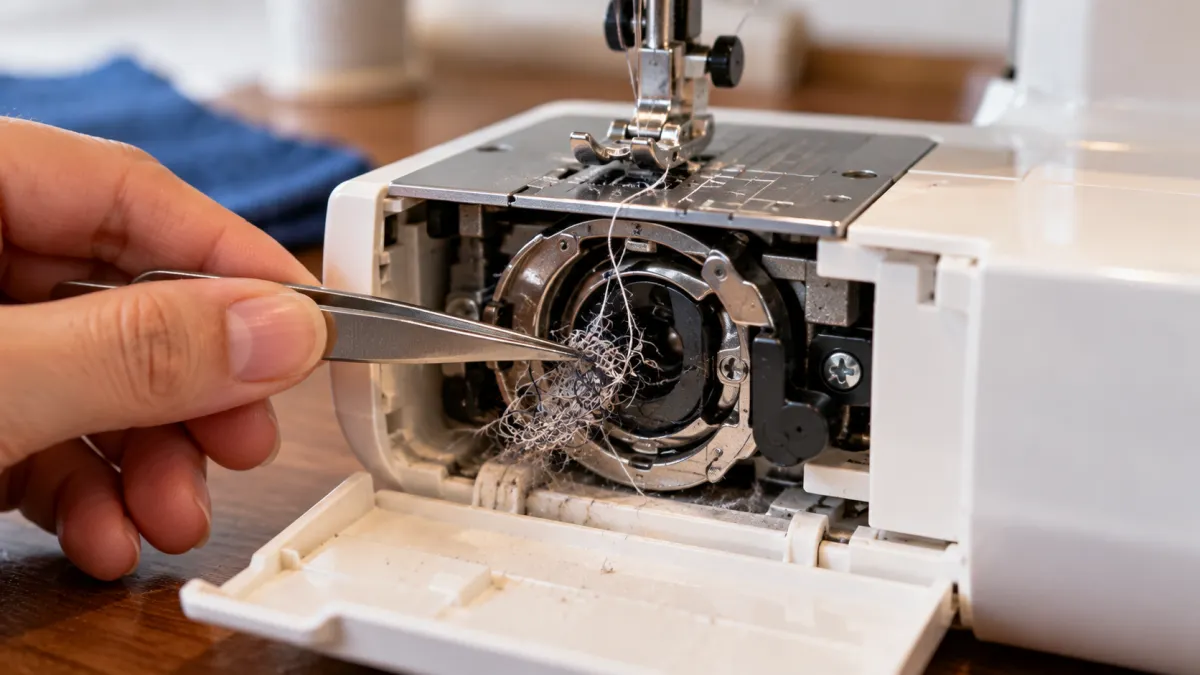
Sometimes a sewing machine suddenly stops in the middle of a project. The motor may seem to run without moving the needle, or the handwheel may become difficult to turn.
Possible causes include tangled thread around the bobbin, the bobbin-winding mode still being engaged, or a mechanical problem.
Here's what to check:
- Turn off the machine.
- Remove the fabric without forcing it out.
- Open the bobbin area according to the manufacturer's instructions.
- Carefully remove tangled thread around the bobbin and hook area.
- Make sure the bobbin-winding mechanism isn't still engaged.
- If your manual allows it, gently turn the handwheel in the recommended direction.
If the handwheel still won't turn or feels unusually stiff, don't force it. The machine may have a mechanical jam or a problem that requires professional repair.
Keep in mind that a jam shouldn't automatically be blamed on a lack of oil. Not every sewing machine needs manual lubrication.
7. Why Is My Sewing Machine Making Strange Noises?
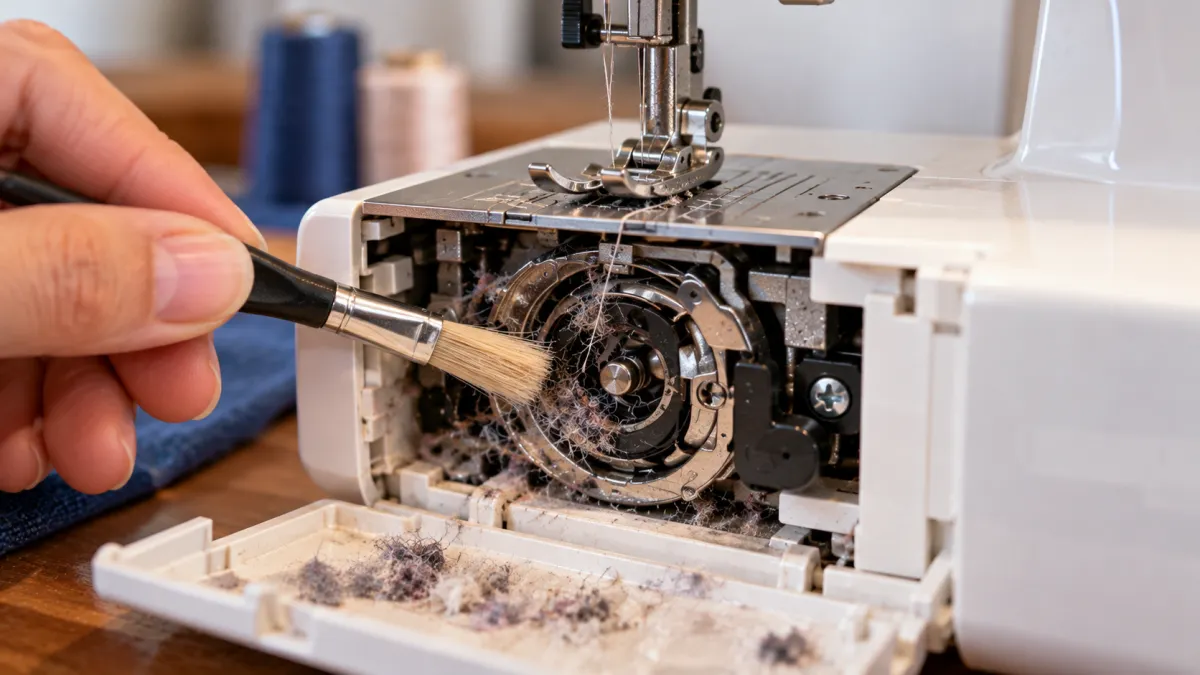
A new clicking, knocking, or grinding sound can be a warning sign that something needs attention. Lint buildup, tangled thread, loose parts, or a mechanical issue could be responsible.
If your machine suddenly sounds different, check for:
- Lint or tangled thread around the bobbin area
- An incorrectly installed needle or presser foot
- Loose parts that can be safely checked by the user
- A need for routine maintenance
- Possible problems with the motor or moving parts
Turn off and unplug the machine before inspecting it. Clean the accessible areas according to the manufacturer's instructions.
If the knocking or grinding continues, stop using the machine and have it inspected by a qualified repair technician.
8. Why Does the Bobbin Thread Keep Breaking or Getting Stuck?
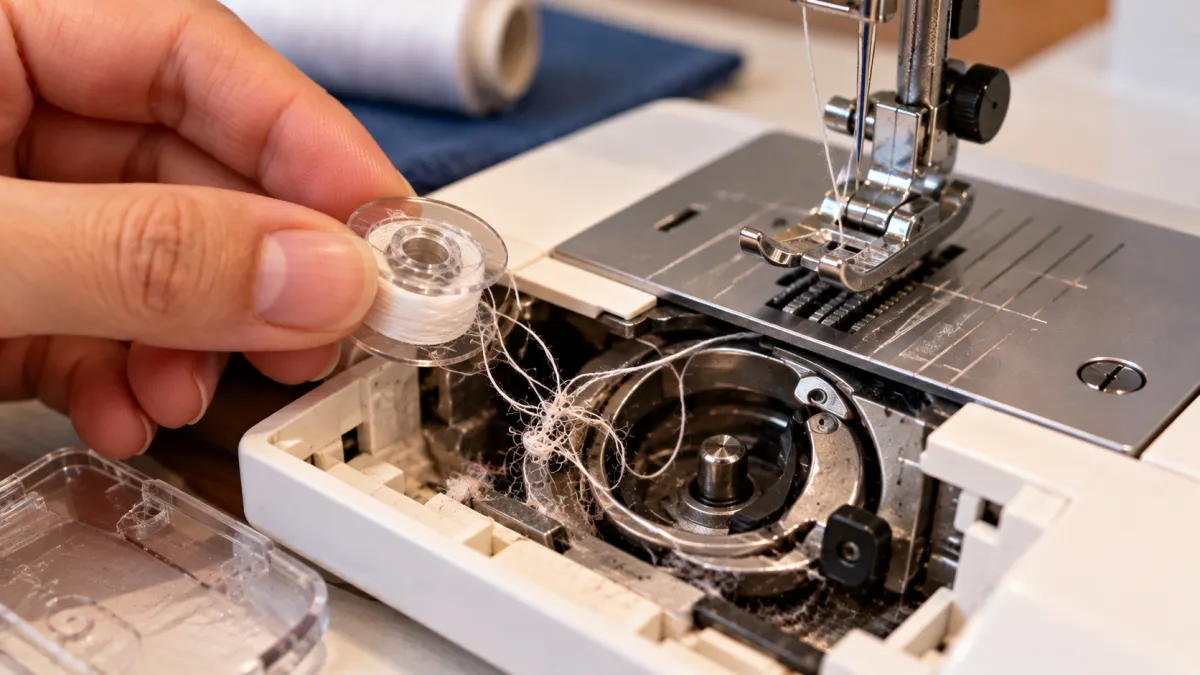
If the lower thread snaps during sewing or the bobbin doesn't rotate smoothly, the bobbin may be wound incorrectly, inserted improperly, or caught on tangled thread.
To troubleshoot the problem, remove the bobbin and check how the thread is wound. It should be evenly distributed, and the bobbin should be the correct type for your machine.
Next, clean the bobbin area and remove any loose thread or lint. Reinsert the bobbin according to the instructions in your manual.
If the problem continues, the bobbin tension or bobbin case may need further inspection.
9. Why Is My Sewing Machine Leaving Holes in the Fabric?
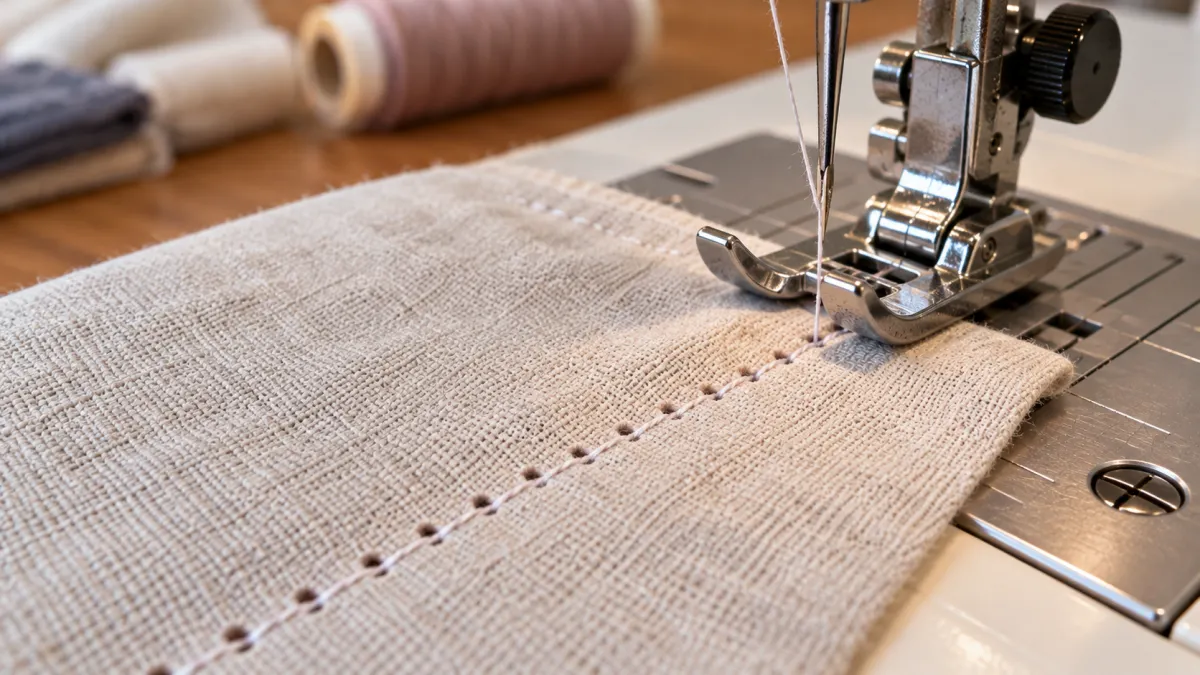
If your stitches leave noticeable holes around the seam, the needle may be too large for the fabric or unsuitable for its texture.
Delicate fabrics, such as chiffon, usually need a finer needle designed for lightweight materials. Heavier fabrics may require a different needle size and type.
A dull or damaged needle can also snag fibers and leave visible marks.
How to fix it:
Choose a needle that matches your fabric and thread. Test it on a scrap piece of the same material before sewing your actual project.
For delicate fabrics, use an appropriate fine needle and the recommended machine settings.
10. Why Isn't My Sewing Machine Feeding the Fabric Properly?
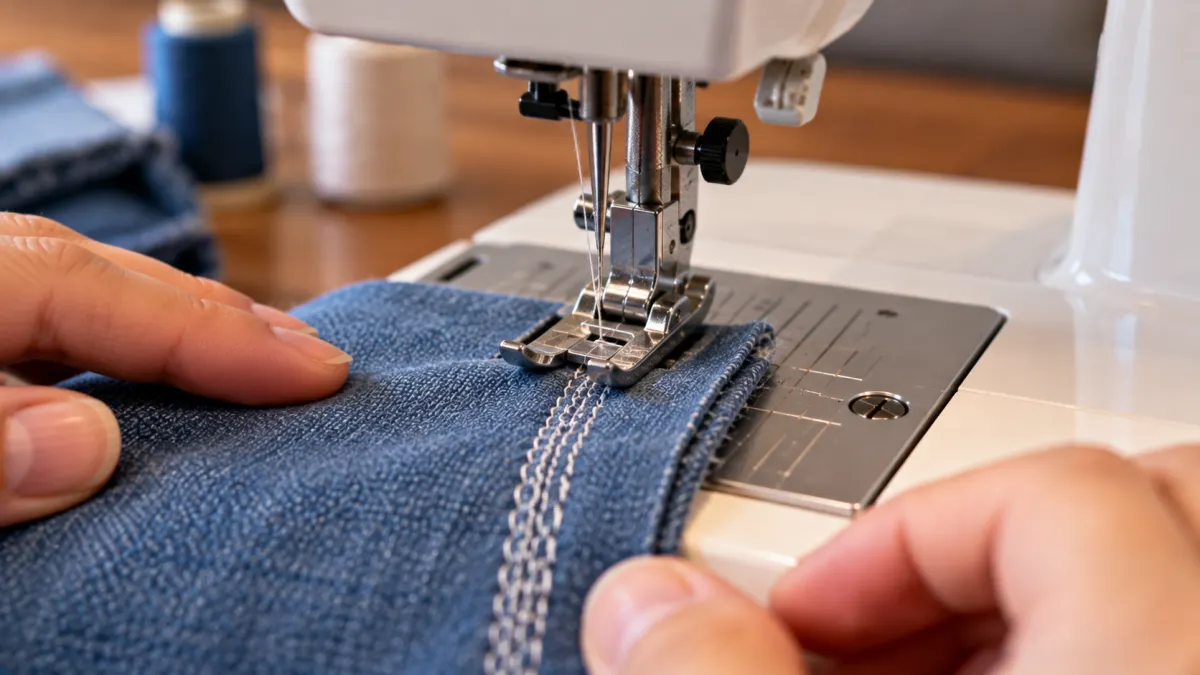
Sometimes the needle moves and stitches form, but the fabric barely moves. You may also notice that the stitches are unusually short or piled close together.
Possible causes include:
- The stitch length is set incorrectly
- The feed dogs are lowered
- The presser-foot pressure is incorrectly adjusted on machines with this feature
- Lint is blocking the feed dogs
- The wrong presser foot or stitch settings are being used
Start by checking the stitch length and the position of the feed dogs. On some machines, the feed dogs are lowered intentionally for free-motion sewing and need to be raised again for regular stitching.
Don't force the fabric through the machine. Doing so can bend or break the needle.
If the feed dogs aren't moving as they should, the machine may need professional servicing.
11. Why Does My Sewing Machine Start Stitching Properly but Then Go Wrong?
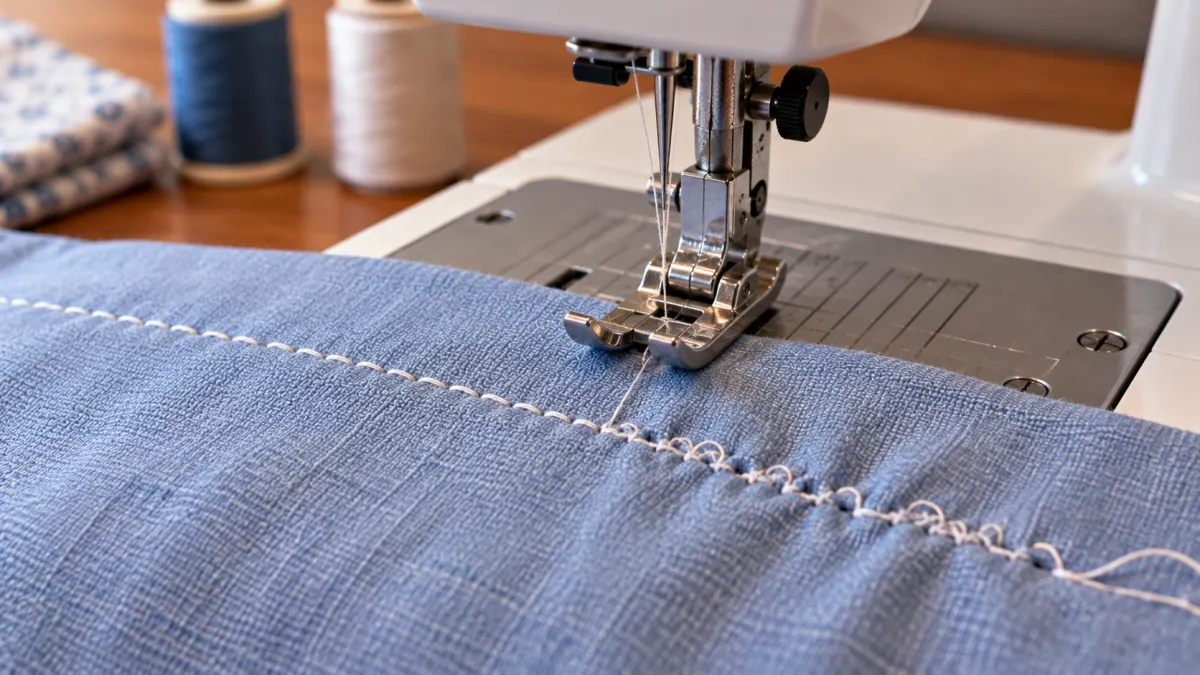
If the first few stitches look fine but the thread starts tangling or the stitches become uneven a little later, the problem may be related to how you start sewing, the thread tension, or the way the fabric is positioned.
Before starting, make sure the upper thread and bobbin are correctly installed. Keep the thread tails positioned as recommended in your machine's manual. On some models, gently holding the thread tails for the first few stitches can help prevent tangling.
Avoid pulling the fabric while sewing, and make sure the upper thread and bobbin are properly threaded.
If the problem continues after the first few stitches, inspect the bobbin area and needle placement.
12. When Should You Oil Your Sewing Machine?
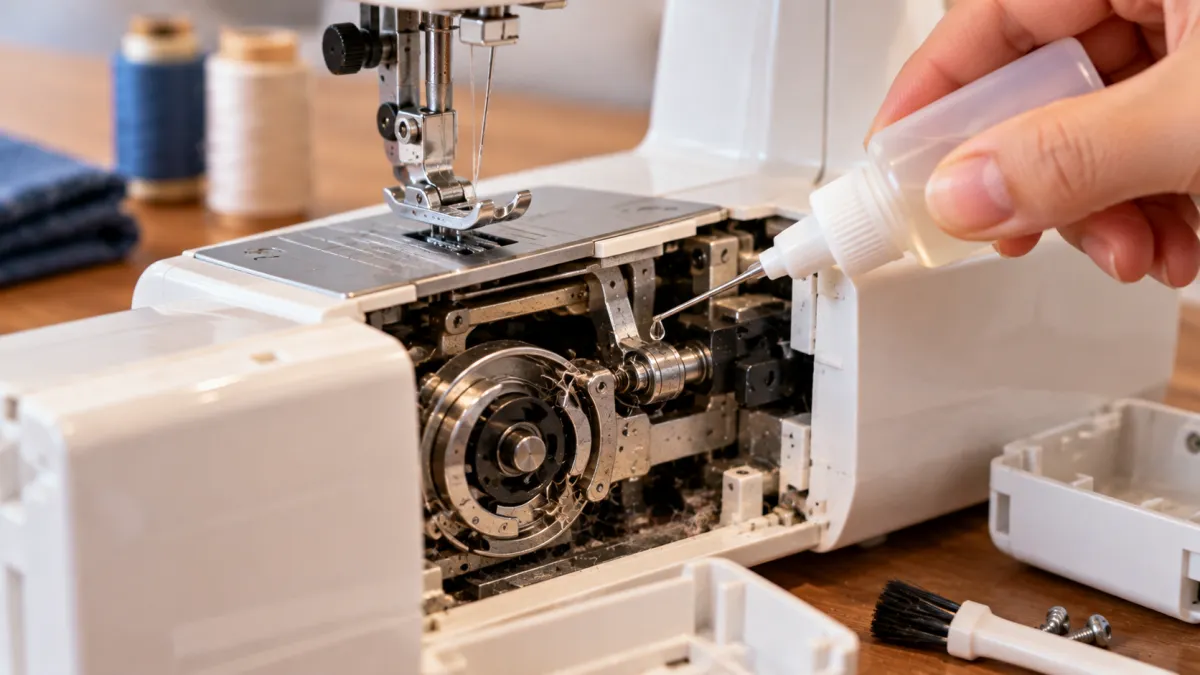
Proper lubrication can help reduce friction and keep certain sewing machines running smoothly. However, not every machine needs the same type of maintenance.
Some household sewing machines, including many computerized models, have enclosed components or are designed to require little or no user-applied oil. Adding oil in the wrong place can damage the machine or leave stains on your fabric.
To maintain your machine properly:
- Check the manual to see whether your model requires oiling.
- Use sewing machine oil only, and apply it only to the recommended points.
- Never use cooking oil, motor oil, or an unidentified lubricant.
- After approved lubrication, sew on a scrap piece of fabric to check for excess oil.
- Don't assume that adding oil will fix unusual noises or mechanical problems.
If you're unsure how to lubricate your machine, consult the manual or ask a qualified technician before doing anything.
How to Clean and Maintain Your Sewing Machine at Home
Regular maintenance can prevent many common sewing problems. Over time, lint and tiny thread fragments can build up around the bobbin case and feed dogs, affecting stitch quality and the machine's performance.
To help your sewing machine last longer, make these habits part of your routine.
1. Clean the machine after use. Turn it off and unplug it before removing lint from accessible areas with a soft brush. Follow the manufacturer's instructions for cleaning internal components.
2. Replace the needle when needed. A bent, dull, or damaged needle can cause skipped stitches, fabric damage, and broken needles.
3. Choose the right thread. Thread quality, thickness, and compatibility with your needle and fabric all affect the final result.
4. Set up your sewing area properly. Use a sturdy, stable table and make sure you have enough light to see the needle and stitching clearly.
5. Don't pull the fabric. Let the feed dogs move it through the machine naturally. Pulling the fabric can put unnecessary pressure on the needle and other components.
6. Follow the recommended maintenance schedule. If you sew frequently, routine servicing becomes even more important. The right maintenance schedule depends on your machine model and how often you use it.
Should You Choose a Home Sewing Machine or an Industrial Model?
A home sewing machine is a good choice for everyday repairs, hemming clothes, making curtains, and working on DIY sewing projects. Many household models offer several stitch options, making them versatile enough for a range of light sewing tasks.
Industrial sewing machines, on the other hand, are generally designed for specialized work, higher speeds, and frequent use in professional settings. Many industrial models focus on a specific task, such as straight stitching or zigzag stitching, although multi-purpose industrial machines are also available.
The right choice depends on the amount of sewing you do, the fabrics you work with, the speed you need, and your budget. If you're mainly repairing clothes or handling occasional sewing projects at home, a suitable household machine will usually be enough.
When Should You Call a Sewing Machine Repair Technician?
Not every sewing machine problem can be fixed by cleaning the machine or rethreading it. If the handwheel is stuck, the needle keeps breaking, the machine makes loud and unusual noises, or you notice a burning smell, stop using it.
You should also unplug the machine if you notice sparks, damaged electrical wiring, or problems with the motor. Don't attempt to open or repair electrical components yourself.
Issues involving hook timing, motor repairs, internal mechanical faults, or complex adjustments may require specialized tools and experience.
Getting professional help early can prevent a minor issue from turning into a more expensive repair.