

Why Are Giant Pandas So Bad at Being Bears?
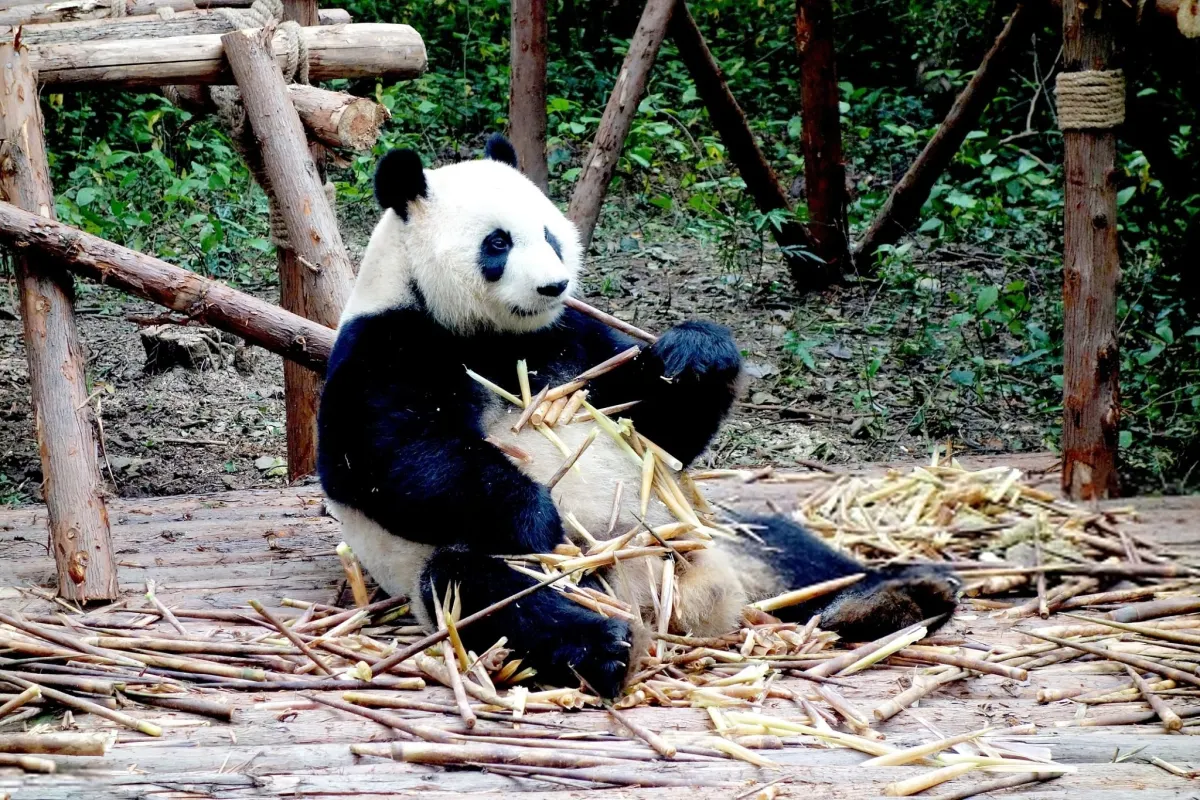
Few animals are as recognizable—or as misunderstood—as the giant panda.With its black-and-white fur, playful personality, and seemingly endless appetite for bamboo, the giant panda has become a global symbol of wildlife conservation. Millions of people see pandas as gentle, adorable creatures that simply enjoy relaxing and eating all day.
But beneath that charming appearance lies one of evolution's strangest stories.Unlike almost every other bear on Earth, giant pandas survive on a diet that provides surprisingly little energy. They spend up to 14 hours every day eating food that their digestive system was never truly designed to process. They reproduce slowly, live solitary lives, and depend heavily on human conservation efforts to maintain healthy populations.
Read More


To many evolutionary biologists, giant pandas represent one of nature's most fascinating evolutionary puzzles—not because evolution "failed," but because it produced an animal that survives through a series of extraordinary compromises.So how did one of the world's most powerful mammals become so dependent on bamboo?The answer stretches back millions of years.
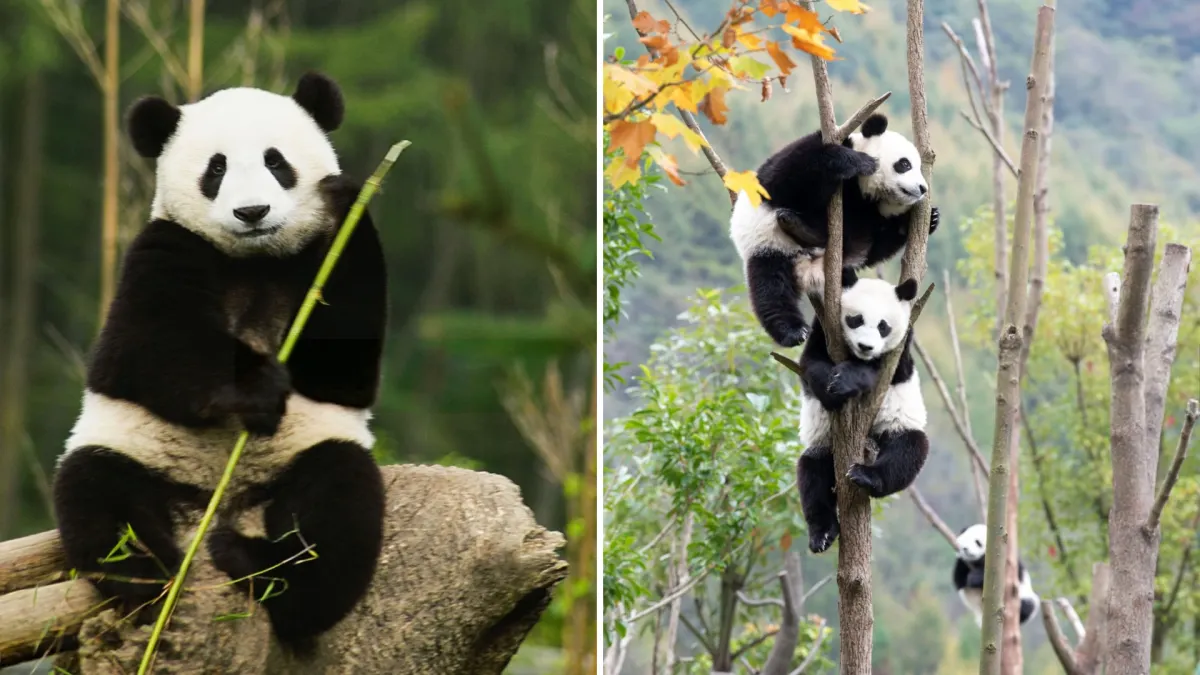
Quick Facts About Giant Pandas
| Fact | Information |
|---|---|
| Scientific Name | Ailuropoda melanoleuca |
| Family | Bear (Ursidae) |
| Native Habitat | Mountain forests of central China |
| Diet | More than 99% bamboo |
| Average Weight | 70–125 kg (154–276 lbs) |
| Daily Bamboo Consumption | 12–38 kg |
| Time Spent Eating | Up to 14 hours per day |
| Conservation Status | Vulnerable (IUCN) |
| Wild Population | Around 1,900 individuals |
| Lifespan | 20 years in the wild, over 30 years in captivity |
Why Pandas Are Unlike Any Other Bear
At first glance, giant pandas appear to be ordinary bears with unusual coloring.However, nearly every aspect of their biology tells a different story.Their closest relatives include brown bears, black bears, and polar bears—animals that evolved into highly adaptable omnivores or efficient carnivores capable of eating almost anything available in their environment.
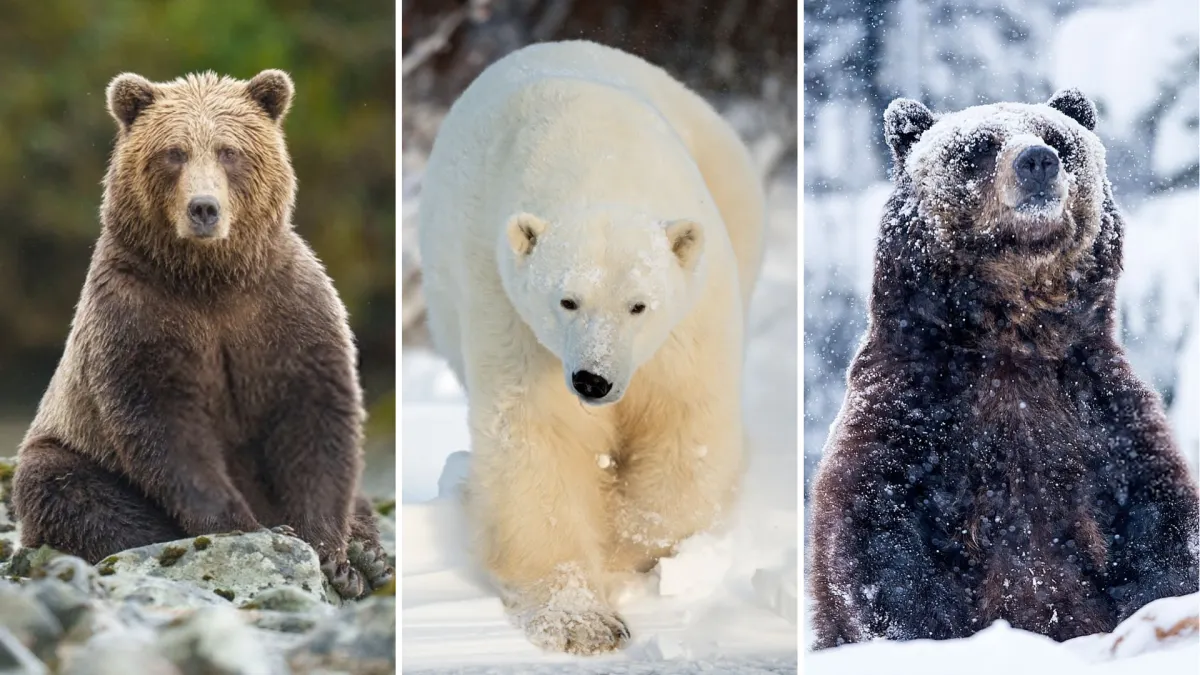
Brown bears consume fish, berries, roots, insects, small mammals, and even carrion.Polar bears specialize almost entirely in hunting seals.American black bears change their diet with the seasons, feeding on fruits, nuts, insects, honey, and occasionally meat.
The giant panda stands alone.Instead of taking advantage of a flexible diet like its relatives, it relies almost exclusively on bamboo, a food source that most mammals would avoid because of its low nutritional value and natural chemical defenses.
This dramatic dietary shift has shaped almost every part of the panda's anatomy, behavior, and daily routine.Ironically, despite living like an herbivore, the giant panda still possesses many characteristics of its carnivorous ancestors.
A Carnivore Trapped Inside a Herbivore's Lifestyle
One of the greatest mysteries surrounding giant pandas is that their digestive system never fully adapted to their unusual diet.Scientists have discovered that pandas still possess the short, relatively simple digestive tract typical of carnivorous bears.
Unlike cows, deer, or other herbivores, pandas lack the specialized stomach chambers and microbial fermentation systems needed to efficiently break down tough plant fibers.As a result, they absorb only a small fraction of the nutrients contained in bamboo.
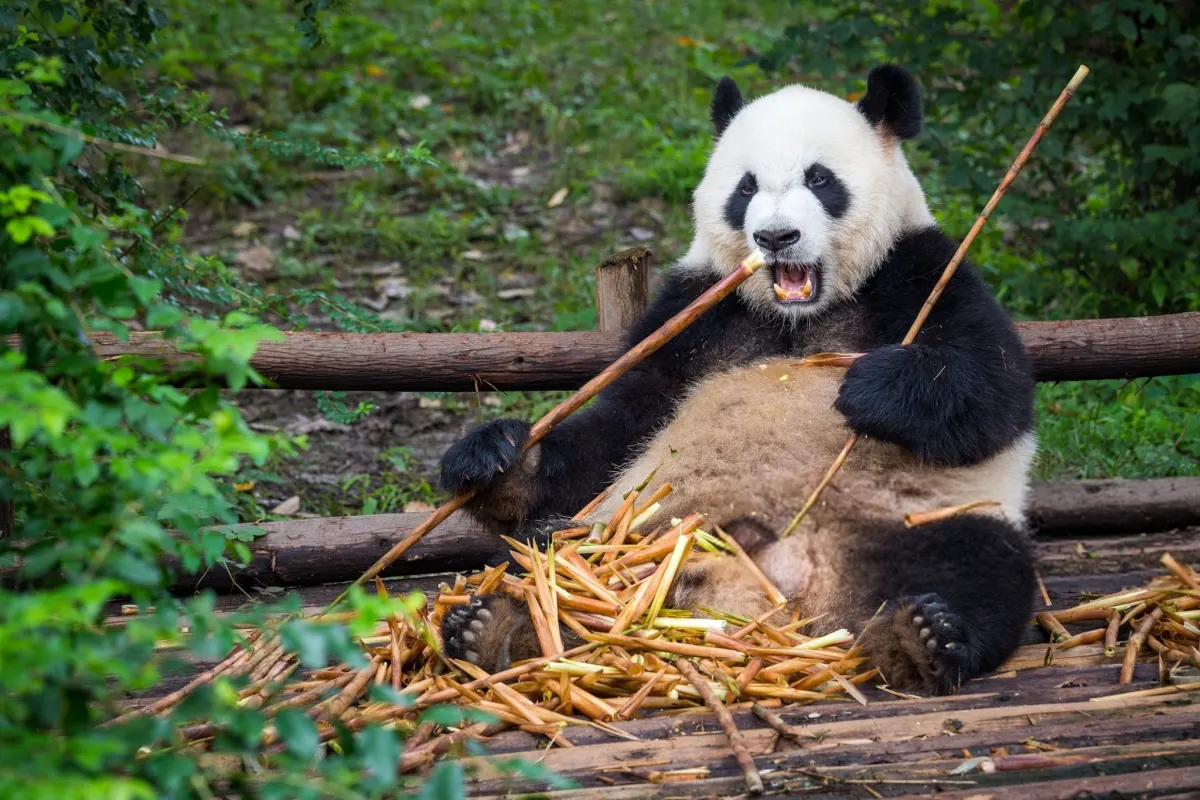
Researchers estimate that giant pandas digest less than one-fifth of the energy available in the bamboo they consume.Imagine trying to power a large SUV with the fuel tank of a motorcycle.That is essentially how a panda survives.
To compensate for this inefficient digestion, pandas simply eat enormous quantities of bamboo every day.An adult giant panda may consume more than 30 kilograms (66 pounds) of bamboo daily, spending over half of every 24-hour period feeding.
Instead of evolving a more efficient digestive system, pandas solved the problem through quantity rather than efficiency.It is an unusual evolutionary strategy—but one that has worked for millions of years.
Why Did Pandas Stop Eating Meat?
Considering their digestive anatomy, one obvious question remains:Why don't giant pandas simply eat meat again?
The answer appears to involve both genetics and environmental history.Millions of years ago, the ancestors of modern pandas lived in the dense bamboo forests of what is now central China.These forests contained one of the fastest-growing plants on Earth.
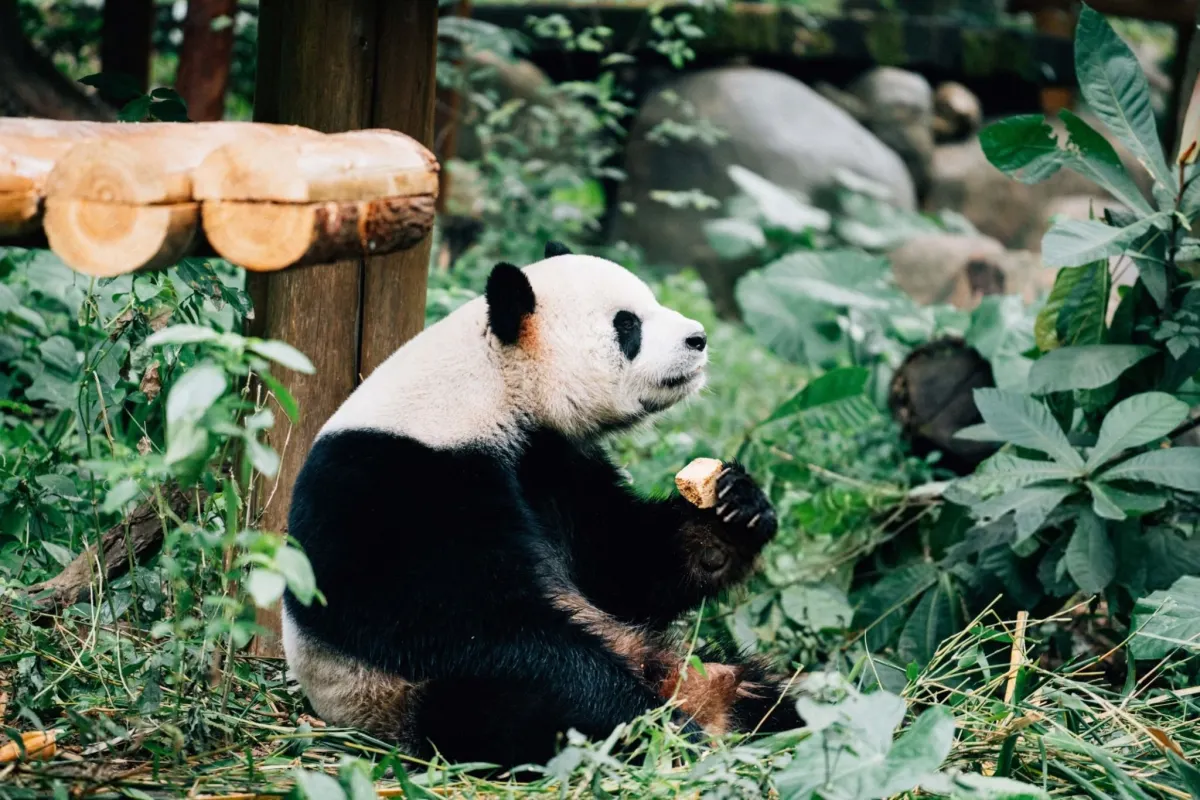
Unlike seasonal fruits or migrating prey animals, bamboo was available almost year-round and regenerated rapidly after being eaten.Over countless generations, pandas gradually shifted toward exploiting this abundant food source.
At the same time, scientists discovered evidence that giant pandas lost normal function in a gene known as TAS1R1, which plays an important role in detecting the savory "umami" taste associated with meat.Although this mutation does not physically prevent pandas from digesting meat, it likely reduced their attraction to it, reinforcing their dependence on bamboo.
This combination of environmental abundance and genetic change pushed pandas down an evolutionary path unlike any other bear species.What began as an advantage eventually became one of the greatest limitations on their survival.
Why Bamboo Is One of the Worst Foods a Large Mammal Can Eat
At first glance, bamboo seems like the perfect food.It grows rapidly, covers vast forests, and is available throughout most of the year. For the giant panda, it appears to be an endless buffet.In reality, bamboo is one of the least energy-rich foods consumed by any large mammal.
Unlike fruits, nuts, seeds, or meat, bamboo contains very little protein or fat. Most of its structure consists of cellulose—a tough plant fiber that is difficult for mammals to digest. Animals such as cows, sheep, and deer can extract nutrients from cellulose because they possess complex stomachs filled with specialized microbes that ferment plant material.
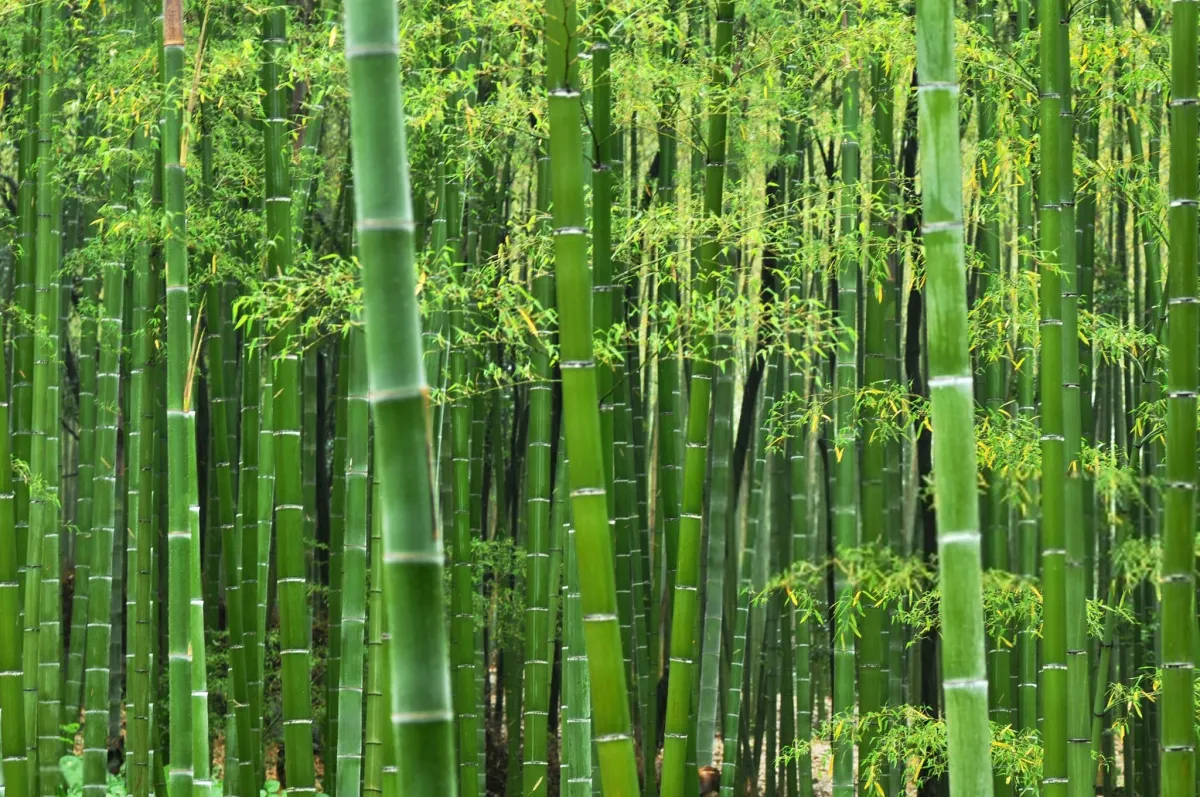
Giant pandas do not.Their digestive system still resembles that of a carnivore, making bamboo remarkably inefficient as a primary food source.As a result, a panda must consume extraordinary amounts of bamboo simply to meet its daily energy needs.Instead of eating one or two satisfying meals, a panda spends most of its waking life searching for, chewing, and digesting bamboo.This unusual lifestyle has shaped nearly every aspect of panda behavior.
Living on an Energy Budget
Because bamboo provides so little usable energy, giant pandas have evolved to conserve energy whenever possible.Unlike brown bears or polar bears, they rarely run long distances, climb unnecessarily, or engage in prolonged physical activity.
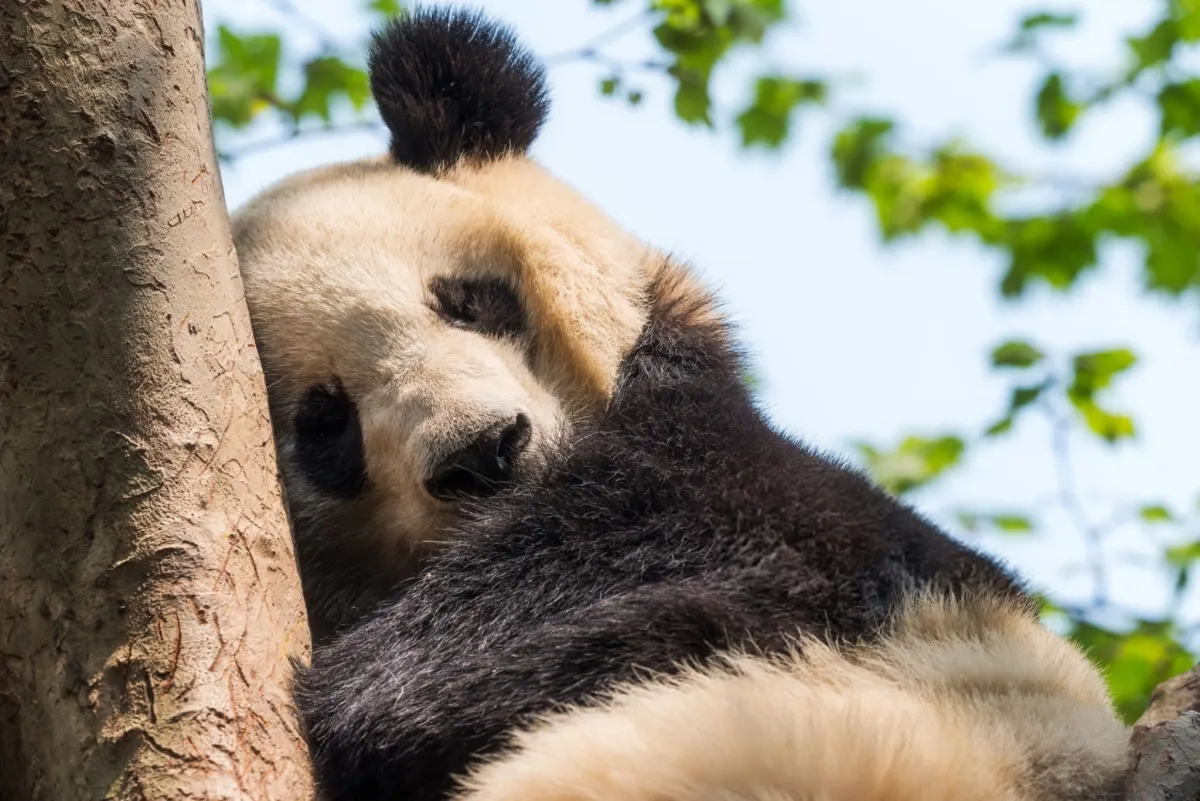
Most wild pandas follow an incredibly predictable daily routine:
- Eat bamboo
- Rest
- Eat again
- Sleep
- Repeat
Researchers tracking wild pandas have found that adults often spend 10 to 14 hours every day feeding, followed by long periods of rest to minimize energy expenditure.This slow-paced lifestyle is not laziness.It is an evolutionary necessity.Every unnecessary movement burns calories that are difficult to replace.In other words, pandas survive by carefully balancing the tiny amount of energy they gain from bamboo against the energy they lose through daily activity.
The Hidden Chemical Defense Inside Bamboo
Another surprising challenge is that bamboo is not just low in nutrients—it also contains natural chemical defenses.Many bamboo species produce cyanogenic compounds, substances capable of releasing small amounts of cyanide when plant tissues are damaged.
For most animals, consuming large quantities of these compounds could be dangerous.Fortunately for giant pandas, evolution has provided partial protection.Their liver and digestive system can detoxify moderate amounts of these chemicals far more efficiently than humans can.
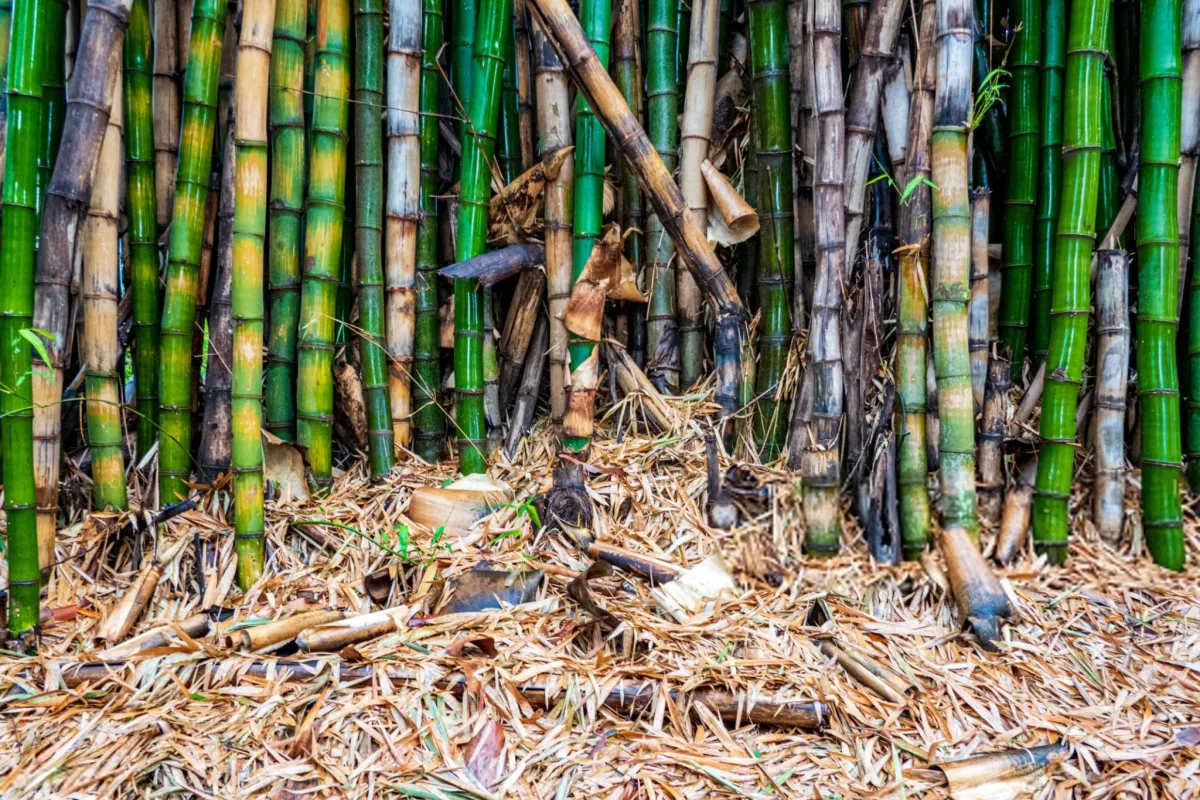
Even so, processing these compounds requires additional metabolic effort, making bamboo an even less rewarding food source.This illustrates an important principle of evolution:Nature rarely creates perfect solutions.
Instead, organisms often survive through a series of compromises.The panda's relationship with bamboo is one of the most remarkable examples of this principle.
The Extraordinary "False Thumb"
If pandas are so poorly adapted to eating bamboo, why are they so good at holding it?The answer lies in one of evolution's most famous anatomical innovations.Unlike humans and other primates, giant pandas do not possess a true opposable thumb.
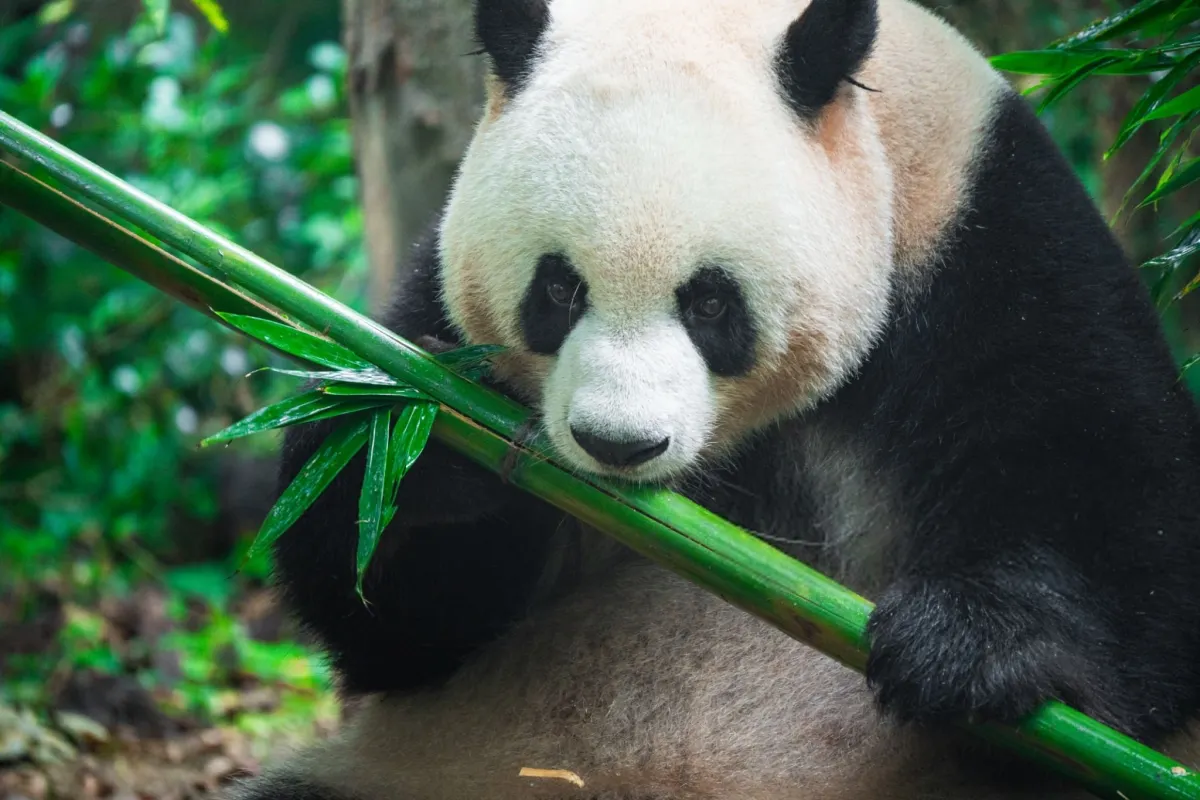
Instead, they evolved an enlarged wrist bone called the radial sesamoid.Over millions of years, this bone gradually became larger and more flexible, functioning like an extra finger.Scientists often refer to it as the panda's false thumb.
This unique adaptation allows pandas to grip bamboo stalks with surprising precision while stripping away leaves and rotating stems as they eat.It is one of the clearest examples of evolution modifying an existing structure instead of creating an entirely new one.Rather than evolving a human-like hand, the panda transformed one of its wrist bones into a tool perfectly suited for its specialized diet.Few evolutionary adaptations demonstrate nature's creativity so clearly.
Why Giant Pandas Never Hibernate
Most bears prepare for winter by eating enormous quantities of calorie-rich food.As body fat increases, they enter hibernation, dramatically slowing their metabolism until spring arrives.
Giant pandas cannot do this.Because bamboo contains so little fat and protein, pandas rarely accumulate the massive energy reserves needed for months of hibernation.Instead of sleeping through winter, they continue searching for bamboo year-round.
Wild pandas even migrate seasonally within mountain ranges, following different bamboo species as they grow at various elevations.Rather than storing energy for winter, pandas simply follow their food.
This constant dependence on fresh bamboo makes them especially vulnerable to habitat loss, climate change, and large-scale flowering events in bamboo forests.If enough bamboo disappears at once, pandas have few alternatives.Unlike other bears, they cannot easily switch to a different diet.
Evolution Isn't About Perfection
People often ask:"Did evolution fail the giant panda?"The answer is no.
Evolution does not create perfect animals.It creates animals that survive well enough to reproduce.For millions of years, giant pandas succeeded in forests where bamboo was abundant and competition for food was relatively low.Their unusual lifestyle worked because the environment supported it.
Problems arose only when forests became fragmented by human development, agriculture, and infrastructure.Today, isolated panda populations have fewer opportunities to find mates, maintain genetic diversity, and expand into new habitats.
In other words, many of the panda's modern challenges result from the combination of an extremely specialized evolutionary strategy and rapidly changing ecosystems.Specialization can be a tremendous advantage—until the environment changes.For giant pandas, that change has come faster than evolution can respond.
Why Giant Pandas Reproduce So Slowly
Even if giant pandas had unlimited bamboo and perfectly protected forests, their population would still grow slowly.One of the biggest challenges facing the species is reproduction.
Female giant pandas are fertile for only 24 to 72 hours each year. During this incredibly short breeding window, a male must locate a receptive female, compete with rivals if necessary, and successfully mate.In fragmented mountain forests where pandas are scattered across large territories, finding a partner in time can be remarkably difficult.
Unlike wolves, elephants, or primates that live in social groups, giant pandas spend most of their lives alone.This solitary lifestyle reduces competition for food but also makes reproduction one of the greatest obstacles to the species' long-term survival.
Conservation biologists often monitor wild pandas using camera traps, GPS collars, and genetic analysis to better understand how individuals locate mates in increasingly fragmented habitats.
The Remarkable Story of a Panda Cub
A newborn giant panda is almost impossible to recognize as a bear.At birth, a cub is pink, nearly hairless, blind, and weighs only 90 to 130 grams—roughly the size of a stick of butter.Compared with its mother, it is among the smallest newborns of any placental mammal.
A fully grown female panda may weigh over 100 kilograms, making her newborn less than one-thousandth of her body weight.During the first few months of life, the cub depends entirely on its mother's warmth and milk.It cannot crawl effectively, regulate its own body temperature, or survive without constant care.
If twins are born in the wild, the mother usually raises only one.Because bamboo provides so little energy, caring for two cubs at the same time is often impossible.This difficult reproductive strategy naturally limits population growth.
Why Wild Pandas Prefer to Live Alone
Many people imagine pandas as playful animals constantly interacting with one another.In reality, wild giant pandas are among the most solitary bears on Earth.Each adult maintains its own home range and communicates mainly through scent markings, scratches on trees, and vocalizations during the breeding season.
Living alone actually makes sense.Because bamboo contains so little nutrition, supporting multiple large bears in the same area would quickly exhaust local food resources.By spreading out across the forest, pandas reduce competition and ensure each individual has access to enough bamboo to survive.
Outside the breeding season, encounters between adult pandas are relatively uncommon.Their peaceful reputation comes not from being unusually friendly but from simply avoiding one another whenever possible.
How China Helped Save the Giant Panda
By the late twentieth century, giant panda numbers had declined dramatically because of habitat destruction, illegal hunting, and forest fragmentation.Recognizing the urgency of the situation, China launched one of the world's largest wildlife conservation programs.
Over the following decades, the country established dozens of protected nature reserves, restored bamboo forests, restricted logging in key habitats, and invested heavily in scientific research.Captive breeding programs also became far more successful as researchers gained a better understanding of panda behavior, nutrition, and reproduction.
Today, hundreds of pandas live in carefully managed breeding centers where veterinarians and conservationists work to preserve genetic diversity and prepare suitable individuals for release into protected habitats.The giant panda has become more than a national treasure.It is now one of the world's greatest conservation success stories.
Panda Diplomacy: The World's Most Famous Wildlife Ambassador
Few animals have influenced international diplomacy quite like the giant panda.For decades, China has loaned pandas to selected zoos around the world as part of long-term conservation partnerships.
These agreements are often referred to as Panda Diplomacy.Rather than simply displaying pandas as attractions, participating zoos contribute to scientific research, veterinary care, public education, and conservation funding.
Any cubs born during these partnerships typically remain part of China's conservation program, helping preserve the global captive population.The popularity of giant pandas has generated millions of dollars for wildlife conservation while inspiring public interest in protecting endangered species worldwide.Few animals have become such powerful ambassadors for biodiversity.
Are Giant Pandas Still Endangered?
For many years, giant pandas were listed as Endangered because their numbers had fallen to dangerously low levels.However, decades of conservation work have produced encouraging results.
According to the International Union for Conservation of Nature (IUCN), the species is now classified as Vulnerable rather than Endangered.This change reflects increasing wild populations and improving habitat protection—not the end of conservation efforts.
Wild giant pandas still face significant threats, including:
- Habitat fragmentation
- Climate change affecting bamboo forests
- Limited genetic diversity
- Expanding human development
- Infrastructure that separates isolated populations
Although the outlook is more optimistic than it was several decades ago, the future of giant pandas still depends on continued habitat protection and long-term conservation planning.