



FedEx Express remains the world's largest cargo airline in 2025, moving roughly 18 billion Cargo Tonne-Kilometers (CTK), according to IATA's latest World Air Transport Statistics (WATS) report. Qatar Airways Cargo overtook UPS for second place, while the top 25 carriers collectively expanded 9.4% year-over-year — pushing global air cargo volumes past the 2021 pandemic-era peak.
Air cargo is having a defining moment. Fueled by cross-border e-commerce, supply-chain realignment after the Red Sea shipping crisis, and rising demand for time-sensitive shipments, the global air freight industry posted one of its strongest years on record. The world's top 25 cargo airlines moved a combined 9.4% more freight year-over-year — the steepest gain since 2021 — and the rankings themselves shifted in ways no one predicted twelve months ago.
Below is the complete 2025 ranking, profiles of the airlines defining the industry, the trends reshaping the business, and the outlook for 2026.
Key Highlights at a Glance
- FedEx Express holds the #1 position globally with ~18 billion CTK, despite recording the slowest growth in the top 25 (+1.2%)
- Qatar Airways Cargo climbs to #2 with 15.2 billion CTK (+5.6%) — overtaking UPS for the first time
- UPS Airlines posts a robust +6.0% growth to reach 15.1 billion CTK
- British Airways, Etihad Cargo, and China Eastern Airlines are this year's new entrants to the top 25
- Polar Air Cargo, Asiana Cargo, and Avianca dropped off the list following closures and acquisitions
- Total top-25 CTK exceeded the 2021 record by 0.5% — a historic milestone
The Full Top 25 Cargo Airlines Ranking (2025)
| Rank | Airline | CTK (billions) | YoY Growth | Headquarters | Main Hub | Carrier Type |
|---|---|---|---|---|---|---|
| 1 | FedEx Express | 18.0 | +1.2% | Memphis, USA | MEM | Integrator |
| 2 | Qatar Airways Cargo | 15.2 | +5.6% | Doha, Qatar | DOH | Combination |
| 3 | UPS Airlines | 15.1 | +6.0% | Louisville, USA | SDF | Integrator |
| 4 | Emirates SkyCargo | ~12.5 | +6% | Dubai, UAE | DXB | Combination |
| 5 | Atlas Air | ~11.5 | +8% | Purchase, USA | JFK / ANC | ACMI / All-Cargo |
| 6 | Turkish Airlines Cargo | ~10.5 | +12% | Istanbul, Türkiye | IST | Combination |
| 7 | Korean Air Cargo | 8.7 | +7% | Seoul, S. Korea | ICN | Combination |
| 8 | China Southern Cargo | ~8.0 | +10% | Guangzhou, China | CAN | Combination |
| 9 | Cathay Cargo | ~7.8 | +11% | Hong Kong | HKG | Combination |
| 10 | Cargolux | ~7.5 | +5% | Luxembourg | LUX | All-Cargo |
| 11 | Lufthansa Cargo | ~7.0 | +6% | Frankfurt, Germany | FRA | Combination |
| 12 | Singapore Airlines Cargo | ~6.8 | +8% | Singapore | SIN | Combination |
| 13 | Air China Cargo | ~6.0 | +9% | Beijing, China | PEK | Combination |
| 14 | China Eastern Airlines | ~5.5 | New entrant | Shanghai, China | PVG | Combination |
| 15 | ANA Cargo | ~5.4 | +8% | Tokyo, Japan | NRT | Combination |
| 16 | China Airlines Cargo | 4.35 | +5% | Taipei, Taiwan | TPE | Combination |
| 17 | British Airways | ~4.3 | New entrant | London, UK | LHR | Combination |
| 18 | Etihad Cargo | ~4.2 | New entrant | Abu Dhabi, UAE | AUH | Combination |
| 19 | EVA Air Cargo | ~4.1 | +6% | Taipei, Taiwan | TPE | Combination |
| 20 | Air France Cargo | ~3.9 | +4% | Paris, France | CDG | Combination |
| 21 | KLM Cargo | ~3.8 | +4% | Amsterdam, NL | AMS | Combination |
| 22 | LATAM Cargo | ~3.7 | +9% | Santiago, Chile | SCL | Combination |
| 23 | Saudia Cargo | ~3.6 | +7% | Jeddah, KSA | JED | Combination |
| 24 | Ethiopian Cargo | ~3.5 | +10% | Addis Ababa, Ethiopia | ADD | Combination |
| 25 | United Airlines Cargo | ~3.4 | +5% | Chicago, USA | ORD | Combination |
Data source: IATA World Air Transport Statistics (WATS) report. Figures marked with "~" reflect approximations based on industry reports and IATA aggregates. CTK = Cargo Tonne-Kilometers, the industry-standard metric measuring one metric tonne of cargo carried one kilometer.
Top 10 Cargo Airlines: In-Depth Profiles
1. FedEx Express — The Undisputed Global Leader
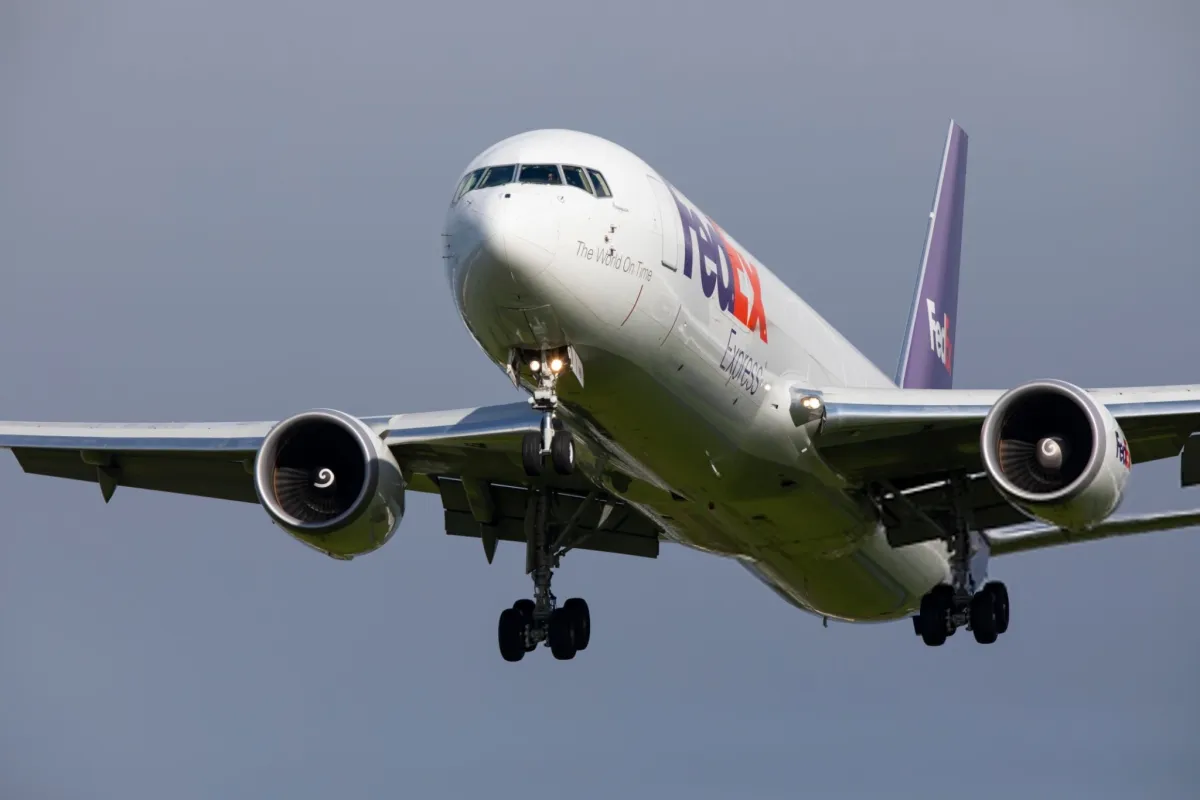
From its Memphis super-hub, FedEx Express continues to set the standard for global air freight. With more than 700 aircraft operating across 220+ countries, the integrator handled approximately 18 billion CTK in the latest reporting cycle. While its 1.2% growth lagged behind every other top-25 carrier, FedEx's sheer scale — and its ability to move a parcel from any major US city to a European doorstep overnight — keeps it firmly in the lead. The carrier's bet on AI-driven sortation and Amazon Air competition will define its trajectory through 2026.
2. Qatar Airways Cargo — The Middle East Powerhouse
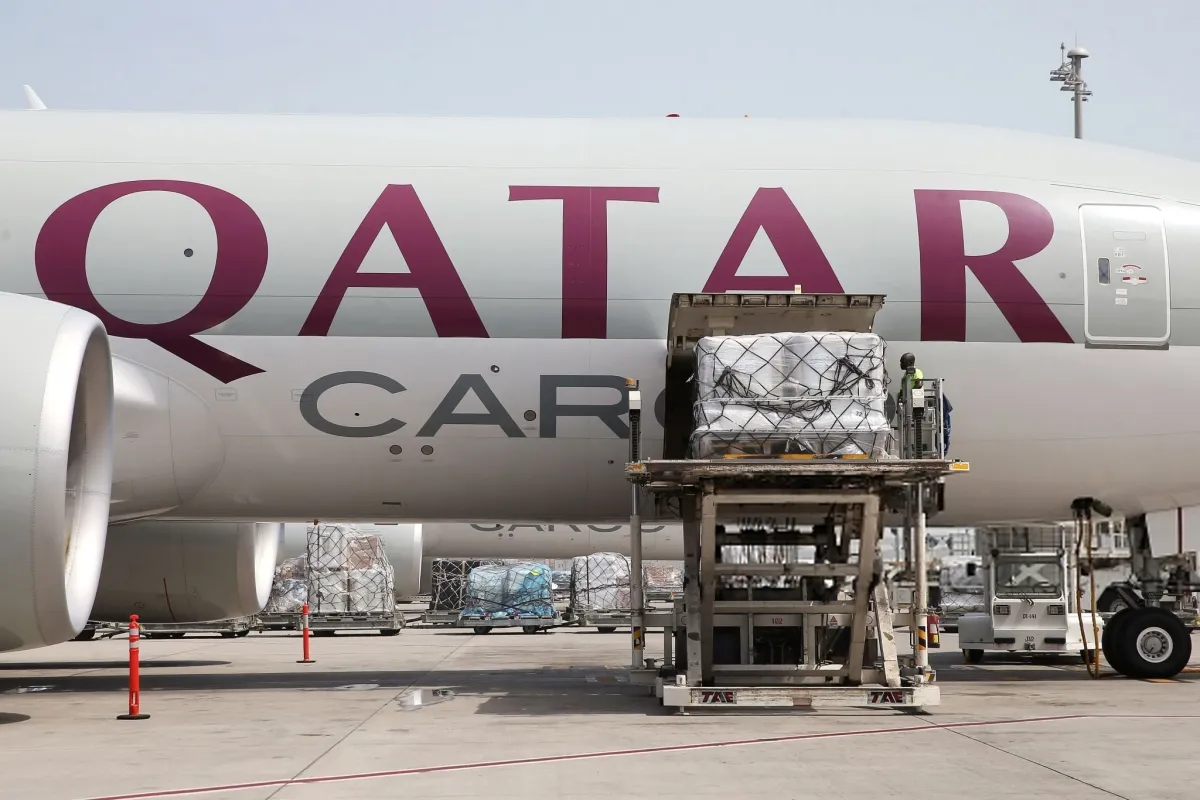
Qatar Airways Cargo's leap to second place is the headline story of this year's rankings. From its Doha hub, the carrier moved 15.2 billion CTK (+5.6%), restoring belly capacity on resumed passenger routes while expanding its dedicated freighter network across Africa and Southeast Asia. The airline's fiscal report confirmed it transported over 1.5 million tonnes of cargo, including a record share of pharmaceuticals, live animals, and high-value e-commerce shipments.
3. UPS Airlines — The Integrator That Keeps Climbing
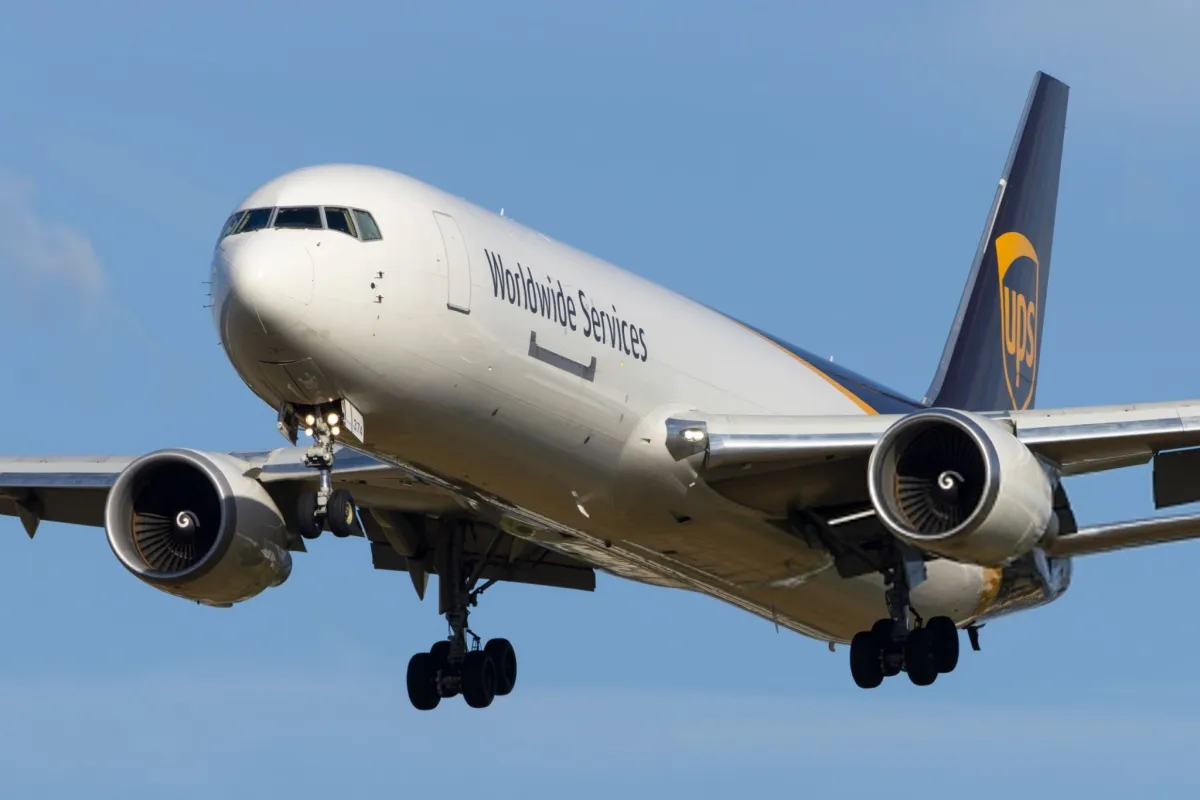
UPS posted one of the strongest growth rates among the legacy giants, expanding 6.0% to 15.1 billion CTK. From its Worldport hub in Louisville, UPS leverages a heavily automated air-to-ground network and continues to invest in alternative-fuel aircraft and route optimization. Its focus on healthcare logistics — including a fast-growing cold-chain network — sets it apart from rivals.
4. Emirates SkyCargo — Dubai's Flying Warehouse
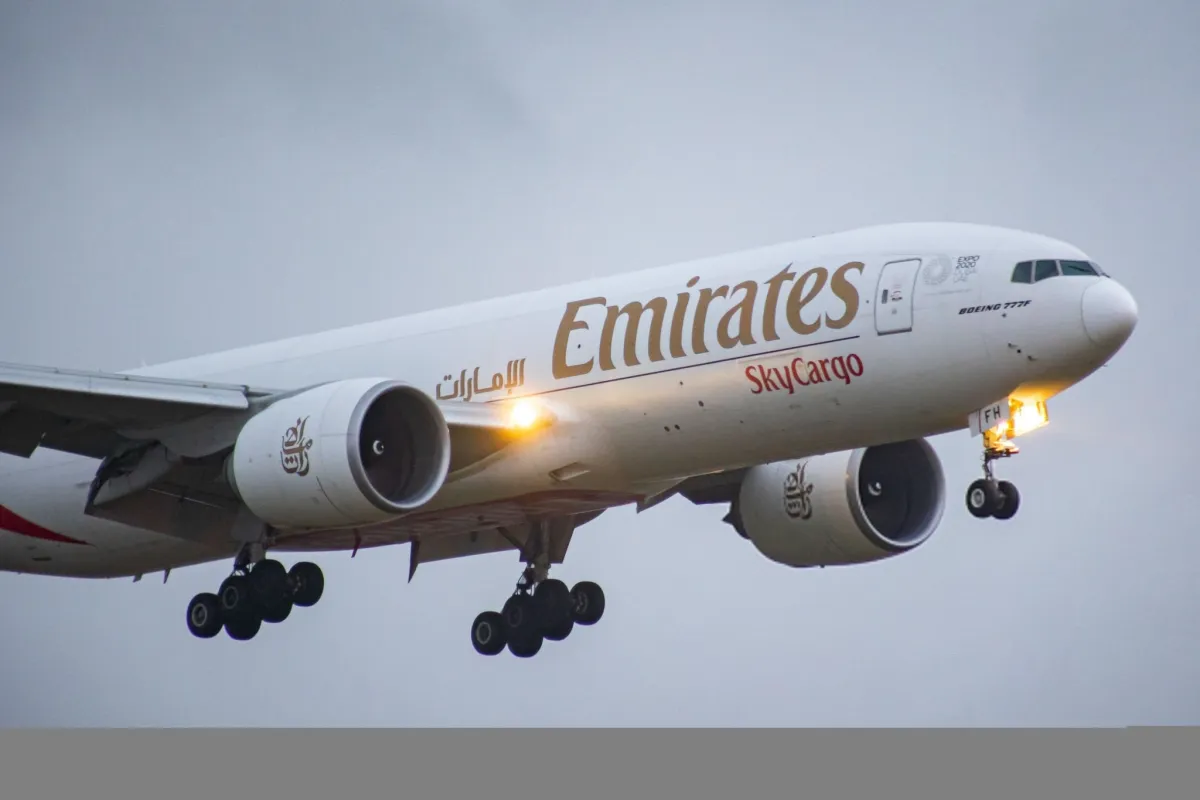
Emirates SkyCargo capitalized on Dubai's geographic advantage to move an estimated 12.5 billion CTK. Operating from DXB and the dedicated freighter hub at DWC, the airline serves more than 130 destinations and recently announced a major fleet renewal program centered on the Boeing 777F.
5. Atlas Air — The ACMI Backbone
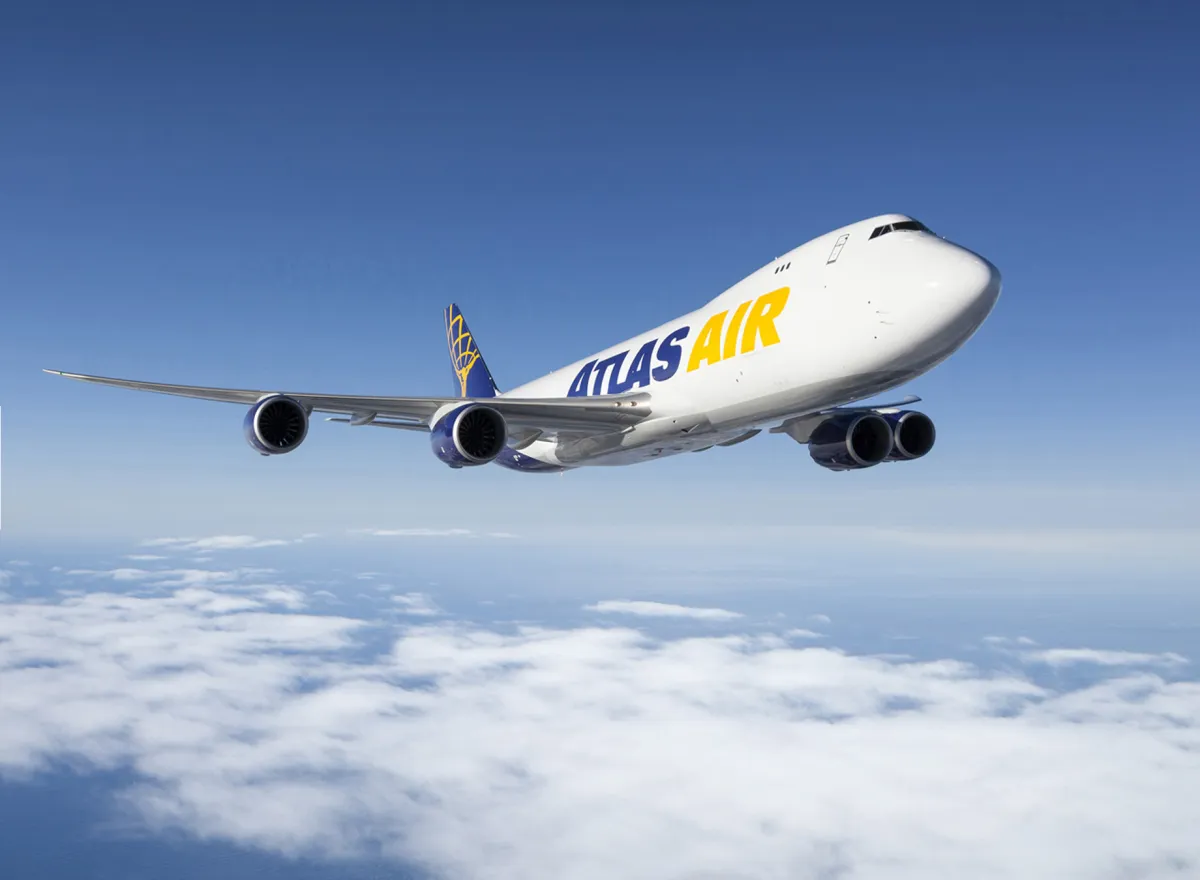
Atlas Air doesn't fly under its own brand for most of its customers — instead, it operates wet-leased freighters for partners including Amazon, DHL, and major forwarders. That ACMI model has made it indispensable to global e-commerce. Estimated 2025 volume: 11.5 billion CTK.
6. Turkish Airlines Cargo — Europe's Fastest-Growing Carrier
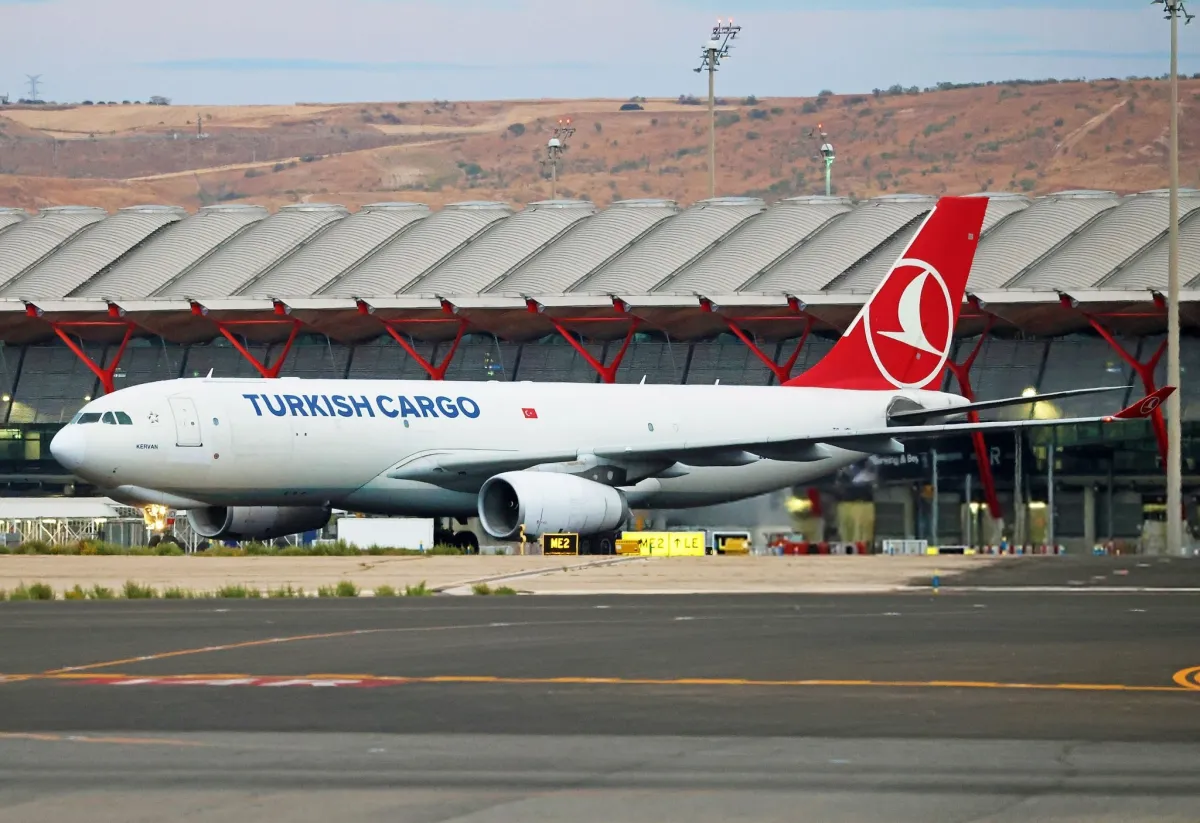
Turkish Cargo's relocation to Istanbul's purpose-built SMARTIST facility has paid off. The airline grew an estimated 12% year-over-year, leveraging Istanbul's geography to connect Asia, Europe, and Africa within a four-hour flight radius.
7. Korean Air Cargo — Asia's Pharma and Electronics Specialist
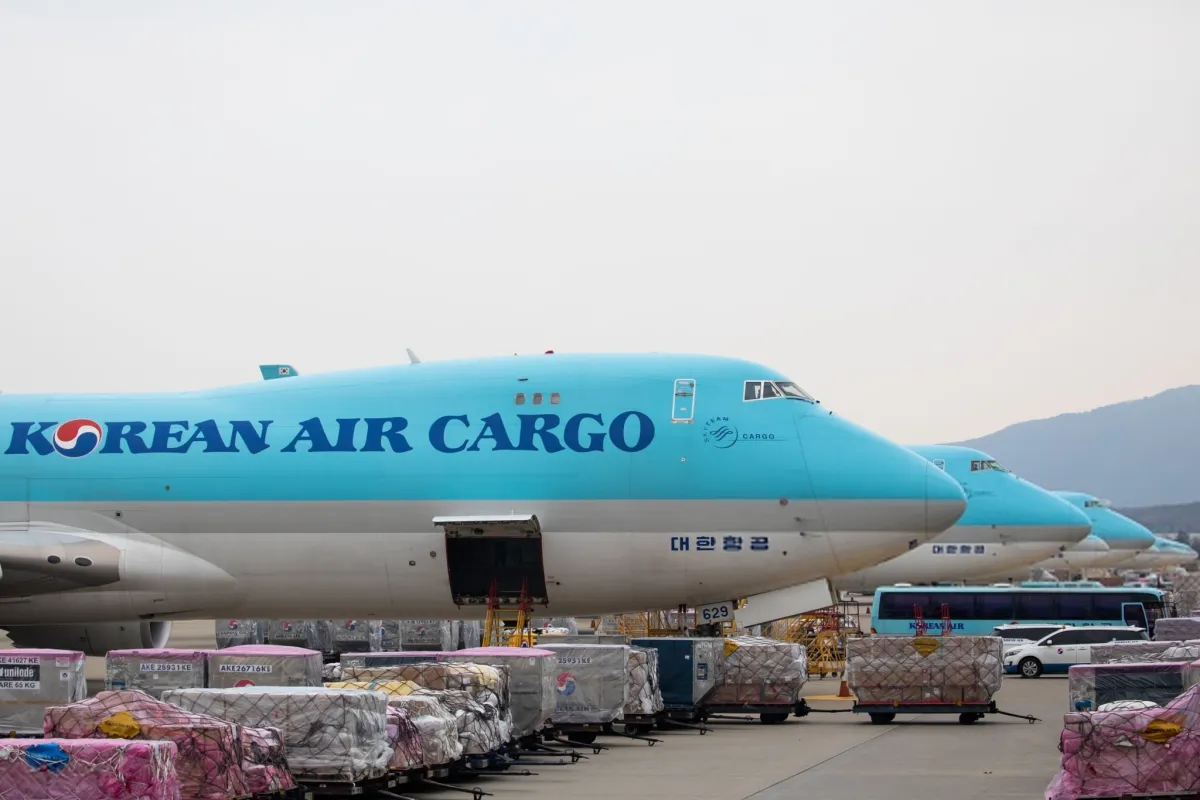
Korean Air carried 8.7 billion CTK from its Incheon hub, building on its strength in semiconductor and electronics shipments out of South Korea. The carrier's pending integration with Asiana's former passenger operations is expected to further consolidate its dominance in regional cargo.
8. China Southern Cargo — The Rising Pearl River Giant
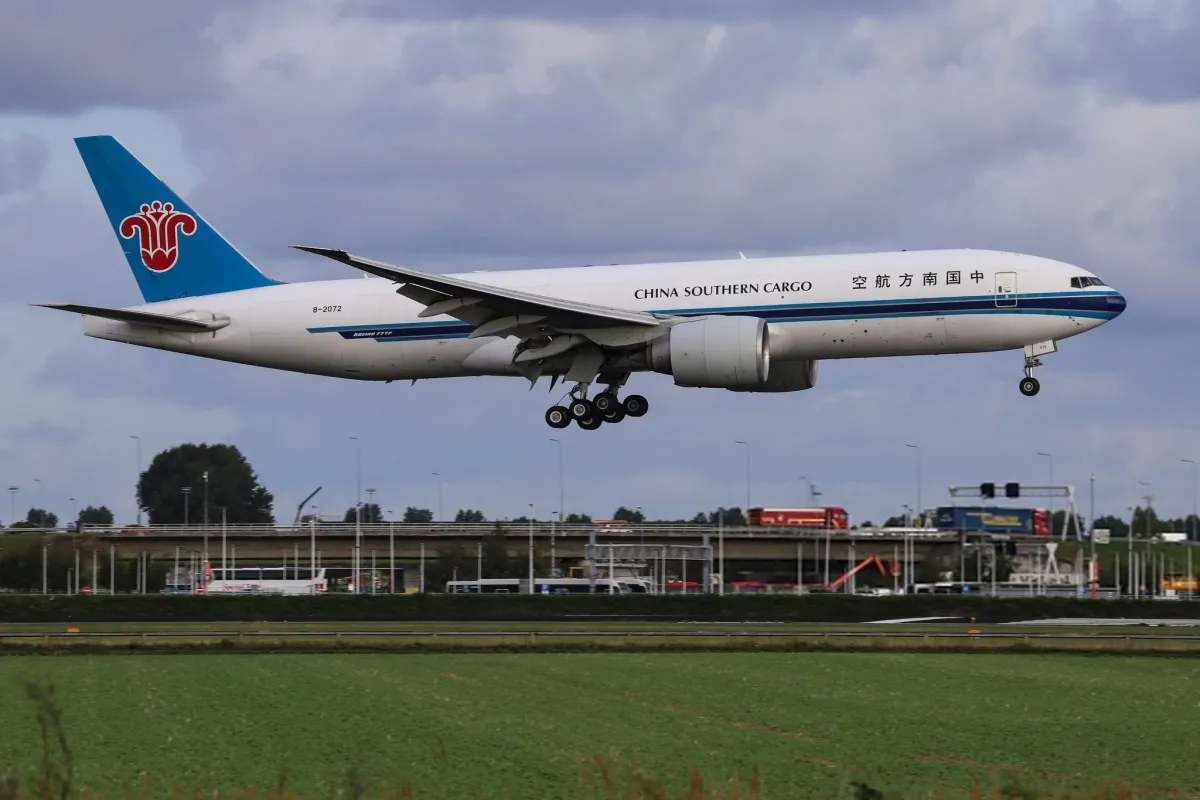
Operating from Guangzhou Baiyun International (CAN), China Southern Cargo grew an estimated 10% to reach approximately 8.0 billion CTK, riding the wave of Chinese e-commerce exports to Europe and the Americas.
9. Cathay Cargo — Hong Kong's Cargo Specialist
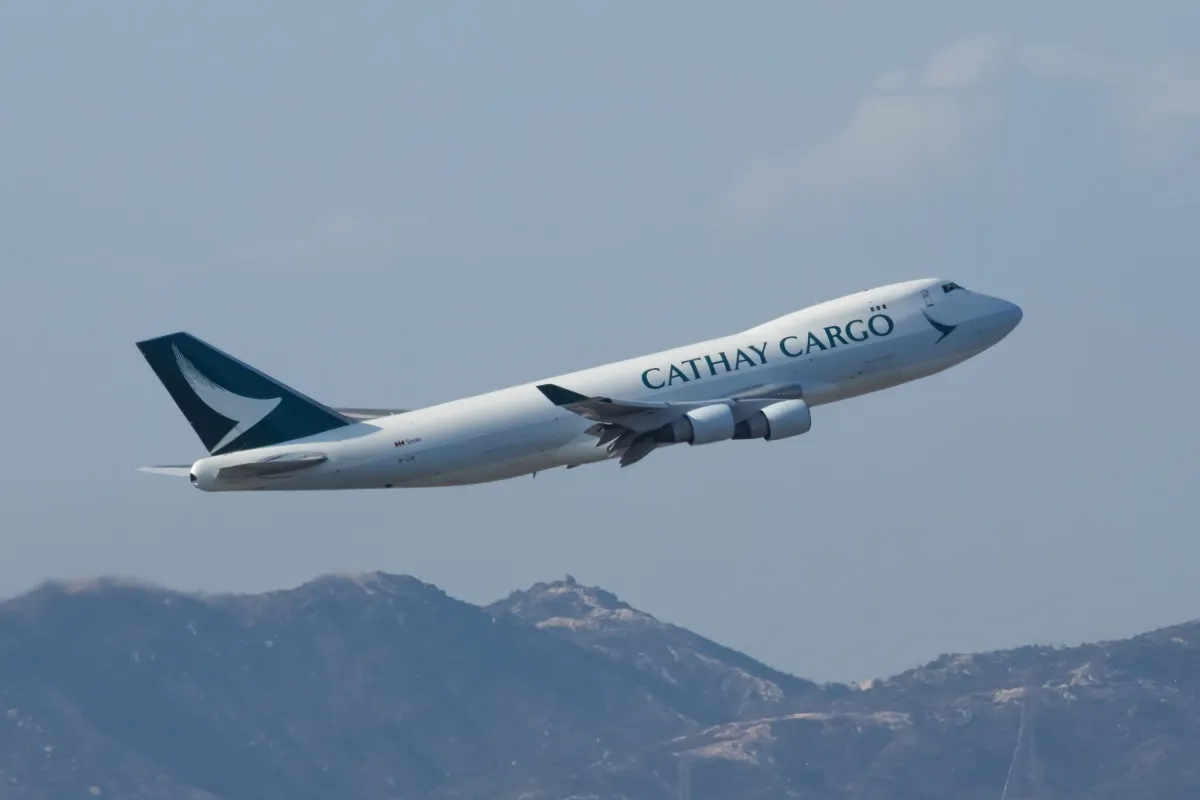
Cathay rebranded its cargo division from "Cathay Pacific Cargo" to simply "Cathay Cargo" and posted 11% growth. The Hong Kong hub remains one of the world's busiest cargo airports, and Cathay's network across Greater China remains a critical artery for time-sensitive shipments.
10. Cargolux — Europe's All-Cargo Champion
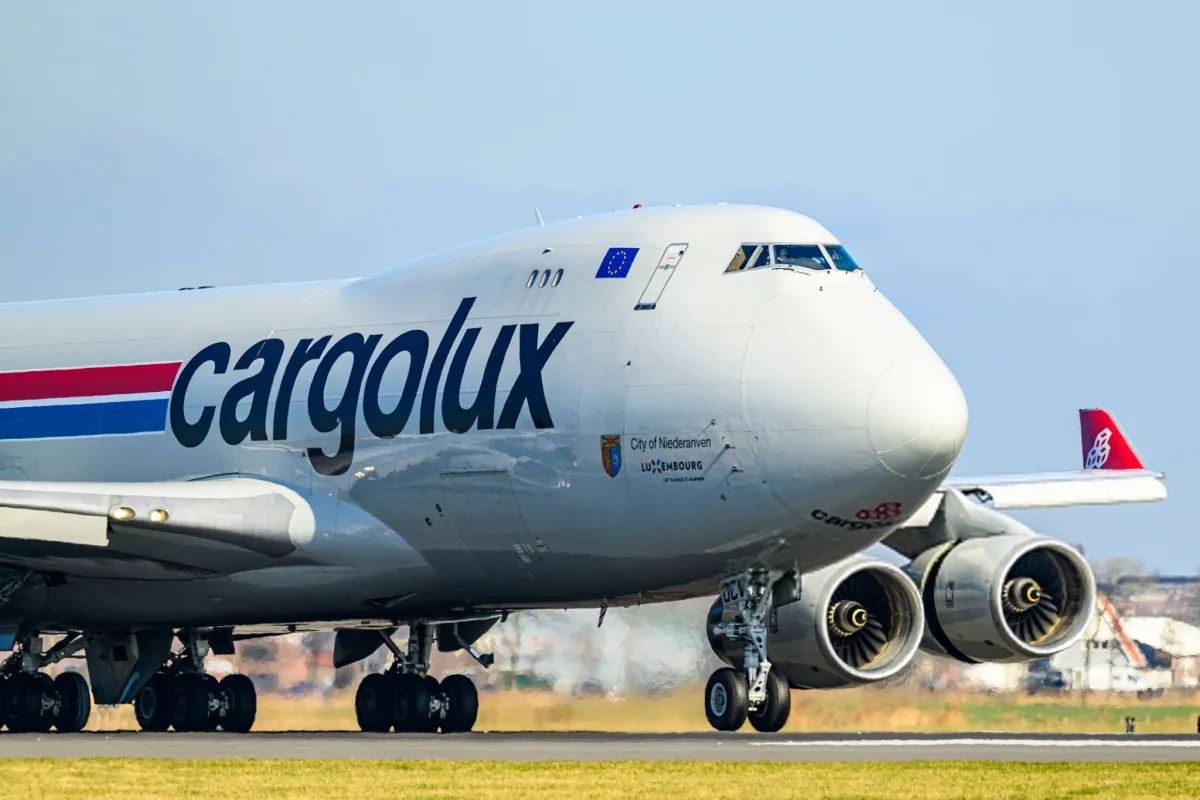
Luxembourg-based Cargolux is unusual in the top 10: it operates only freighters, no passenger aircraft. Its fleet of Boeing 747-8Fs and recently delivered 777-8F orders give it unmatched payload capability on Asia-Europe-Americas routes.
What's Driving the 2025 Growth Surge?
1. The E-Commerce Tidal Wave
Cross-border e-commerce — especially platforms shipping directly from Chinese factories to Western consumers — remains the single biggest tailwind for air cargo. Time-definite delivery promises require aircraft, not ships.
2. Red Sea Disruption Reshapes Supply Chains
The ongoing Red Sea shipping crisis pushed urgent freight off ocean carriers and onto aircraft. Shippers willing to pay a premium for predictability have kept freighter load factors near historical highs.
3. Pharmaceutical and Cold-Chain Demand
Temperature-controlled cargo — vaccines, biologics, perishables — has become a high-margin specialty. Airlines with certified cold-chain infrastructure (Qatar, Emirates, Lufthansa) are pulling ahead.
4. Capacity Tightening From Russian Airspace Closure
The closure of Russian airspace continues to add flight hours and fuel costs to Asia-Europe routes, but the resulting capacity tightening has supported yields — good news for top-25 carriers.
5. Fleet Modernization and Sustainability
Carriers are retiring older 747-400Fs and MD-11Fs in favor of more efficient 777Fs, 777-8Fs, and A350Fs. Sustainable Aviation Fuel (SAF) adoption is accelerating, particularly among European carriers under EU mandates.
Notable Changes From Last Year's Ranking
New entrants: British Airways, Etihad Cargo, and China Eastern Airlines have joined the top 25 — reflecting belly-capacity recovery on long-haul passenger flights and the rise of Chinese carriers.
Dropped off: Polar Air Cargo (the Atlas Air–DHL joint venture closed in early 2025), Asiana Cargo (whose freighter business was acquired by Air Incheon, now AirZeta), and Avianca all exited the rankings.
The Qatar leap: Qatar Airways Cargo's move from a top-five carrier to the #2 position is the most significant ranking shift in a decade.
Outlook for 2026
Air cargo growth is expected to moderate from the 9.4% surge of the past year, with industry forecasts pointing to mid-single-digit expansion as supply chains normalize and ocean capacity returns. Three trends to watch:
- Freighter conversions — A wave of 737-800BCF and A330P2F conversions will add capacity in the mid-tier market.
- AI in air cargo operations — From dynamic pricing to predictive load planning, AI is reshaping cargo revenue management.
- Sustainability scrutiny — As EU ETS extends to aviation, European carriers face new compliance costs that could shift competitive dynamics toward Middle East and Asian hubs.
What is the world's largest cargo airline in 2025?
FedEx Express is the world's largest cargo airline in 2025, with approximately 18 billion Cargo Tonne-Kilometers (CTK) according to the latest IATA WATS report.
What does FTK or CTK mean in air cargo?
FTK (Freight Tonne-Kilometers) and CTK (Cargo Tonne-Kilometers) measure actual freight traffic. One CTK equals one metric tonne of cargo carried one kilometer. CTK explicitly includes mail and unaccompanied baggage; FTK typically does not.
Which cargo airlines are integrators vs. combination carriers?
Integrators (FedEx, UPS, DHL) offer door-to-door service including pickup, air transport, and final delivery. Combination carriers (Emirates, Qatar, Lufthansa) move freight in the belly of passenger aircraft and operate dedicated freighters, but rely on freight forwarders for ground services.
How is the ranking calculated?
IATA's World Air Transport Statistics ranks airlines by scheduled Cargo Tonne-Kilometers (CTK). It excludes charter-only operators that don't submit scheduled traffic data.
Why did Polar Air Cargo and Asiana drop off the list?
Polar Air Cargo, a joint venture between Atlas Air Worldwide and DHL, closed in early 2025. Asiana's cargo business was acquired by Air Incheon (rebranded as AirZeta), and its operations no longer report under the Asiana banner.