
Over the past few years, many of the biggest names in artificial intelligence have been focused on one thing: building better large language models, chatbots, and AI systems that can communicate with people.
What Is Discord? A Complete Guide to Its Features and How to Use It
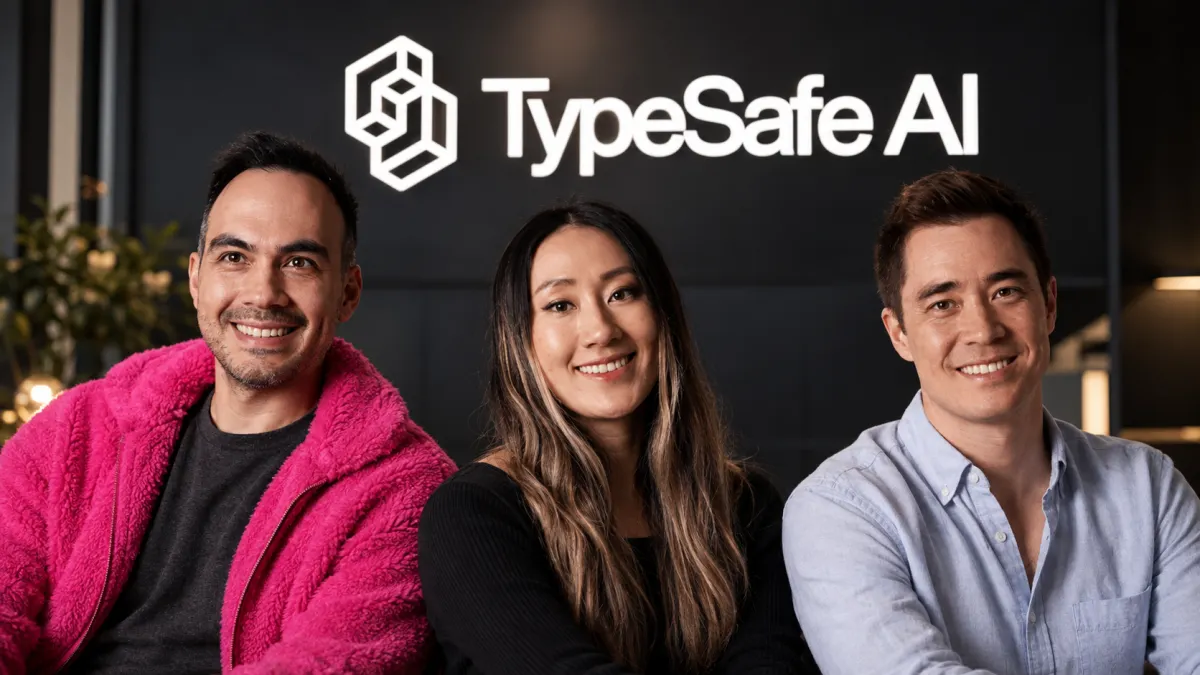
But a relatively new startup in San Francisco is taking a different approach.
TypeSafe AI believes the future of AI may not be about making machines better at talking to humans. Instead, the company wants to build AI systems that can make reliable, structured decisions directly inside software.
TypeSafe emerged from stealth in September 2026 after roughly two years of private development. Its first public product is called Jev, a model designed not primarily for generating text, but for making structured decisions that software can use directly.
The company's broader vision is to make AI behave less like a chatbot and more like a reliable software component.
What Exactly Does TypeSafe AI Do?
The idea behind TypeSafe starts with a problem that has become increasingly important as AI moves into real-world applications.
Models such as ChatGPT have become remarkably good at communicating with people. They can write, answer questions, generate code, summarize information, and follow complex instructions.
But when an AI model is asked to make decisions directly inside a software system, different challenges emerge.
A model may produce an unexpected answer, become overly confident in an incorrect conclusion, or return an output that is difficult for software to process reliably.
TypeSafe is trying to approach this problem from a different direction.
The company calls its new generation of models System One Models. Its first public model is Jev.
Instead of simply generating a piece of text, Jev is designed to produce a structured decision along with a measure of confidence.
For example, a software system could ask whether a particular request should be automatically approved or sent to a human for review. The model could then return a structured result that the software can process.
In simple terms, TypeSafe wants to move AI from:
«Give me an answer.»
toward:
«Make a decision that my software can use.»
TypeSafe says its approach uses a training method called Reinforcement Learning for Calibrated Decisions, or RLCD. The company says Jev is designed to provide both a decision and an indication of how confident it is in that decision, allowing software systems to determine when an AI-generated result can be trusted and when human review may be appropriate.
Who Founded TypeSafe AI?
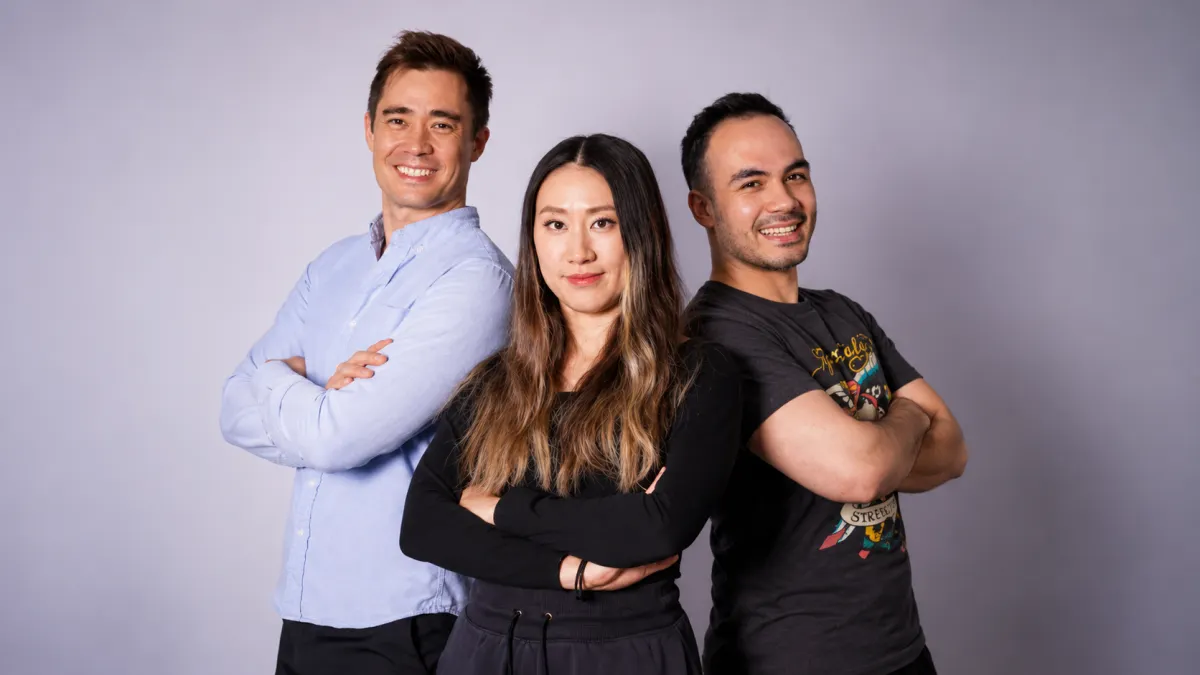
TypeSafe was founded by three people:
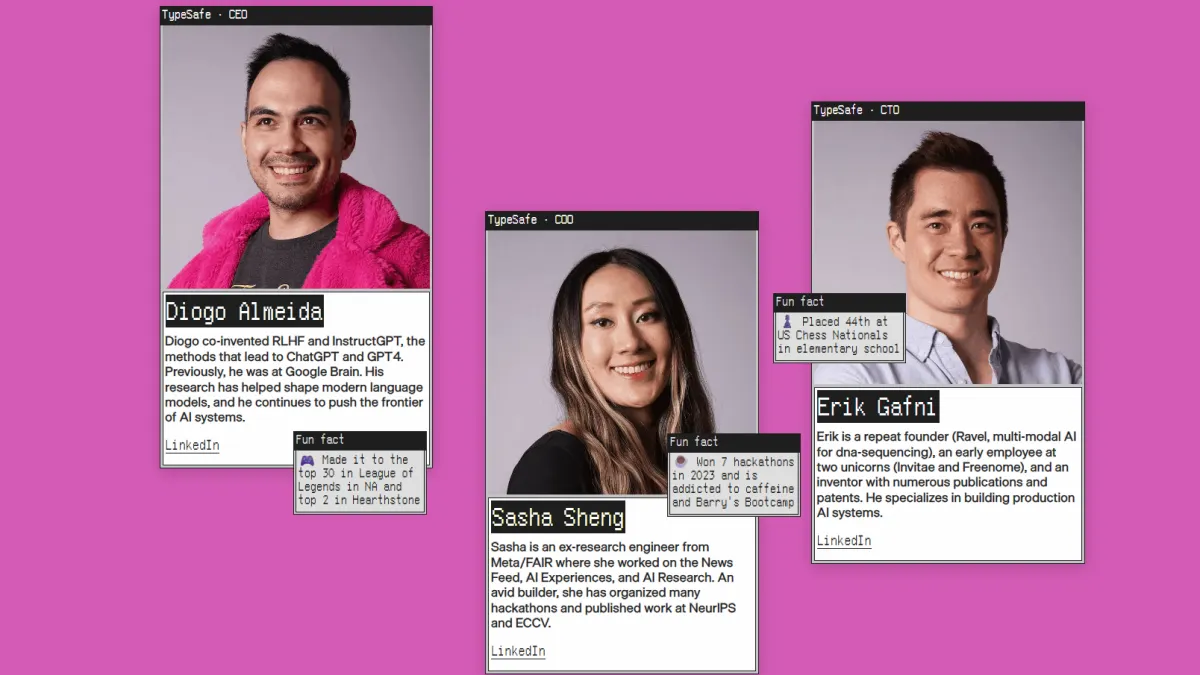
- Diogo Almeida — Co-founder and CEO
- Sasha Sheng — Co-founder and COO
- Erik Gafni — Co-founder and CTO
All three founders have backgrounds in technology and artificial intelligence, but their professional paths are quite different.
Diogo Almeida: The Former OpenAI Researcher Behind TypeSafe
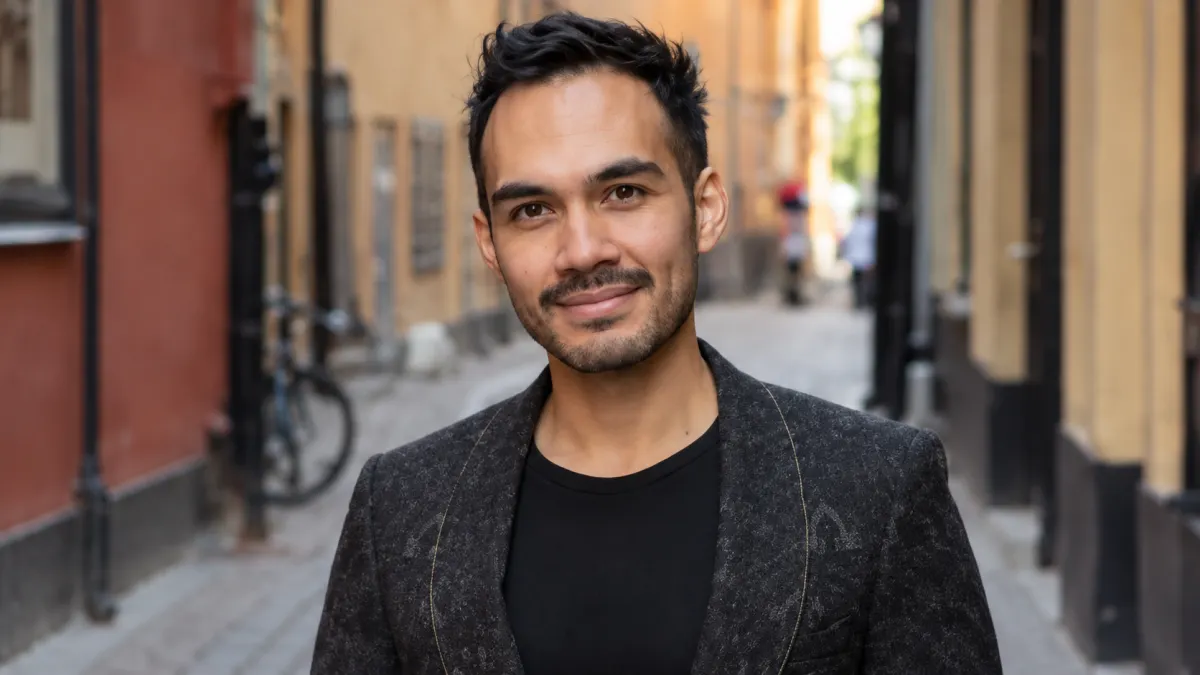
Among the three founders, Diogo Almeida is probably the most closely associated with TypeSafe's core idea.
Before founding TypeSafe, Almeida worked at Google Brain and later at OpenAI.
TypeSafe describes him as someone who contributed to work involving RLHF and InstructGPT, areas that became important in the development of instruction-following language models and later systems such as ChatGPT.
According to Almeida's own account in TypeSafe's launch announcement, his experience at OpenAI helped shape the thinking behind the company.
He had spent years working on ways to make language models better at following human instructions and interacting with people. That experience eventually led him to a different question:
What if AI models were designed not primarily to talk to humans, but to make decisions that software could act on directly?
That question became one of the foundations of TypeSafe.
Where Did Diogo Almeida Work Before OpenAI?
Before joining OpenAI, Almeida worked at Google Brain, where he was involved in machine-learning research and engineering.
His public background also includes a strong interest in mathematics and artificial intelligence.
In 2008, he competed in the International Mathematical Olympiad as part of the Philippines team, where he won a bronze medal. His full name appears in competition records as Diogo Miguel S. Moitinho de Almeida.
That part of his background is particularly interesting because his name has Portuguese origins, while his documented participation in the International Mathematical Olympiad was under the Philippines team.
What Is Diogo Almeida's Nationality?
This is one area where it is important not to oversimplify the available information.
Public sources clearly document Almeida's participation with the Philippines team at the 2008 International Mathematical Olympiad. However, publicly available sources do not clearly establish his current legal nationality as either Filipino or Portuguese.
His later education and professional career have been strongly connected to the United States, including his studies and subsequent work at Google Brain and OpenAI.
For that reason, describing him simply as «Filipino» or «Portuguese» would go beyond what the available public evidence establishes.
Sasha Sheng: From Yahoo and Meta to TypeSafe
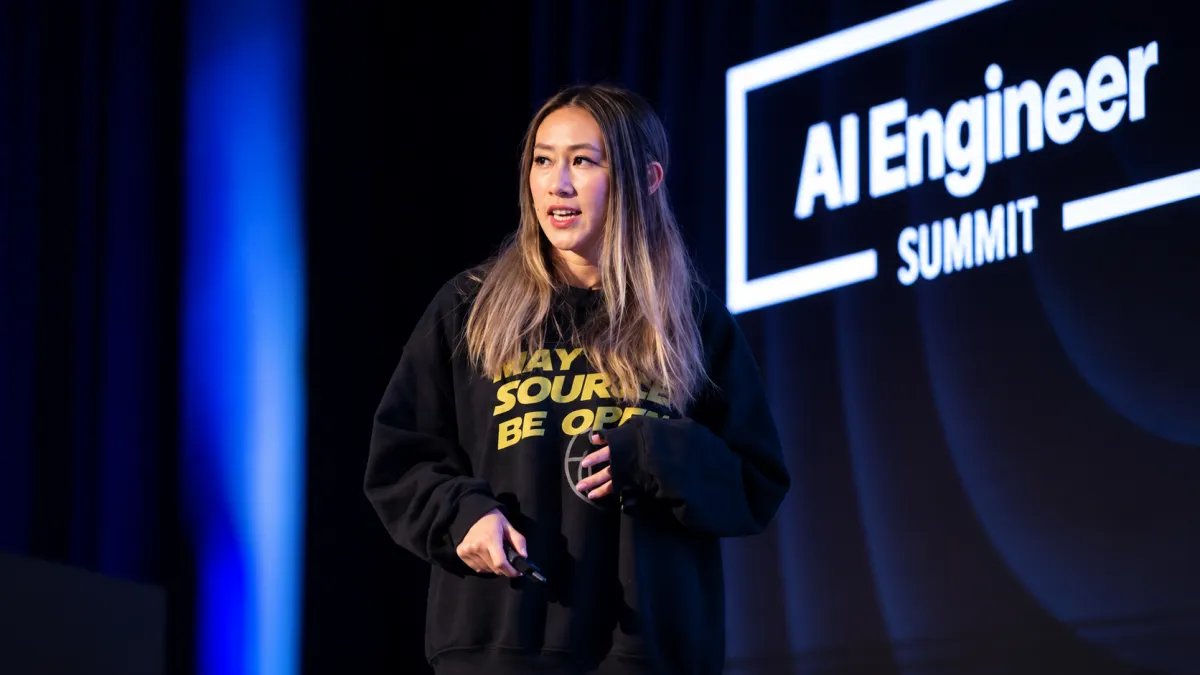
The second TypeSafe co-founder is Sasha Sheng, who serves as the company's Chief Operating Officer.
Sheng's career has included experience at Yahoo and Meta, including work associated with Meta's AI research organization, FAIR.
According to TypeSafe's biography, her work has covered areas including product engineering, machine learning, and AI research. Her research has also appeared at major academic conferences such as NeurIPS and ECCV.
Before moving deeper into AI research, Sheng worked on mobile products at Yahoo. She later joined Facebook, where her career moved toward machine learning and data-driven systems.
Her professional background is notable because it combines software engineering, product development, and AI research — a combination that fits naturally with her role as TypeSafe's COO.
Where Is Sasha Sheng From?
Public profiles and reporting identify Sheng with Shanghai, China.
She studied at Shanghai Jiao Tong University before moving to the United States, where she later studied computer science at the University of Michigan.
Her background therefore has a clear connection to China, particularly Shanghai, although her later education and professional career have largely taken place in the United States.
As with Almeida, it is more accurate to distinguish between someone's background and their current legal citizenship unless a reliable source explicitly confirms the latter.
Erik Gafni: From Biotechnology to AI
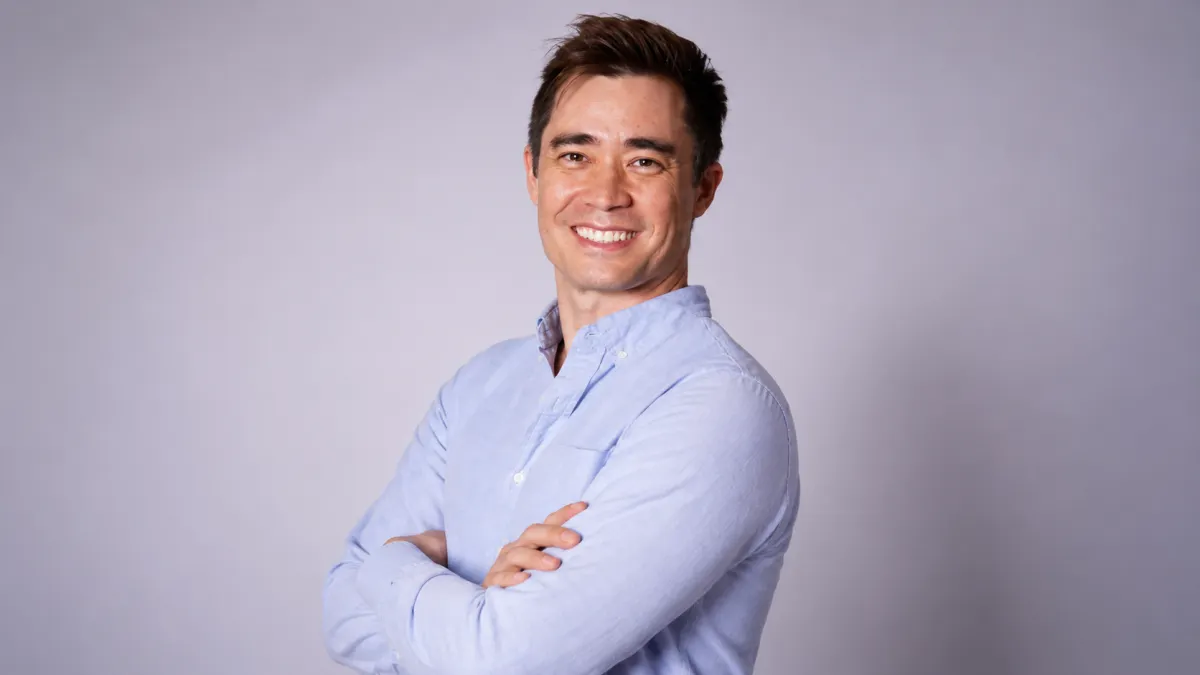
The third TypeSafe co-founder is Erik Gafni, who serves as the company's Chief Technology Officer.
Gafni's career is somewhat different from that of Almeida and Sheng.
Before TypeSafe, much of his work focused on machine learning, computational biology, and medical technology.
He studied Computer Science and Physiology at the University of Arizona and later worked in bioinformatics research at Harvard Medical School.
He subsequently worked at companies including Invitae, where he focused on machine-learning algorithms and genetic analysis.
He later joined Freenome, working on machine-learning approaches for the early detection of cancer.
Gafni eventually became a co-founder of Ravel Biotechnology, a company that applied deep learning to DNA sequencing and the development of technologies for early cancer detection.
According to his professional profile, Ravel raised approximately $9.5 million and its research contributed to a paper published in Nature.
His background gives TypeSafe something different from the typical AI startup team: experience not only in software and machine learning, but also in applying AI to highly complex scientific and biological problems.
What Is Erik Gafni's Nationality?
Public sources do not clearly state Gafni's legal nationality.
What is clear is that a substantial part of his academic and professional life has been based in the United States. He studied at the University of Arizona, worked at Harvard Medical School, and built his professional career largely within the American technology and biotechnology ecosystem.
For that reason, it is more accurate to describe him as a technology and AI professional based in the United States rather than making an unsupported claim about his citizenship.
Where Is TypeSafe Based Today?
TypeSafe is currently based in San Francisco, California.
The company says its team works in person five days a week from its San Francisco office, near the Embarcadero area. Its publicly listed corporate address is also in San Francisco.
In other words, although the founders have different backgrounds and international connections, TypeSafe itself is firmly rooted in the San Francisco Bay Area technology ecosystem.
How Did TypeSafe Emerge From Stealth?
TypeSafe spent roughly two years operating quietly before publicly introducing its technology in September 2026.
The company launched its first model, Jev, alongside its broader concept of System One Models.
At launch, TypeSafe announced that it had raised approximately $40 million in funding.
The funding was led by DCVC, according to reports and the company's launch materials.
The company's emergence attracted attention partly because of Almeida's background at OpenAI and partly because TypeSafe was proposing a fundamentally different way of thinking about AI models.
Rather than building another general-purpose chatbot, the company was positioning its technology as infrastructure for software systems.
Is TypeSafe Trying to Compete With ChatGPT?
Not exactly.
TypeSafe is not simply trying to build another ChatGPT.
In fact, its philosophy is somewhat different.
ChatGPT and many other large language models are designed primarily for interaction with humans.
TypeSafe says its models are designed for interaction with software.
Imagine a company processing millions of requests and needing to determine:
- Should this request be approved?
- Does this transaction look suspicious?
- Does this customer require human review?
- Should this application move to the next stage?
- Is this document relevant to a particular workflow?
A traditional language model could generate a written response to each question.
TypeSafe wants its models to return structured decisions that software can immediately process.
This is where the company introduces the idea of machine-native AI.
The goal is not necessarily to replace general-purpose language models, but to create a different category of AI model designed specifically for automated decision-making inside software.